 Borehole Well and Hand Pump
 Rehabilitation Project









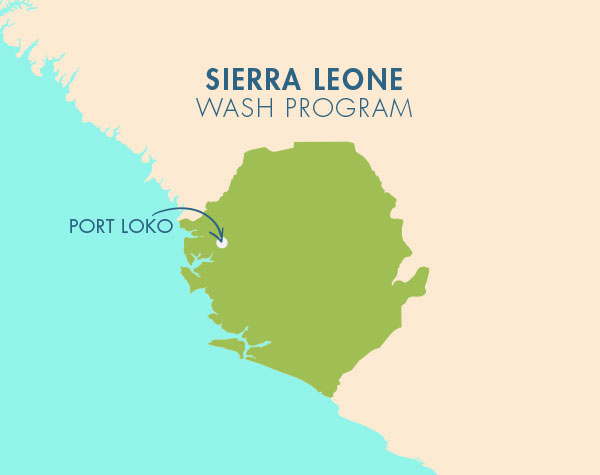
Mabendo Community sits on the edge of a mangrove-lined landscape in Kaffu Bullom Chiefdom—lush, green, and peaceful at first glance, but beneath this quiet beauty lies a persistent hardship: water. For years, the 345 people of Mabendo have depended on three hand-dug wells that we converted into boreholes in 2018. While once reliable, these water points have become seasonal, providing relief only during the rainy months. By November each year, the wells begin to run dry, forcing the entire community of families, farmers, and schoolchildren to rely on unsafe sources: an open well hidden beneath tall trees near the mangrove, and a milky-colored stream surrounded by thick bush.
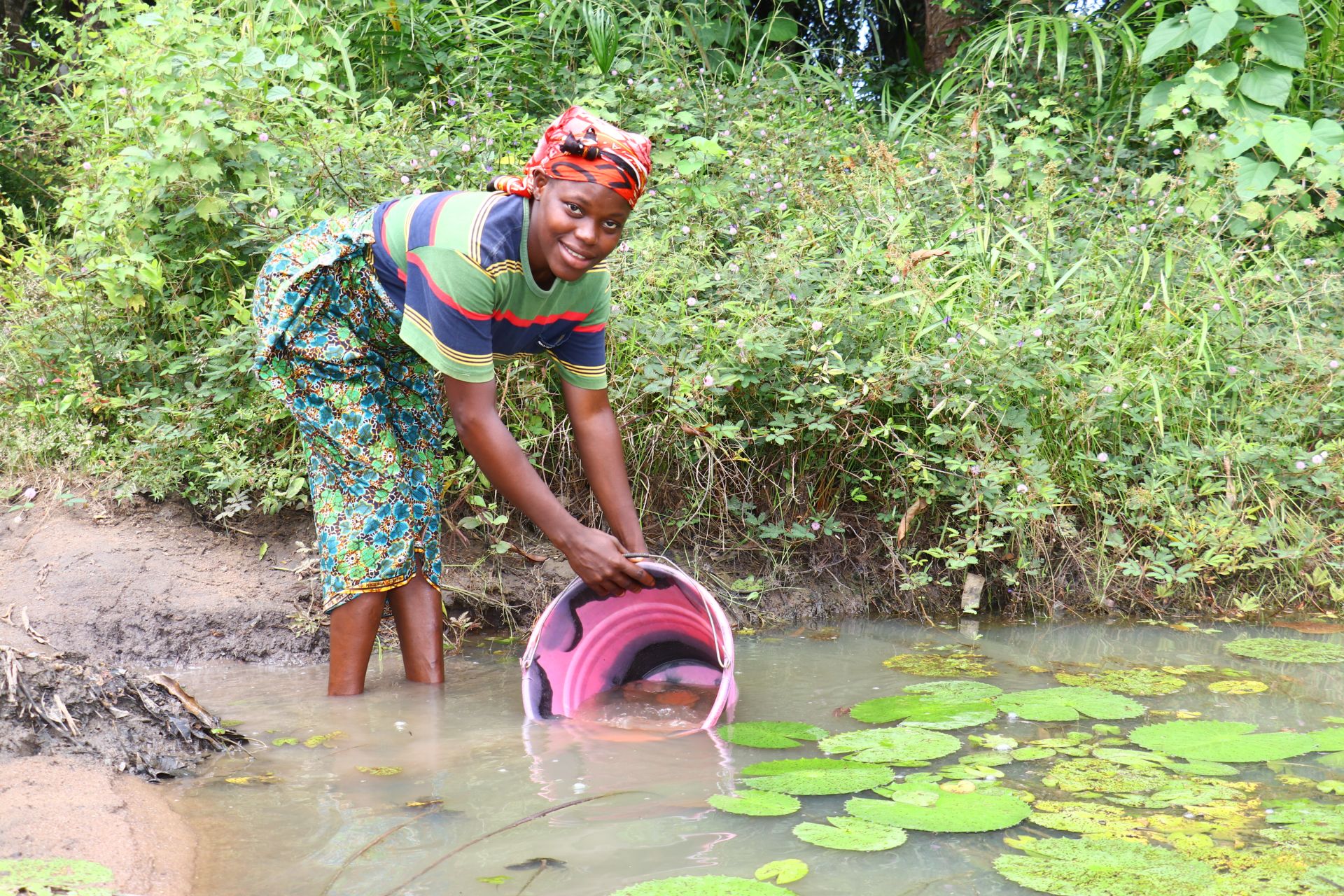
Fatmata collects water from the community stream.
During the dry season, these become the only functioning water sources, both of which are difficult to access and unsafe for drinking. Their locations are swampy and bushy, known for their abundance of snakes and other wildlife. Water becomes muddy as more people draw from it, and the stream is also used for bathing and washing, further degrading the water quality. Despite these risks, the people of Mabendo have no other choice.
Amid this daily struggle is 17-year-old Fatmata, a secondary school student whose story illustrates the full weight of Mabendo’s water crisis.
“I feel very burdened fetching water from a far distance," Fatmata declared.
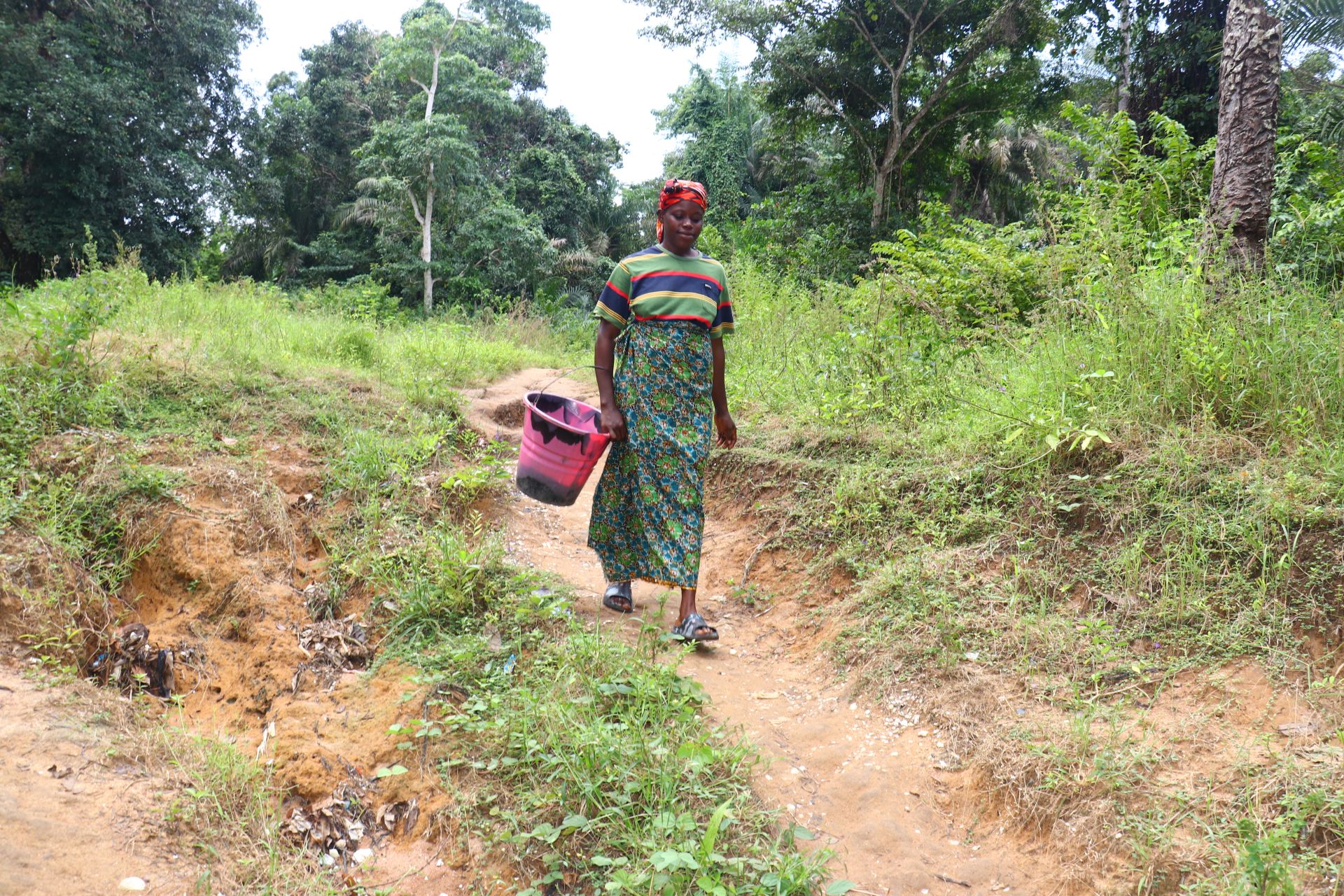
Fatmata walks to find water.
Fatmata lives near the seasonal well—close in the rainy season, but painfully far from the open well and stream that become the community’s lifeline when the dry months arrive. For her, the changing of seasons determines more than water access—it determines how she lives each day.
She explains, “The seasonal nature of the water wells in this community has greatly limited access to water, especially during the dry season when the wells dry up.” When the nearby well empties, she must walk long distances to collect water from other sources, waiting in long queues as the levels drop lower and lower.
“It takes a long time to collect water from these sources, and when many people have already fetched, the water level in the well becomes low. This causes further delays in fetching water," Fatmata lamented.
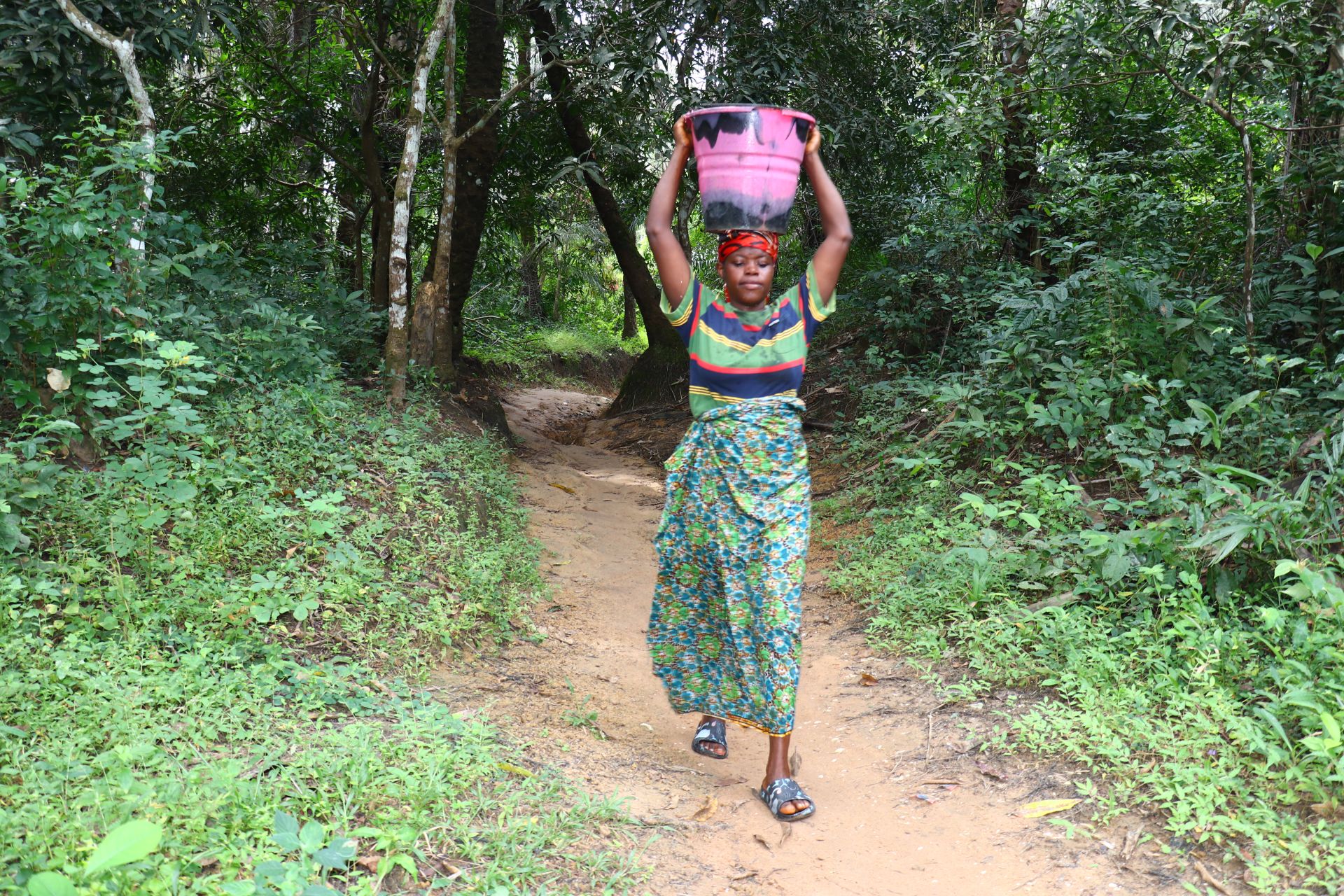
Every hour she spends on the narrow footpath leading to the swamp or stream is an hour taken from her education. Fetching water before school often leaves her late, exhausted, or absent from school.
She shares, “I spend a lot of time fetching water, which often makes me late for school. With all these tasks combined, I have little or no time left to study and perform well in school.”
Her feelings toward fetching water depend entirely on the source: “I feel good when fetching water from the community wells, but I become very frustrated when they dry up.”
When the only options are the open well or stream, she faces fear, fatigue, and frustration—long distances, bushy surroundings, and difficult, unsafe methods of drawing water. The dry season magnifies everything for her: “The situation worsens… water levels drop and demand increases, often causing me to spend even more time fetching water.”
Fatmata’s experience mirrors that of nearly everyone in Mabendo. Only about a quarter of residents can access water within a 30-minute round trip. Many families fetch water six or more times a day. Farmers lose productive hours. Schoolchildren miss class. And health risks rise with every sip from the unprotected well or contaminated stream.
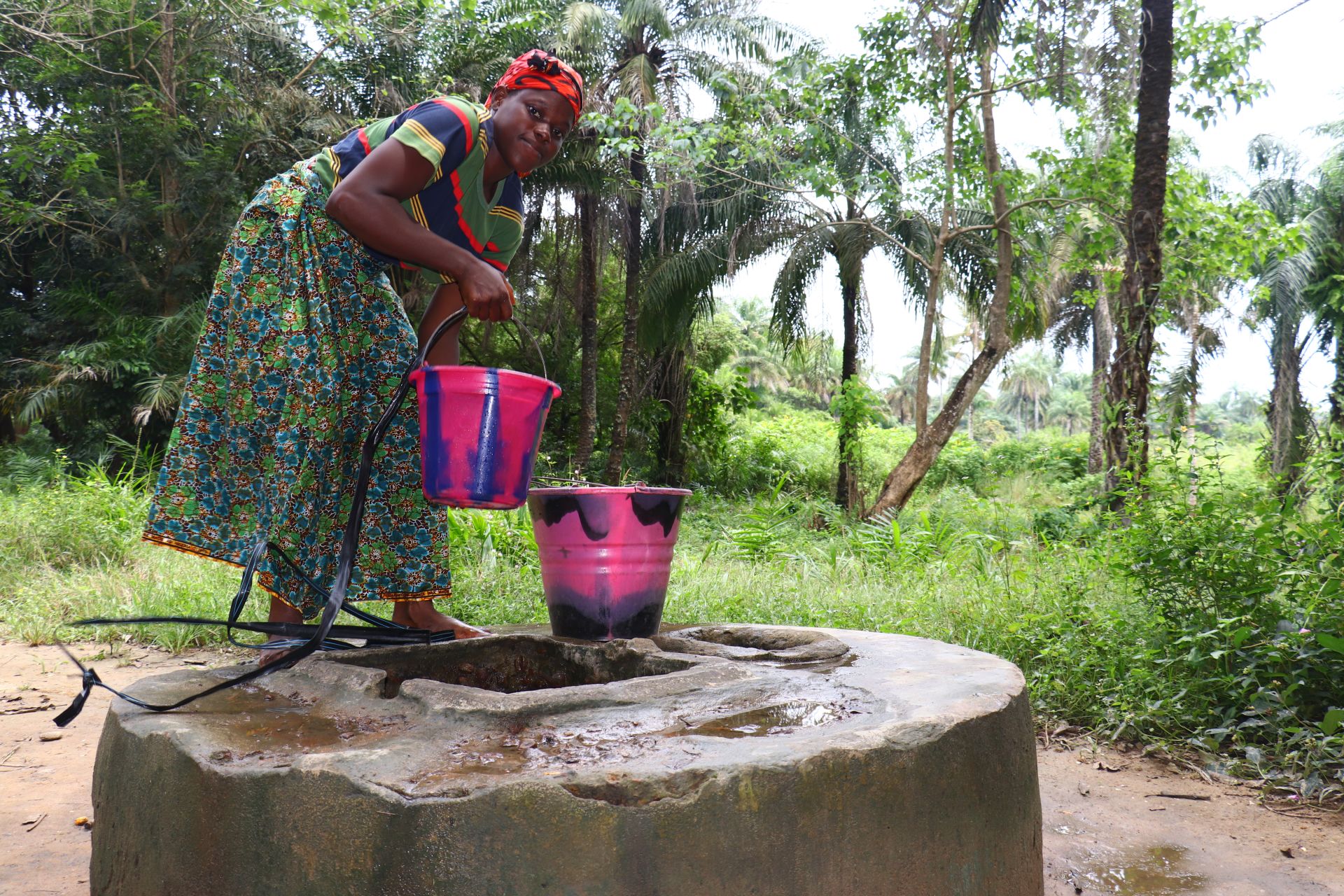
Fatmata collects water from the unreliable, seasonal well.
The open well, cold and seemingly clean at dawn, quickly becomes murky from constant use, contamination, and the presence of wildlife. The stream—milky and surrounded by swamp—remains completely unprotected. There is no chlorination, no fencing, and no monitoring. Rainfall turns the area into a flood zone, worsening contamination.
For a girl with big dreams, the burden is heavy. “My plan is to complete my education and get a good job so that I can take care of myself and serve others,” she says with determination. “I aspire to become a medical doctor because I believe this will enable me to help many people by preventing deaths and promoting healthy living in my community.”
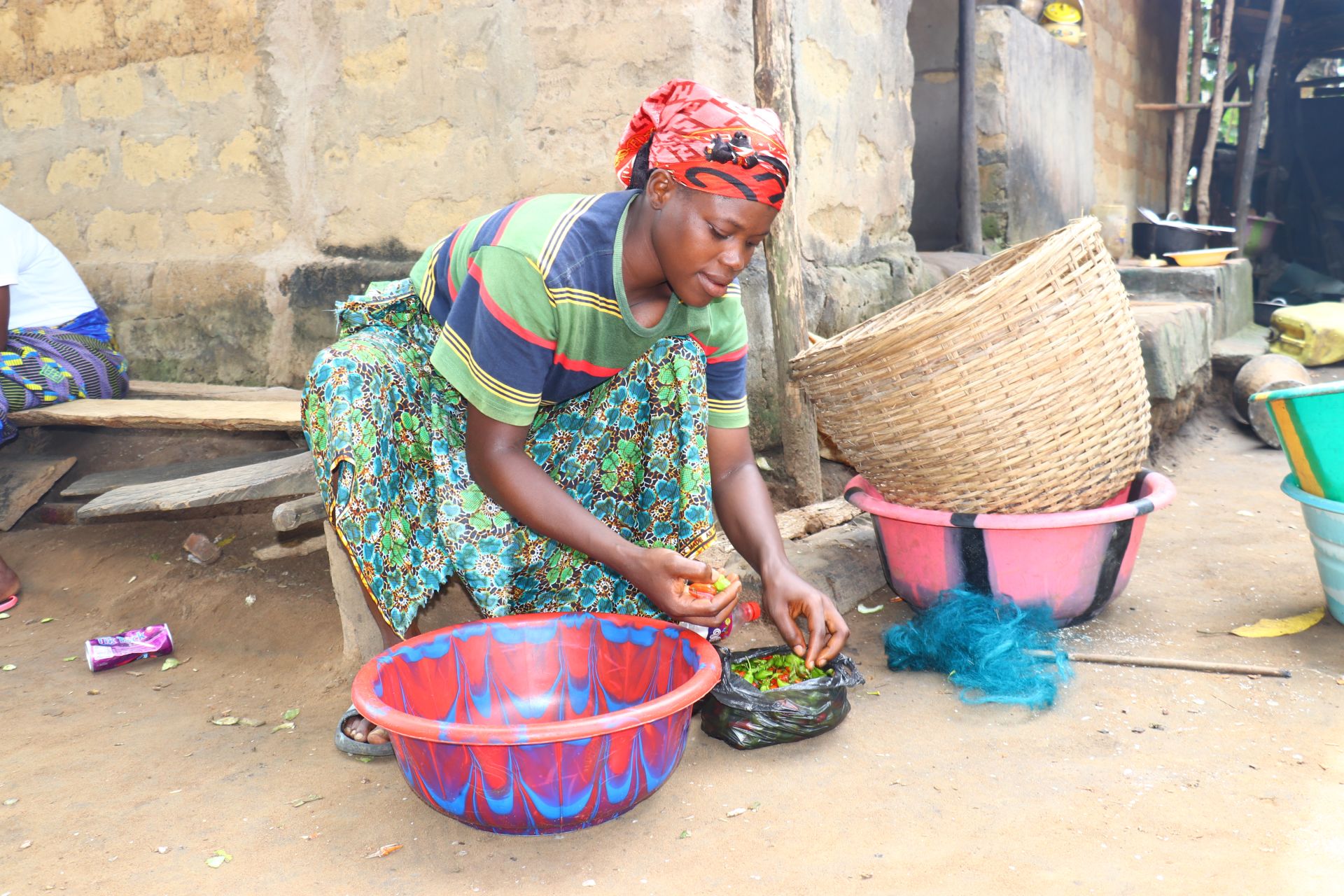
But the journey to this future is constantly interrupted by the realities at home. After long mornings of household responsibilities—cooking, washing clothes, fetching water—Fatmata sometimes has no strength left to attend school at all. “Sometimes, after completing household chores including fetching water, I become so exhausted that I cannot go to school until I rest and regain my energy.”
This solution would do more than provide water—it would give Fatmata and other students their time, health, and opportunity back. It would free parents to focus on farming and income. It would safeguard children from dangerous environments. Most importantly, it would reduce the community’s dependence on unsafe sources and protect them from waterborne diseases.
Steps Toward a Solution
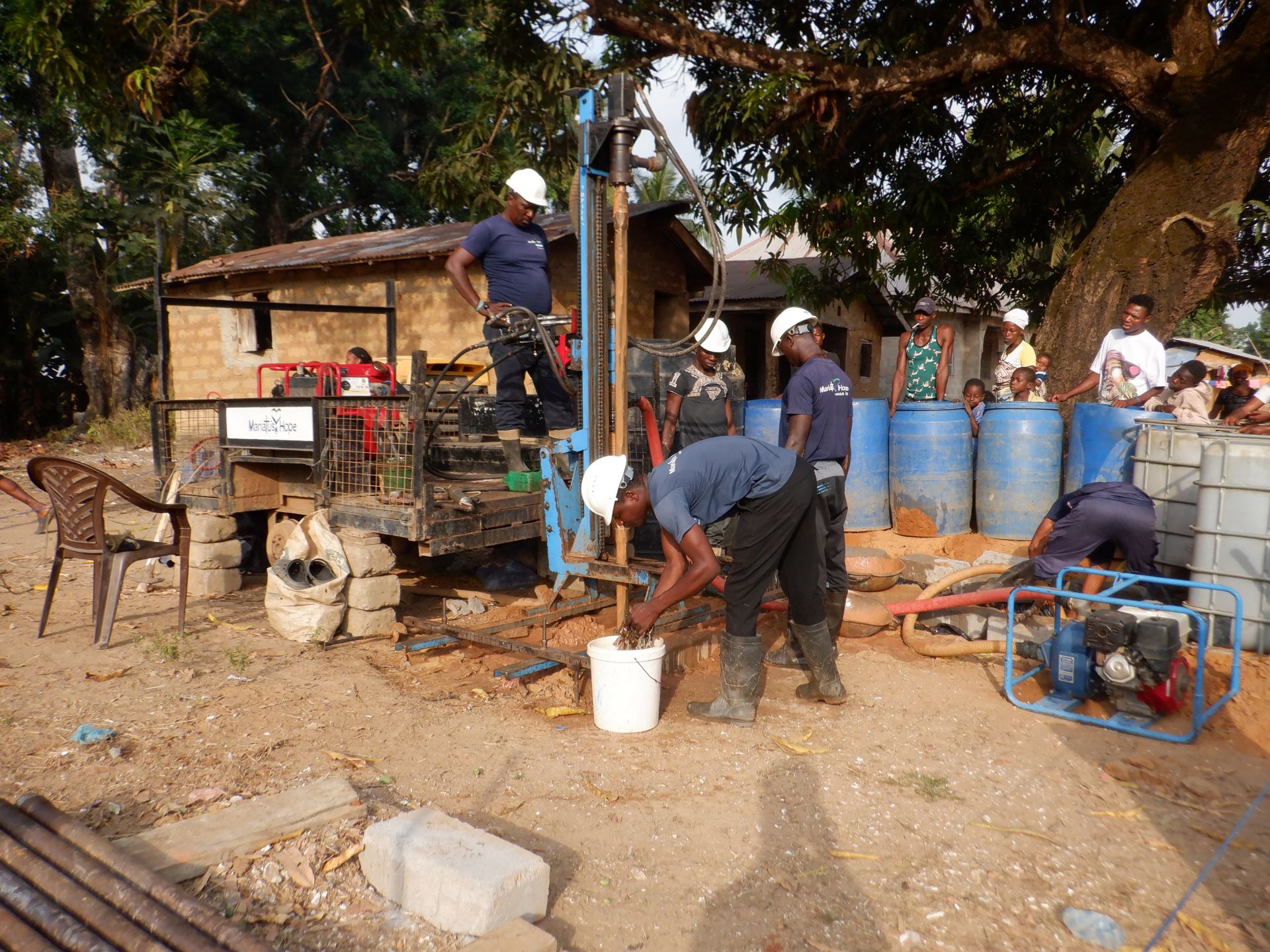
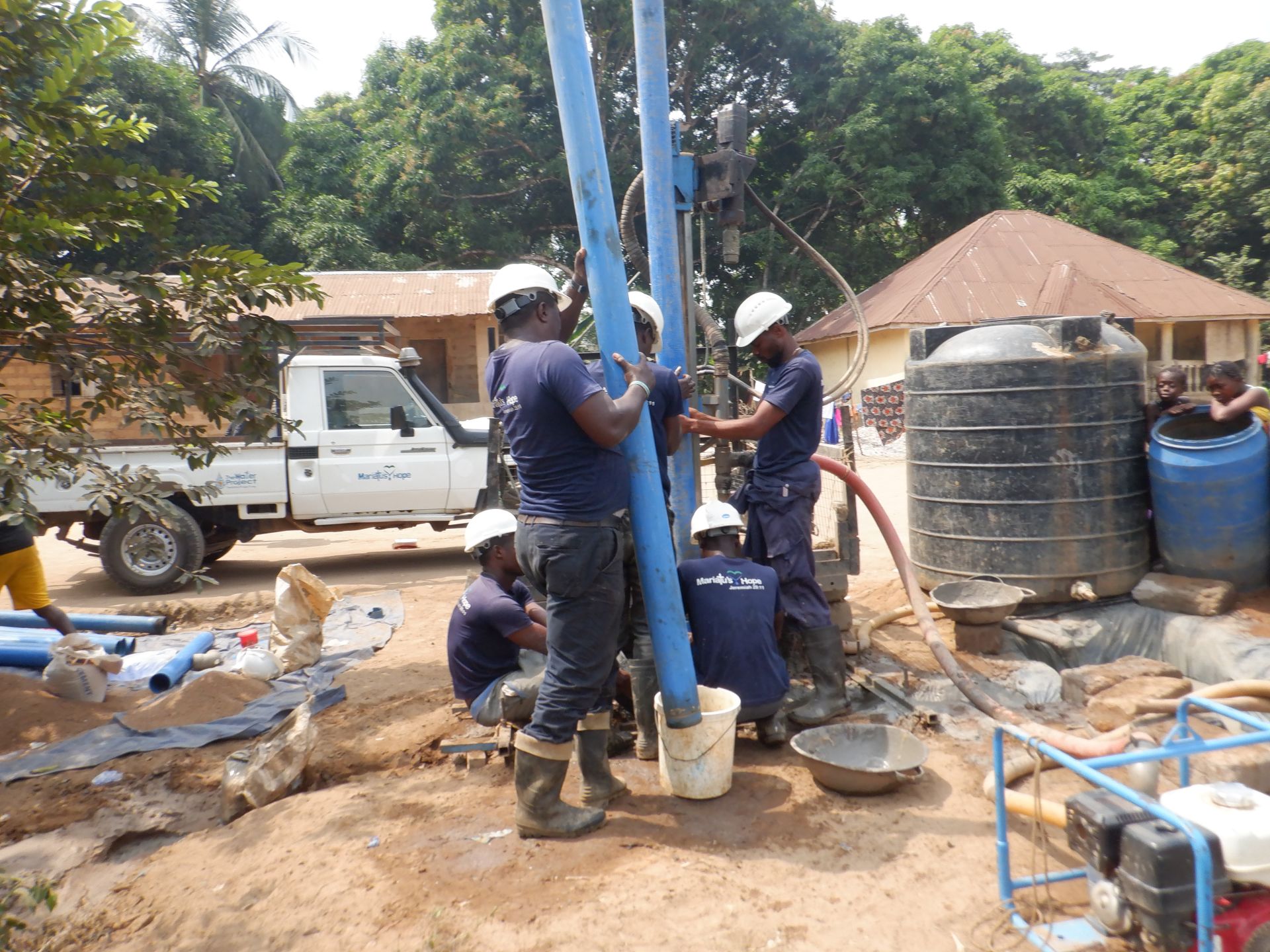
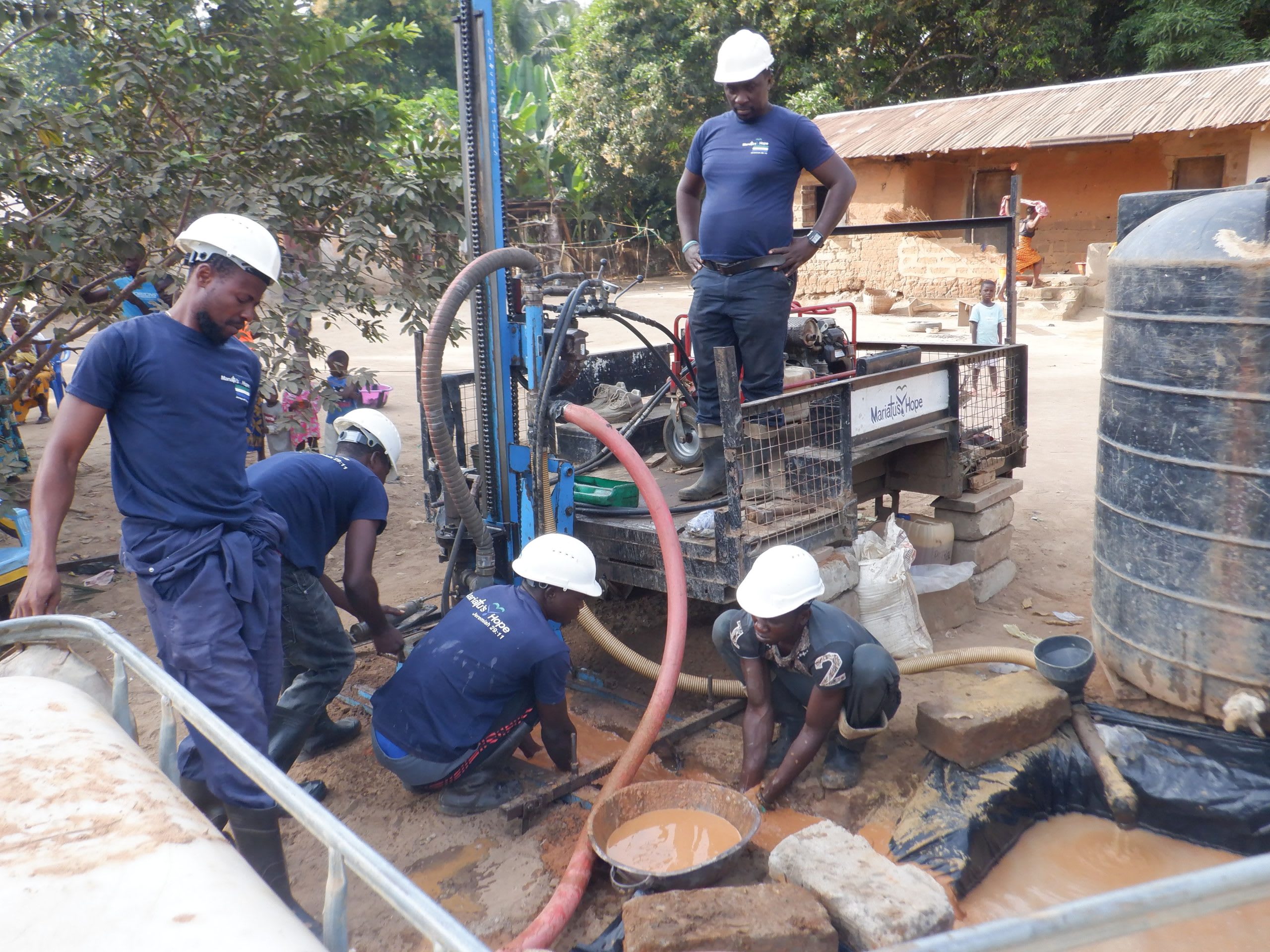
Returning to a community where we previously implemented a water project is not just a matter of maintenance; it stays true to our commitment to sustainability. Our technical experts collaborated with the local community to identify their current needs and subsequently decided to drill a new borehole after conducting hydrosurveys to determine the optimal location, which will yield a lasting project.
Reinvestment
While the original project provided critical access to safe water, factors such as changing environmental conditions, population growth, and infrastructure wear have put that access at risk. Reinvesting in this community by drilling a new well ensures that progress is not lost and that the community continues to thrive with reliable, clean water. We are committed to supporting lasting, reliable solutions that honor the trust placed in us by the people who depend on this essential resource every day.
Well
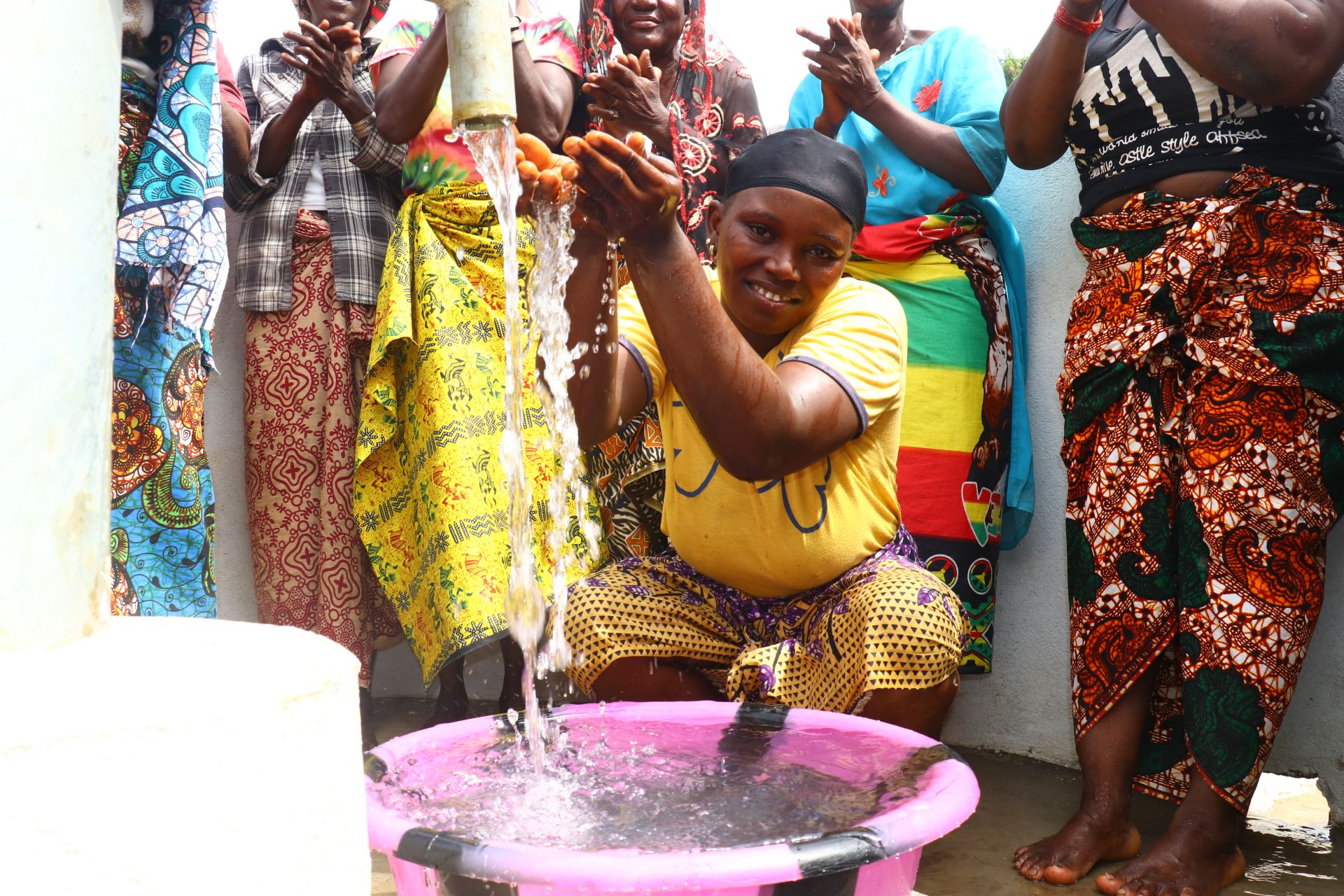
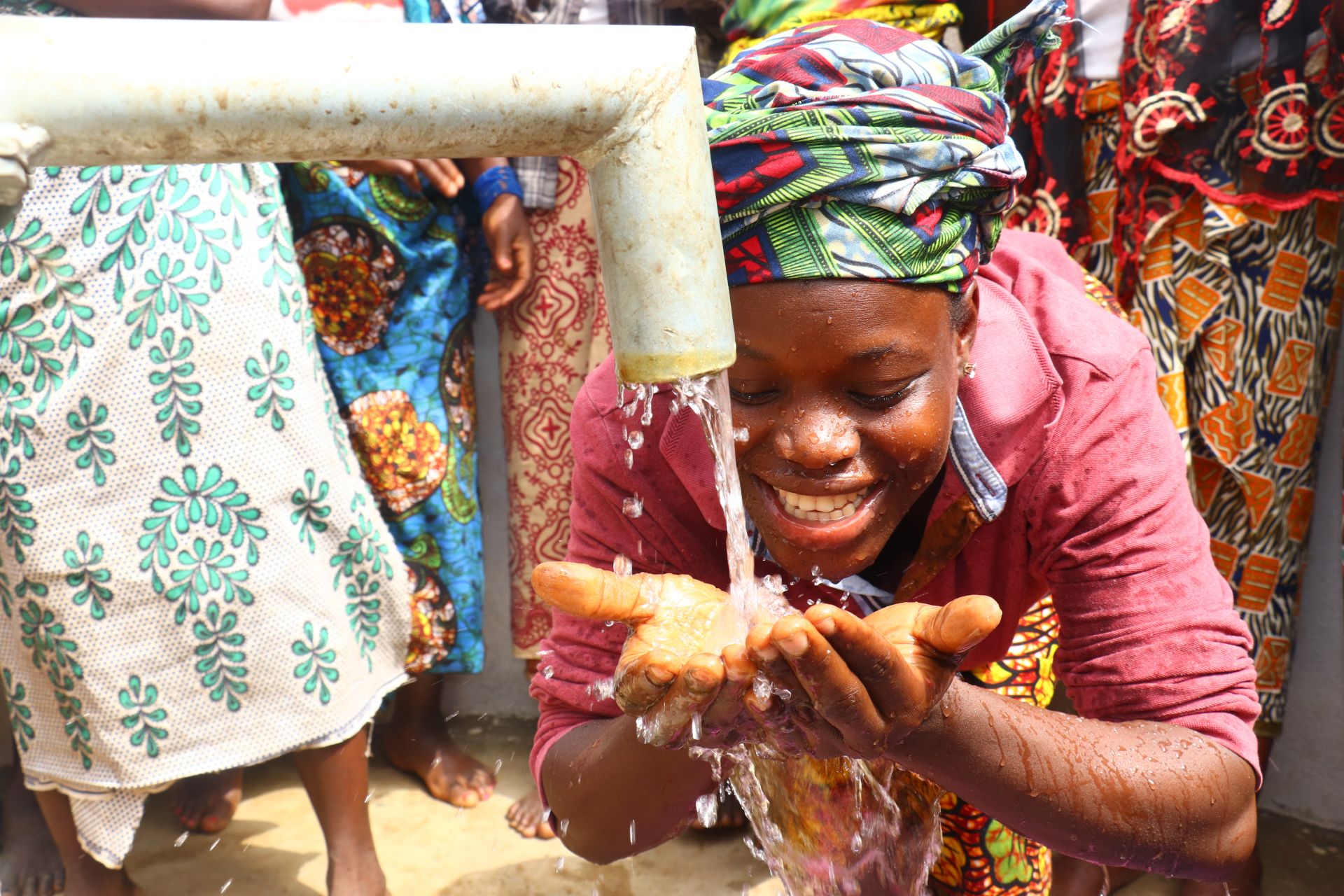
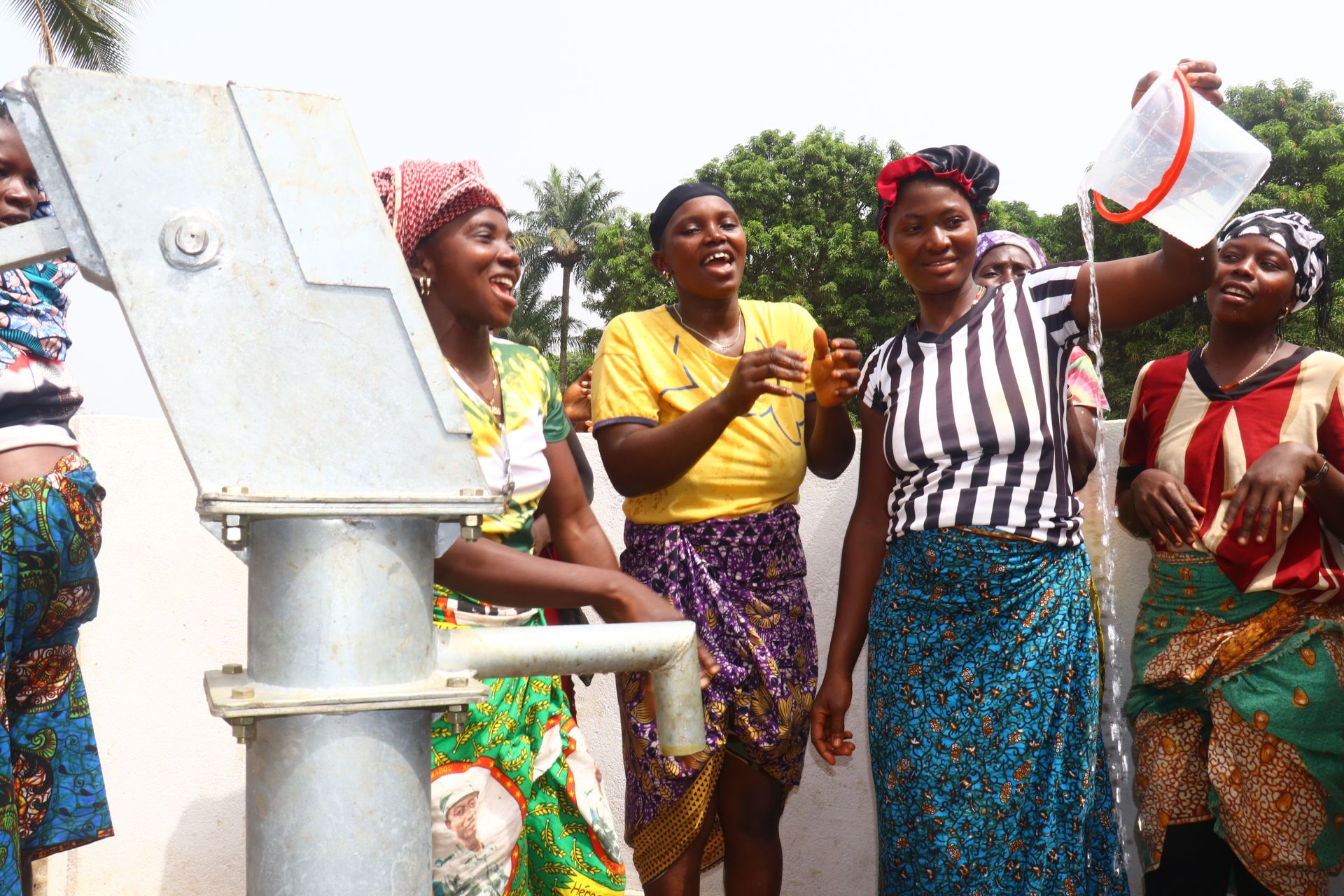
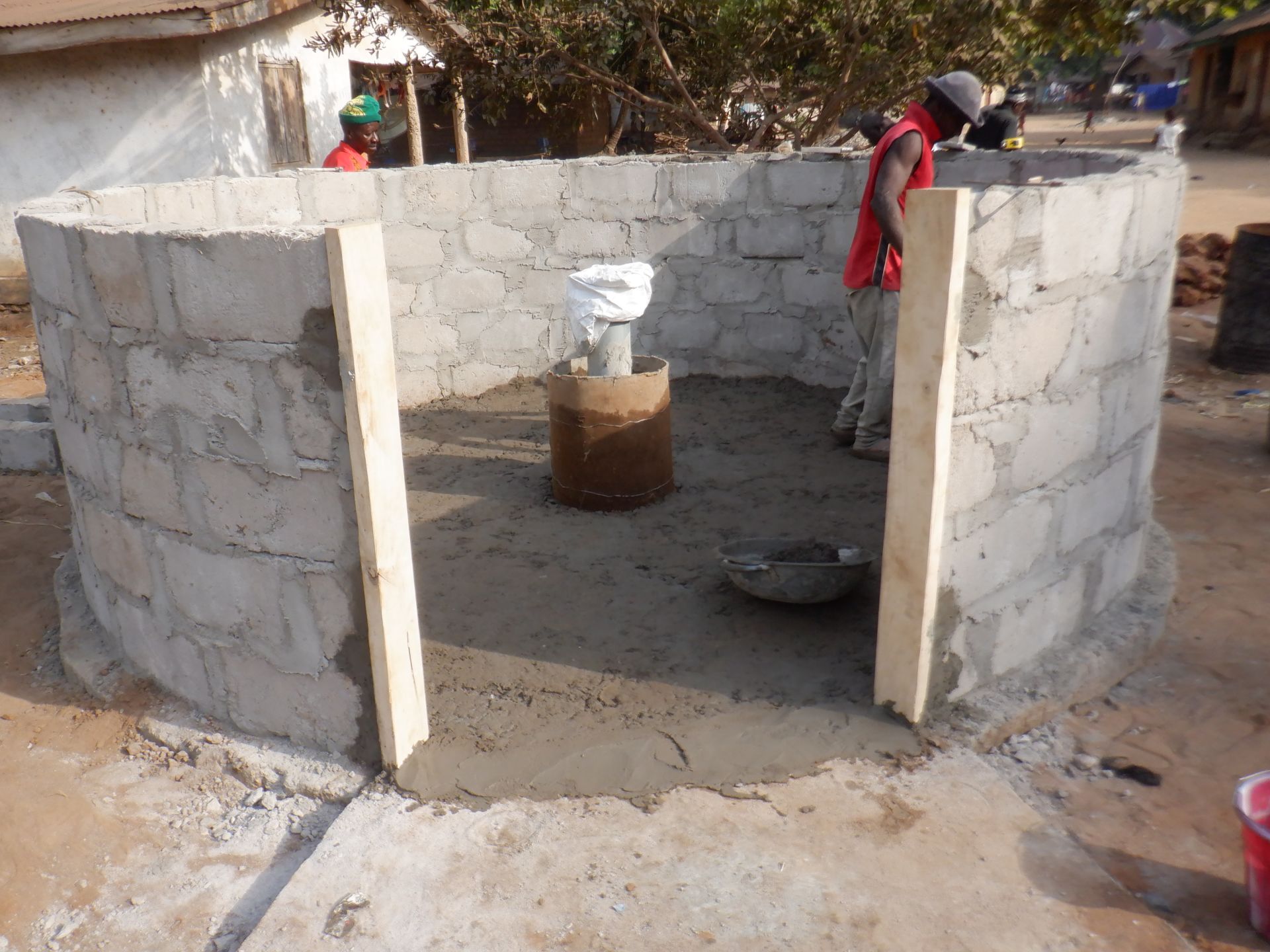
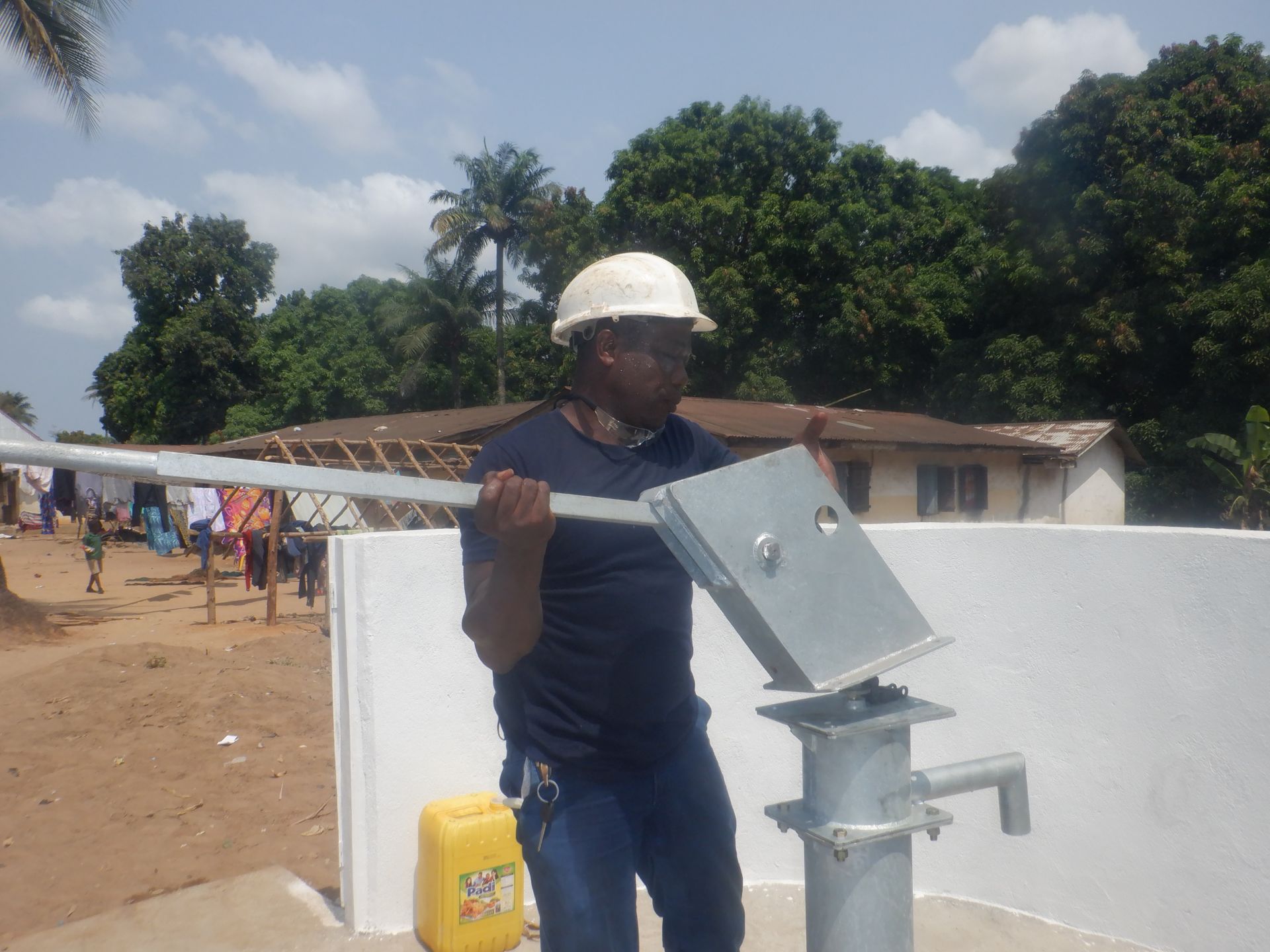
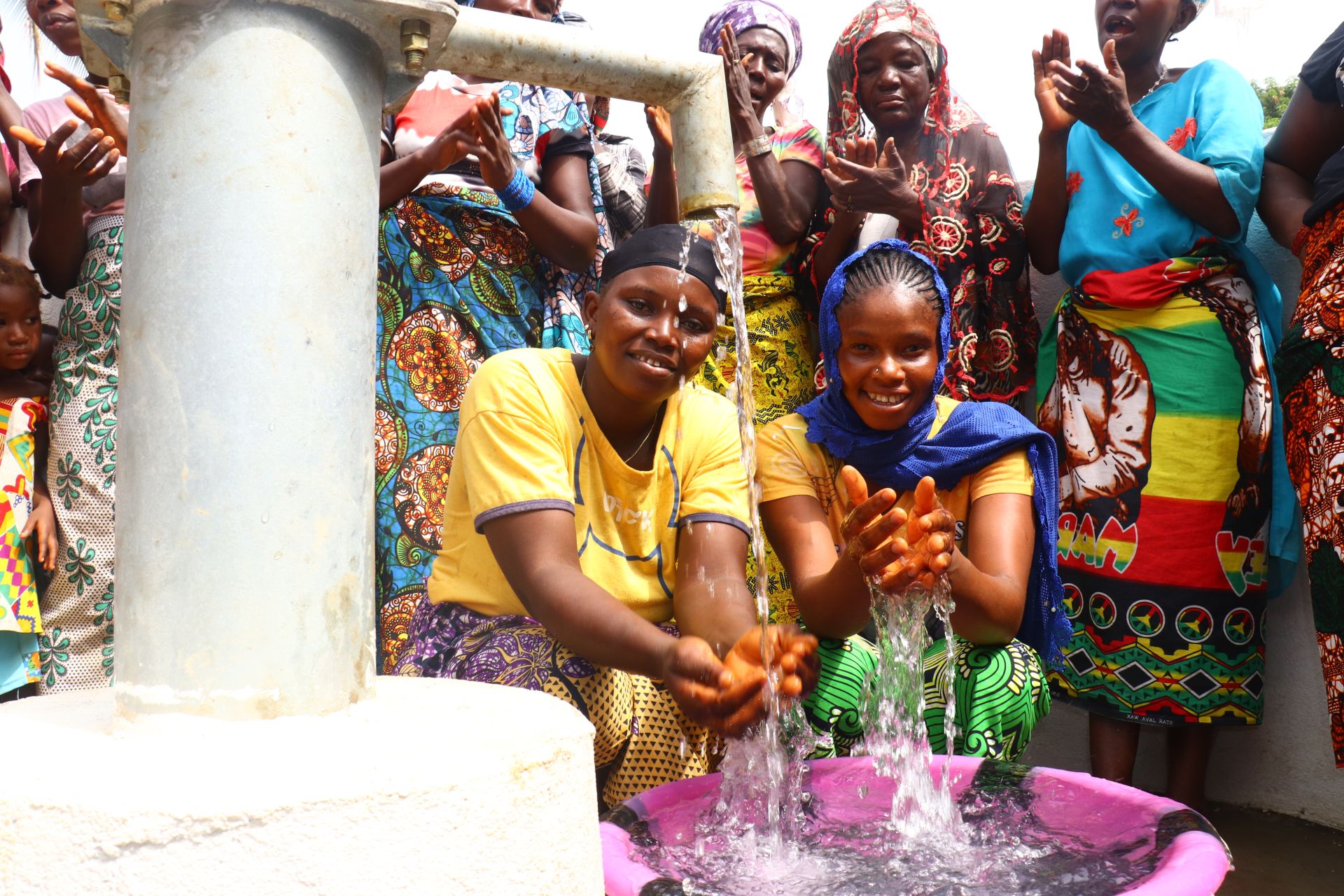
Abundant water often lies just beneath our feet. Aquifers—natural underground rivers—flow through layers of sediment and rock, offering a constant supply of safe water. A borehole well is drilled deep into the earth to access this naturally filtered and protected water. We penetrate meters, sometimes even hundreds of meters, of soil, silt, rock, and more to reach the water underground. Once found, we construct a platform for the well and attach a hand pump. The community gains a safe, enclosed water source capable of providing approximately five gallons of water per minute. Learn more here!
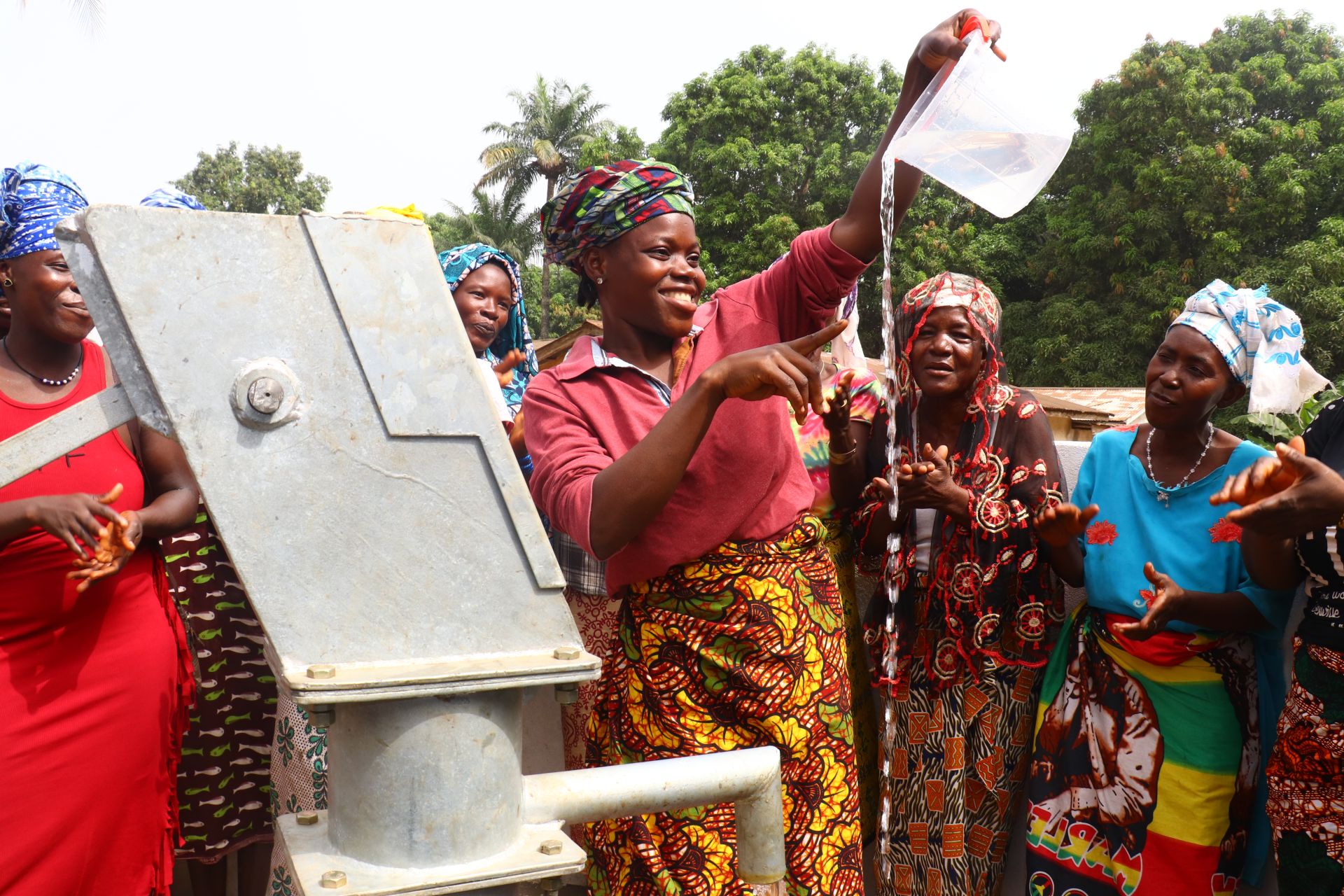
Once this plan is implemented, the community will once again have access to safe drinking water in quality and quantity.
Community Education & Ownership
Hygiene and sanitation training are integral to our water projects. Safe water and improved hygiene habits foster a healthier future for everyone in the community. Since it has been several years since this community last engaged with training, we will hold a refresher training tailored to the community's specific needs.