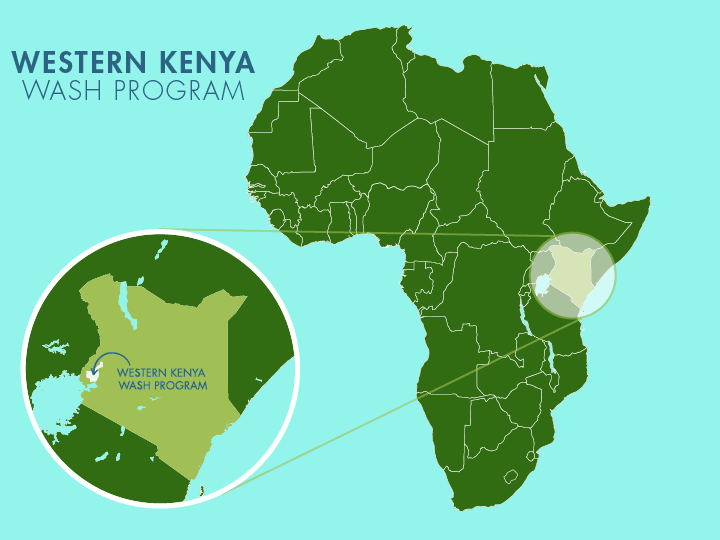
 Borehole Well and Hand Pump
 Rehabilitation Project









There are 253 community members who use the well at Mount Zion Worship Center Church, which the government installed in 2015. However, those collecting water here face challenges because the well has not been properly maintained for several years and frequently breaks down, forcing them to seek water elsewhere in riskier locations.
The heavy responsibility of maintaining the well and finding the resources and expertise to fix it when it breaks down weighs heavily on the community. When the well fails, it often goes unused and unrepaired because the resources to fix it are unavailable. It has been a financial burden on the church community, where many struggle to survive day to day. It's a constant source of worry for those who need a reliable, safe water supply nearby to make daily progress in their lives.
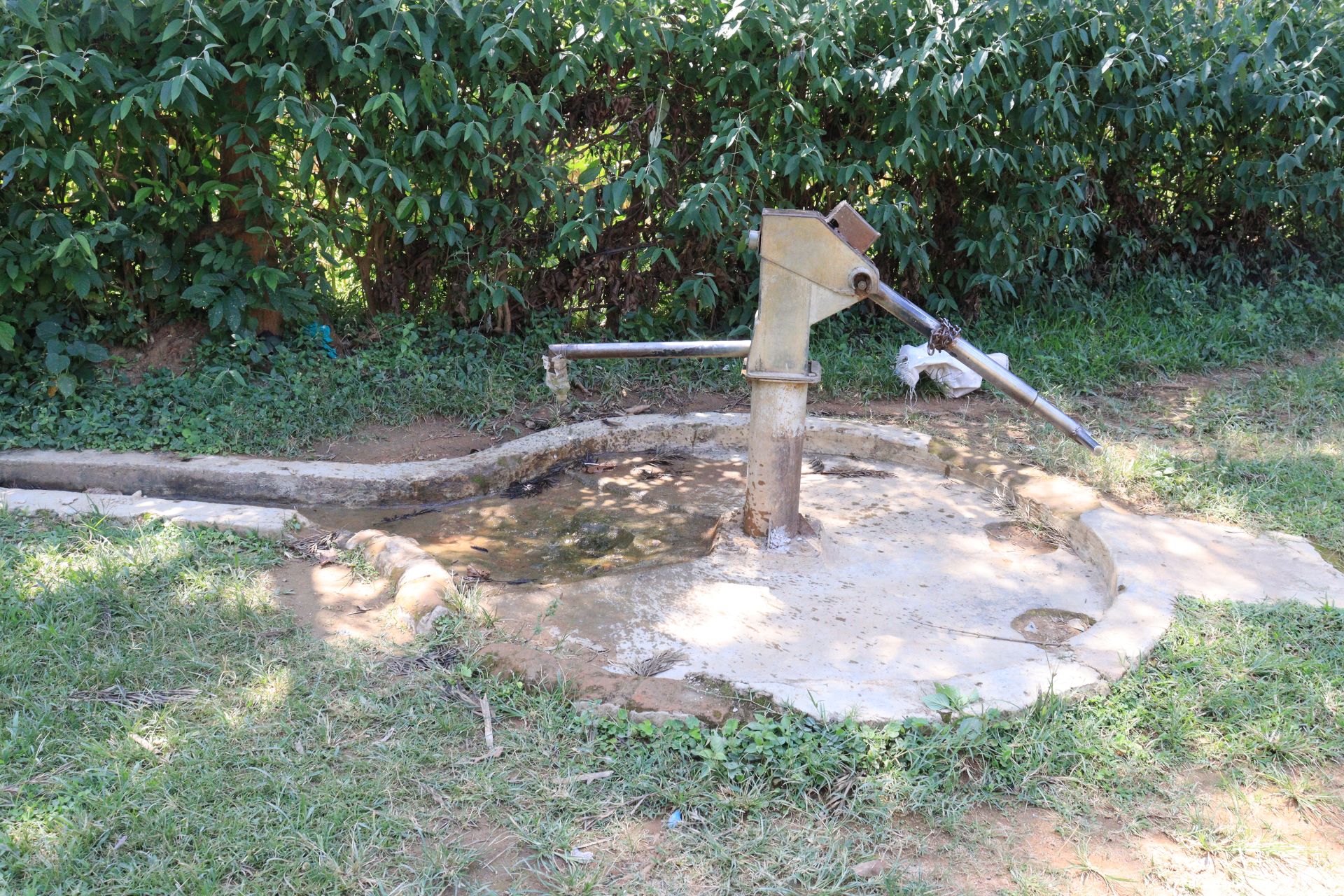
The well that needs to be adopted.
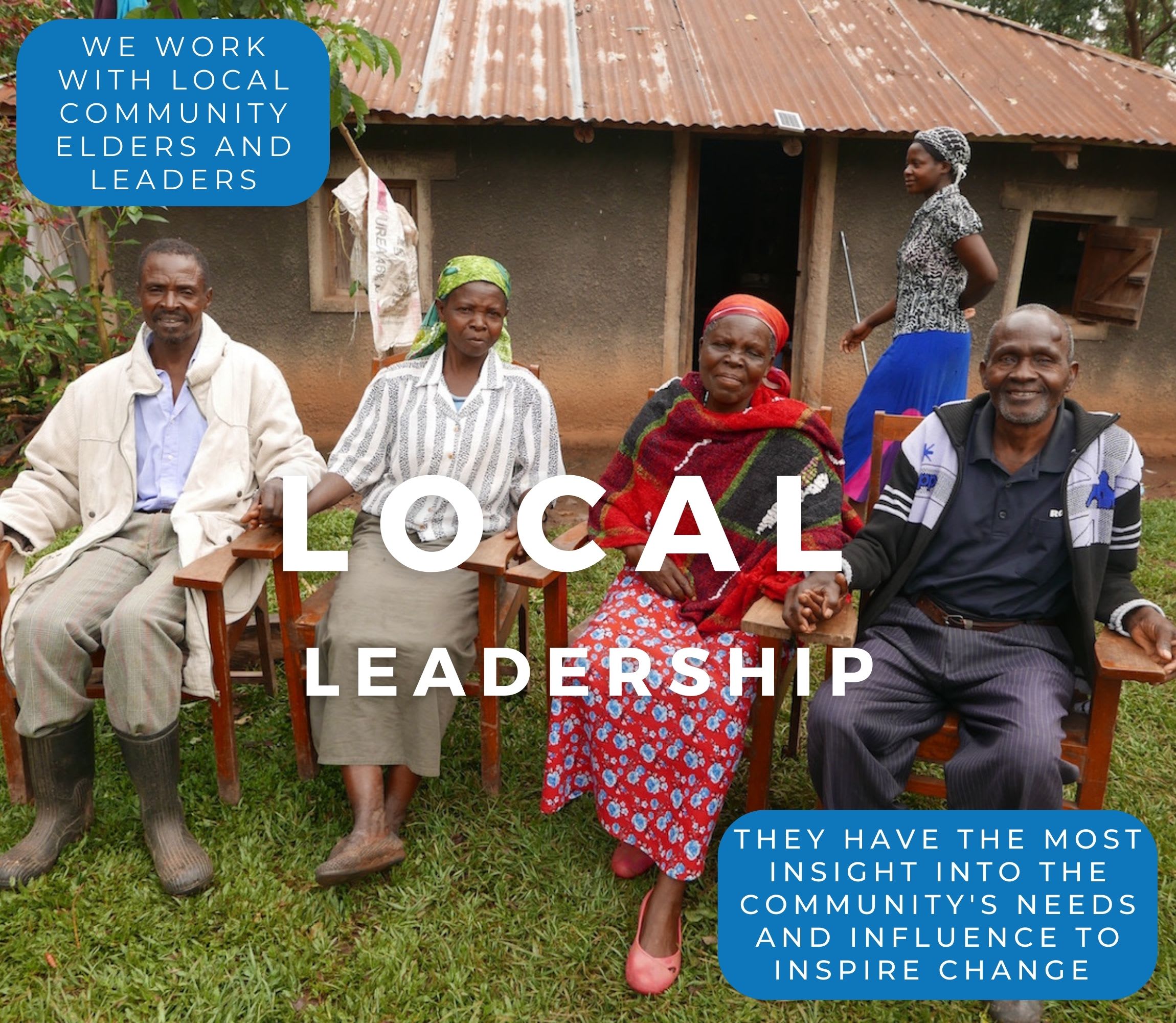
The community has especially been struggling lately. A local community leader and the church's founder, Bishop John Odongo, is determined to find a solution.
"Bishop John Odongo of Mount Zion Gospel Assembly, Emulomonye, contacted us. The community's water point has been nonfunctional for six months. 80-100 members now use surface water from a stream 1.2 km (.3 miles) away," reported Field Officer Terry Fanice.
When the community's well is non-functional, people resort to collecting rainwater, surface water from the local stream, or water from an unprotected dug well. These sources provide water, but consuming them puts everyone's health at risk.
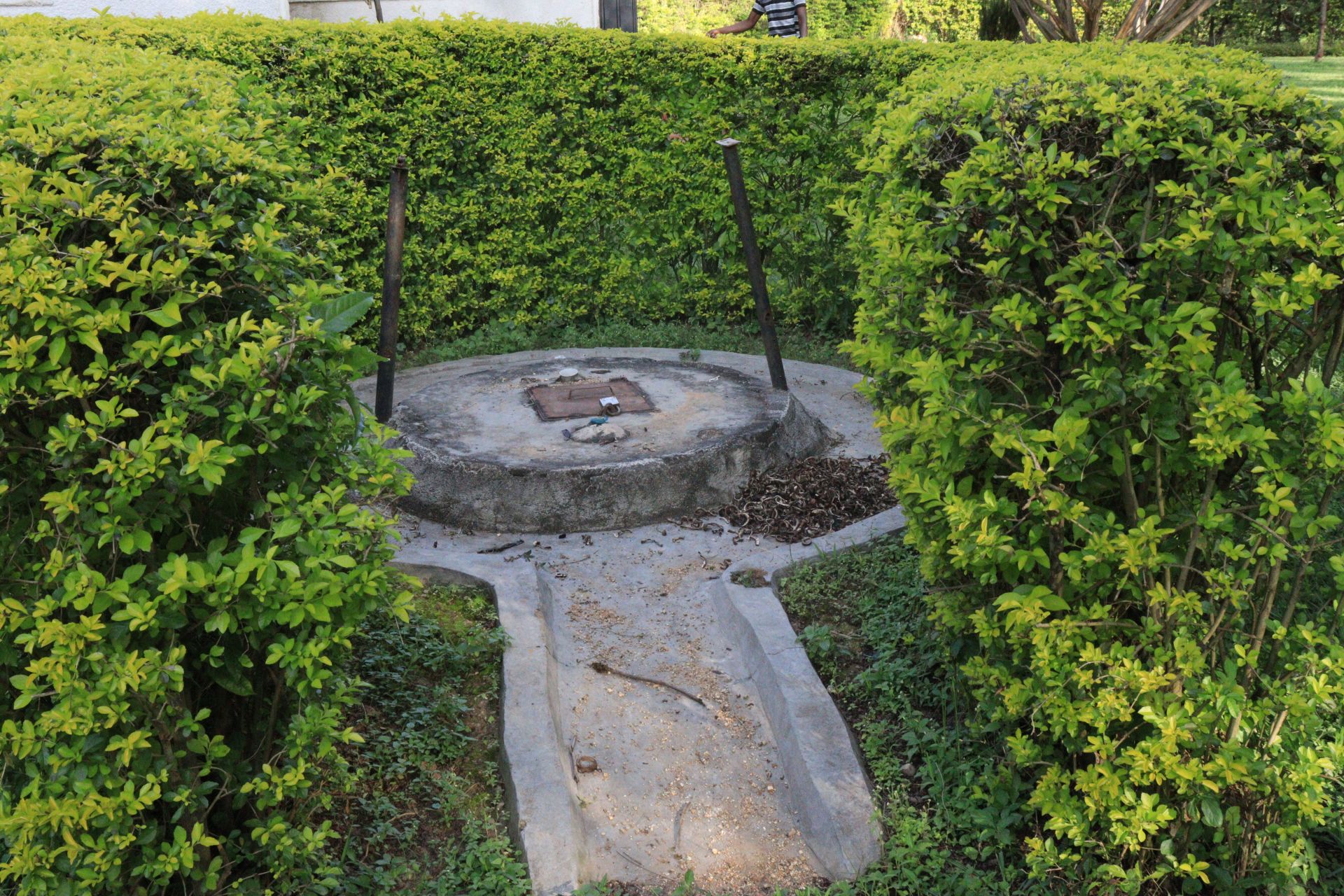
The dug well.
Terry described what was found when the dug well was inspected, "The area around this water point is clean; however, since the lid is not properly sealed, there is a high chance that contamination may take place. Sometimes, the community members are able to smell a strange odor and taste while drinking water from this water point."
Many are suffering because of consuming dirty water.

The rain tank is far too small for the large population.
"The health impacts the community members and church members report while drinking water from the stream, and the unprotected dug well is mostly contracting water-related illnesses, such as vomiting, diarrhea, and stomachache," she continued.
The current pastor of the church, 44-year-old Milton Malika, sadly has his own experience with suffering and witnessing the suffering of his community and congregation.
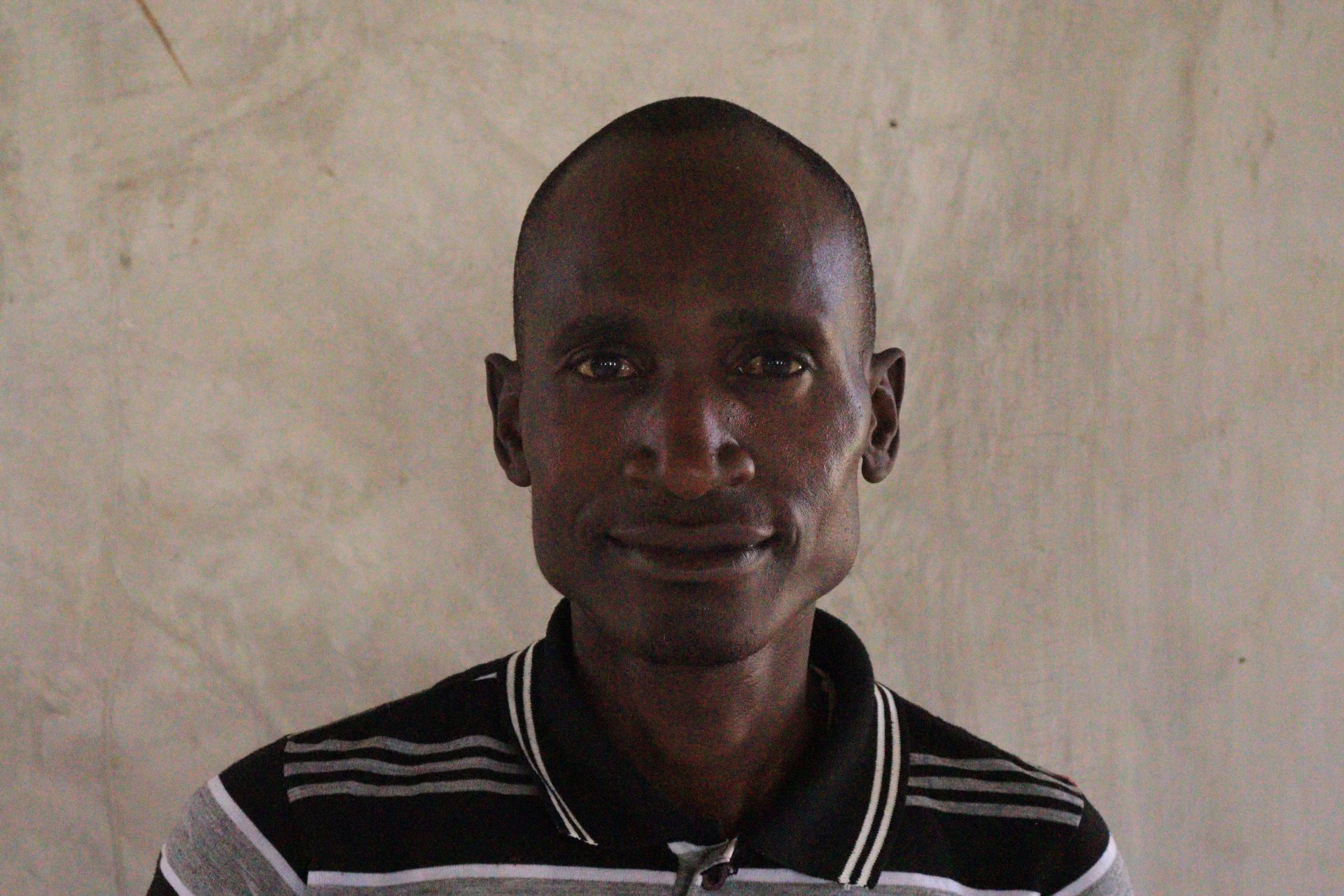
Pastor Milton Malika.
"Both my wife and I fell sick last December. We were both vomiting and experiencing diarrhea symptoms, presenting as if we had waterborne diseases. When we went to the hospital, it was confirmed that we had contracted typhoid. This was a very difficult season for my family and the church. We were too sick to lead services for almost three Sundays.
"In this institution, we once organized a youth camp for Christian teenagers in the community. We hosted close to 300 youths for two weeks. At one point, our borehole broke down, forcing the teenagers to fetch water from the stream. Since the stream was overcrowded, the teenagers were washing their clothes at the stream, others were bathing in the stream as well, and as a result, the community members living downstream started to fall sick due to contamination, and many ended up in the hospital," Pastor Malika recalled.
"As a result of water-related illness caused by the church in the community, the community and the church went into conflict, and the church was burned by the community. Health officials were not allowed to organize any conferences or camps until they could prove they had the capacity to do so," he continued.
Pastor Malika feels for the local community and for his church parishioners.
"I feel bad about drinking water that harms my congregation here at the church. Any help to ensure that our borehole is reliable would be appreciated," he implored.
"Life has been difficult for the congregation. People don't come to church as usual; instead, they go to fetch water and wash clothes at the stream. Water is very important in the spiritual life of an individual. As a church, we need to keep the sanctuary clean, and it takes water to maintain cleanliness. We also need it for holy communion and baptism. It is important that we have reliable water at the church premises."
By adopting this well, we are hopeful that we can provide stability to the church and forge a path towards unity between it and the community once again.
Steps Toward a Solution
Our technical experts worked with the local community to identify the most effective solution to their water crisis. Together, they agreed to adopt a well previously drilled by another organization that is no longer actively maintained.
Adopted Well: Ensuring Lasting Reliability
This adoption program protects and strengthens access to clean water by identifying boreholes installed by other organizations and adopting them into The Water Project’s proven monitoring and maintenance systems. This cost-effective approach reduces downtime, prevents waterborne illness, safeguards health and livelihoods, and advances long-term regional water coverage.
Before use, the well will be thoroughly vetted and repaired to meet our established standards. From there, we keep the system safe and dependable through quarterly monitoring and prompt attention to any maintenance needs — minimizing the risk of unexpected breakdowns. Water quality testing is conducted twice a year to ensure the supply remains healthy for the entire community. All of these services are covered by an affordable annual fee, with no additional costs at the time of repairs.
Community Education
Hygiene and sanitation training are integral to our water projects. Training is tailored to each community's specific needs and includes key topics such as proper water handling, improved hygiene practices, disease transmission prevention, and care of the new water point. Safe water and improved hygiene habits foster a healthier future for everyone in the community. Encouraged and supported by the guidance of our team, a water user committee representative of the community's diverse members assumes responsibility for maintaining the water point, often gathering fees to ensure its upkeep.