
Clean water has made life easier!

June, 2026

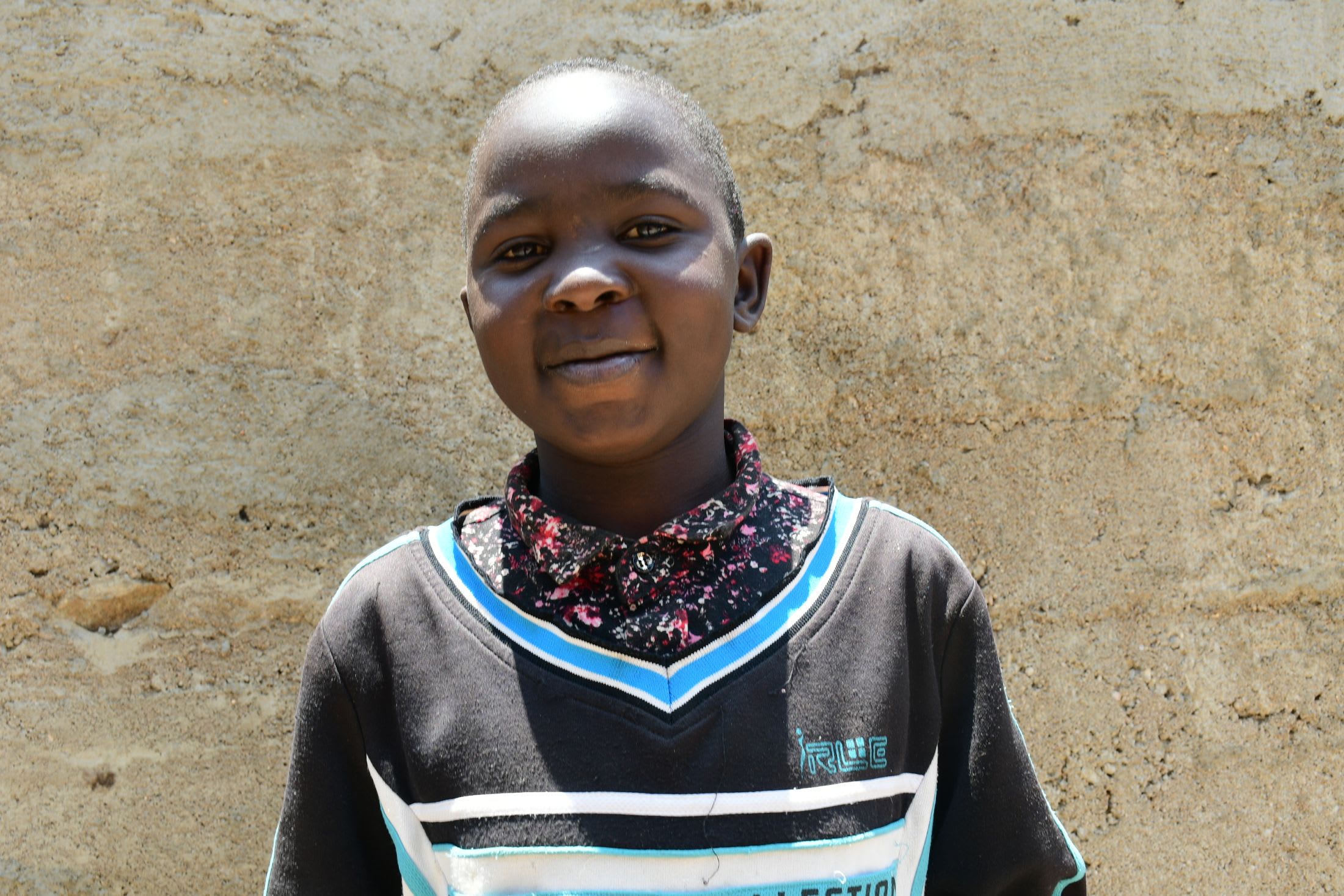
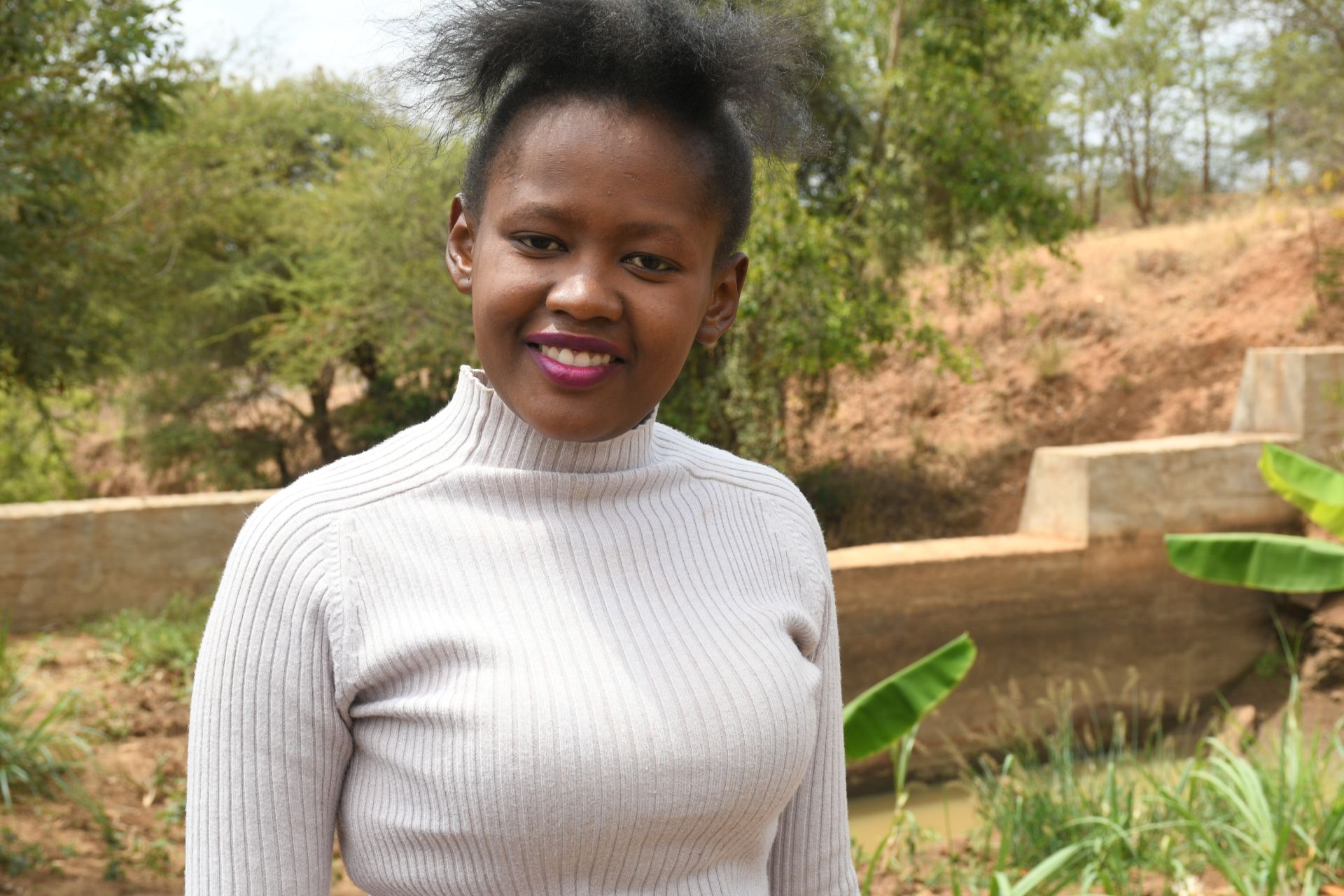
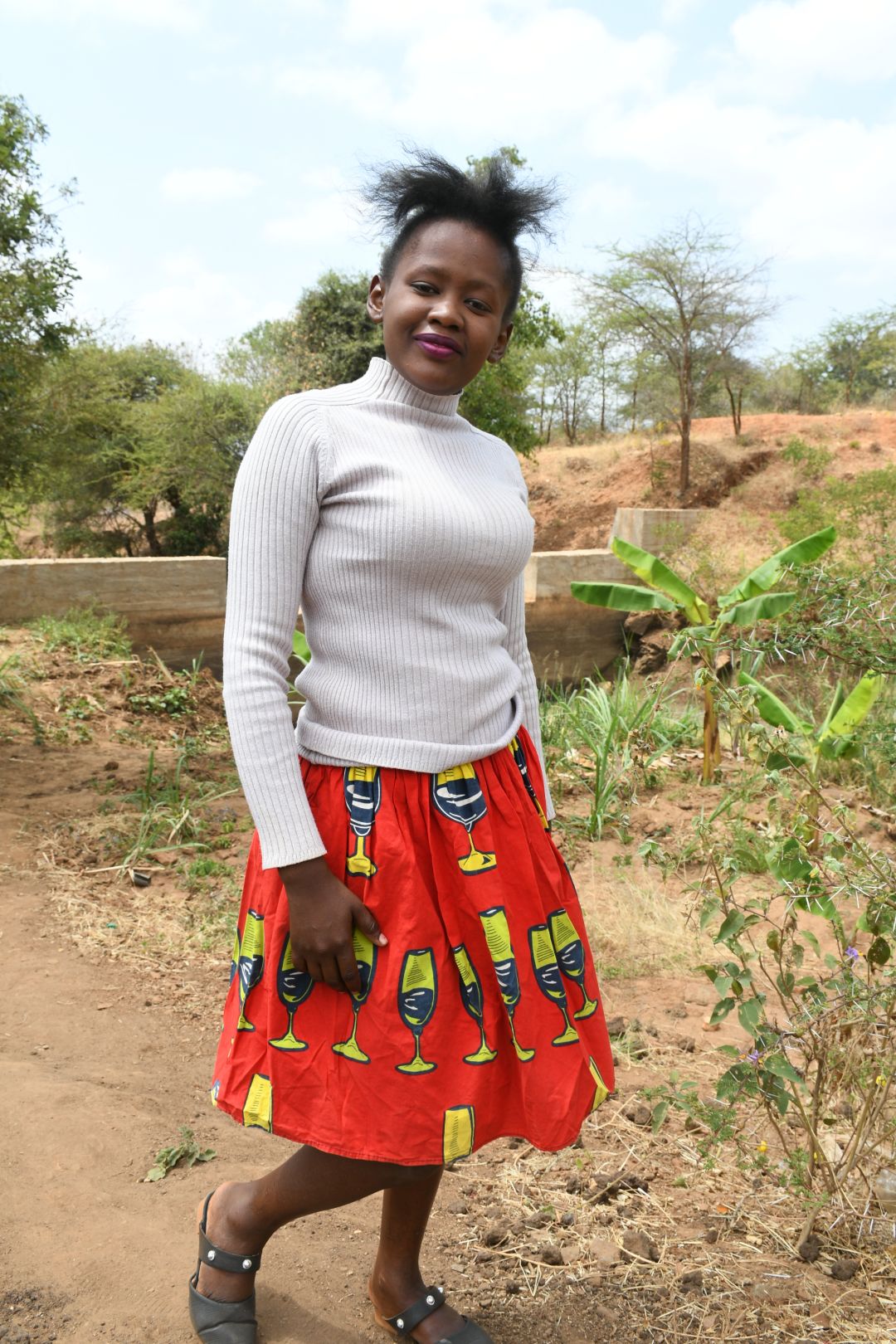
Last year, your gift unlocked the potential for a brighter future for Faith. Since then, she and the Kitemi Community of 3,911 residents have had clean, reliable water from their sand dam and well. Your contribution has made a significant impact. Thank you for making a difference!

"I like that the water is nearby, clean, and easy to fetch. I don’t have to waste hours queuing or worry about quarrels. It feels safe and peaceful compared to before," celebrated Faith.

Before the Well Installation

Like many girls in Southeastern Kenya, 17-year-old Faith is responsible for collecting water to meet daily water needs. Before last year’s water intervention, this task stole her time and negatively affected her.

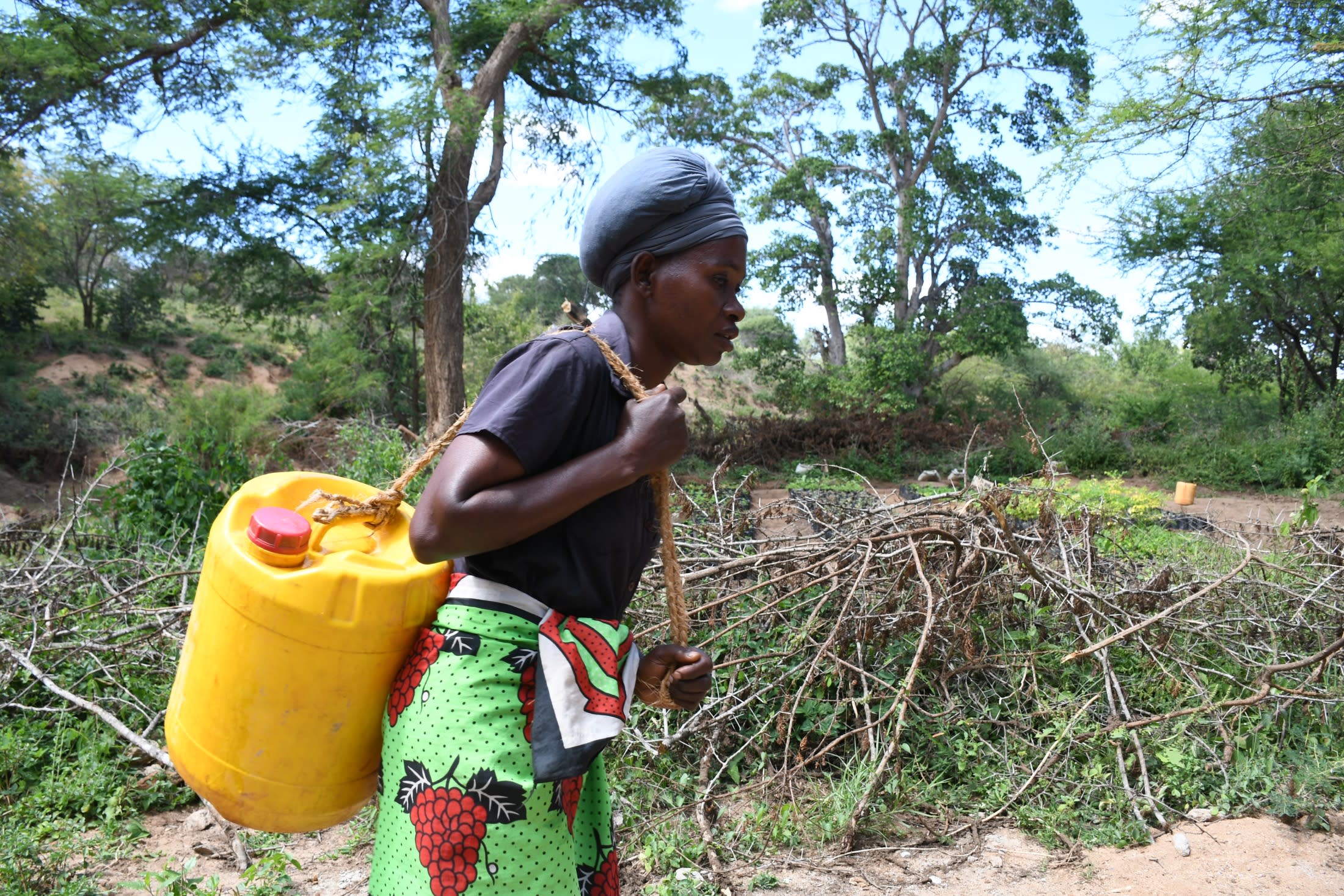
Community members walked long distances to collect water before the well was installed.

Drinking the water from the previous water source caused severe consequences. Many in the community suffered from waterborne diseases that created health problems, affecting their daily lives. Limited accessibility also meant people wasted time collecting sufficient water to meet their needs. The difficult journey to collect water sapped their physical and emotional energy, creating roadblocks. For Faith, it reduced her ability to stay healthy and to have enough energy to attend and focus on school.

"Last year, water was a big struggle. We had to wake up very early and walk more than 4 kilometers to fetch water from the scoop hole or shallow well. The water we got from the scoop holes was not clean and often made people sick. The queues were long, and sometimes people quarreled because everyone wanted to fill their containers before the water ran out," Faith recalled.

"It was very tiring and stressful. The walk under the hot sun left me exhausted, and most of the time, I would still come back with little water that wasn’t even enough for cooking, drinking, and washing. It also meant I had less time for my studies," Faith lamented.

Since the Well Installation

Your generous gift last year was much more than a simple donation; it was a powerful statement about your commitment to this community and Faith’s future. By supporting the water solution, you made clean water an everyday reality, fostering hope for a brighter future.

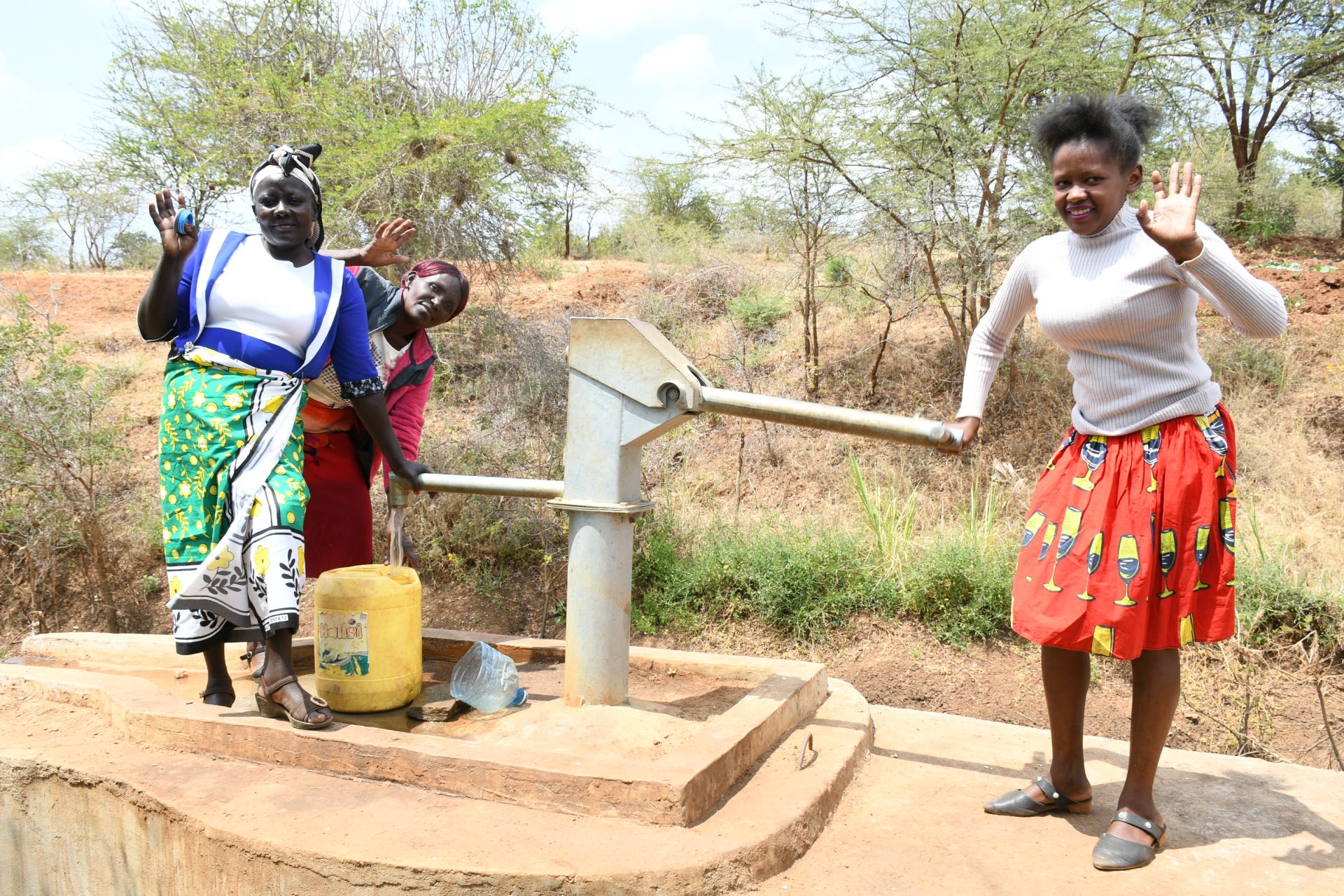
Faith pumps water at the well.

Reliable and clean water lays the groundwork for improved health, education, and economic possibilities, allowing people to thrive. We frequently hear from those we interview that "water is life!"

"The best thing is the comfort and dignity it gives. Clean water has made life easier—we can cook, wash, and farm without worry. It has also reduced sickness in our home. My health has improved because I drink clean water now. I no longer suffer from stomach upsets like before. Even my skin feels healthier because I can bathe more often," shared Faith.

The Future is Looking Bright!

A year ago, you made a difference for Faith and her community. This is just the first chapter of their story as access to clean water continues to improve their lives!

At The Water Project, we value sustainability and want to ensure that people continue to thrive. We commit to monitoring this project to ensure the water is always flowing and safe to consume. We inspect system hardware, monitor water availability, conduct sanitary inspections, and collect water-quality samples to identify risks. We work with our on-the-ground team to resolve them.

You gave Faith a crucial tool for achieving her dreams: access to clean water. Together, we can excitedly expect that with this precious resource, her enthusiasm and courage will help her fulfill her dreams.

"My academic life improved because I had more time to focus on my studies. I wasn’t as tired or late to school from fetching water. I recently completed my secondary education, and I’m proud that I did well despite the past struggles," said Faith.

"Now that I don’t spend hours fetching water, I use the extra time to help my parents with farming and household chores. I also get time to rest and think about my future. I dream of becoming a businesswoman so that I can help reduce financial insecurity in my home. With water available nearby, I know we can grow more vegetables and have a reliable source of income to support my dream," she concluded.


Navigating through intense dry spells, performing preventative maintenance, conducting quality repairs when needed and continuing to assist community leaders to manage water points are all normal parts of keeping projects sustainable. The Water Promise community supports ongoing sustainability programs that help Kitemi Community B maintain access to safe, reliable water.

We’d love for you to join this world-changing group committed to sustainability.

The most impactful way to continue your support of Kitemi Community B – and hundreds of other places just like this – is by joining our community of monthly givers.

Your monthly giving will help provide clean water, every month... keeping The Water Promise.

Project Status


Project Type:  Protected Dug Well

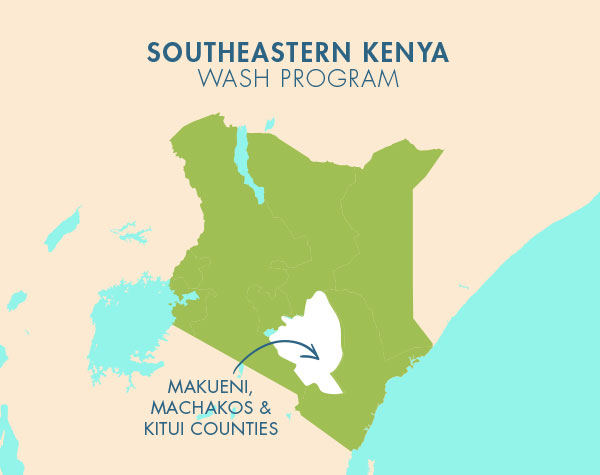
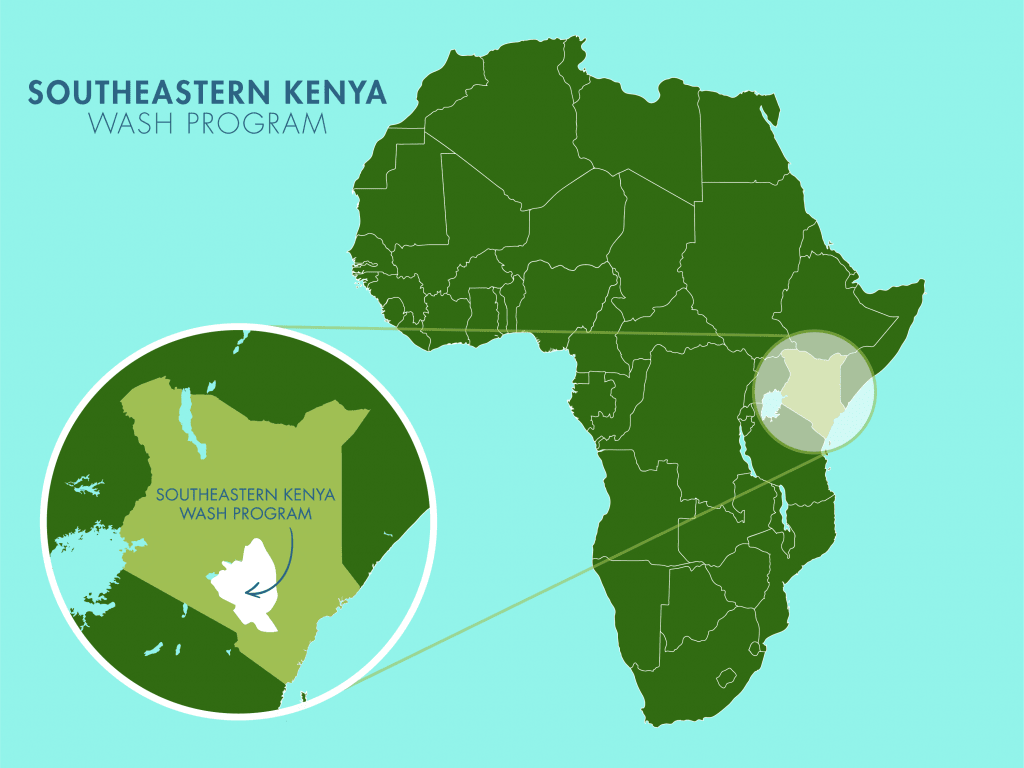
Regional Program: Southeastern Kenya WaSH Program

Impact: 300 Served

Project Phase:  In Service - Jan 2025

Functionality Status:  Functional

Last Checkup: 05/18/2026

Project Features


Click icons to learn about each feature.


In the Kitemi Community, the 4,189 members are burdened by the struggle of seeking water on a daily basis. With so many people in the community, there is never enough water to meet even basic needs. The water they manage to collect is likely to make them ill due to contamination.

A scoop hole (representative photo below), the primary water source, is just a hole dug in the sand. It is insufficient and dangerous as residents dig deeper and deeper to find water. The only other option is a shallow well in the Kithalani Community, that boasts clean water but is over two miles away. Because so many rely on it, it cannot recharge fast enough to keep up with the need—causing long queues and contention between community members.

Field Officer Alex Koech said, "They have to walk more than four kilometers (2.5 miles) to either the scoop hole or recently set up shallow well. They have to wake up early; otherwise, the water at the well and scoop hole runs out, and they have to wait till it collects more water."

75-year-old farmer Francis Mbuvi Muli shared, "Getting water to drink is a challenge, and even getting water for cattle to drink is hard because of the long distance to the shallow well or scoop hole. My children also complain of thirst on several occasions because sometimes there is no water at home to drink, and they have to wait for their mother to fetch water from the shallow well."

Francis Mbuvi Muli at the distant well in the Kithalani Community.

"Irrigating trees is also difficult since the little available water is barely sufficient for cooking or drinking. Most of our houses are built using bricks, which require water to prepare. The lack of water has made house construction challenging as well," he continued.

"When I am sent to fetch water by my parents using a donkey, the donkey often becomes stubborn and throws down the jerrycans because of the heavy load and long distance. This really upsets me since I have to go back and fetch water again," said 10-year-old Bahati, seen below.

Bahati at the shallow well, over two miles from her home.

Traveling long distances to wait for meager amounts of water is frustrating enough. When that water is unsafe to consume, it makes life even more unbearable in the Kitema Community.

"Water acquired from the scoop hole is contaminated because animals defecate near the area or inside the water point. Exposing residents to infections such as typhoid, amoeba, and dysentery," continued Alex.

"Drinking water from the scoop hole exposes me to health complications, such as stomach upsets. For instance, in the past two weeks, I have had stomach upsets, which are expensive to treat, especially due to our low income," continued Bahati.

Installing a new waterpoint will allow people like Francis to better care for those who depend on him. It will enable his children to drink clean water, quenching their thirst and freeing up time and resources for them to dream and focus on their future. Children like Bahati won't have to travel as far to get clean water, allowing them to focus on their education and future prospects.

"I believe the construction of a water project in our village will avail enough water for drinking, cooking, irrigating crops, and building houses (and latrines). Our livelihoods will improve when we no longer spend several hours looking for water," Francis concluded.

Helping to solve the water crisis in this community will take a multi-faceted system. It requires the collaboration of the protected dug well and a sand dam. They will work together to create a sustainable water source that will serve this community for years to come.

Note: Our proposed water point can only serve 300 people per day. We hope to continue working with this community to identify other water solutions that will ensure all of the people in this community have access to safe and reliable drinking water.

The Proposed Solution, Determined Together...

At The Water Project, everyone has a part in conversations and solutions. We operate in transparency, believing it benefits everyone. We expect reliability from one another as well as our water solutions. Everyone involved makes this possible through hard work and dedication.

In a joint discovery process, community members determine their most advantageous water solution alongside our technical experts. Read more specifics about this solution on the What We're Building tab of this project page. Then, community members lend their support by collecting needed construction materials (sometimes for months ahead of time!), providing labor alongside our artisans, sheltering and feeding the builders, and supplying additional resources.

Water Access for Everyone

This water project is one piece in a large puzzle. In Kenya, Sierra Leone, and Uganda, we're working toward complete coverage of reliable, maintained water sources that guarantee public access now and in the future within a 30-minute round trip for each community, household, school, and health center. One day, we hope to report that this has been achieved!

Training on Health, Hygiene & More

With the community's input, we've identified topics where training will increase positive health outcomes at personal, household, and community levels. We'll coordinate with them to find the best training date. Some examples of what we train communities on are:

  • Improved hygiene, health, and sanitation habits
  • Safe water handling, storage & treatment
  • Disease prevention and proper handwashing
  • Income-generation
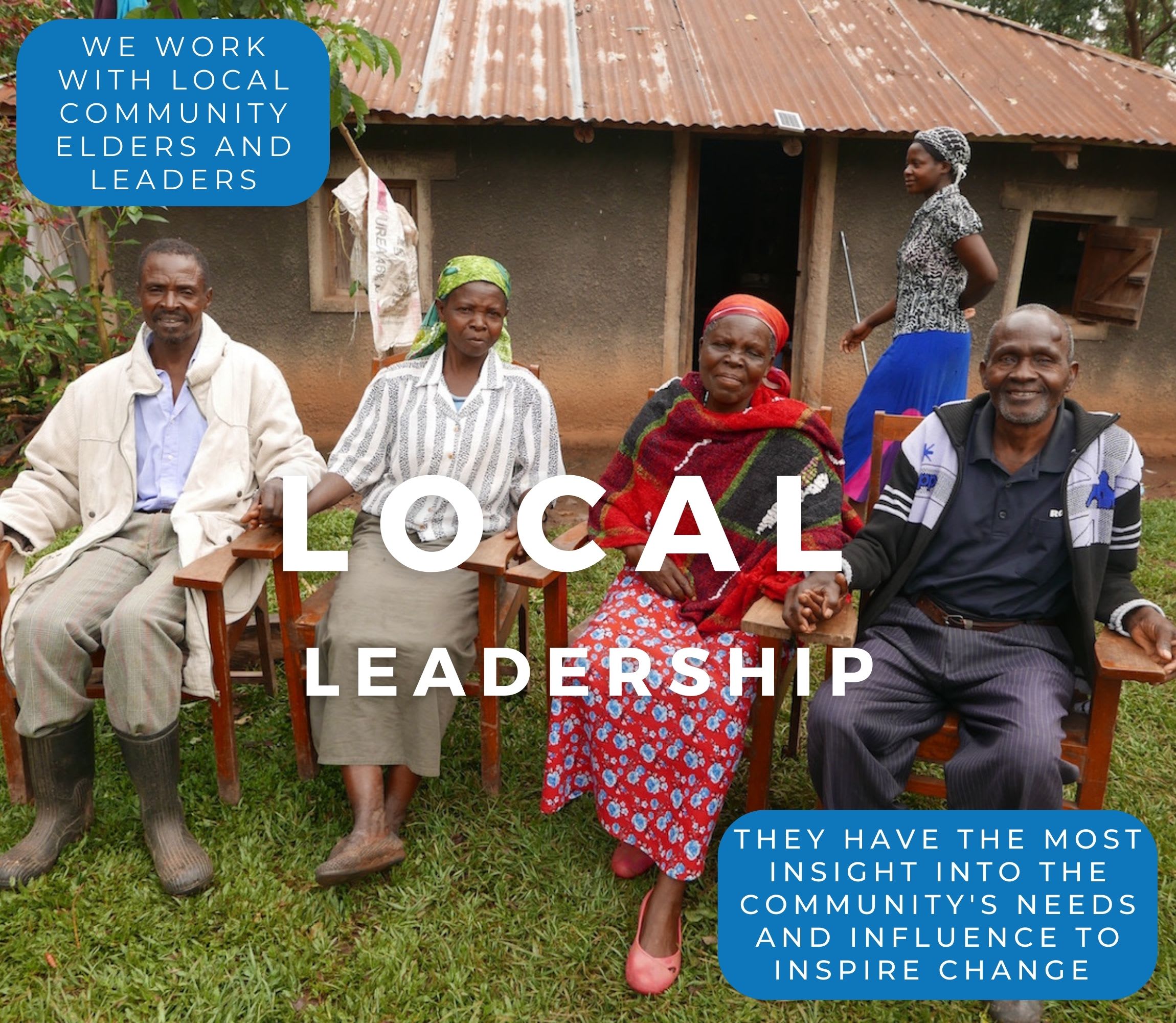
  • Community leadership, governance, & election of a water committee
  • Operation and maintenance of the water point

Project Updates


April, 2025: Clean Water Flowing!

You were a major part of establishing a protected well in the community of Kitemi. When we install sand dams with wells, we build up sand to raise the water table and naturally filter water. However, it often takes a rainy season or two for the projects to reach their full potential.

We are thrilled to report the sand dam and protected well are now filled with water and fully functional, providing abundant water to the community. Thank you for making clean water a reality for this region. By having consistent access to reliable water, the people of this community’s health, energy, finances, and free time are sure to improve!


January, 2025: Kitemi Community Dug Well Complete!

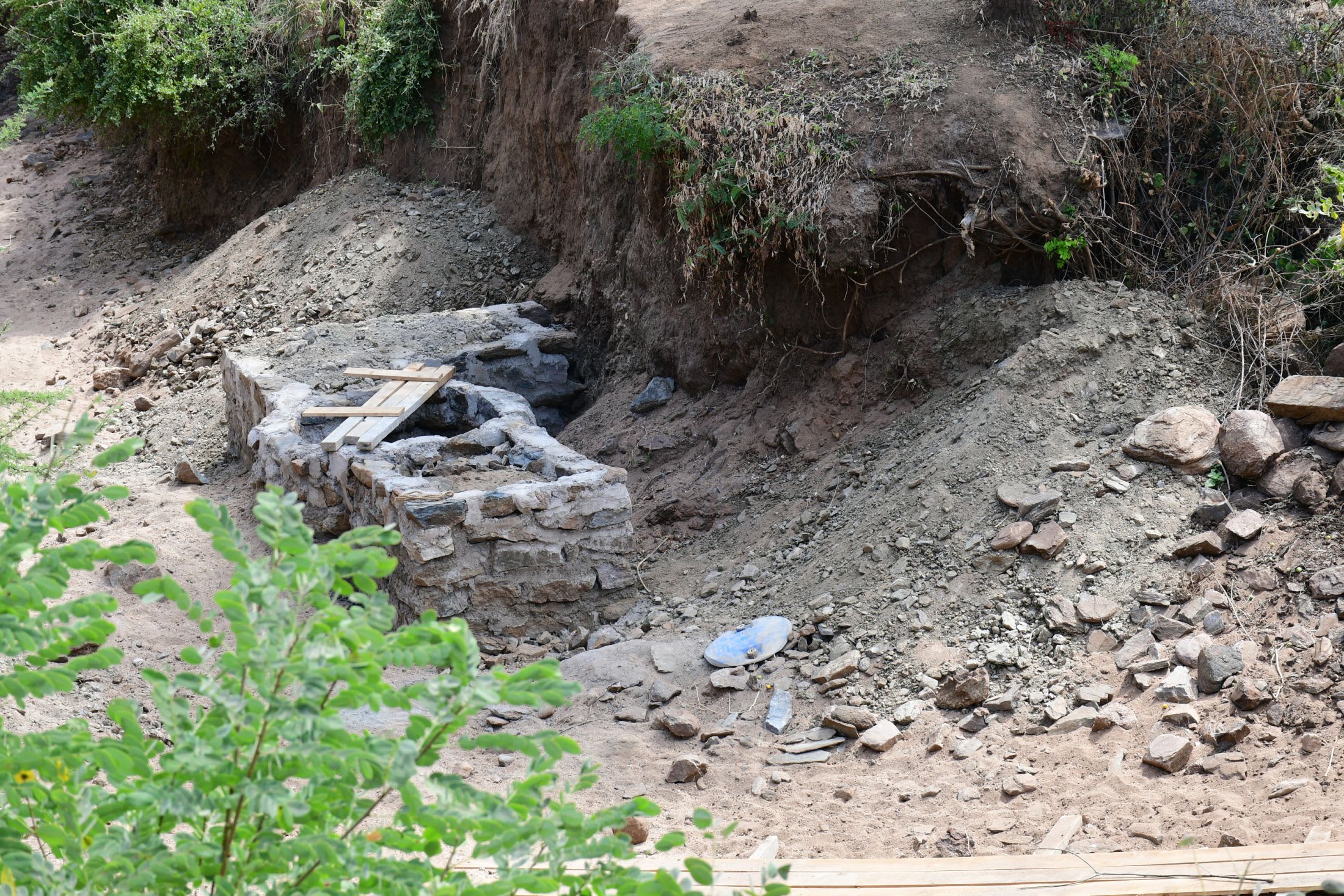
The Kitemi Community in Kenya now has a new water source thanks to your donation! We constructed a new protected dug well adjacent to a new sand dam on the riverbed. The sand dam will raise the water table and naturally filter water, while the well will provide a safer method of drawing drinking water for the community.

It could take up to three years of rain for the sand dam to reach maximum capacity because sometimes it only rains once a year in this region! As the sand dam matures and stores more sand, the surrounding landscape will become lush and fertile, and the well will fill with water.

"The new waterpoint is closer to home and more accessible than the distant seasonal scoop holes. This will reduce the physical effort and time spent fetching water, which will be especially beneficial because my parents are involved in other demanding tasks like cultivating land," said 10-year-old Dennis.

"I will no longer be spending time fetching water or dealing with water-related issues like infections; thus, I will have more time and energy to dedicate to my studies and school activities."

Protected dug well Construction

Construction for this well was a success!

We delivered the experts, materials, and tools, but the community helped get an extraordinary amount of work done, too. They collected local materials to supplement the project, including sand, stones, and water. When all the materials were ready, it was time to dig in!

First, we excavated a hole seven feet in diameter down to the recommended depth of 25 feet. The well lining was constructed using brick and mortar with perforations to allow water to seep through. Now that the well is finished, sand builds up around its walls, which will filter the water stored behind the dam.

Once the well walls and lining were complete, we laid a precast concrete slab on top and joined it to the wall using mortar. The concrete dried for two weeks before installation.

Next, the mechanics arrived to install the well pump as community members watched, learning how to manage simple maintenance tasks. We installed the pump level with the top of the sand dam. As the dam matures, sand will build up to the top of the wall. Until then, people will use concrete steps to get water. After installing the pump, we gave the well another few days to dry.

We worked with the Self-Help Group for this project. The members and their families contributed tremendous amounts of materials and physical labor.

New Knowledge

The Kwa Kisukio Muthini Self-Help Group has been busy! This is the second protected dug well they have completed recently, which is challenging to achieve as construction is so laborious. Due to their efficiency, training for both projects was completed in one fell swoop! 

We have trained the group on various skills, including bookkeeping, financial management, project management, group dynamics, and governance. We’ve conducted hygiene and sanitation training to teach skills like soap and detergent-making and improve habits such as handwashing.

We’ve also covered health problems in the community, good and bad hygiene habits, and disease prevention. Finally, we’ve covered natural resource management as well as the operation and maintenance of the protected dug well.

Empowered by his new knowledge and accessible water, Dennis continued, "Reliable access to clean water will help us avoid the stomach upsets and other health issues caused by drinking contaminated water from the scoop hole. With less stress related to fetching water and dealing with health issues, we will experience an improvement in our overall well-being and quality of life, which will positively affect both our physical and mental health."

Thank you for making all of this possible!


December, 2024: Exciting Progress in Kitemi Community!

We’re thrilled to share that, thanks to your generous support, significant change is coming for the entire Kitemi Community. Construction has begun on the dug well project, bringing them one step closer to having clean, reliable water.

But that's not all—during construction, we’re also providing vital health training. These sessions equip the community with essential hygiene practices, ensuring that the benefits of clean water extend to lasting health improvements.

We’re so grateful for your role in making this possible. Stay tuned for more updates—soon, we’ll be celebrating the arrival of safe water in Kitemi Community!


Project Photos


Contributors

Project Sponsor - Because of the great love of God