
Project Status


Project Type:  Borehole Well and Hand Pump

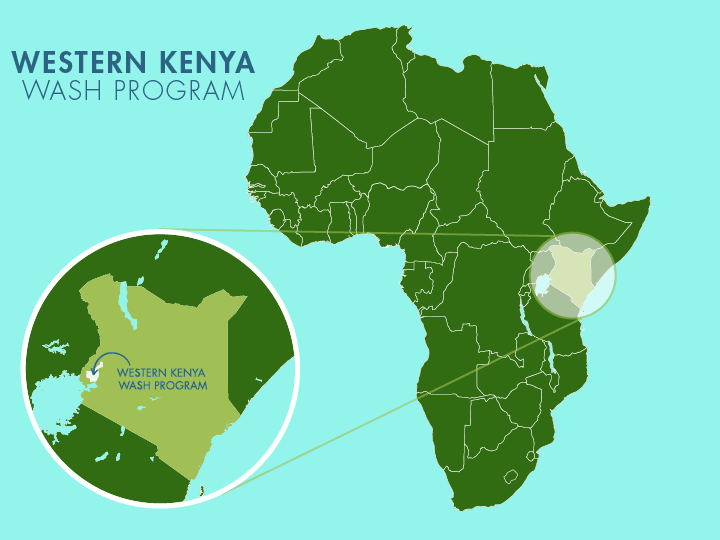
Regional Program: Western Kenya WaSH Program

Impact: 2,422 Served

Project Phase:  In Service - Sep 2026

Functionality Status:  Functional

Project Features


Click icons to learn about each feature.


Kakamega High School has a massive population of 2,318 students and 104 staff members. Over the decades, it has produced generations of top students and athletes, becoming especially well known for excellence in soccer and rugby. Yet behind this reputation lies a persistent challenge that touches every student’s day — the struggle to access clean and sufficient water.

The school relies on a single borehole that can no longer meet the needs of its growing population. Students, teachers, and staff all depend on the same source, which is often overcrowded and sometimes runs low or even dry.

Hauling water at school.

Field Officer Patience Wanyoni observed, “Due to the high population of the school, the current water source is not sufficient. Therefore, our proposed water solution will help complement the already available source to make the water sufficient for the students.”

The water itself shows clear signs of strain. “It had white particles in it that caused build-up in surfaces with a little bit of a metallic taste, but it had no odor at all,” Patience said. The area around the borehole is also a concern. “The water point area is not kept clean because this is where the students fetch their water from, they wash their clothes from there too, and do their cleaning there too. So, the level of cleanliness is very wanting.”

The crowded conditions often lead to tension.

“During school hours, it is usually a struggle to get the water from the water point due to congestion,” Patience explained. “More often than not, this usually leads to a lot of struggling, quarreling, and even sometimes breaks out in fights. This is because everyone wants to get water and not be late for the lessons, yet this can only be achieved if people do it one at a time," Patience continued.

On average, a student spends 20 minutes collecting water; however, at busy times, it can take an hour or more.

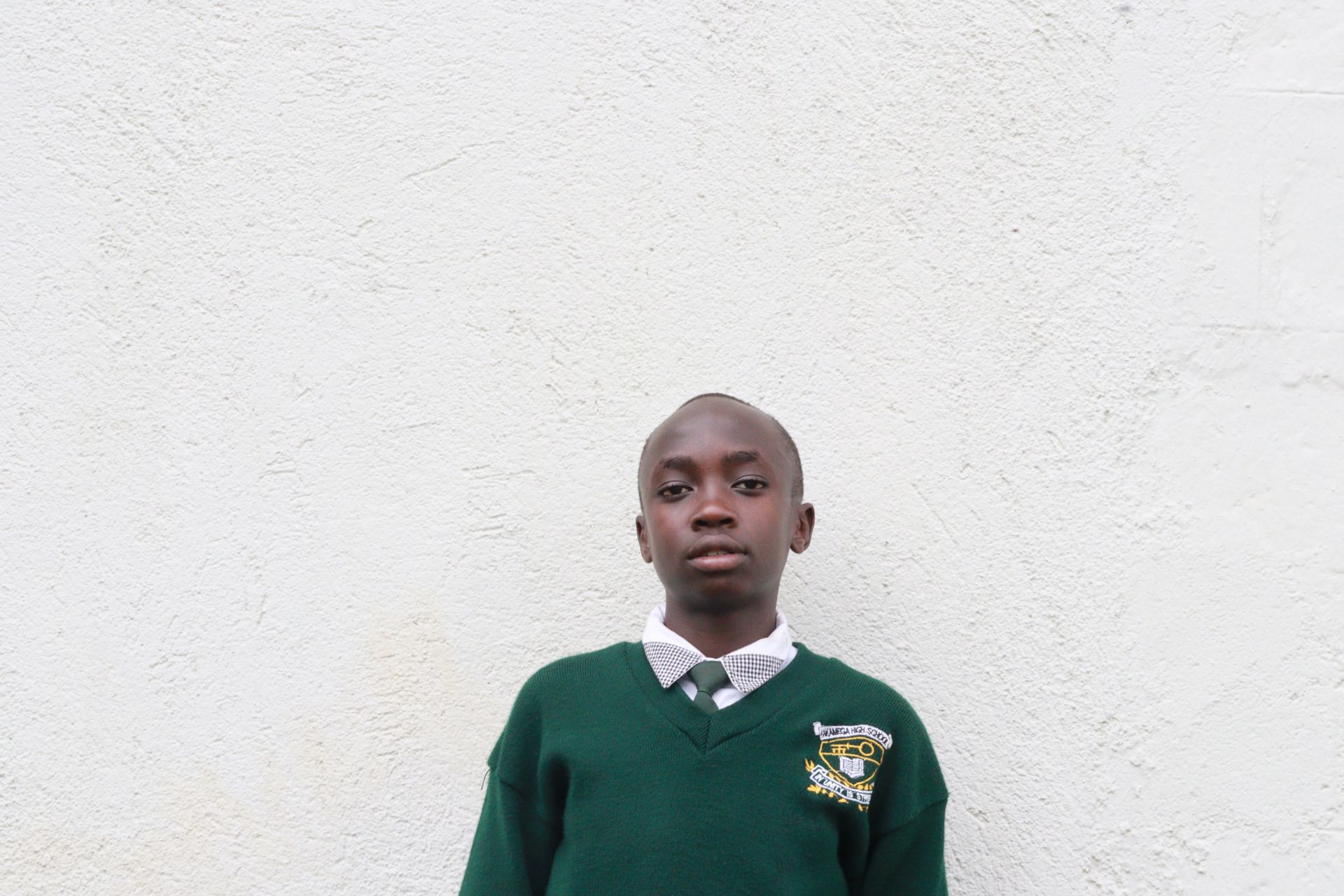
For Javelin, a 16-year-old student at the school, this daily challenge is deeply personal.

“The queue at the waterpoint and the overcrowding cause me to spend a lot of time waiting so as to be able to get water for my personal use,” he said.

“Sometimes I [am] late for the lessons because I was in line fetching water. This makes me [miss] some things, and sometimes getting them to be repeated by a teacher is hard, and reading them from a book might be difficult to understand because it is generally a hard concept. So, when the concept is examined, I end up doing poorly in it," said Javelin.

But it’s not just about lost time. Javelin has also suffered physically because of unsafe water.

“The experience was very painful. I was in pain for a couple of days, and I had to be released from school so as to go and seek medical attention [at] home. I got home and I was treated for typhoid. The abdominal discomfort, diarrhea, and vomiting were such a bad experience," he recalled.

Even after recovering, Javelin continues to face challenges at the waterpoint.

“Very many times I have gone to the waterpoint and I have been bullied. A student would come and insult me or even push my bucket inside and put theirs instead," he bravely shared. “There are times older students come in line and push the younger student at the back of the line so they can be the first to get water.”

When asked about how the shortage of water makes him feel, his answer is sincere and straightforward: “High population and overuse cause the water to not be enough. This usually makes me feel very sad. I wish there were a way [that] this problem could be solved once and for all to avoid the challenges that come with it.”

Despite his challenges, he remains optimistic.

“I would, first of all, engage more time being better in my classwork. I have not been doing so well [in] some subjects, and getting more time would help me focus more on them. Also, I enjoy participating in debates and public speaking. I hope to sharpen my skills so as to be a good public speaker in [the] future," he said.

“I am very hopeful about my future. I am working hard so as to become a lawyer in [the] future. I hope to bring solutions and speak up for the people who cannot speak for themselves," Javelin boasted.

Class in session.

Field Officer Patience Wanyoni believes a new waterpoint could transform the school’s daily life.

“Our water solution will help complement the already available source to make the water sufficient for the students,” she said.

For students like Javelin, that means far more than convenience. Reliable, clean water would bring relief from illness, safety from bullying and crowding, and time to study, rest, and dream of a brighter future.

Steps Toward a Solution

Schools without reliable, on-premises water access often rely on students to fetch and carry water, leading to rationing and uncertainty about water quality. The water is typically poured into a communal storage tank and used by the entire school. With children carrying water from all different sources, it is also impossible for teachers and staff to know exactly where the water comes from and how safe it is to drink.

A new water point will be located on-premises at the school to ensure accessibility, reliability, and safety for students, teachers, and staff while meeting our school coverage goals. Having water available at the school allows children to drink, wash hands, and use sanitation facilities without leaving school grounds, preventing disruptions to lessons and reducing safety risks. A dedicated source increases water availability, reduces reliance on stored water, minimizes rationing, and ensures confidence in the safety of the water. This means staff and students are healthier, and their lessons aren’t disrupted, contributing to a better education!

Our technical experts worked with the school leadership and local community to identify the most effective solution to their water crisis. They decided to drill a borehole well, construct a platform for the well, and attach a hand pump.

Well
Abundant water often lies just beneath our feet. Aquifers—natural underground rivers—flow through layers of sediment and rock, offering a constant supply of safe water. A borehole well is drilled deep into the earth to access this naturally filtered and protected water. We penetrate meters, sometimes even hundreds of meters, of soil, silt, rock, and more to reach the water underground. Once found, we construct a platform for the well and attach a hand pump. The community gains a safe, enclosed water source capable of providing approximately five gallons of water per minute. Learn more

Our proposed water point can only serve 300 people per day. We hope to continue working to identify other water solutions that will ensure all the people in this community have access to safe and reliable drinking water.

Handwashing Stations
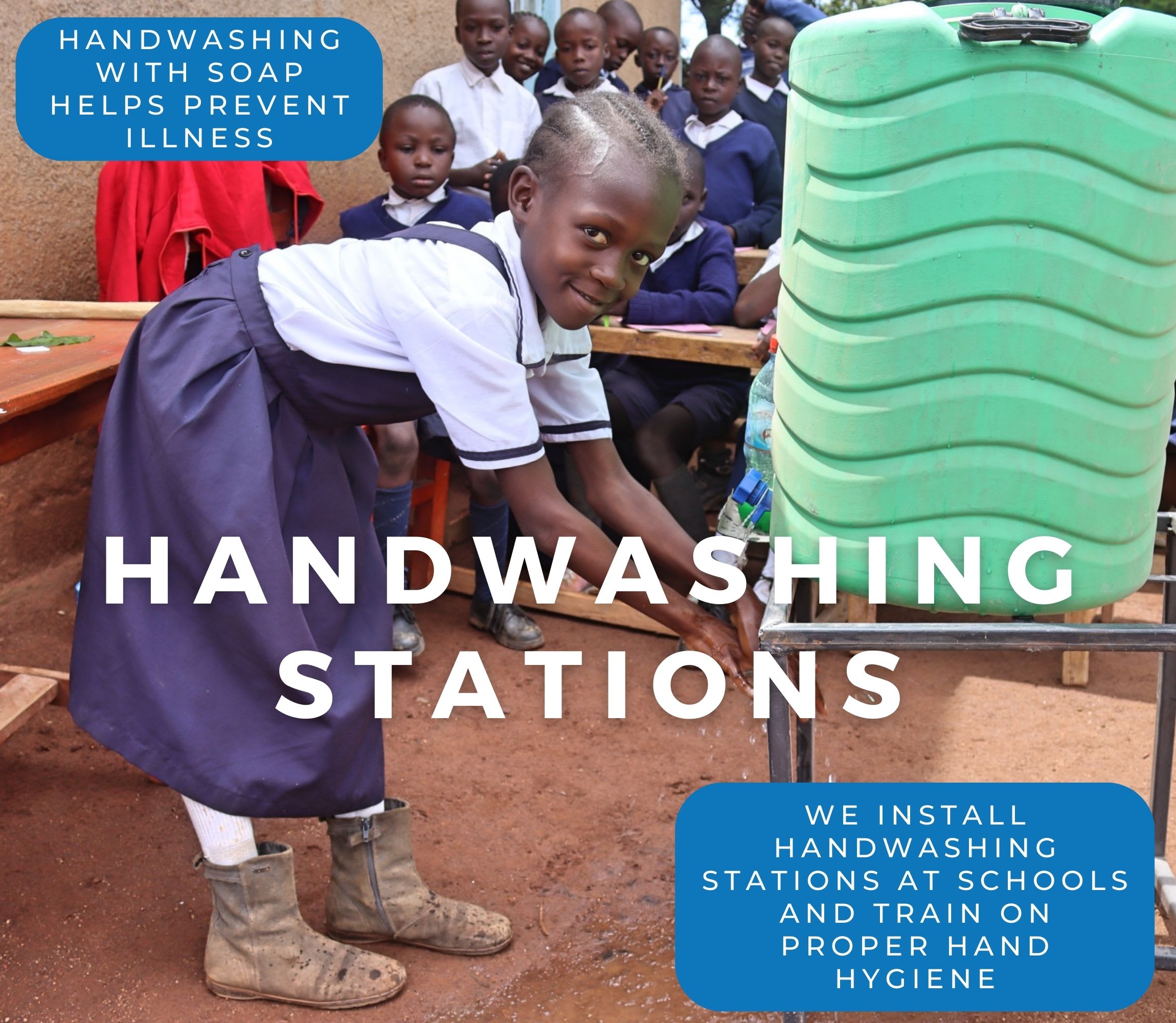
Alongside each water source, we install two gravity-fed handwashing stations, enabling everyone at the school to wash their hands. Handwashing is crucial for preventing water-related illnesses within the school and community. Student “health clubs” maintain the stations, fill them with water, and supply them with soap, which we often teach them how to make.

Latrines
We will construct two Ventilated Improved Pit (VIP) latrine blocks designed to prevent fecal disease transmission. Each latrine features a cement floor, making it easy to use and clean regularly. Three stalls will serve the girls, and three will serve the boys.

School Education & Ownership
Hygiene and sanitation training are integral to our water projects. Training is tailored to each school's specific needs and includes key topics such as proper water handling, improved hygiene practices, disease transmission prevention, and care of the new water point.

To ensure a lasting impact, we support forming a student health club composed of elected student representatives and a teacher. These clubs promote hygiene practices schoolwide and keep handwashing stations well-stocked. This student-led model encourages a sense of ownership and responsibility.

Safe water and improved hygiene habits foster a healthier future for everyone in the school and the surrounding community.
Project Updates


August, 2026: Kakamega High School Well Complete!

Your contribution has given access to clean water for Kakamega High School in Kenya, thanks to the completion of their borehole well! Clean, flowing water is already making a difference in the lives of the students and staff. This will provide them with a reliable water source for their daily needs.

We installed new latrines and handwashing stations, then trained students and staff on improved sanitation and hygiene practices. Together, these components will unlock the opportunity for these students to thrive!

Majok.

"With a reliable water supply, our learning experience will significantly improve. We will have more time to focus on our studies because problems like long queues will be solved. We will also maintain better hygiene, which will reduce cases of absenteeism in class due to waterborne illnesses. A clean environment equals a clear and settled mind, so I believe I will have better results in my studies because my environment will be more accommodating for learning," said 17-year-old Majok.

Teachers were just as excited as the students about the new well on campus!

Mr. Odhiambo.

"The availability of water will have a significant positive impact on the school and students in general. It will help improve on time management and overall improved environmental cleanliness. It is also expected that we will have better hosting for sports activities, and also our students having an ample time to freshen up after sports. Peace of mind knowing you have enough water supply goes a long way," said George Ngome Odhiambo, a 40-year-old teacher at the school.

How We Got the Water Flowing

The first step was to conduct a hydrogeological survey to determine the best site for the school's well. Once we found the perfect spot, the team obtained government approval to begin drilling.

Parents, staff, and students all contributed to the well’s success from the start! To prepare for the well, the school collected fine sand and water for cement-making. When everything was ready, our drill team and staff arrived at the school to begin work.


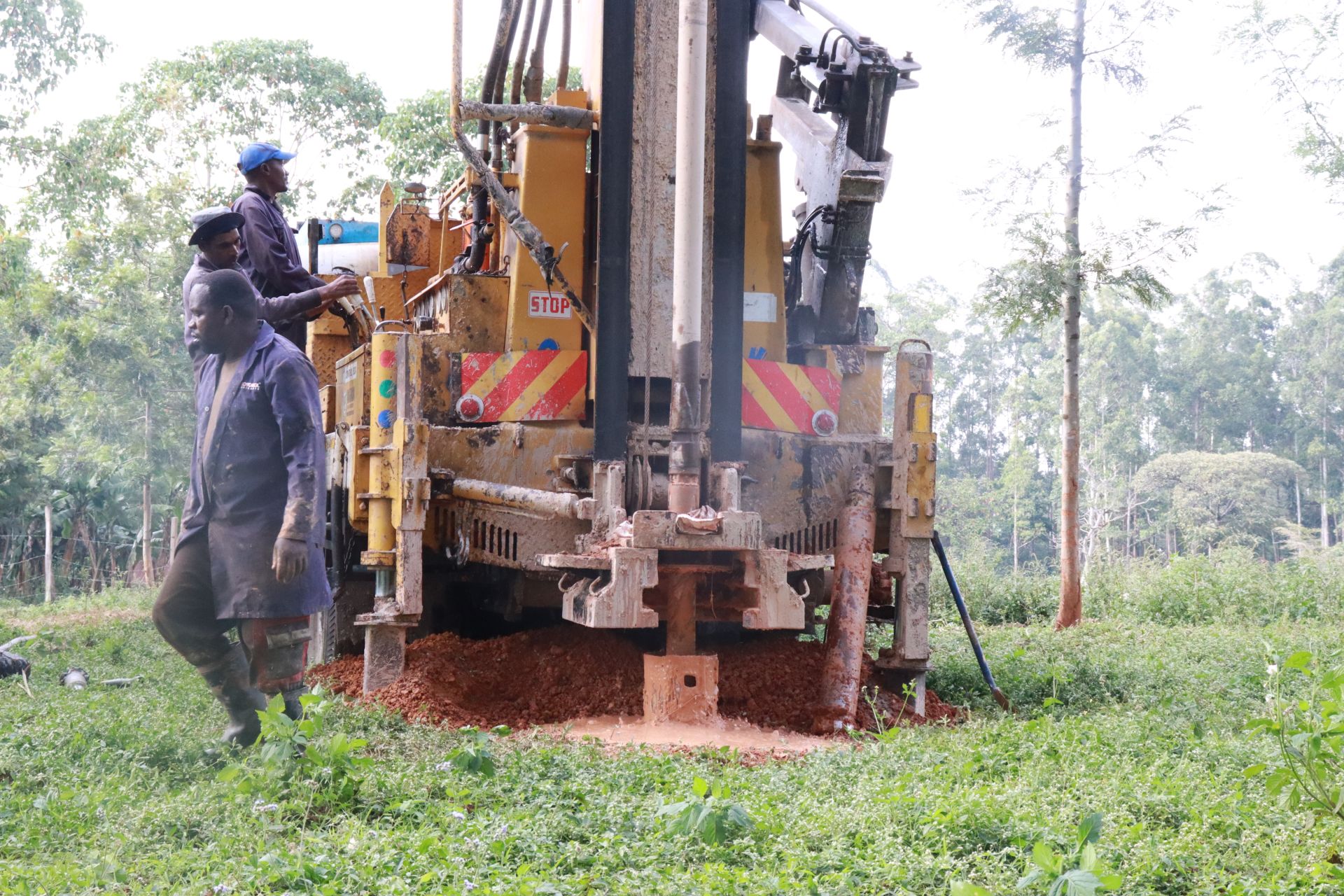
Drilling started with excitement in the air. We continued drilling to reach a final depth of 80 meters with a final static water level of 14 meters.

The drilling process can take up to three consecutive days to complete due to this region’s hard bedrock, so the team set up a camp where they could rest and refuel. The school’s kitchen staff and parents helped provide meals for the team, while the school provided a safe place for the artisans’ accommodations and storage of their materials.

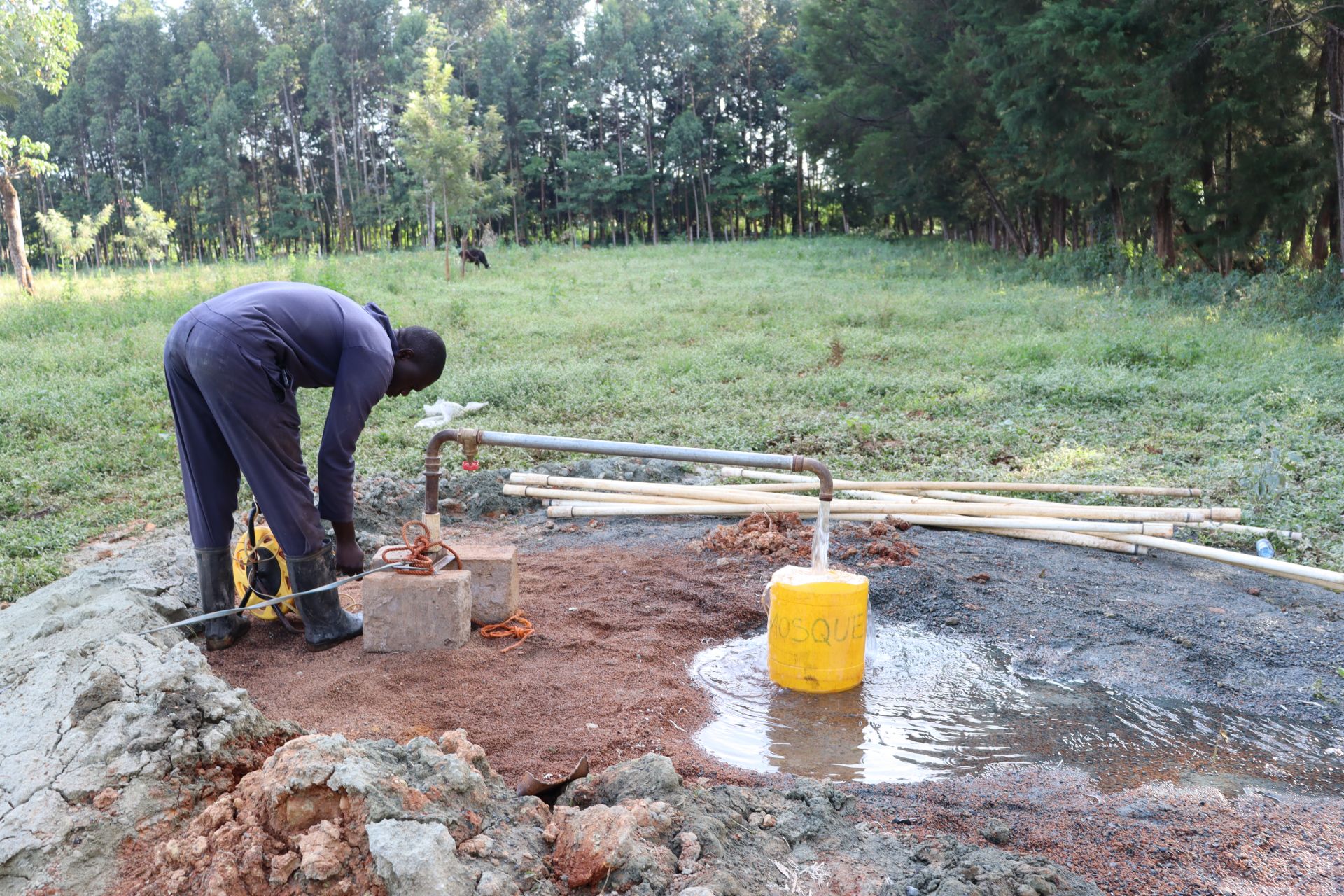
Once we reached the optimum depth, the team inserted permanent casing, then bailed out the dirty water at the bottom of the well. The workers installed pipes, flushed them, tested the well’s yield, and chlorinated the water.

Test pumping.

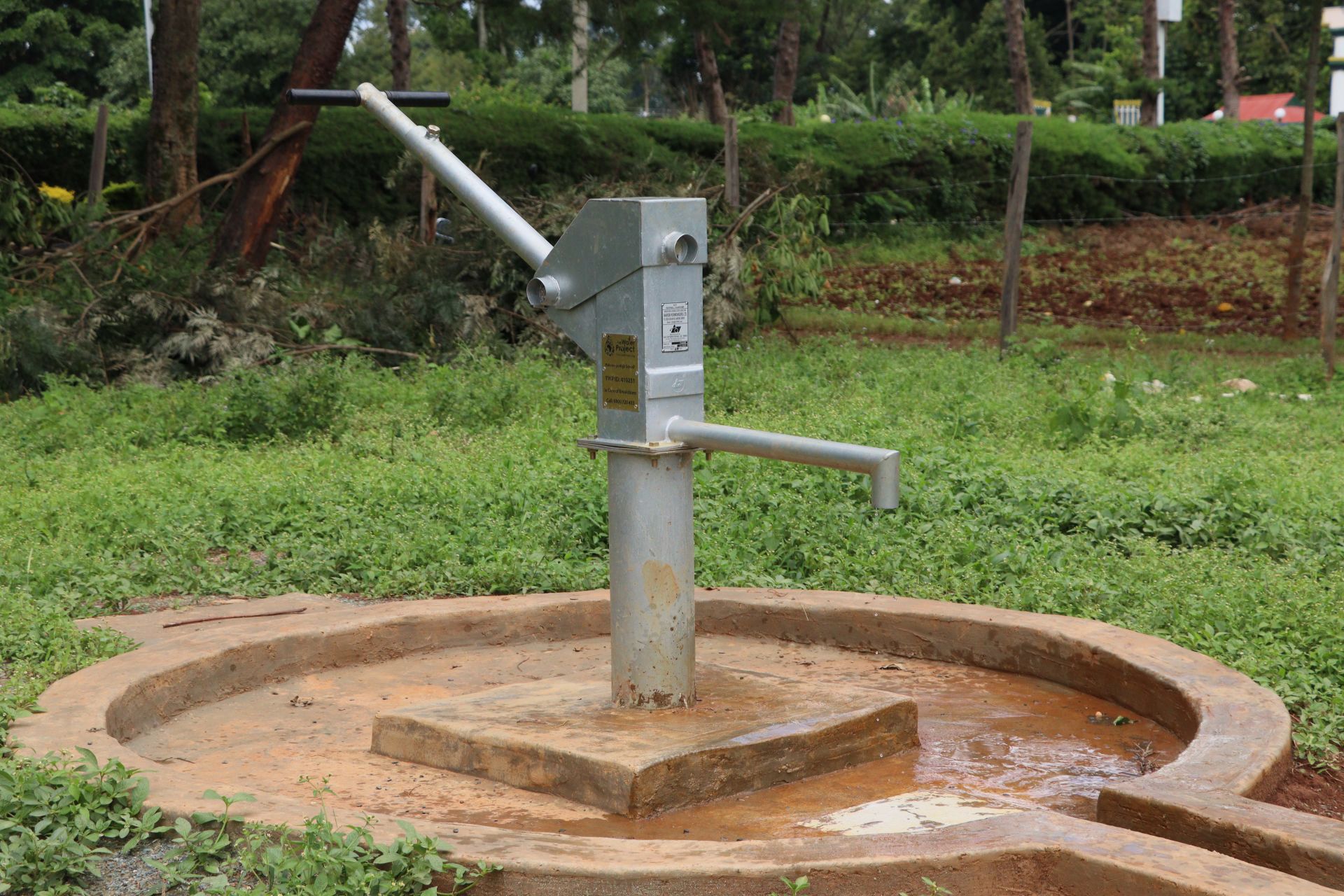
We constructed a cement well pad to seal it off from any ground-level contaminants. Tiles were installed beneath the spout to protect the cement from the erosive force of the water. We included a short drainage channel and a soak pit to prevent standing water.

When the well pad was cured, we installed a new stainless steel hand pump and sampled the water for a quality test. The results showed that this water was safe for drinking!

We officially gave ownership of the new borehole to the school’s students and teachers.


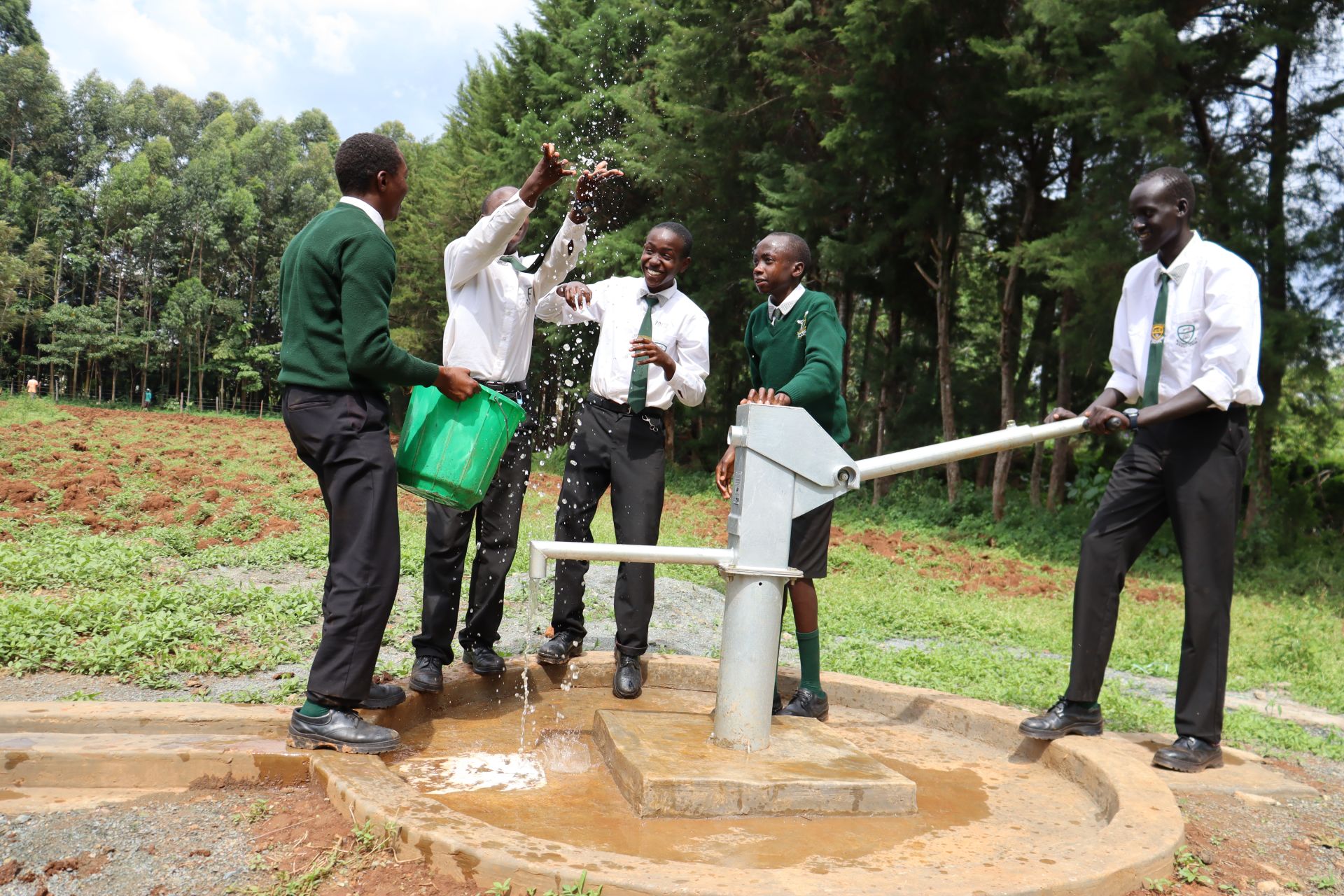
Students and staff celebrated the presence of clean water on campus.

"The dedication ceremony for the waterpoint had a big attendance with a turnout of government officials and school representatives. The Regional Commissioner, Deputy Regional Commissioner, Regional Commander, Member of County Assembly, Area Chief, School Principal, school administration, school chaplain, and some students came together to participate in the occasion. The ceremony highlighted the impact the project will bring to the school and community, and the officials shared words of encouragement and commitment to supporting the whole process of implementation and management of the water point. The school administration promised to take good care of the borehole for the well-being of everyone in the school," shared Field Officer Carolyne Buradi.

The event provided an excellent opportunity to acknowledge the school administration and students, and to remind them of our continued support. Happiness, thanksgiving, and appreciation were the order of the day, flowing in all directions.

VIP Latrines


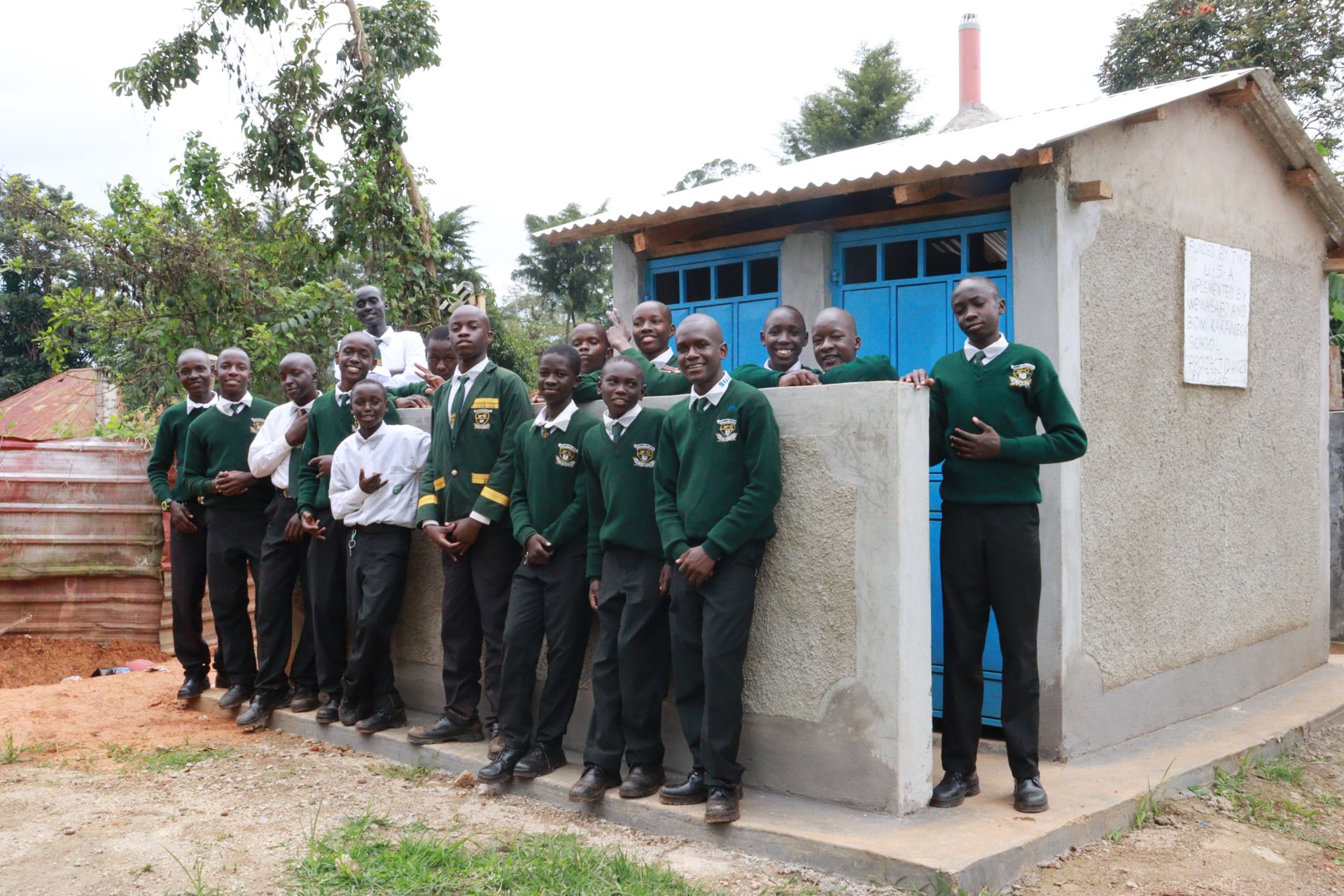
This project funded the installation of six new ventilated improved pit (VIP) latrines. These new latrines feature cement floors designed for easy use and cleaning. They have locking doors for safety and privacy, as well as vents to keep air flowing out through the roof. With a well right on school property, there should be enough water to keep them clean.

Handwashing Stations


We set up two handwashing stations outside the latrines. Student Health Club members will teach other students how to wash their hands at the stations properly, refill the stations with water, and ensure that soap is always available.

School Education

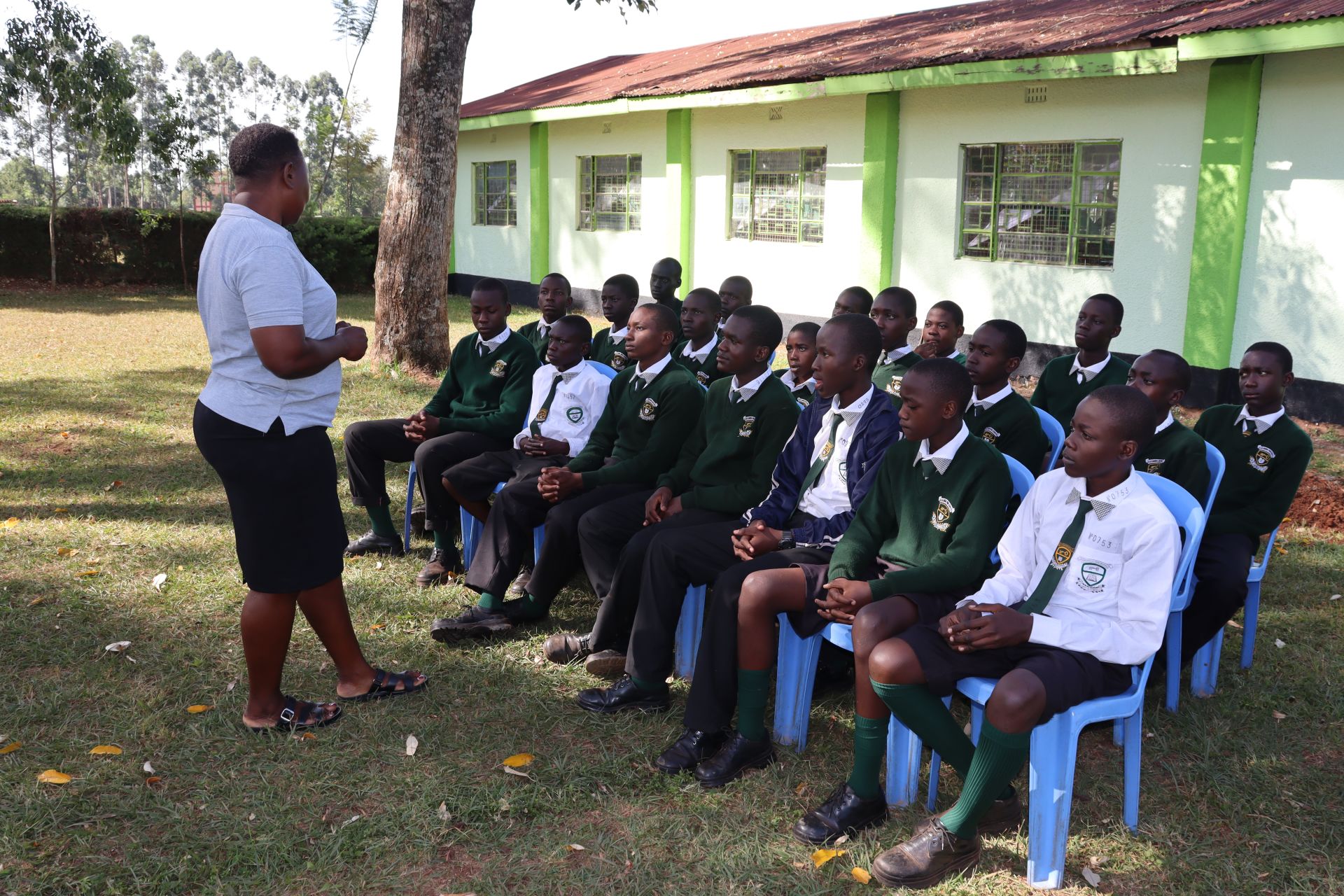
We scheduled hygiene and sanitation training with the school’s staff. When the training day arrived, facilitators Carolyne, Wesley, Betty, Rose, Simidi, and Collins deployed to the site to lead the event. 22 students and teachers attended the training.


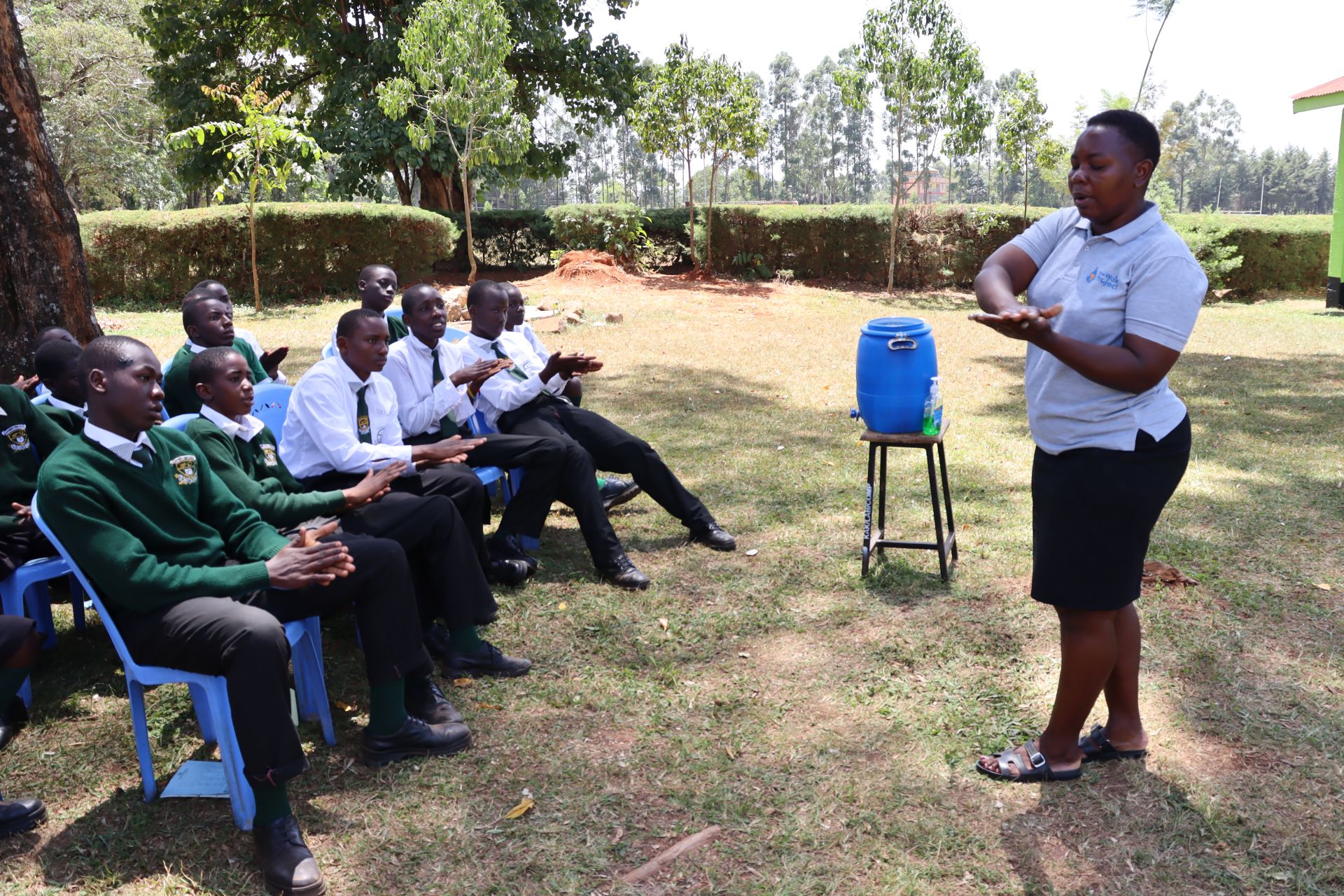
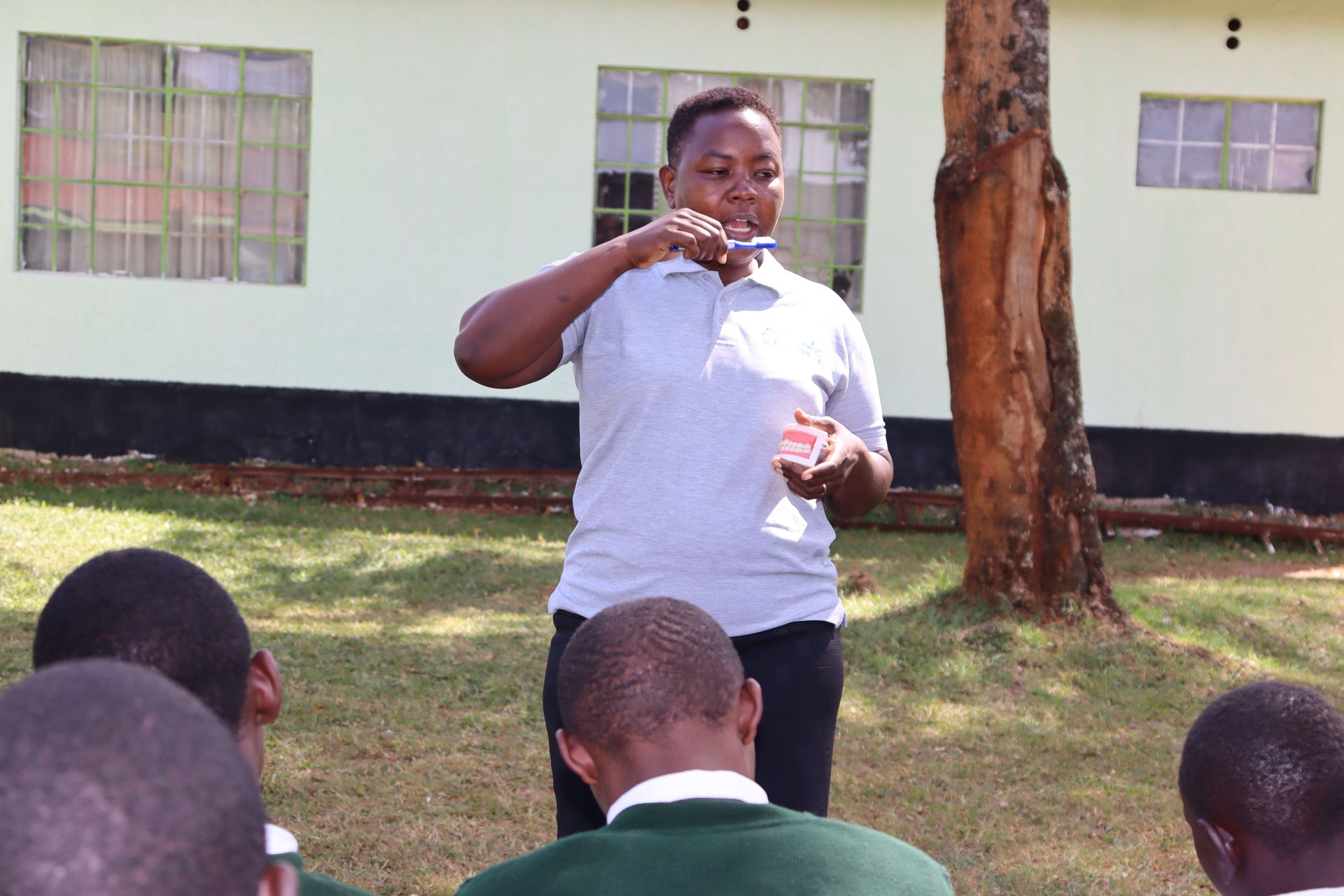
We emphasized personal, menstrual, oral, and environmental hygiene. Proper water handling, soap-making, the ten steps of handwashing, and the importance of primary health care were discussed. We covered disease prevention, teen pregnancy, and child rights. Waterpoint, latrine, and handwashing station operation and maintenance, as well as leadership and governance, were discussed. By the end of the training, each pupil understood their role in sustaining clean water and good health within their school community.

Soap-making session.

The students elected peers to lead their newly formed student health club. The student health club members will encourage good health and hygiene practices amongst their peers, teachers, and the larger community.

"During a discussion on personal hygiene, it emerged that most students were unaware and ignorant of the importance of bathing regularly, with some expressing that they often go for days without bathing due to fatigue and limited evening time. One student mentioned that, as boys, they did not see the need to bathe daily. The students even mentioned that they are not as complicated as compared to girls, and even mentioned that women are the only ones supposed to be bathing regularly. Many seemed to prioritize rest over personal cleanliness, indicating a gap in understanding the benefits of daily hygiene practices. However, as the training went on, we were able to share more on the importance of bathing, like boosting personal esteem, improving health, and well-being among the students," said Carolyne.

James.

"Through the training, I have been reminded of the different practices on hygiene and sanitation, water handling and treatment, and by that, I am confident that from now onwards, I will improve on my hygiene for better health and environment," said 16-year-old James.

Thank you for making all of this possible!


Update photo


July, 2026: Exciting Progress at Kakamega High School!

We’re thrilled to share that, thanks to your generous support, significant change is coming for Javelin and the entire Kakamega High School. Construction has begun on the well project, bringing them one step closer to having clean, reliable water.

But that's not all—during construction, we’re also providing vital health training. These sessions equip the community with essential hygiene practices, ensuring that the benefits of clean water extend to lasting health improvements.

We’re so grateful for your role in making this possible. Stay tuned for more updates—soon, we’ll be celebrating the arrival of safe water at Kakamega High School!


Loading photos...


Project Type

Abundant water is often right under our feet! Beneath the Earth’s surface, rivers called aquifers flow through layers of sediment and rock, providing a constant supply of safe water. For borehole wells, we drill deep into the earth, allowing us to access this water which is naturally filtered and protected from sources of contamination at the surface level. First, we decide where to drill by surveying the area and determining where aquifers are likely to sit. To reach the underground water, our drill rigs plunge through meters (sometimes even hundreds of meters!) of soil, silt, rock, and more. Once the drill finds water, we build a well platform and attach a hand pump. If all goes as planned, the community is left with a safe, closed water source providing around five gallons of water per minute! Learn more here!


Contributors

Warren Hills Regional High School
Elysian Charter School
Bounce Treatment Services
MCH Water Challenge Fundraiser
Rodney's Campaign for Water
Avon Community School- Water Challenge
Yuvaan's Campaign for Water
HMS 6th Grade Campaign for Water
47 individual donor(s)