 Borehole Well and Hand Pump
 Rehabilitation Project







Musunji Primary School sits on four acres of land first put to use in 1982, and today it serves 482 students — 228 girls and 254 boys — along with 18 staff members. The school was named a center of excellence by the government for its strong performance, and it has grown a reputation well beyond its classrooms: alongside its academic record, its students compete and win in games, sports, music, and drama, and the school is the reigning champion of the inter-school international snakebite awareness competition, a distinction that comes from living so close to the forest.

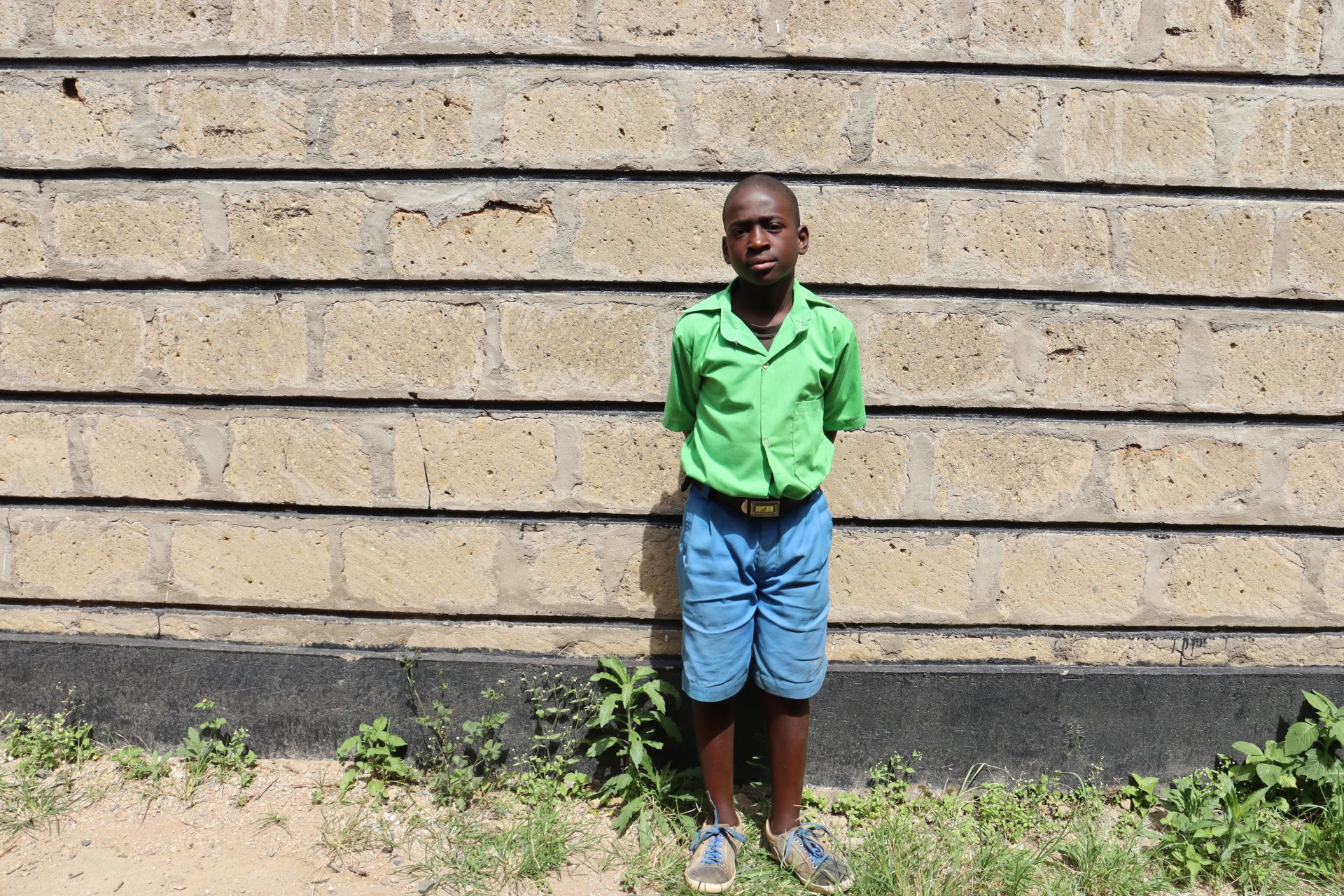
But for twelve-year-old Joseph, what he remembers most about his time at Musunji isn't a trophy. It's being sick.
"It was a terrifying experience because my stomach could not hold anything, every time I ate, I vomited instantly. In a span of [a] few days, I had lost a lot of weight," Joseph says, describing what happened after he drank contaminated water. It wasn't a one-time scare. We asked him how often her gets sick. "Very often because we rarely treat water at home, thus being prone to waterborne diseases every now and then," he says.
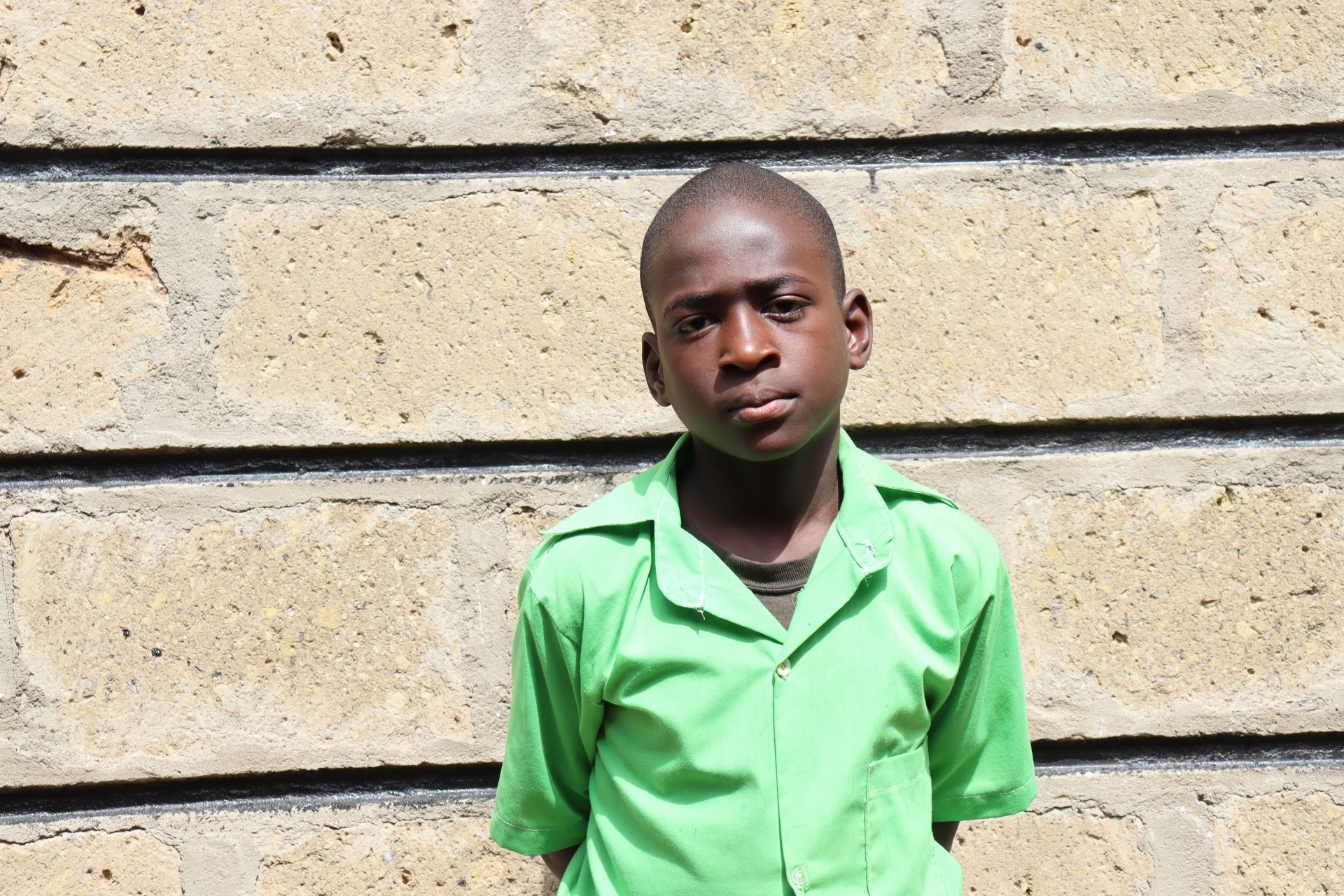
Joseph.
When he got sick, his parents did what they could. "My parents prepared a nice meal for me, and took me to the hospital for proper medical attention," Joseph recalls. But recovery meant time away from the classroom he works so hard to keep up in. "Going to school when I am unwell is quite difficult because I will not concentrate in class. Also, while taking medication, I will not have energy to go to school, so I have to finish my drugs first and wait until I recover fully."
Illness is only one of the costs water exacts from Joseph. Like many of his classmates, he spends roughly an hour a day fetching water for his family, and the wait is rarely simple. Overcrowding, he explains, is what makes the process drag on. He has felt the frustration of losing his place in line firsthand: "I get pushed to the back of the queue sometimes, when I skip the line trying to be ahead of everyone, and at the end of the day I will have to wait until it is my turn to fetch water." That lost time follows him back to school. "When I go to fetch water and the queue is long, I rarely get time to study because most of my time is wasted waiting in the queue."
Even so, Joseph doesn't resent the responsibility. "I feel good because fetching water for domestic use is my responsibility, and when I am free, I ensure that my parents have enough water for use and get time to rest," he says. What he wants is simply more room in his day — for his family, and for himself. "I will help my parents with house chores and ensure that I create time to study and better my grades," he says, describing what he'd do with the hours water currently takes from him. He is already looking ahead to who that time could help him become: "I want to put more effort into my studies to ensure that my dream of becoming a doctor one day comes true."
Joseph's daily walk to fetch water is only made harder by the source of that water. Musunji Primary School currently depends on rainwater collection and a protected dug well located in the community rather than on school grounds. The rainwater supply is seasonal, and dries up for long stretches — the tank sits empty for much of the year. The dug well fares little better: it takes an average of 40 minutes round trip to reach, and as long as 60 minutes at its worst, and the area around it is overgrown, with visible cracks in the well's structure.

The well off campus.
Getting there means crossing a busy road, one enumerator noted, which puts students at real risk of being struck by passing cars and motorbikes. Contamination compounds the danger — water dripping from jerrycans as students pour it into containers regularly re-enters the well, a cycle that keeps waterborne illness like Joseph's a recurring part of life at Musunji Primary School rather than a rare event.
Our proposed solution is a well on campus to give Musunji Primary School a safe, reliable source of its own, paired with new latrines and handwashing stations. For a student like Joseph, that would mean fewer hours lost to queues, fewer days lost to sickness, and more time to put toward the studies — and the future — he's already working for.
Steps Toward a Solution
Returning to a community where we previously implemented a water project is not just a matter of maintenance; it stays true to our commitment to sustainability. Our technical experts worked with the local community to identify their current needs and decided to drill a well.
Reinvestment
While the original project provided critical access to safe water, things like changing environmental conditions, population growth, and infrastructure wear have put that access at risk. Reinvesting now ensures that progress is not lost and that the school continues to thrive with reliable, clean water. We are committed to supporting lasting, reliable solutions that honor the trust placed in us by the people who depend on this essential resource every day.
Once this plan is implemented, the school will once again have access to safe drinking water in quality and quantity.
School Education & Ownership
Hygiene and sanitation training are integral to our water projects. Since this school has previously received hygiene training, we will conduct a refresher tailored to this school's specific needs and the new students in attendance.
We will check on the previously established student health club, composed of elected student representatives and a teacher. These clubs promote hygiene practices schoolwide and keep handwashing stations well-stocked. This student-led model encourages a sense of ownership and responsibility.
Safe water and improved hygiene habits foster a healthier future for everyone in the school and the surrounding community.