 Borehole Well and Hand Pump
 Rehabilitation Project










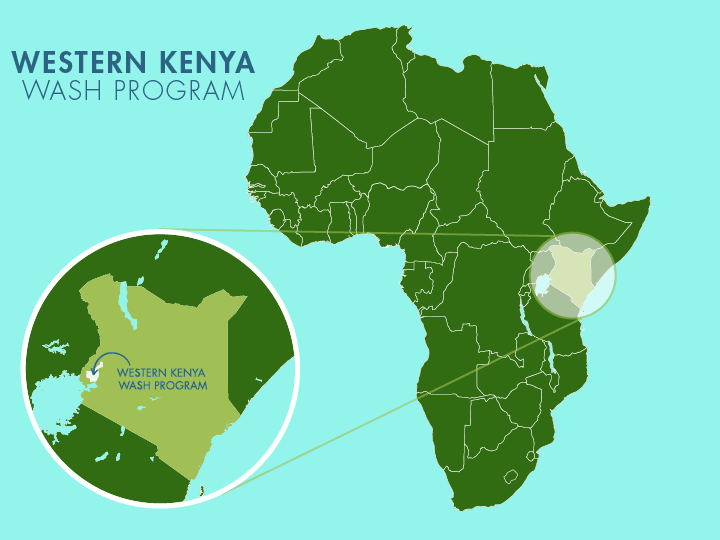
Kaimosi Teachers Training College was founded in 1902 and is one of the oldest educational institutions in Western Kenya, playing a significant role in training educators for the region.
It is a huge institution with 809 boarding students and 123 teachers, but it faces one significant issue: a lack of water security.
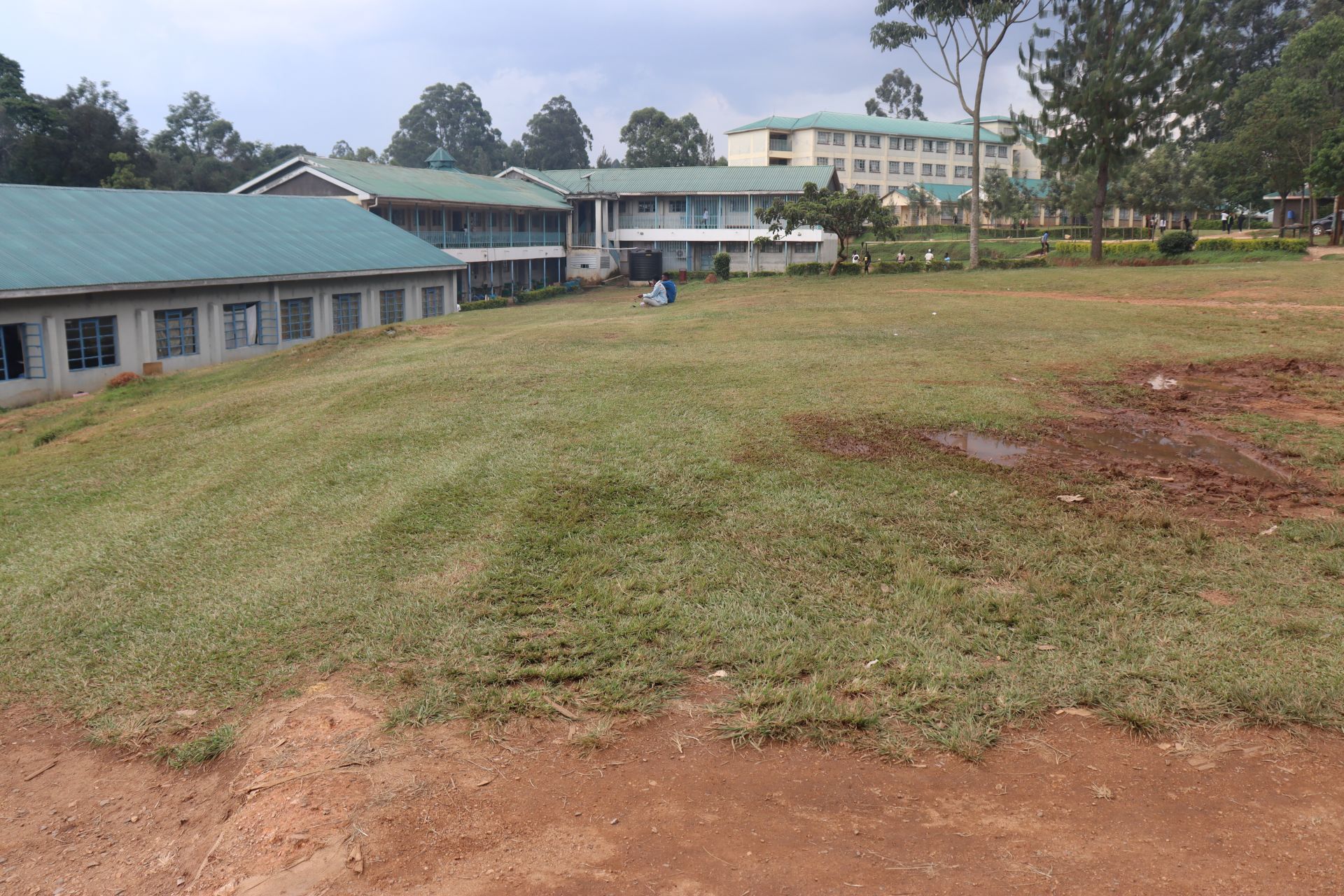
Those living and working at the school have several water sources available to them, but each presents unique issues, and none provides sufficient water for a long-term solution.
Their primary water source is the municipal piped water system. But its quantity and quality are inconsistent; at times, it is muddy, and at other times, it is over-chlorinated, raising concerns about its safety and making it difficult to drink.
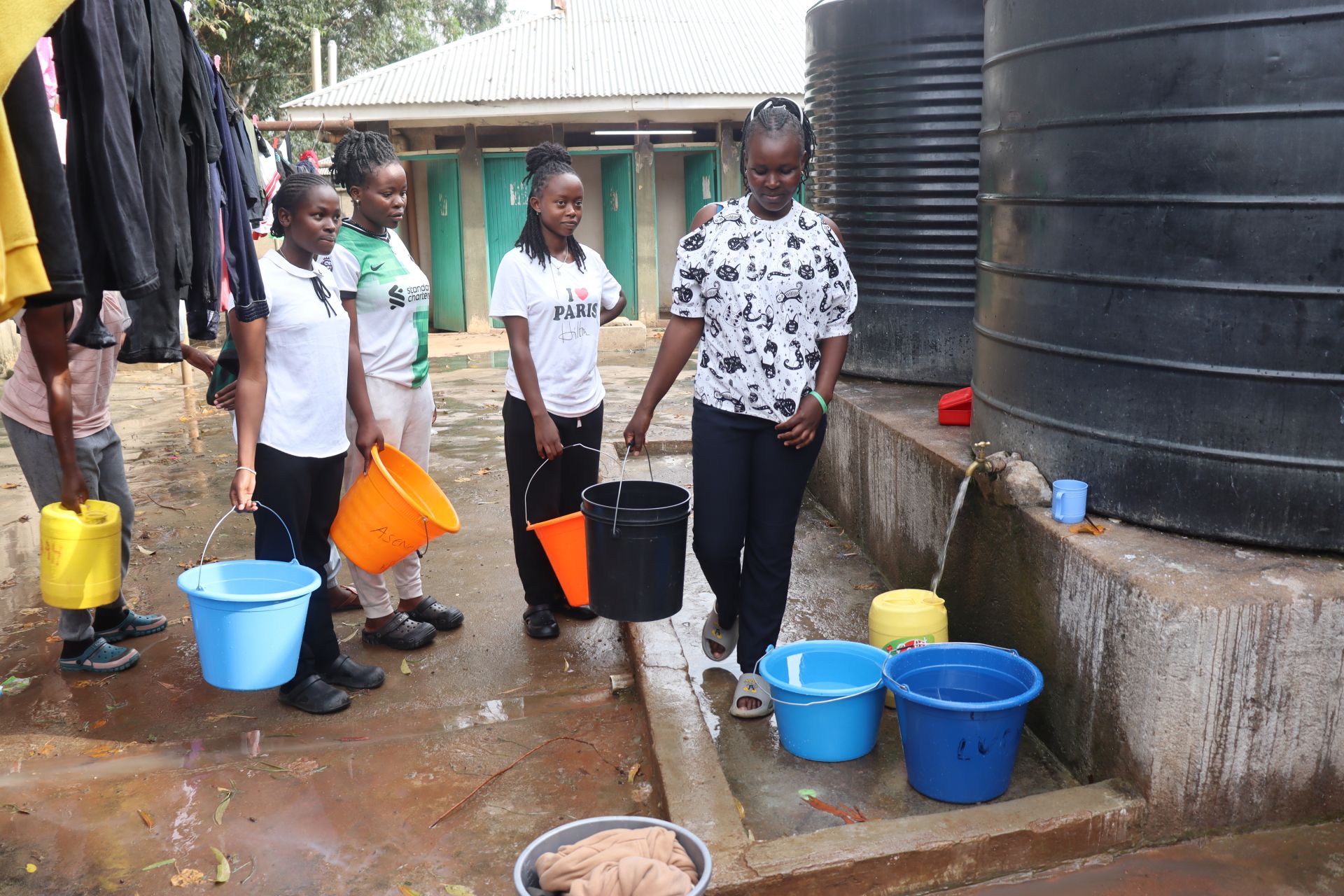
People waiting to collect water.
The alternative water sources are a low-yield spring, pumped to a reservoir, or collected rainwater. Both sources are seasonal, but worse still, they are also susceptible to contamination, causing students and teachers to struggle with waterborne illnesses.
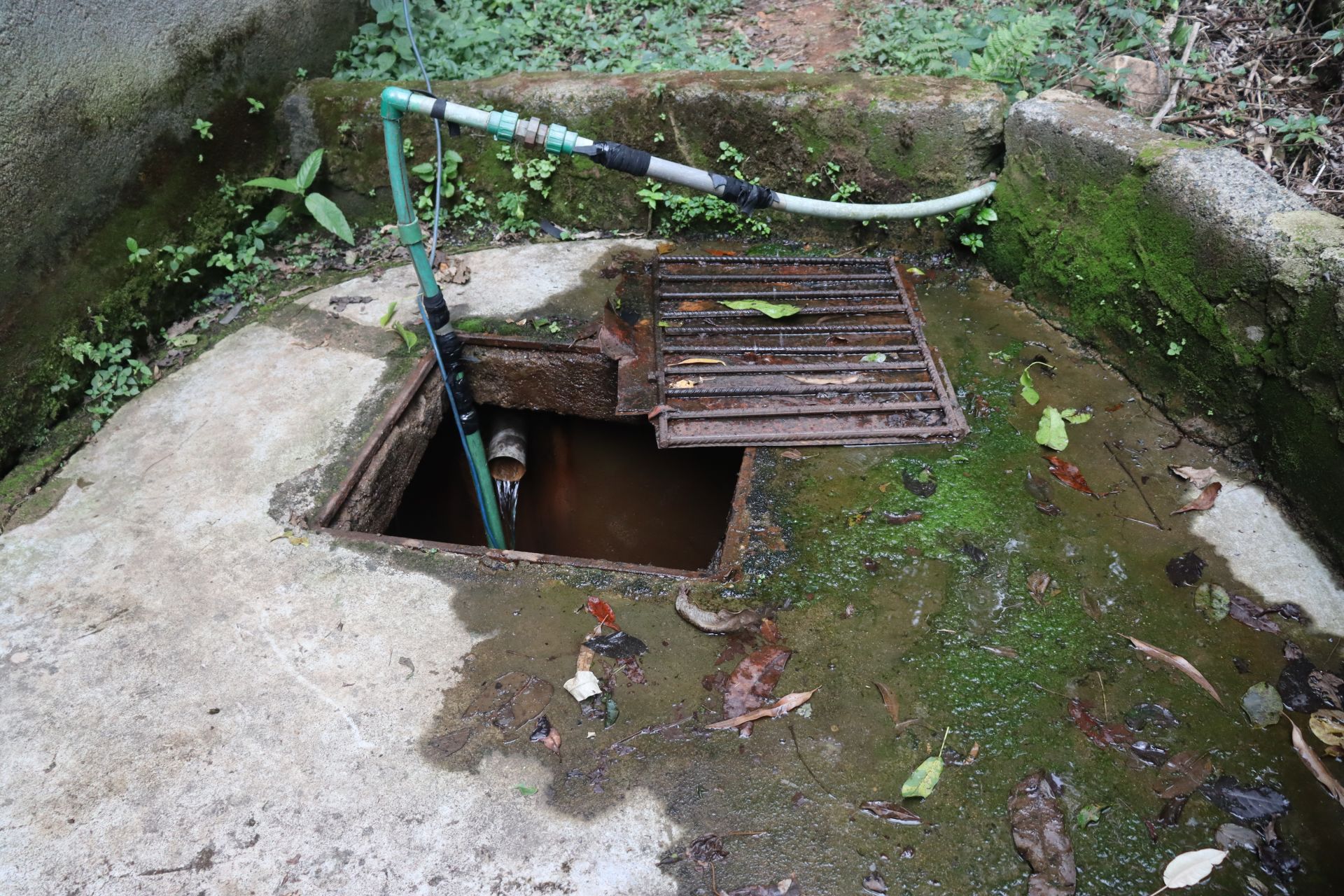
The water reservoir.
"Drought has been a major challenge to water shortage in this institution, as all available water sources are affected by seasonal variations. During prolonged droughts, the municipal piped water supply is frequently rationed, while the institution's alternative water sources, including the protected spring water collected in a hand-dug well reservoir and rainwater harvesting tanks, also dry up. This results in inadequate water for drinking, cooking, sanitation, and other needs within the institution," shared the head of the guidance and counseling department, 49-year-old Patrick Barasa.

Mr. Patrick Barasa.
Patrick himself has suffered from waterborne diseases as a result of consuming the water.
"I have personally been affected by water-related diseases on several occasions. The most recent one was very severe. I experienced extreme body fatigue, joint pain, persistent headache, and high fever, which was followed by intense coldness. The illness was physically exhausting and prevented me from carrying out my daily work," he said.
I have used antibiotics prescribed by the doctor to prevent dehydration, pain relievers for fever, and body aches. At times, laboratory tests were required before treatment, hence increasing the cost of treatment. Yes, treatment has consumed a significant portion of my income. The [costs of] consultation, laboratory tests, medication, and transport to and from the health care facility are often high."
Water related ilinesses affects productivity. Personally, when I contract waterborne diseases, the fatigue and weakness associated with the disease prevent me from performing my duties effectively. As a result, I am often forced to miss work, leading to reduced productivity and [a] loss of income."
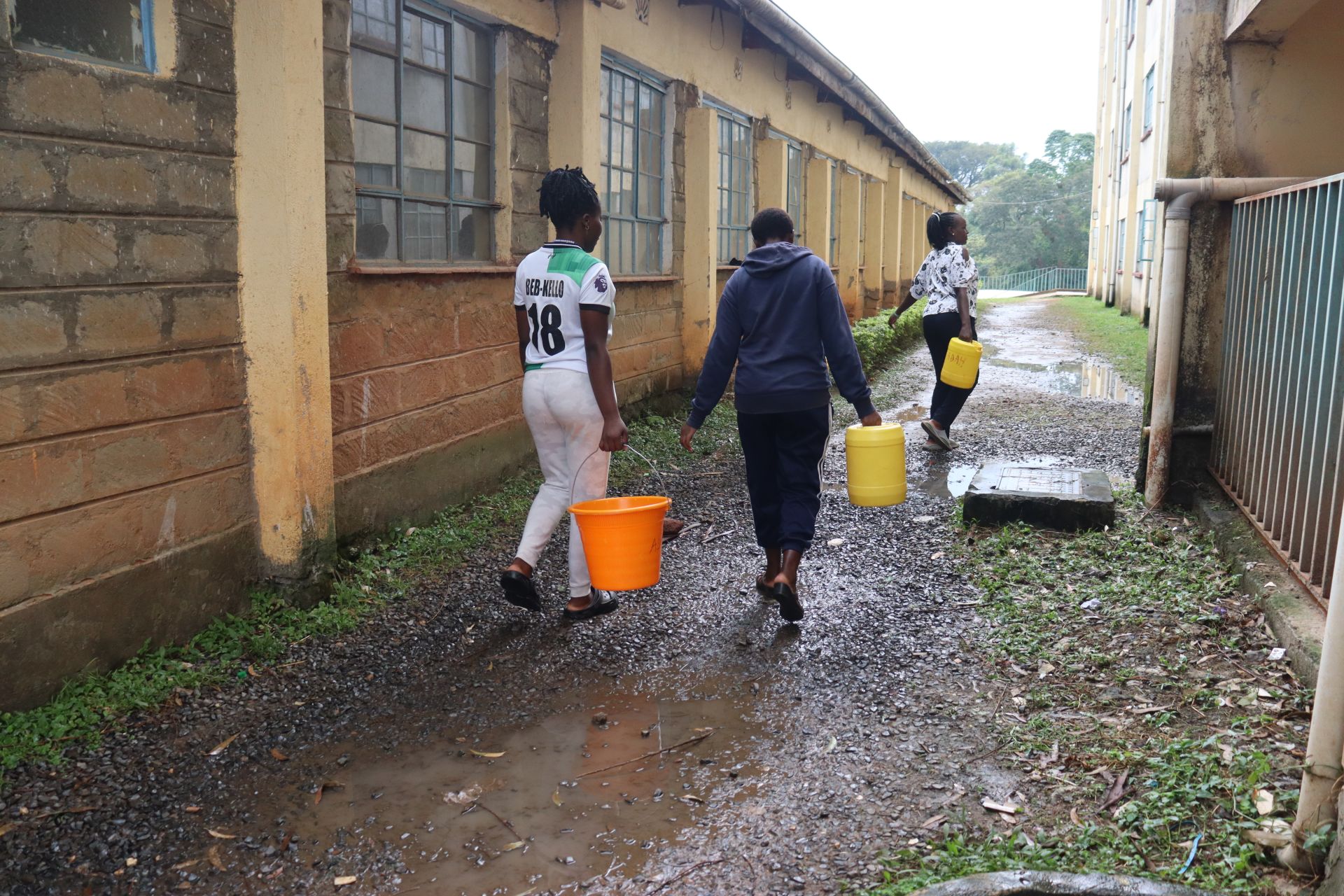
Patrick is not the only one who has suffered; the students have struggled with water-related illnesses, too.
"When learners fall sick, they are forced to miss classes and important lessons, making it difficult for them to cover [the] syllabus. This often results in poor academic performance," Mr. Barasa said.
This school needs a reliable water solution that will enable them to focus on learning instead of worrying about where to find water and if the water they collect will make them ill.
Steps Toward a Solution
Schools without reliable, on-premises water access often rely on students to fetch and carry water, leading to rationing and uncertainty about water quality. The water is typically poured into a communal storage tank and used by the entire school. With children carrying water from all different sources, it is also impossible for teachers and staff to know exactly where the water comes from and how safe it is to drink.
A new water point will be located on-premises at the school to ensure accessibility, reliability, and safety for students, teachers, and staff while meeting our school coverage goals. Having water available at the school allows children to drink, wash hands, and use sanitation facilities without leaving school grounds, preventing disruptions to lessons and reducing safety risks. A dedicated source increases water availability, reduces reliance on stored water, minimizes rationing, and ensures confidence in the safety of the water. This means staff and students are healthier, and their lessons aren’t disrupted, contributing to a better education!
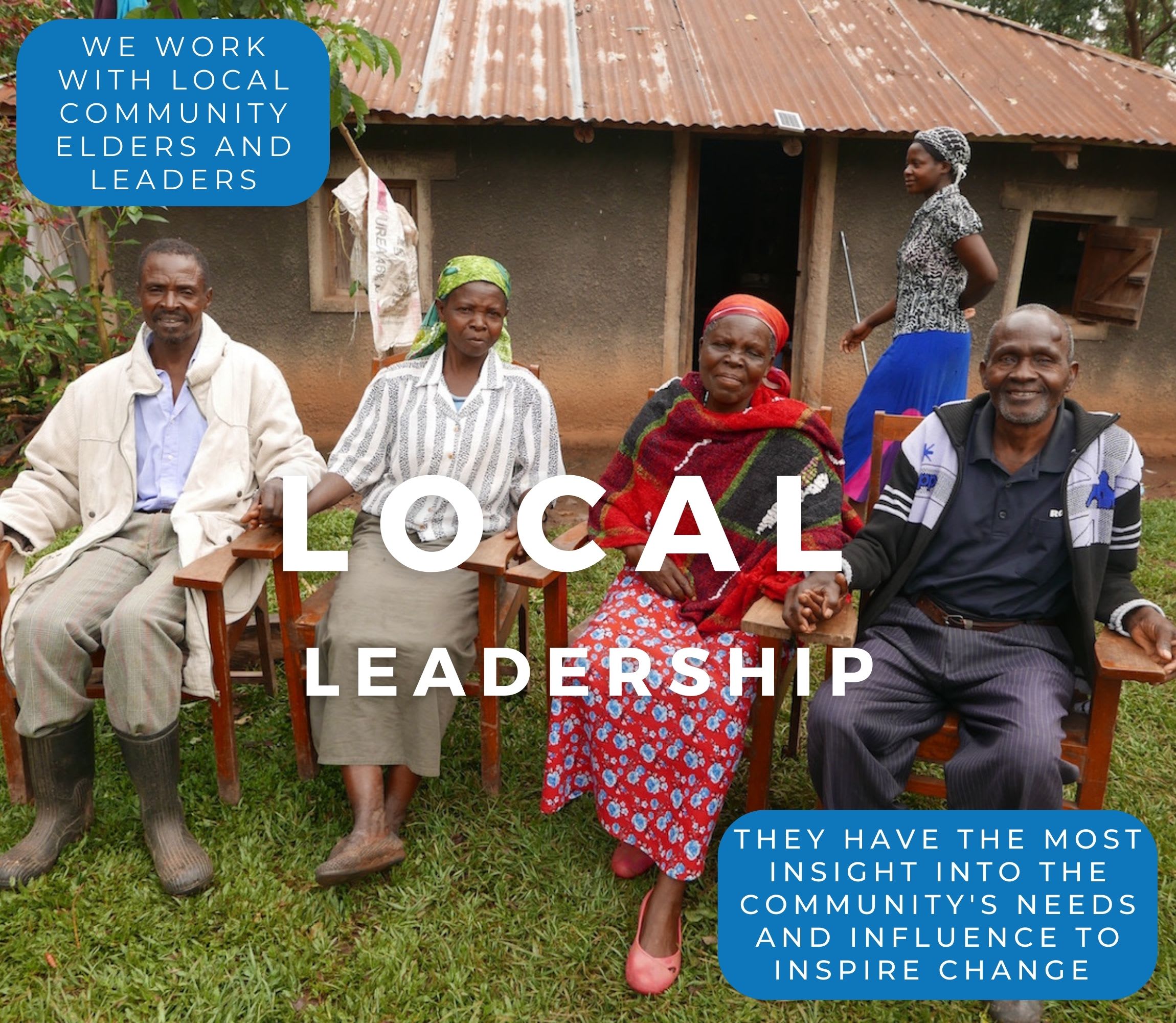
Our technical experts worked with the school leadership and local community to identify the most effective solution to their water crisis. They decided to drill a borehole well, construct a platform for the well, and attach a hand pump.
Well
Abundant water often lies just beneath our feet. Aquifers—natural underground rivers—flow through layers of sediment and rock, offering a constant supply of safe water. A borehole well is drilled deep into the earth to access this naturally filtered and protected water. We penetrate meters, sometimes even hundreds of meters, of soil, silt, rock, and more to reach the water underground. Once found, we construct a platform for the well and attach a hand pump. The community gains a safe, enclosed water source capable of providing approximately five gallons of water per minute. Learn more here!
Handwashing Stations
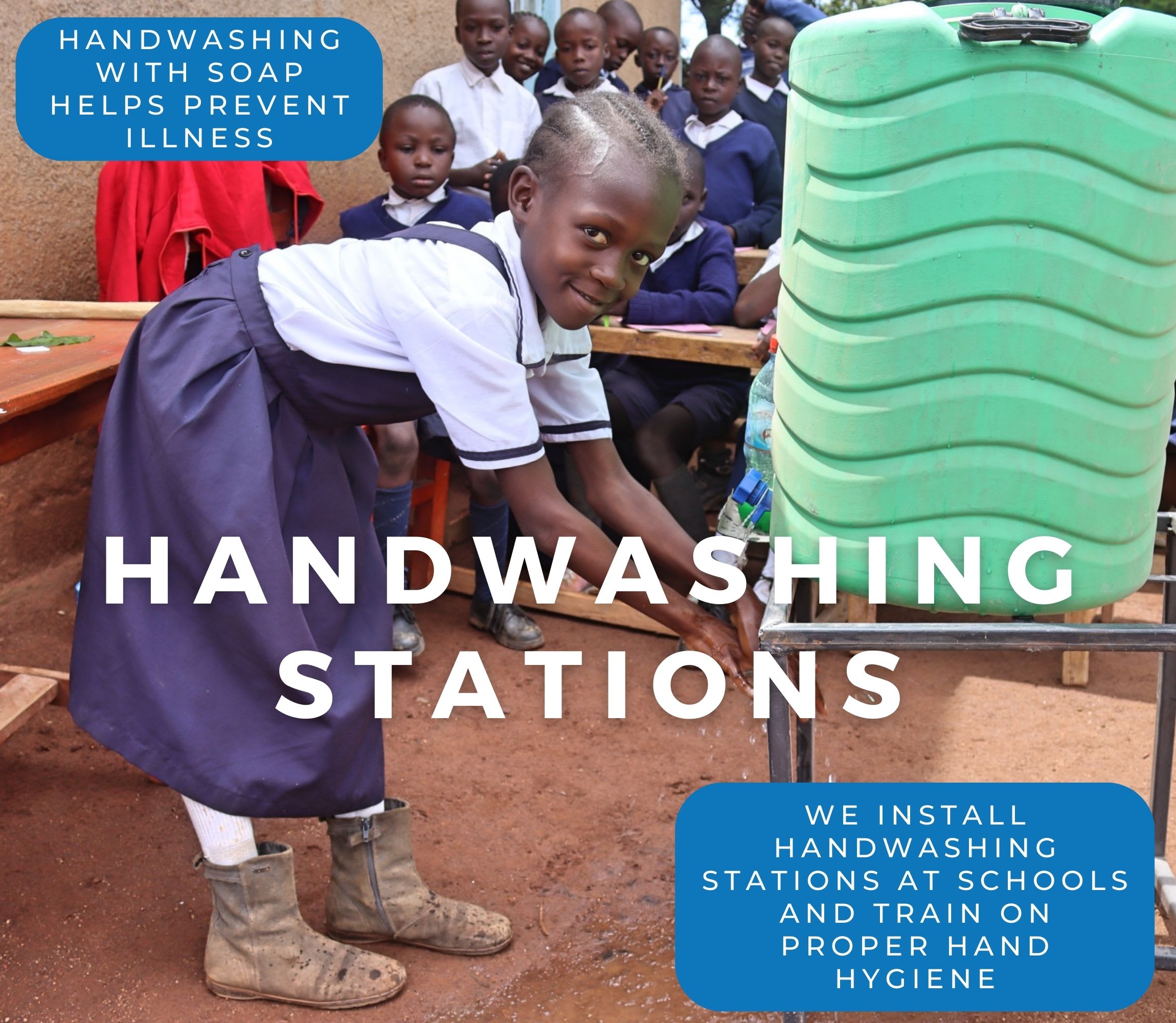
Alongside each water source, we install two gravity-fed handwashing stations, enabling everyone at the school to wash their hands. Handwashing is crucial for preventing water-related illnesses within the school and community. Student “health clubs” maintain the stations, fill them with water, and supply them with soap, which we often teach them how to make.
Latrines
We will construct two Ventilated Improved Pit (VIP) latrine blocks designed to prevent fecal disease transmission. Each latrine features a cement floor, making it easy to use and clean regularly. Three stalls will serve the girls, and three will serve the boys.
School Education & Ownership
Hygiene and sanitation training are integral to our water projects. Training is tailored to each school's specific needs and includes key topics such as proper water handling, improved hygiene practices, disease transmission prevention, and care of the new water point.
To ensure a lasting impact, we support forming a student health club composed of elected student representatives and a teacher. These clubs promote hygiene practices schoolwide and keep handwashing stations well-stocked. This student-led model encourages a sense of ownership and responsibility.
Safe water and improved hygiene habits foster a healthier future for everyone in the school and the surrounding community.