 Protected Dug Well
 Rehabilitation Project









Every day, the 1,300 residents of the Wengeni Community lose more than three hours just getting water. That is time that could be used farming, caring for livestock, earning income, or sending children to school.
That's three hours spent walking long distances and waiting in line at the municipal kiosk. When the municipal supply cuts out, families are left with no choice but to buy water from an unprotected dug well, paying more money for water that isn't even safe. Open to contamination, which puts entire households at risk of waterborne illness.

The municipal kiosk.
Without reliable water, everything becomes harder. Most families use what little they have for drinking and cooking, leaving almost nothing for other needs. Growing food becomes nearly impossible — kitchen gardens can't be maintained, crops suffer, and livestock productivity drops. This hits families' food supply and income at the same time.
On top of all this, the physical toll of water collection is real. Community members, often women and children, carry heavy containers over dry, rocky, uneven ground, leading to exhaustion and potential injuries.
9-year-old Vadil knows the pain of having to carry heavy water containers so far.
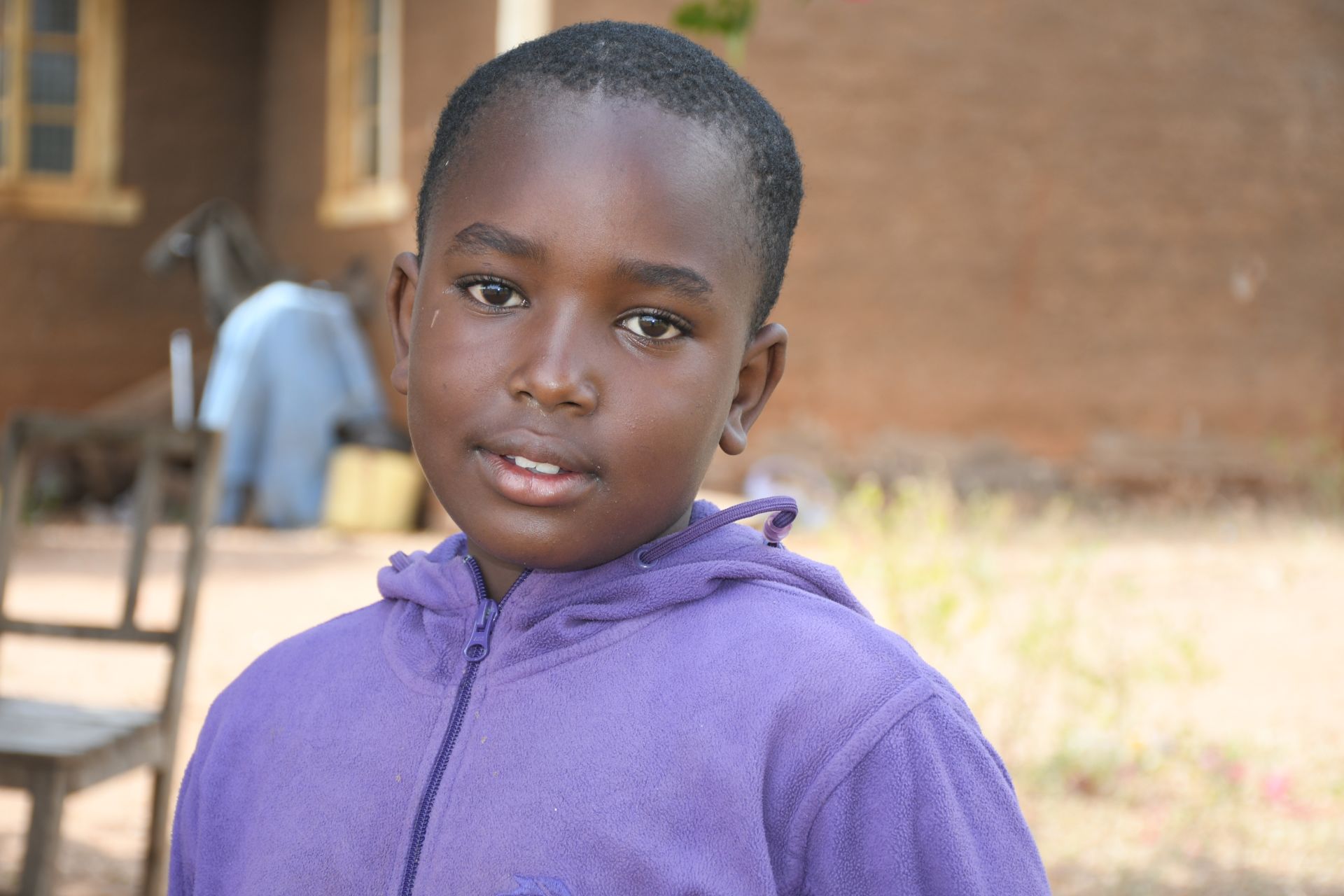
Vadil.
"Fetching water takes a long time because the municipal water kiosk is far from our home. When I go there with my grandmother or other family members, we have to walk a long distance and then wait in a queue because many people are also collecting water. Sometimes the water supply is interrupted, and we have to wait even longer or look for another place to get water. By the time we get back home, we are very tired," he said.
"Sometimes there is not enough water because the municipal water supply does not always work, and many families depend on the same kiosk. When there is no water, we have to walk to the distant private dug well. That makes me feel worried because I know my family still needs water for drinking, cooking, and washing.

The alternative source is an unprotected dug well.
"I feel tired because the walk is long, and carrying water back home is not easy for me. Sometimes I also feel disappointed because I would rather be studying or playing with my friends. Even so, I know I have to help my family because we all need water."
"When I spend my free time helping to fetch water, I become tired and have less time to finish my homework or revise my schoolwork. Sometimes I find it harder to concentrate in class because I am tired. I always try my best in school, but having water closer to home would give me more time and energy to focus on my education.
Not only does Vadil spend too much time collecting water when he should be in school learning, but he also regularly faces water-related illnesses from the water he works so hard to collect.
"I do not get sick all the time, but there are times when the water we use makes me feel unwell. Sometimes, after drinking the water, especially when it has not been treated, or when we have no choice but to use water from unsafe sources, I get stomachaches. It worries me because I want to stay healthy so that I can go to school every day and learn," Vadil lamented.
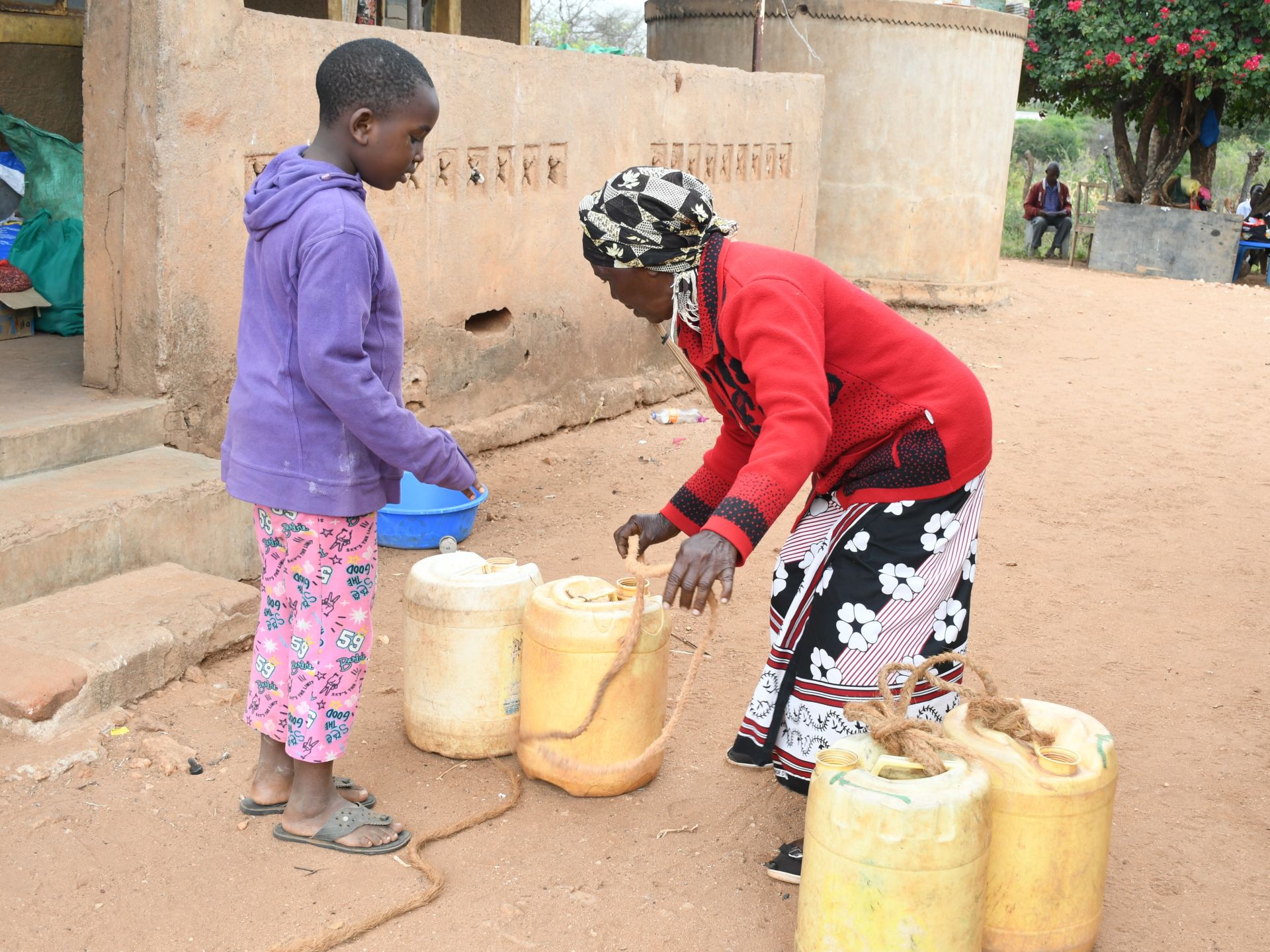
Vadil collects water.
"I wish we always had enough clean water close to our home," said Vadil. "I want to become a doctor when I grow up. I want to help people who are sick so they can get better, especially children and older people in villages like ours. I know I have to work hard in school to achieve my dream, and I hope that having enough clean water will help me stay healthy and study well.
A reliable, accessible water source wouldn't just bring clean water to this community. It would give Vadil his time back and protect his health, allowing him to attend school regularly and have a brighter future.
Solving the water crisis in this community will require a multifaceted system that will work together to create a sustainable water source that will serve this community for years to come.
Steps Toward a Solution
Our technical experts worked with the local community to identify the most effective solution to their water crisis. Together, they decided to construct a protected dug well and sand dam.
Protected Dug Well Near A Sand Dam
Once a sand dam is installed and has time to mature by gathering sand and silt, groundwater increases significantly in the entire area surrounding the project. This provides a reliable source of groundwater that wasn’t possible before. As a result, wells can be constructed to take advantage of the water stored and filtered in the collected sand.
During the construction of the protected dug well, we will build a platform for the well and attach a hand pump. The community will gain a safe, enclosed water source capable of providing approximately five gallons of water per minute.
This protected dug well will be connected to a sand dam to obtain water.
Community Education & Ownership
Hygiene and sanitation training are integral to our water projects. Training is tailored to each community's specific needs and includes key topics such as proper water handling, improved hygiene practices, disease transmission prevention, and care of the new water point. Safe water and improved hygiene habits foster a healthier future for everyone in the community.
Encouraged and supported by our team's guidance, the community elects a water user committee representative of its diverse members. This committee assumes responsibility for maintaining the water point, organizing community efforts, and gathering fees to ensure its upkeep.