 Protected Dug Well
 Rehabilitation Project











Peninah Masila is a 43-year-old farmer and mother. She lives in the Ngongu Community, where about 1,000 people share the same daily struggle she does: finding water. Twice a day, she sets out on foot, two hours each way, over rocky, dusty ground that turns steep and unforgiving under the sun.
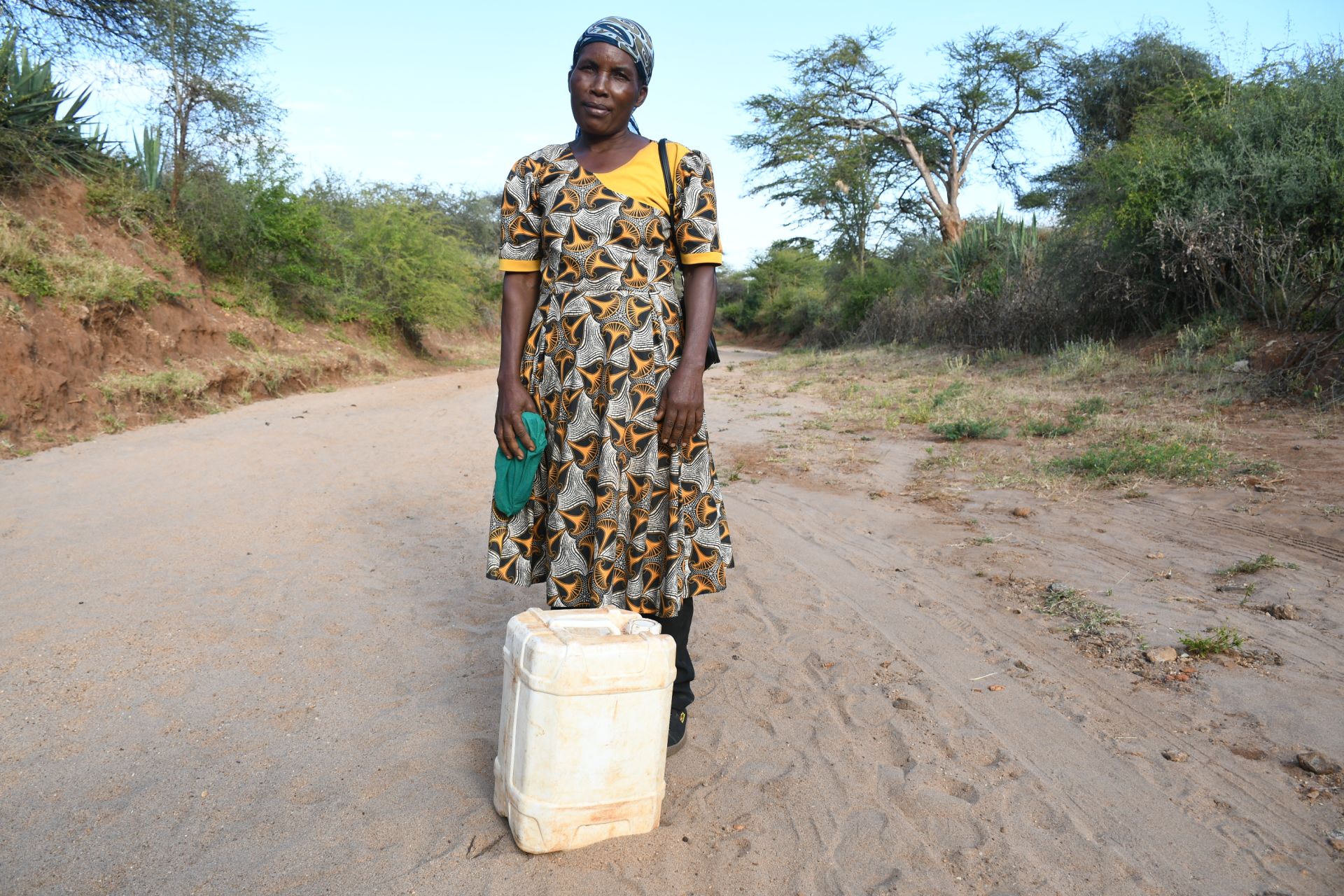
Ms. Peninah Masila.
"I am concerned because the water points are far from my home, and the journey involves walking through rocky, dusty, and uneven paths under the hot sun. It is easy to slip, fall, or get injured while carrying heavy jerrycans. Sometimes I become very tired and exhausted before reaching home. I am also worried because the area around the kiosks is not always clean, and animal waste near the water points can contaminate the water and expose my family to illnesses."
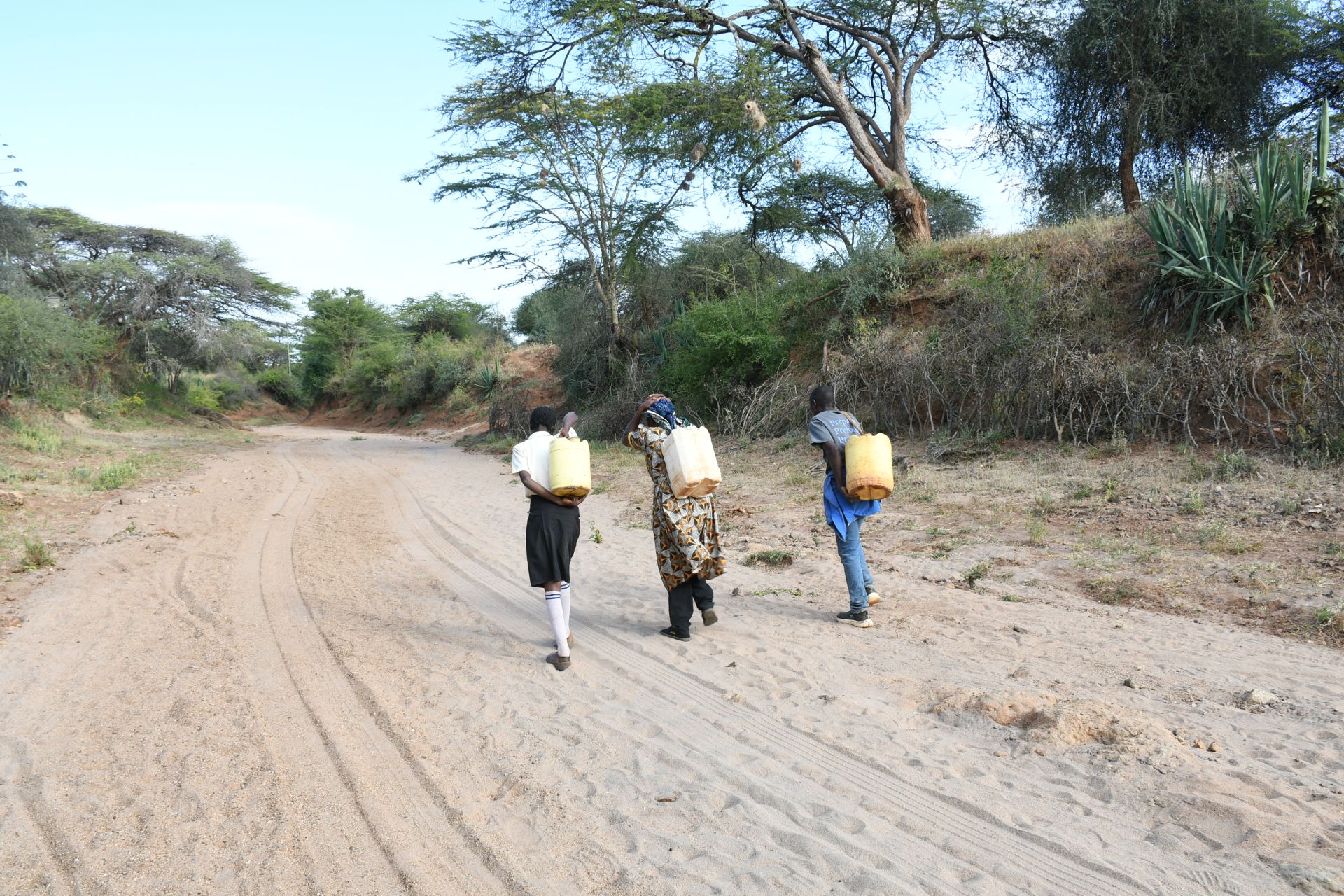
The long, heavy journey home.
Beyond the walk itself, there's a cost. Peninah's income comes from farming, and drought has already made that unpredictable enough. Water shouldn't be another bill she has to gamble on, but it is.
"The cost of buying water affects me greatly because farming is my main source of income, and drought has reduced my harvests and earnings. Paying for water every day consumes money that I could use for food, farming inputs, school expenses, and other household needs. During difficult periods, I have to make hard choices between buying water and meeting other important family needs."
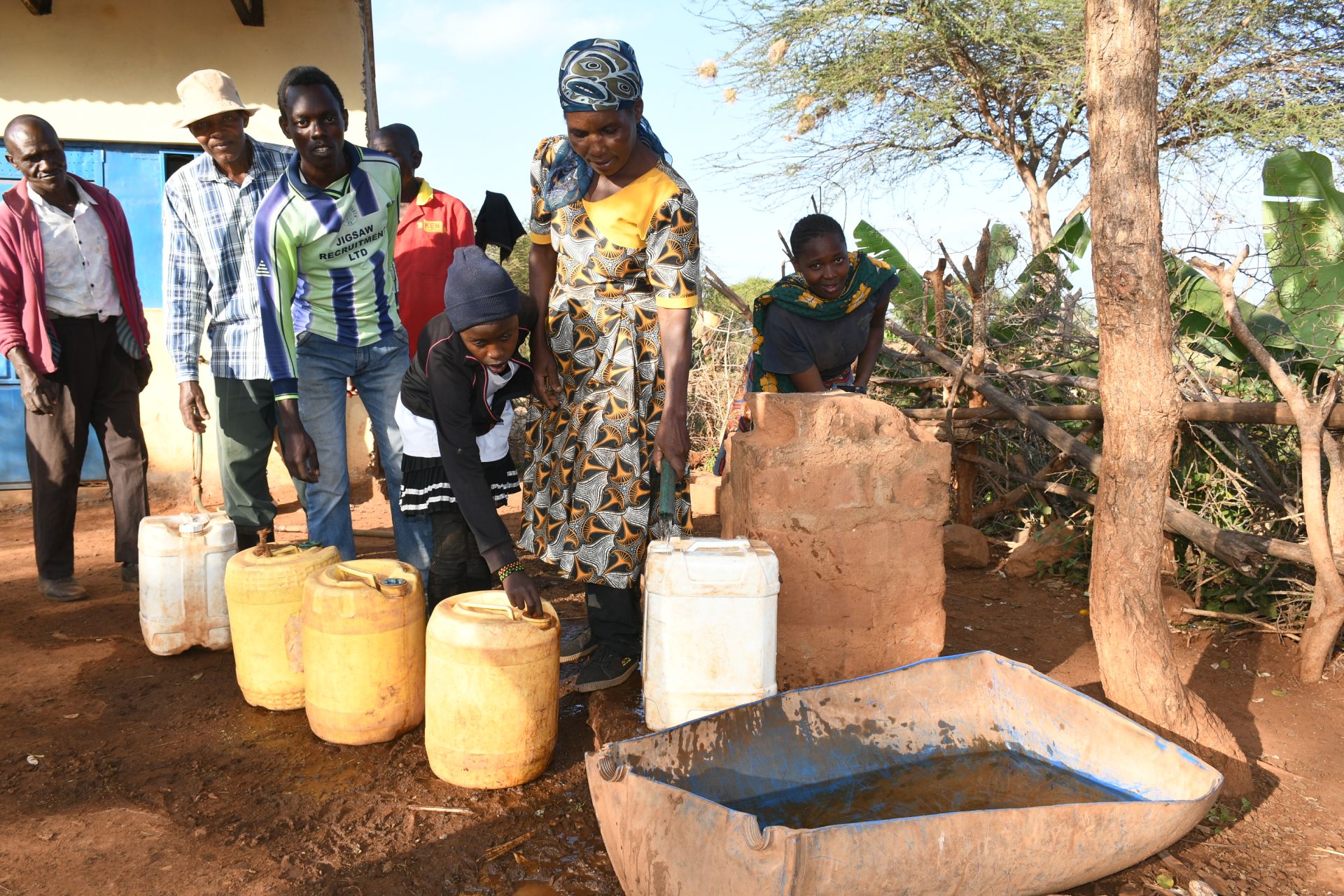
Ask her what she'd do with that money instead, and she doesn't hesitate.
"If I did not have to spend money on water, I would invest it in improving my farm by buying seeds and other farming inputs. I would also use some of the money to support my children's education and meet other household needs, such as food and healthcare. This would help my family become more stable and resilient, especially during drought seasons," Peninah said.
It's not just money that the water crisis takes from her. It's time she'll never get back.
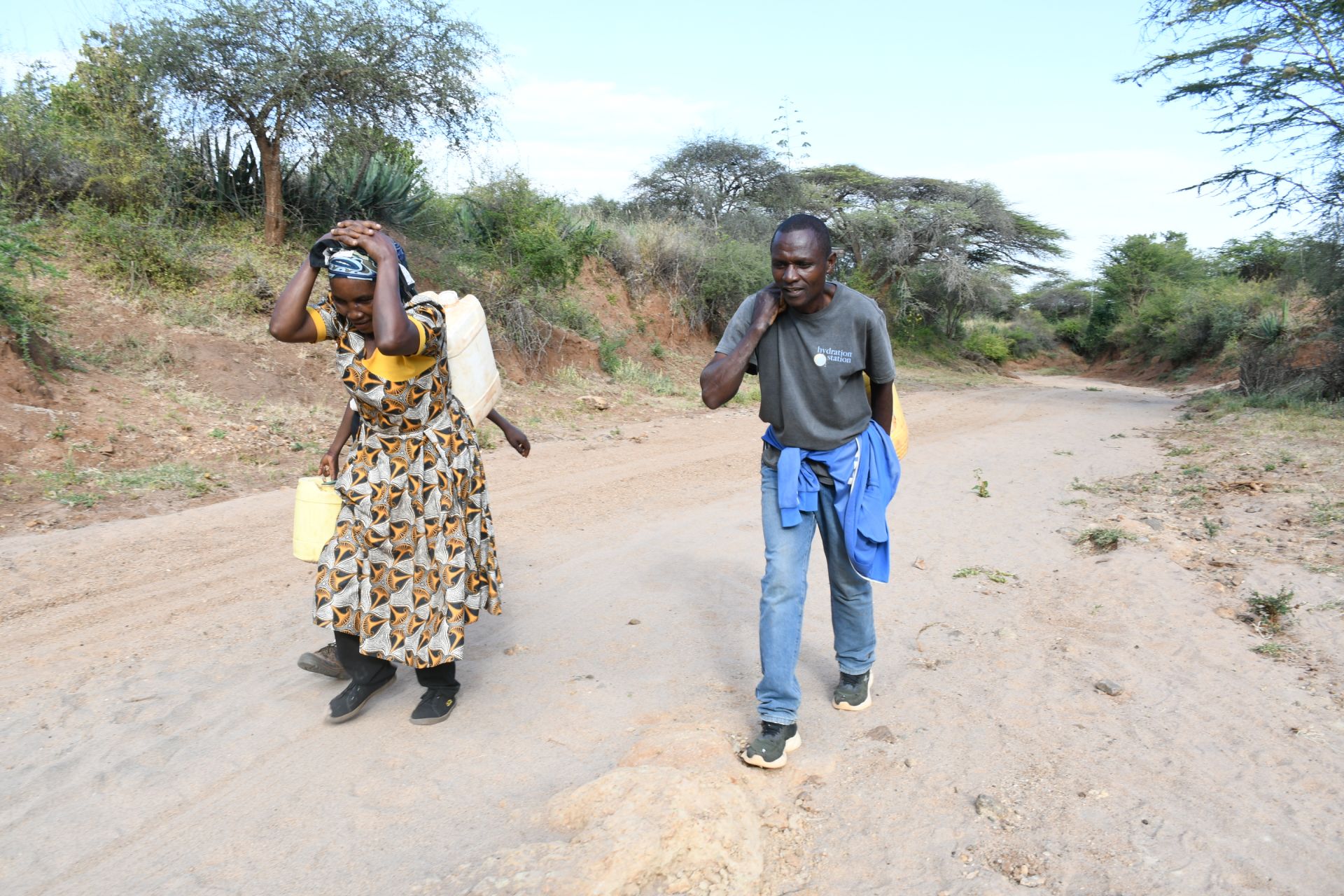
Hauling water all the way back home.
"If I did not have to spend many hours every day looking for water, I would dedicate more time to working on my farm and finding ways to improve my family's income. I would also have more time to care for my children and participate in the activities of our self-help group. During drought periods, most of my day is spent walking to and from water points, leaving very little time for productive work. Having water nearby would allow me to focus on farming and other activities that can improve our livelihoods."
When she pictures a water point closer to home, what comes first isn't convenience. It's safety.
"A new water point closer to our community would greatly improve our safety. We would no longer have to travel long distances carrying heavy loads on difficult terrain. This would reduce the risk of injuries, back pain, leg pain, and exhaustion. It would also provide cleaner and safer water, reducing the chances of my family suffering from waterborne diseases. Knowing that water is available nearby would give me peace of mind and make life much easier for my household."
In the end, Peninah returns to something simple and something true: this isn't really about one water point. It's about everything that depends on it.
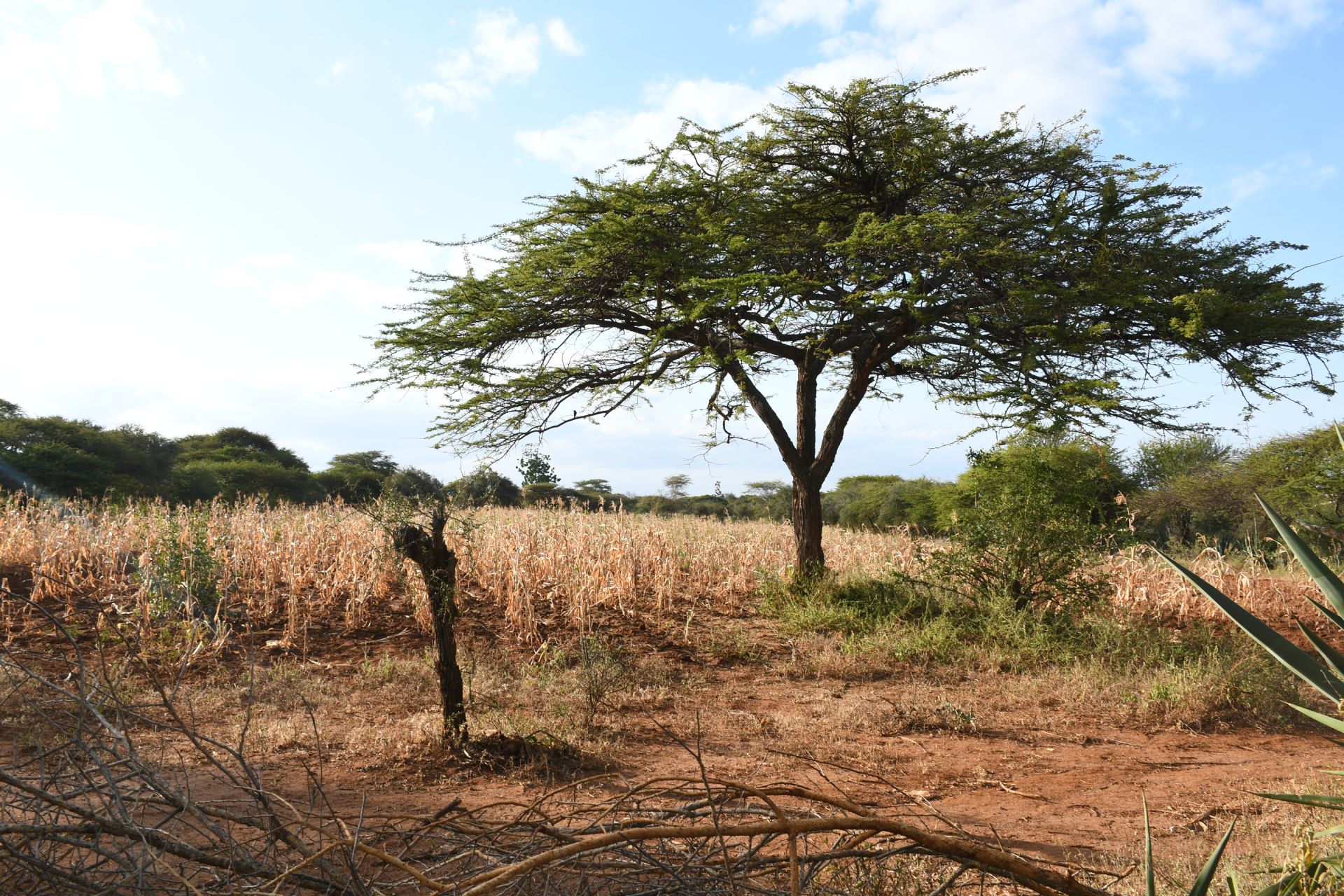
"To me, water truly is life because every part of my daily life depends on it. My family needs water for drinking, cooking, cleaning, and maintaining good hygiene. My farm and livestock also depend on water to survive. Without reliable access to water, it becomes difficult to stay healthy, earn an income, and provide for my family. Having sufficient and safe water would mean better health, improved food production, and a brighter future for my children and our entire community."
Solving the water crisis in this community will require a multifaceted system that will work together to create a sustainable water source that will serve this community for years to come.
Steps Toward a Solution
Our technical experts worked with the local community to identify the most effective solution to their water crisis. Together, they decided to construct a protected dug well and sand dam.
Protected Dug Well Near A Sand Dam
Once a sand dam is installed and has time to mature by gathering sand and silt, groundwater increases significantly in the entire area surrounding the project. This provides a reliable source of groundwater that wasn’t possible before. As a result, wells can be constructed to take advantage of the water stored and filtered in the collected sand.
During the construction of the protected dug well, we will build a platform for the well and attach a hand pump. The community will gain a safe, enclosed water source capable of providing approximately five gallons of water per minute.
This protected dug well will be connected to a sand dam to obtain water.
Community Education & Ownership
Hygiene and sanitation training are integral to our water projects. Training is tailored to each community's specific needs and includes key topics such as proper water handling, improved hygiene practices, disease transmission prevention, and care of the new water point. Safe water and improved hygiene habits foster a healthier future for everyone in the community.
Encouraged and supported by our team's guidance, the community elects a water user committee representative of its diverse members. This committee assumes responsibility for maintaining the water point, organizing community efforts, and gathering fees to ensure its upkeep.