 Rainwater Catchment
 Rehabilitation Project










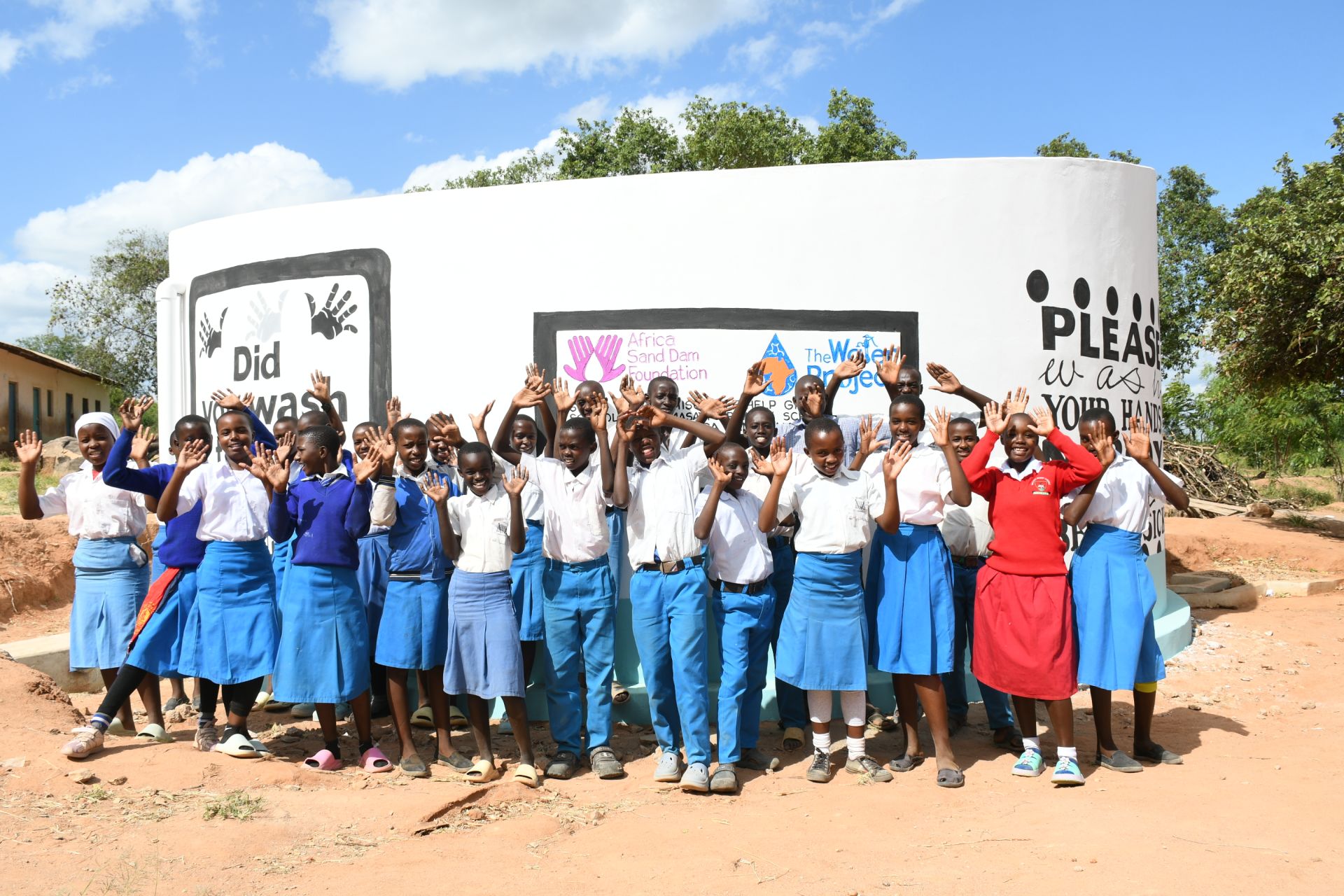
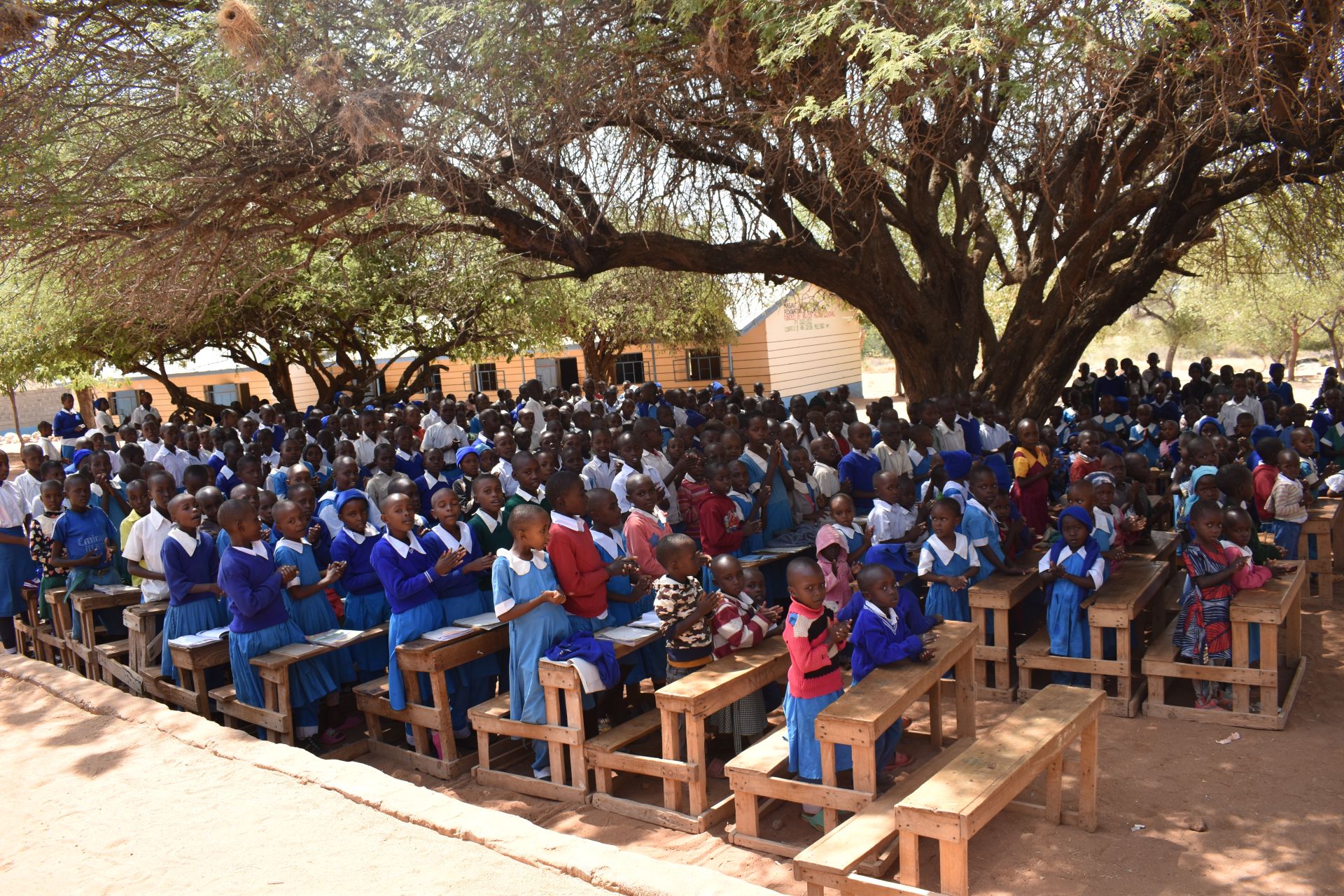
The Masavi Primary School has a massive student population with 595 children enrolled and 22 staff members. A rain tank is the only on-campus source, but its size is insufficient, resulting in it often running dry. Their only other option is a distant well with questionable water quality.

Children crowd the insufficient tank.
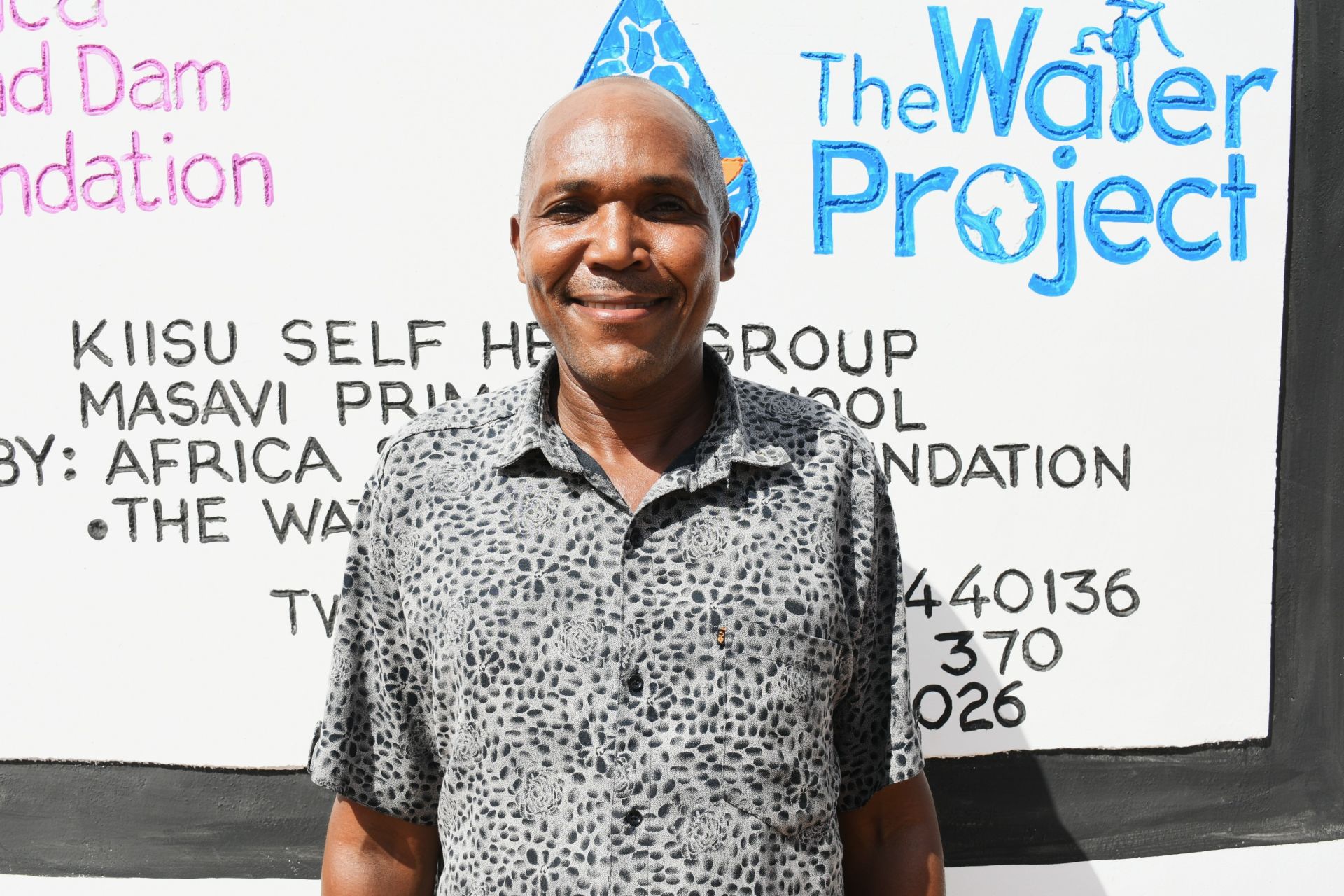
Teacher James Maluki, 50, has watched his students struggle every day.
"The lack of adequate water at the school is primarily caused by the over-reliance on two limited and unreliable sources: rainwater harvesting and a single, shallow borehole. During the dry season or periods of inconsistent rainfall, the rainwater tanks quickly run empty, leaving the school without a dependable backup. Meanwhile, the borehole, which is already under pressure due to increasing demand, often yields insufficient water, either because of declining groundwater levels, mechanical breakdowns, or poor recharge during the dry months," Mr. Maluki said.
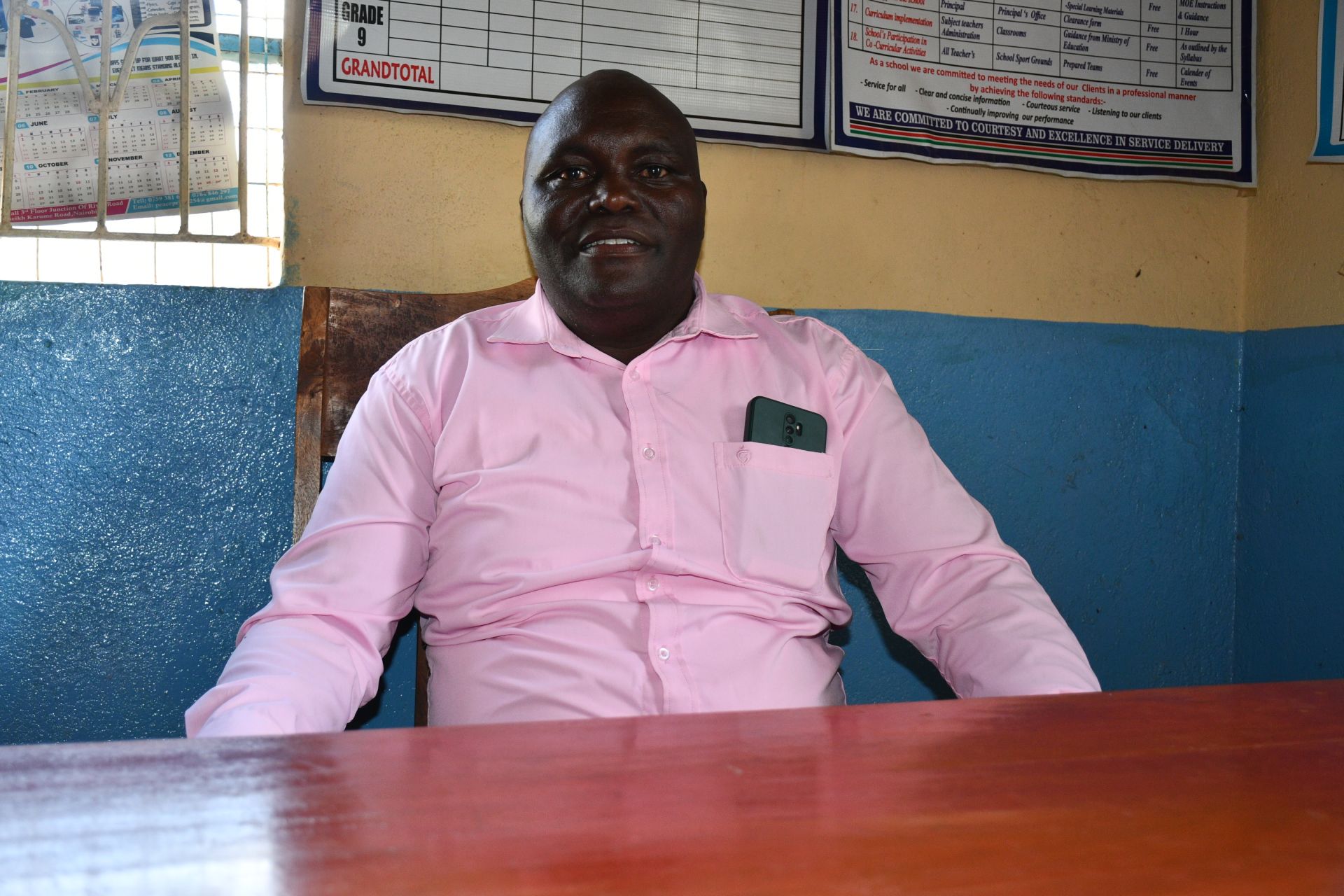
Teacher James Maluki.
"Additionally, the current storage capacity is not enough to hold water reserves that could sustain the school through periods of scarcity. As the school population continues to grow, so does the daily water demand—for drinking, hygiene, sanitation, and cooking—further straining the limited supply," he shared.
Every drop matters. Every day without water costs these students a chance to learn.
"Rationing water is always stressful—we have to decide whether to use it for drinking, cleaning, or cooking, and there’s never enough for all. It’s difficult watching pupils go without water," he added.
It's hard to watch the students you love work so hard to survive. Sometimes the only water is so salty it swells their bellies. They drink it anyway, because what choice does a thirsty child have?
He remarked, "I always feel sorry for our pupils when the situation is dire and we have to request them to carry water from home. At times, the pupils are forced to drink water from the borehole, which is salty, and their stomachs are bloated, which they keep on reporting to us, but we have no other choice."

Students carry water back to class.
Knowing the impact that clean, reliable water would have on his students, he was impassioned:
"Access to safe and reliable water at school would significantly improve academic performance. When students have clean water to drink, they will stay hydrated, boosting their concentration, energy levels, and overall cognitive function—essential factors for effective learning. Additionally, with safe water available for hygiene and sanitation, illnesses such as diarrhea, skin infections, and waterborne diseases would decrease, leading to better school attendance and fewer classroom disruptions," said Mr. Maluki.
"Pupils will also benefit from a cleaner, more comfortable learning environment. They wouldn’t have to leave class to fetch water or worry about using unsafe or unsanitary toilets. Instead, they could focus more fully on their lessons. Teachers would spend less time managing health-related absences or interruptions and more time teaching," he added.

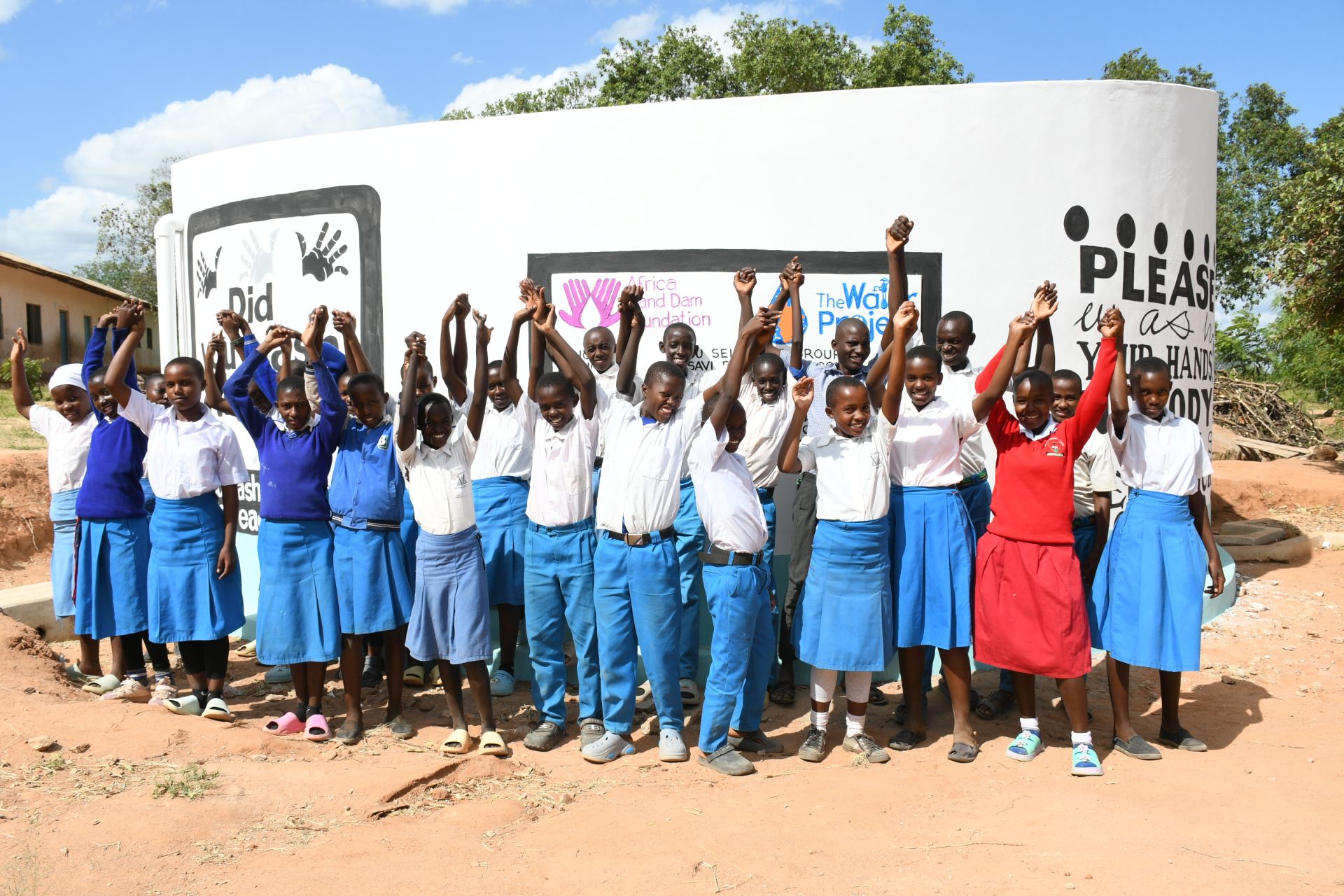
There is hope for the students and teachers at the Masavi Primary School, and we aim to ensure they experience it.
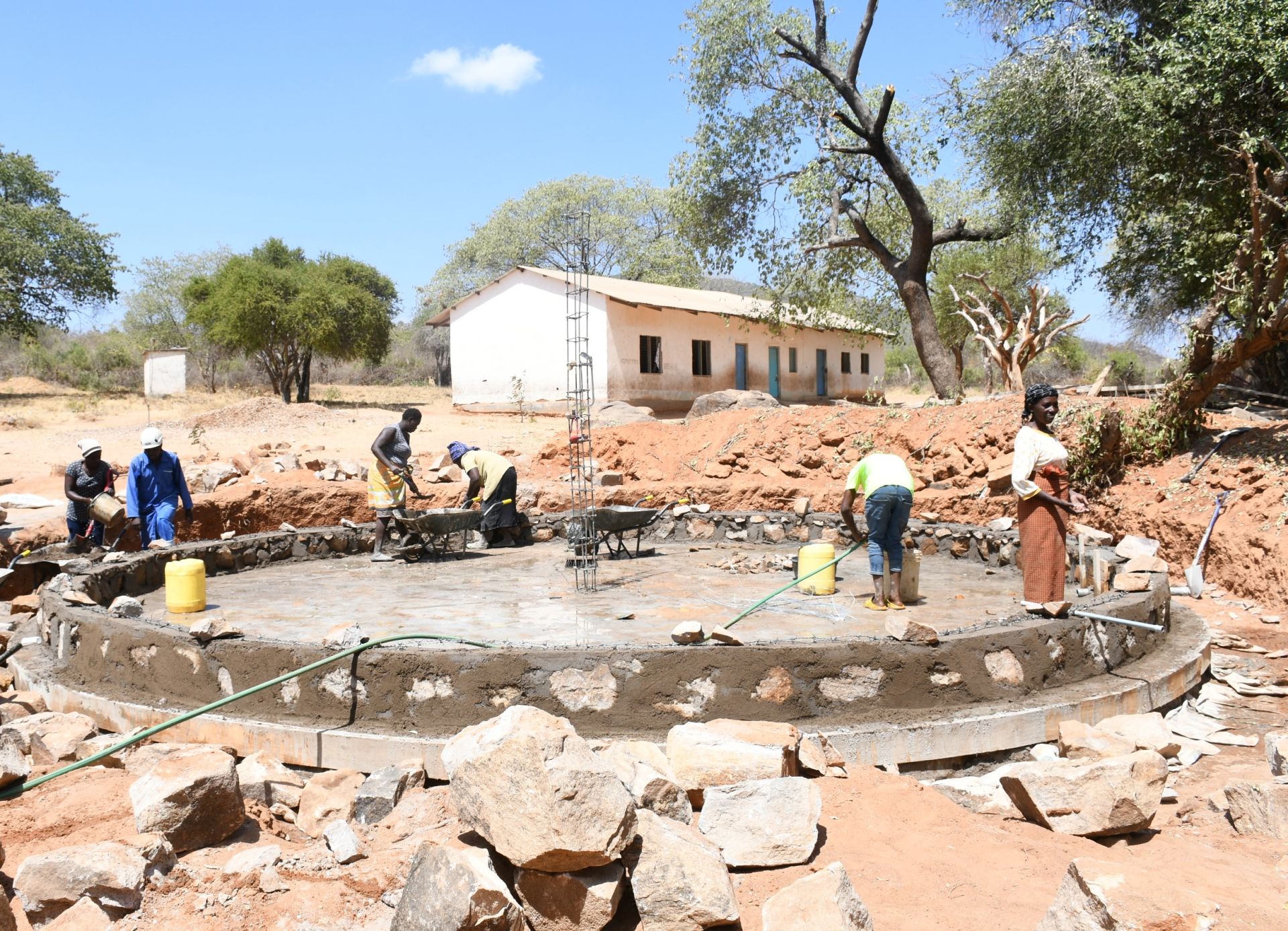
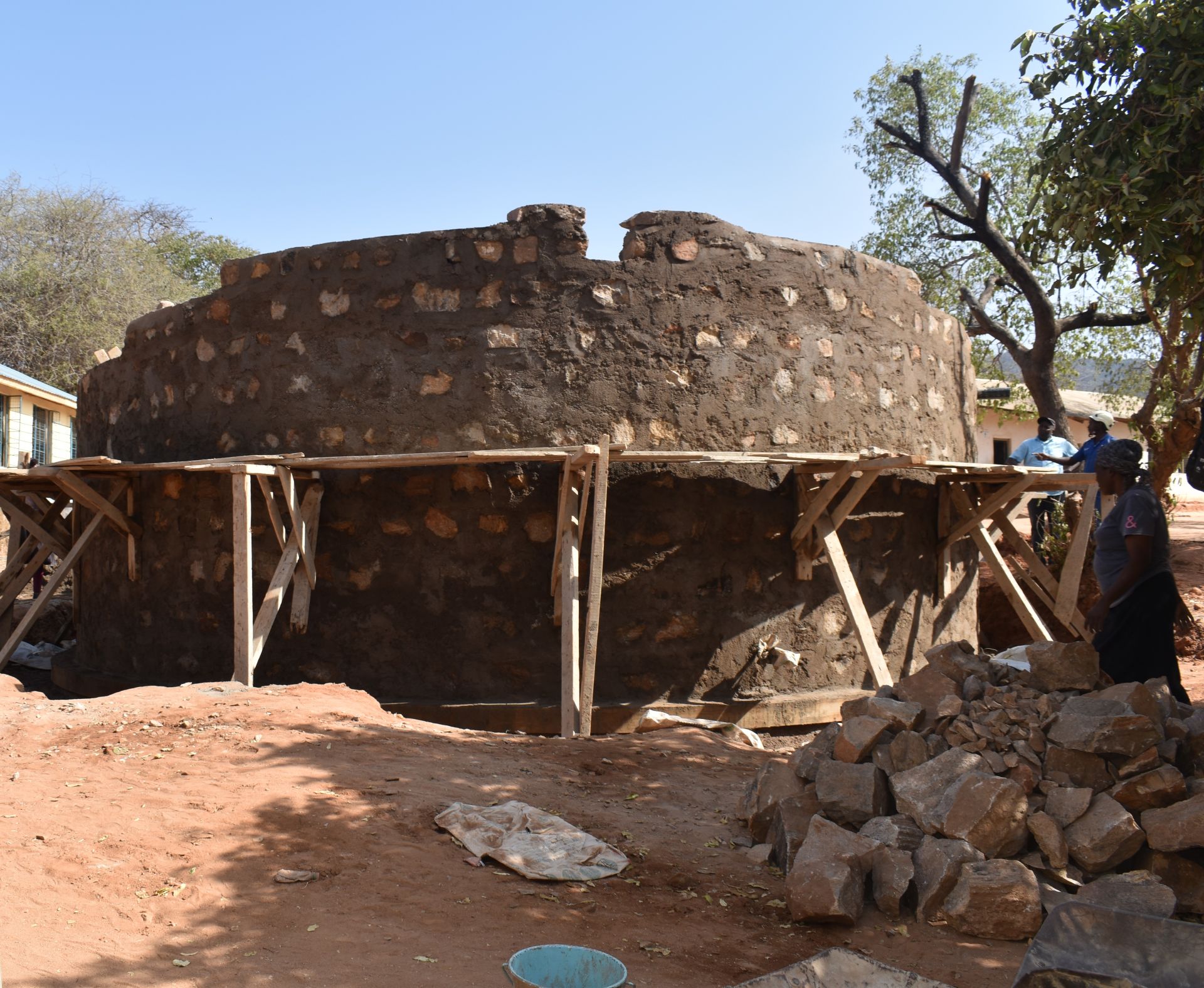
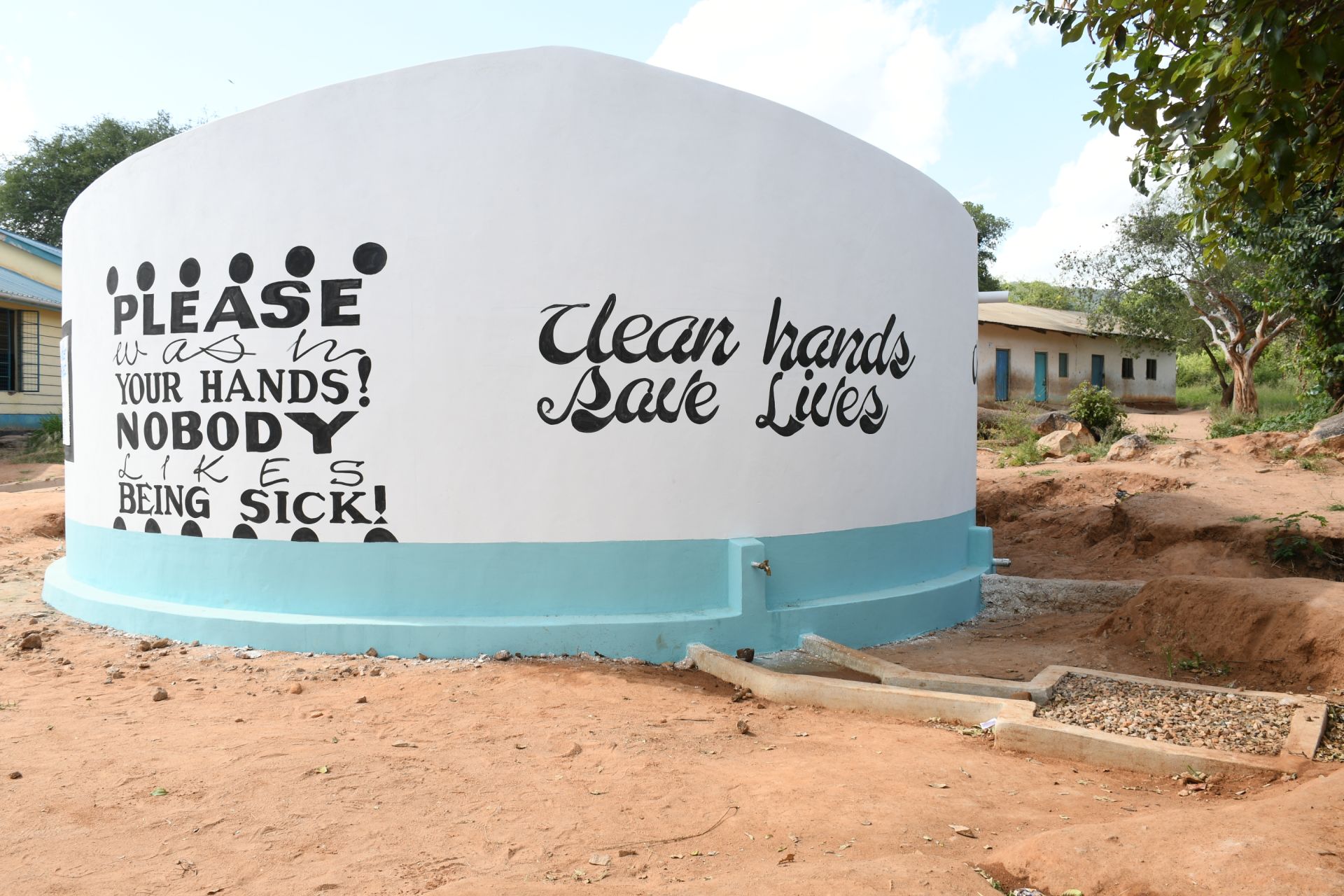
A large rain tank on the school’s campus will ensure they have a consistent water supply throughout the year. That way, students won't have to choose between quenching their thirst and getting sick. With a new rainwater harvesting system, Masavi Primary School won’t just survive—they’ll thrive, one drop at a time.
Steps Toward a Solution
Schools without reliable, on-premises water access often rely on students to fetch and carry water, leading to rationing and uncertainty about water quality. The water is typically poured into a communal storage tank and used by the entire school. With children carrying water from all different sources, it is also impossible for teachers and staff to know exactly where the water comes from and how safe it is to drink.
A new water point will be located on-premises at the school to ensure accessibility, reliability, and safety for students, teachers, and staff while meeting our school coverage goals. Having water available at the school allows children to drink, wash hands, and use sanitation facilities without leaving school grounds, preventing disruptions to lessons and reducing safety risks. A dedicated source increases water availability, reduces reliance on stored water, minimizes rationing, and ensures confidence in the safety of the water. This means staff and students are healthier, and their lessons aren’t disrupted, contributing to a better education!
Our technical experts worked with the school leadership and the local community to identify the most effective solution to their water crisis. Together, they decided to construct a rainwater harvesting system.
Rainwater Harvesting System
A rainwater collection system consists of gutters that channel rainwater effectively into large holding tanks. Attached to buildings with clean, suitable roofing, these systems are sized according to the population and rainfall patterns. Water can be stored for months, allowing for easy treatment and access. Learn more
Handwashing Stations
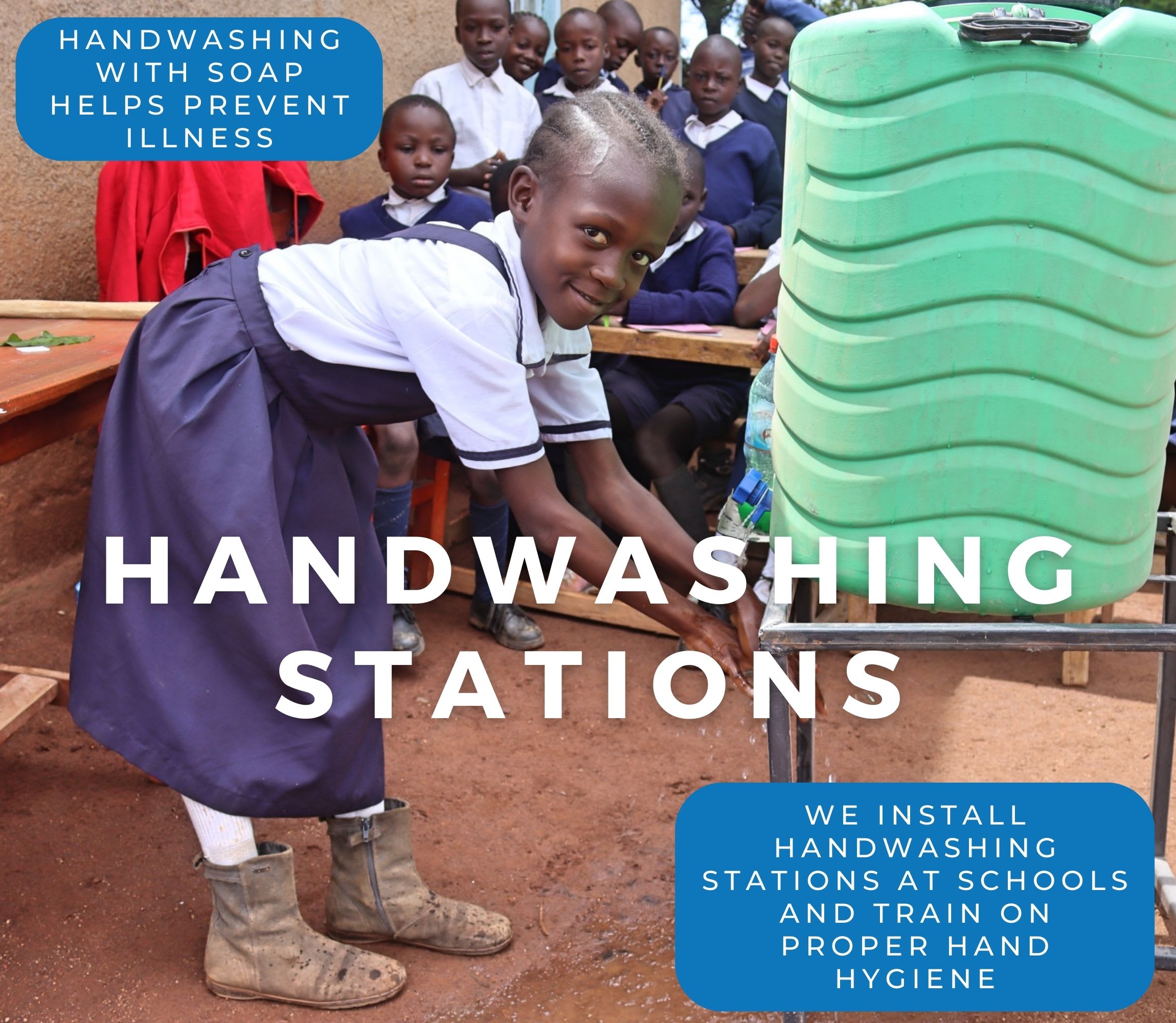
Alongside each water source, we install two gravity-fed handwashing stations, enabling everyone at the school to wash their hands. Handwashing is crucial for preventing water-related illnesses within the school and community. Student “health clubs” maintain the stations, fill them with water, and supply them with soap, which we often teach them how to make.
School Education & Ownership
Hygiene and sanitation training are integral to our water projects. Training is tailored to each school's specific needs and includes key topics such as proper water handling, improved hygiene practices, disease transmission prevention, and care of the new water point.
To ensure a lasting impact, we support forming a student health club composed of elected student representatives and a teacher. These clubs promote hygiene practices schoolwide and keep handwashing stations well-stocked. This student-led model encourages a sense of ownership and responsibility.
Safe water and improved hygiene habits foster a healthier future for the entire school.