 Protected Spring
 Rehabilitation Project










The 175 members of the Tsivaka Community rely on a partially protected spring and a scoop hole as their primary water sources — both contaminated, overcrowded, and surrounded by dangerous terrain. Among those making that difficult journey every day is Esther, a 15-year-old girl who lives amid those challenges.
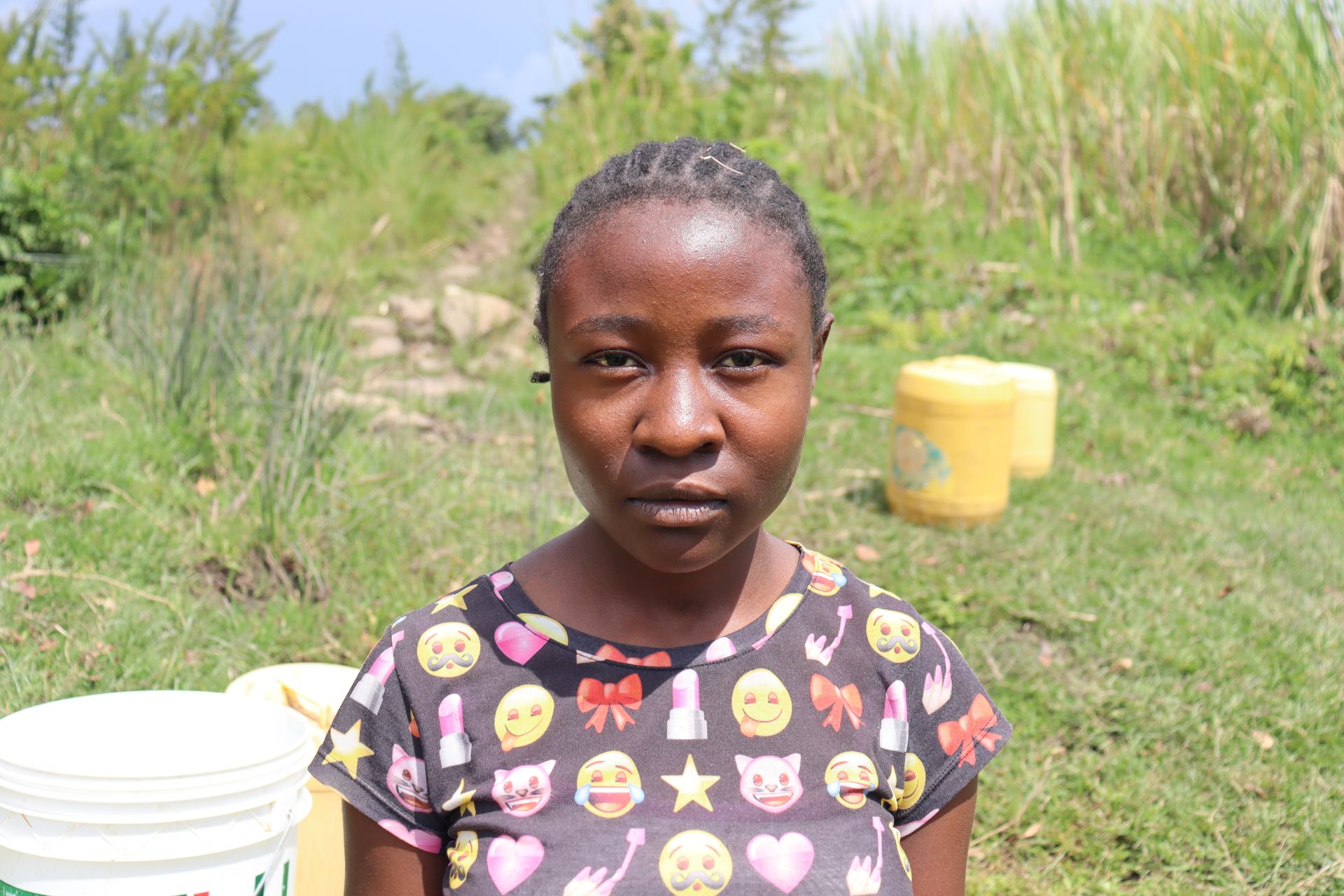
15-year-old Esther.
Esther spends 40 minutes each day fetching water — and that's on a good day. "Crowding and queueing at the water point is the reason I take very long to fetch water at the water point," she explains. "Sometimes the congestion comes with a lot of tension and scrambling for the water; this makes it difficult to get the water." The chaos at the spring is not merely an inconvenience. It is genuinely frightening. The terrain is treacherous, and the scramble for water has put Esther directly in harm's way more than once. After all that, the quality of water she collects is unsafe.
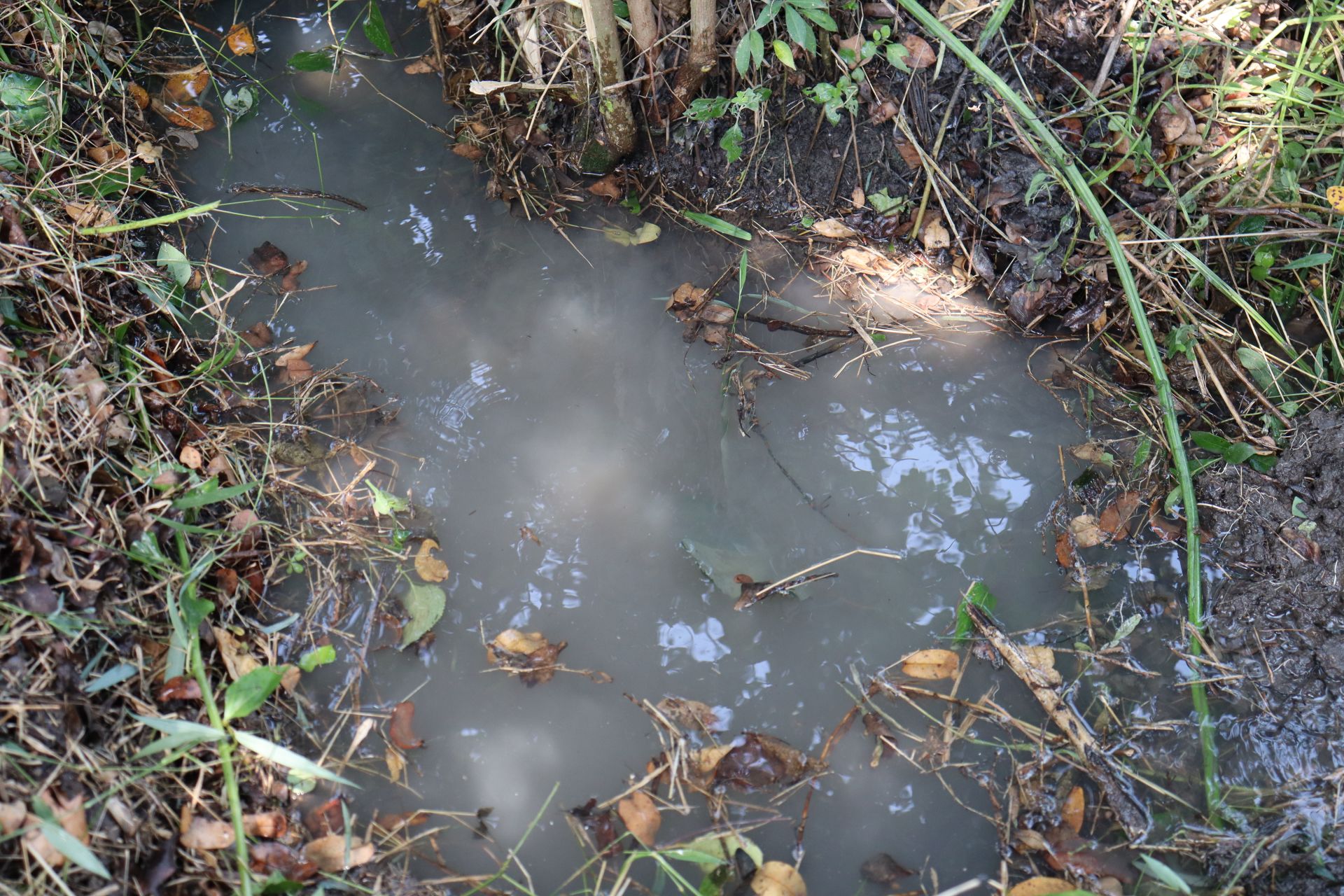
The scoop hole Esther uses when she can't use the spring.
"The terrain is difficult to navigate; there are days I have fallen down with my container of water when coming from the spring," she shares. The physical danger is compounded by harassment. "There was one time, one of the boys came and kicked off my container while [I] was fetching water, and when I tried to speak up, he almost beat me. I was very scared." It didn't stop there. "Another day at the water point, a boy came up and kicked aside my containers so that he could fetch water, and on trying to defend myself, he became verbally abusive and tried to hit me." Even the adults at the water point offer no refuge. "Sometimes I have no say, [and] just go [to the] back of the queue because it is disrespectful to argue with an adult."

Community members wait for their turn to collect water.
The burden of water collection reaches into every part of Esther's day, including her education. "I have to fetch water twice a day, first very early in the morning before I leave for school, so I can leave some water for people to use at home before it is fetched later on and again later in the evening, to be used for the evening chores." The hours lost to water collection are hours stolen from her studies — and Esther knows exactly what she would do with them back. "I would spend most of my time studying. I desire to get good grades and become someone useful in society. I want to be a teacher or a nurse. Becoming this entirely depends on how I perform at school."
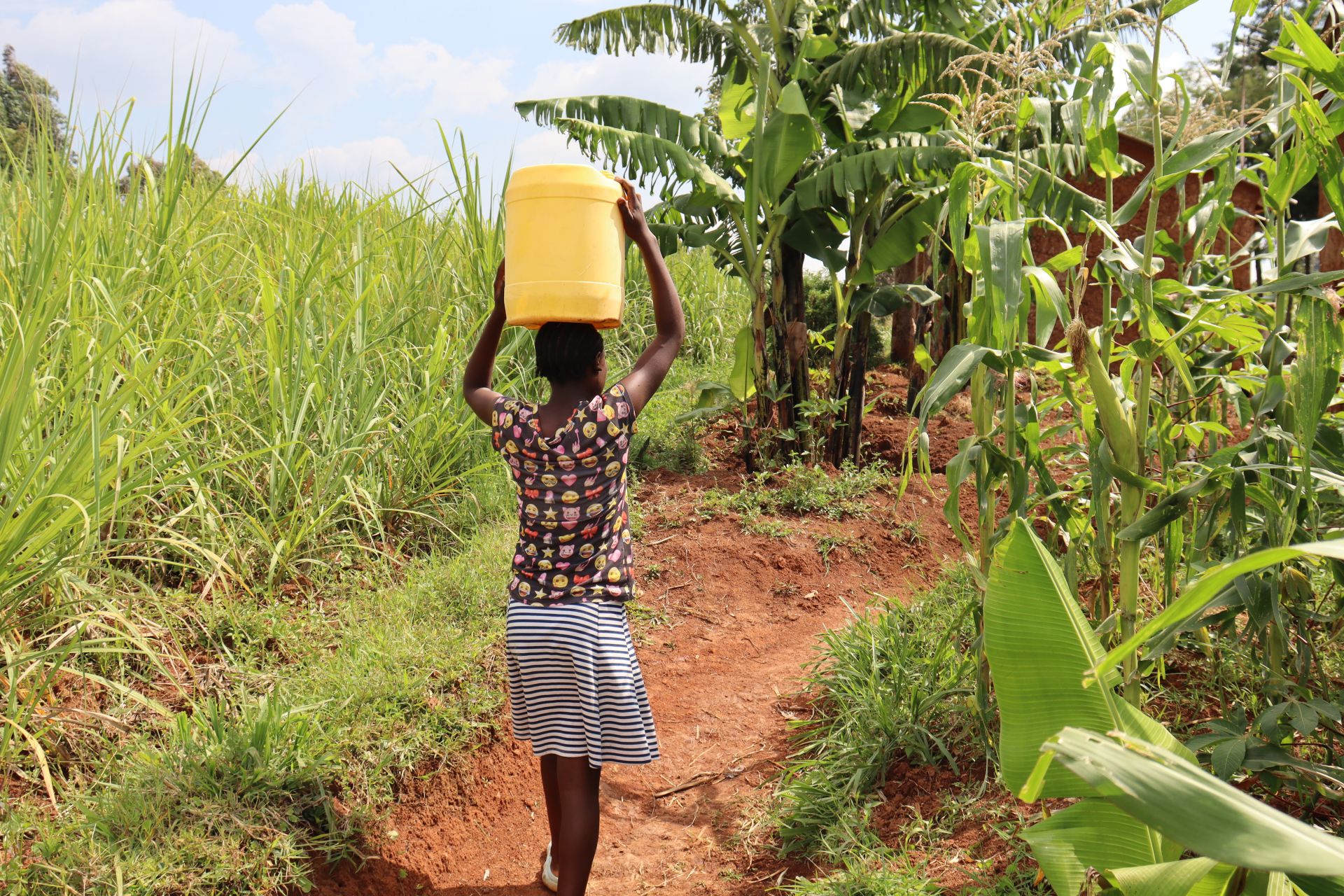
Esther hauls water home.
Her feelings about the daily task are plain and honest: "I do not like being sent to fetch water at all. This is because it is a lot of work and comes with a lot of risks that I do not like at all."
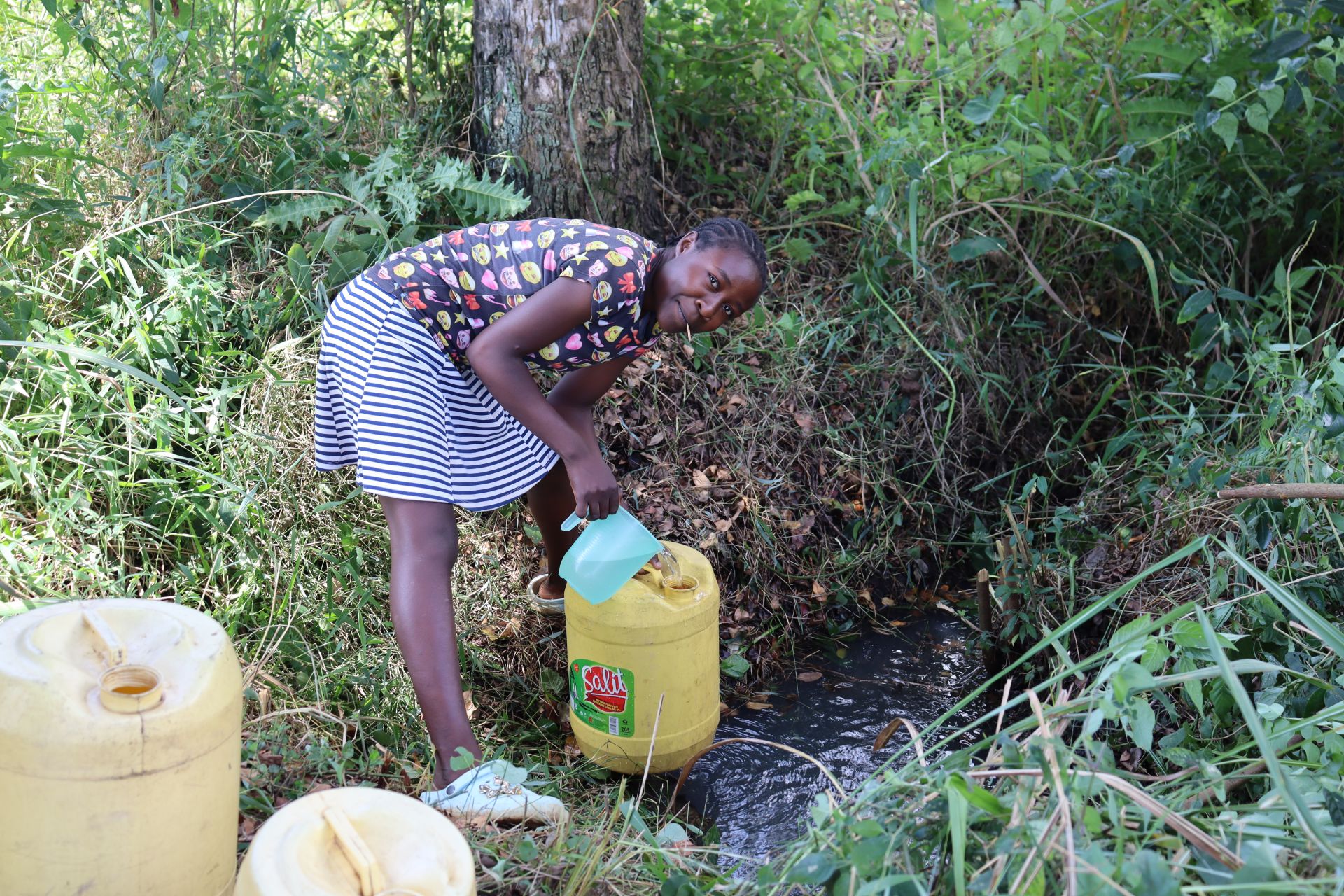
Collecting potentially contaminated water.
But Esther is not without hope. She understands precisely what a new, protected spring would mean for her life and her community. "A new water point will ensure that there is no congestion at the water point, and therefore that means that there will be no scrambling for the water, and also reduce the rate of quarrels at the water point. A peaceful water point means peace for me."
Peace, time, and safety — that is what Esther is asking for. Her plans for the future are clear: "I'd like to be a teacher or a nurse. I intend to study smart at school and make wise decisions now in order to secure good grades that will enable me to join college in [the] future and pursue my dream."
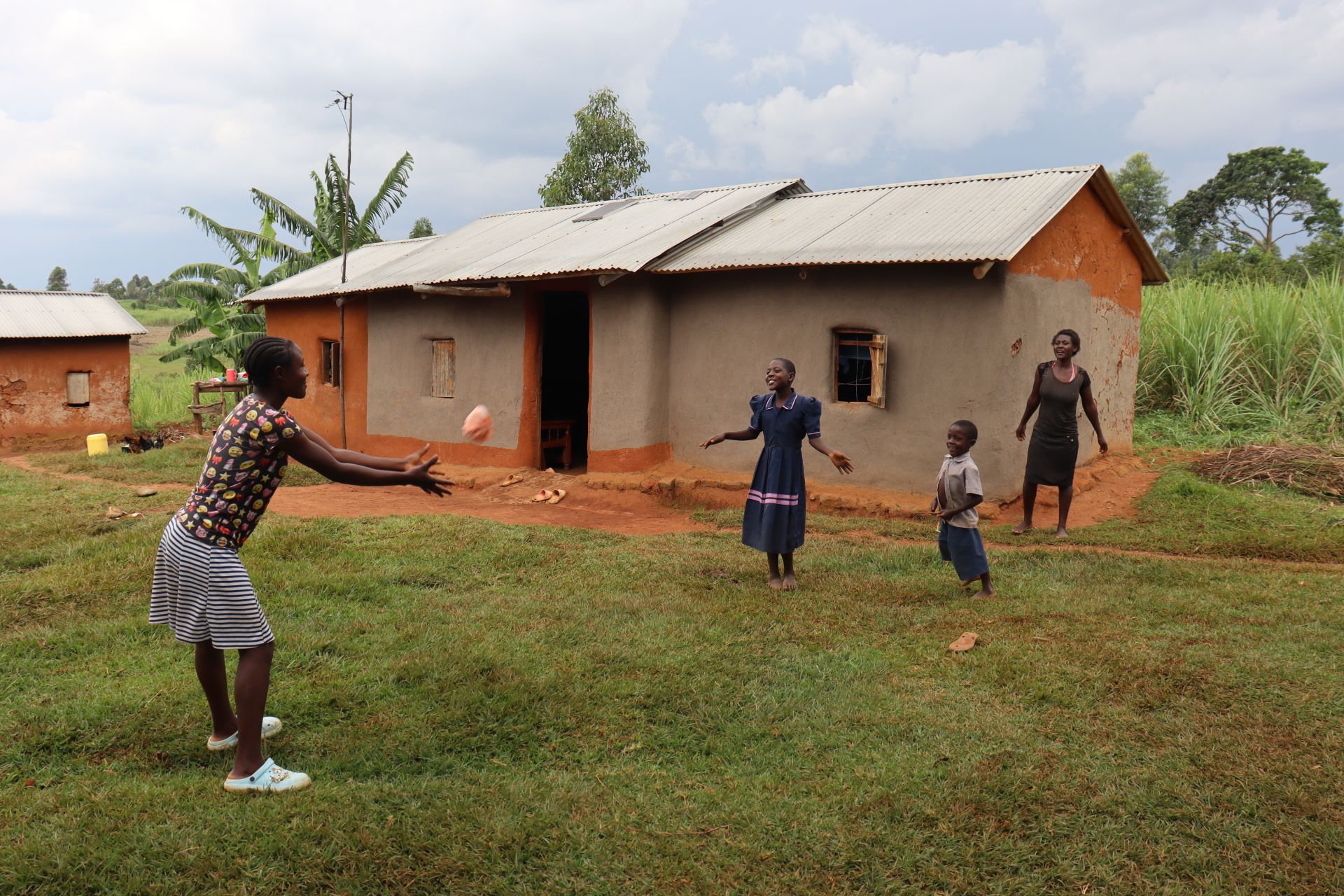
Esther playing with her friends.
Your gift to the spring project makes that future possible. A properly constructed, protected spring will give Esther — and the 174 other members of her community — the safe, reliable water source they deserve, and give a determined young girl the time and peace of mind to become exactly who she intends to be.
Steps Toward a Solution
Our technical experts worked with the local community to identify the most effective solution to their water crisis. They decided to safeguard the existing flowing spring.
Spring Protection
Springs are natural water sources that originate from deep underground. As water travels through various layers of the earth, it undergoes a natural filtration process, making it cleaner and safer to drink. To protect these spring sources from contamination, we construct a waterproof cement structure around layers of clay, stone, and soil. This design channels the spring water through a discharge pipe, facilitating easier, faster, and cleaner water collection.
Chlorine Dispenser
As an extra measure towards water quality safety, uniquely engineered chlorine dispensers are installed at all of our spring protection projects so community members can treat their water with pre-measured doses of chlorine. The chlorine treats any possible contamination and stays active for two to three days, ensuring water stays safe to use even when stored at home. Chlorine delivery and maintenance of the dispensers are part of our ongoing community support.
Community Education & Ownership
Hygiene and sanitation training are integral to our water projects. Training is tailored to each community's specific needs and includes key topics such as proper water handling, improved hygiene practices, disease transmission prevention, and care of the new water point. Safe water and improved hygiene habits foster a healthier future for everyone in the community.
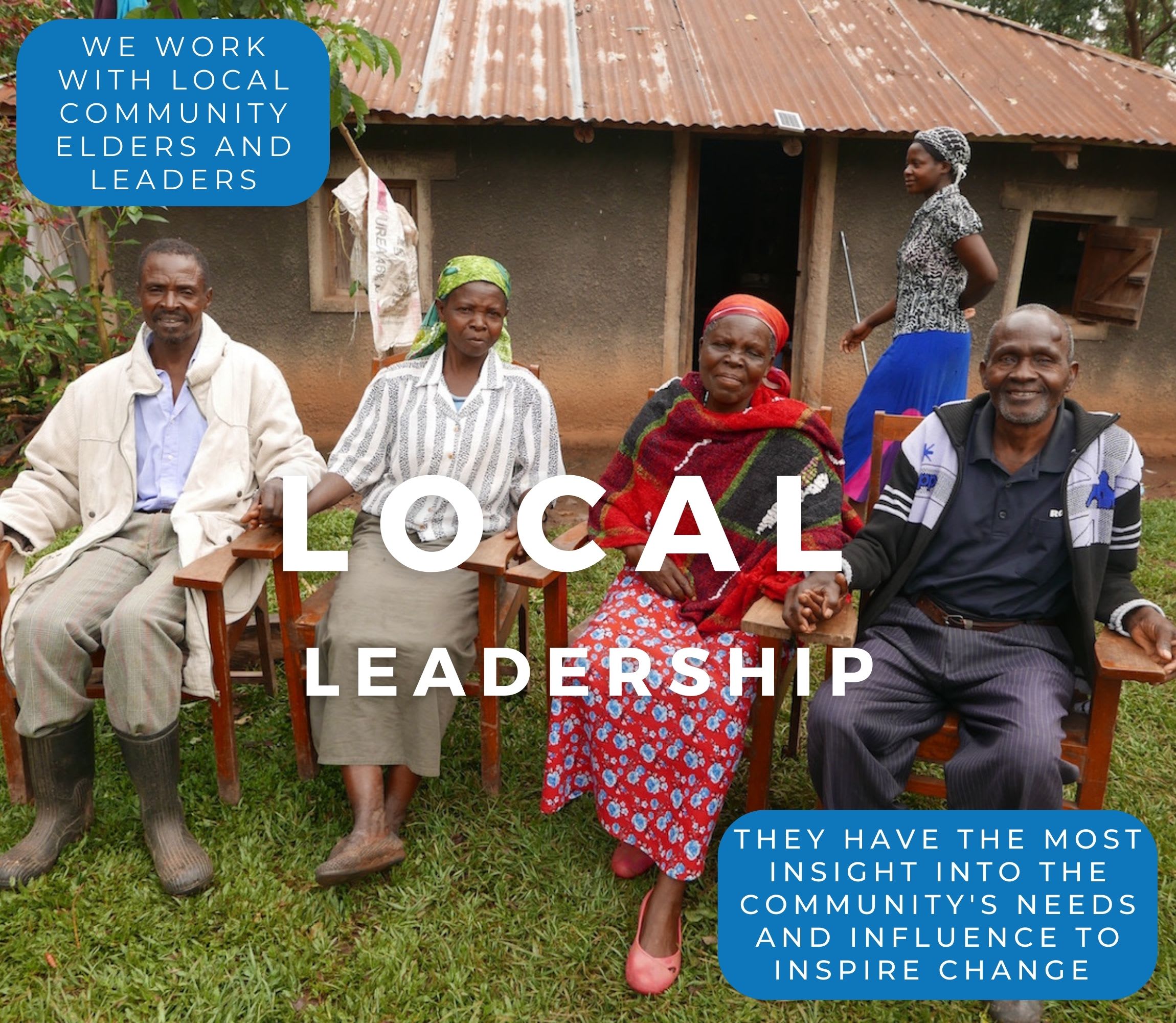
Encouraged and supported by our team's guidance, the community elects a water user committee representative of its diverse members. This committee assumes responsibility for maintaining the water point, organizing community efforts, and gathering fees to ensure its upkeep.