 Protected Spring
 Rehabilitation Project









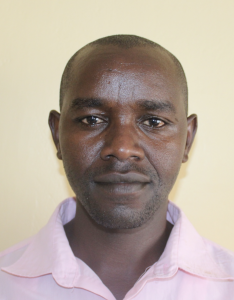

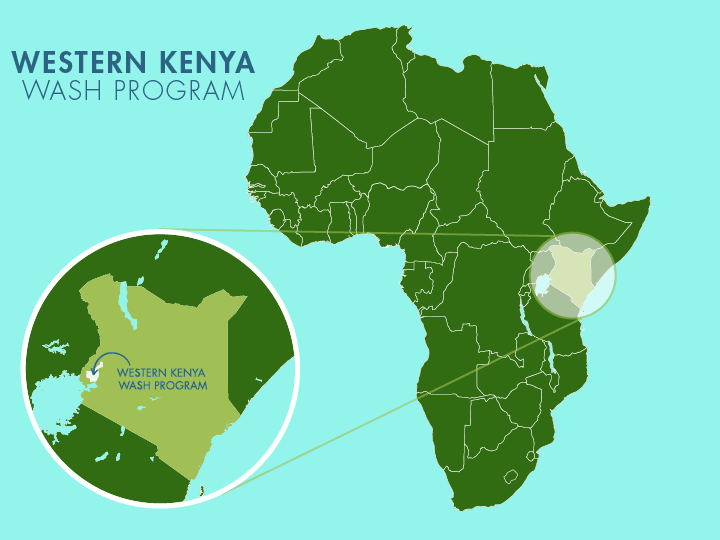
In Simbi Community, Purity Vusungu, along with the 280 community members, spends their days farming on land that doesn't make it easy for them. The homesteads here sit along steep, meandering footpaths, and getting to water means picking a way across terrain that turns slick in the rains and dusty in the dry months — a walk on which many in the community have been injured.
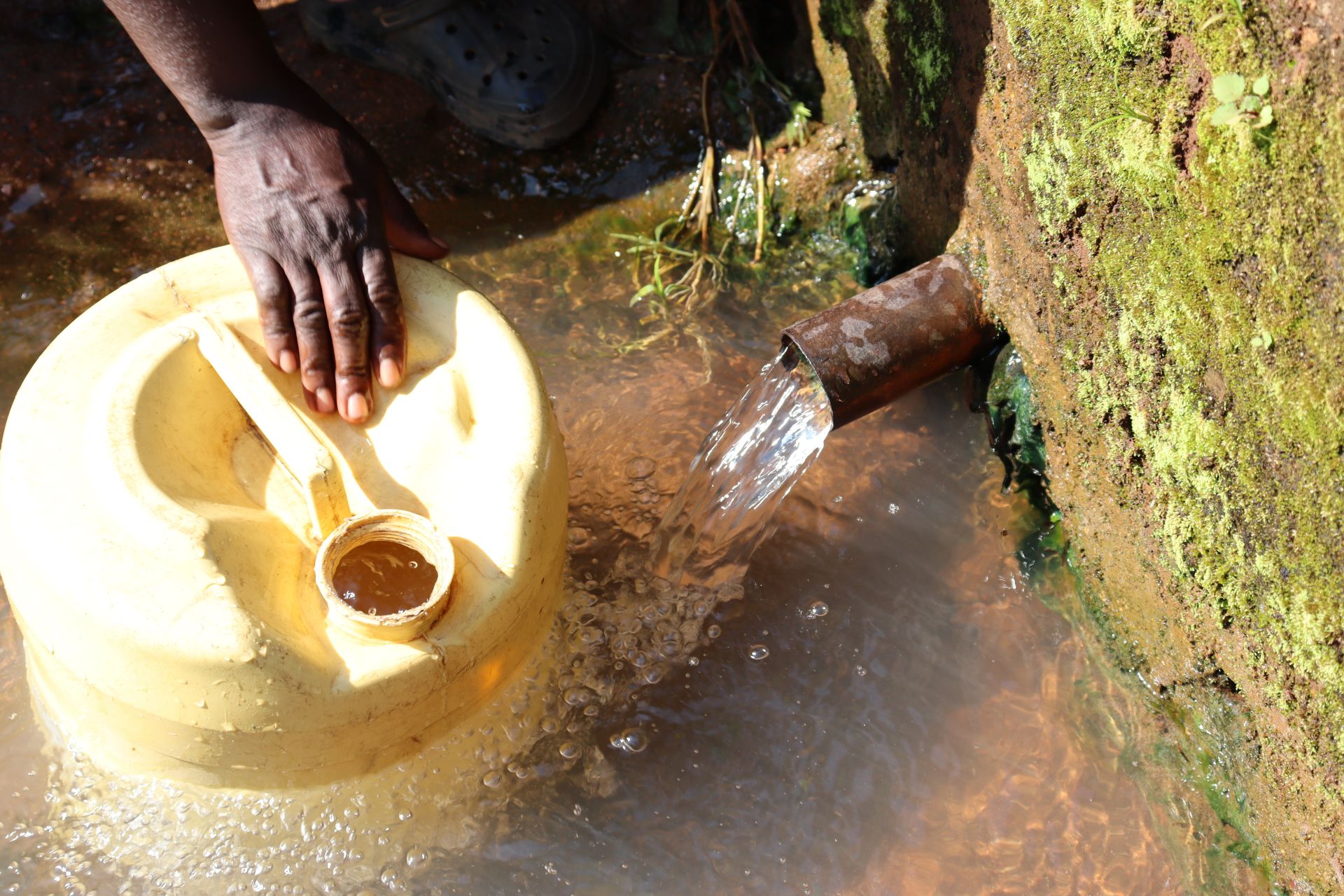
The current condition of the spring water.
Purity, 29, makes that walk, or sends her children to make it, six times a day. On an ordinary day, the wait at the spring runs about ten minutes, but ordinary is not guaranteed. "One hour has been the longest time my children have waited for water in the past year, as a result of [a] lack of rain within the area, leading to crowding at the spring." When the rains fail, the whole community leans harder on the one spring, and the line grows with it.
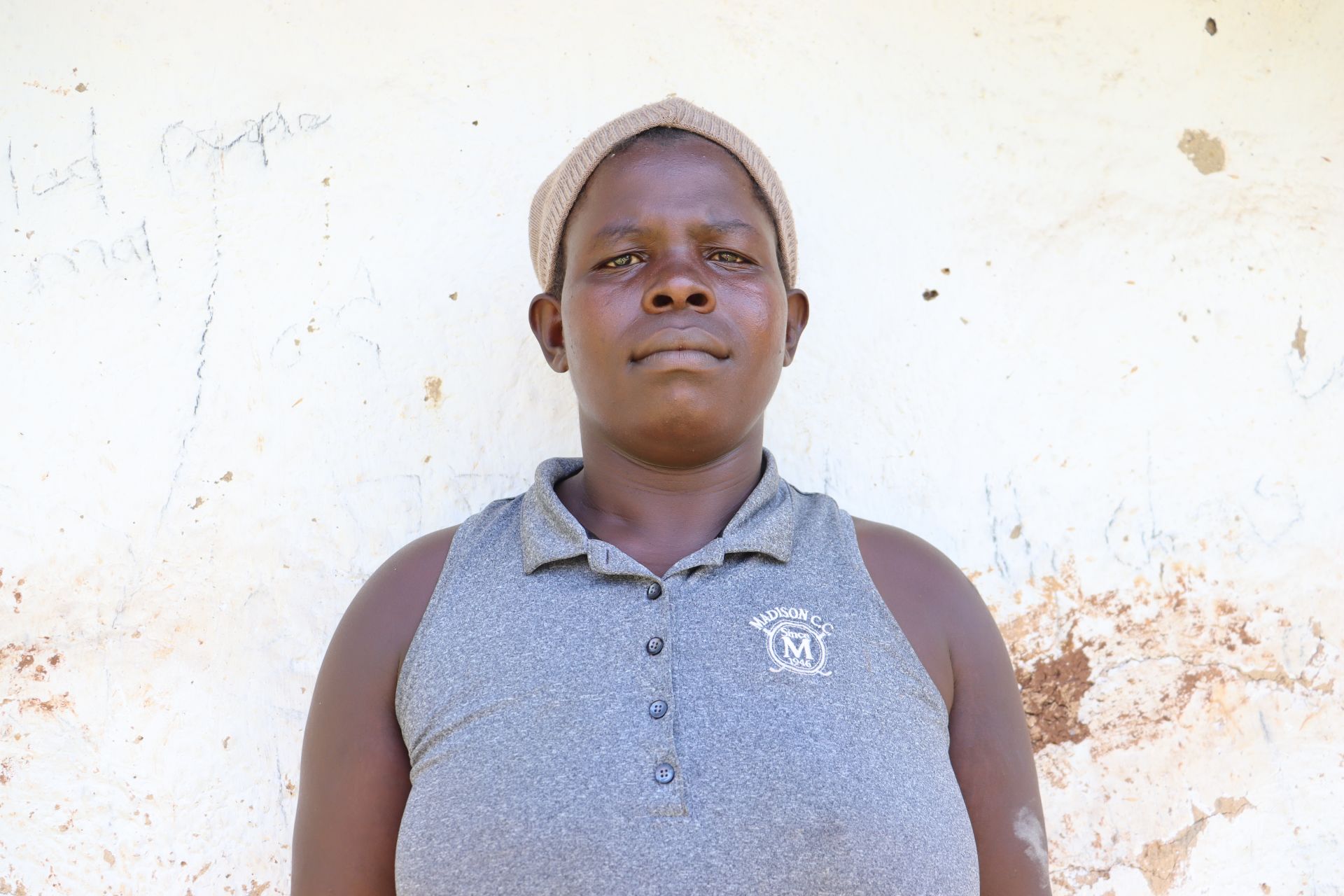
What makes Purity's story stand out is not just what the water costs her, but what she's already doing despite it. She farms rocky, thin soil that most people would call unfarmable, and she has a plan for the time she'd get back if fetching water weren't such a constant drain on her day. "If [I] didn't have to spend much time of my day fetching water, I could do vegetable farming even though my land is very rocky with little soil to support growth, but will irrigate it to at least have a few and save some coins which could otherwise be used to buy them from the market." She isn't waiting for the water problem to be solved before she starts imagining what comes next — she already knows exactly what she'd grow, and exactly what she'd save.

Students from the school create even longer queues at the rundown spring.
Her worry about the spring itself is just as clear-eyed. She's watched the collection area go unmaintained, the drainage channel choked with algae, and she knows what that kind of neglect can lead to. "The situation at our water source is not good because, as it is, in case of a continuous neglect in terms of maintaining cleanliness around the spring, outbreak of diseases like typhoid and cholera will strike without notice, and many people will be affected." It's a risk she and her neighbors live with every time they collect water for their families.

Student collects potentially dangerous water from the spring.
What Purity wants isn't complicated: a safer way to reach the water her household depends on. "The new water point will enable me and my family to quickly access water through provision of stairs, and as a matter of fact, there will be no water standing at the collection area which used to pose [a] challenge of fetching contaminated water." No more standing water at the collection point, no more contaminated fetches — just a path she and her family can rely on.
For Purity, water isn't abstract — it's the thread running through everything she's responsible for. "It is true that water is life, and for me, water is important because it is used for family duties like cooking, washing, bathing, and for animals to drink as well." It's the same thread that runs through her farming, her family's health, and the small savings she's counting on to grow her garden.
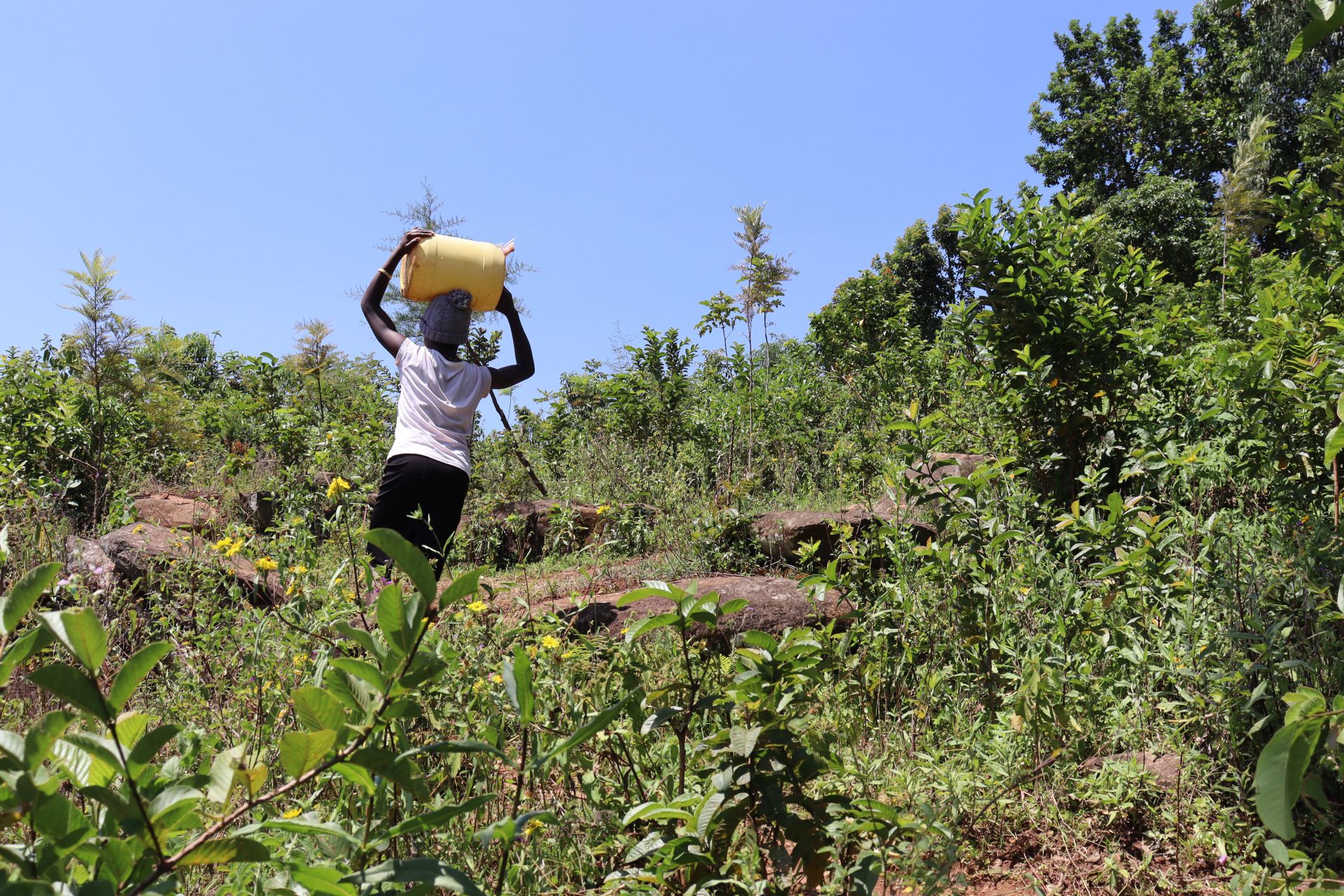
A protected spring at Simbi Community would serve an estimated 280 people. For Purity, it would mean fewer hours lost to the walk, a safer route home, and — finally — enough time to put her plans for that rocky plot of land into motion.
Steps Toward a Solution
Our technical experts worked with the local community to identify the most effective solution to their water crisis. They decided to safeguard the existing flowing spring.
Spring Protection
Springs are natural water sources that originate from deep underground. As water travels through various layers of the earth, it undergoes a natural filtration process, making it cleaner and safer to drink. To protect these spring sources from contamination, we construct a waterproof cement structure around layers of clay, stone, and soil. This design channels the spring water through a discharge pipe, facilitating easier, faster, and cleaner water collection.
Chlorine Dispenser
As an extra measure towards water quality safety, uniquely engineered chlorine dispensers are installed at all of our spring protection projects so community members can treat their water with pre-measured doses of chlorine. The chlorine treats any possible contamination and stays active for two to three days, ensuring water stays safe to use even when stored at home. Chlorine delivery and maintenance of the dispensers are part of our ongoing community support.
Community Education & Ownership
Hygiene and sanitation training are integral to our water projects. Training is tailored to each community's specific needs and includes key topics such as proper water handling, improved hygiene practices, disease transmission prevention, and care of the new water point. Safe water and improved hygiene habits foster a healthier future for everyone in the community.
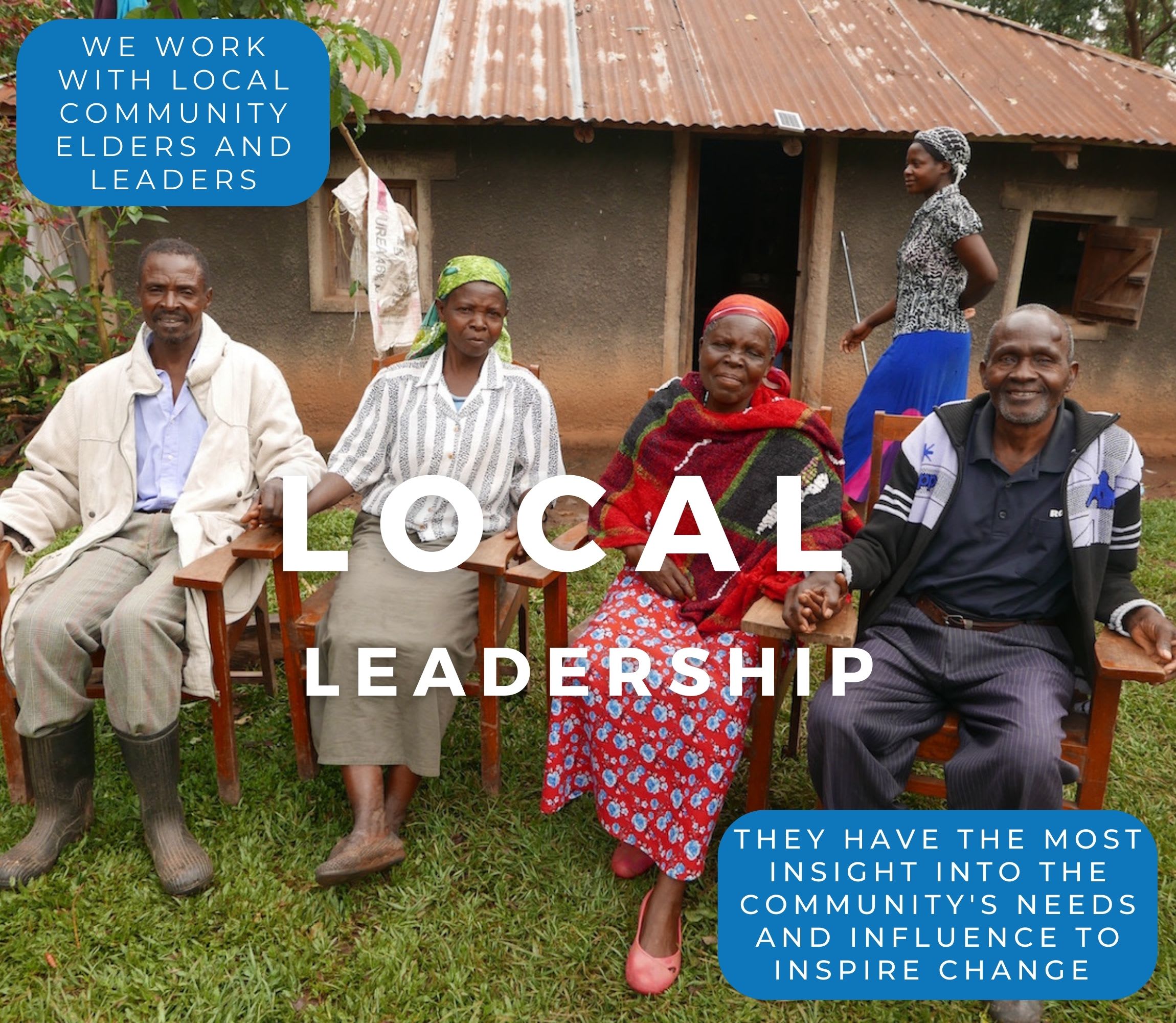
Encouraged and supported by our team's guidance, the community elects a water user committee representative of its diverse members. This committee assumes responsibility for maintaining the water point, organizing community efforts, and gathering fees to ensure its upkeep.