 Protected Spring

 Rehabilitation Project









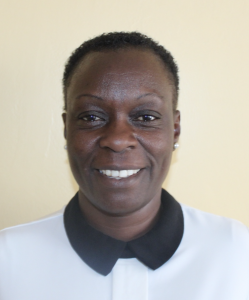

The Samitsi Community's water struggle is constant and exhausting. Their main water source is an unprotected spring that is in disrepair and overcrowded. When community members arrive to Aggrey Karamoja Spring, they often wait 40 minutes in a crowded queue just to collect water. The area around the spring is poorly maintained, with clogged drainage and trash left behind by people passing through. When it rains, dirty water flows straight into the spring with nothing to stop it, turning the water brown with silt and making it dangerous to drink.
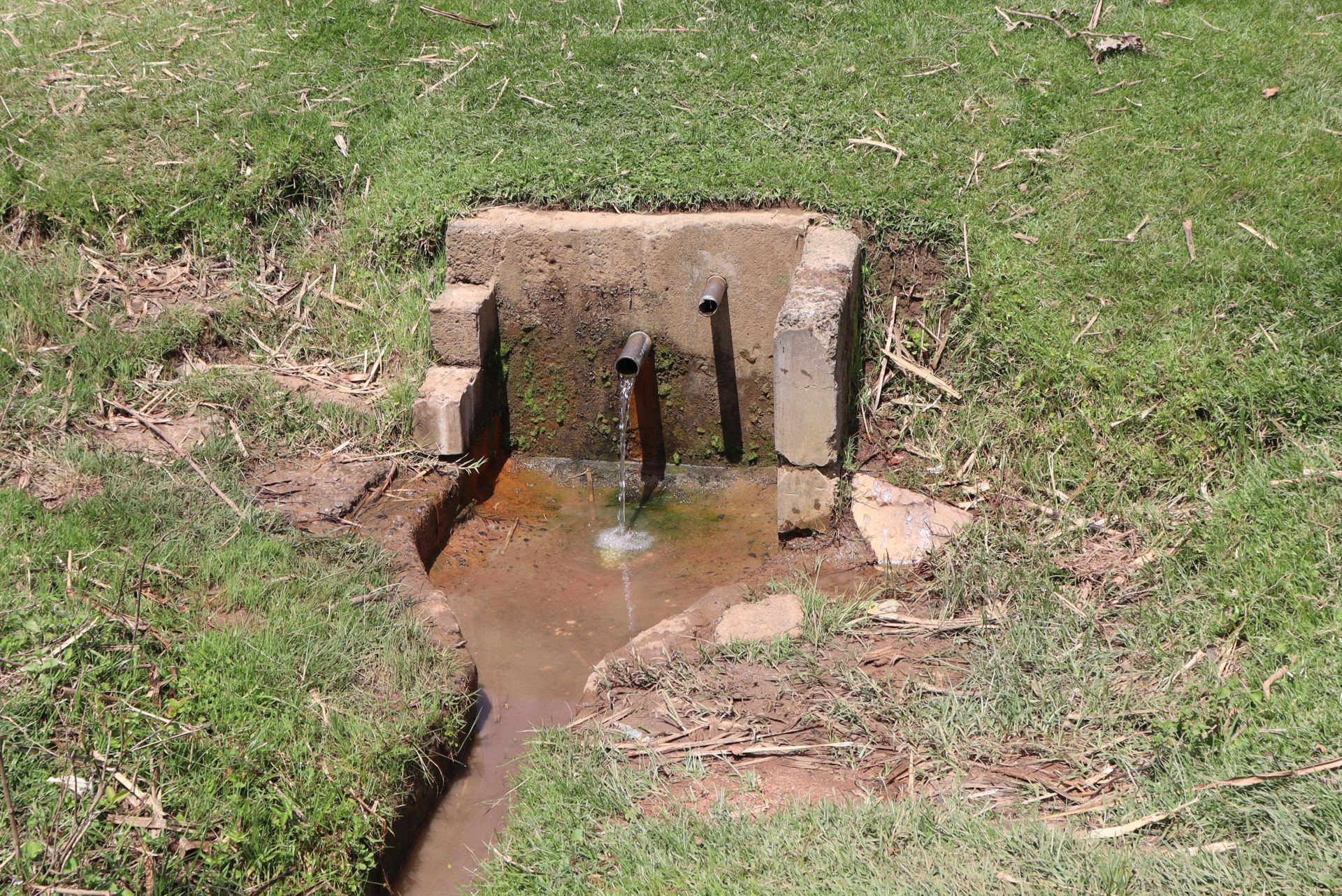
The spring in need of protection.
There is no backup - the community’s only alternative source of water is rain, but when it stops, everyone is pushed back to the contaminated spring.
Consuming the spring's contaminated water has serious health consequences. Diarrhea and stomach illness are common, especially after heavy rains when the contamination is worse. A few families have started boiling their water, but there’s no chlorine dispenser at the spring and no easy way for most people to treat what they collect. On top of the health risks, the ground around the water point is uneven and slippery; people have been hurt just trying to get close enough to fill a container. Every sickness means money spent on medicine that most families can barely afford.
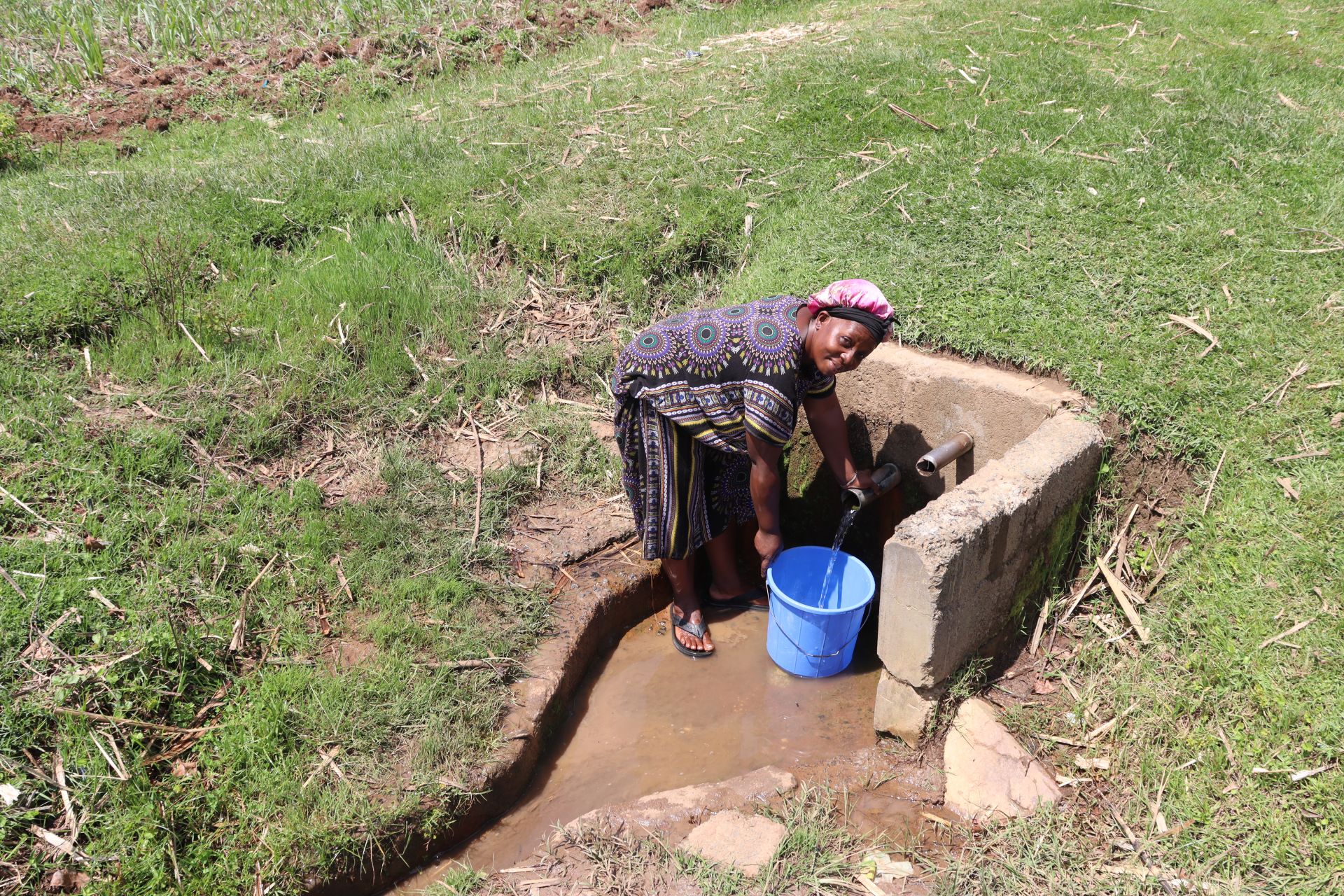
Ms. Odenyi collects water from the spring.
"The current water is not good and safe. When it rains, dirty water enters the spring and changes the color of the water, which affects many people, and they become sick with diarrhea and stomachaches. It contributes to the prevalence of waterborne diseases. Treatment of these diseases takes a lot of money," said Mary Odenyi, a 51-year-old farmer.
"Taking unclean water is dangerous. I feel bad when my family takes water that harms them. Their health status deteriorates, [and] family incomes are directed to seeking medication," Mary continued.
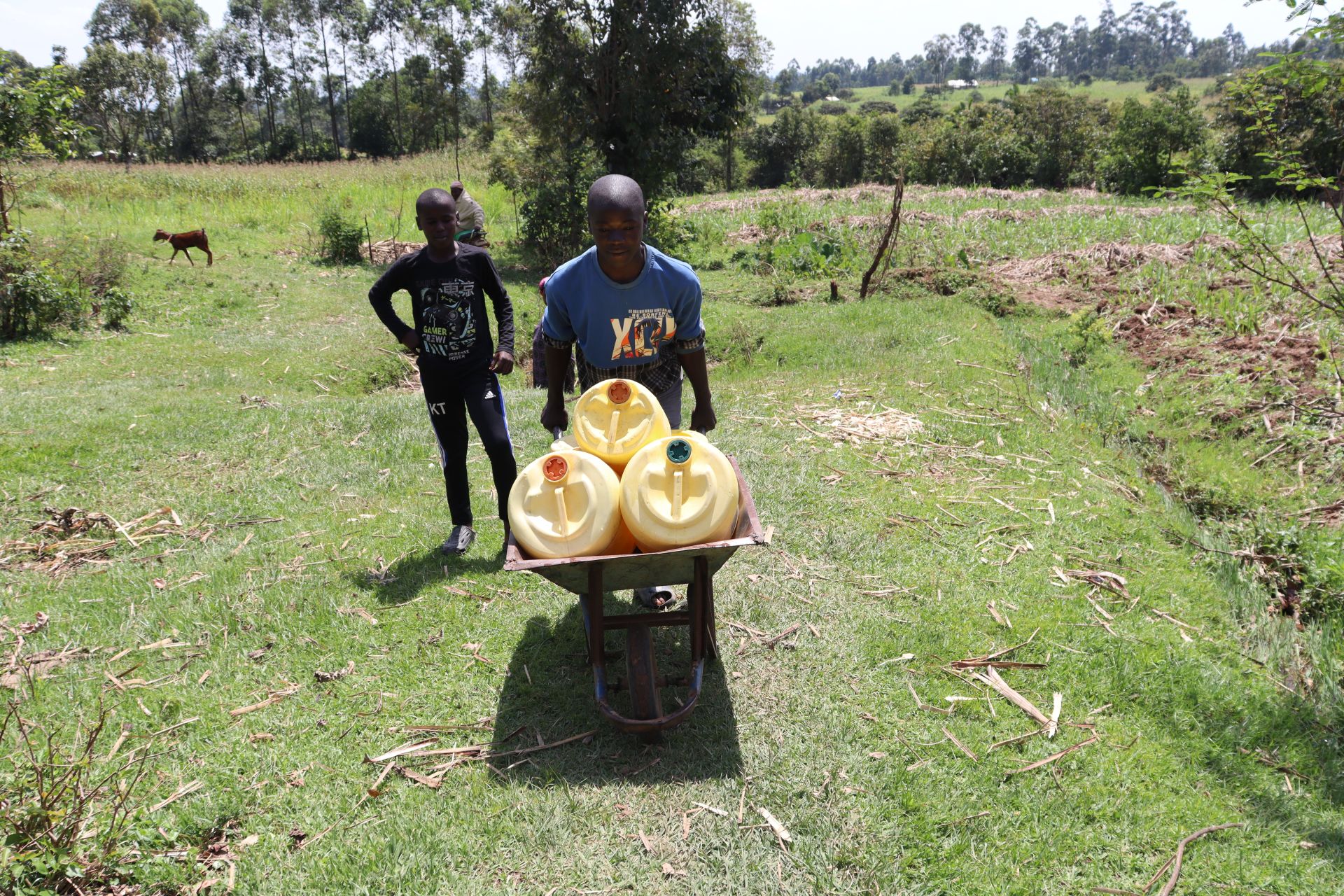
But water-related illnesses are not the only challenges community members must face. Due to spring overcrowding, collecting water can be contentious because everyone needs it to meet their basic needs.
"Sometimes it affects [us] because when we quarrel, nobody will talk to one another for some months or weeks. This kills relationships among the community members," reported Mary.
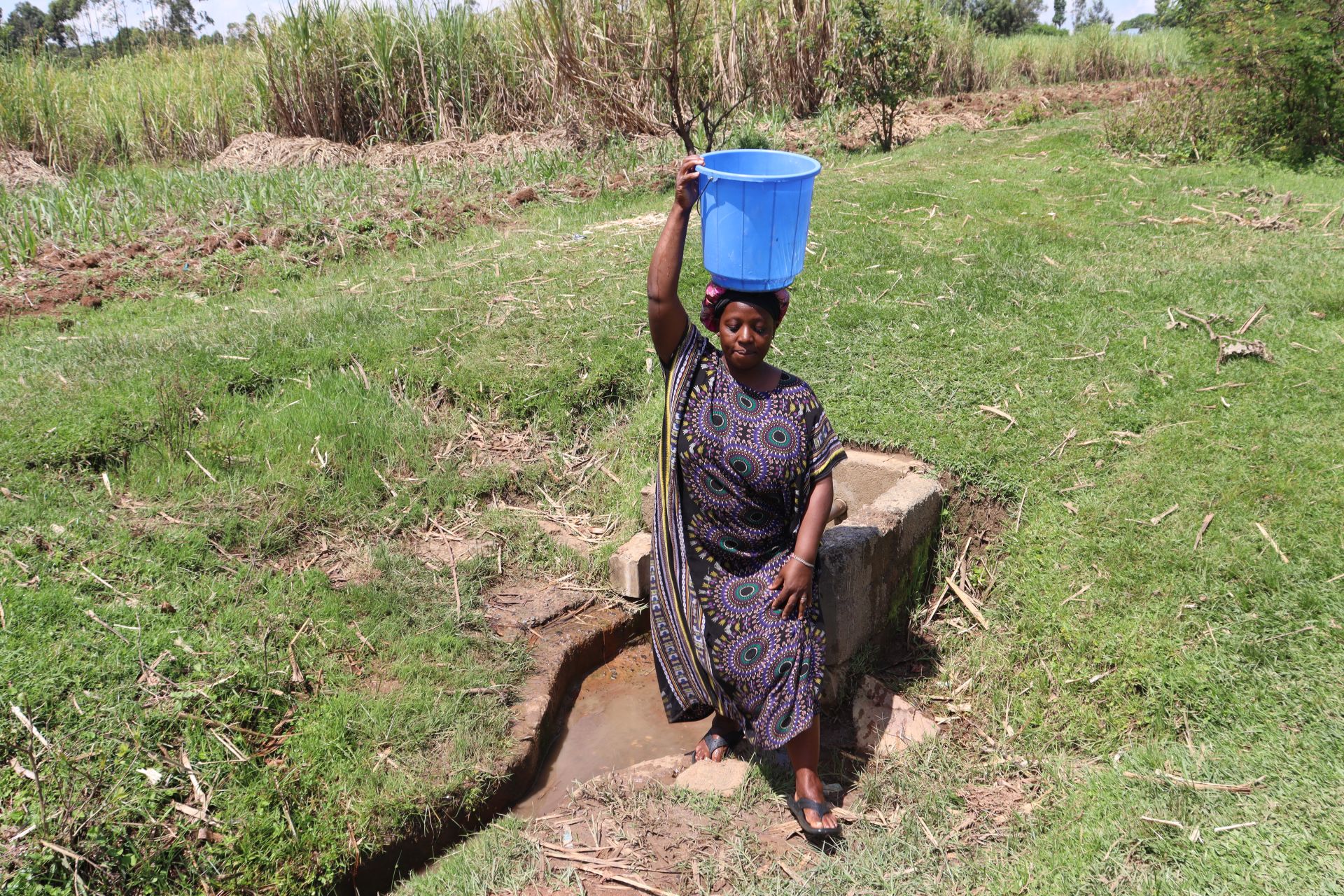
"Sometimes there is harassment when [there] are many people at the spring. There are those who don't want to queue. Everybody seems to be in a hurry to draw water. This makes me feel bad. However, there is little that I can do other than be patient and wait for my turn to draw water," she continued.
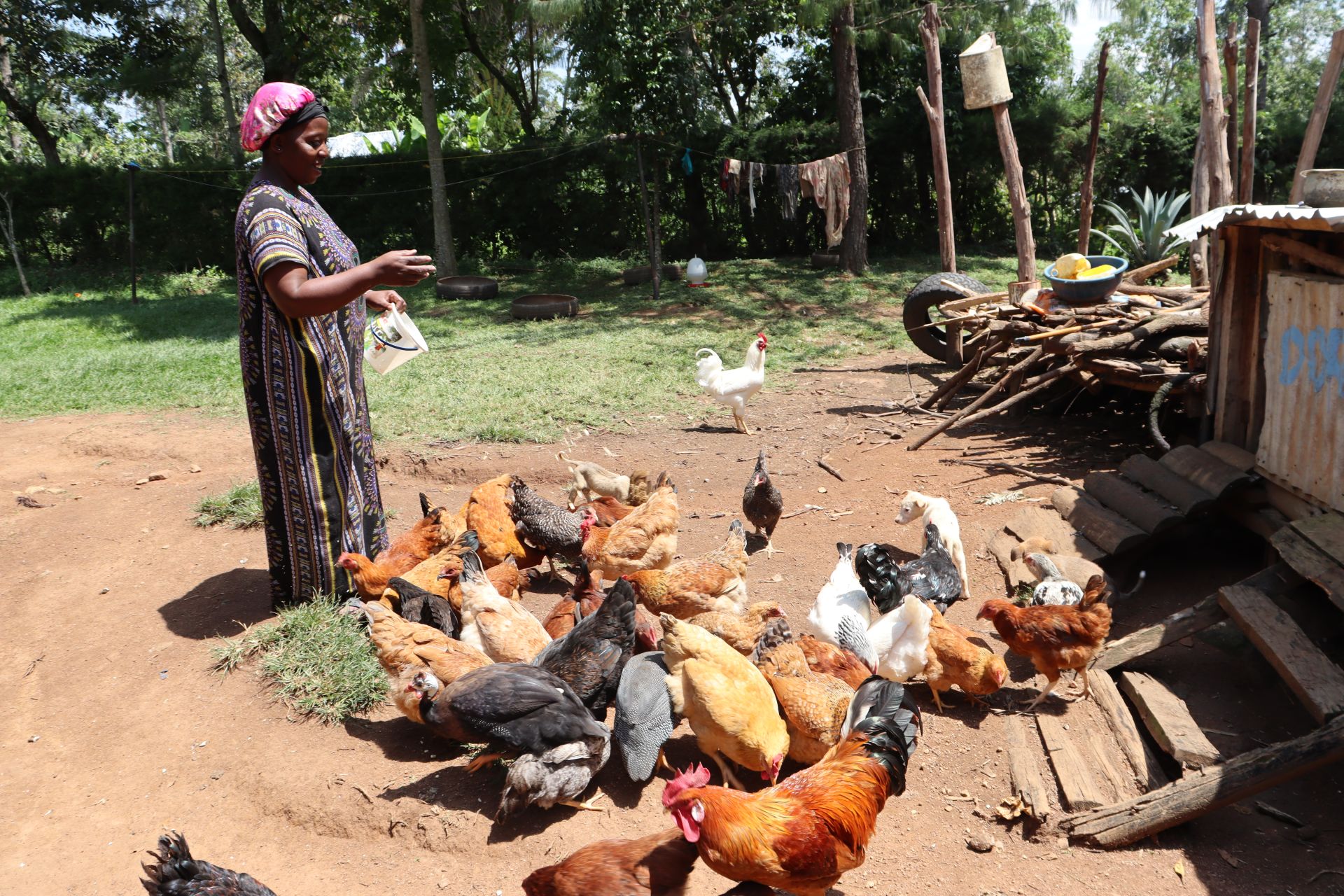
Clean, protected water would change everything for this community. With a rehabilitated spring, a chlorine dispenser, and proper drainage to keep floodwater out, families would have safe water they can count on. Paired with hygiene training, the benefits would reach not just the people living here today, but the generations that come after them. Hopefully, with easier, faster water collection, the community's sense of unity and relationships can be restored.
Steps Toward a Solution
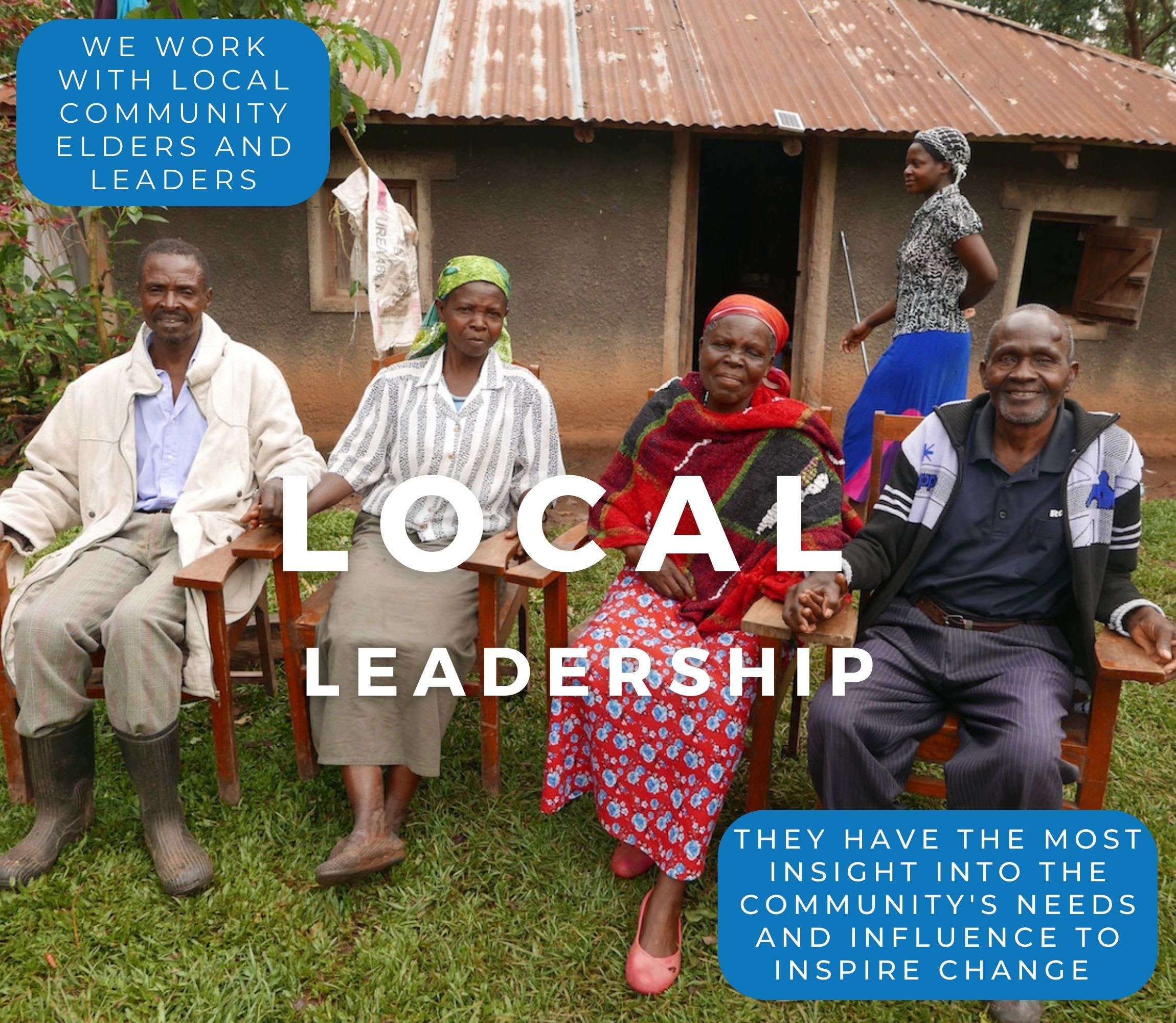
Our technical experts worked with the local community to identify the most effective solution to their water crisis. They decided to safeguard the existing flowing spring.
Spring Protection
Springs are natural water sources that originate from deep underground. As water travels through various layers of the earth, it undergoes a natural filtration process, making it cleaner and safer to drink. To protect these spring sources from contamination, we construct a waterproof cement structure around layers of clay, stone, and soil. This design channels the spring water through a discharge pipe, facilitating easier, faster, and cleaner water collection.
Chlorine Dispenser
As an extra measure towards water quality safety, uniquely engineered chlorine dispensers are installed at all of our spring protection projects so community members can treat their water with pre-measured doses of chlorine. The chlorine treats any possible contamination and stays active for two to three days, ensuring water stays safe to use even when stored at home. Chlorine delivery and maintenance of the dispensers are part of our ongoing community support.
Community Education & Ownership
Hygiene and sanitation training are integral to our water projects. Training is tailored to each community's specific needs and includes key topics such as proper water handling, improved hygiene practices, disease transmission prevention, and care of the new water point. Safe water and improved hygiene habits foster a healthier future for everyone in the community.
Encouraged and supported by our team's guidance, the community elects a water user committee representative of its diverse members. This committee assumes responsibility for maintaining the water point, organizing community efforts, and gathering fees to ensure its upkeep.