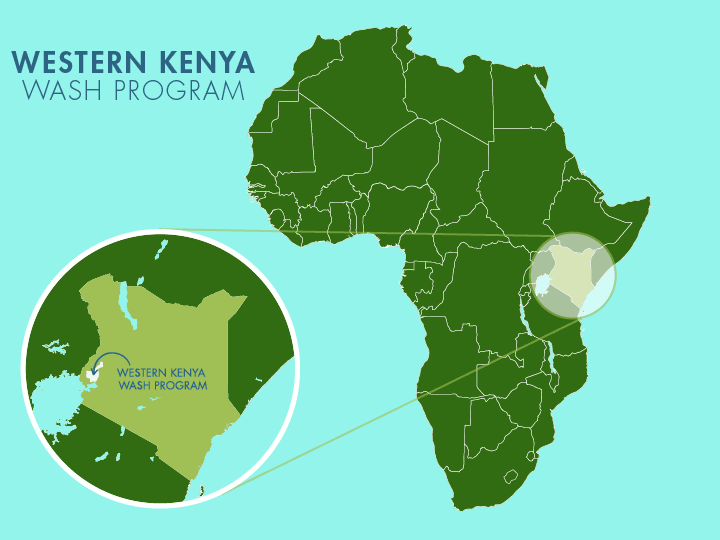
 Protected Spring

 Rehabilitation Project











The Timothy Kawere Spring is the main water source for the 175 community members who call the Kawere Community home.
"The water point area is poorly maintained and overgrown with bushes. The surroundings are not clean, and the drainage channel is blocked, causing water to stagnate around the source. The spring box is in poor condition and remains open, with only a stone used as a cover, exposing the water source to contamination and indicating a need for repair and proper protection," said Field Officer Betty Mwangi, describing the spring's condition.
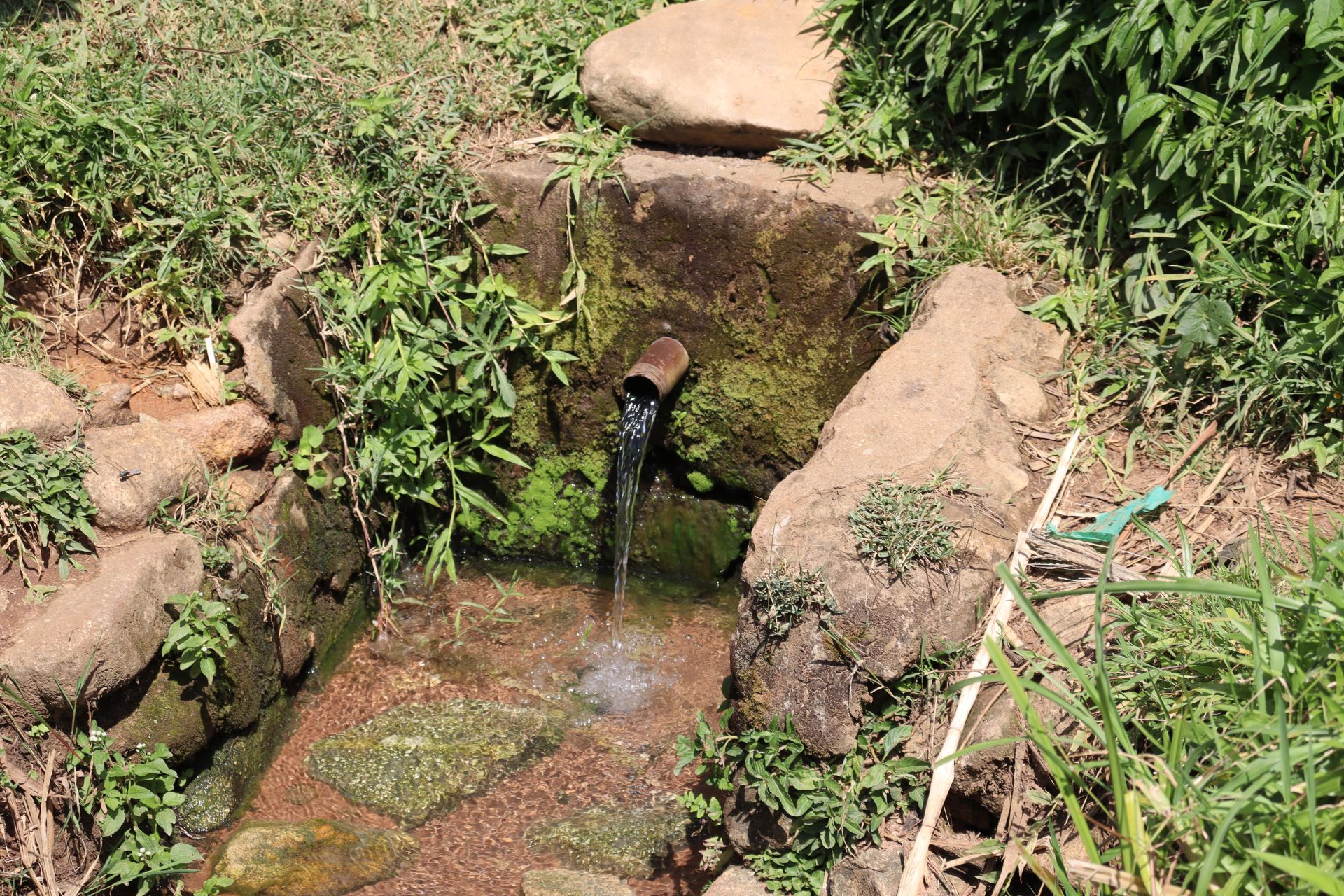
The spring in need of protection.
"An additional concern is that the spring box is not properly secured, as it remains open and is only covered with a stone. This exposes the water source to potential contamination from debris, surface runoff, insects, small animals, and other foreign materials. Community members expressed concern that the current condition increases the risk of water pollution and may compromise the safety and quality of the water if left unaddressed," she continued.
It has been 12 years since clean water was a reliable resource in the community. Therefore, many community members can recount being ill from cases of typhoid because of consuming the spring's untreated water. These illnesses have led to increased healthcare costs and losses of productive time in community members' lives.
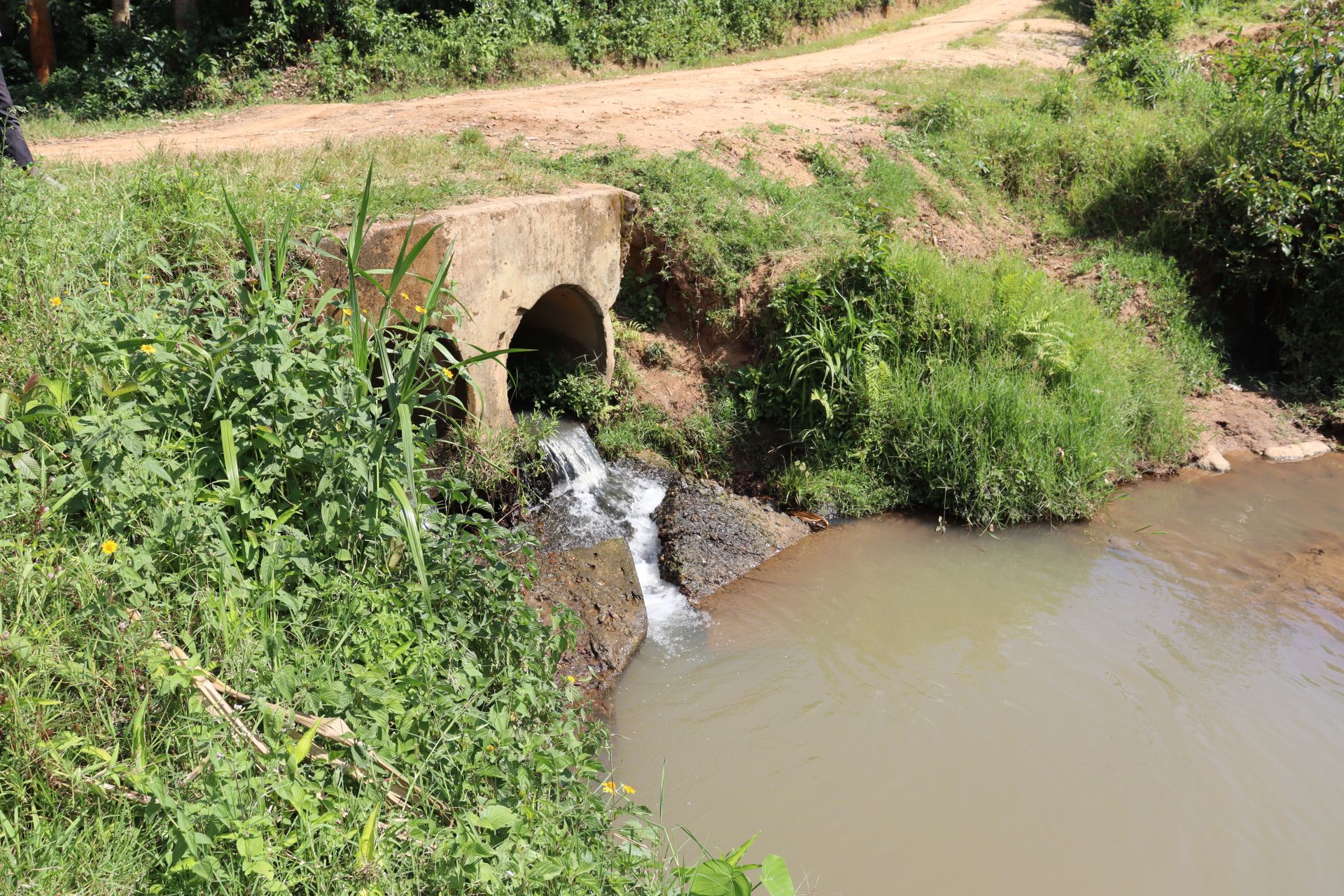
The alternative water source.
As an alternative, there are only other open-water sources, which put them at even greater risk from contamination by runoff, animals, and humans alike.
34-year-old farmer Jacklyne Were is one of those community members affected by illness.
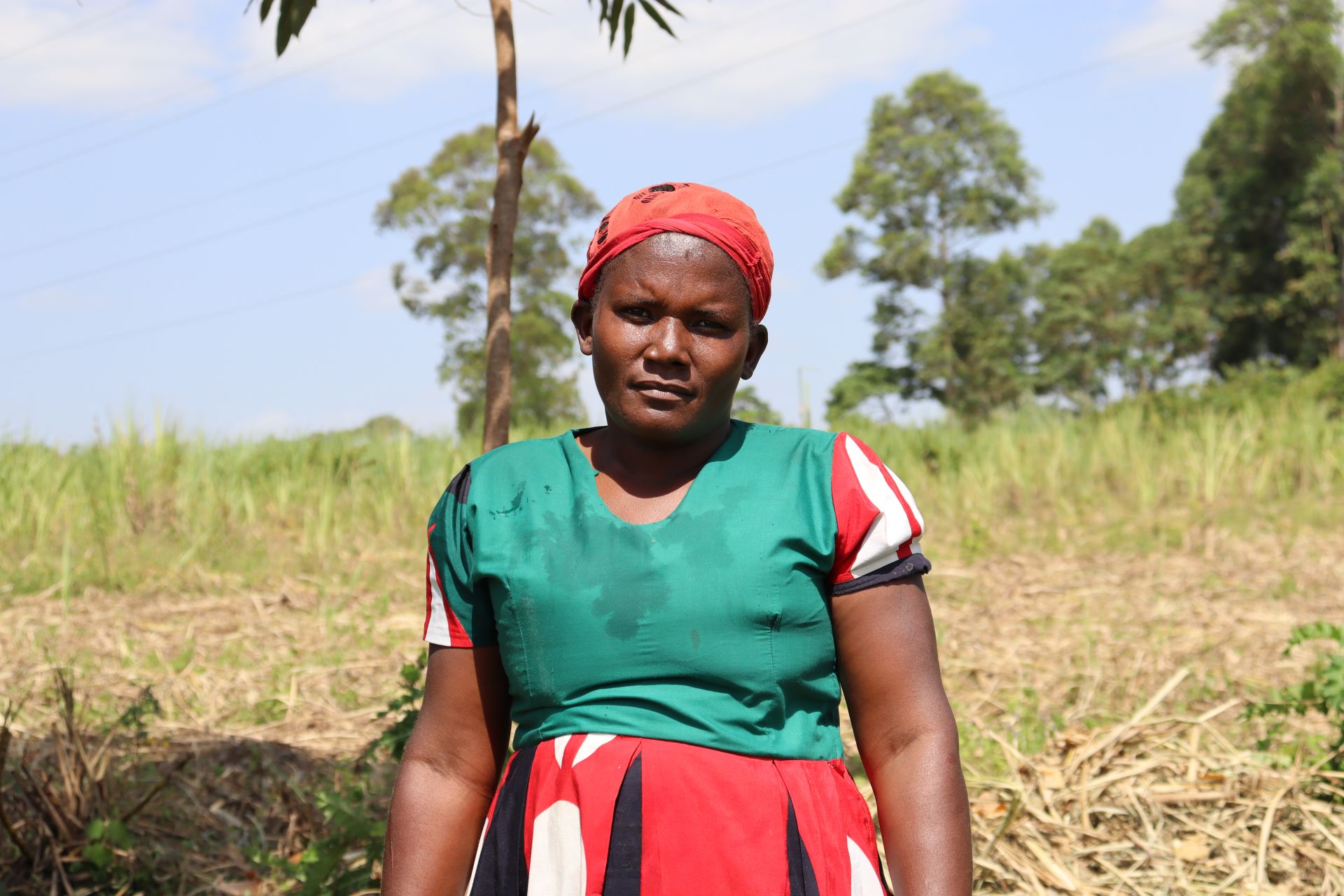
Ms. Jacklyne Were.
"A few months ago, I experienced severe stomach pains, diarrhea, and general weakness after drinking water that I believe was contaminated. I was unable to carry out my daily activities and had to seek treatment at a nearby health facility. The illness affected my family's routine, as time and money had to be spent on medical care. The experience highlighted the importance of access to safe and clean drinking water," Jacklyne reported.
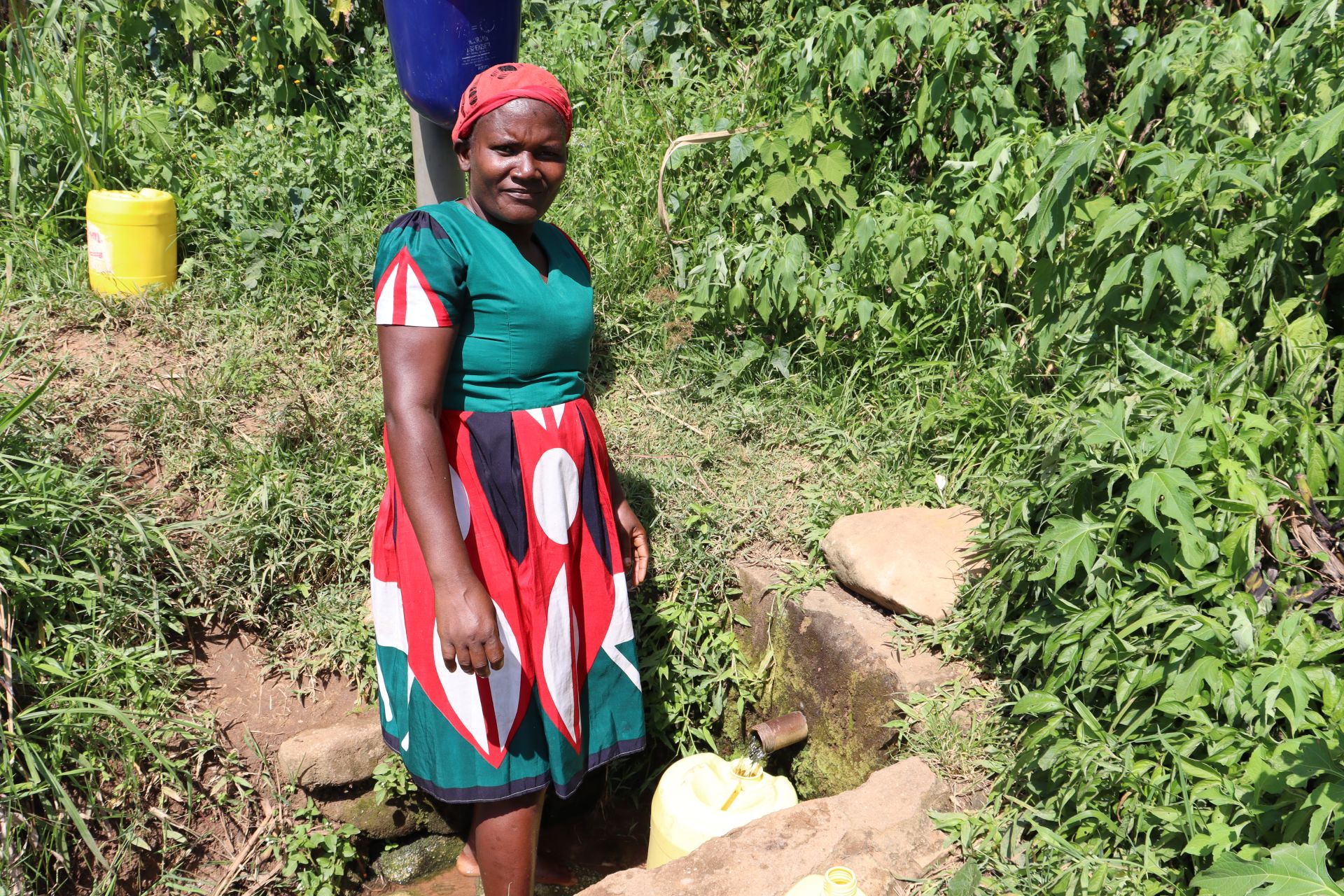
Jacklyne at the spring collecting water.
"When family members experience water-related illnesses, we usually seek treatment at a nearby health facility and purchase the prescribed medication. The cost of consultations, medicines, and transportation can place a financial burden on the household, especially when illnesses occur repeatedly. These expenses take up a significant portion of the family's income that could otherwise be used for food, education, or other essential needs," she said.
But having her resources drained by medical expenses is not the only cost. Missing time to work or maintain the family farm also steals from Jacklyne's family. When she misses contributing to her family's livelihood, they fall even further behind.
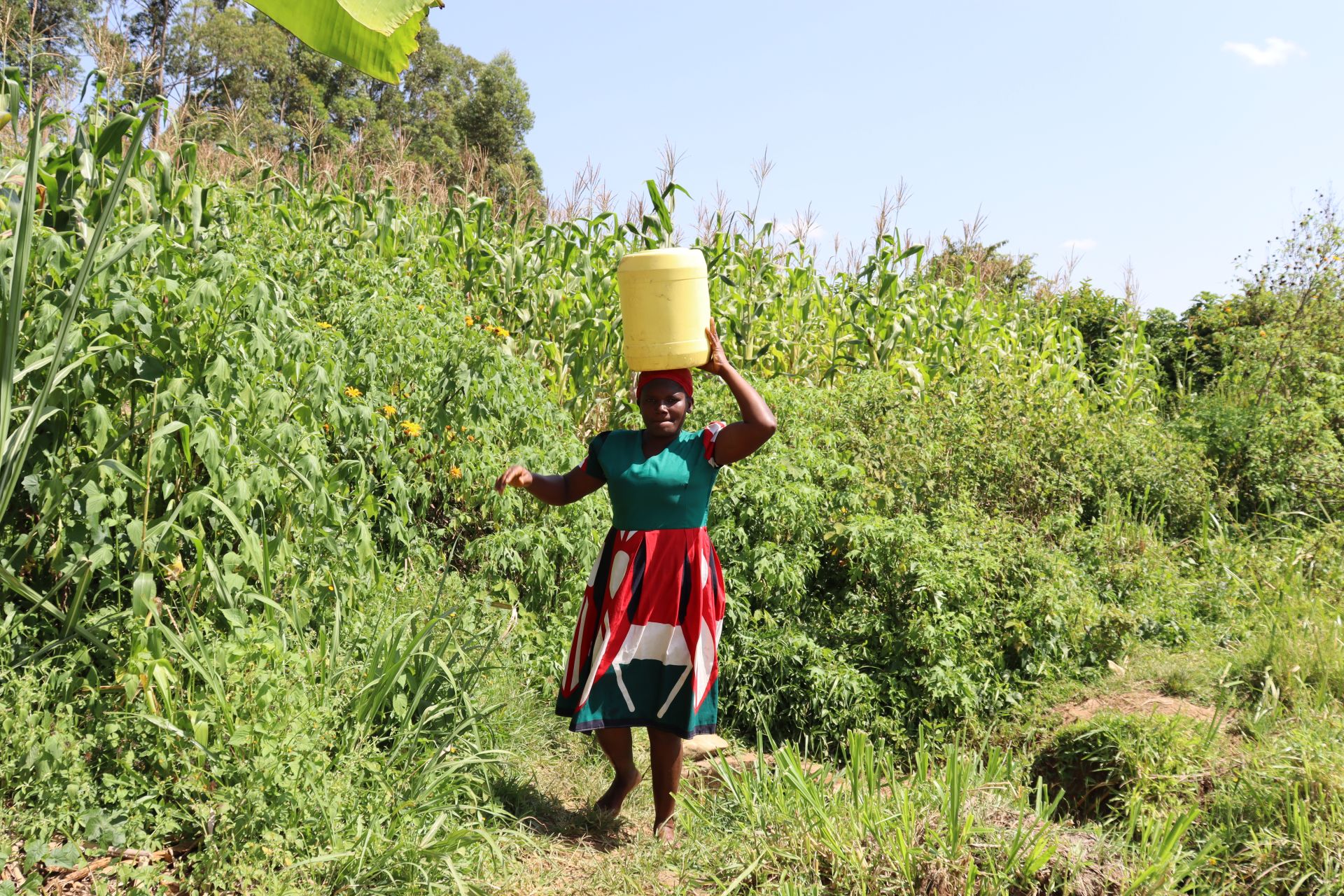
With a more reliable, safer water source, things will surely look brighter for Jacklyne, her family, and the other community members.
Steps Toward a Solution
Our technical experts worked with the local community to identify the most effective solution to their water crisis. They decided to safeguard the existing flowing spring.
Spring Protection
Springs are natural water sources that originate from deep underground. As water travels through various layers of the earth, it undergoes a natural filtration process, making it cleaner and safer to drink. To protect these spring sources from contamination, we construct a waterproof cement structure around layers of clay, stone, and soil. This design channels the spring water through a discharge pipe, facilitating easier, faster, and cleaner water collection.
Chlorine Dispenser
As an extra measure towards water quality safety, uniquely engineered chlorine dispensers are installed at all of our spring protection projects so community members can treat their water with pre-measured doses of chlorine. The chlorine treats any possible contamination and stays active for two to three days, ensuring water stays safe to use even when stored at home. Chlorine delivery and maintenance of the dispensers are part of our ongoing community support.
Community Education & Ownership
Hygiene and sanitation training are integral to our water projects. Training is tailored to each community's specific needs and includes key topics such as proper water handling, improved hygiene practices, disease transmission prevention, and care of the new water point. Safe water and improved hygiene habits foster a healthier future for everyone in the community.
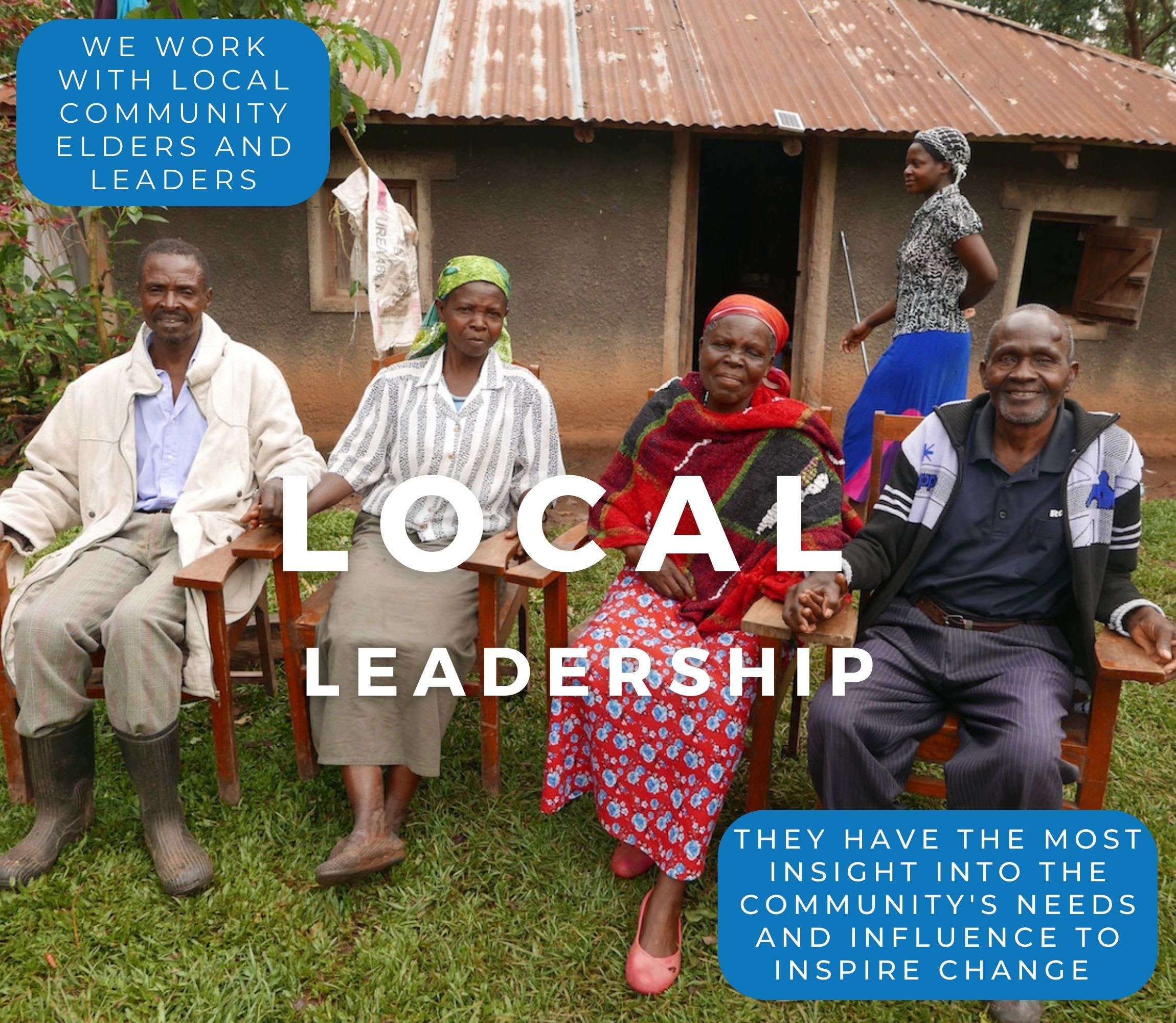
Encouraged and supported by our team's guidance, the community elects a water user committee representative of its diverse members. This committee assumes responsibility for maintaining the water point, organizing community efforts, and gathering fees to ensure its upkeep.