 Protected Spring

 Rehabilitation Project









For years, the Musidi Community and the 175 people that live there have been without a safe, reliable source of clean water. People rely on just two sources — the unprotected Wafula Wakhisi Spring and a community stream — and neither one is safe to drink from. Both are contaminated, and the community has struggled to find a real solution with limited money and resources.
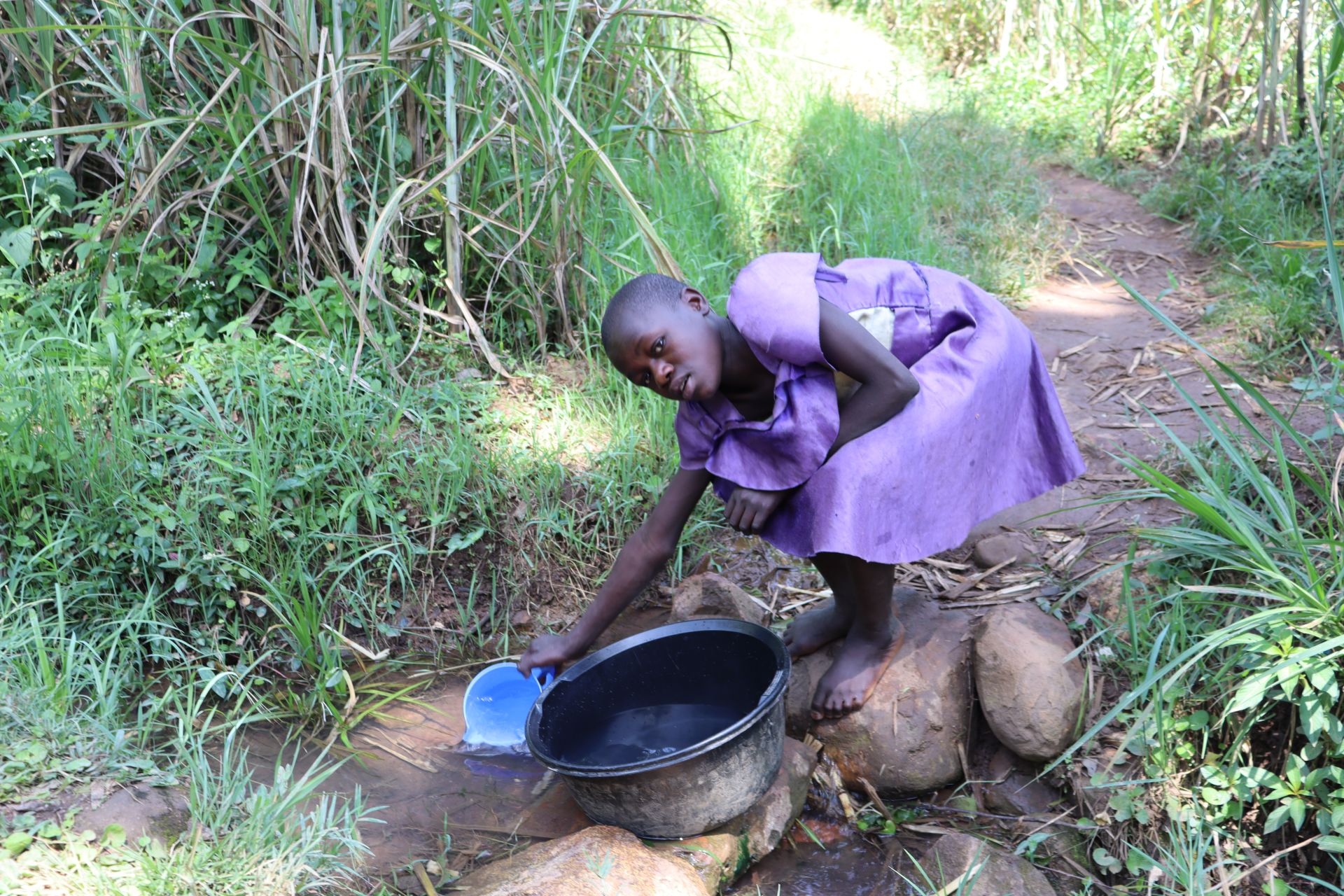
Melvin collects water from the local stream.
The spring sits downhill, surrounded by sugarcane plantations, with a badly damaged structure and overgrown vegetation all around it. During the rainy season, surface runoff flows straight into it, making the water even more dangerous. The stream is no better; livestock drink from it, people wash clothes in it, and the banks are eroded and littered.
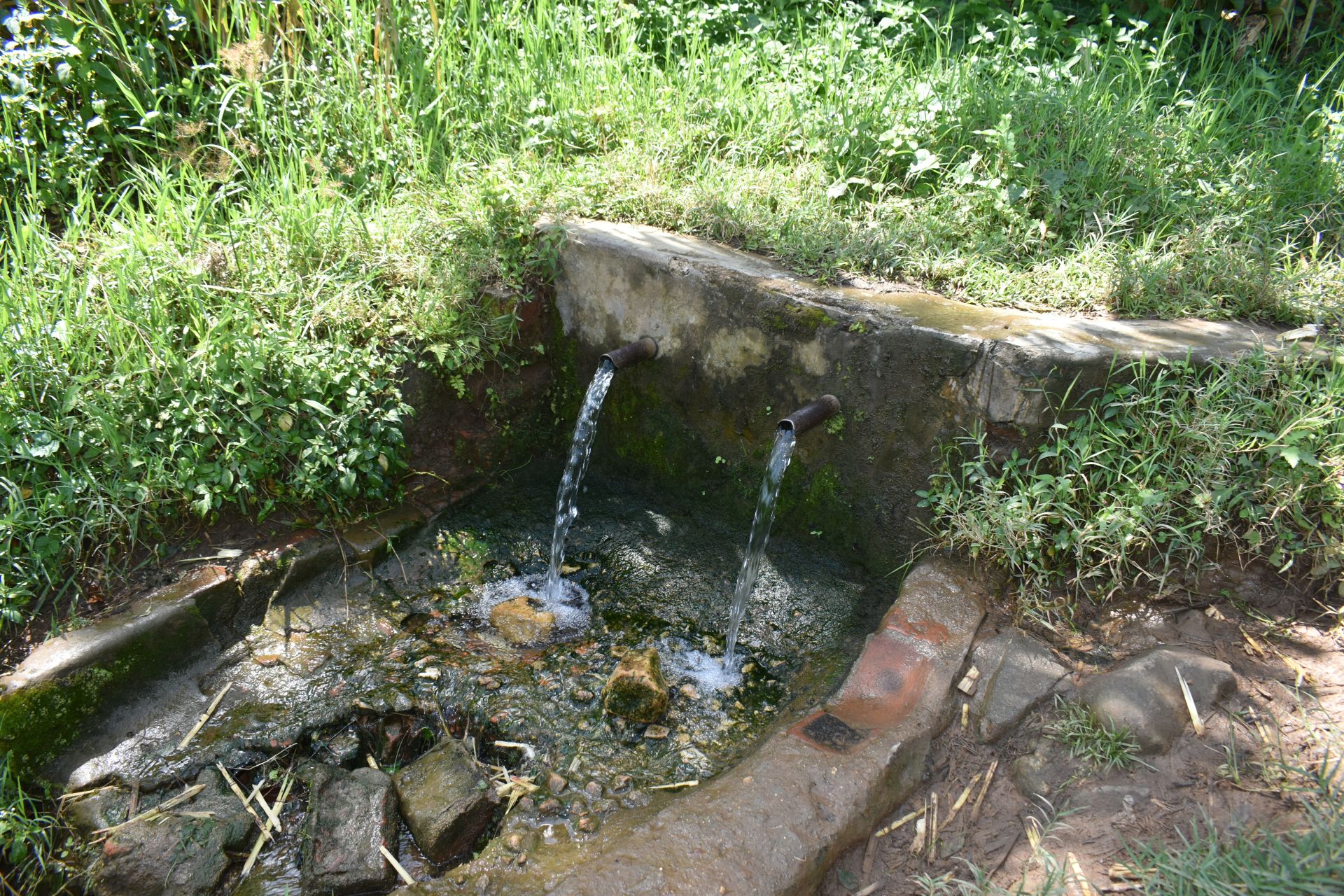
The spring in need of protection.
The health toll is real. Community members regularly suffer from diarrhea, typhoid, and stomach illnesses from drinking untreated water. Children are hit the hardest. Beyond the sickness, people spend so much time collecting water that it consumes their time and energy.
The community has tried to cope by cleaning the sources and reporting the problem to local leaders, but nothing has changed. Without proper infrastructure and financial support, they remain stuck in a cycle of unsafe water, preventable illness, and daily hardship.
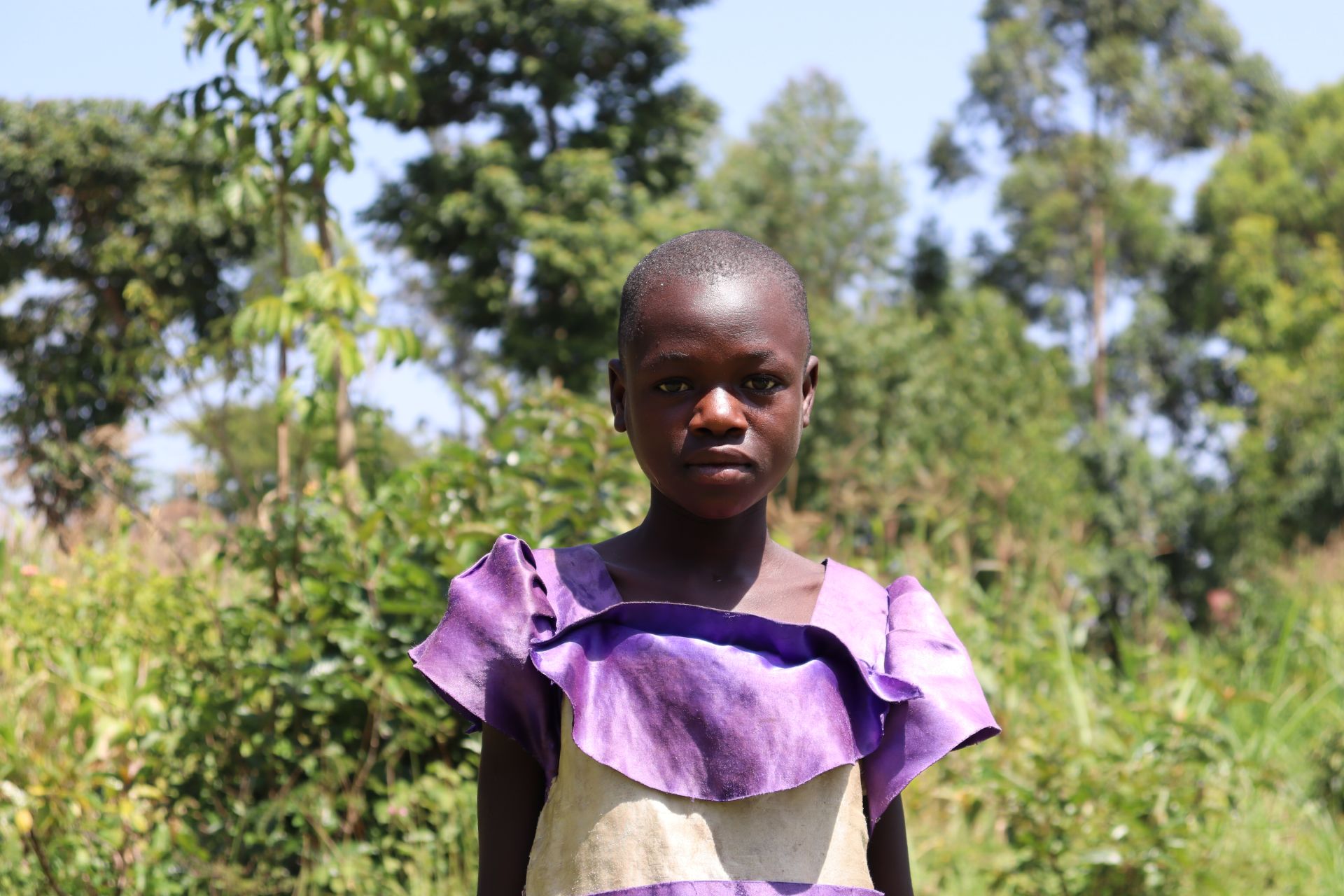
Melvin.
Twelve-year-old Melvin shares what it is like to live without reliable clean water.
"I remember getting sick after drinking water that was not properly treated. I had stomach pains and diarrhea, and I felt very weak. I was unable to attend school for a few days and had to take medicine to recover. It was an unpleasant experience that made me realize the importance of having safe drinking water," said Melvin.
"When I became sick, my parents took me to a health facility for treatment and bought the prescribed medicine. They also made sure I drank safe, treated water and got enough rest until I recovered. When I am sick, I sometimes have to miss school so that I can rest and recover. This causes me to miss lessons and fall behind in my studies."
But illness is not the only threat to Melvin. Because of the spring's condition, collecting water takes a long time and wastes the time she needs for other important things like attending school and studying to create a brighter future.
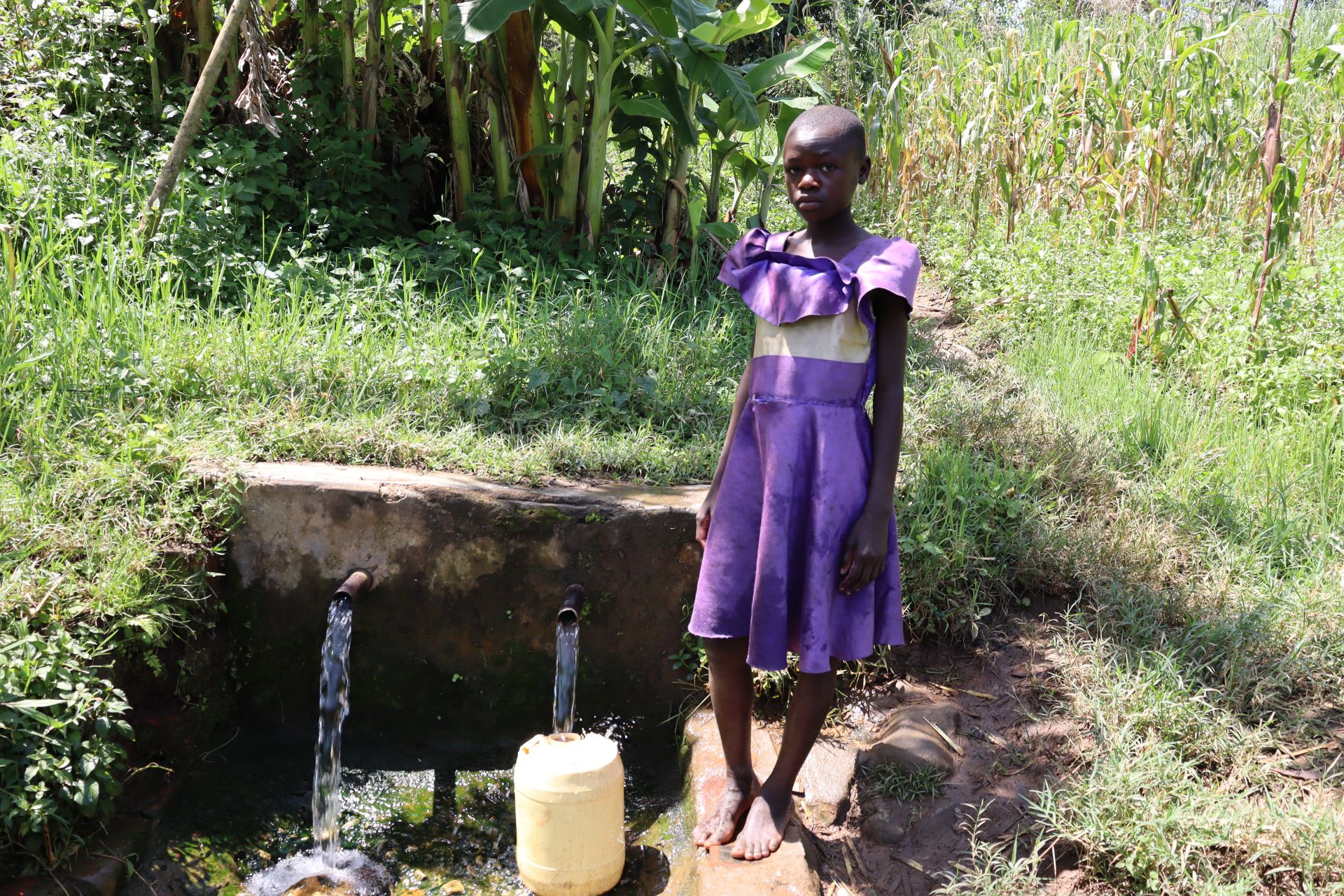
"I feel responsible when I am sent to fetch water because it is important for my family's daily needs. However, I sometimes feel tired when there are long queues at the water source. Fetching water can affect my time for studying and completing [my] schoolwork. More so when I have to spend a long time at the water source. This may sometimes make it harder to keep up with my studies," Melvin said.
"If I did not have to spend so much time fetching water, I would spend more time studying, completing my schoolwork, and helping with other activities at home. My plan for the future is to work hard in school, complete my education, and pursue a career that will help me support my family and contribute positively to my community," she shared.
Steps Toward a Solution
Our technical experts worked with the local community to identify the most effective solution to their water crisis. They decided to safeguard the existing flowing spring.
Spring Protection
Springs are natural water sources that originate from deep underground. As water travels through various layers of the earth, it undergoes a natural filtration process, making it cleaner and safer to drink. To protect these spring sources from contamination, we construct a waterproof cement structure around layers of clay, stone, and soil. This design channels the spring water through a discharge pipe, facilitating easier, faster, and cleaner water collection.
Chlorine Dispenser
As an extra measure towards water quality safety, uniquely engineered chlorine dispensers are installed at all of our spring protection projects so community members can treat their water with pre-measured doses of chlorine. The chlorine treats any possible contamination and stays active for two to three days, ensuring water stays safe to use even when stored at home. Chlorine delivery and maintenance of the dispensers are part of our ongoing community support.
Community Education & Ownership
Hygiene and sanitation training are integral to our water projects. Training is tailored to each community's specific needs and includes key topics such as proper water handling, improved hygiene practices, disease transmission prevention, and care of the new water point. Safe water and improved hygiene habits foster a healthier future for everyone in the community.
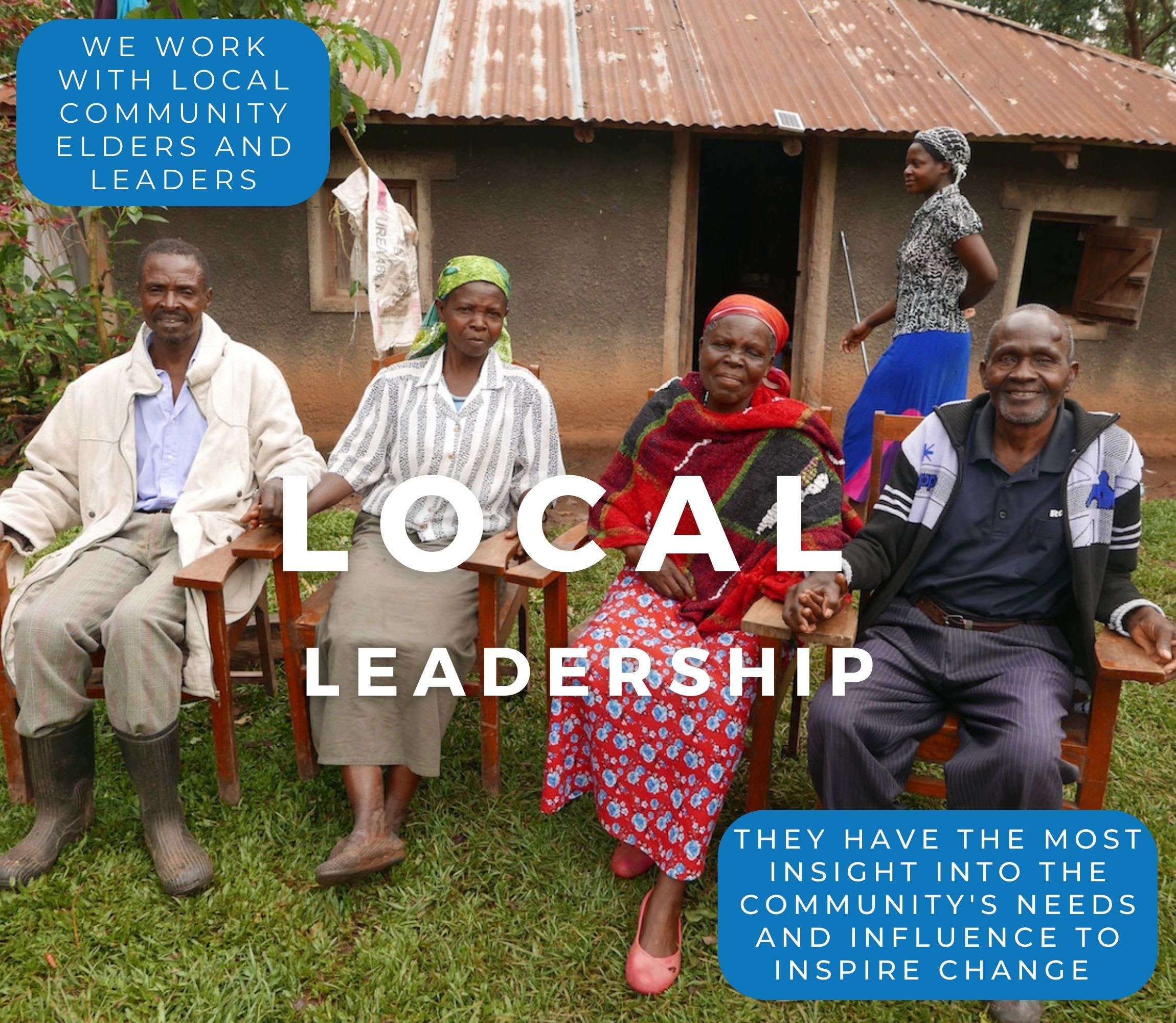
Encouraged and supported by our team's guidance, the community elects a water user committee representative of its diverse members. This committee assumes responsibility for maintaining the water point, organizing community efforts, and gathering fees to ensure its upkeep.