 Protected Spring
 Rehabilitation Project










210 community members in Mahanga depend on a broken-down spring for their water. Their only alternative is the little rainwater they can capture. Because it's in poor condition and constantly overcrowded, collecting enough water for the day is nearly impossible. Each trip lasts at least an hour, which is time stolen from school, work, and caring for their families.
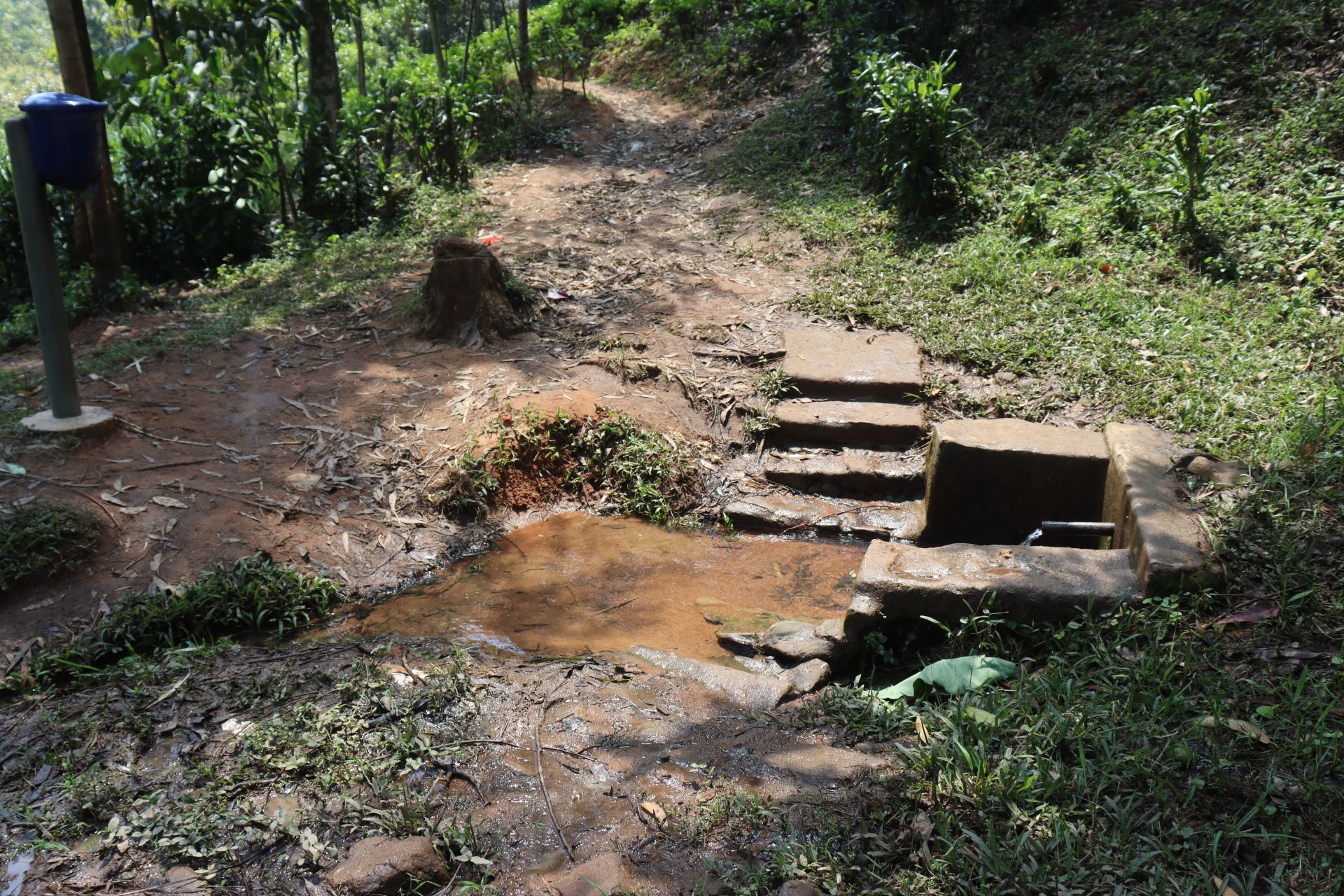
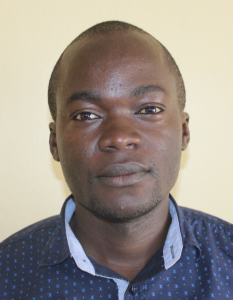
Field Officer Victor Musemi described the spring's condition.
"The partially protected spring is surrounded by bushes, making access difficult and potentially unsafe. The spring box is damaged beyond repair, allowing contamination of the water, especially during the rainy season. There is no staircase to provide safe and easy access for collecting water, making the process challenging for users. The water collection area is completely worn out and cannot adequately support water containers without additional support," said Victor.
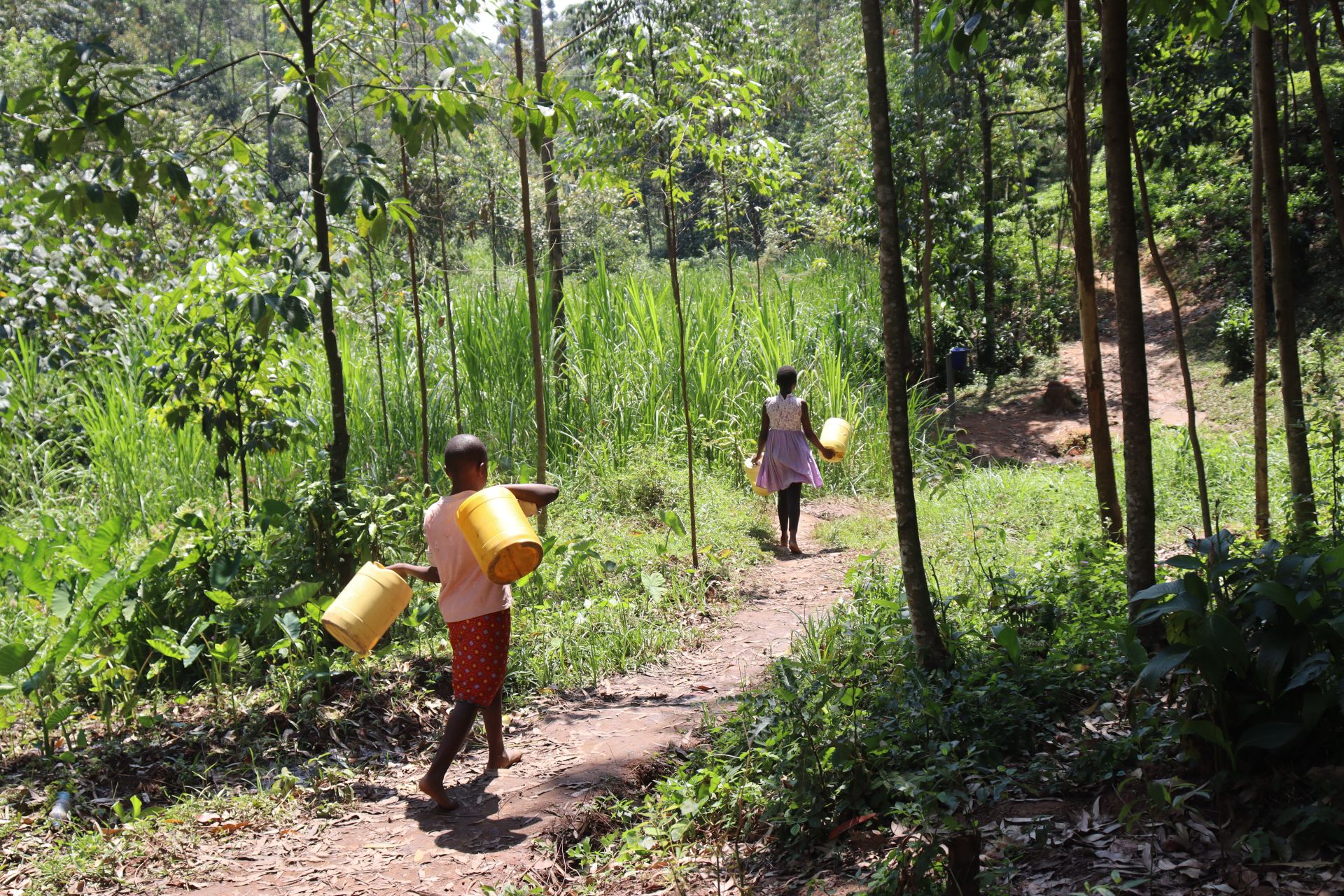
Fifteen-year-old Salma is frustrated by how much time she wastes collecting water each day, but she has no choice but to rely on the dysfunctional spring.
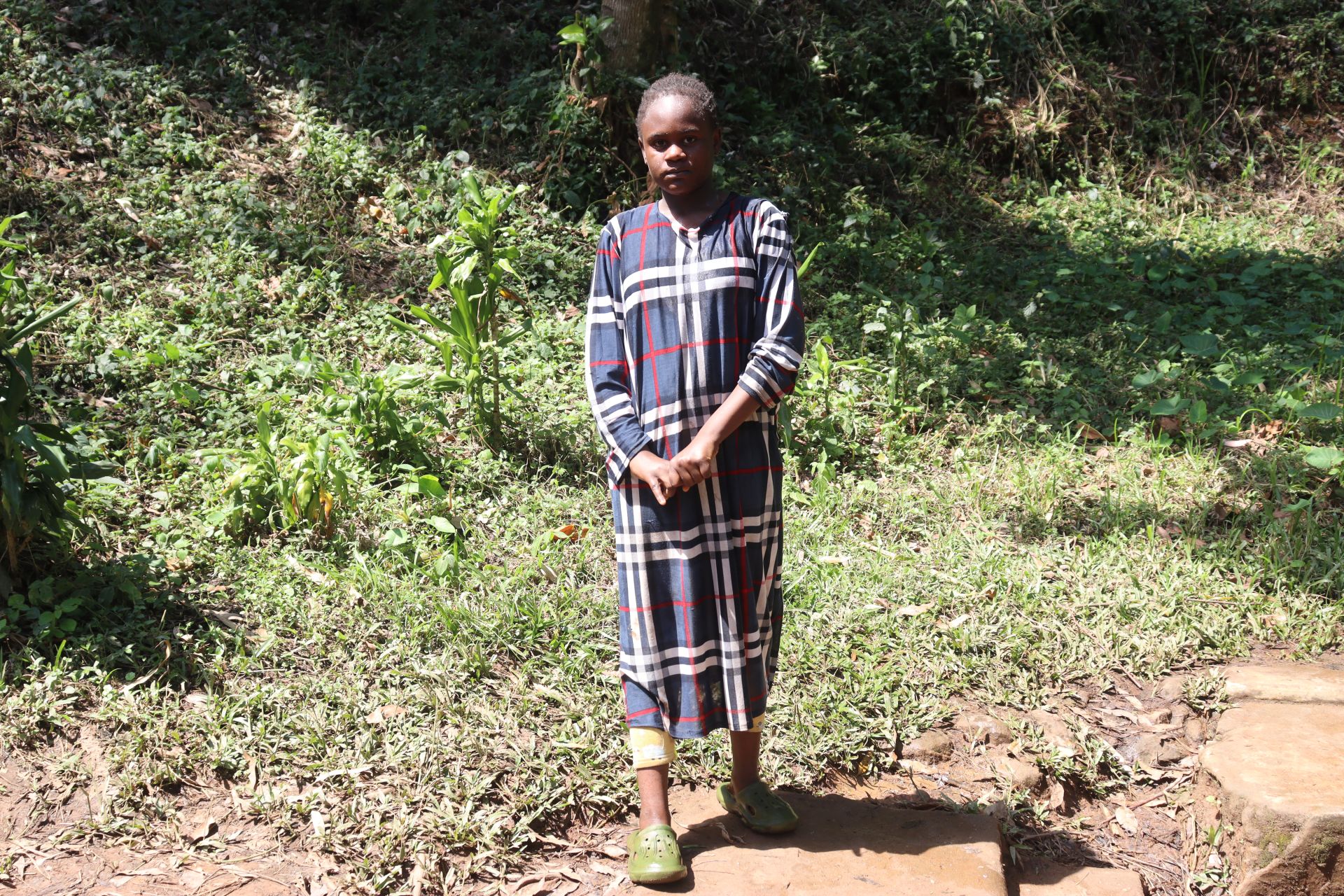
Salma.
"Fetching water takes a long time because of the long queues at the water point. People from several neighboring communities rely on the same source, leading to overcrowding," said Salma.
"Since the water point deteriorated, collecting water has become much more difficult. The damaged structure causes the water to be diverted from the original collection point, forcing users to collect water from less convenient locations. This has made fetching water more time-consuming and challenging," she continued.
"I feel disappointed and uncomfortable when I am sent to fetch water because the journey is difficult and time-consuming. I often worry about my safety while accessing the water source. Sometimes, the experience makes me feel frustrated and affects my relationship with my parents, as I feel they do not understand how challenging it is," Salma bravely shared.
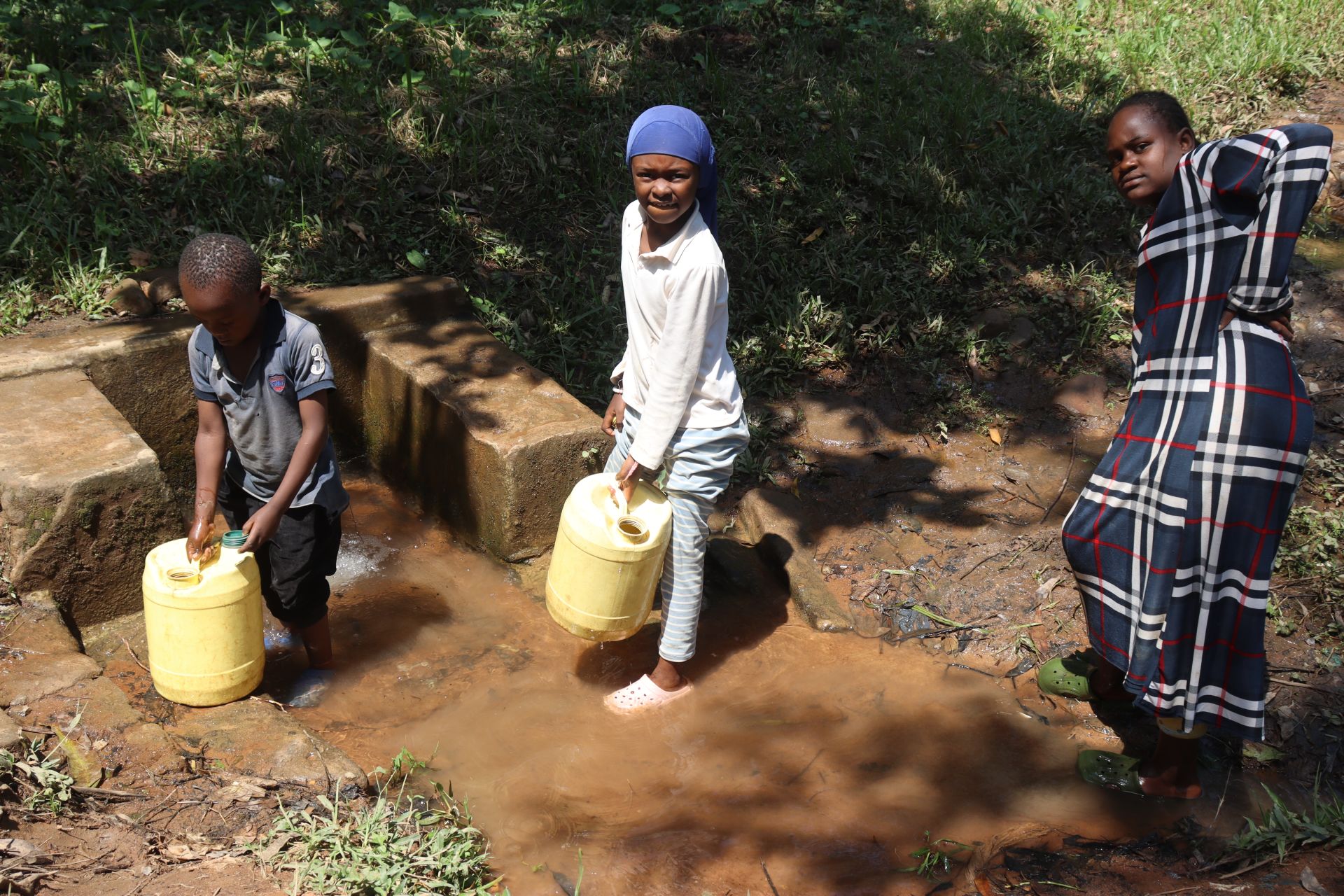
Salma waits for the other children to collect water from the spring before her turn.
"Fetching water affects my school attendance and academic performance. At times, I have to collect water before going to school because there is no water available for bathing or preparing breakfast. The long distance to the water source, combined with overcrowding and long queues, causes delays and makes me arrive at school late. As a result, I miss lessons, struggle to complete assignments on time, and find it difficult to keep up with classmates in my studies," she lamented.
Salma dreams of becoming a teacher one day, but missing class is not helping her achieve her dream.
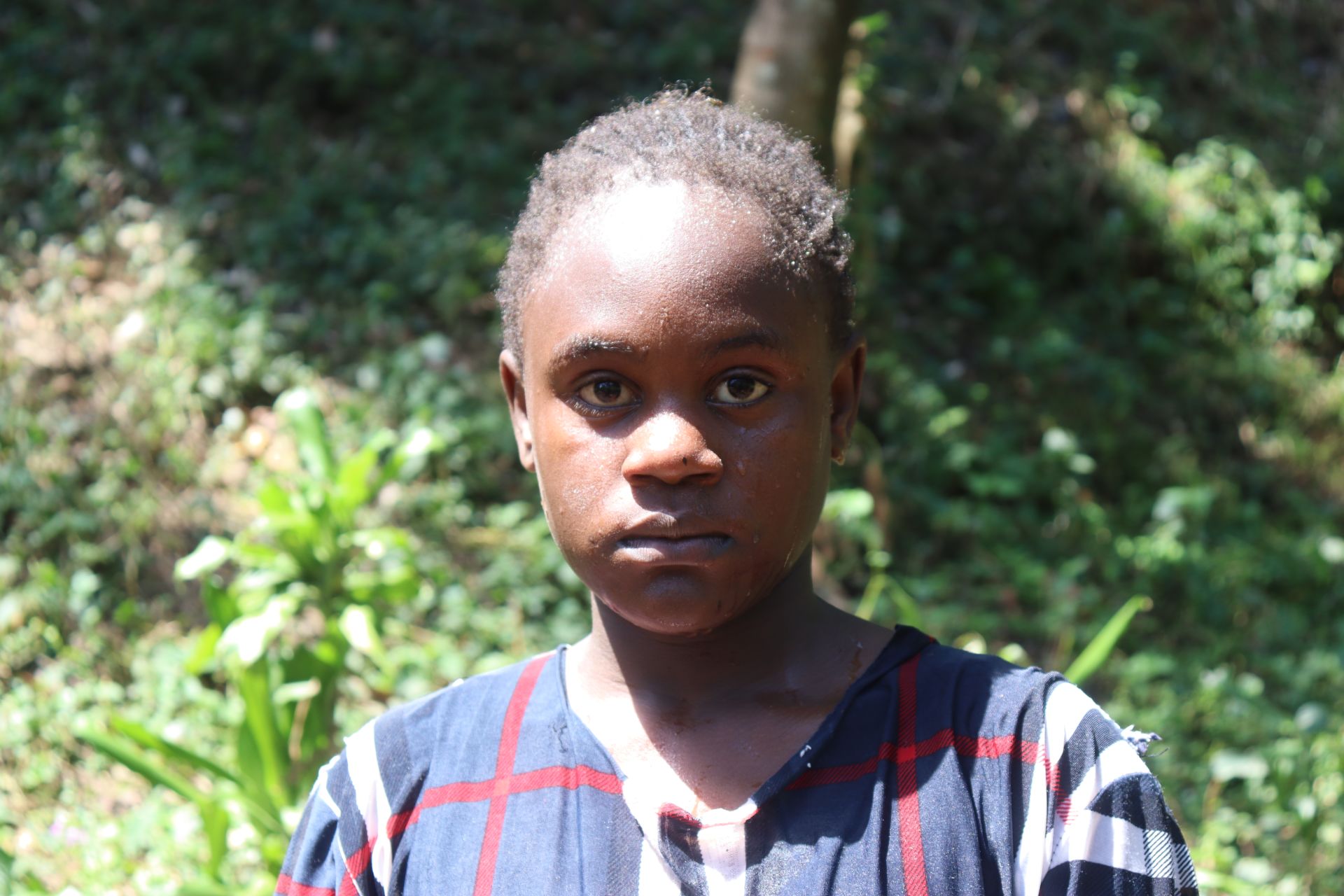
Our hope is to protect this spring so that water can be collected more efficiently and children like Salma can get back to learning, enabling their dreams to come true.
Steps Toward a Solution
Our technical experts worked with the local community to identify the most effective solution to their water crisis. They decided to safeguard the existing flowing spring.
Spring Protection
Springs are natural water sources that originate from deep underground. As water travels through various layers of the earth, it undergoes a natural filtration process, making it cleaner and safer to drink. To protect these spring sources from contamination, we construct a waterproof cement structure around layers of clay, stone, and soil. This design channels the spring water through a discharge pipe, facilitating easier, faster, and cleaner water collection.
Chlorine Dispenser
As an extra measure towards water quality safety, uniquely engineered chlorine dispensers are installed at all of our spring protection projects so community members can treat their water with pre-measured doses of chlorine. The chlorine treats any possible contamination and stays active for two to three days, ensuring water stays safe to use even when stored at home. Chlorine delivery and maintenance of the dispensers are part of our ongoing community support.
Community Education & Ownership
Hygiene and sanitation training are integral to our water projects. Training is tailored to each community's specific needs and includes key topics such as proper water handling, improved hygiene practices, disease transmission prevention, and care of the new water point. Safe water and improved hygiene habits foster a healthier future for everyone in the community.
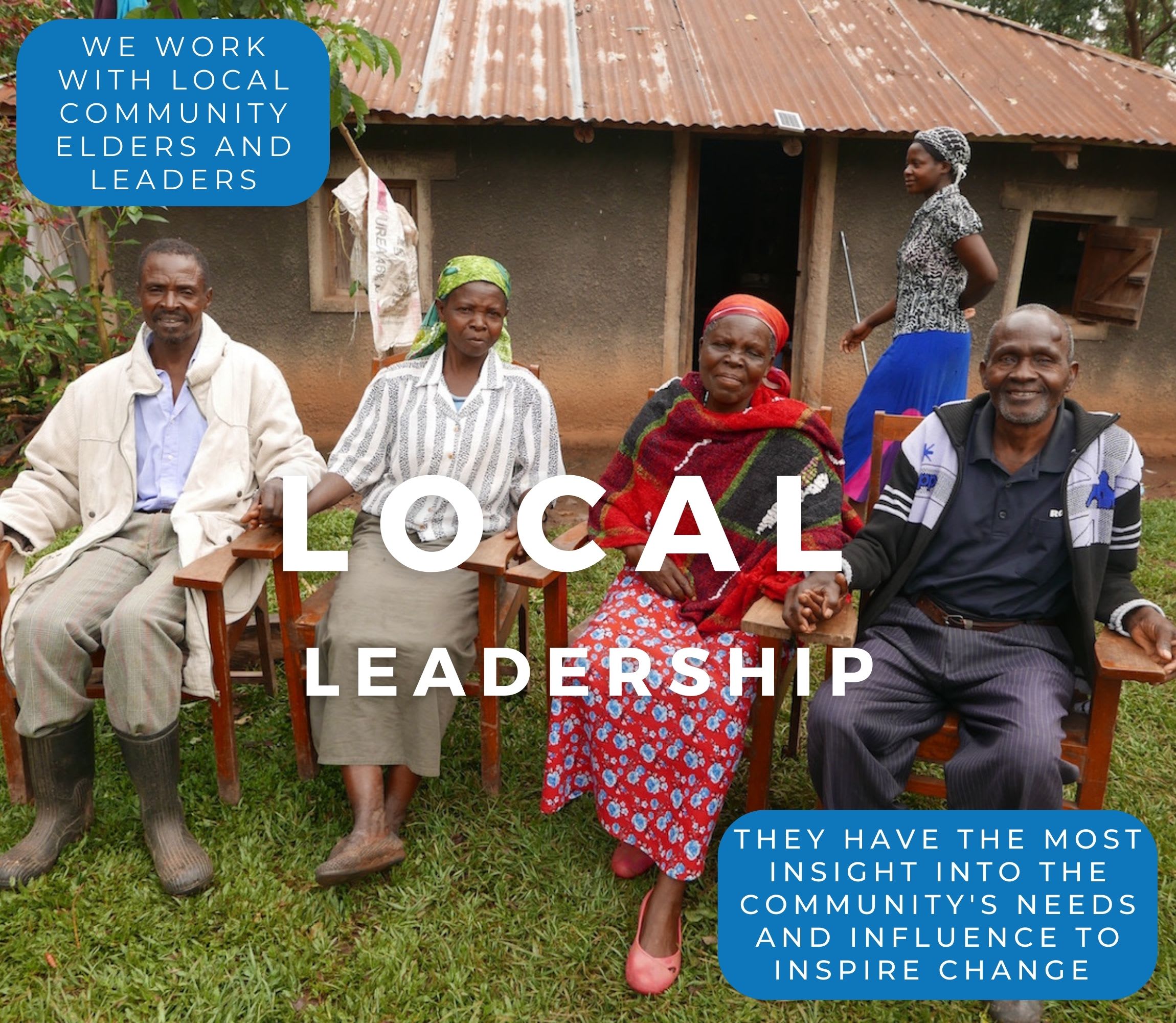
Encouraged and supported by our team's guidance, the community elects a water user committee representative of its diverse members. This committee assumes responsibility for maintaining the water point, organizing community efforts, and gathering fees to ensure its upkeep.