 Protected Spring

 Rehabilitation Project











Yakobo Muchuma Spring is the only water source for Sawawa and its 180 community members. Although the spring provides water, reaching it and safely collecting it is a huge task for those who rely on it.
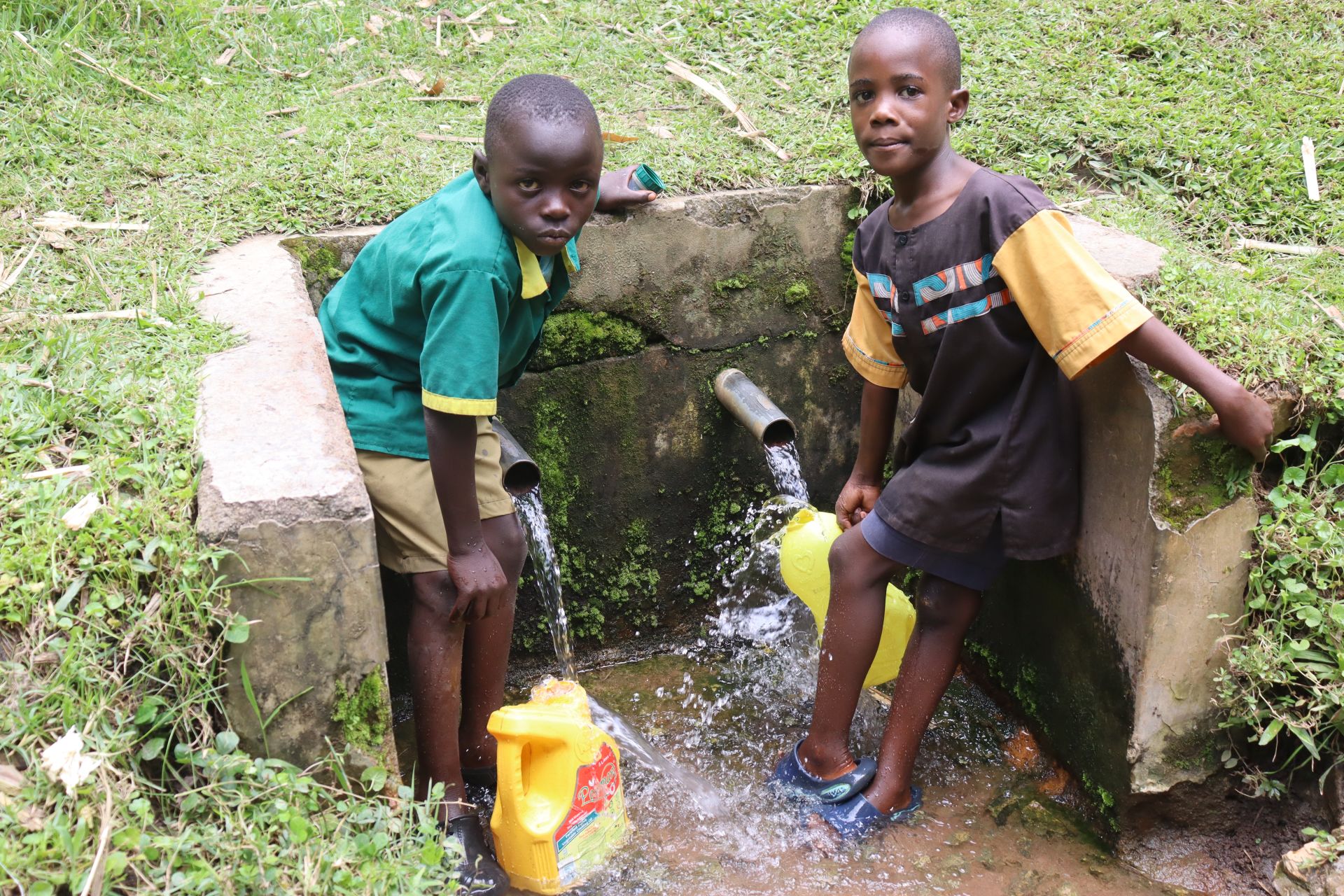
Children collect water from the spring in need of repair.
14-year-old Kevin is responsible for collecting water for his family daily and shared how that impacts him.
"It is a double struggle. First, we have to walk down to the spring and then climb the steep hill back home while carrying a heavy container. When we reach the spring, there are often many people waiting. The collection area is muddy and slippery, making it slow and difficult to fill our containers. During the dry season, the queues become even longer because people from nearby villages come to our spring when their own water sources dry up. Collecting water takes a lot of our time, energy, and effort every day," Kevin said.
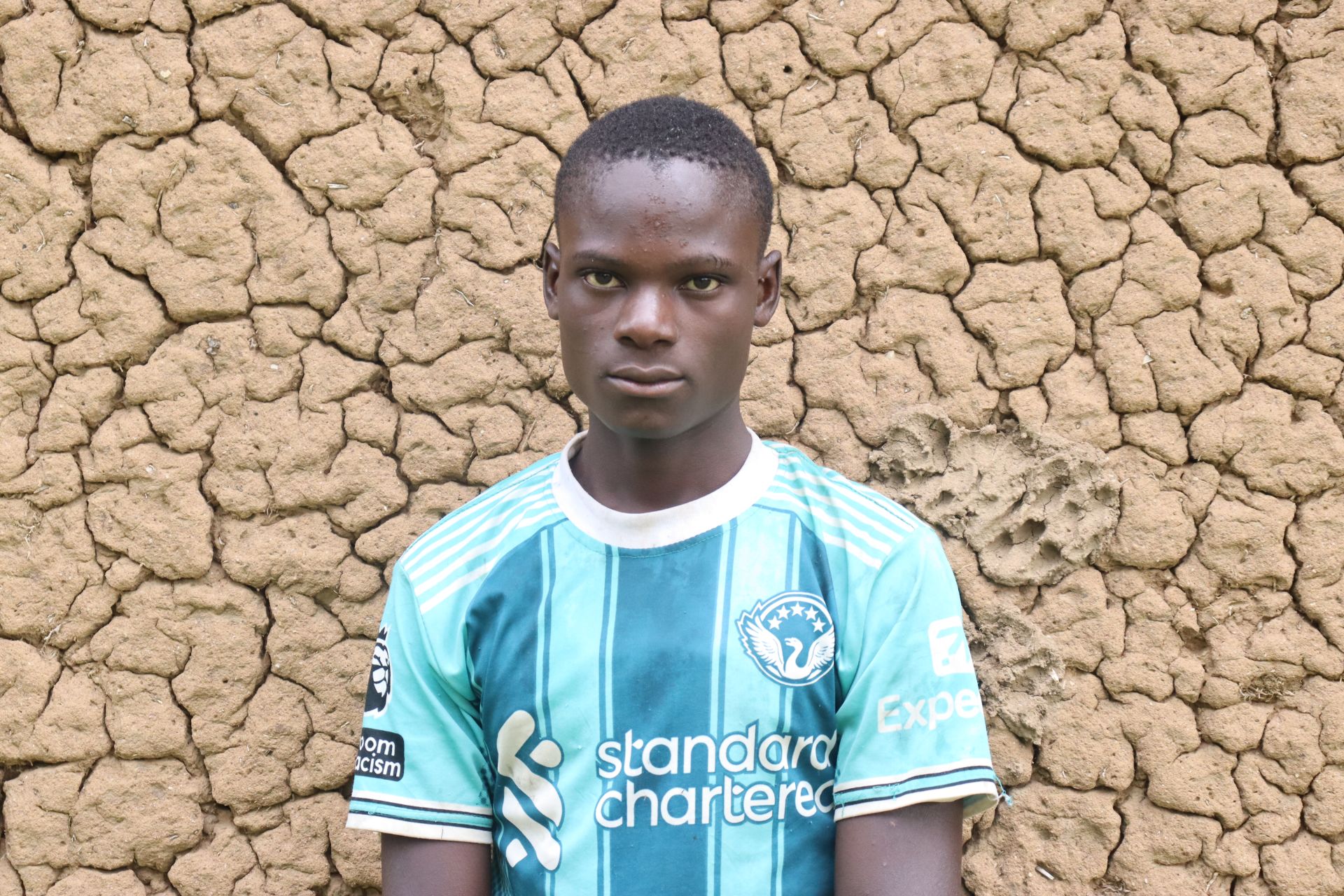
Kevin.
"I feel unsafe when I go to fetch water. When it rains, the path down to the spring becomes very slippery and muddy, making it easy to fall and hurt yourself. At the spring, there is no concrete floor, so we have to stand in wet, dirty mud while filling our heavy jerrycans over blunt rocks. The spring also becomes very crowded, especially when many people come at the same time, and this sometimes leads to shouting, arguments, and disagreements over who should collect water first. This scares me, but I do not have an alternative source of water to go to," he bravely shared.
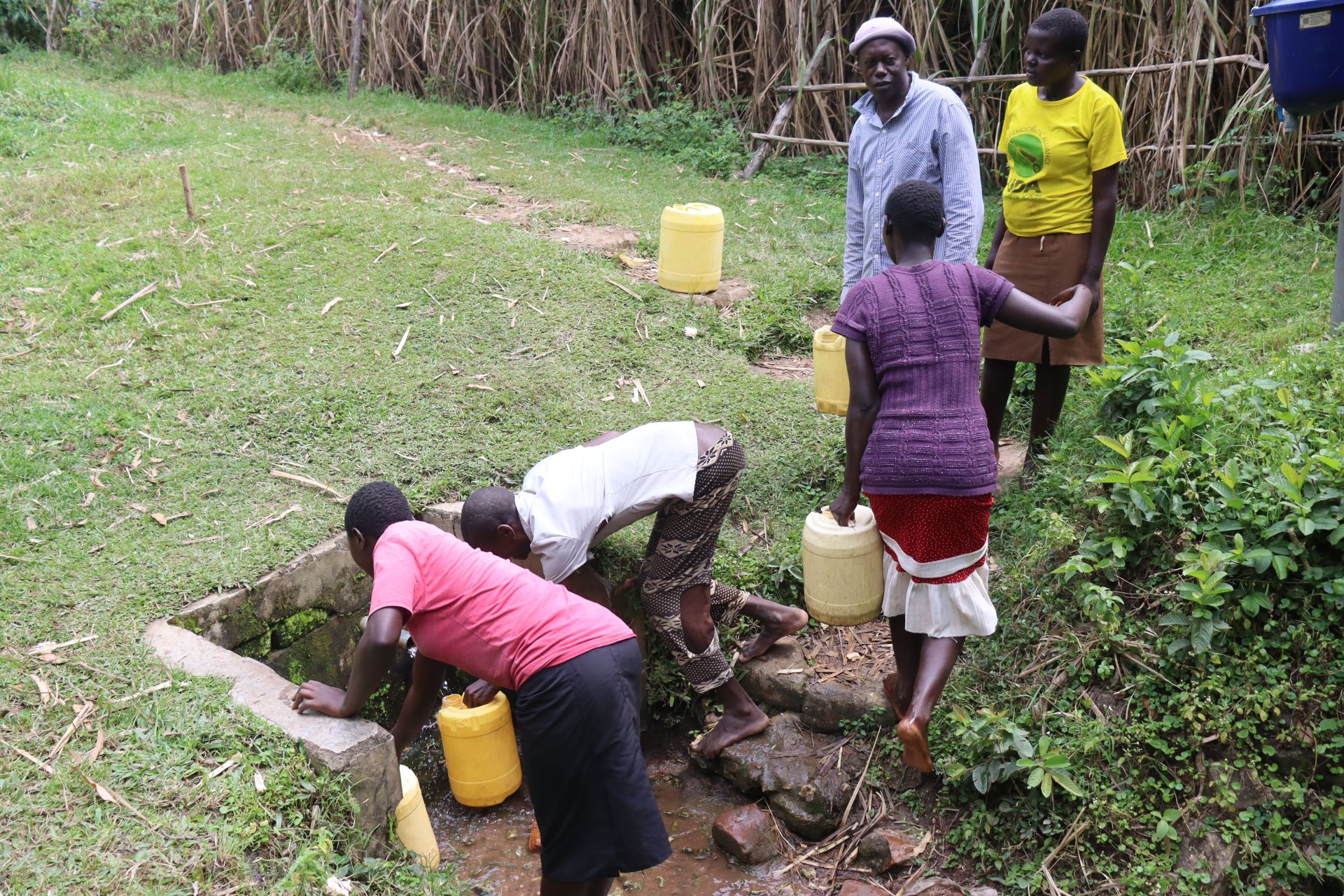
"When the queues get long, adults often get impatient and shout at us or shove us aside so they can fill their containers first. It happens often, especially during the evening rush. Because we are younger, older people sometimes push ahead of us to get to the water first. This means we have to stand and wait for much longer, sometimes in the cold, before it is finally our turn to collect water," Kevin lamented.
Once Kevin collects water, his troubles are not over. "In the evening, carrying heavy water makes me so tired that I struggle to stay awake and finish my homework. This makes it harder for me to study well and can affect how I perform in my exams."
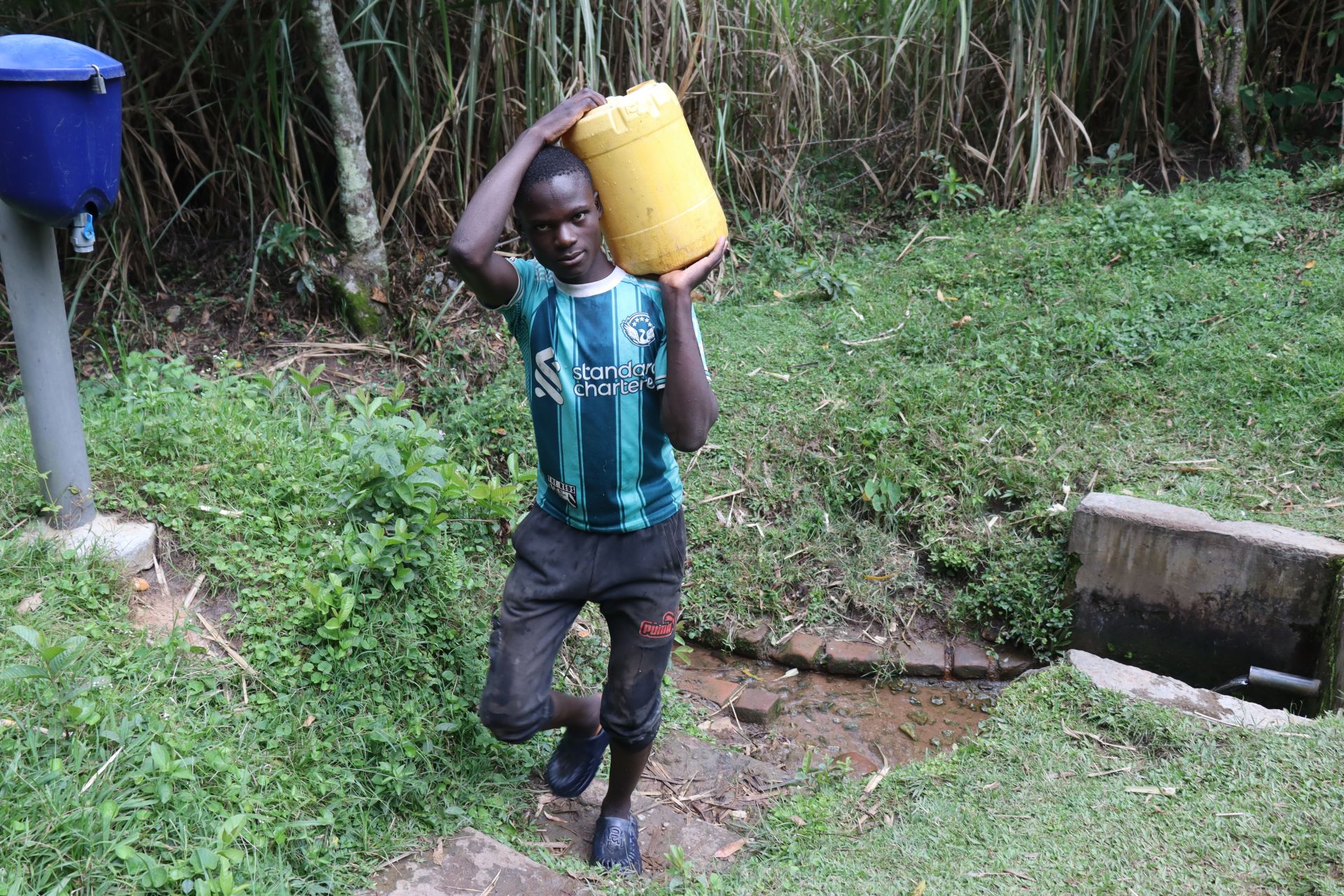
To avoid the conflict, Kevin sometimes attempts to collect water in the morning before school, but he trades one difficulty for another.
"When I go to fetch water early in the morning, I often arrive late at school. Sometimes I am punished or miss the first lesson," he said.
The challenges Kevin faces often feel overwhelming. He should not be preoccupied with the worries he is carrying. He would like to focus on learning and building a brighter future, but without easily accessible water, those things feel far away.
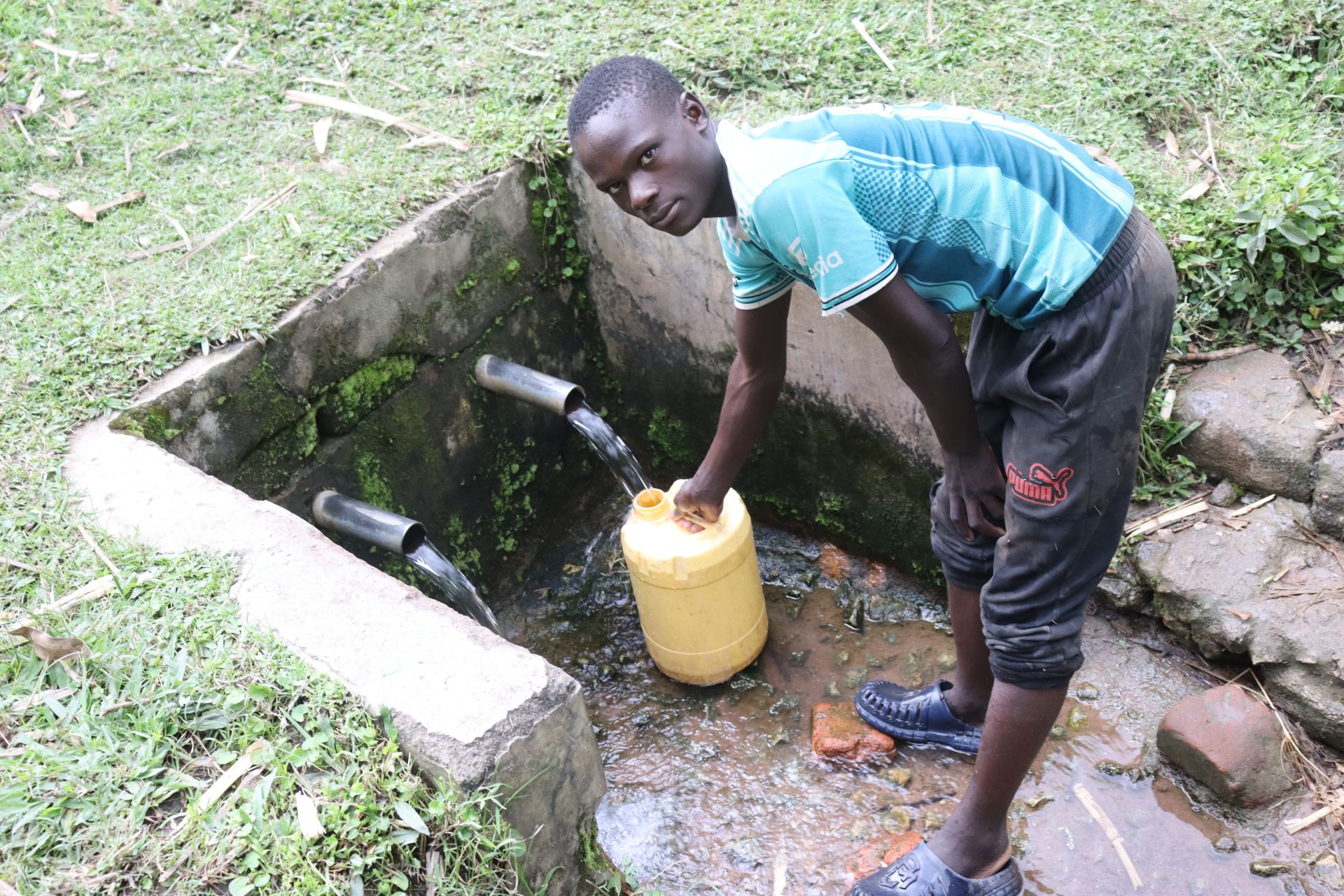
"I often feel tired and stressed because I know I have to make the long trip down the muddy hill and then carry the water back home. I worry about getting late for school or getting caught in arguments while waiting in the queue. I just wish our community had a clean and safe water point that was easier to reach, so that fetching water would not feel like such a difficult and tiring part of my day," Kevin lamented.
"I want to work hard, pass my exams, and become the best that I can be. I want to have a good future and use what I learn to make a difference in my community," he said. "My dream is to see our community grow economically and have better opportunities for young people and families. I want to be part of making that change."
Steps Toward a Solution
Our technical experts worked with the local community to identify the most effective solution to their water crisis. They decided to safeguard the existing flowing spring.
Spring Protection
Springs are natural water sources that originate from deep underground. As water travels through various layers of the earth, it undergoes a natural filtration process, making it cleaner and safer to drink. To protect these spring sources from contamination, we construct a waterproof cement structure around layers of clay, stone, and soil. This design channels the spring water through a discharge pipe, facilitating easier, faster, and cleaner water collection.
Chlorine Dispenser
As an extra measure towards water quality safety, uniquely engineered chlorine dispensers are installed at all of our spring protection projects so community members can treat their water with pre-measured doses of chlorine. The chlorine treats any possible contamination and stays active for two to three days, ensuring water stays safe to use even when stored at home. Chlorine delivery and maintenance of the dispensers are part of our ongoing community support.
Community Education & Ownership
Hygiene and sanitation training are integral to our water projects. Training is tailored to each community's specific needs and includes key topics such as proper water handling, improved hygiene practices, disease transmission prevention, and care of the new water point. Safe water and improved hygiene habits foster a healthier future for everyone in the community.
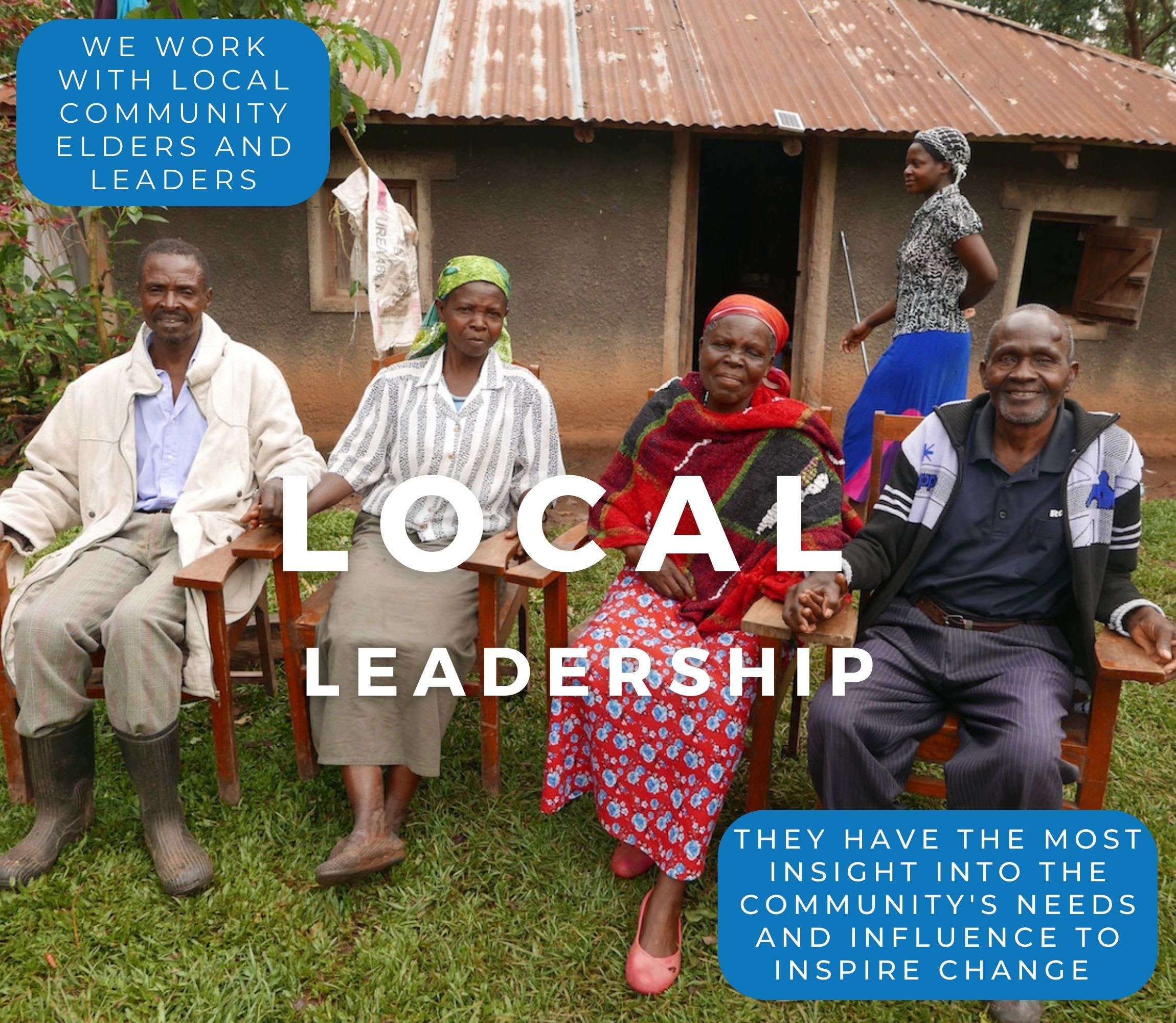
Encouraged and supported by our team's guidance, the community elects a water user committee representative of its diverse members. This committee assumes responsibility for maintaining the water point, organizing community efforts, and gathering fees to ensure its upkeep.