 Protected Spring
 Rehabilitation Project









In the Muwasi community, Maende Spring, which serves 245 people, now stands damaged and unsafe. Families navigate a muddy, slippery path and step through stagnant water just to collect what they need. The headwall has cracked, the discharge pipes have broken down, and what water still flows does so slowly, seeping out through gaps rather than running clean through the collection point.
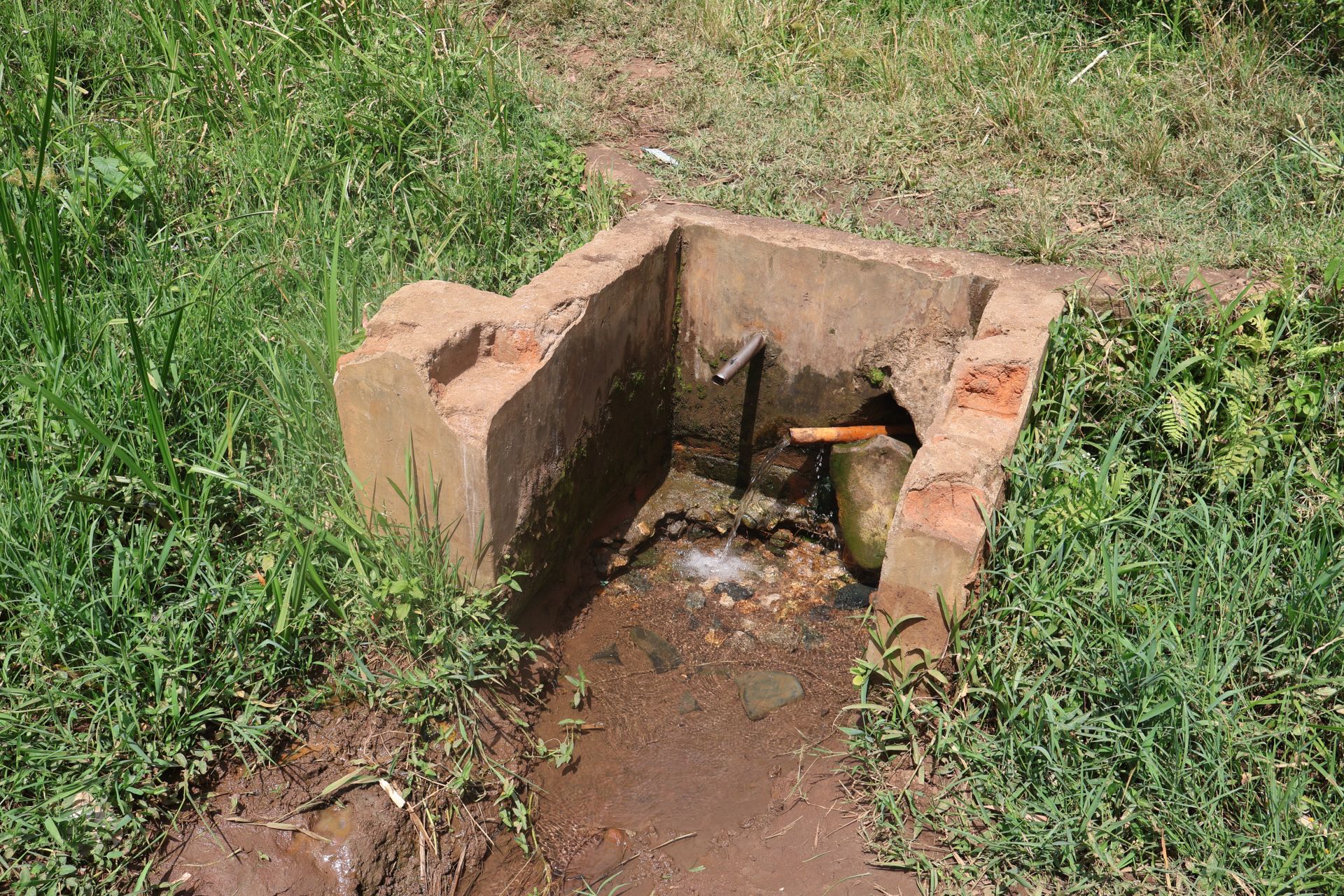
For a community that has gone nine years without a reliable water source, these aren't small inconveniences. They're daily obstacles that shape how much time, energy, and worry go into a single trip for water.
Fourteen-year-old Evance knows this routine well. Most days, fetching water takes him 48 minutes, and much of that time is lost to the poor condition of the spring itself.
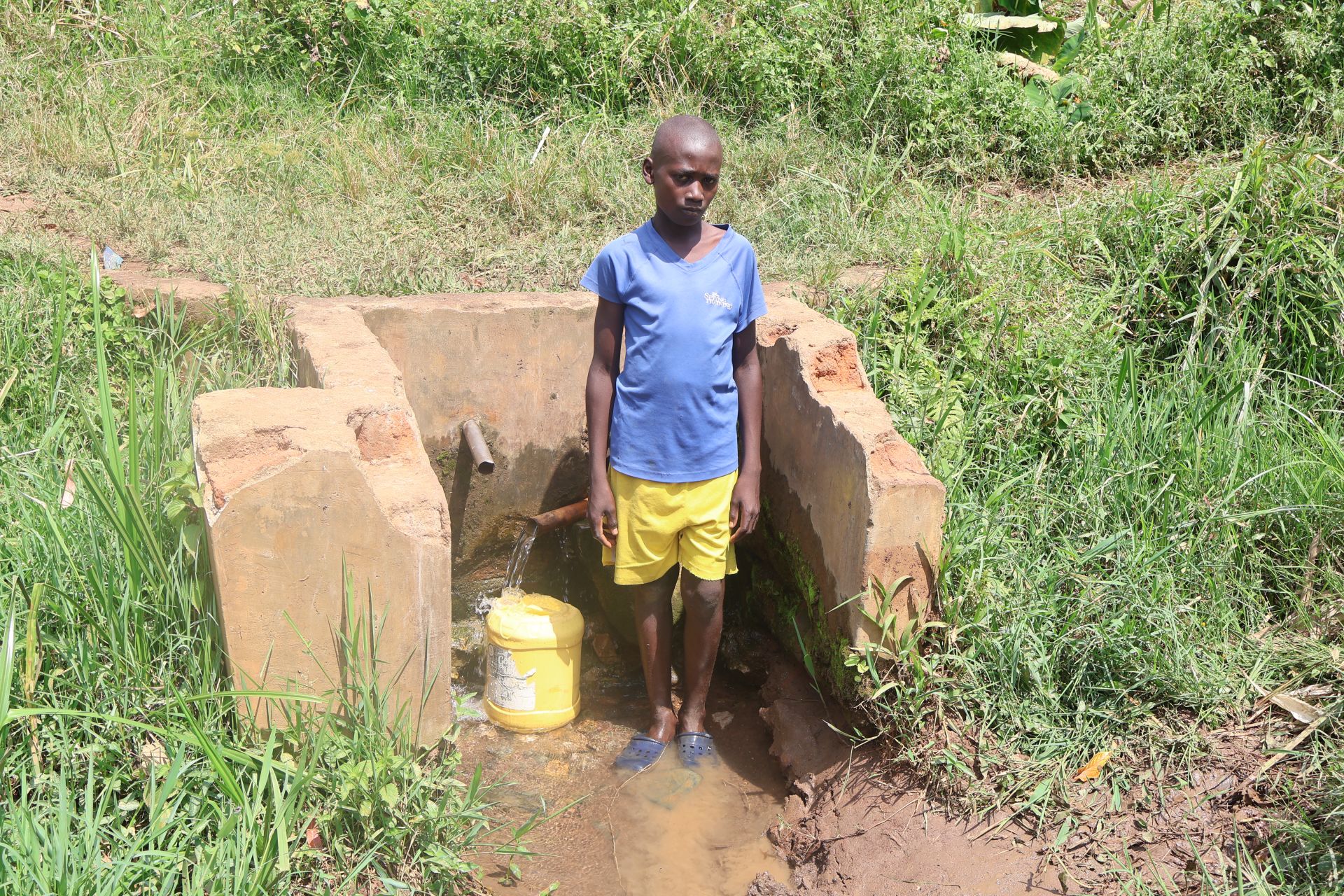
"Fetching water takes a long time because the path to the spring is muddy, and it is not easy to reach the water. We have to move carefully so that we do not fall. The water also comes out slowly because the pipe is damaged and much of the water leaks away. Sometimes I wait for a long time before I can get enough water to take home," Evance said.
The uncertain footing at the spring weighs on him too. He described feeling uneasy every time he approached the waterpoint, aware that one misstep on the slick ground could lead to a fall.
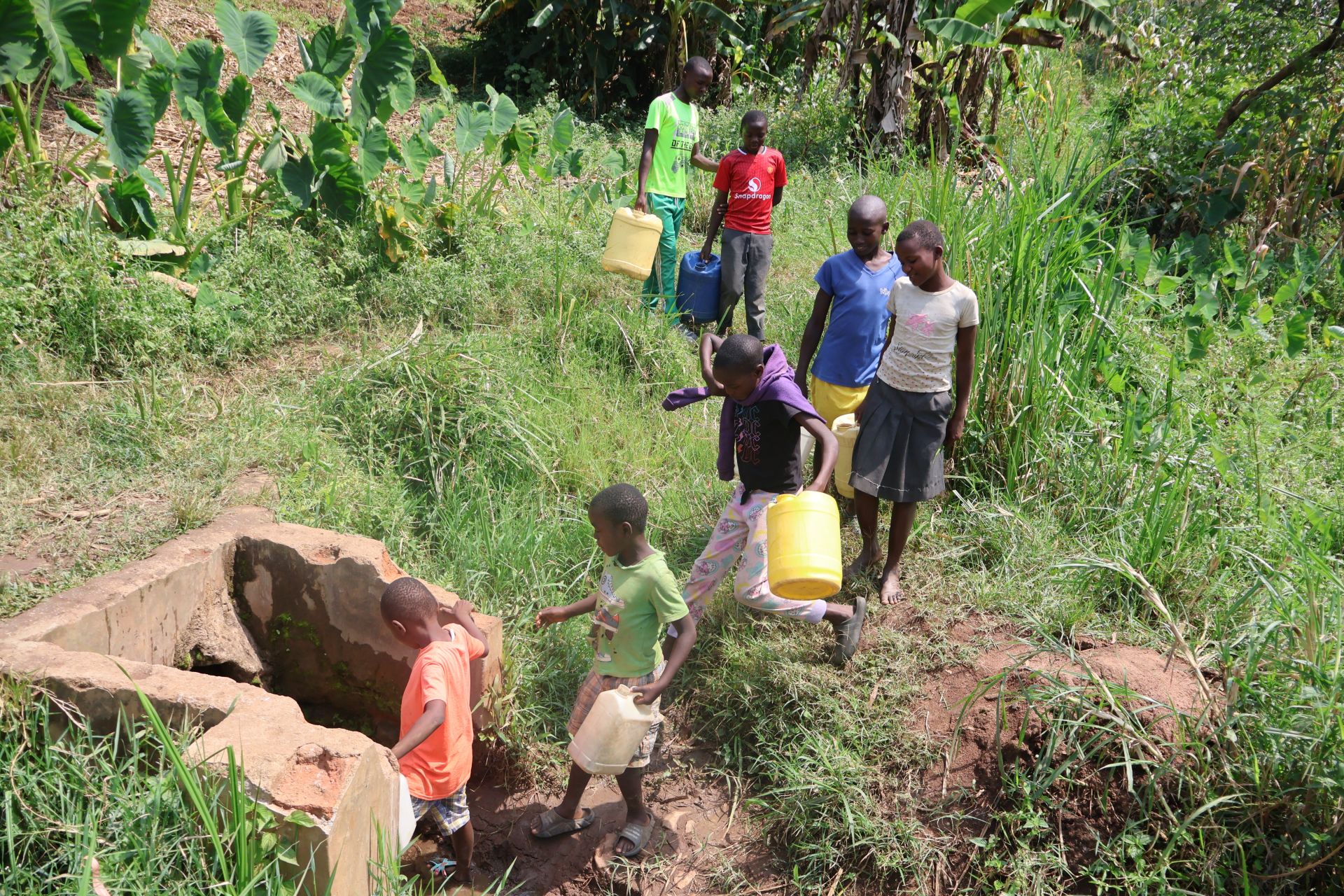
"I am worried about the safety of our water source because the spring is not in good condition. The place where we collect water is muddy and slippery, and I am afraid of falling while fetching water. The water point is also damaged, and sometimes dirty water can mix with the spring water," Evance said.
These long, difficult trips also cut into the parts of his day that matter most. Evans said the time spent waiting and walking for water often comes at the expense of school, leaving him arriving late, tired, and with less time for homework.
"Fetching water affects my time at school and my exam results. Sometimes I spend a lot of time waiting for water because the spring is damaged. I may arrive late at school, feel tired, and have less time to do my homework and study. A protected spring would help me get water faster and have more time to learn," Evance said.
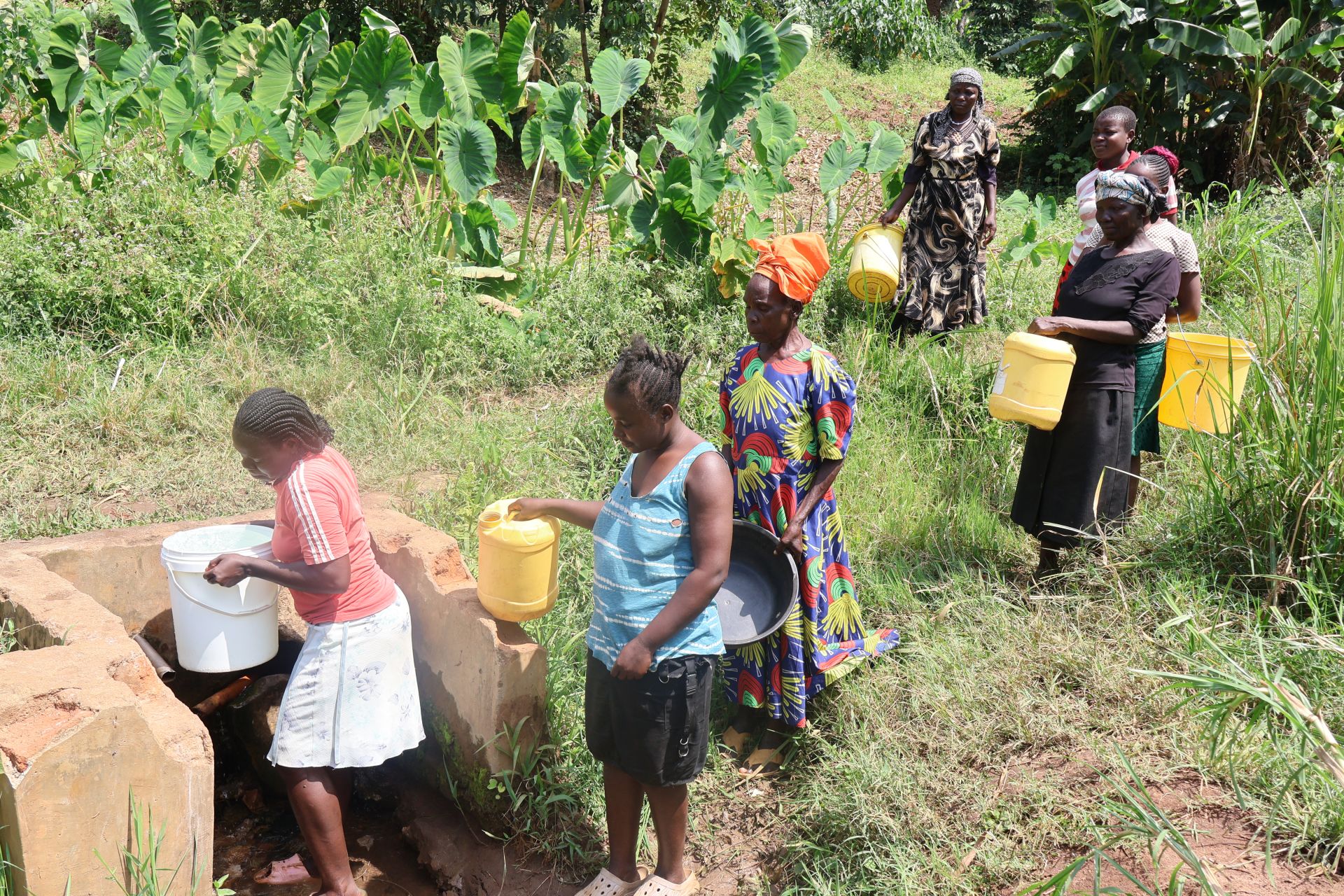
Despite these setbacks, his ambitions remain clear. "My plan for the future is to become the president when I grow up. I want to help people and make sure all have better roads, clean water, good schools, and better lives. I will work hard in school so I can achieve my dream and help others," Evance said.
A rehabilitated spring would do more than shorten Evans's daily walk. It would remove a source of daily fear and give him back time for school, rest, and simply being a kid.
"A new water point will make me safer by giving me clean and protected water to drink. I will not worry about getting sick from dirty water. It will also make fetching water safer because the place will not be muddy and slippery, so I will not risk falling. Having safe water nearby will help me stay healthy, improve in my school, and pass my exams," said Evance.
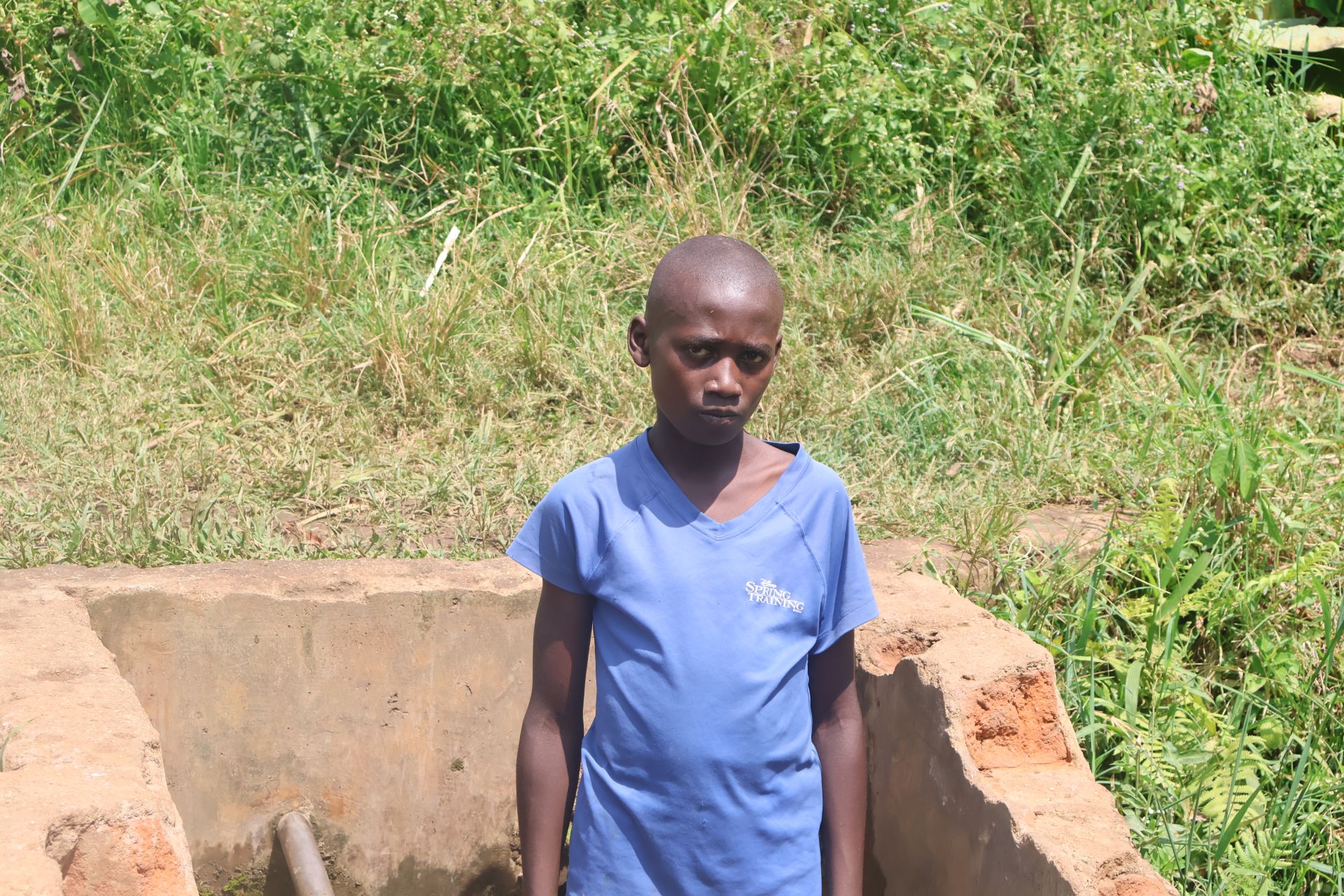
For Evance and the rest of the Muwasi community, a protected waterpoint means safer footing, healthier days, and more room to chase the future he's already imagining for himself.
Steps Toward a Solution
Our technical experts worked with the local community to identify the most effective solution to their water crisis. They decided to safeguard the existing flowing spring.
Spring Protection
Springs are natural water sources that originate from deep underground. As water travels through various layers of the earth, it undergoes a natural filtration process, making it cleaner and safer to drink. To protect these spring sources from contamination, we construct a waterproof cement structure around layers of clay, stone, and soil. This design channels the spring water through a discharge pipe, facilitating easier, faster, and cleaner water collection.
Chlorine Dispenser
As an extra measure towards water quality safety, uniquely engineered chlorine dispensers are installed at all of our spring protection projects so community members can treat their water with pre-measured doses of chlorine. The chlorine treats any possible contamination and stays active for two to three days, ensuring water stays safe to use even when stored at home. Chlorine delivery and maintenance of the dispensers are part of our ongoing community support.
Community Education & Ownership
Hygiene and sanitation training are integral to our water projects. Training is tailored to each community's specific needs and includes key topics such as proper water handling, improved hygiene practices, disease transmission prevention, and care of the new water point. Safe water and improved hygiene habits foster a healthier future for everyone in the community.
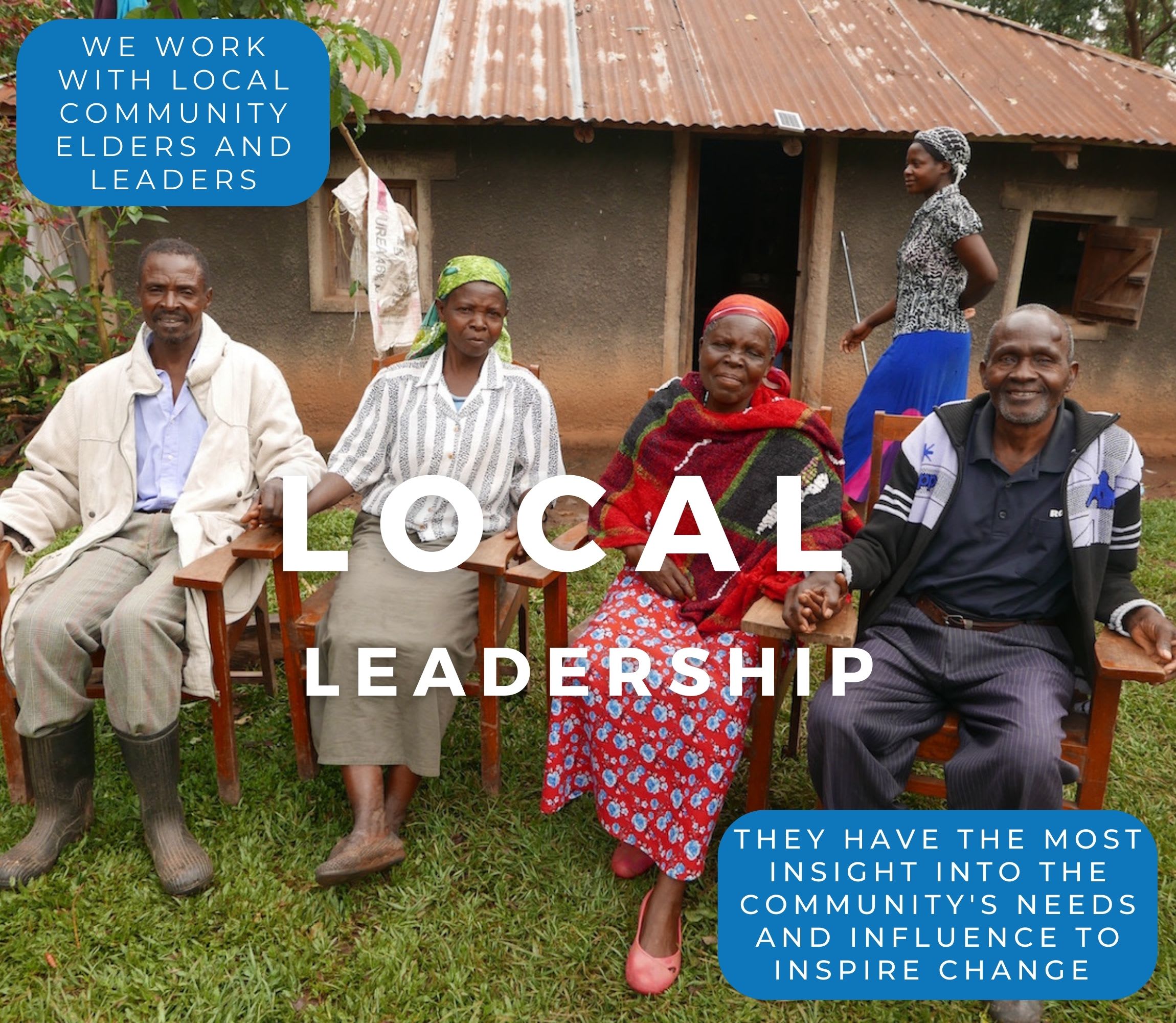
Encouraged and supported by our team's guidance, the community elects a water user committee representative of its diverse members. This committee assumes responsibility for maintaining the water point, organizing community efforts, and gathering fees to ensure its upkeep.