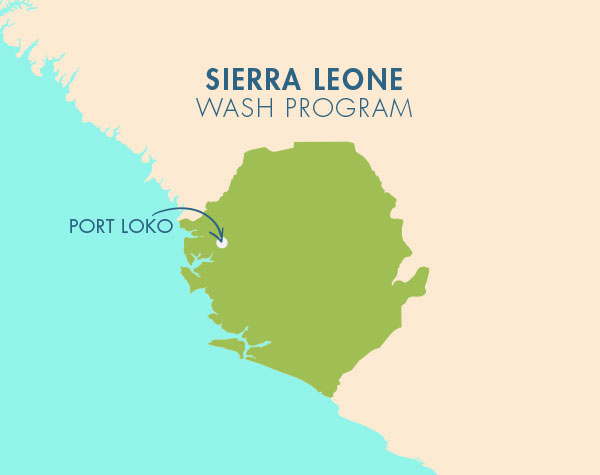
 Borehole Well and Hand Pump
 Rehabilitation Project









The number of students and staff at St. Augustine Jr. Secondary School has grown rapidly in the last couple of years. When we first visited the school and rehabilitated their dug well in 2023, the total student body consisted of 666 students. Today, they have 751 students and staff who struggle to collect sufficient water each day. The previously rehabilitated well can no longer meet the school's high demands, mainly due to periodic drying caused by climate change.
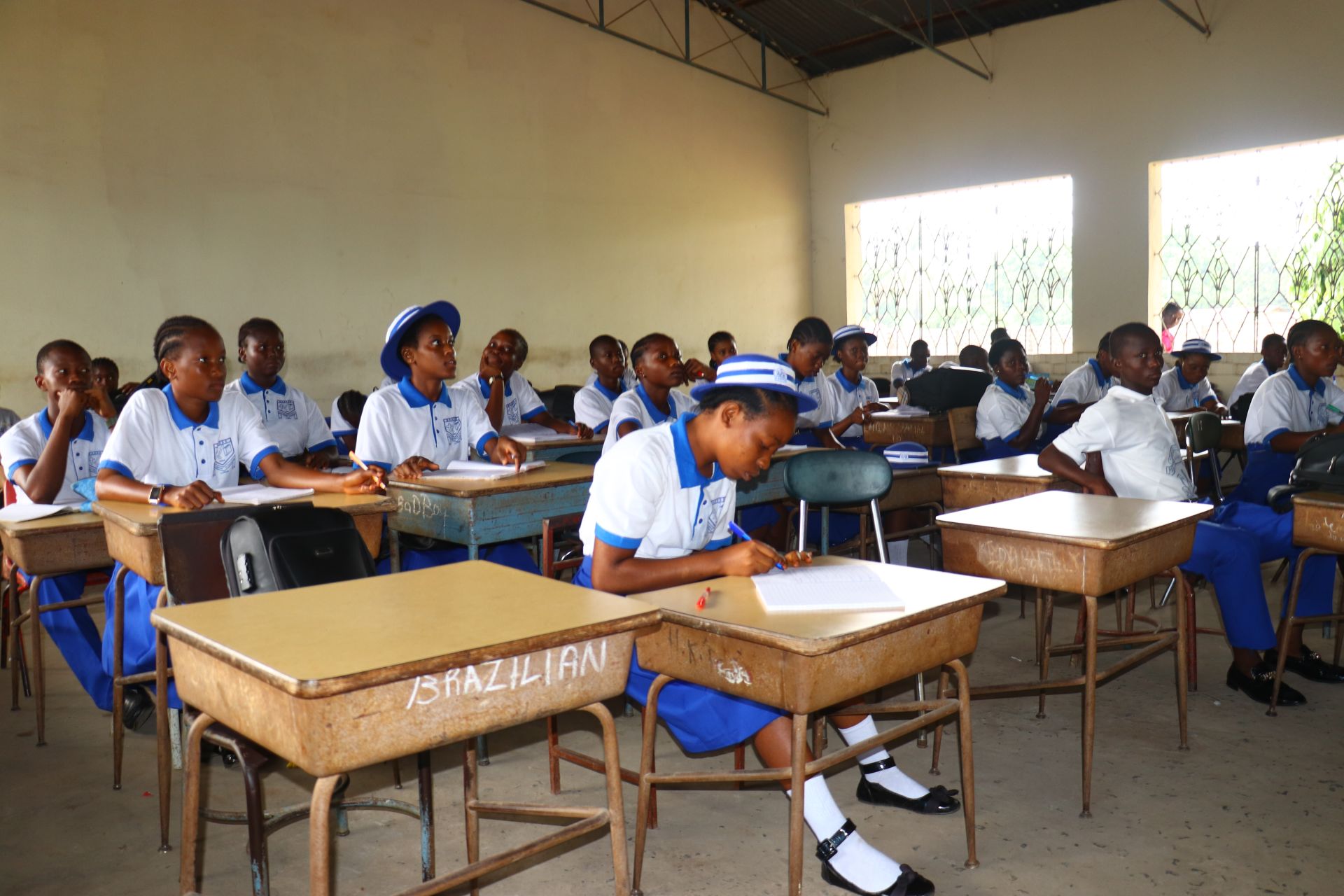
When their well runs dry or the line is too long to endure, students have no choice but to leave the school campus and collect water from the nearby secondary school or other community sources. It is a task that steals their time and energy away from learning.

The well that runs dry from overuse and seasonal dryness.
Field Officer Julius Sesay described the issues confronting the students and staff at St. Augustine Jr. Secondary School. "The importance of water cannot be overemphasized. It is evident that no institution can operate without water. This school is not an exception to this. The present water situation in the school clearly shows the need for a new borehole. This is because the well at the school ground[s] is not enough to serve the existing population, which is more than seven hundred."
"Imagine how it feels when students want to fetch water for drinking. The well would be jam-packed, and most students would not be able to fetch water at the time [that] they need it."
Fifteen-year-old Fatmata couldn't agree more.

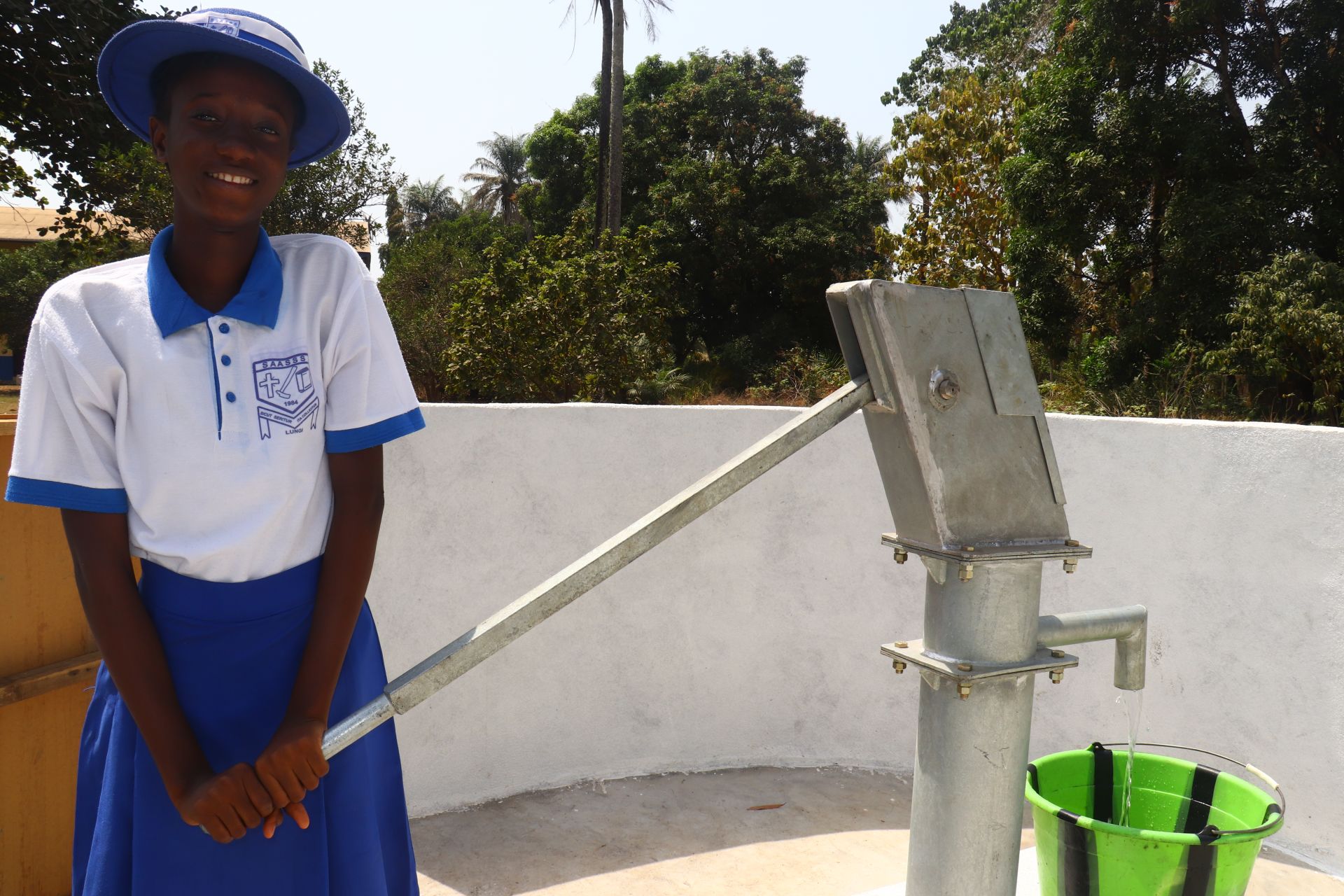
Fatmata (left) and a classmate walk to collect water.
"Waiting at the water point due to overcrowding makes me delay fetching water. In my class, we have an empty bucket that we must fill with water every day. We do this by schedule. So, if it's my turn, I must go and fetch water to fill the bucket. There are times [when] a lot of people will be at the well, especially during [the] lunch hour. Even the market women that sell food in the school ground will access the well to fetch water. All this causes delays. There are times, due to impatience, I will prefer to fetch water from the well at the senior secondary school, which is also challenging because of the walking distance," said Fatmata.
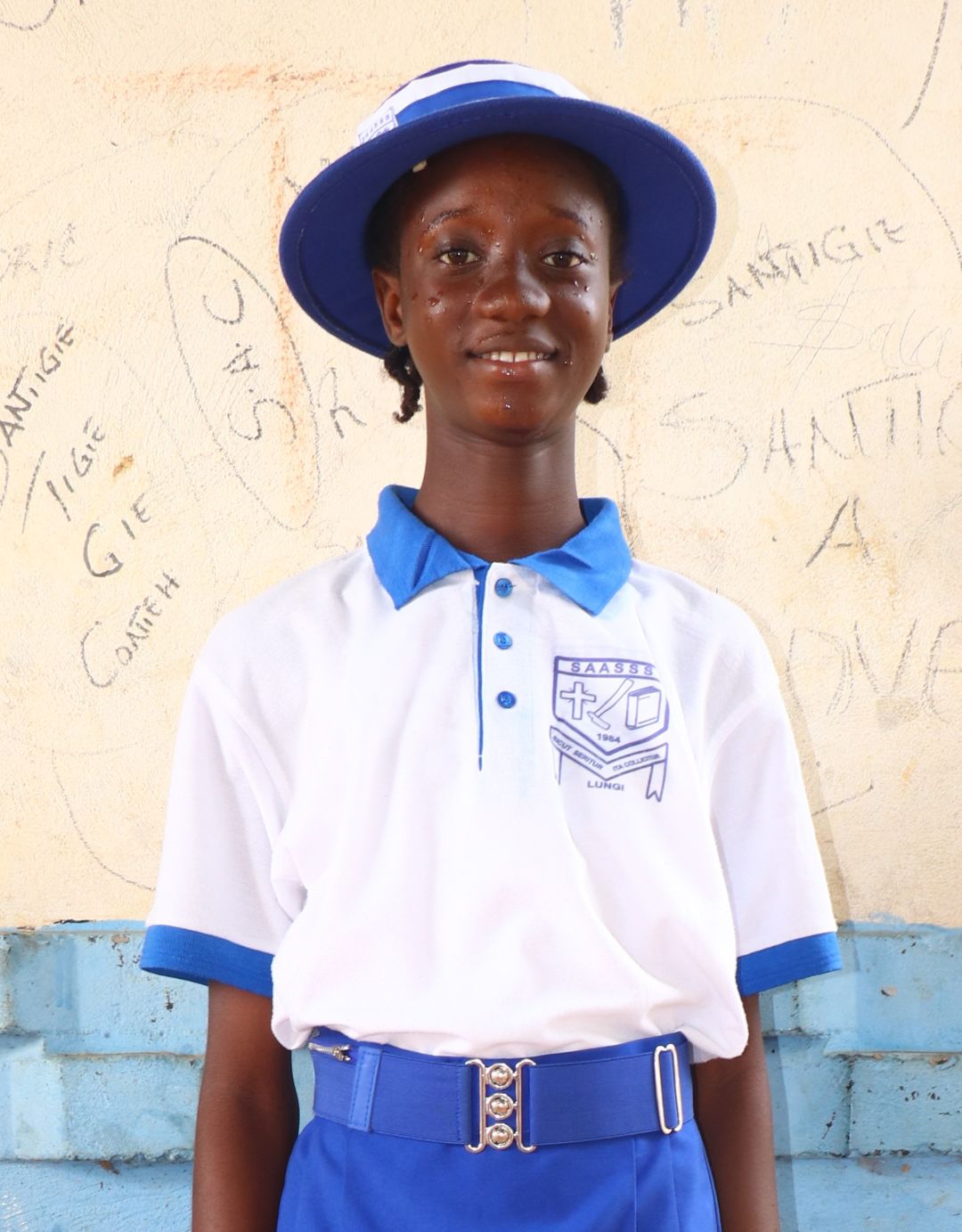
Fatmata.
"I feel unhappy each time it's my turn to fetch water to fill the bucket, and to fetch water for the cleaning of the latrines. This is because more water is needed for this purpose, and if the well is filled with a lot of people, I will delay doing this task," she continued.

Fatmata hopes to become a surgeon when she grows up. Still, without adequate water, her study time is consumed with fetching water, which hinders her academic progress and makes her dream feel nearly unattainable.
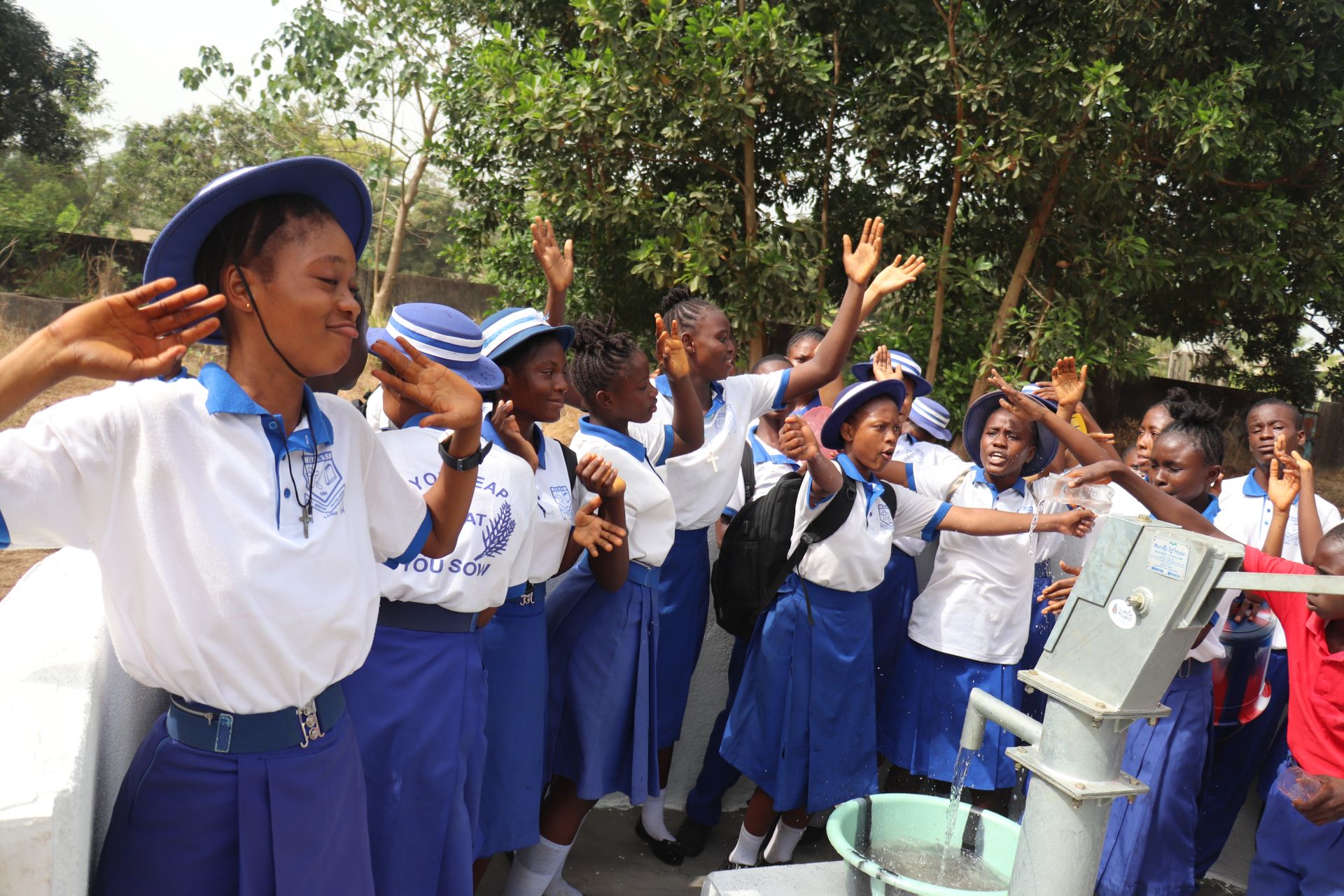
Installing a new borehole well for the school will free up students' time. This will hopefully allow Fatmata to quickly and efficiently collect water when needed, while still giving her sufficient time to pursue her dreams by studying hard, as her school motto suggests: "You reap what you sow."
Steps Toward a Solution
Schools without reliable, on-premises water access often rely on students to fetch and carry water, leading to rationing and uncertainty about water quality. The water is typically poured into a communal storage tank and used by the entire school. With children carrying water from all different sources, it is also impossible for teachers and staff to know exactly where the water comes from and how safe it is to drink.
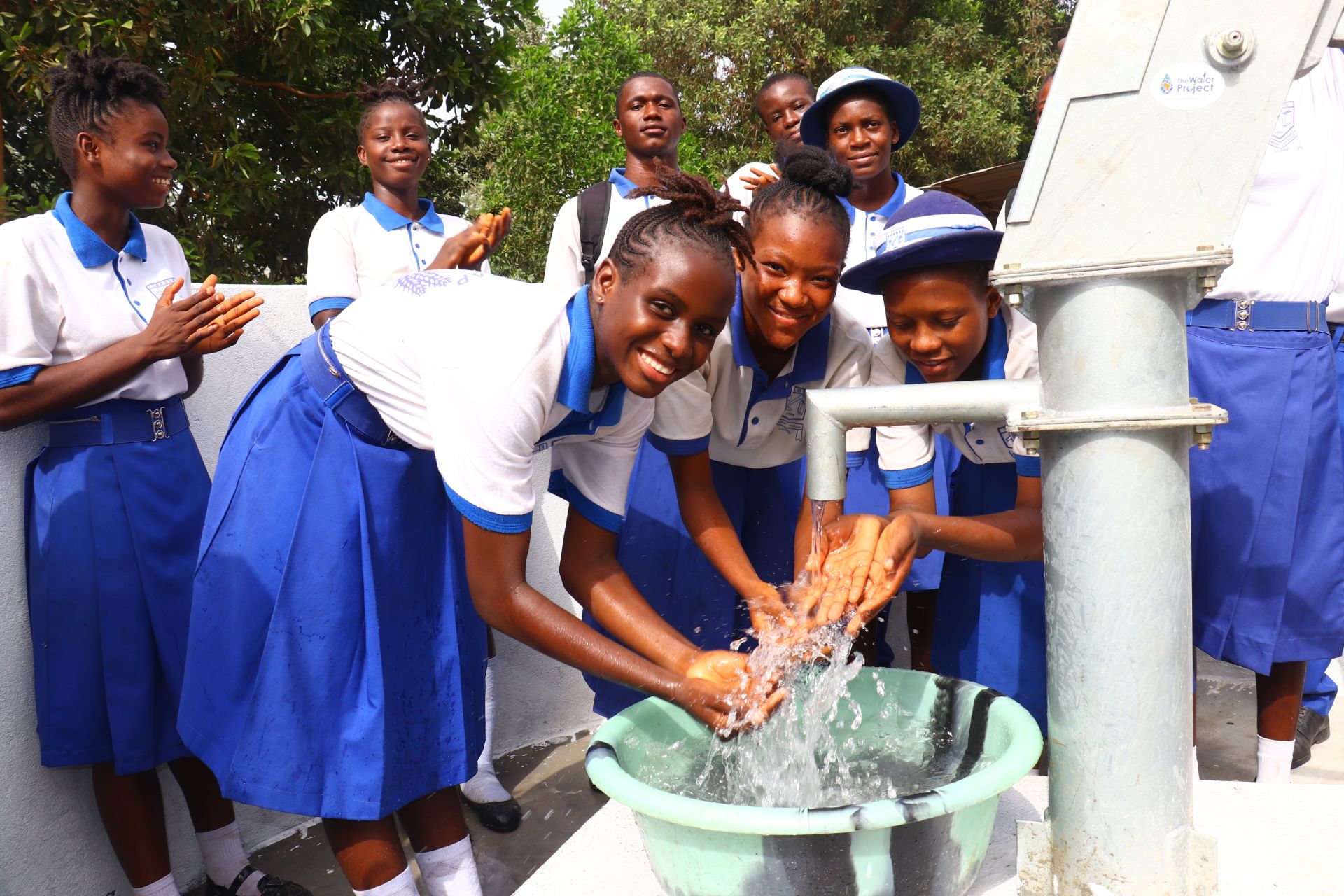
A new water point will be located on-premises at the school to ensure accessibility, reliability, and safety for students, teachers, and staff while meeting our school coverage goals. Having water available at the school allows children to drink, wash their hands, and use sanitation facilities without leaving school grounds, preventing disruptions to lessons and reducing safety risks. A dedicated source increases water availability, reduces reliance on stored water, minimizes rationing, and ensures confidence in the safety of the water. This means staff and students are healthier, and their lessons aren’t disrupted, contributing to a better education!
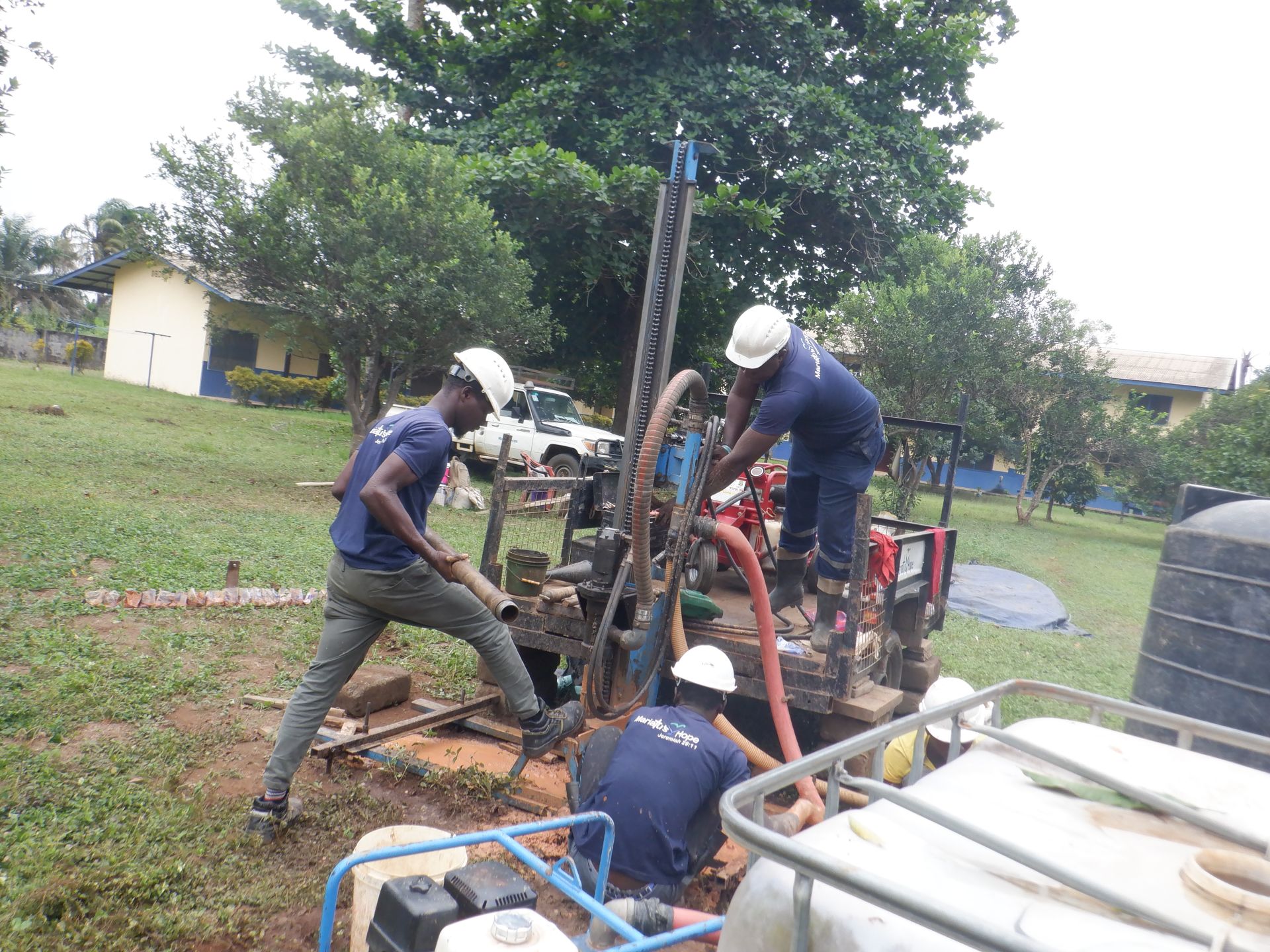
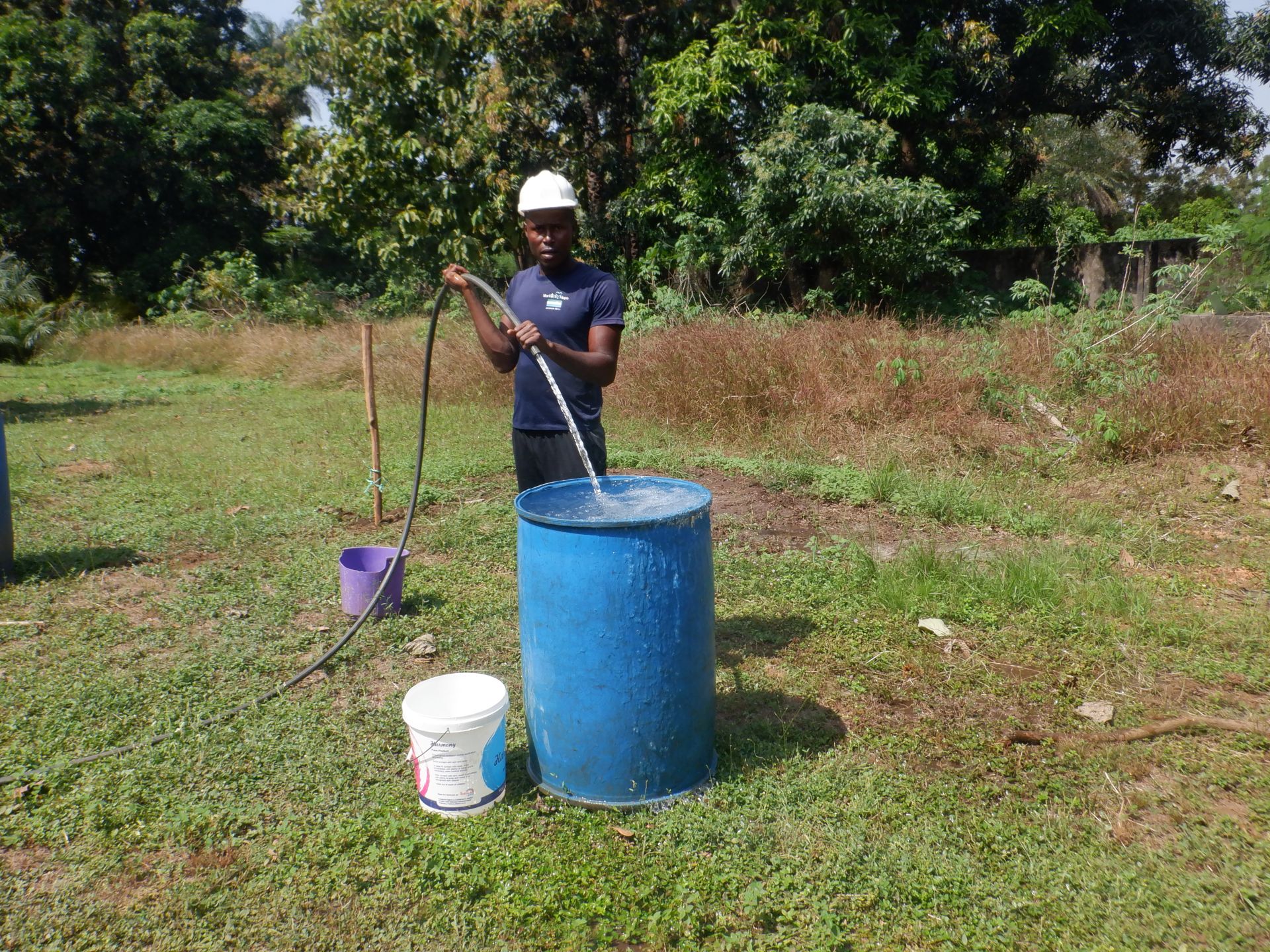
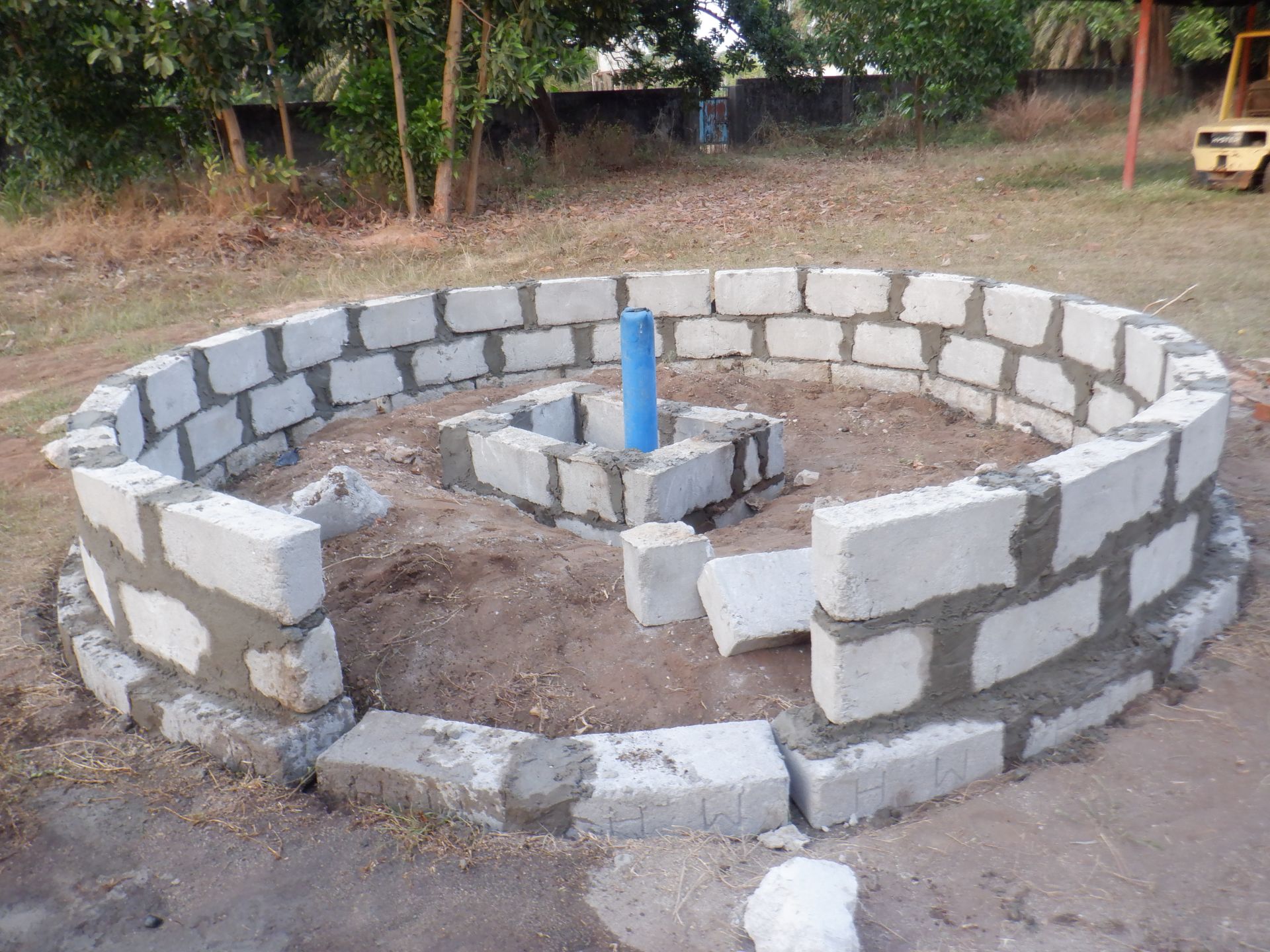
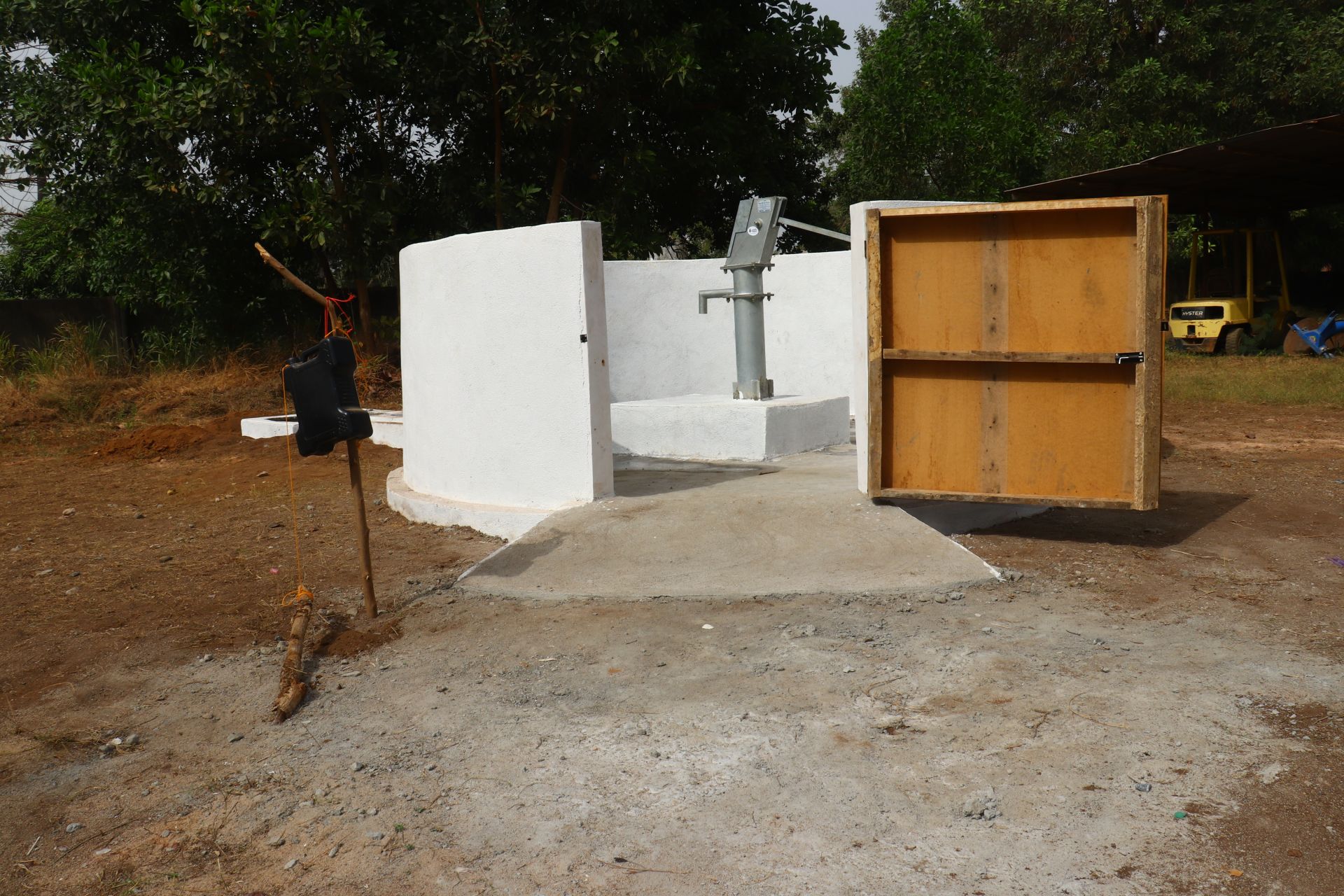
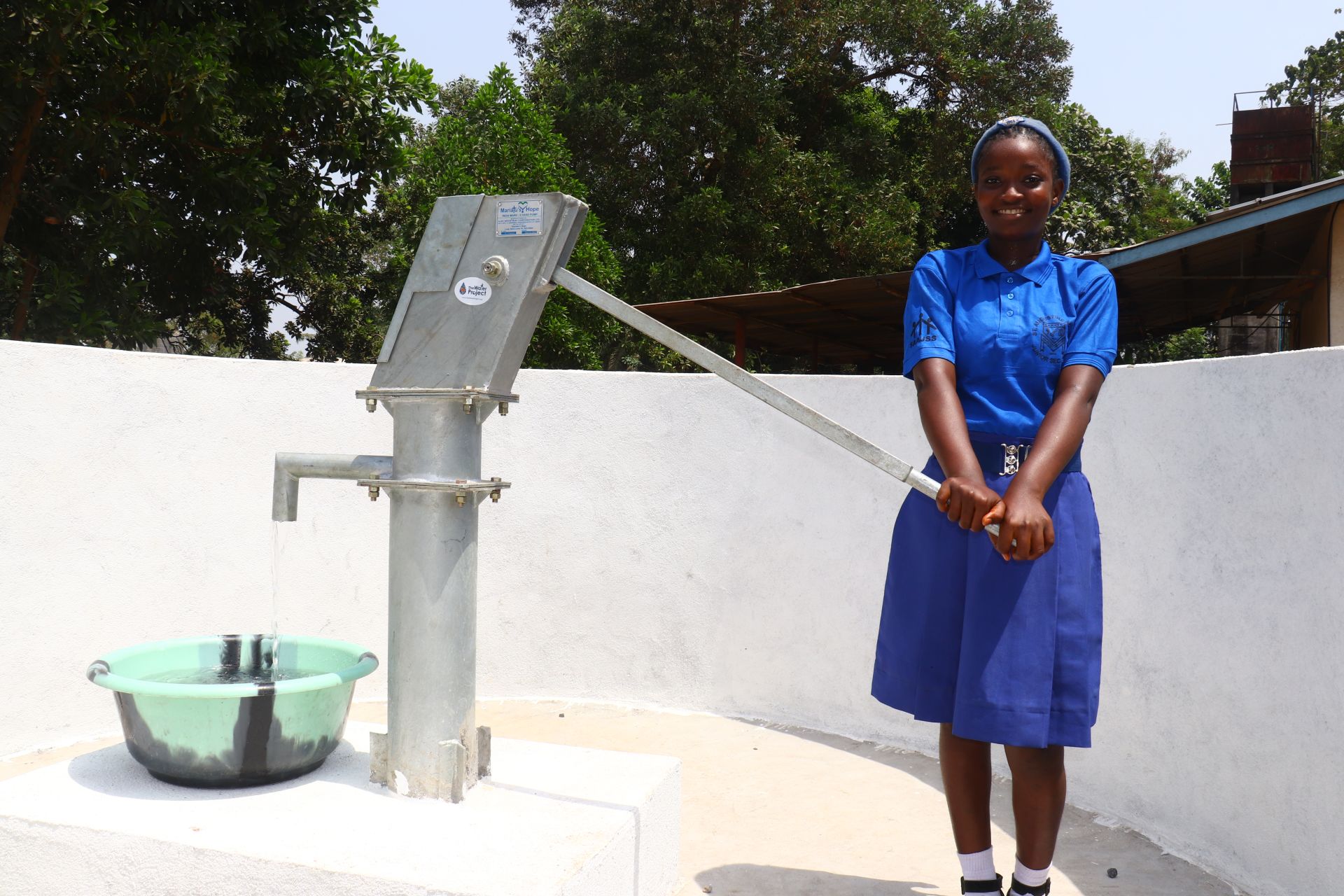
Our technical experts worked with the school leadership and local community to identify the most effective solution to their water crisis. They decided to drill a borehole well, construct a platform for the well, and attach a hand pump.
Well
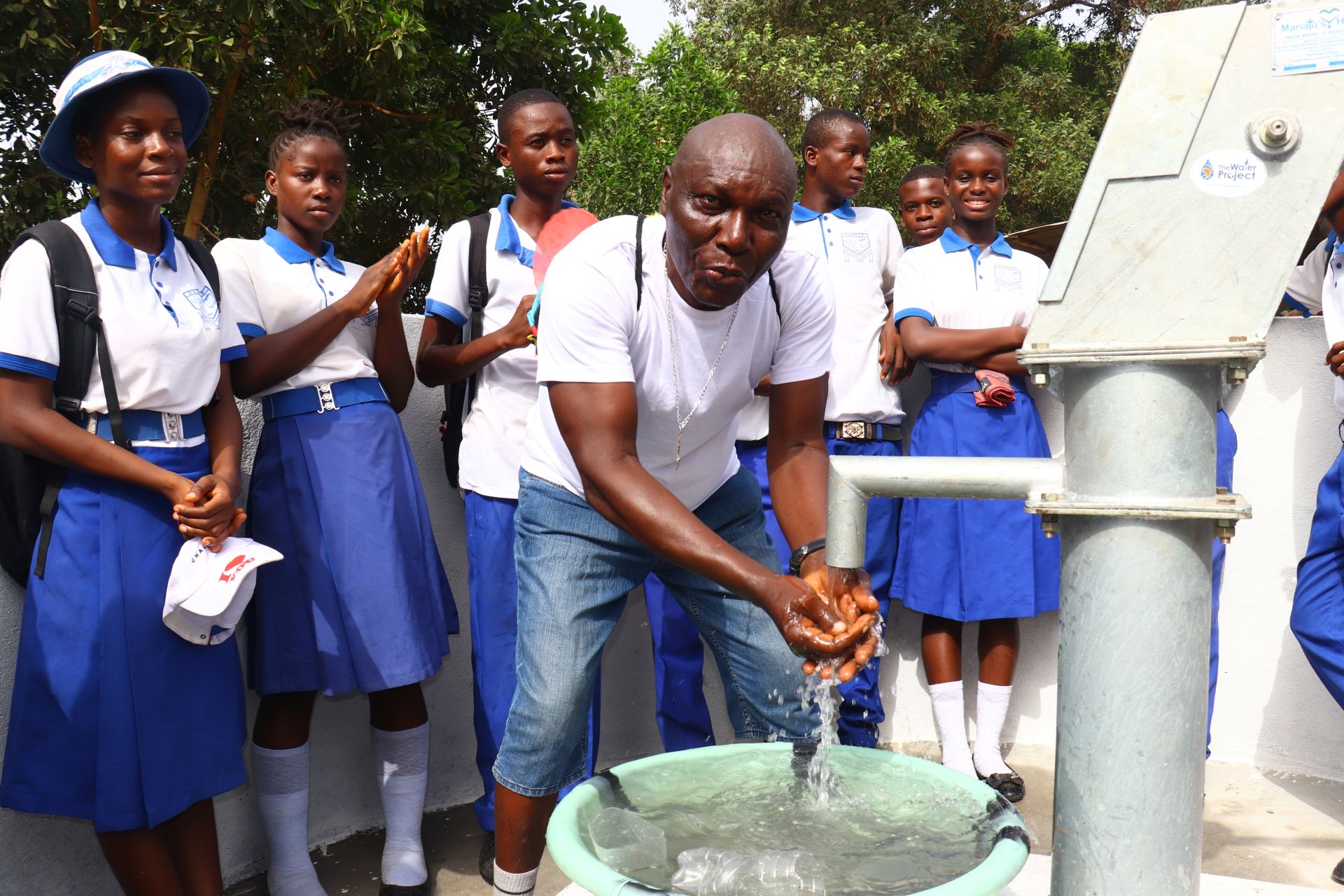
Abundant water often lies just beneath our feet. Aquifers—natural underground rivers—flow through layers of sediment and rock, offering a constant supply of safe water. A borehole well is drilled deep into the earth to access this naturally filtered and protected water. We penetrate meters, sometimes even hundreds of meters, of soil, silt, rock, and more to reach the water underground. Once found, we construct a platform for the well and attach a hand pump. The community gains a safe, enclosed water source capable of providing approximately five gallons of water per minute. Learn more here!
School Education & Ownership
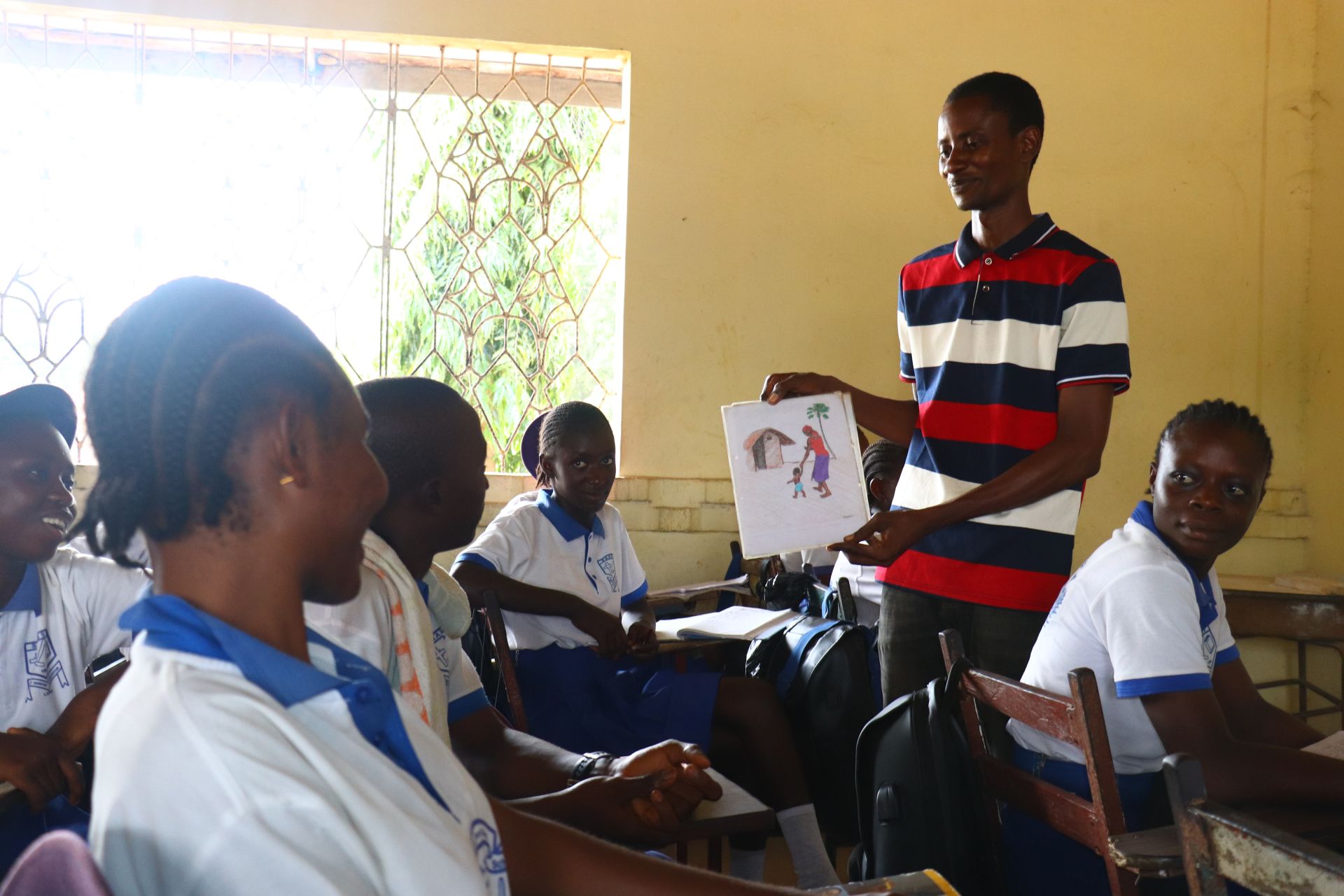
Hygiene and sanitation training are integral to our water projects. Training is tailored to each school's specific needs and includes key topics such as proper water handling, improved hygiene practices, disease transmission prevention, and care of the new water point.
To ensure a lasting impact, we support forming a student health club composed of elected student representatives and a teacher. These clubs promote hygiene practices schoolwide and keep handwashing stations well-stocked. This student-led model encourages a sense of ownership and responsibility.
Safe water and improved hygiene habits foster a healthier future for everyone in the school and the surrounding community.