A Pig IS a Plan: What Three Women in East Africa are Doing With Clean Water
There’s a pig in Alice Andeso’s yard, and the pig is the point.
The pig is also the part of the story we don’t usually tell. You probably know the story well: Donors fund a well. The well brings clean water. A child goes to school more easily, a household runs more cleanly, illness recedes. These framings are familiar and accurate.
But in the year after a community gets reliable water, something else starts happening that rarely makes the headline: people begin small businesses. They start raising animals. And the appearance of livestock, even a single pig in a single yard, is one of the clearest signals that a community has crossed from surviving to building.
We noticed it because it kept coming up. Three women, in two countries, naming a similar dream at three different stages of becoming.
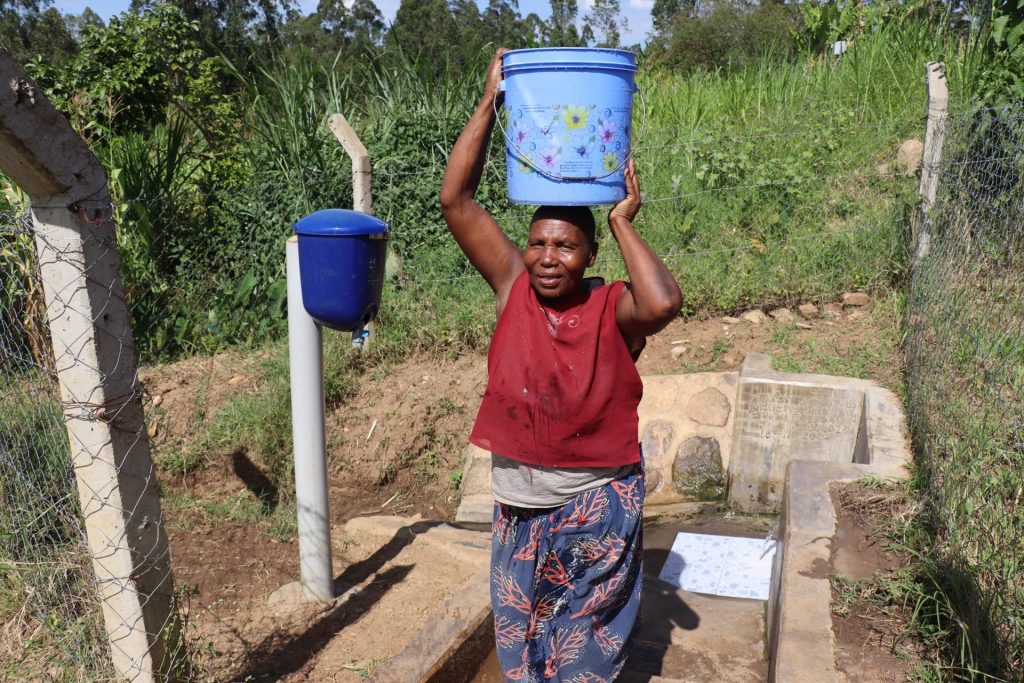
The Pig in Alice’s Yard
Alice is 66. She lives in the Khwihondwe Community in Western Kenya, and for most of her life, fetching water meant joining a crowd at an unprotected spring that frequently made her sick.
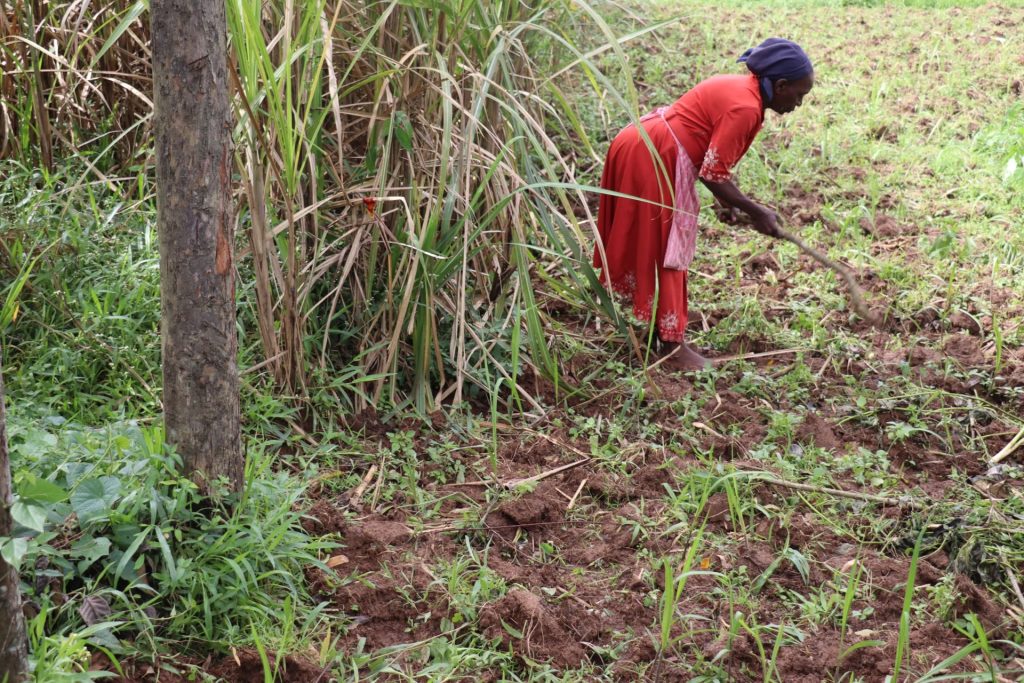
A year after the spring protection project, her routine is unrecognizable. She plants kale beside the spring. She has added ducks and chickens to her household. And she has a pig.
“I have a pig I am rearing, which I bought with saved-up money.”
That sentence is doing more work than it looks. Saved-up money implies a surplus beyond what daily survival demands. The pig itself implies a plan: animals are not impulse purchases. A pig is a months-long investment of feed, water, time, and care, against the future return of meat, breeding stock, or sale. Alice didn’t just escape hardship. She started a business.
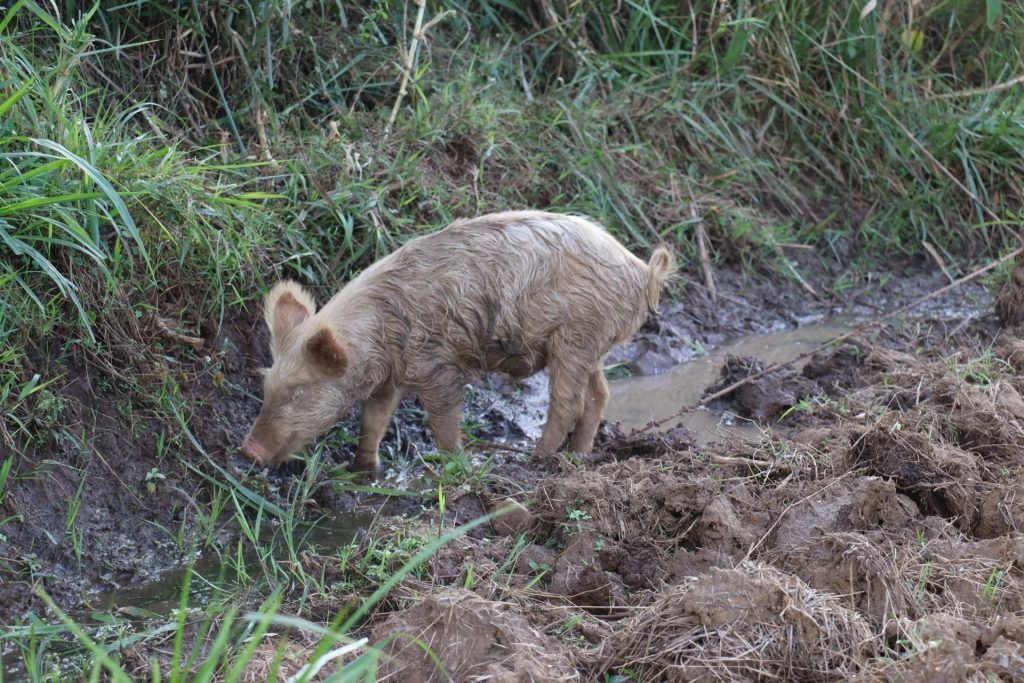
The Money Agnes Is Setting Aside
A country away, in Uganda, Agnes is one stage earlier in the same arc.
Agnes is 65. Before a borehole was installed near her village, getting water meant a daily climb up a steep hill with a loaded jerrycan on her head. With water now five minutes from her door, her mornings have transformed from ordeal into errand.
What is she doing with the time and the calm? She is saving.
“I am currently saving money to start a piggery project.”
She is doing exactly what Alice did, only one year behind. She knows that pigs need water, that consistent water makes consistent care possible, and that consistent care is what turns an animal into income. The borehole made the math work. Now she is working the math.
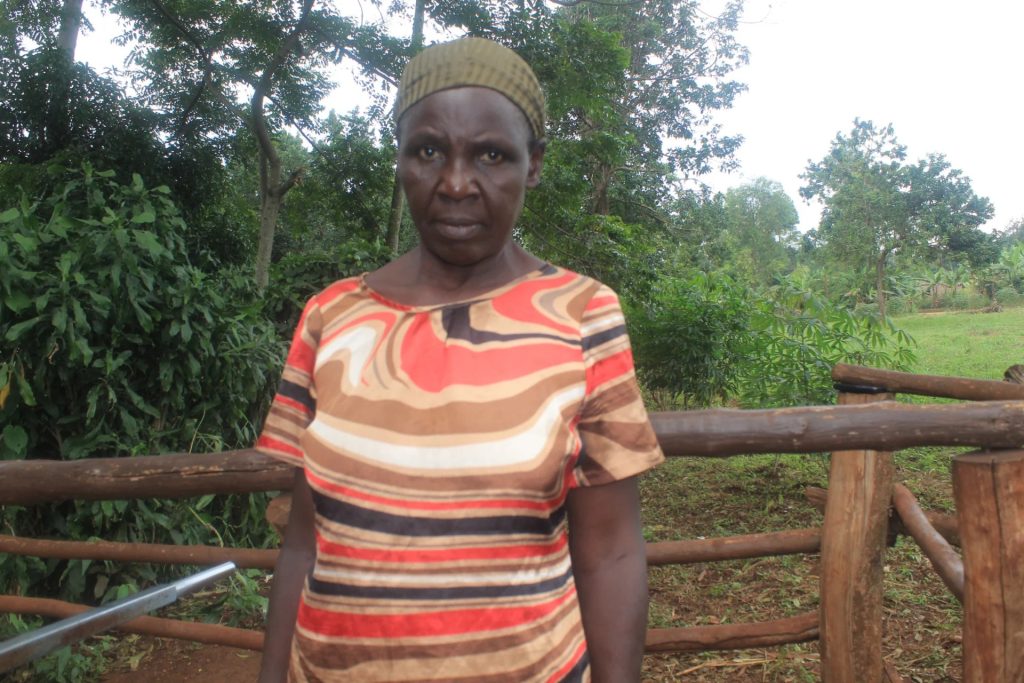
The Dream Salome Is Naming Out Loud
Back in Western Kenya, 65-year-old Salome is one stage earlier still.
Salome’s spring was protected last year. The chronic stomach illness that used to send her to the hospital instead of the field has eased. She’s been growing and selling vegetables, the first quiet sign that a household can produce more than it consumes.
And now she is beginning to name the larger ambition. Her dream, she said, is to move into “large-scale farming of both vegetables and poultry.”
She hasn’t bought the birds yet. She hasn’t set aside the savings yet, the way Agnes has. She is at the stage where the dream gets said out loud, but this is the stage that precedes everything else.
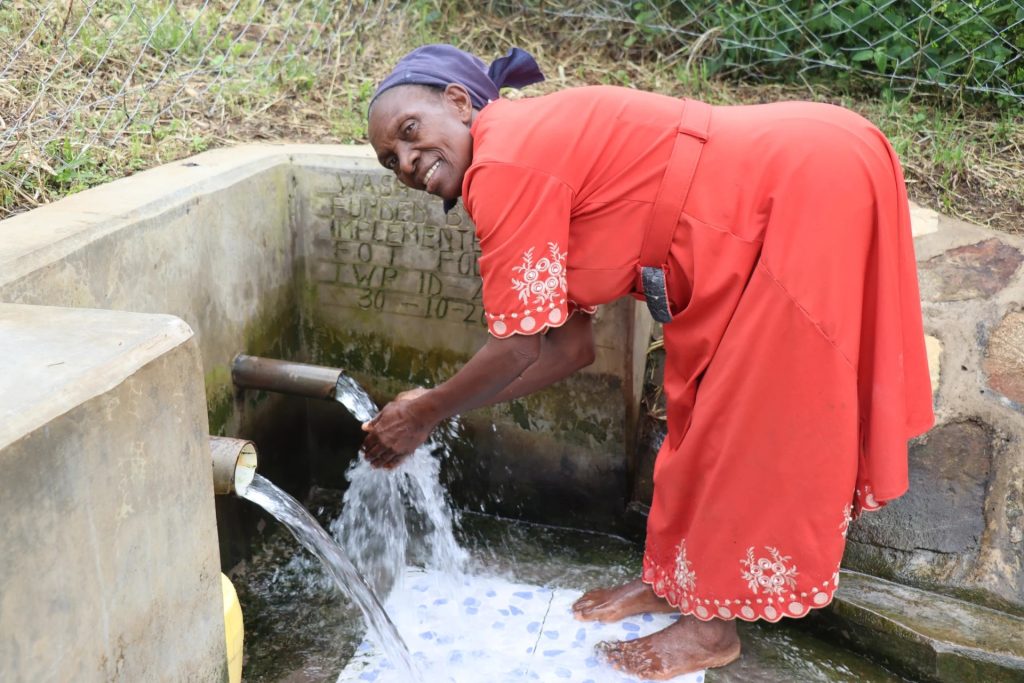
A Quiet Inversion
There is something worth pausing on here, because it reverses a familiar story.
In the old version of these communities, animals could sometimes be a problem. They wandered into the open scoop holes where people drew water. They shared rivers with the children sent to fetch water from them. The water source was where livestock and humans collided, and the collision almost always had a cost to human health.
After clean water arrives, animals go from threat to asset. The same households that once shared dirty water with cattle now choose to raise cattle of their own. The relationship between people and animals reorganizes itself completely. What was once a contamination risk becomes a savings vehicle.
This is what economic dignity looks like, in concrete form. Not a graph. But a pig.
First the Dream, Then the Pig
Salome, Agnes, and Alice will probably never meet, but their three lives trace a single, repeating arc, the predictable path that opens up when a community stops spending its mornings on water.
First the dream gets named. Then the savings begin. Then the pig appears.
When you fund a well, a spring protection, or a borehole, you fund the first of those steps. The rest follows on a timeline you don’t control and don’t need to. Salome will eventually have her poultry. Agnes will eventually have her piggery. Their futures look a great deal like Alice’s present. And Alice’s present was someone’s daydream a year ago.
The water makes the math work. The women do the rest.
More blogs by Vanessa:
Tweet