What the Path Remembers: How Clean Water Quietly Changed a Village in Rural Uganda
There is a path on the way to the river that has been walked for so long, nobody can remember who carved it. It’s too narrow for a vehicle. Too winding for an oxcart. It was made by feet, bare feet, mostly small ones carrying something.
The path doesn’t know it’s becoming a relic. It still curves through the brush the way it always has, dipping past the shrubs, threading between two anthills, descending finally to the riverbank where the women and children of Teopista’s community have drawn water for as long as anyone in the village can remember.
What the path doesn’t know is that fewer people walk it now.
A Record of Carried Things
A trail like this isn’t a feature of the landscape. It is a record of labor.
Every depression in its dust was made by a foot. Every smooth patch was polished by years of children passing in the same direction at the same time of morning. The roots that cross it are the roots that survived the foot traffic; the ones that didn’t are gone. The bend by the second tree is there because somebody, decades ago, decided it was easier to walk around the boulder than over it, and everyone since has agreed.
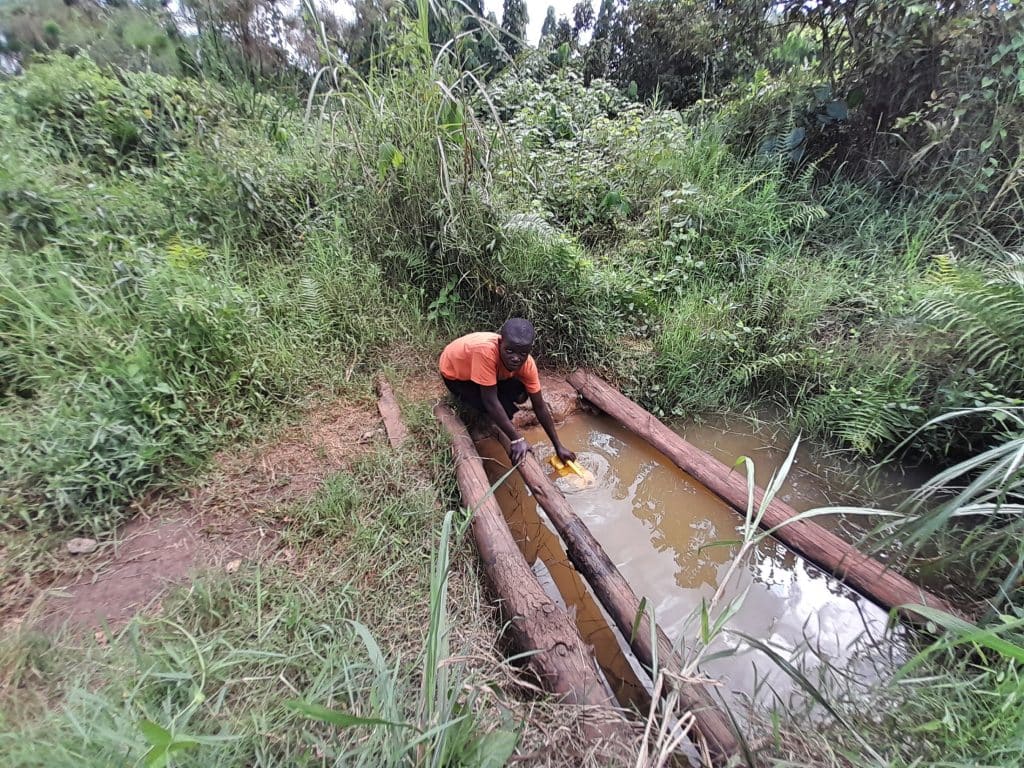
Eleven-year-old Teopista used to wake up before the path was light. She’d lift her container, step onto the trail, and follow it through the soft early air to the river. She knew where her foot would land before she put it down. The trail had been teaching her since she was a much smaller girl, when the container was lighter and her mother walked just ahead.
She was one of thousands of feet that had taught the path what it was.
What the Path Remembers
The river itself was never a clean source. Children who fetch water from rivers across rural Uganda know this. They know what the water tastes like in the dry months when it stagnates, what it smells like when livestock have been upstream. They know it carries cholera and diarrhea the way a careful container carries water: invisibly, faithfully, every day.
The path remembers all of this. The children who came back walking slower, with fevers. The mothers who walked it not for water but to fetch a sick child home. The long evenings when the line at the riverbank stretched and stretched, and the sun went down on small girls still waiting to fill their containers.
The Last Trip
Nobody knows which morning was Teopista’s last trip on this path.
It might have been an ordinary one. A cool morning, a container balanced on her head, a half-conversation with another child along the way. She might have walked it without noticing that her family had heard, the day before, that the new well at the edge of the village was working. She might have stepped onto the trail without knowing she would not need to step onto it again.
Or it might have been a morning she already knew about. A morning she chose to walk the path one more time, to see the riverbank, to fill her container the old way before her routine changed forever.
We don’t know. The path doesn’t, either. What it knows is that something it used to feel every day, the weight of small bare feet before sunrise, slowly stopped happening.
Quiet Abandonment
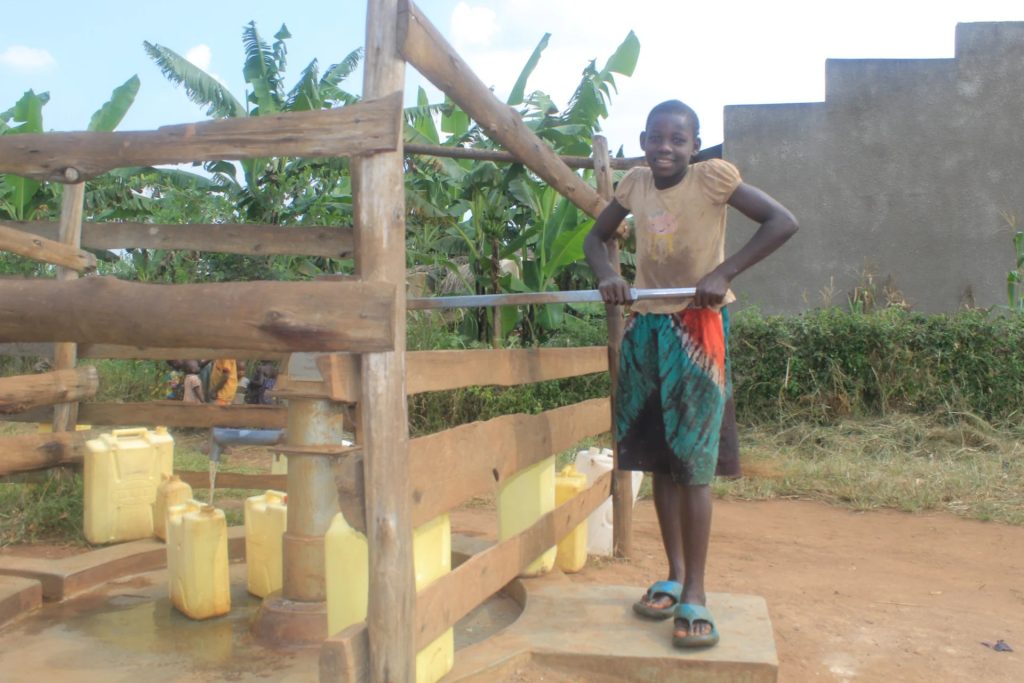
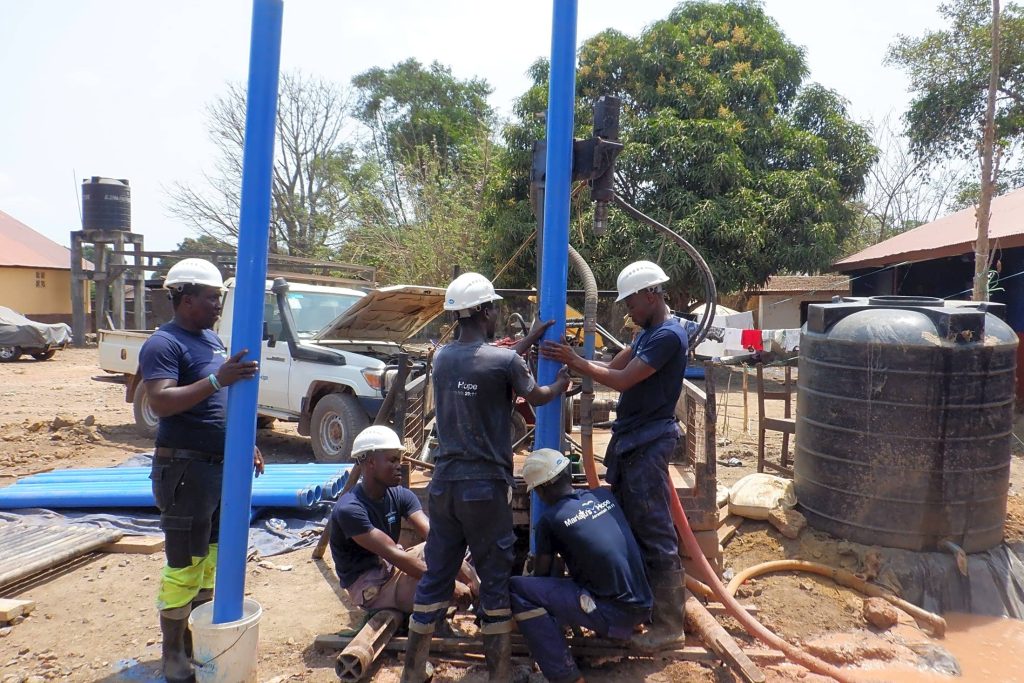
A well was installed near Teopista’s home. The water comes cleanly, and quickly, and close.
“More convenient and stress-free,” she says about the change.
Her schoolwork has gotten easier. Her family washes their utensils more consistently. Her evenings belong to her. These are the changes that get measured, the changes that fit on a spreadsheet.
The change to the path doesn’t fit on a spreadsheet. It is a slower, quieter change, and at first it looks like nothing at all.
Where once a hundred trips were made along it each day, now there are ten. Then five. Then sometimes none. The dust on it stays loose longer. The smooth patches start to grow over. The roots that the foot traffic kept down begin to push back up through the surface.
This is what a community looks like when clean water finally reaches rural Uganda. Not a ribbon-cutting. A path going quiet.
The Marks Stay
The path will be there for a long time. Paths don’t disappear quickly; they fade. For years, you will still be able to see where it goes. You will see the bend by the tree, the careful way it threads between the two anthills, the descent to the riverbank where children once stood in line.
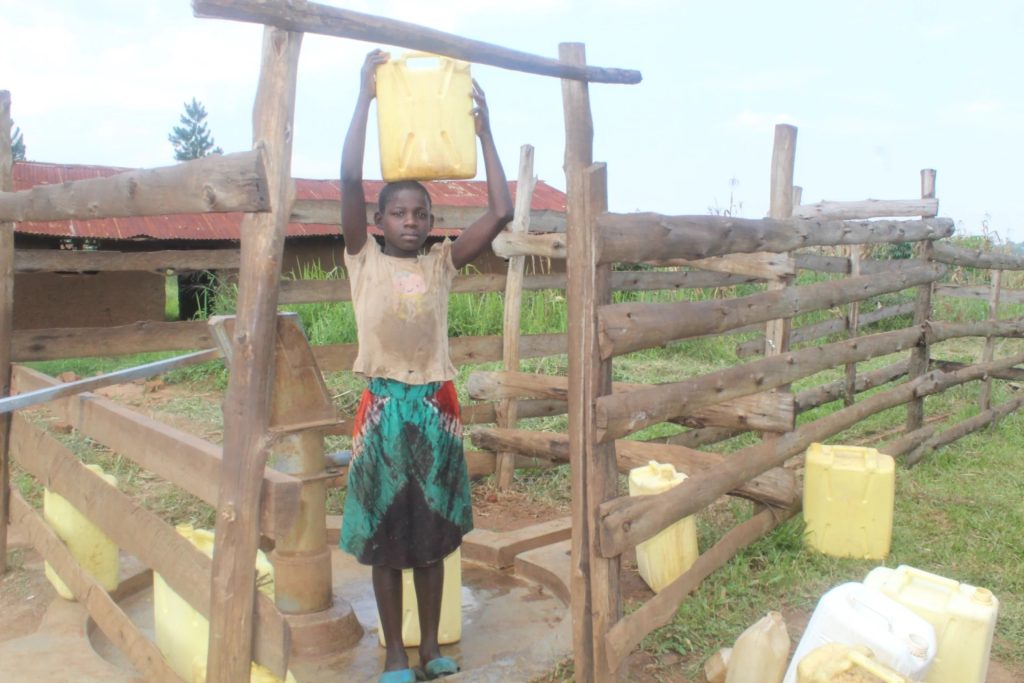
But the feet that taught it what it is will mostly be elsewhere. They will be in classrooms, finishing assignments. They will be at home, helping with the cooking, not too tired to read by lamplight. They will be walking shorter walks to closer water.
Sometimes the deepest changes a community can make are recorded not in what gets built, but in what gets left behind.
The path that Teopista used to walk every morning is being left behind. It is not being mourned. It is being released.
And in the place where her feet used to land at six in the morning, the dust is starting, slowly, to forget.
More blogs by Vanessa:
Tweet