Before Getting Their Own Sand Dam, They Went to Build Someone Else’s
In Kenya’s drylands, prolonged drought dries up water sources, reduces crop and livestock production, and forces families to travel long distances in search of water. The burden is especially heavy in arid and semi-arid communities, where every drop counts.
For the members of Kamutekeo West Twone Mbee Self-Help Group in Mavui Village, Kitui County, water has always been more than something to collect. It shapes how families spend their days, how much they can farm, and even the hygiene practices they are able to maintain at home.
Residents walk three hours or more to seasonal rivers, where they rely on scoop holes to collect water. During dry periods, the journey is exhausting and uncertain. Every jerrycan carried home represents hours that could otherwise be spent farming, caring for children, tending livestock, or handling other work at home.
Families have to make difficult choices about how much water goes to cooking, cleaning, washing, and other domestic needs. For a community already living with the pressures of an unpredictable climate, the lack of a dependable water source adds another layer of vulnerability.
Now, the community is beginning to imagine something different.
A Different Kind of Water Source
Working with The Water Project and our partner on the ground in Kenya, the group is preparing for a sand dam and shallow well: a water solution designed to capture and store water within the sand deposited behind the dam, and to make that water accessible to the surrounding community.
The Build Day
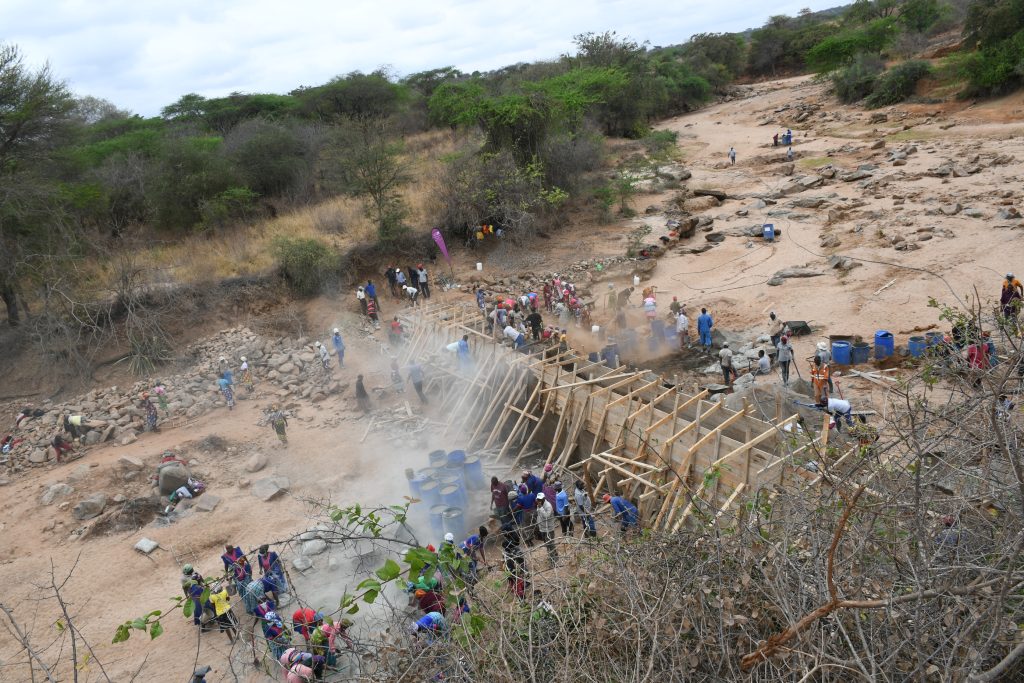
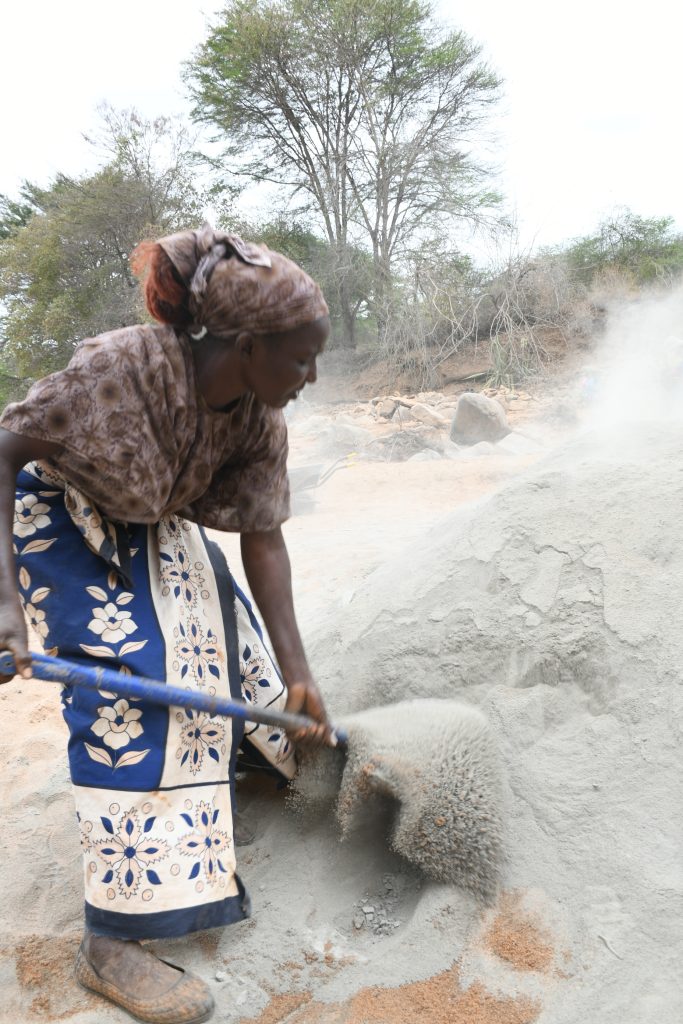
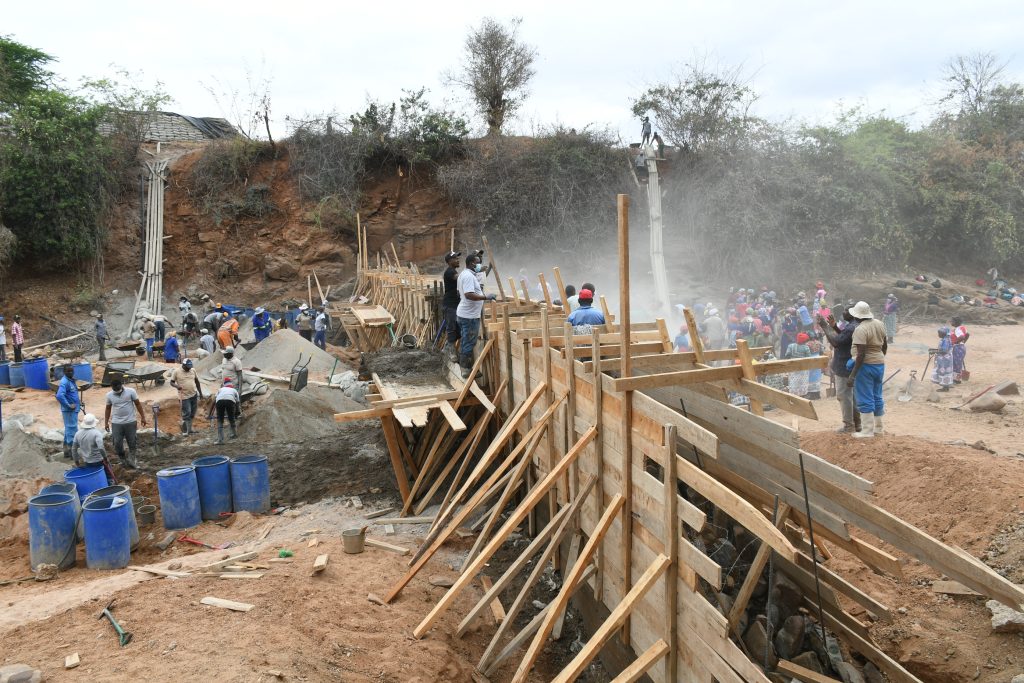
Ahead of their own project, group members turned out for the construction of an earlier sand dam nearby. Our field team was there to support the work, alongside other community groups helping to see that project through.
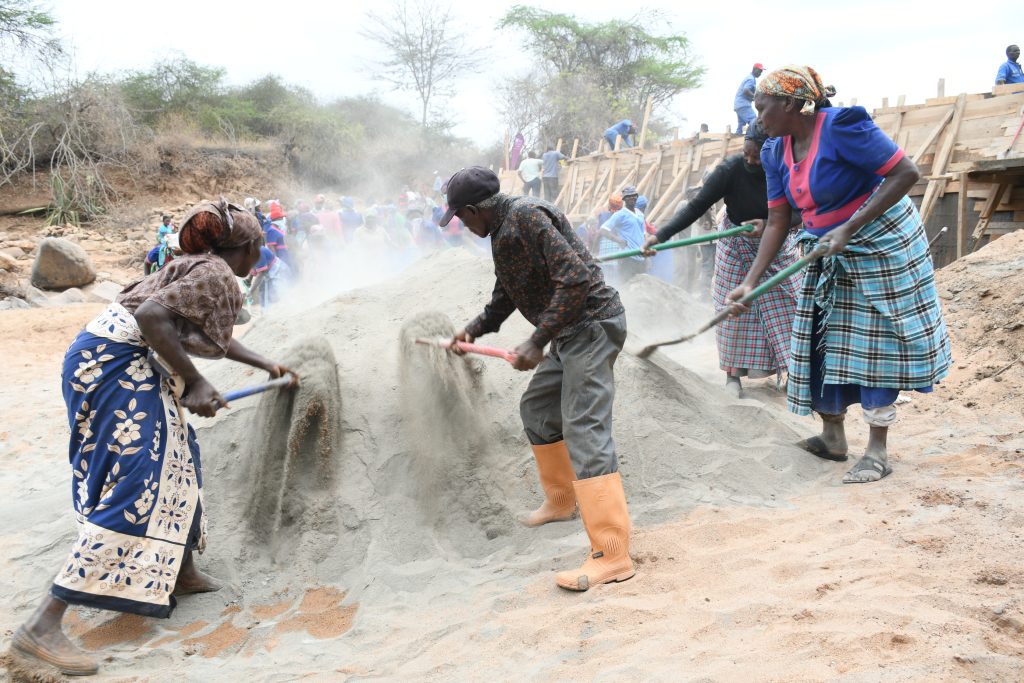
Jemimah Mutemi is the group’s secretary. For her, the day was not simply another community activity. It was a chance to see what collective effort could make possible.
“I am so happy today, I even lack words to express myself. I have learnt that unity is strength.”
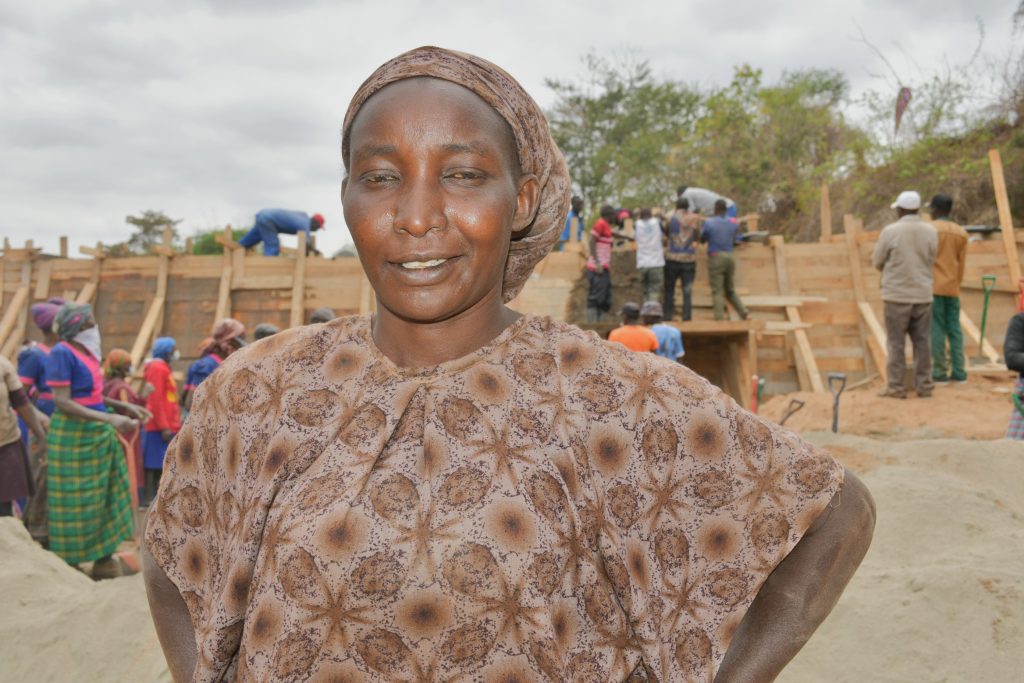
A sand dam may be made of concrete, stone, sand, and other materials. Still, its success ultimately depends on the people: their willingness to contribute, work together, protect the infrastructure, and take responsibility for the resource.
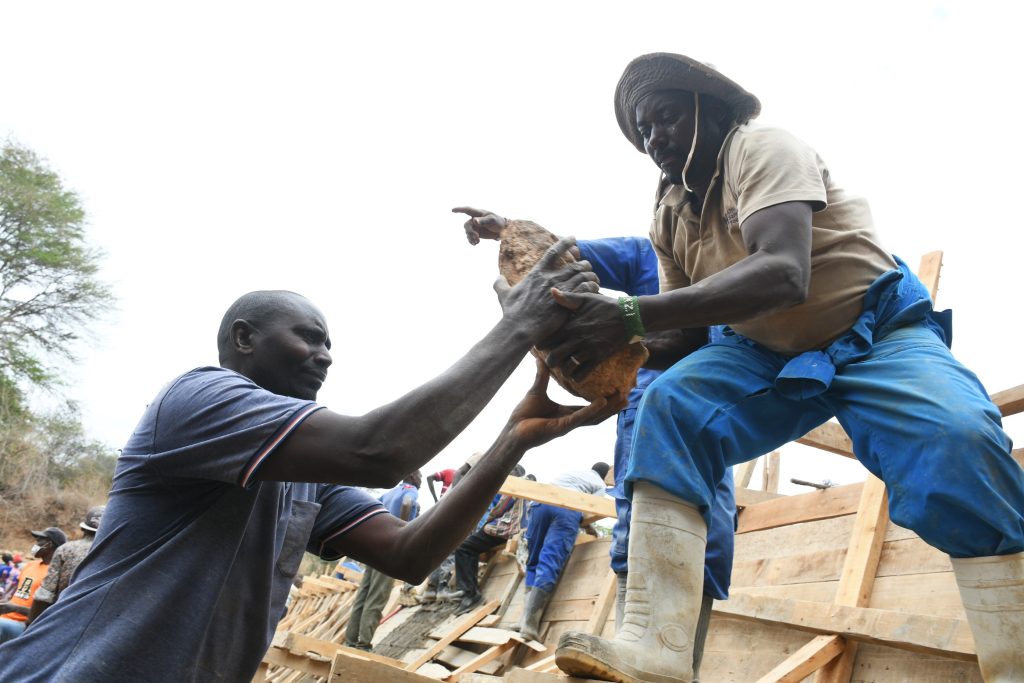
She was particularly encouraged that people from neighboring communities had also been inspired by what they were seeing.
“Even the neighboring community members have been inspired by this project and I believe in their hearts they have felt good about this project.”
For Boniface Kyele, 50, the significance of the work ahead goes beyond reducing the distance people travel for water. He sees a sand dam as an investment in the wider resilience of the community.
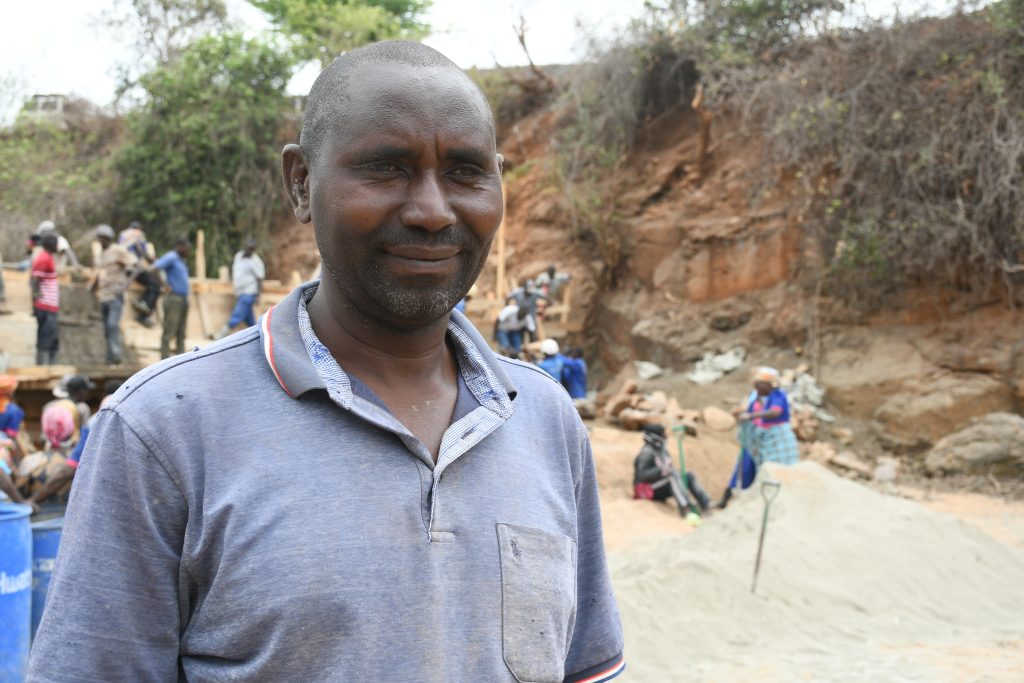
“This project will raise the water table in our area, which will benefit our community. It will minimize vulnerability to water-related issues and improve the livelihoods of residents of this village.”
The First Thing That Changes Is Time
Perhaps the most immediate change the community hopes to experience is something that cannot be stored in a tank or measured in liters: time.
For a community accustomed to walking long distances for water, reducing that burden could have effects that extend well beyond the water point itself. With water closer to home, residents can begin considering possibilities that were previously difficult to sustain.
Boniface also sees potential economic benefits beyond farming.
“Also, people who will be working on residents’ farms will also get jobs.”
It is an early indication of how water access can influence a local economy. If households can farm more consistently, they will need help to do it, and that work goes to people who live nearby.
These are possibilities, not guarantees. But they are possibilities that become more realistic when water is closer and more dependable.
After Everyone Goes Home
The day was a reminder that development is not only about constructing infrastructure. It’s also about who takes care of it after everyone goes home.
Jemimah’s reflection on unity, and Boniface’s emphasis on time, livelihoods, and resilience, reveal what this project means from within the community itself.
A sand dam and shallow well will not remove every challenge facing Mavui Village. Rainfall will remain unpredictable, and residents will continue to face the realities of climate change. The infrastructure will need care, responsible management, and continued community commitment.
For Jemimah, the day had already shown what that looks like. A group of people, some from her community and some from outside it, working on something none of them could have finished alone.
In Mavui Village, the work is not only about building a sand dam. It is about building a foundation for a community to spend less time searching for water, and more time building its future.
The Kamutekeo West Twone Mbee still needs the funds to build their own sand dam. You can invest in this community here: https://thewaterproject.org/community/projects/kenya/sand-dam-wash-project-440127/
Read more about how sand dams work: https://thewaterproject.org/sand-dams
Written by: Alex Koech
Communications Officer
The Water Project
Home More Like ThisTweet