 Sand Dam
 Rehabilitation Project











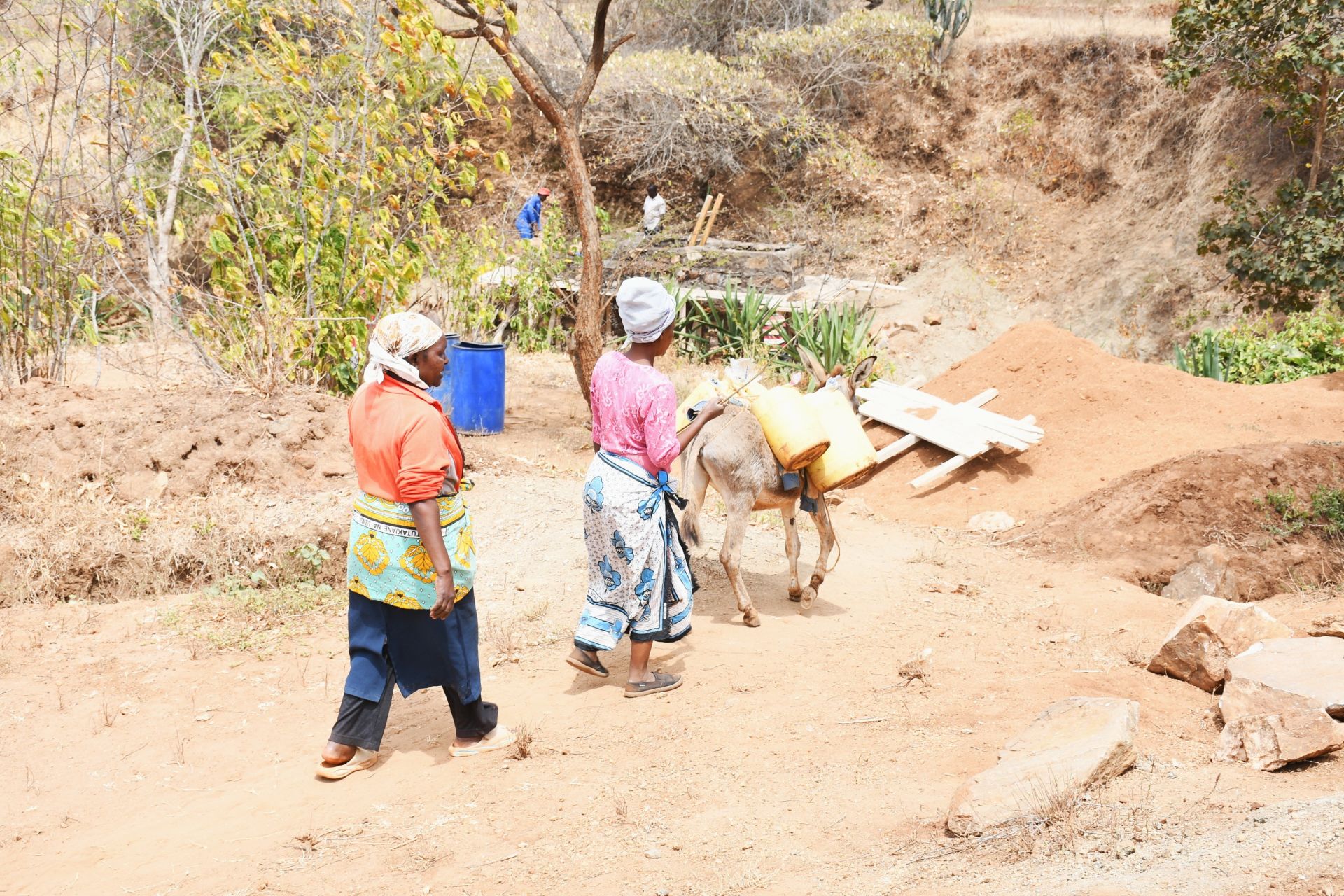
Yuio Community, home to approximately 950 residents, faces a relentless struggle against water scarcity. The community currently depends on two main boreholes, both of which are unreliable, costly, and located far from most households. On average, a round trip to fetch water takes about one to two hours, and during peak periods, residents can spend up to three hours waiting in line. The queues are long, and the water kiosks where water is distributed often close for several days a week due to low yield or system failures.
The terrain of Yuio is harsh and unforgiving. The landscape is uneven, dotted with small hills and rocky stretches that make walking difficult. Roads are dusty and bare, a result of prolonged drought conditions. These environmental challenges, combined with unreliable water sources, have severely impacted the residents’ quality of life.

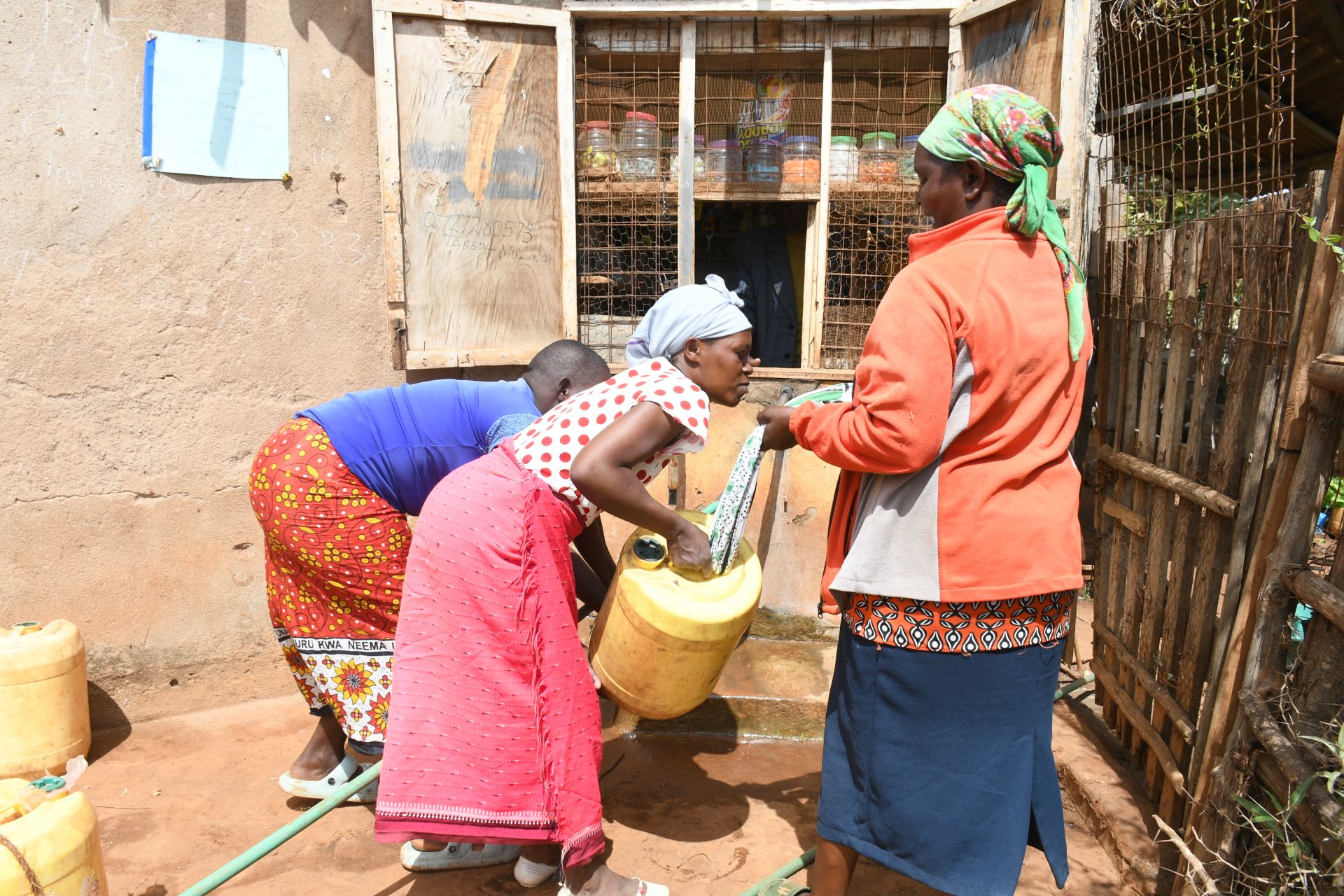
The water kiosk where residents pay for water from the borehole.
Residents pay five Kenyan shillings per 20-liter jerrycan, an expense that many cannot sustain. Given that most households rely on subsistence farming—a livelihood already crippled by drought—buying water represents a heavy financial strain. As a result, families often limit their consumption, leading to poor hygiene and dehydration-related issues such as headaches.
The boreholes also face technical and environmental challenges. During the dry season, water levels drop drastically, forcing some to walk even farther in search of alternative sources. When the systems fail or sunlight is insufficient for solar-powered pumps, water becomes unavailable entirely. In these moments, the community’s desperation deepens.
The combination of salty water and limited supply has created health concerns across Yuio. Residents report frequent cases of typhoid, amoebiasis, and dysentery, as most water is consumed untreated. The scarcity also affects nutrition, as households struggle to prepare adequate meals or maintain livestock productivity.
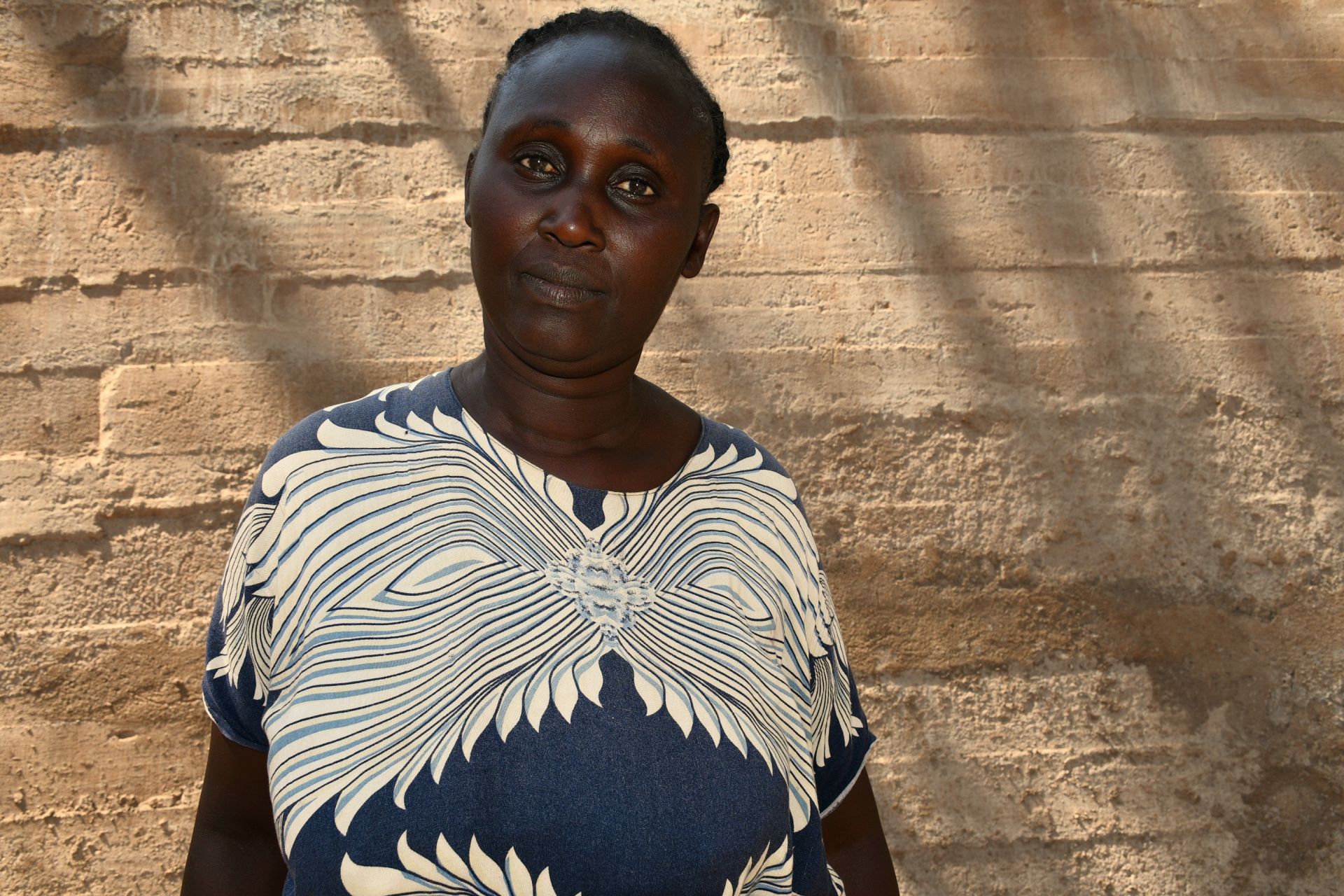
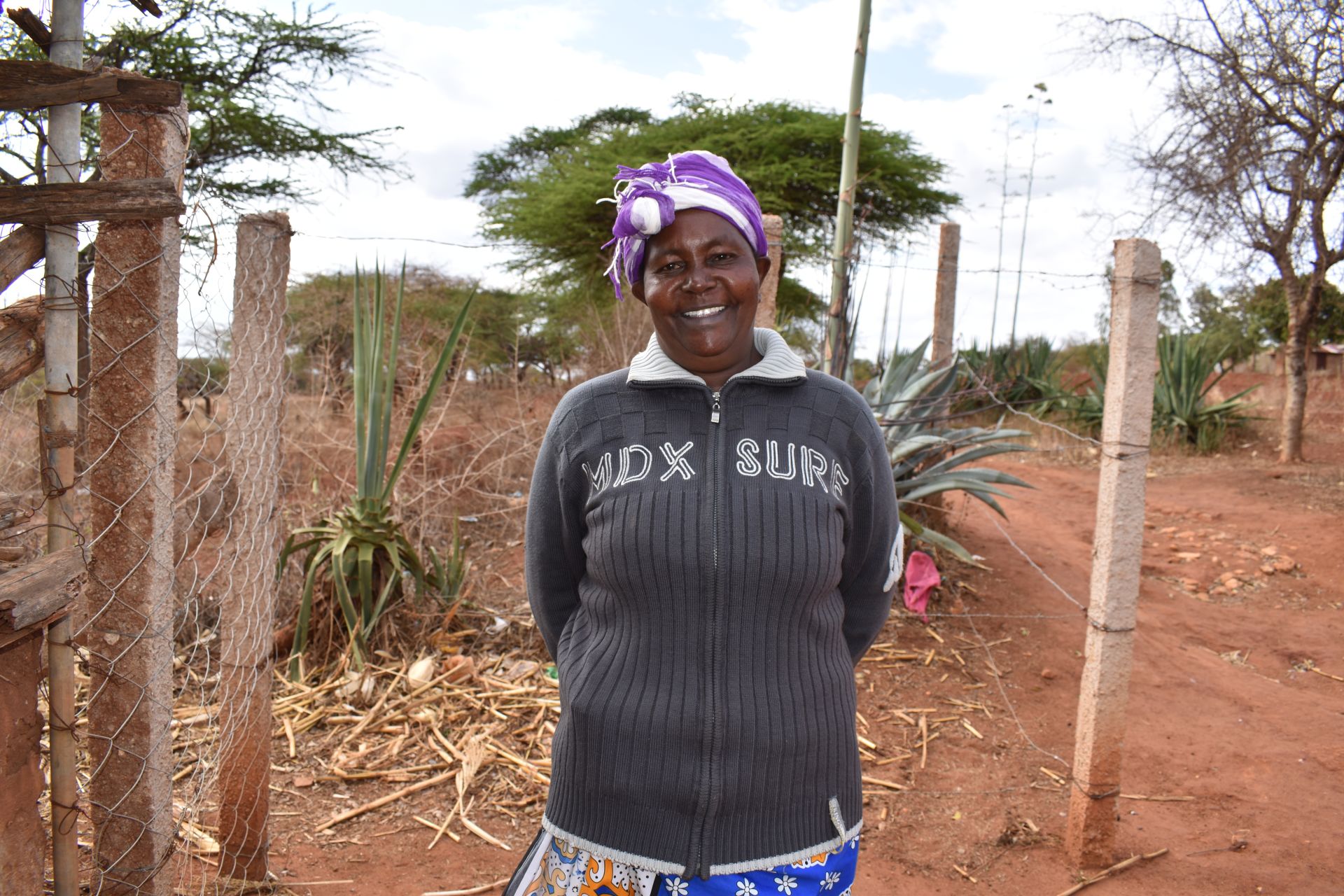
Among those most affected is Susan Muli, a 39-year-old farmer and mother. Like many in Yuio, she spends a large part of her day managing her family's and livestock's water needs.

Susan.
“There was a time that I had to wait for about two hours to fetch water because there were a lot of people at the waterpoint, and the borehole had a technical issue, causing water to trickle slowly,” she recalls.
Susan typically makes one trip per day, a journey that takes her two hours. Waiting and traveling consume her precious time that could be used for farming or caring for her family.
The high cost of water has also forced difficult choices.
“The costly water charges mean I can only purchase a few jerrycans of water, but not according to my needs. It forces me to purchase fewer seeds to plant during the rainy season. It makes it difficult to purchase household goods or offset my children's (school) fees," shared Susan.
When asked how she would use her money and time if she didn’t have to pay and work so hard to collect water, Susan answers without hesitation:
“I would use the money to purchase seeds to plant, household goods, or invest in my children's education. I would spend my time preparing my farm, herding my goats, or conducting various household duties,” she explains.

Susan's friends help her load the heavy jerrycan onto her back for the long walk home.
The borehole’s unreliability further compounds her frustration: “The borehole kiosk is not reliable because it depends on solar energy to pump water, and sometimes there is little sunlight. It also serves a lot of people, and its supply runs short, leading to long queues at the water point. It also experiences frequent technical failures.”
To Susan, water is more than a resource—it is the foundation of her family’s livelihood and dignity.
“Water is life, without [it], it's difficult to get food from my farm, cook for my children, conduct hygiene, or improve my livestock's productivity. Being a farmer, water is my source of livelihood. Without water, it would be challenging to support my children's education and secure them a better future. Water availability ensures I can take care of my children's meals and education. It also instills dignity and hope for a better future because I would be able to earn more from farming or selling my livestock's produce.”

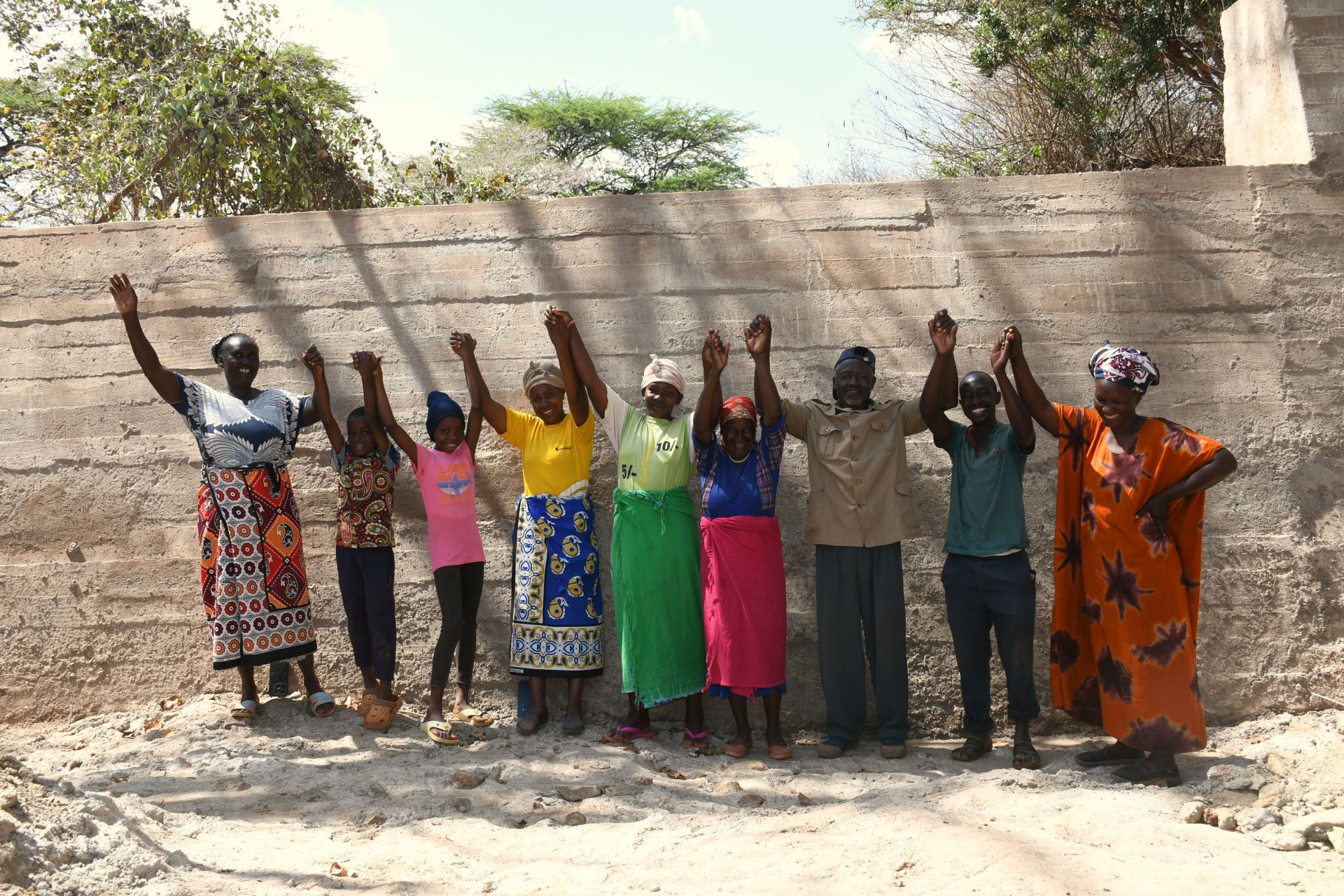
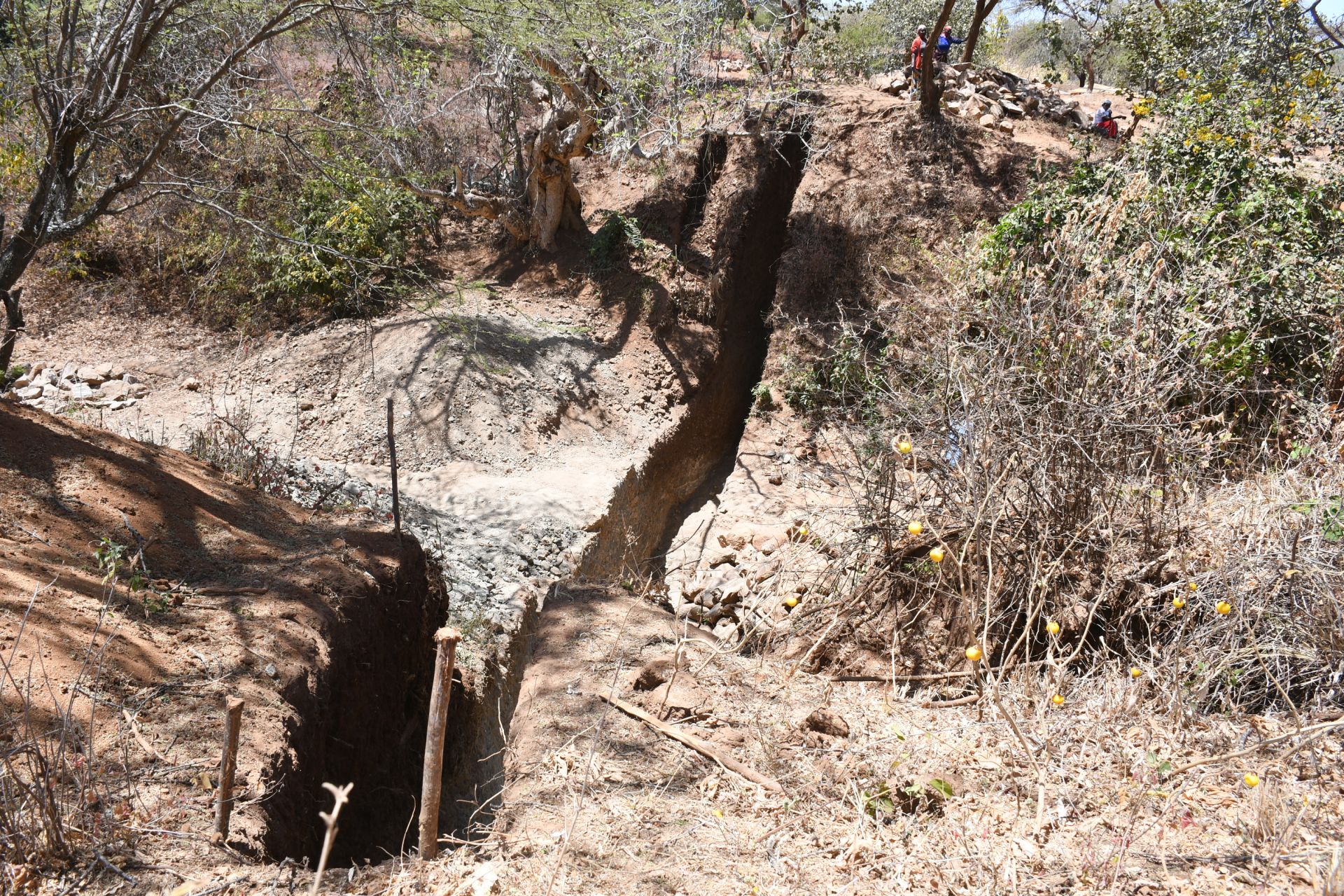
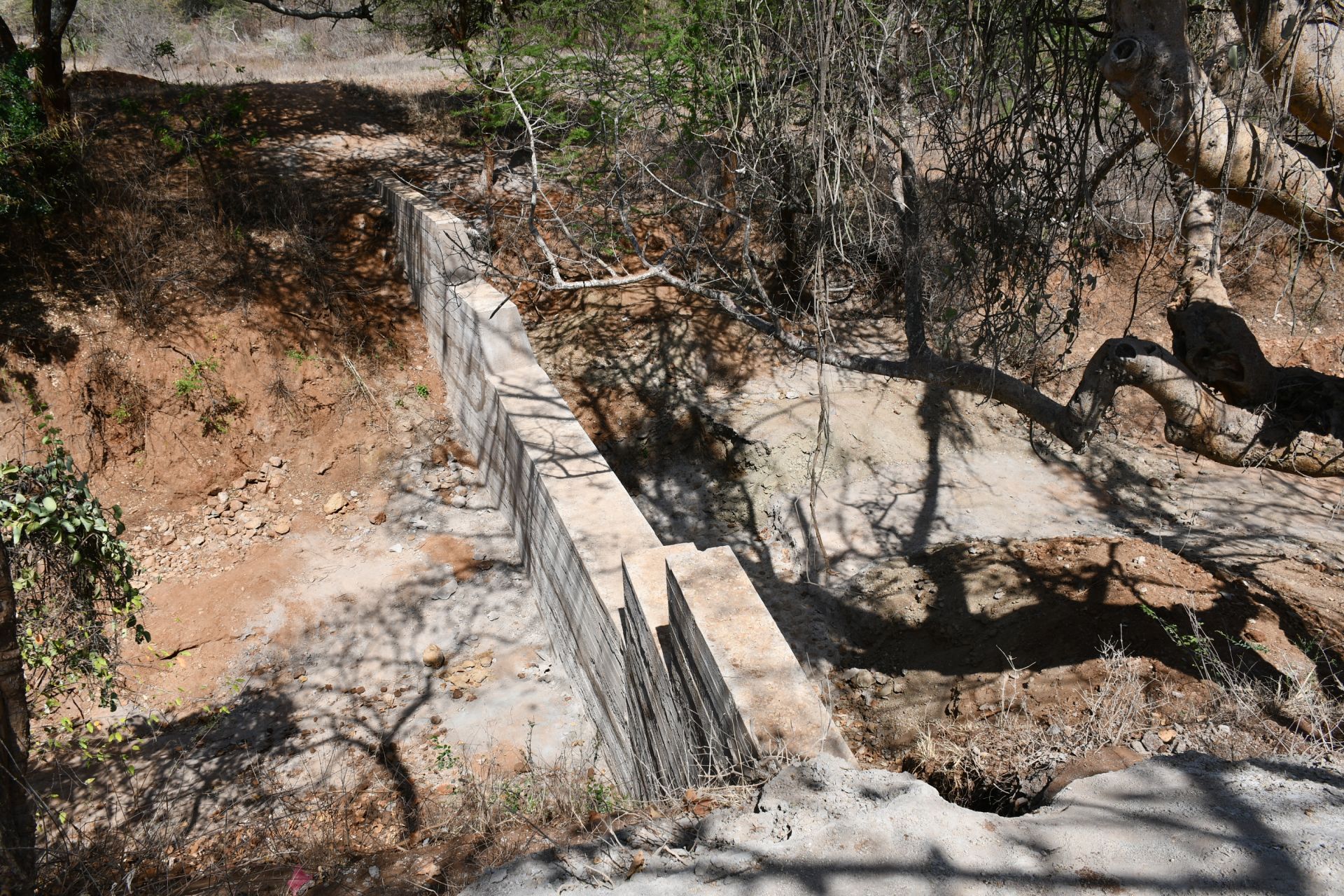
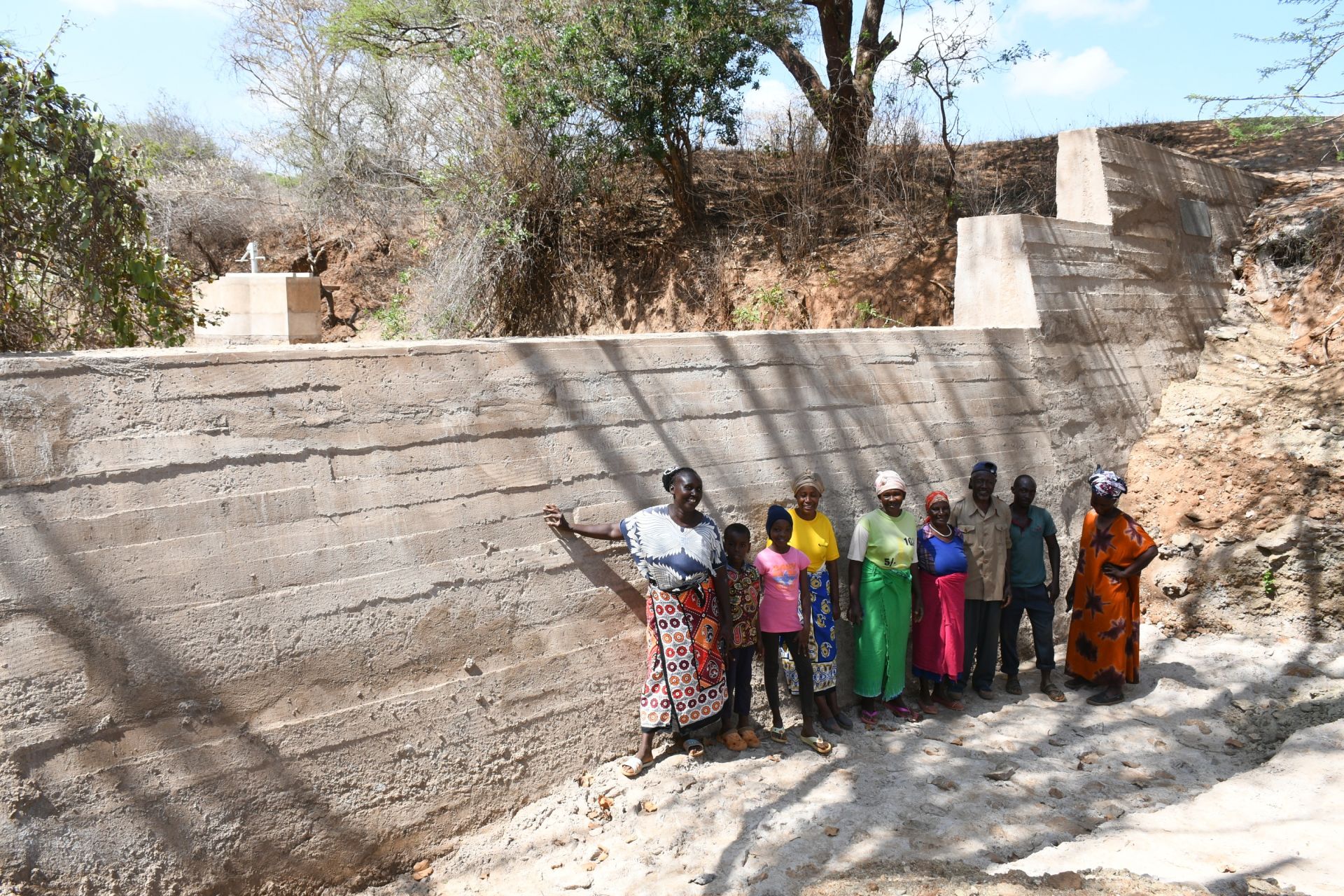
To address these longstanding challenges, the Yuio Dam Self-Help Group (SHG) has initiated the process of a sand dam. This solution promises to transform daily life by providing a sustainable, year-round source of clean water near the community.
The new system will reduce the time and effort required to collect water and eliminate the need for dependence on distant borehole kiosks. With reliable access to clean, non-saline water, families will be able to prepare nutritious meals, maintain good hygiene, and protect their health.
Yuio Community’s development goals extend beyond solving the water crisis. The members of the Yuio Dam SHG envision establishing a tree nursery, planting trees, and cultivating vegetables—initiatives that will improve food security, restore the environment, and generate income. Access to reliable water will also support better sanitation and personal hygiene, contributing to healthier living conditions.
In short, the new sand dam will not only quench thirst but also revive hope. It will empower Yuio residents, farmers like Susan, to work, learn, and live with dignity. For the first time in years, they will have more than just survival; they will have the means to build a sustainable, thriving future.
Solving the water crisis in this community will require a multifaceted system that will work together to create a sustainable water source that will serve this community for years to come.
Steps Toward a Solution
Our technical experts worked with the local community to identify the most effective solution to their water crisis. Together, they decided to construct a sand dam and a protected dug well.
Sand Dam
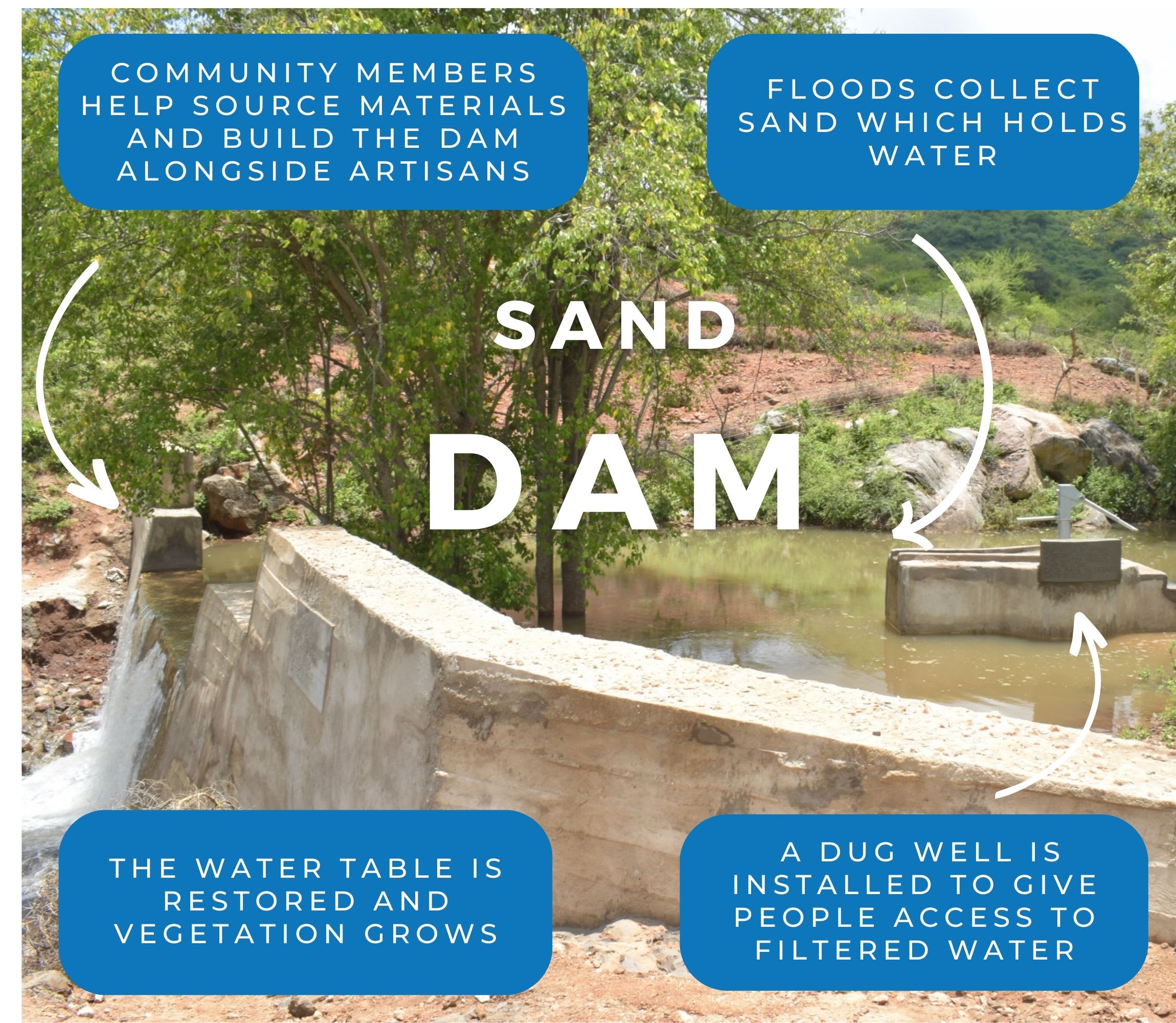
Sand dams are sought-after, climate-smart, and lasting water solutions providing hope and resilience to communities in arid Southeastern Kenya. Think of them like giant sandboxes constructed in seasonal rivers that would typically quickly dry up after the rainy season. Instead of holding water like traditional dams, they collect sand and silt.
When infrequent rains do come, these dams catch a percentage of the river's flow, letting most of the water continue downstream to other communities. But here's the magic: the sand they collect acts like a natural filter, holding onto water long after the river's gone dry. Then, wells are constructed nearby, creating a reliable water source even during the driest times.
And the benefits don't stop there! In communities impacted by climate change, sand dams replenish groundwater and prevent soil erosion. Even during severe droughts, the consistent water supply from these sand dams allows farmers to thrive, giving way for enough food not only for their families but also to sell in local markets.
The most remarkable aspect of sand dams is how they involve the local community every step of the way, giving them a sense of ownership and pride in solving their own water shortage and managing their own water resources.
This sand dam will be connected to a protected dug well to make the water more accessible.
Community Education & Ownership
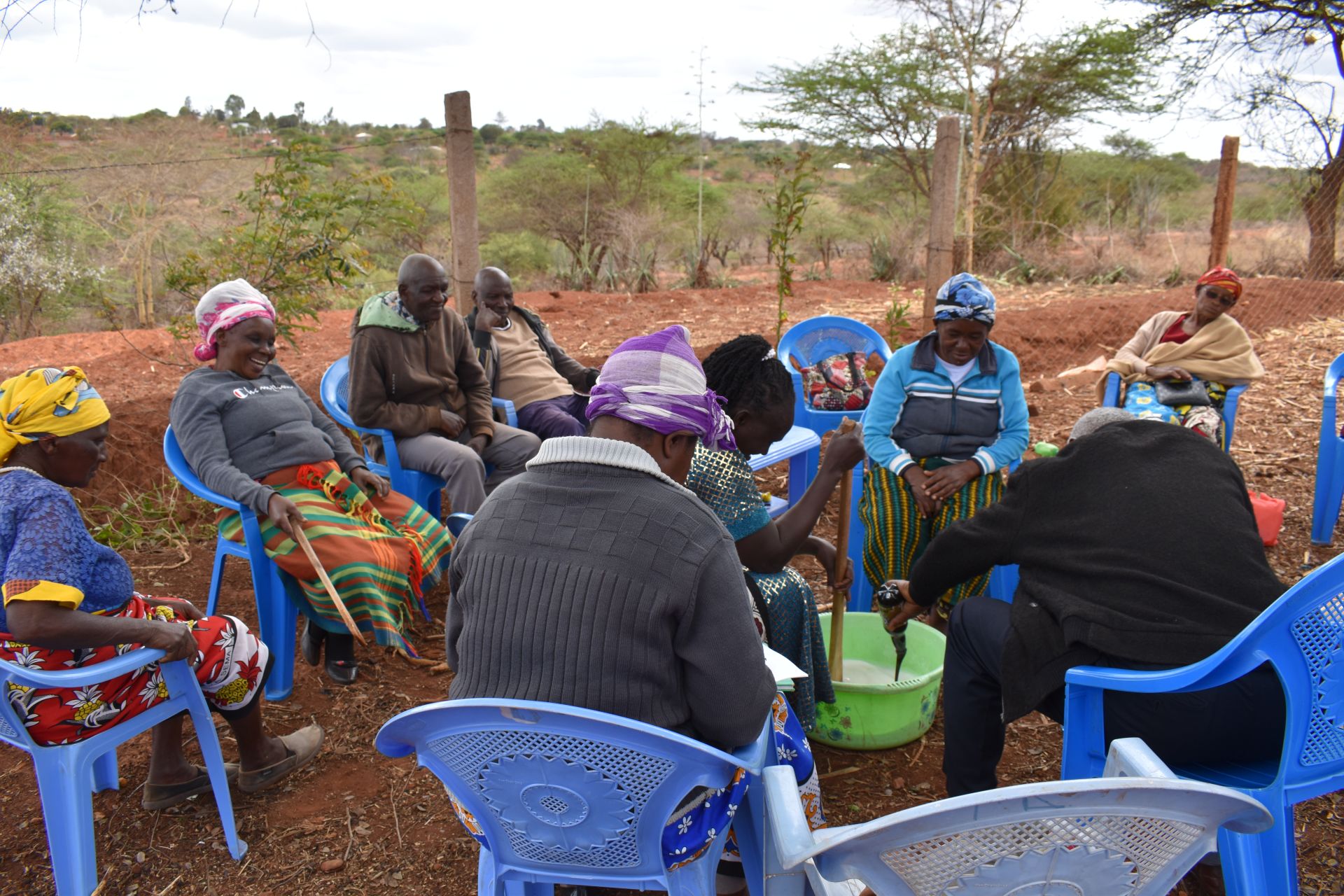
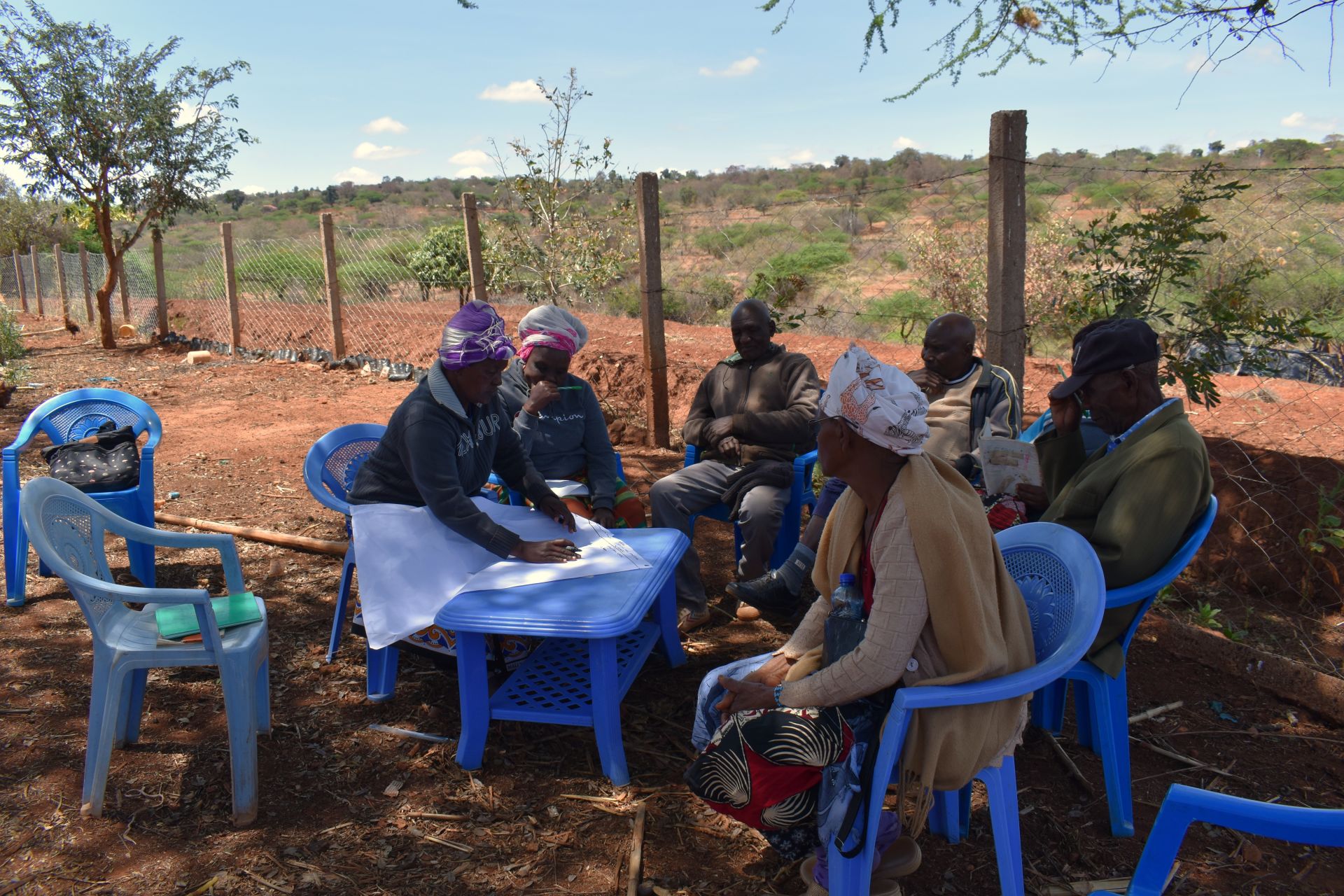
Hygiene and sanitation training are integral to our water projects. Training is tailored to each community's specific needs and includes key topics such as proper water handling, improved hygiene practices, disease transmission prevention, and care of the new water point. Safe water and improved hygiene habits foster a healthier future for everyone in the community.
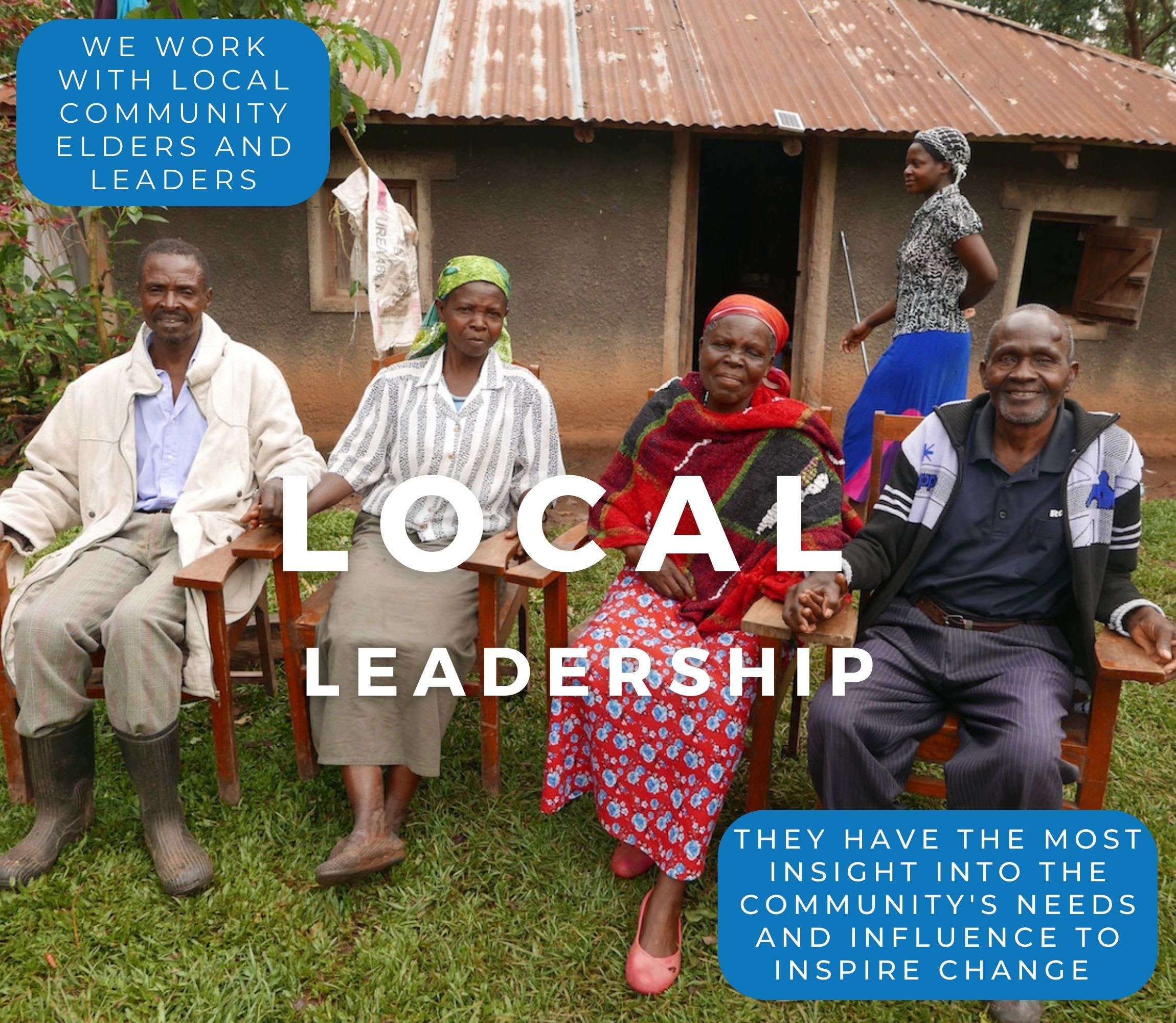
Encouraged and supported by our team's guidance, the community elects a water user committee representative of its diverse members. This committee assumes responsibility for maintaining the water point, organizing community efforts, and gathering fees to ensure its upkeep.