Project Status


Project Type:  Sand Dam

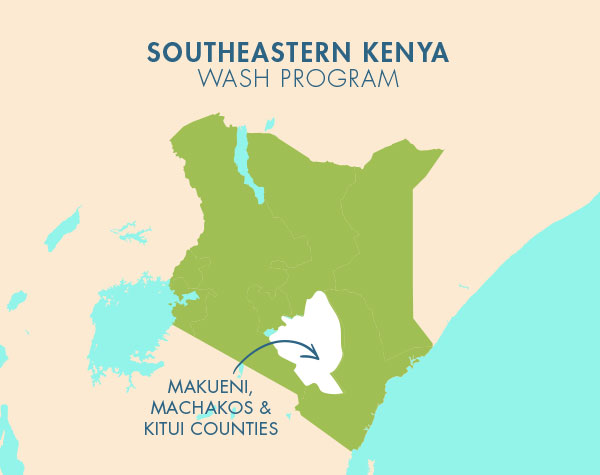
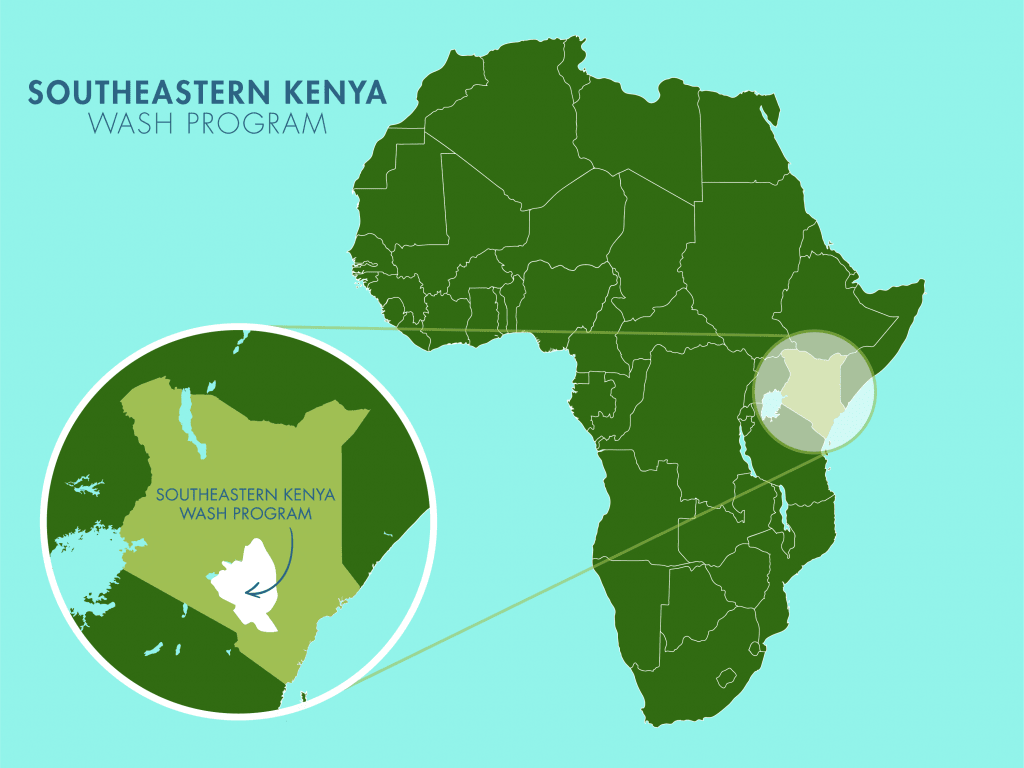
Regional Program: Southeastern Kenya WaSH Program

Impact: 300 Served

Project Phase:  Reserved

Functionality Status:  Functional

Project Features


Click icons to learn about each feature.


The 700 residents of Katambauku Makua rely on a single, distant dug well as their only source of water. Each day, they spend a minimum of two hours making the exhausting round trip to collect it. This daily burden disrupts their routines, taking away valuable time that could be used for work, education, or caring for their families. While water is essential, the effort required to access it comes at a high cost to the community’s well-being and productivity.

Sadly, after expending so much energy to collect water people risk their health each time they consume it because the well is open to contamination. It is a high cost to pay but without another option people have no choice.

"The hand-dug well easily becomes contaminated with pathogens, including bacteria, viruses, and parasites from animal waste, runoff, and human activity. This has led to gastrointestinal illnesses. Frequent illnesses due to contaminated water has led to malnutrition, as individuals are unable to absorb nutrients effectively and lose their appetite when ill. Ongoing health issues has led to higher medical expenses for families and strained local health care," reported Field Officer Alex Koech.

The unprotected dug well.

As Alex described, this water crisis is a whole community issue.

Sixty-one-year-old farmer Josephine Ndanu is unfortunately familiar with the consequences of drinking dirty water.

"Although water-related illnesses are common in our community, it is always a discouraging moment when it occurs. Like recently, when one of my children complained of stomach pains, she would not eat anything because she would vomit, and I had to take her to a dispensary for medication. Despite my paltry income, I cannot compromise on my little one's health and well-being."

Josephine.

"Medication is costly for us because the dispensary is located far away, and I have to pay a motorcycle to carry us and back home. Treatment is also costly because I have to use my little available funds that would rather be used on other crucial elements, like household goods or school fees. The treatment entails over-the-counter drugs that we have to purchase by cash."

When one falls ill, the whole family is affected, making the endless cycle even more damaging.

"My children cannot go to school when they are still sick because the school is still far away and [they] cannot be comfortable in class. I would have to spend my time to ensure my little ones receive medication, thus I would not be able to fetch water for the family, herd my livestock, or work in my farm."

Josephine is resilient, though she struggles through every day of the water crisis; she won't give up.

"It is an unfortunate situation for all of us, but the only available water is mostly contaminated. I think that we are very unfortunate, but this is where we live, and we only have to work towards a better future while persevering with this pitiful moment."

When we asked Josephine what she would do if she had ready access to water, she replied, "I would be using my time to conduct my household duties like cleaning, working on the farm, or taking care of my goats and cows."

"Water is pertinent for me, especially because my livelihood depends on farming. We reap very little from our farms due to frequent droughts, the crops dry up, and even our cows lack enough water to drink or have to walk too far for water, leading to exhaustion. I also need water for hygiene at home, which has been adversely affected by the rampant water scarcity in our region. Adequate water availability would restore dignity by improving our levels of income and food security because we would reap more from our farms and our livestock would exhibit better yields," she continued.

Josephine traveling from the water source.

Josephine and the other community members living in the Katambauku Makua Community need a solution.

We have a plan.

Installing a sand dam in the community will allow water to accumulate in the riverbed and provide water for an attached well, enabling people to quickly and efficiently collect water near their homes so that they can attend to other important tasks of the day. The water will also be naturally filtered, allowing people to consume it without constantly battling water-related illnesses.

Solving the water crisis in this community will require a multifaceted system that will work together to create a sustainable water source that will serve this community for years to come.

Steps Toward a Solution

Our technical experts worked with the local community to identify the most effective solution to their water crisis. Together, they decided to construct a sand dam and a protected dug well.

Sand Dam
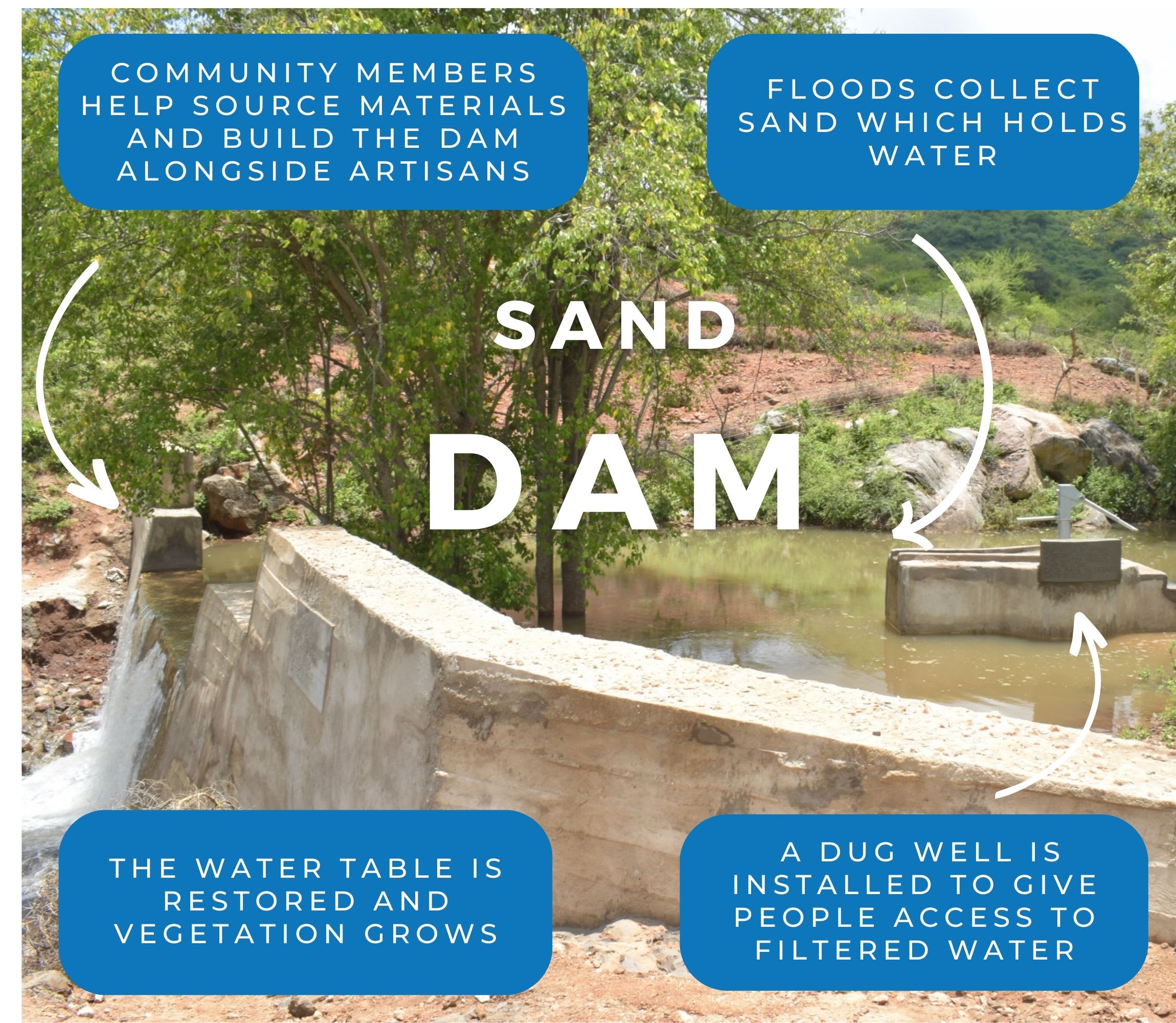
Sand dams are sought-after, climate-smart, and lasting water solutions providing hope and resilience to communities in arid Southeastern Kenya. Think of them like giant sandboxes constructed in seasonal rivers that would typically quickly dry up after the rainy season. Instead of holding water like traditional dams, they collect sand and silt.

When infrequent rains do come, these dams catch a percentage of the river's flow, letting most of the water continue downstream to other communities. But here's the magic: the sand they collect acts like a natural filter, holding onto water long after the river's gone dry. Then, wells are constructed nearby, creating a reliable water source even during the driest times.

And the benefits don't stop there! In communities impacted by climate change, sand dams replenish groundwater and prevent soil erosion. Even during severe droughts, the consistent water supply from these sand dams allows farmers to thrive, giving way for enough food not only for their families but also to sell in local markets.

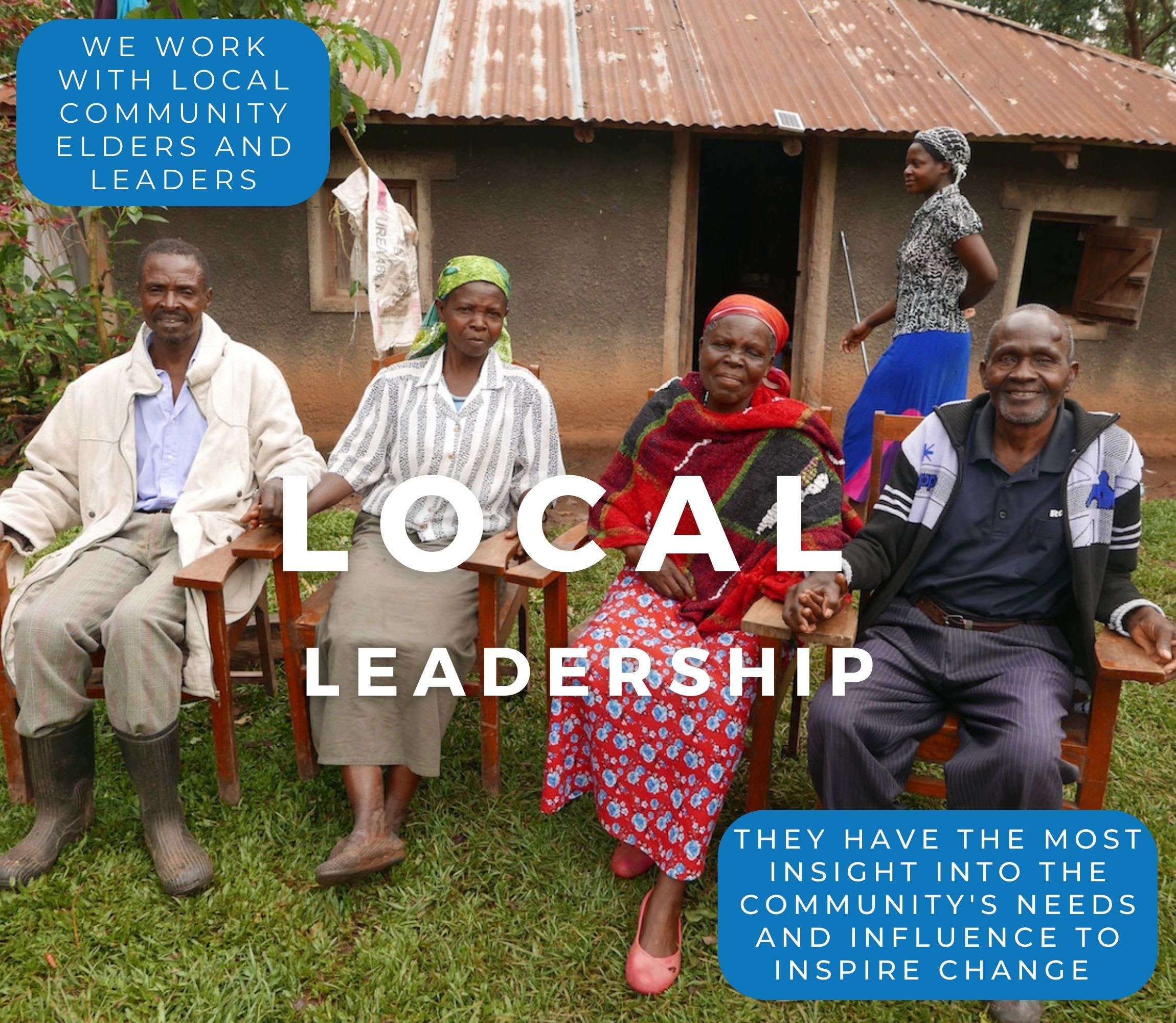
The most remarkable aspect of sand dams is how they involve the local community every step of the way, giving them a sense of ownership and pride in solving their own water shortage and managing their own water resources.

This sand dam will be connected to a protected dug well to make the water more accessible.

Community Education & Ownership
Hygiene and sanitation training are integral to our water projects. Training is tailored to each community's specific needs and includes key topics such as proper water handling, improved hygiene practices, disease transmission prevention, and care of the new water point. Safe water and improved hygiene habits foster a healthier future for everyone in the community.

Encouraged and supported by our team's guidance, the community elects a water user committee representative of its diverse members. This committee assumes responsibility for maintaining the water point, organizing community efforts, and gathering fees to ensure its upkeep.
Project Updates


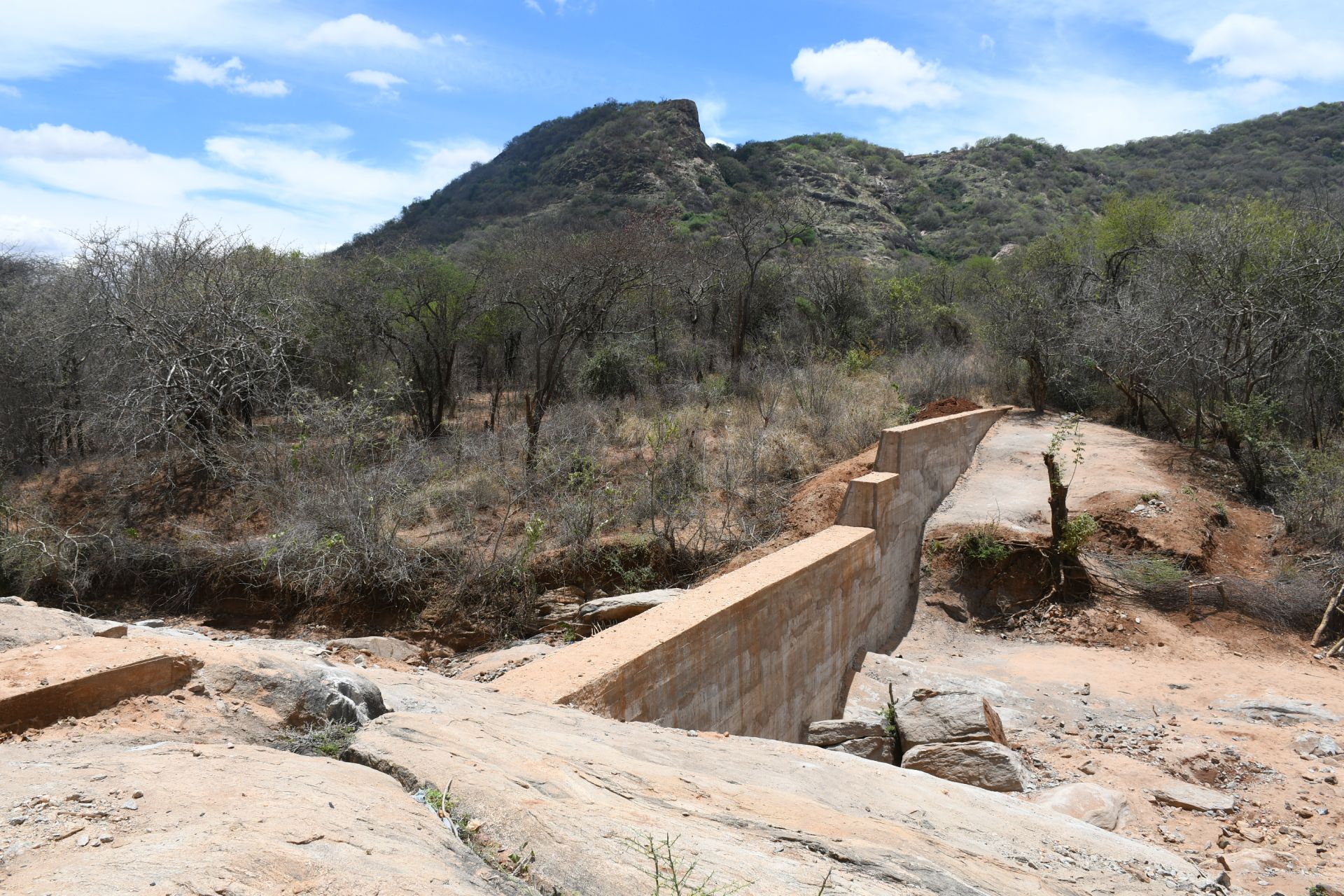
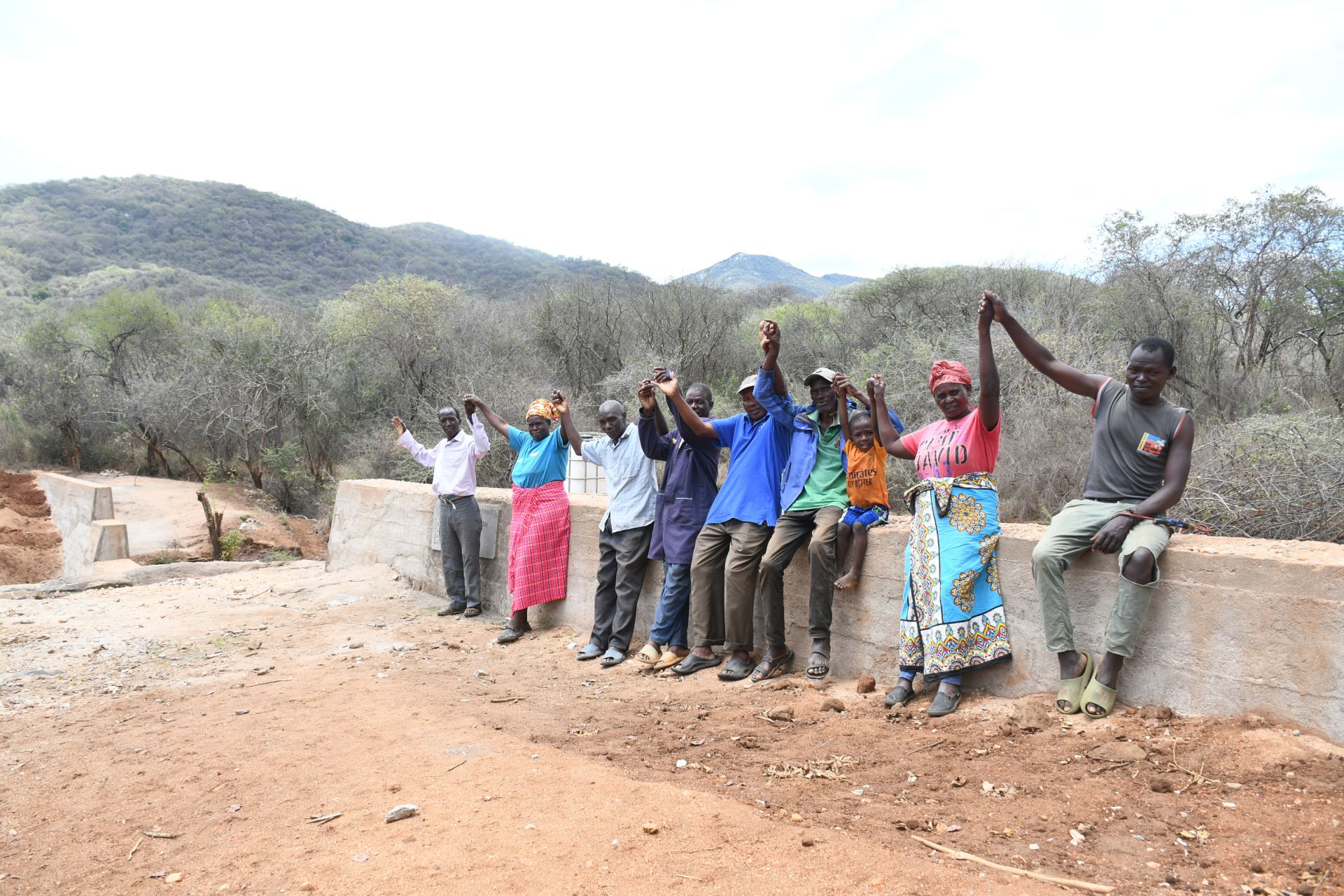
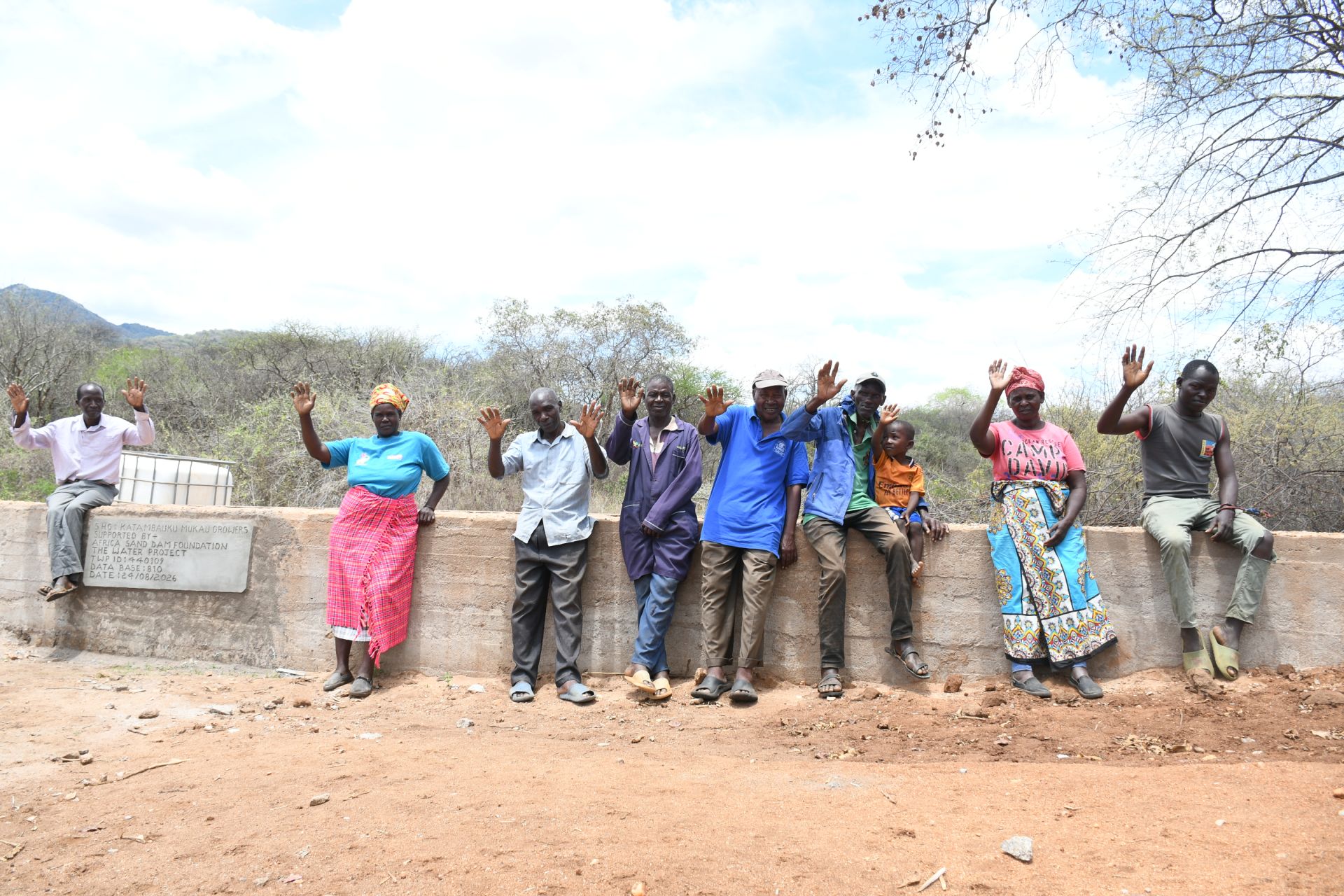
November, 2026: Katambauku Mukau Community Sand Dam Complete!

Katambauku Mukau Community, Kenya now has access to a new water source thanks to your donation! We constructed a sand dam on the riverbed, which will raise the water table and allow the water to naturally filter over time. We will also build a new protected dug well with a hand pump adjacent to the sand dam, providing the community with a safer method to draw the drinking water supplied by the dam.

Field Officer Alex Koech shared: "The community demonstrated strong participation, commitment, and collective ownership throughout the material-gathering and construction process. Members worked daily, mobilizing sand and stones early and supporting construction under the guidance of the area field officer and dam coordinator. Despite severe water scarcity, they pooled their resources to purchase construction water and sought assistance from well-wishers to keep the work moving. Their willingness to contribute both labour and resources reflects commendable teamwork, resilience, and determination to improve their community’s access to water."

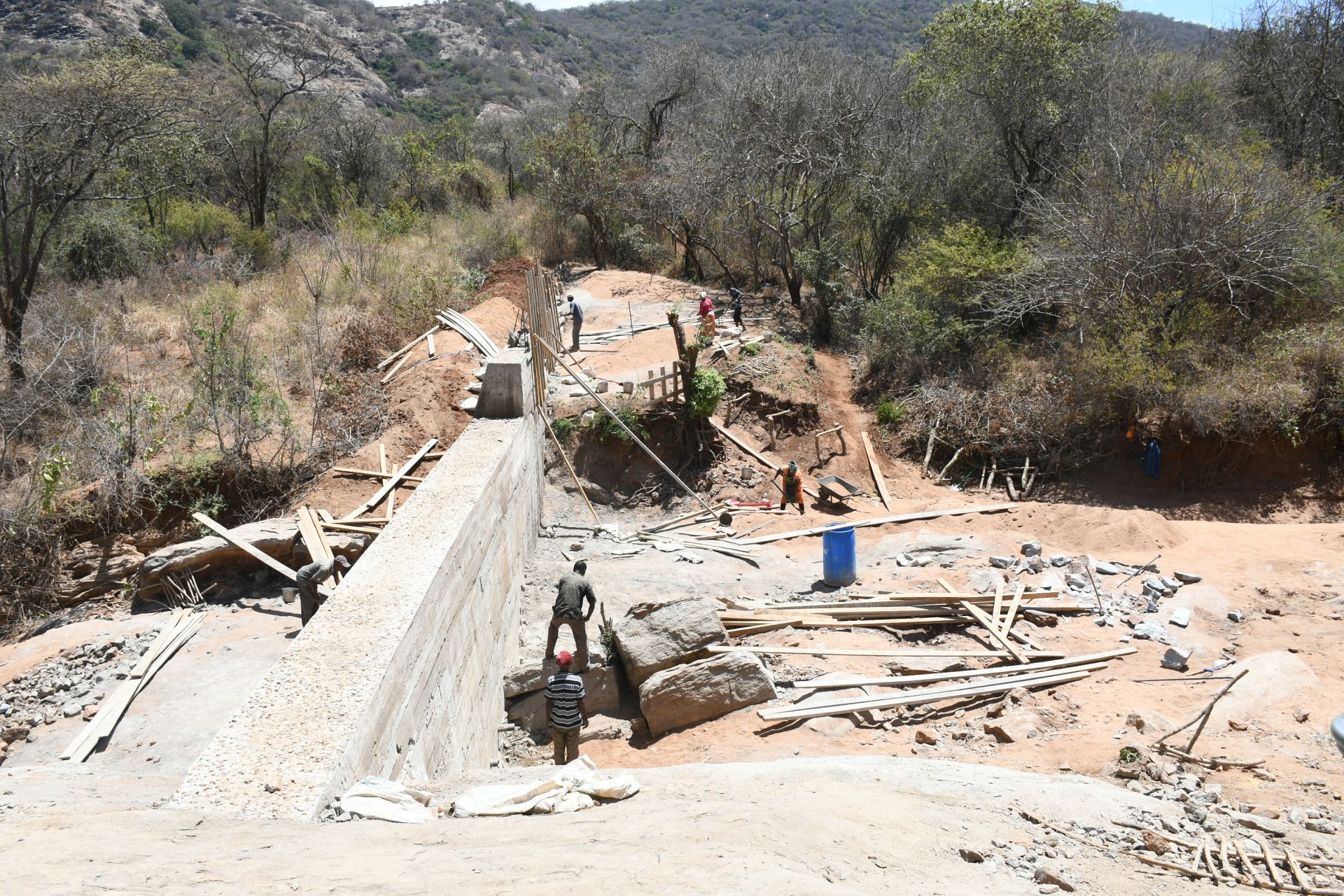
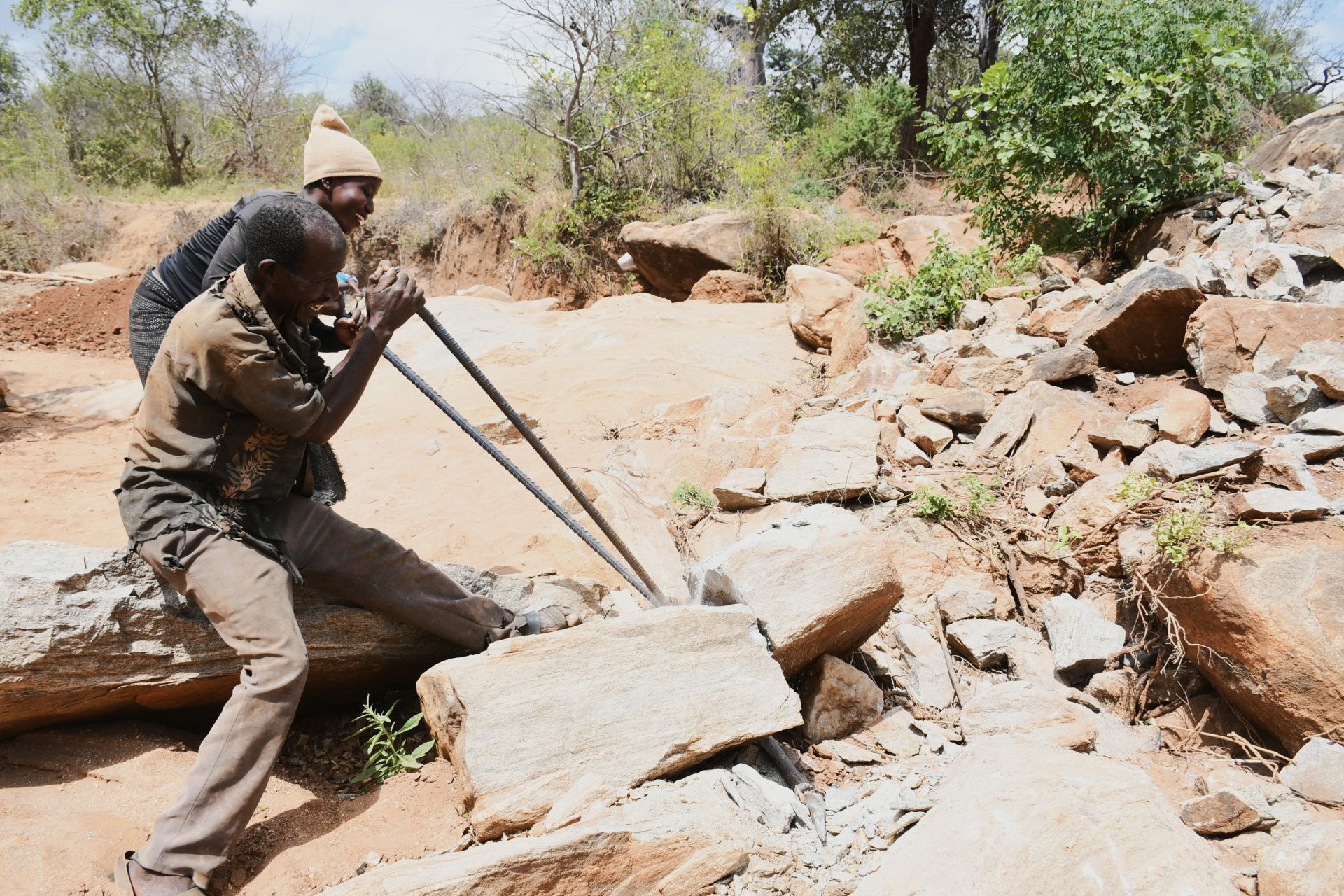
Community members expend a tremendous amount of effort collecting and breaking up rock to help build the sand dam.

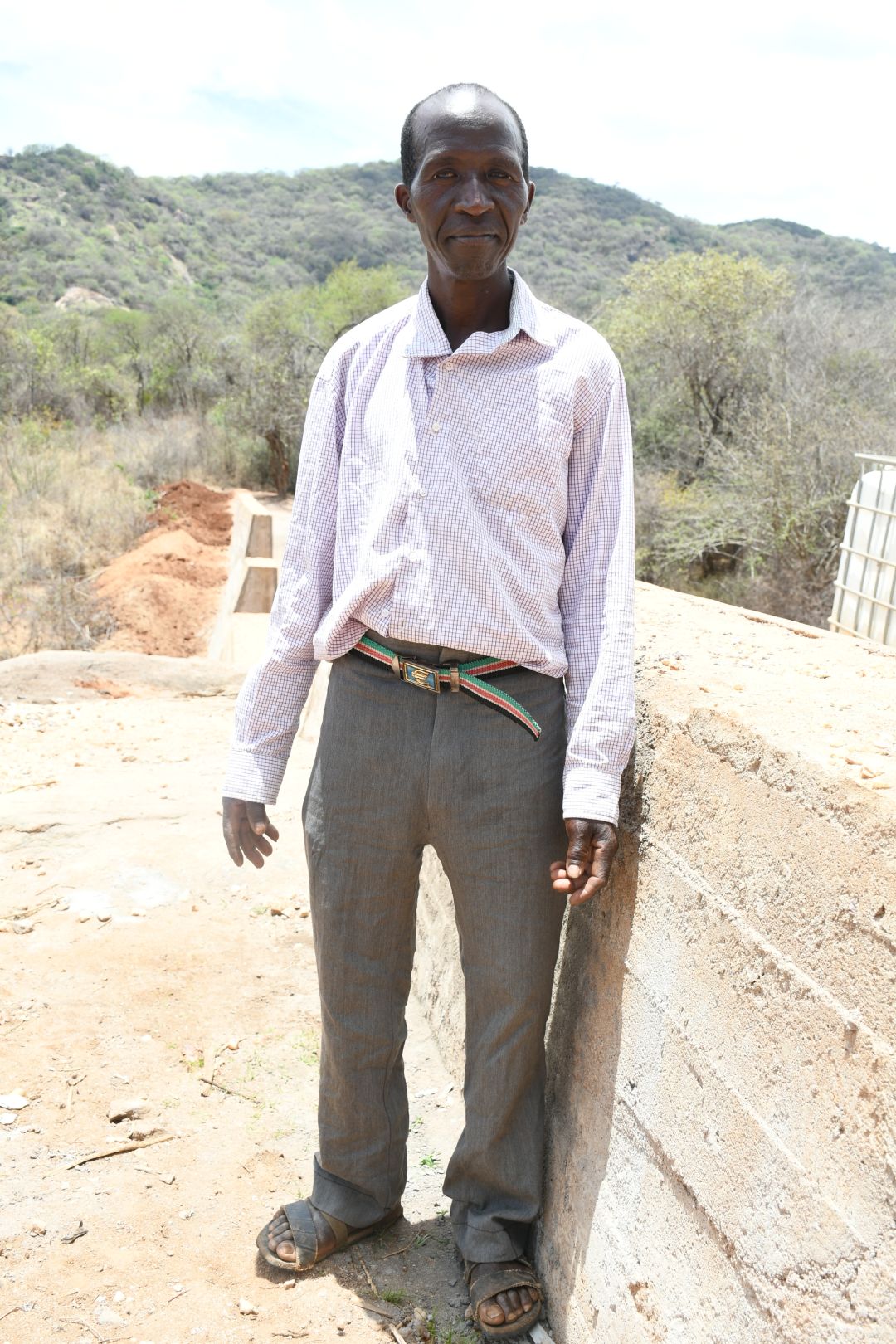
62-year-old Samwel Musyoka, a farmer, shared: "Previously, fetching water took a lot of time and energy, and the water we used was not always safe. Having a water point closer to home will make it easier for my family to access water for drinking, cooking, and maintaining hygiene. I hope it will reduce the risk of illnesses associated with contaminated water and the money we spend on treatment. Our children and grandchildren will have more time to study, play, and focus on their future instead of spending long hours helping us find water. As a grandfather, I want them to grow up healthier and have better opportunities than we have had."

Mr. Musyoka.

Sand Dam Construction

The members of the Katambauku Mukau Growers Self-Help Group collected all the local materials, such as rocks and sand, required to complete the dam. The collection of raw materials takes longer than the actual construction, lasting up to four months for a large sand dam. The group also dedicated a tremendous amount of time to supporting our artisans through physical labor throughout the project.

First, our team developed the siting and technical designs, which were then presented to the Water Resources Management Authority. We then sent a survey to the National Environment Management Authority for approval before beginning construction.

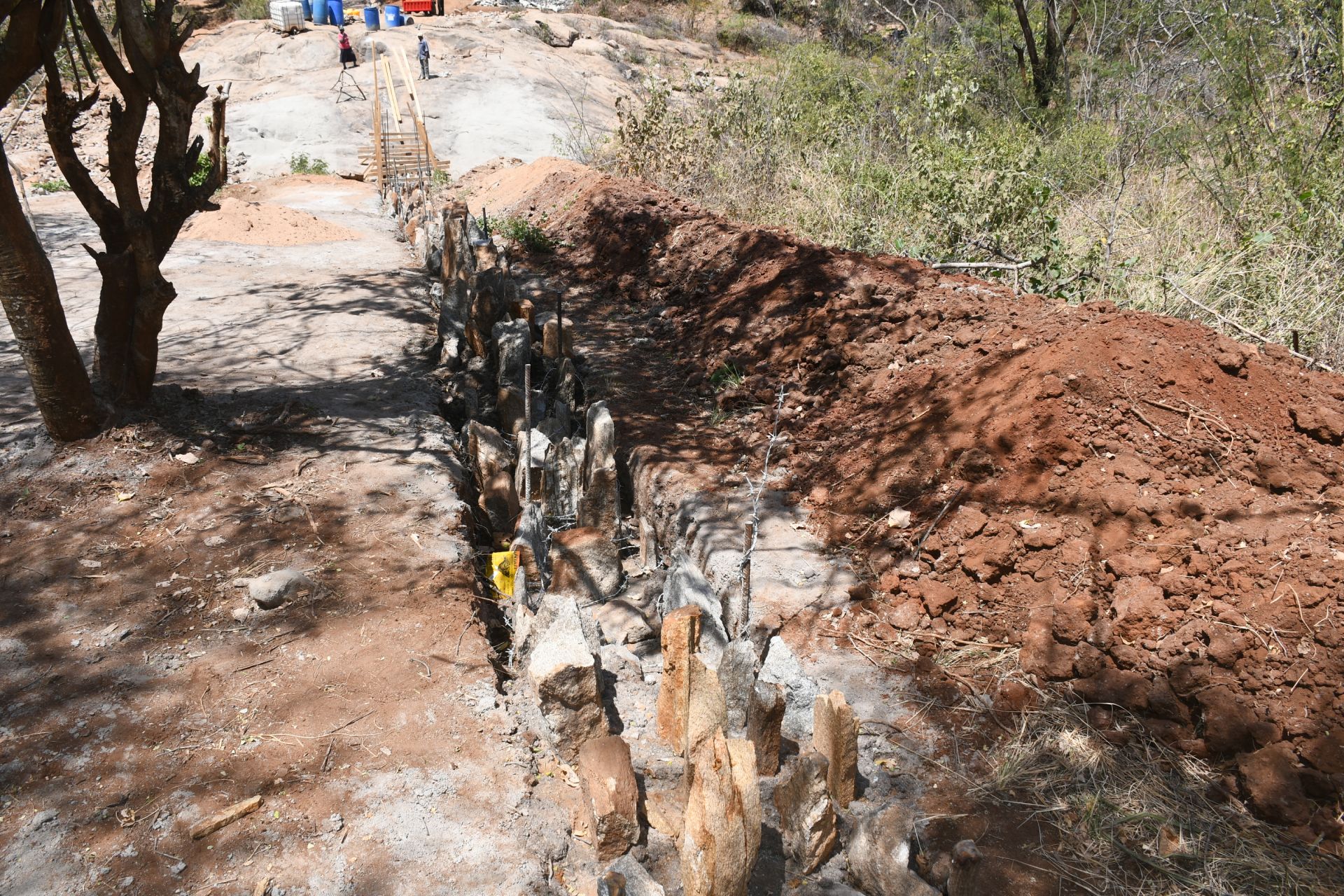
Once the plans were approved, we established a firm base for the sand dam wall. Usually, this requires the community to dig all the way down to the bedrock beneath the river channel. In the absence of good bedrock, we excavate to a depth where the ground is sufficiently compact to prevent seepage.

Next, we heaped mortar (a mixture of sand, cement, and water) into the foundation, followed by the addition of rocks. We then used barbed wire and rebar to reinforce the mixture.

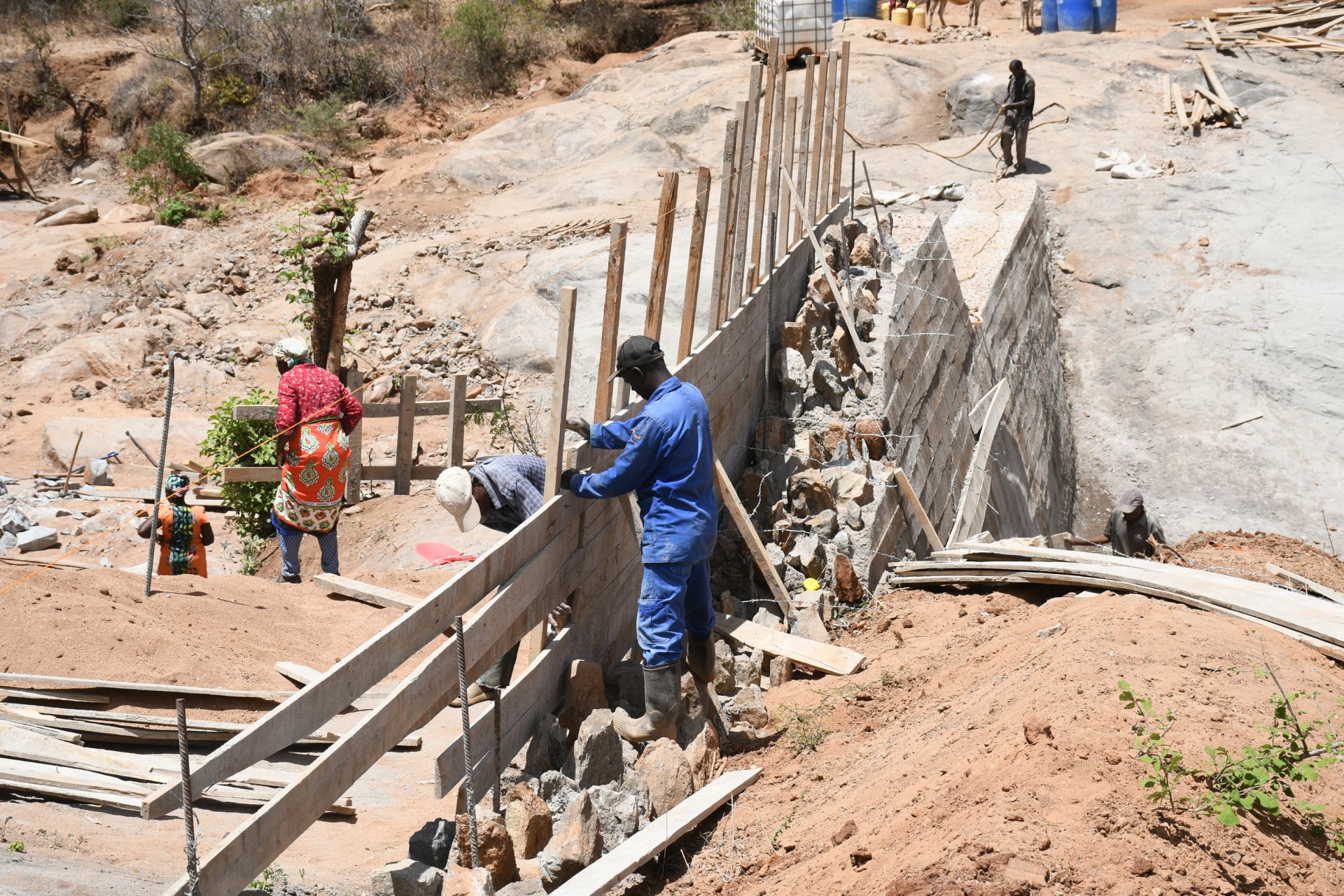
Once the foundation was complete, we built a timber skeleton to hold the structure above ground level. We repeated the process until reaching a sufficient height, width, and length.

Finally, we dismantled the vertical timber beams and left the dam to cure. This dam measures 61 meters long and 3 meters high and took 830 bags of cement.

When the rains come, sand and silt will be carried down the dry riverbed and build up behind the dam wall. This reservoir of sand acts as a giant natural filter, allowing rainwater to seep into the ground and raise the water table. With this water, the surrounding landscape will become lush and fertile, and the well will provide the community with drinking water. It could take up to three years of rain for this sand dam to reach its maximum capacity, because in this region, it sometimes only rains once a year!

Community Education

Our trainer collaborated with the field staff and community members to identify areas where the community could improve.

As we’ve worked with this Self-Help Group in the past, we asked them about the subjects on which they needed refresher training.

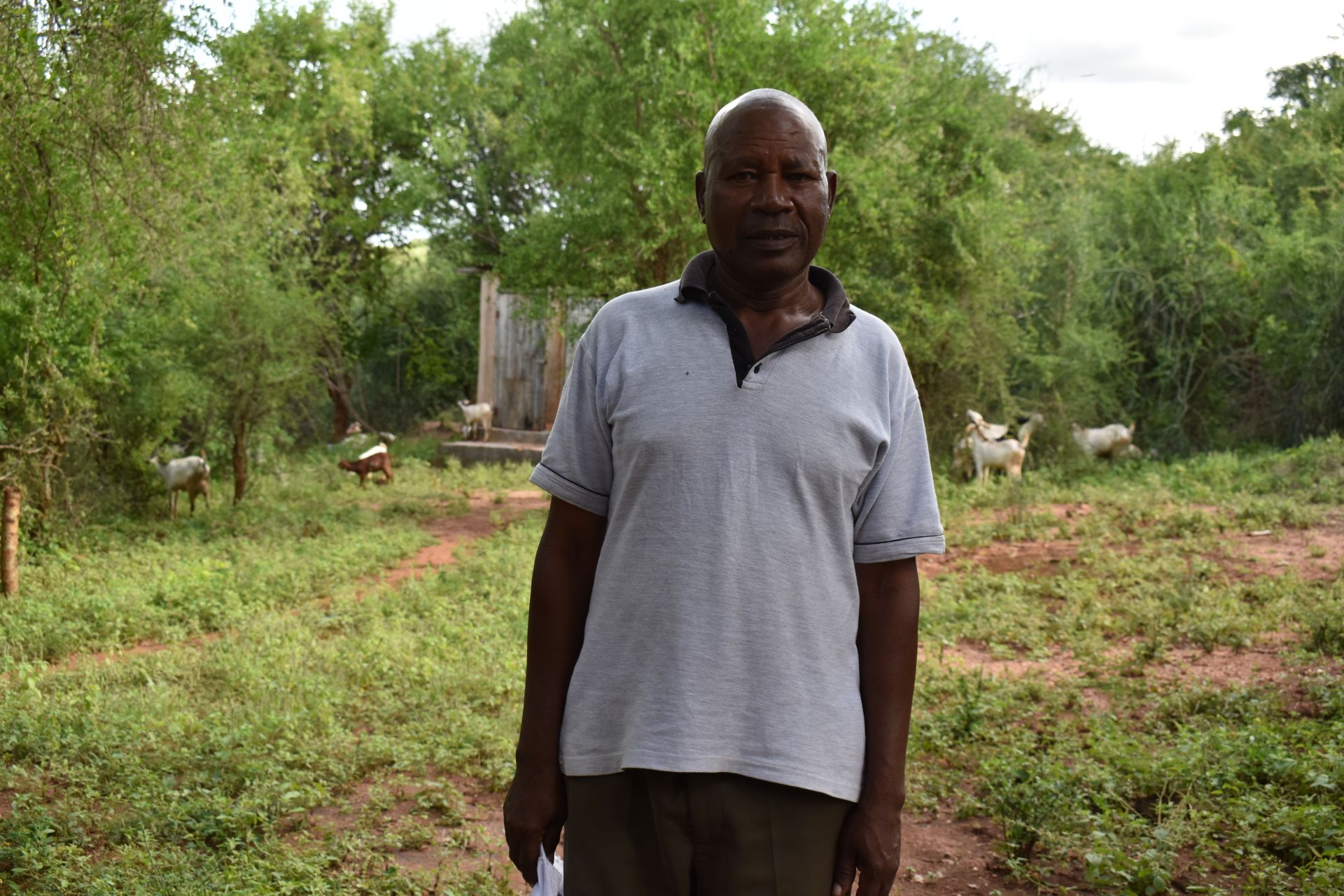
Mr. Kitheka.

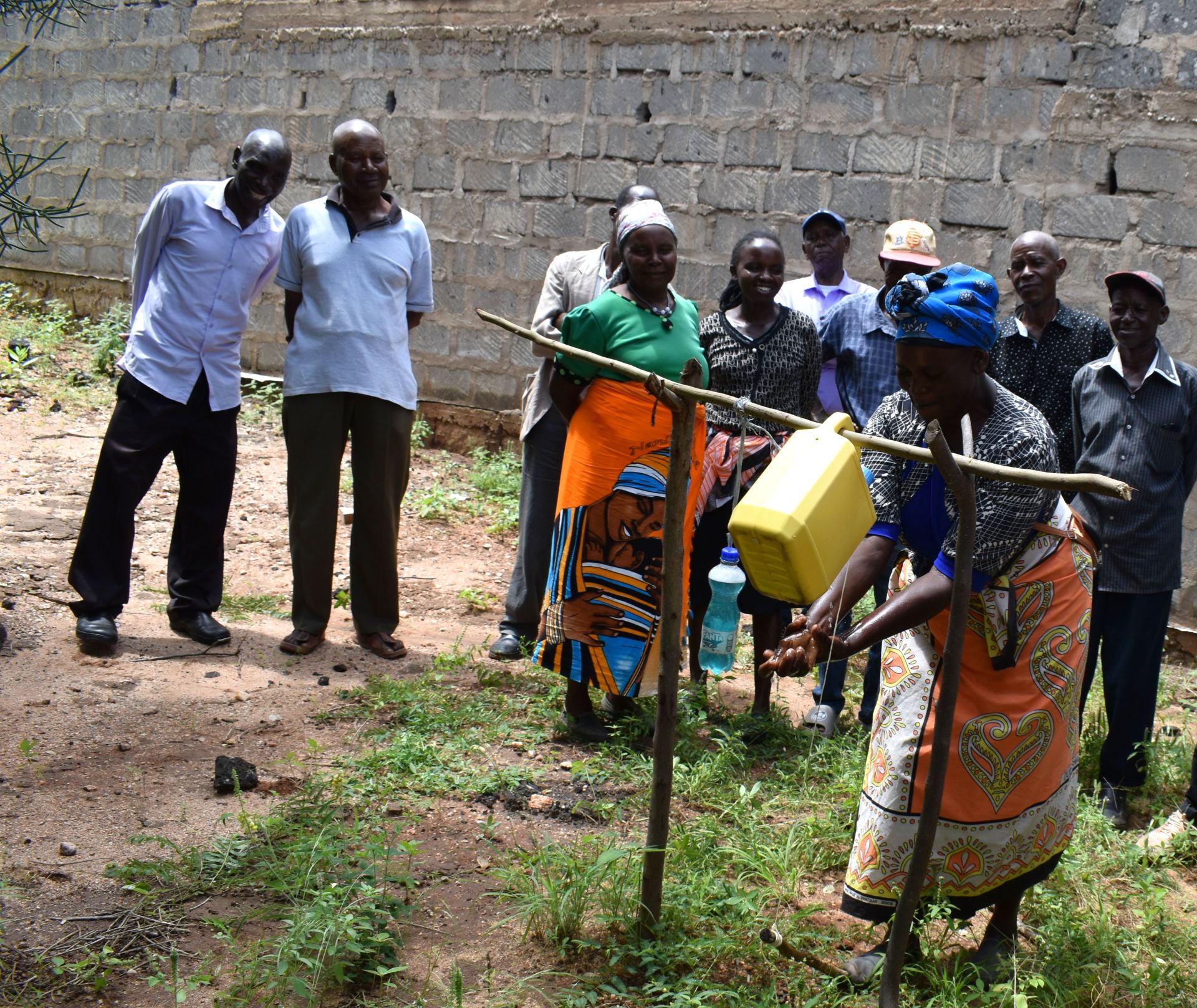
Patrick Kitheka, the 65-year-old self-help group chairman, said, "The most interesting topic for me was learning how diseases spread through poor hygiene and how we can prevent them through simple practices. I learned the importance of washing our hands with soap at critical times, treating drinking water, keeping utensils clean, and maintaining a clean environment. I also found the demonstrations on making handwashing facilities, such as tippy taps, helpful because we can make them using locally available materials. I now understand that even small changes in our daily habits can protect our families from illnesses such as diarrhea."

We trained the group on various skills, including bookkeeping, financial management, project management, group dynamics, and governance. We conducted hygiene and sanitation training to teach skills such as soap and detergent making and to improve habits, including handwashing.

Using a tippy tap handwashing station.

We covered health problems in the community, including good and bad hygiene habits, as well as the prevention of disease. Finally, we covered both natural resource management and the operation and maintenance of the sand dam.

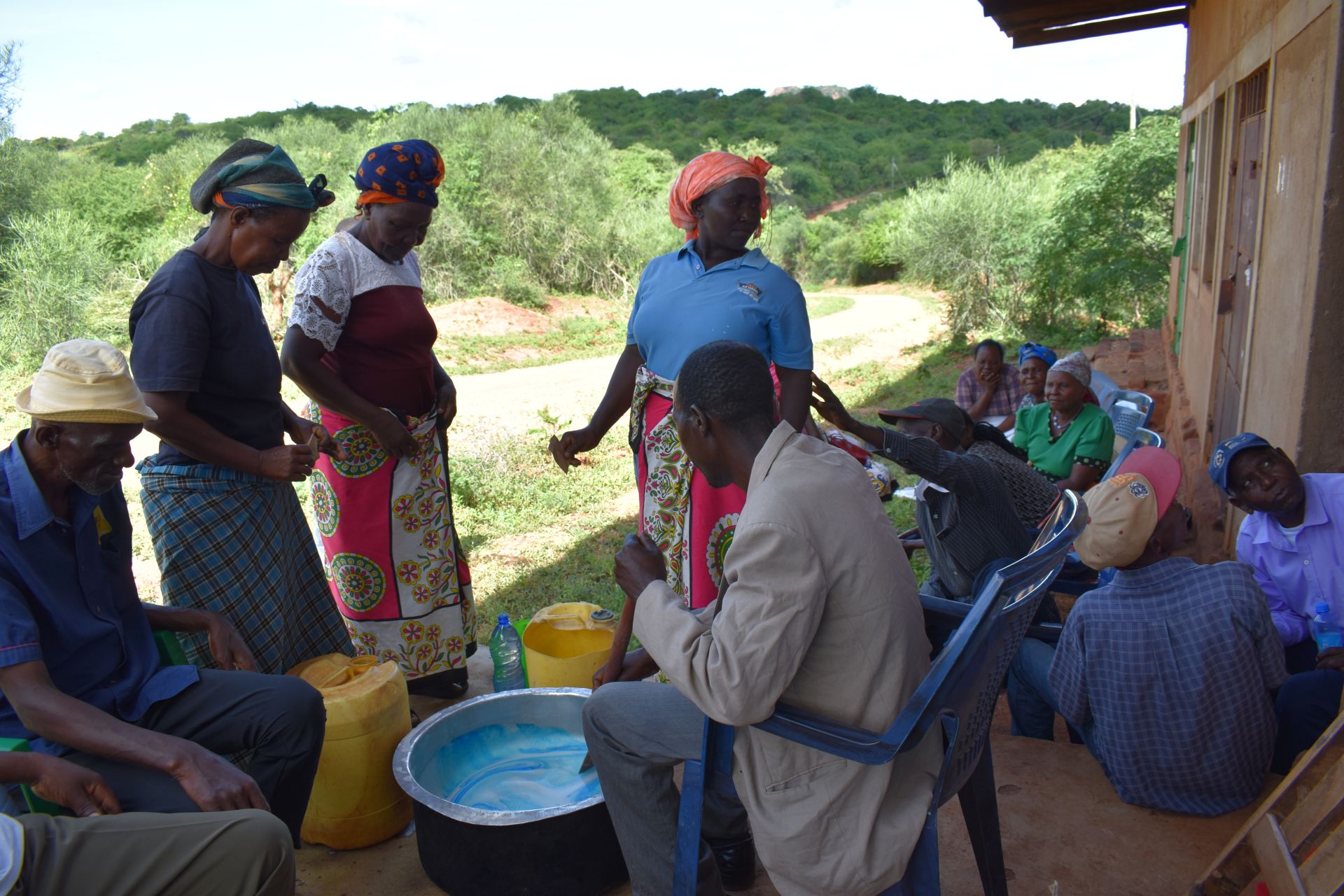
Soapmaking session.

During the soap-making session, participants were introduced to soap chemicals and kerol (latrine disinfectant), which weren’t new to the group, as this was refresher training. During this activity, all members were allowed to take part in stirring. One older male participant was told to stir. He jokingly told the participants that he started cooking before some of them were born. He added that he makes very nice ‘ugali’ (a staple African cornmeal porridge-like dish) that requires a lot of mixing, and therefore he could beat them all at stirring the soap mixture.

Thank you for making all of this possible!


Update photo


September, 2026: Exciting Progress in Katambauku Mukau Community!

We’re thrilled to share that, thanks to your generous support, significant change is coming for Josephine Ndanu and the entire Katambauku Mukau Community. Construction has begun on the sand dam project, bringing them one step closer to having clean, reliable water.

But that's not all—during construction, we’re also providing vital health training. These sessions equip the community with essential hygiene practices, ensuring that the benefits of clean water extend to lasting health improvements.

We’re so grateful for your role in making this possible. Stay tuned for more updates—soon, we’ll be celebrating the arrival of safe water in the Katambauku Mukau Community!


Loading photos...


Project Type

A sand dam is a reinforced concrete wall built across a seasonal riverbed. As the rains flow, sand builds up behind it and stores water beneath the surface, safe from evaporation, recharging the water table so nearby hand-dug wells stay full long after the river has dried. It is one of the most durable and cost-effective ways to hold water in dry regions, and with your partnership it keeps serving a community season after season.

Learn more about sand dams here!


Contributors

Project Sponsor - Lifeplus Foundation