
Project Status


Project Type:  Protected Dug Well

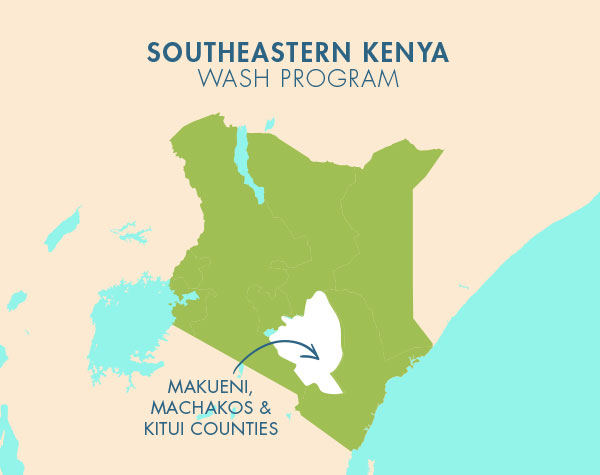
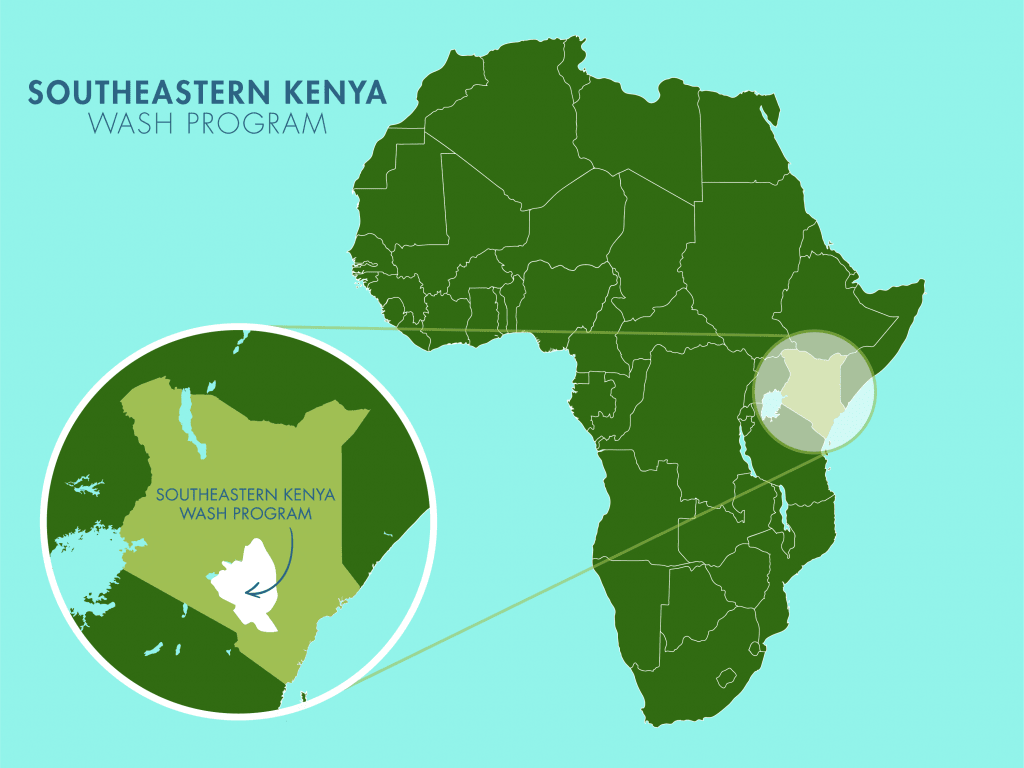
Regional Program: Southeastern Kenya WaSH Program

Impact: 300 Served

Project Phase:  In Service - Mar 2026

Functionality Status:  Functional

Project Features


Click icons to learn about each feature.


The 500 members of the Kiliku Community struggle daily to access safe and sufficient water. The only water source available to them is vulnerable to contamination, as it is shared with animals, jeopardizing the community's health and well-being.

"Water from the earth dam is stagnant and more than imaginable contaminants including human beings, animals, and other pollutants roll free and make the water unsafe for human consumption posing significant health threats to the users. There is no order when humans and animals get water from the source; the color of the water has even changed to green as a sign of how dirty it is," shared Field Officer Jefferson Mutie.

"Community members report several health impacts from drinking water from an earth dam. Common issues include gastrointestinal problems like diarrhea and stomach cramps, often linked to microbial contamination. There are also concerns about skin rashes and eye irritations, which can be caused by algae or other contaminants," continued Jefferson.

The contaminated water source.

The grave concerns of water-related illnesses are exhausting and consuming. Unfortunately, without any other options, people are forced to consume the water that makes them ill.

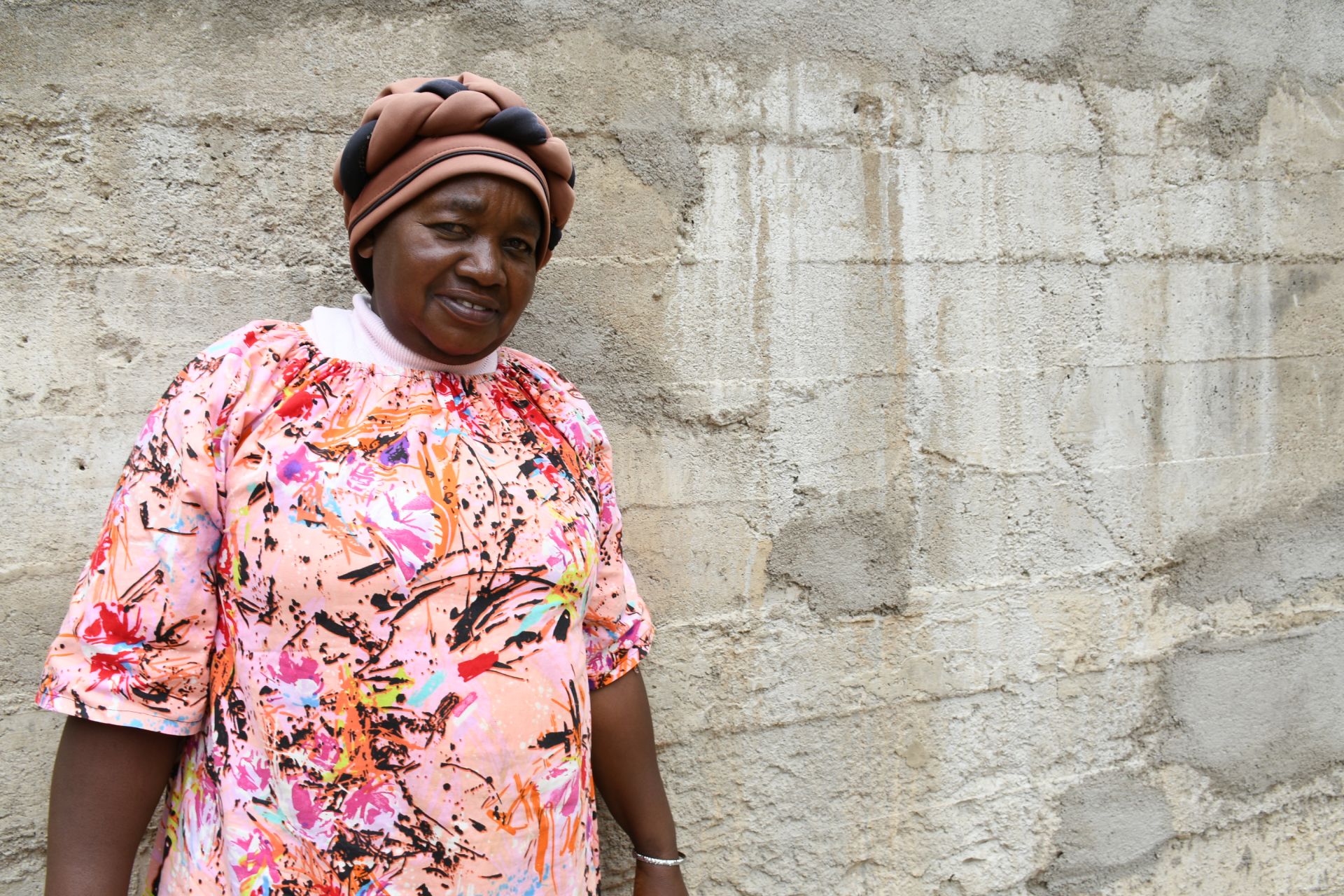
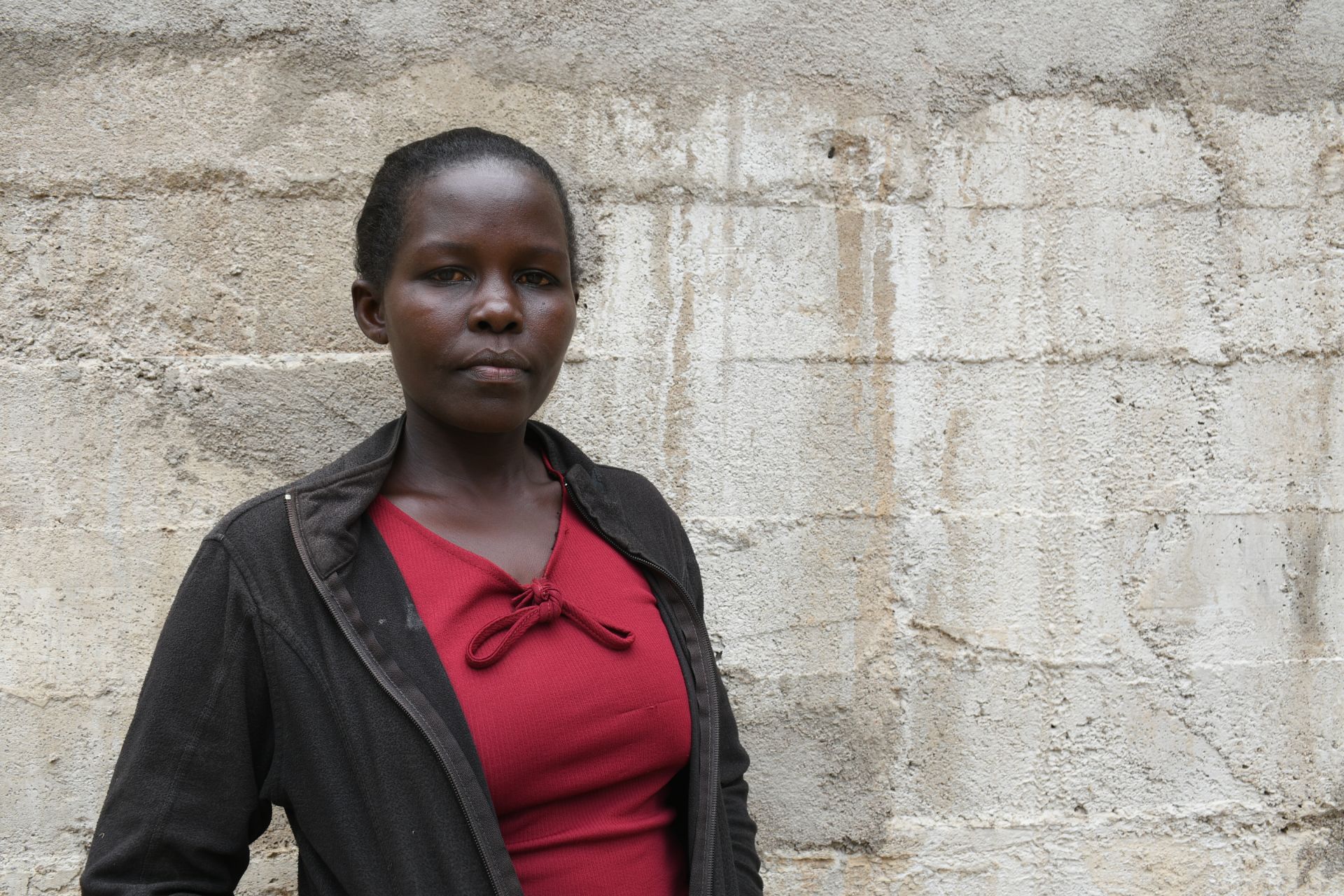
66-year-old Juliana Nzaumbi has experienced the hardships of the community's water crisis for a long time.

She shared, "I have lived in this community for a very long time. I have seen people suffer in getting water, myself included, and at times trekking painfully just to save myself, as water is very precious here and in life generally."

Without sufficient water, Juliana must constantly balance her goals. Every day is consumed with traveling the difficult journey and making sacrifices. Some days, she must choose between quenching her thirst and doing a chore like cleaning her clothes because doing both seems nearly impossible.

"I would love to wake up, prepare tea, and work on my farm without being worried or spending a lot of time fetching water, as it is very demanding," she expressed.

Installing a well will give Juliana the peace of easily accessing safe water without fearing the long distance or impending illness. She can then focus on her farm. Having the tools to meet her needs will give Juliana and the rest of her community the opportunity to thrive.

"With fewer waterborne diseases and less time spent collecting water, school-going children can focus on education and health, ultimately fostering a more prosperous future for everyone," concluded Jefferson

Solving the water crisis in this community will require a multifaceted system that will work together to create a sustainable water source that will serve this community for years to come.

Note: Our proposed water point can only serve 300 people per day. We are working with the community to identify other water solutions that will ensure everyone has access to safe and reliable drinking water.

Steps Toward a Solution

Our technical experts worked with the local community to identify the most effective solution to their water crisis. Together, they decided to construct a dug well and sand dam.

Dug Well Near A Sand Dam
Once a sand dam is installed and has time to mature by gathering sand and silt, groundwater increases significantly in the entire area surrounding the project. This provides a reliable source of groundwater that wasn’t possible before. As a result, wells can be constructed to take advantage of the water stored and filtered in the collected sand.

During construction, we build a platform for the well and attach a hand pump. The community gains a safe, enclosed water source capable of providing approximately five gallons of water per minute.

This dug-well will be connected to a sand dam to obtain water.

Community Education & Ownership
Hygiene and sanitation training are integral to our water projects. Training is tailored to each community's specific needs and includes key topics such as proper water handling, improved hygiene practices, disease transmission prevention, and care of the new water point. Safe water and improved hygiene habits foster a healthier future for everyone in the community. Encouraged and supported by the guidance of our team, a water user committee representative of the community's diverse members assumes responsibility for maintaining the water point, often gathering fees to ensure its upkeep.
Project Updates


March, 2026: Kiliku Community Well Complete!

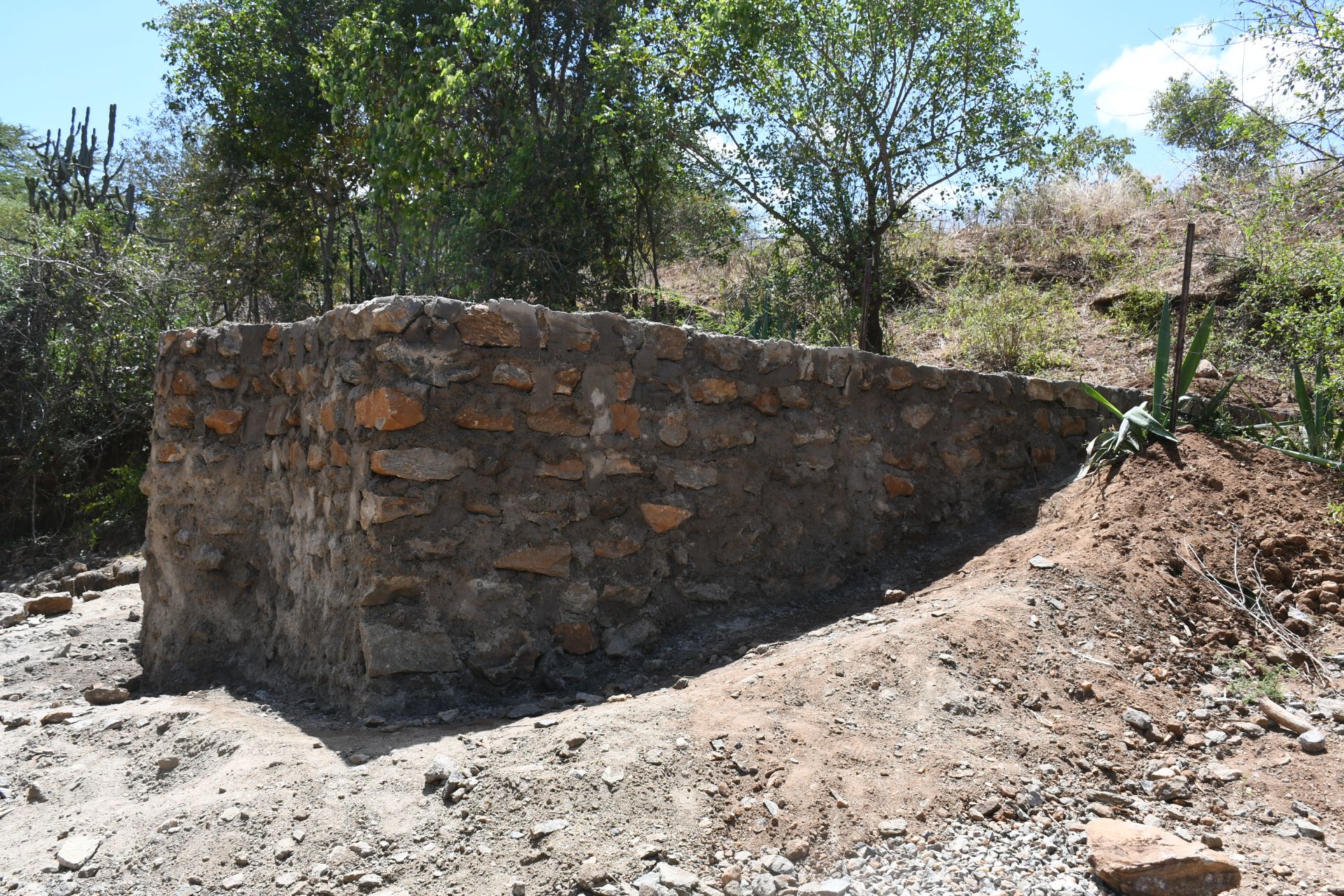
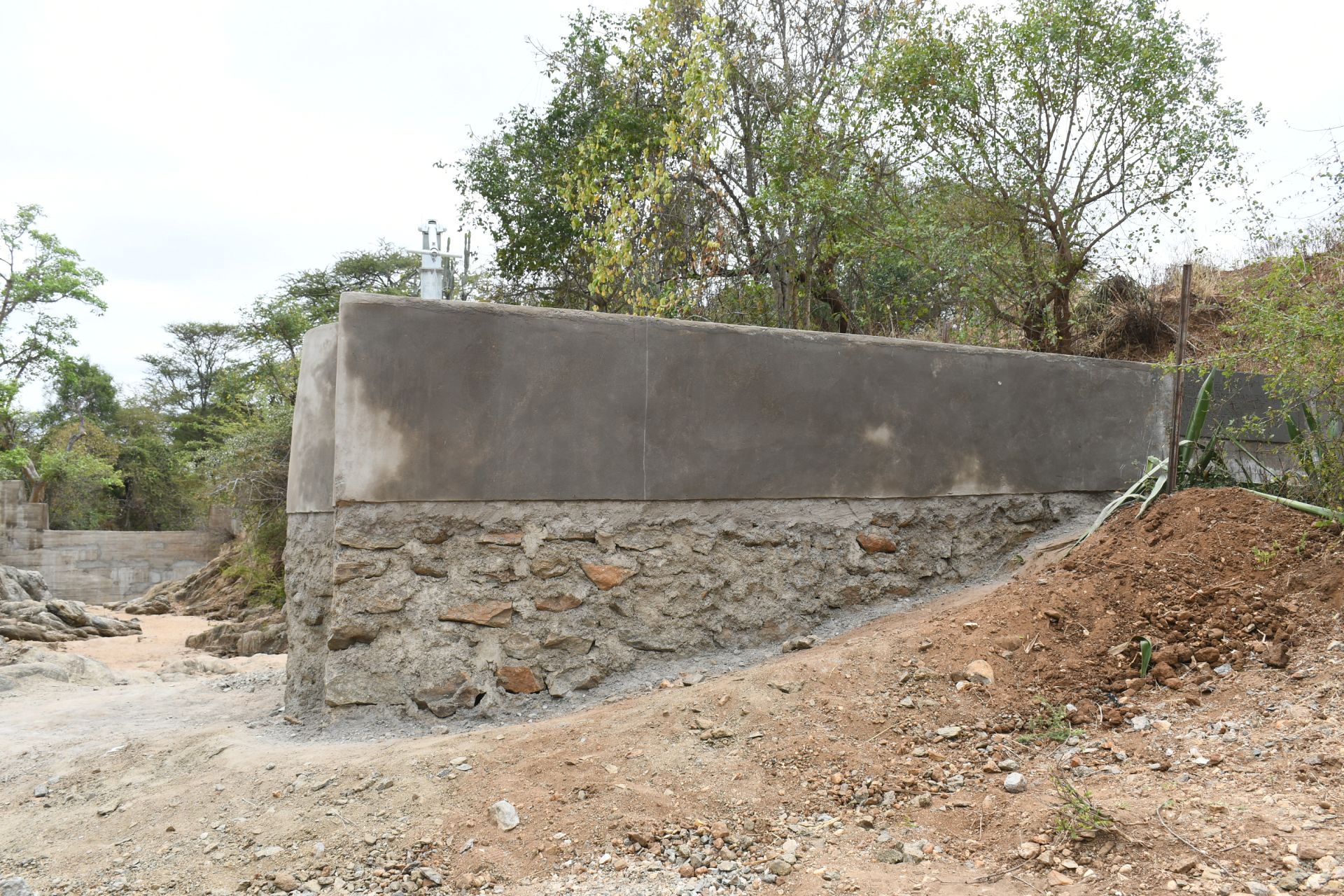
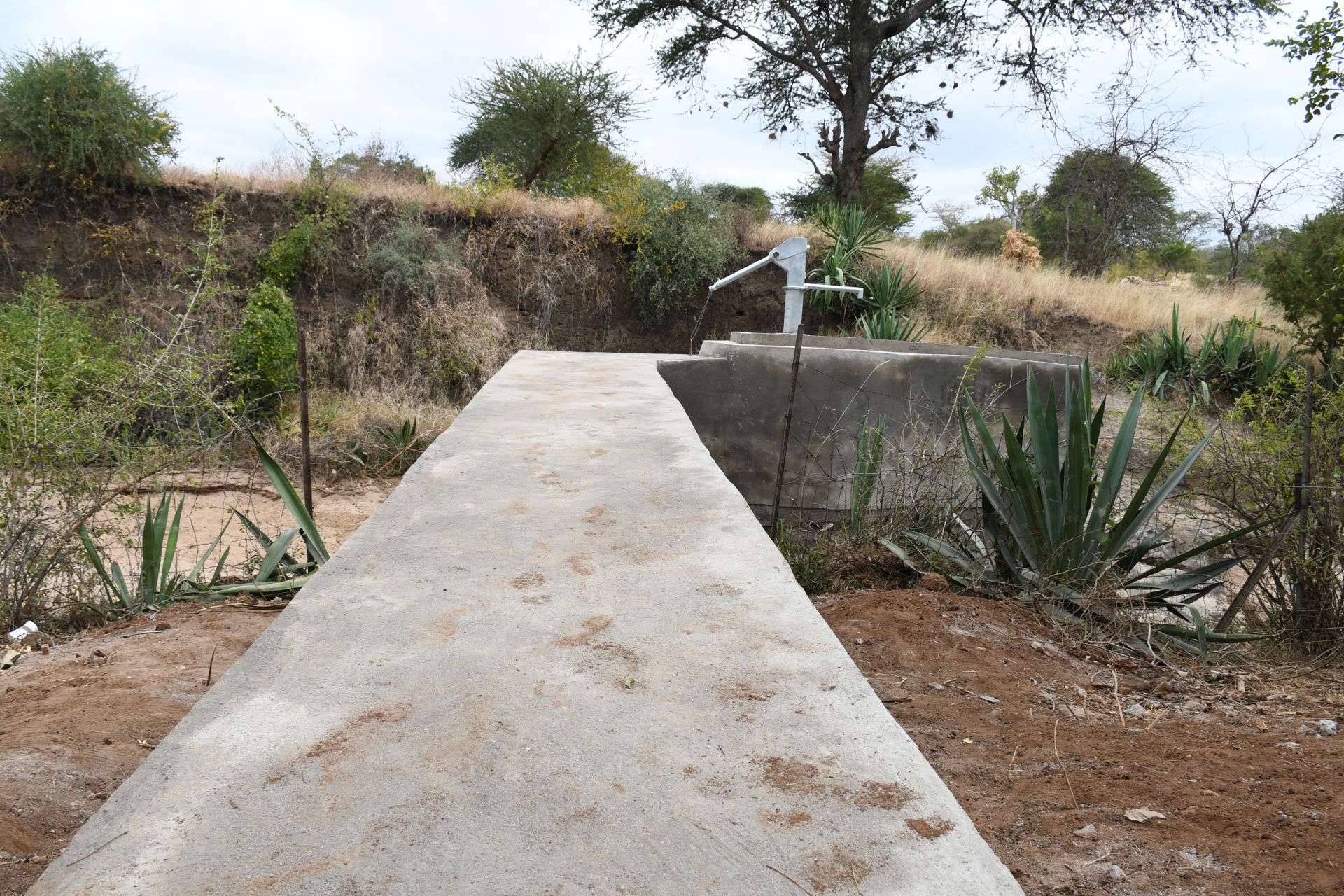
The Kiliku Community in Kenya now has a new water source thanks to your donation! We constructed a new protected dug well adjacent to a new sand dam on the riverbed. The sand dam will raise the water table and naturally filter water, while the well will provide a safer method of drawing drinking water for the community.

It could take up to three years of rain for the sand dam to reach its maximum capacity, as rainfall is often scarce in this region, occurring only once a year. As the sand dam matures and stores more sand, the surrounding landscape will become lush and fertile, and the well will fill with water.

"Reliable water will greatly improve things for me. In the past, I used to spend a lot of time fetching water, especially after school or during weekends. It was tiring and sometimes affected my ability to concentrate on my studies. Now that I’ve completed secondary school, I’m hopeful that having water nearby means I can focus more on preparing for college, helping at home, and even exploring ways to earn a little income, like growing vegetables or starting a small business," shared 17-year-old Irene.

Irene.

Protected Dug Well Construction

Construction for this well was a success!

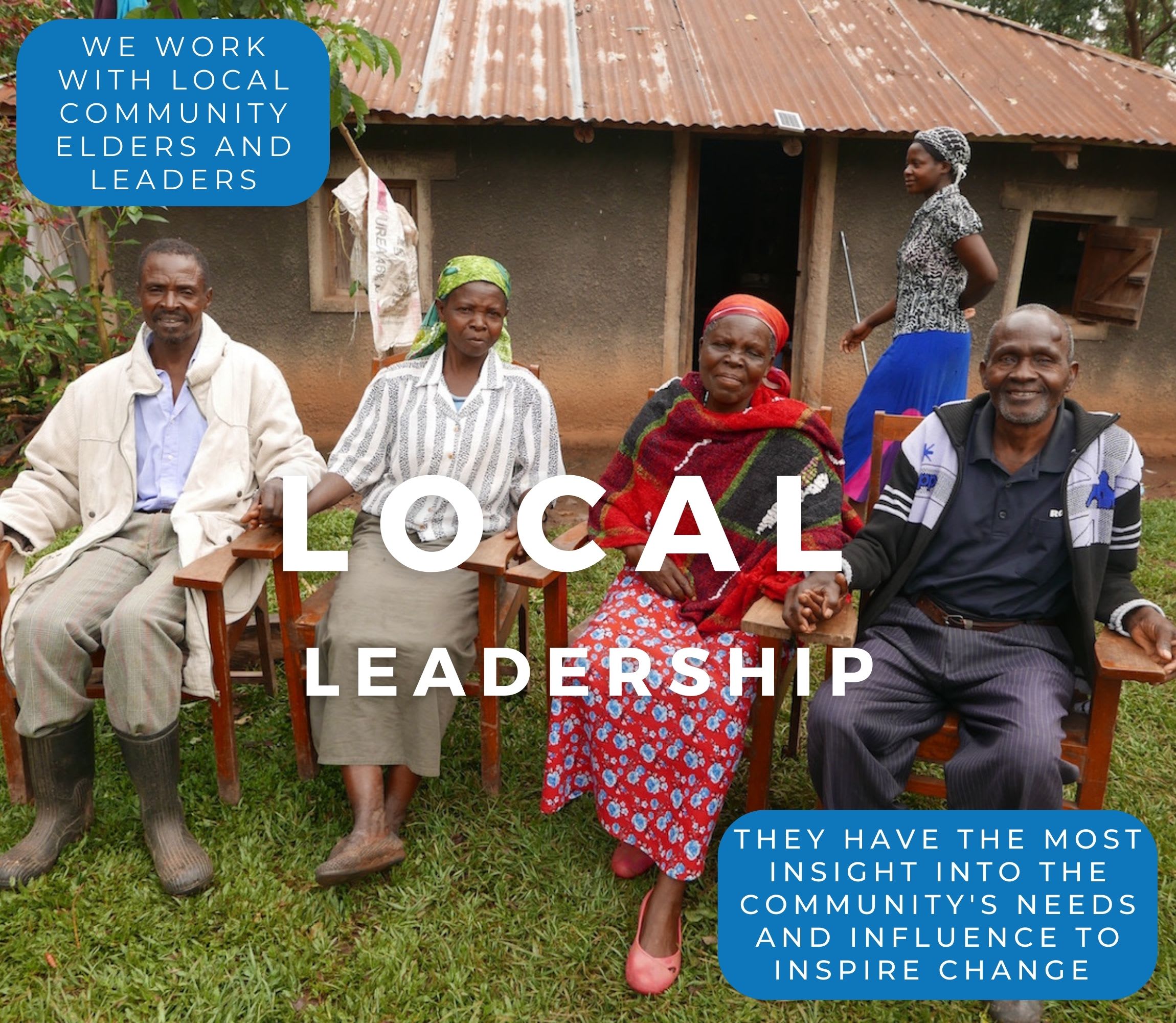
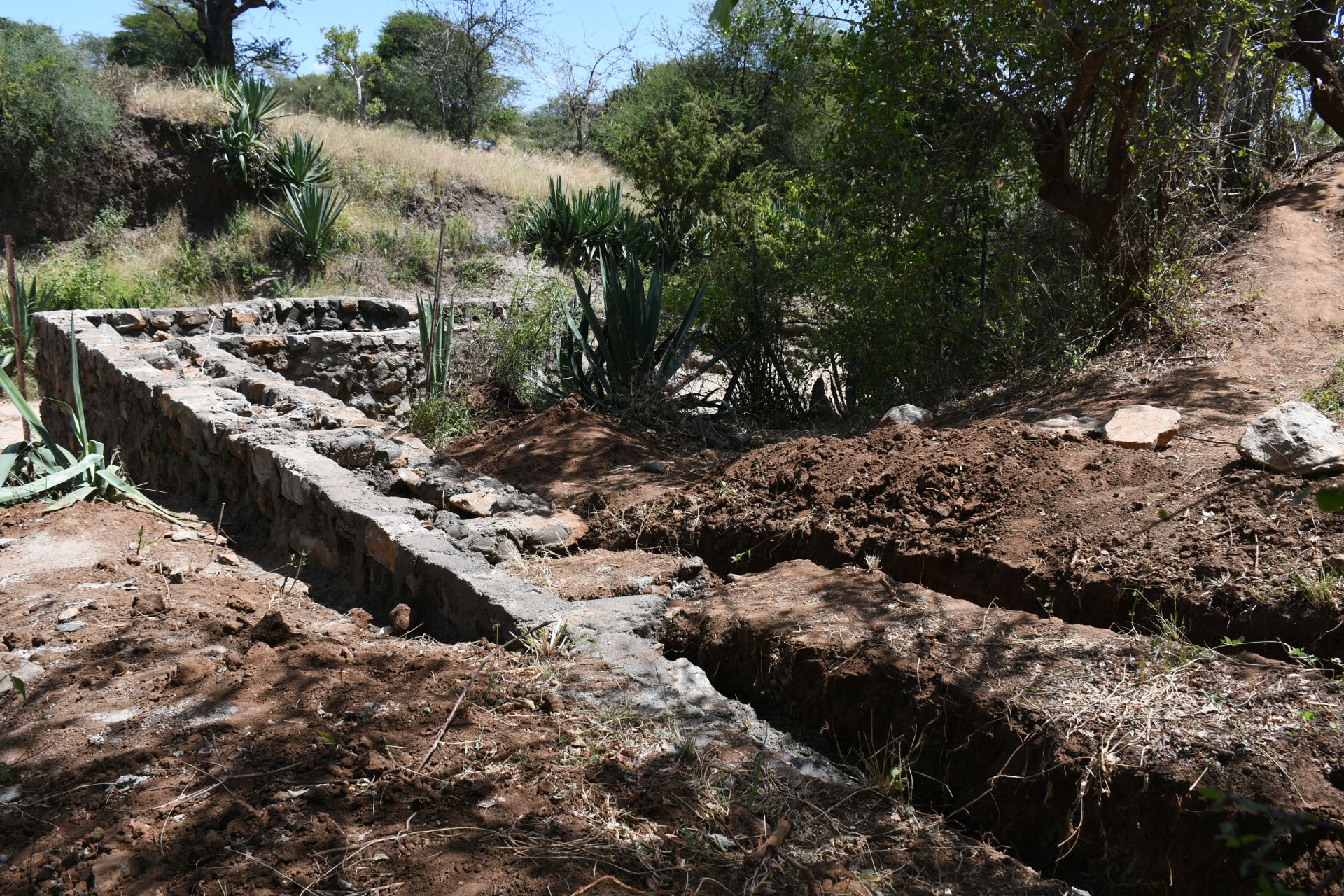
We delivered the experts, materials, and tools, but the community also contributed significantly to an extraordinary amount of work being done. They collected local materials to supplement the project, including sand, stones, and water. Once all the materials were ready, it was time to dig in!

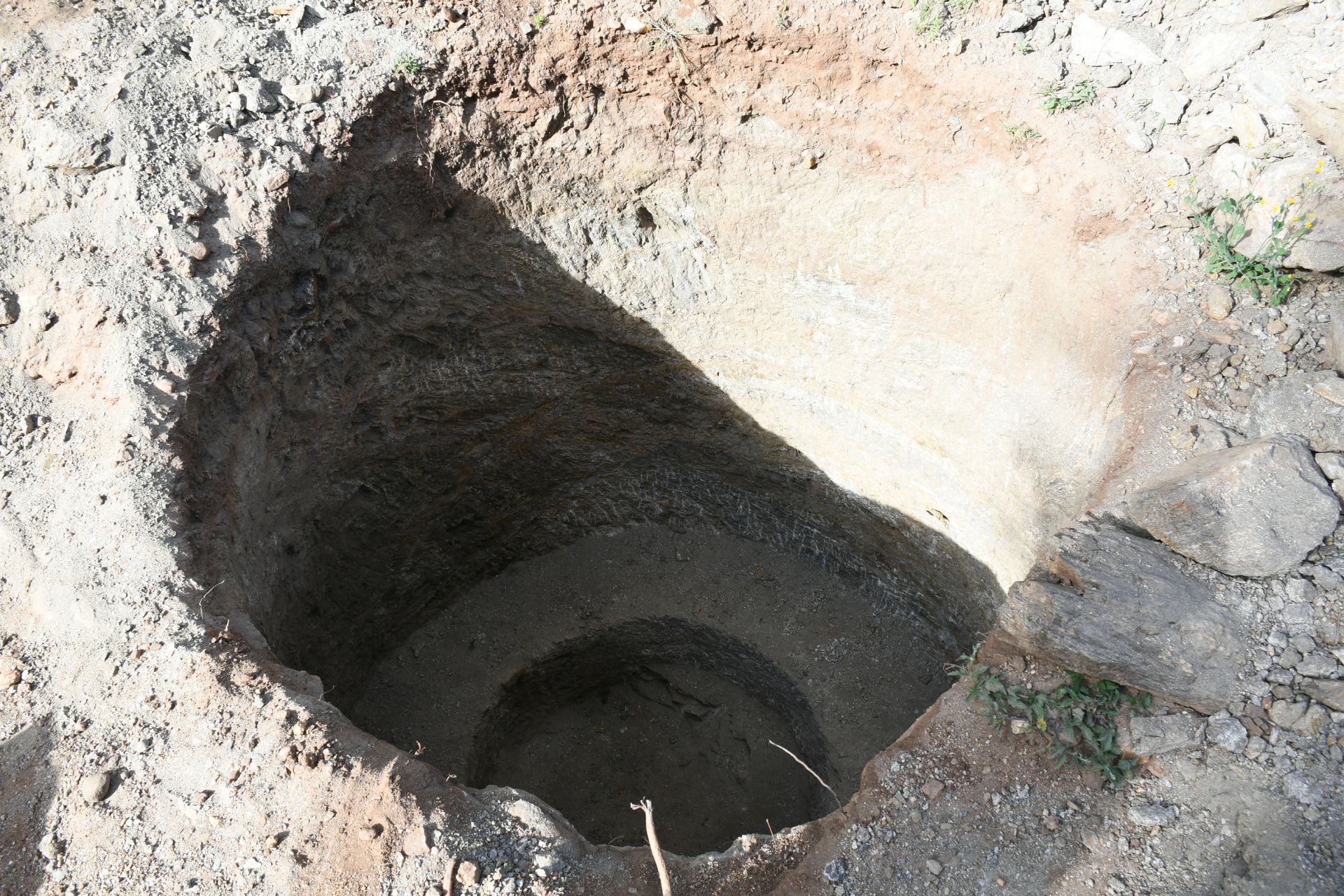
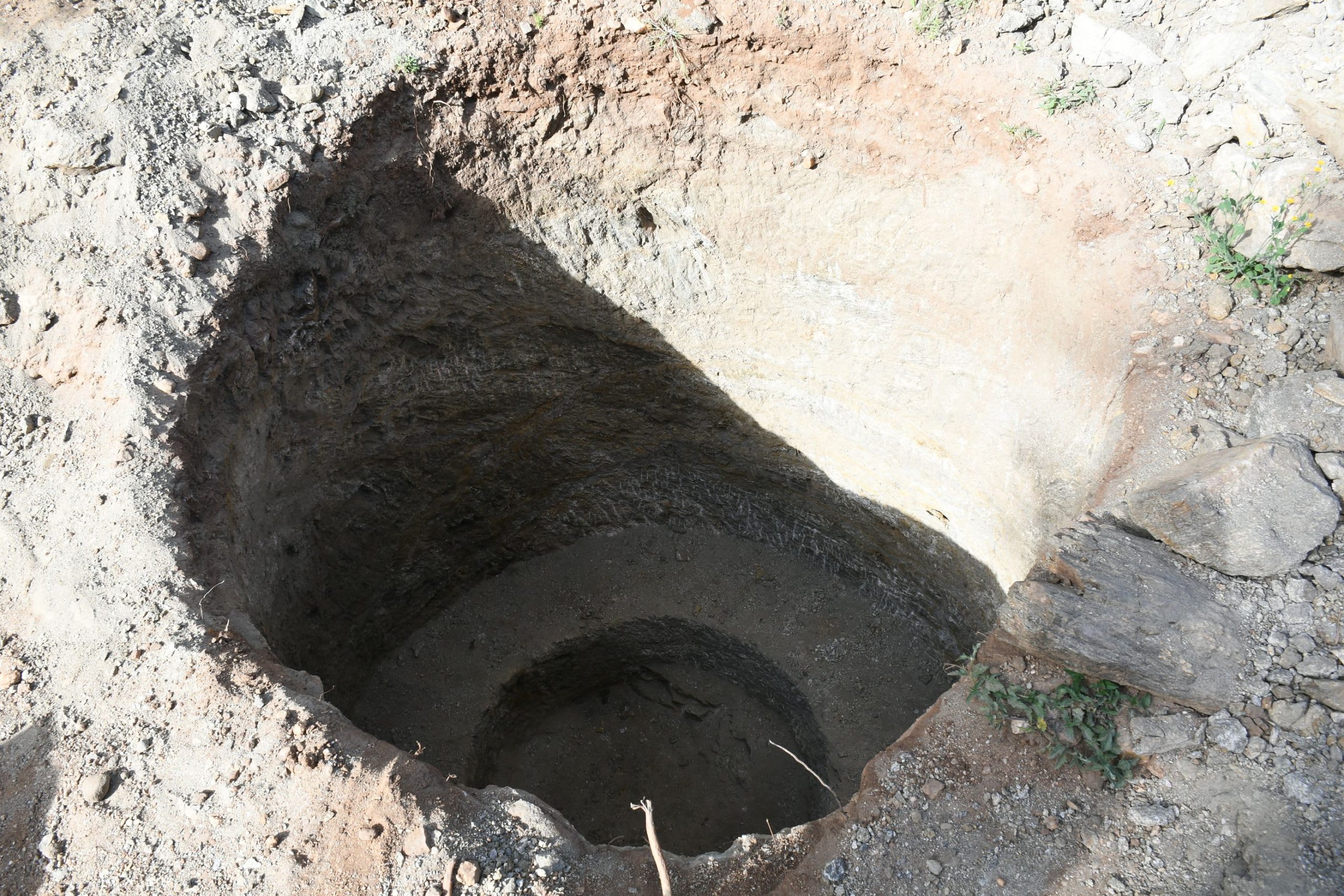
First, we excavated a hole seven feet in diameter down to the recommended depth of 25 feet. The well lining was constructed using brick and mortar with perforations to allow water to seep through. Now that the well is finished, sand builds up around its walls, which will filter the water stored behind the dam.

Once the well walls and lining were complete, we laid a precast concrete slab on top and joined it to the wall using mortar. The concrete dried for two weeks before installation.

Next, the mechanics arrived to install the well pump, as community members watched and learned how to manage simple maintenance tasks. We installed the pump level with the top of the sand dam. As the dam matures, sand will build up to the top of the wall. Until then, people will use concrete steps to get water. After installing the pump, we gave the well another few days to dry.

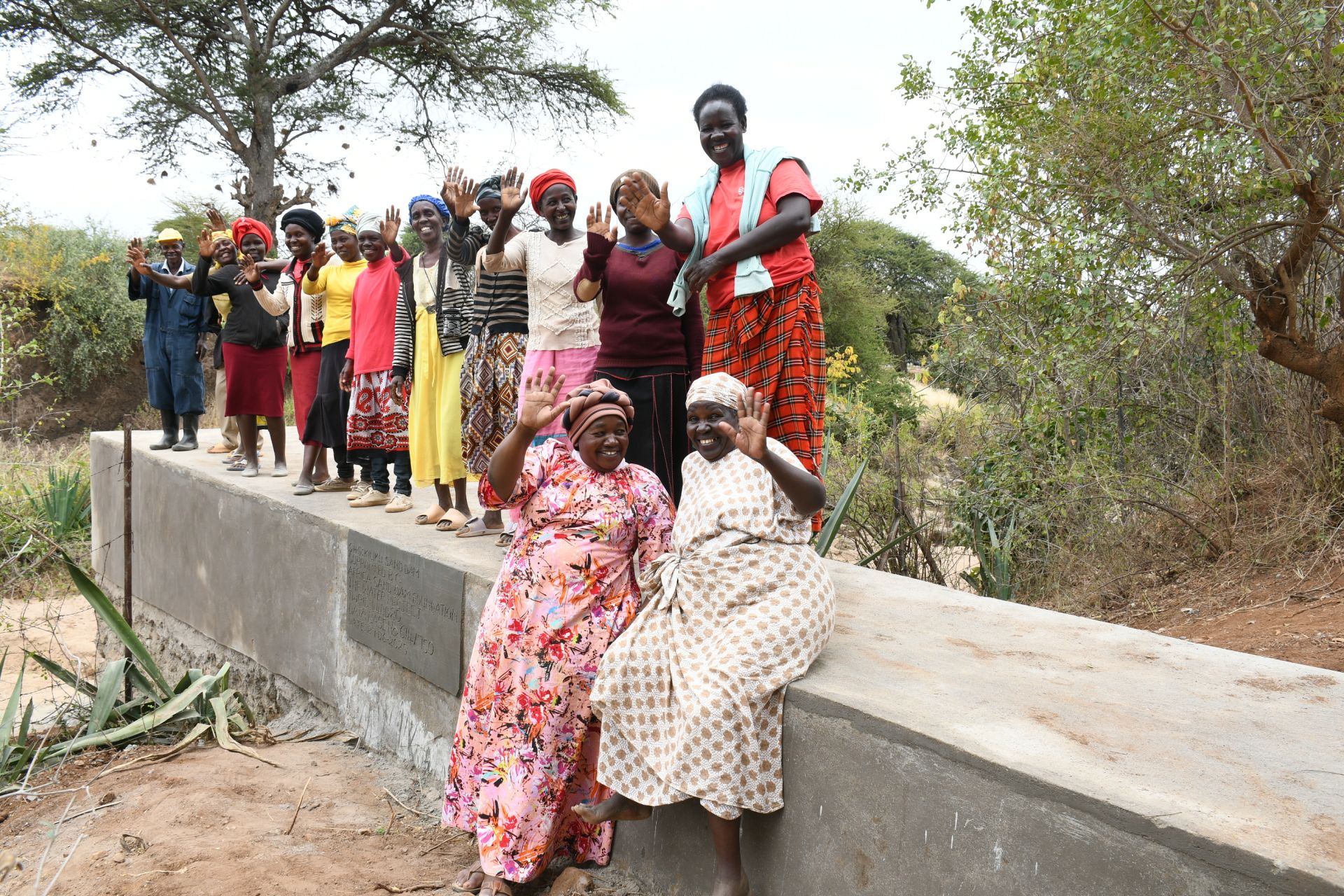
We worked with the Kiliku Sand Dam Self-Help Group for this project. The members and their families contributed tremendous amounts of materials and physical labor.

Community Education

As we’ve worked with this Self-Help Group in the past, we asked them about the subjects on which they needed refresher training.

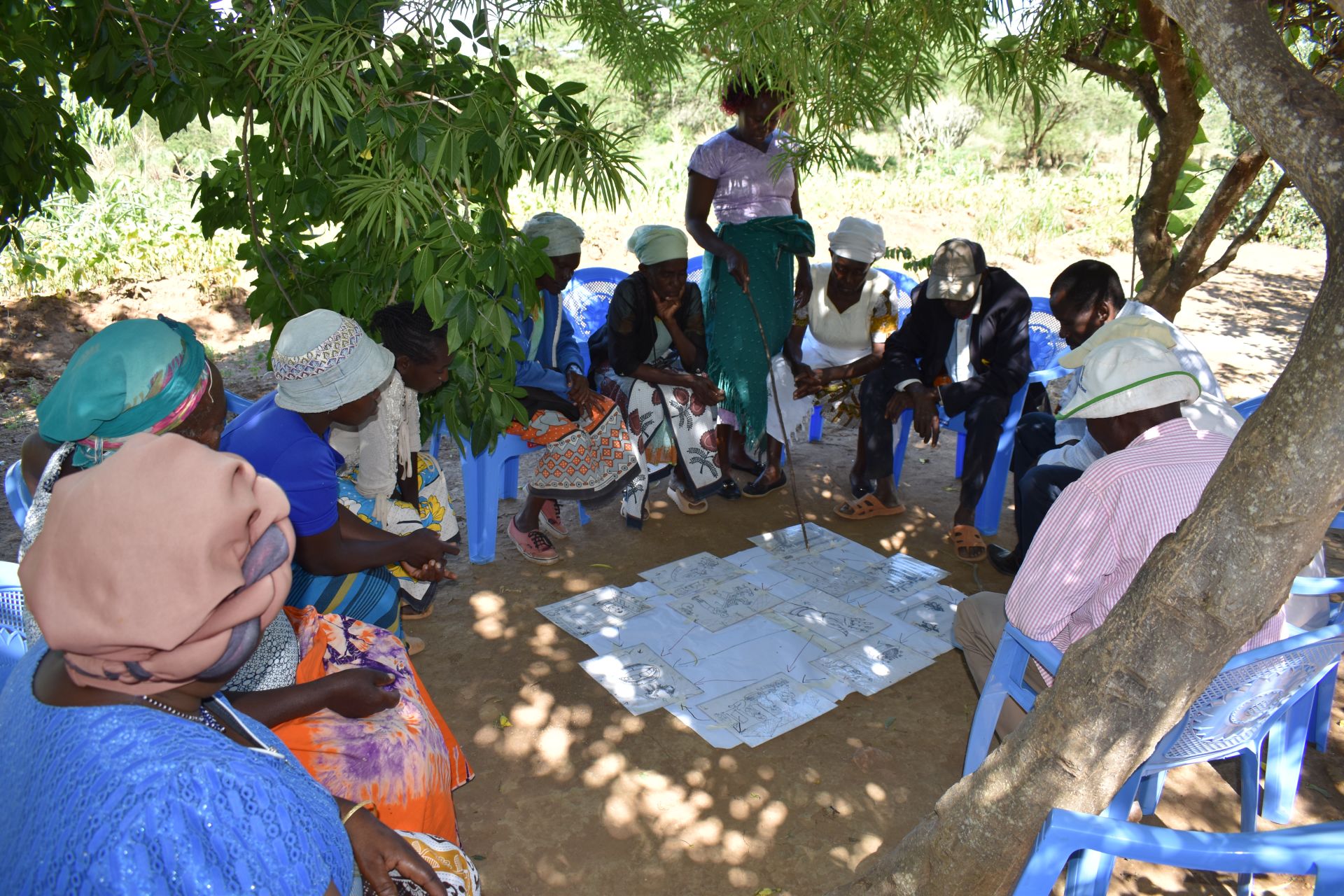
Trainer Veronica Matolo said the attendance was as expected and the training was a success!

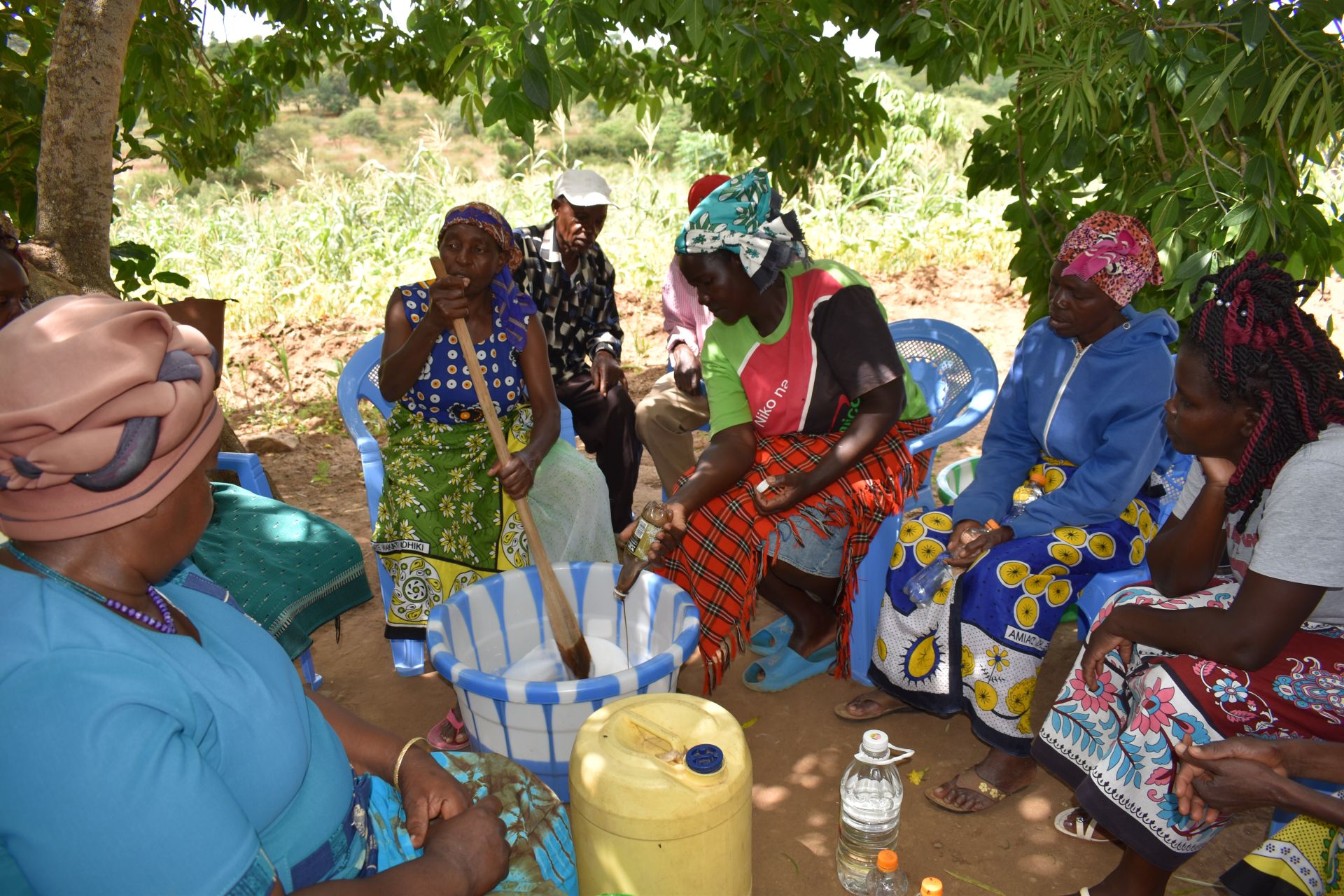
We trained the group on various skills, including bookkeeping, financial management, project management, group dynamics, and governance. We conducted hygiene and sanitation training to teach skills such as soap and detergent making and to improve habits, including handwashing.

We covered health problems in the community, including good and bad hygiene habits, as well as the prevention of disease. Finally, we covered both natural resource management and the operation and maintenance of the sand dam.

"This training has brought some light into our lives. There are a lot of practices that were ignored and never thought of being important. Like, for instance, a good number of us have been saying that we are old and have never been hospitalised, but we’ve been proven wrong since we always have cases of diarrhoea and typhoid, which are very common in our area. Little did we know that we would get sick because of drinking contaminated water," Ms. Mbete, quoted previously, shared her experience in the training sessions.

"Thank you for making all of this possible!


Update photo


January, 2026: Exciting Progress in Kiliku Community!

We’re thrilled to share that, thanks to your generous support, significant change is coming for Juliana Nzaumbi and the entire Kiliku Community. Construction has begun on the well project, bringing them one step closer to having clean, reliable water.

But that's not all—during construction, we’re also providing vital health training. These sessions equip the community with essential hygiene practices, ensuring that the benefits of clean water extend to lasting health improvements.

We’re so grateful for your role in making this possible. Stay tuned for more updates—soon, we’ll be celebrating the arrival of safe water in the Kiliku Community!


Project Photos


Project Type

Protected Dug Well

Dug wells have been an important source of water throughout human history! Now, we have so many different types of water sources, but protected dug wells still have their place. Protected dug wells are not as deep as borehole wells, and work best in areas where there is a ready supply of water just under the surface of the ground, such as next to a mature sand dam. Our artisans dig down through the layers of the ground and then line the hole with bricks, stone, or concrete, which prevent contamination and collapse. Then, back up at surface level, we install a well platform and a hand pump so people can draw up the water easily.


Contributors

Data Abstract Solutions, Inc.
15 individual donor(s)