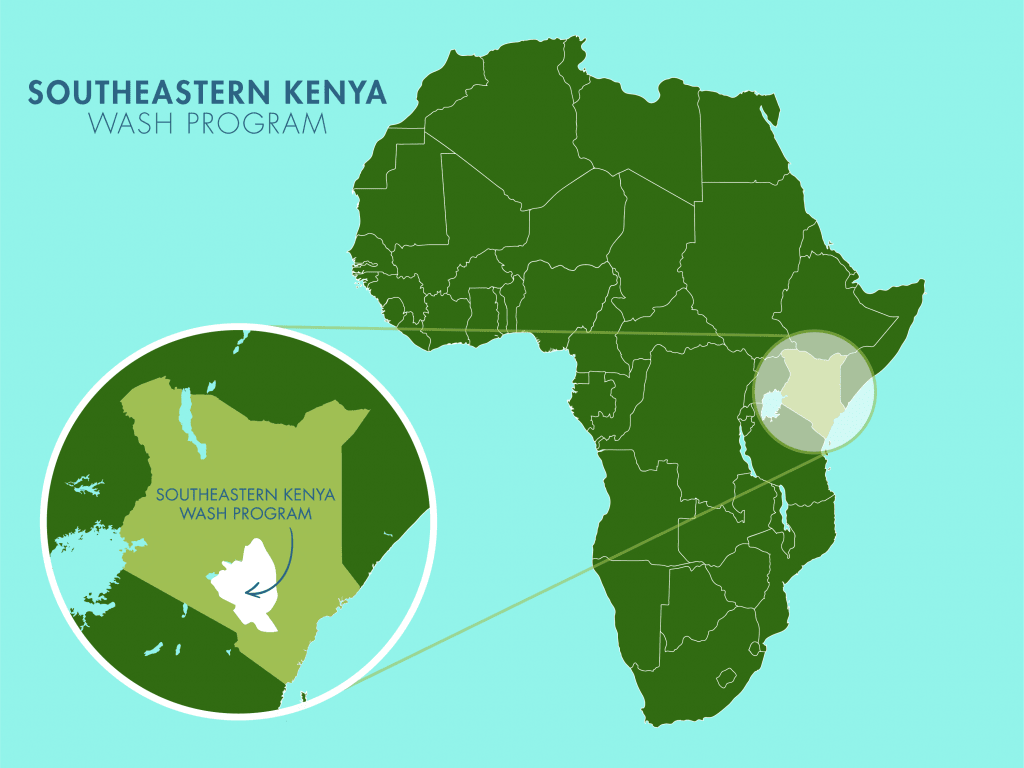

Project Status


Project Type:  Protected Dug Well

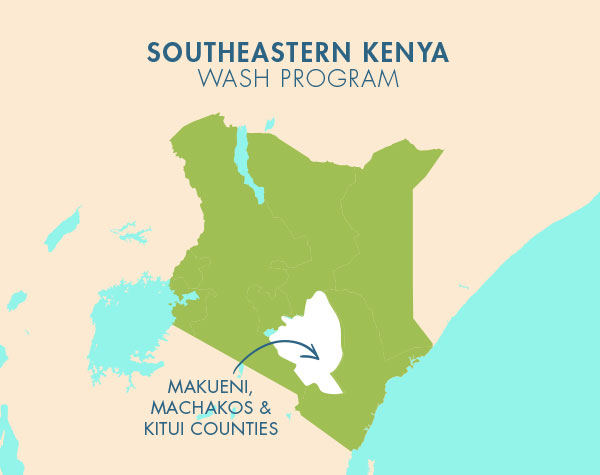
Regional Program: Southeastern Kenya WaSH Program

Impact: 300 Served

Project Phase:  In Service - Mar 2026

Functionality Status:  Functional

Project Features


Click icons to learn about each feature.


The Kasithyu Community is home to 4,000 people who do not have a nearby water source. It takes community members over an hour to travel to a distant well to collect water. They often wait in line for six hours, and then they have to make the trek back. This arduous, draining process limits the amount of water they can bring home and steals their time.

"The waterpoints in the area are not sustainable because they run low and dry up as the drought season progresses. The borehole water kiosks are closed during most days of the week due to water shortage, and when water is available, every community member comes to fetch water, leading to overcrowding. They also need to purchase the water at 5 Ksh per 20-liter jerrycan, which is costly considering that residents are mostly farmers who reap very little from their farms due to drought," shared Field Officer Alex Koech.

Duncan.

Twelve-year-old Duncan feels the effects of the water crisis in his community.

"The waterpoint is located far away, and there are always long queues, especially during the drought period. It feels bad that we do not have enough water because we experience several months of drought in our area," said Duncan.

Duncan is used to water collection, consuming most of his day - he spends up to five hours each day fulfilling his responsibility.

"I spend most of my free time at home going to fetch water rather than studying," Duncan said.

"Understanding that the community members spend most of their daily lives fetching water was a pitiful situation because school-going children end up performing poorly in school and their parents reap very little from their farms; hence, they cannot support education or provide daily meals," said Field Officer Alex.

The faraway waterpoint.

Duncan will have difficulty building a brighter future without the time and opportunity to attend school, but until he has a reliable, nearby water source, he has no choice but to make the long, difficult trek each day.

We asked Duncan what he would do if he didn't have to spend so much of his time collecting water. He said, "I would spend my time playing with friends or revising what was taught in school."

Duncan collecting water.

Installing a well in combination with a nearby sand dam will bring water closer to Duncan's home, hopefully allowing him the time and energy he needs to attend school, enjoy his childhood, and build a brighter future.

Solving the water crisis in this community will require a multifaceted system that will work together to create a sustainable water source that will serve this community for years to come.

Note: Our proposed water point can only serve 300 people per day. We are working with the community to identify other water solutions that will ensure everyone has access to safe and reliable drinking water.

Steps Toward a Solution

Our technical experts worked with the local community to identify the most effective solution to their water crisis. Together, they decided to construct a dug well and sand dam.

Dug Well Near A Sand Dam
Once a sand dam is installed and has time to mature by gathering sand and silt, groundwater increases significantly in the entire area surrounding the project. This provides a reliable source of groundwater that wasn’t possible before. As a result, wells can be constructed to take advantage of the water stored and filtered in the collected sand.

During construction, we build a platform for the well and attach a hand pump. The community gains a safe, enclosed water source capable of providing approximately five gallons of water per minute.

This dug-well will be connected to a sand dam to obtain water.

Community Education & Ownership
Hygiene and sanitation training are integral to our water projects. Training is tailored to each community's specific needs and includes key topics such as proper water handling, improved hygiene practices, disease transmission prevention, and care of the new water point. Safe water and improved hygiene habits foster a healthier future for everyone in the community. Encouraged and supported by the guidance of our team, a water user committee representative of the community's diverse members assumes responsibility for maintaining the water point, often gathering fees to ensure its upkeep.
Project Updates


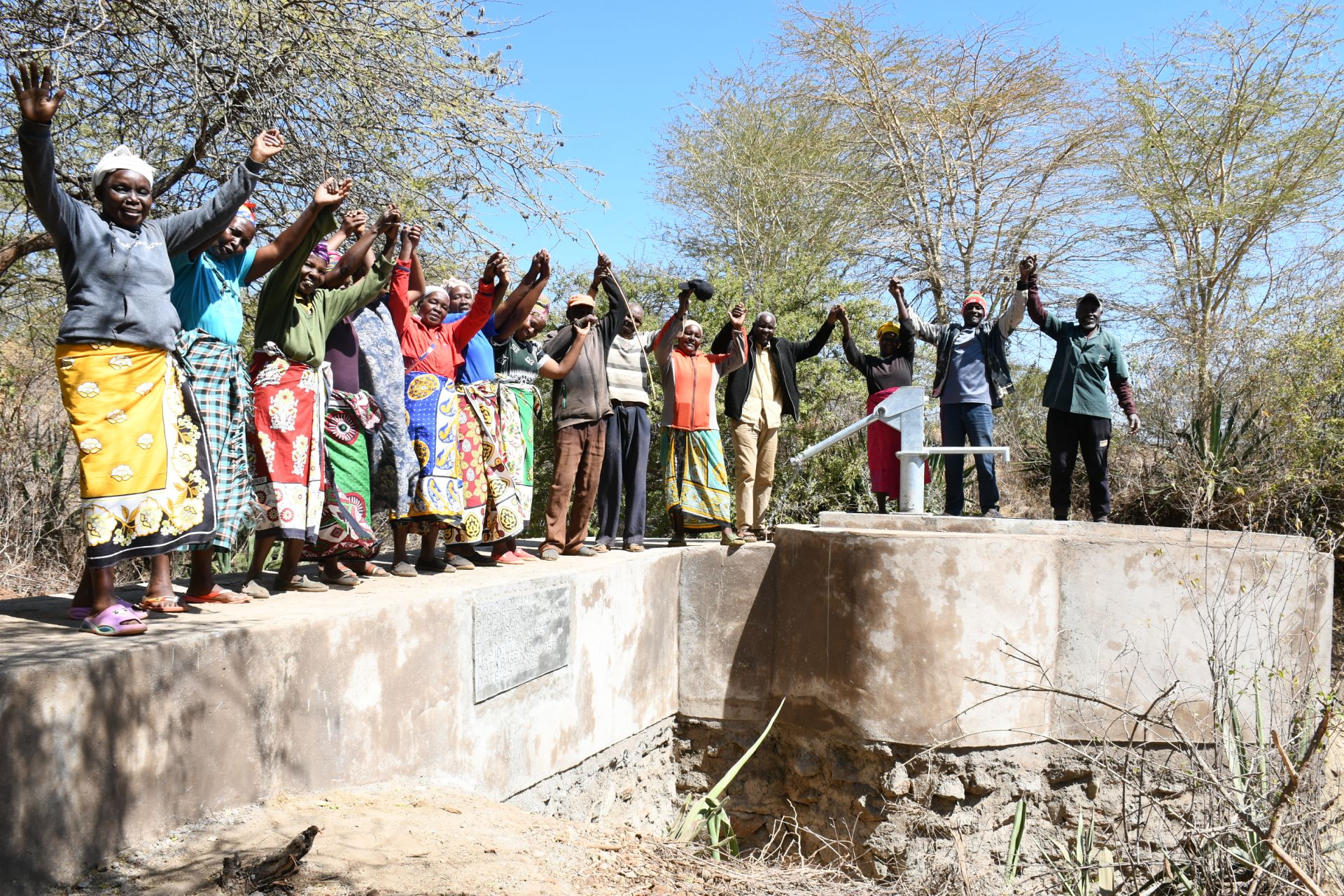
March, 2026: Kasithyu Community Well Complete!

The Kasithyu Community in Kenya now has a new water source thanks to your donation! We constructed a new protected dug well adjacent to a new sand dam on the riverbed. The sand dam will raise the water table and naturally filter water, while the well will provide a safer method of drawing drinking water for the community.

It could take up to three years of rain for the sand dam to reach its maximum capacity, as rainfall is often scarce in this region, occurring only once a year. As the sand dam matures and stores more sand, the surrounding landscape will become lush and fertile, and the well will fill with water.

Fifteen-year-old Mercy has walked a long road to get here today. Until this well, she spent hours every day searching and waiting for water.

Mercy.

She shared, "Reliable water will improve my life. I will no longer have to walk long distances to fetch water, which used to take a lot of my time and leave me tired. Now I can use that time to study and rest, which brings me closer to my dream of becoming a pilot. I will also have clean water to drink and use at home, which keeps me healthy and focused."

Protected Dug Well Construction

Construction for this well was a success!

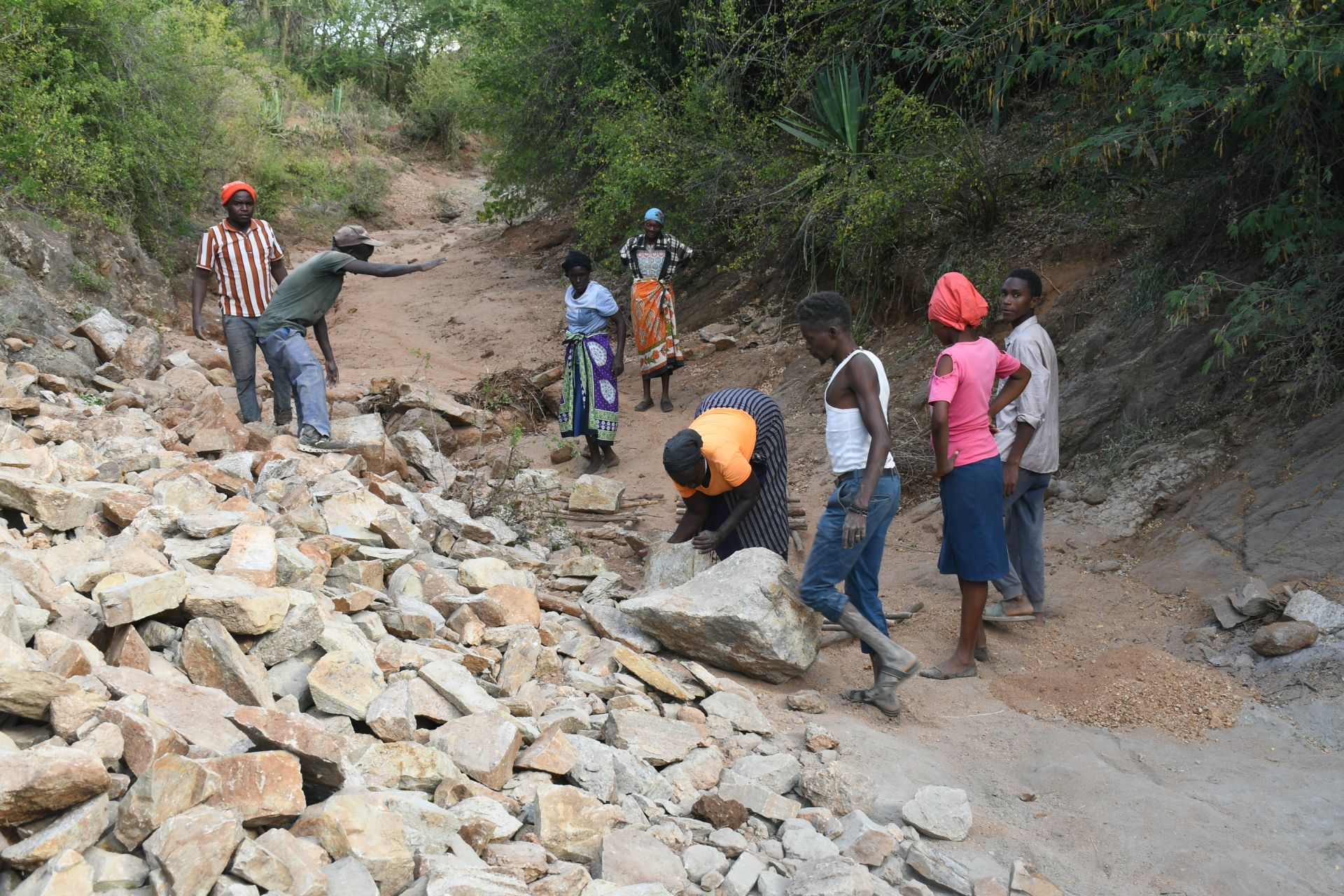
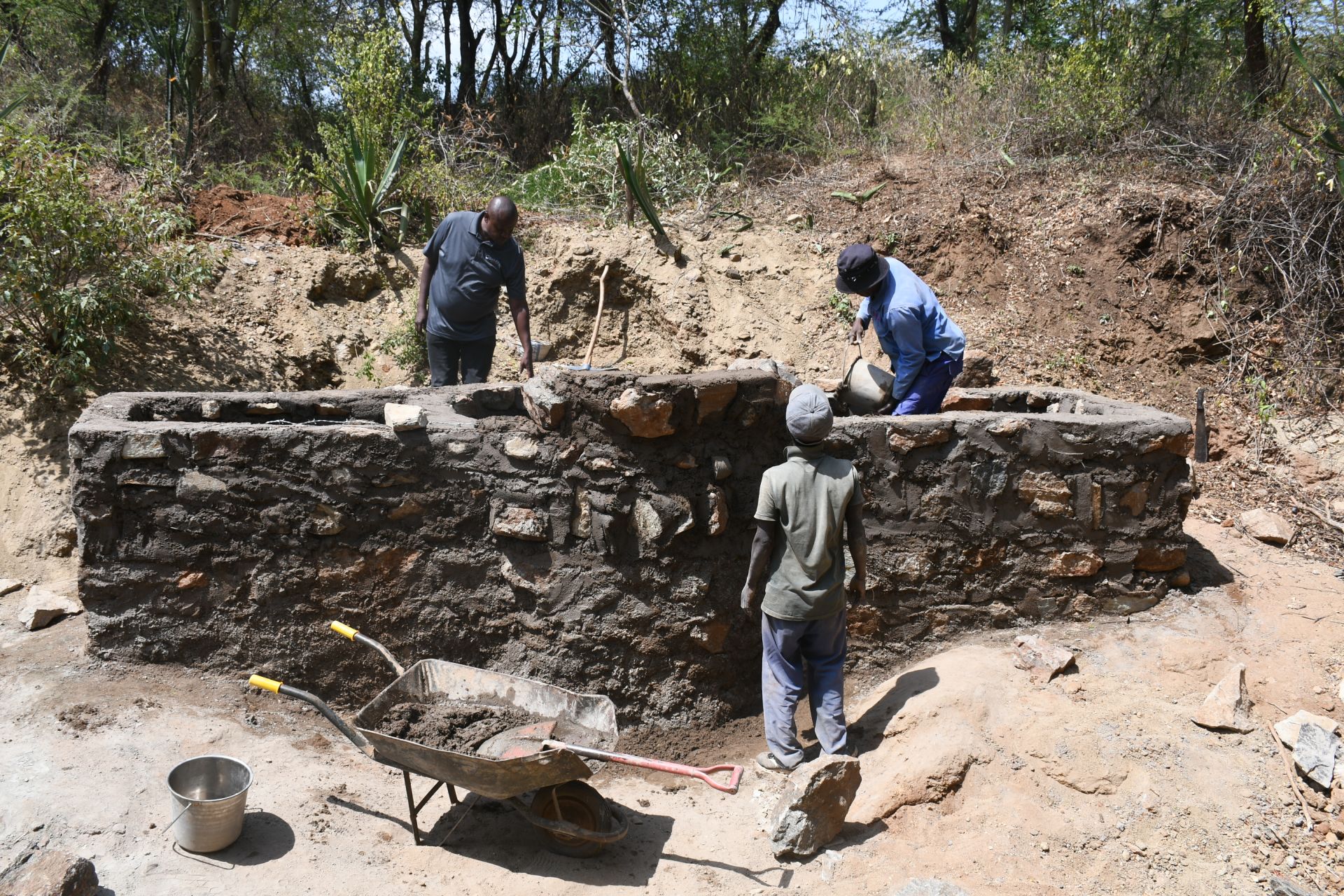
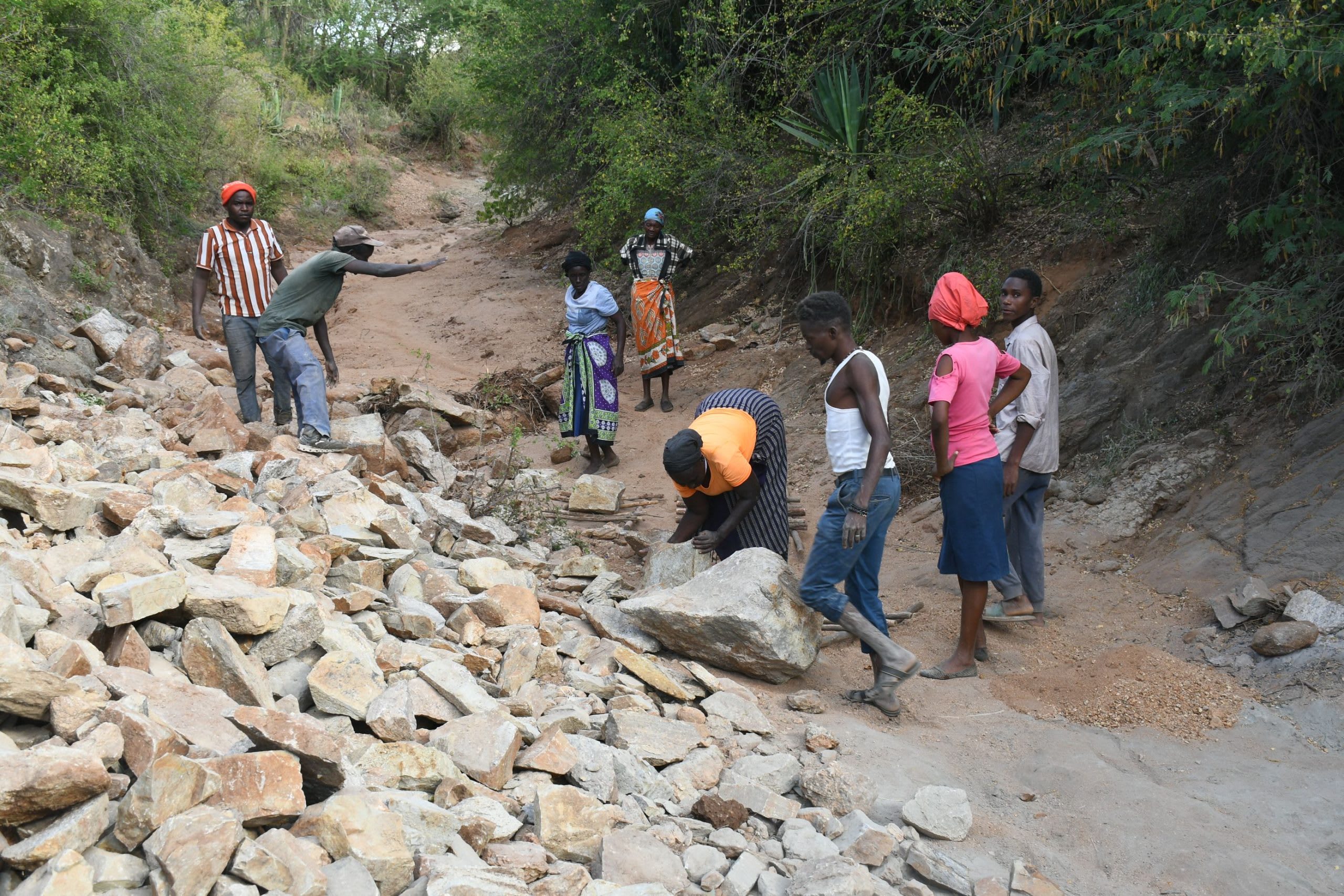
We delivered the experts, materials, and tools, but the community also contributed significantly to an extraordinary amount of work being done. They collected local materials to supplement the project, including sand, stones, and water. Once all the materials were ready, it was time to dig in!

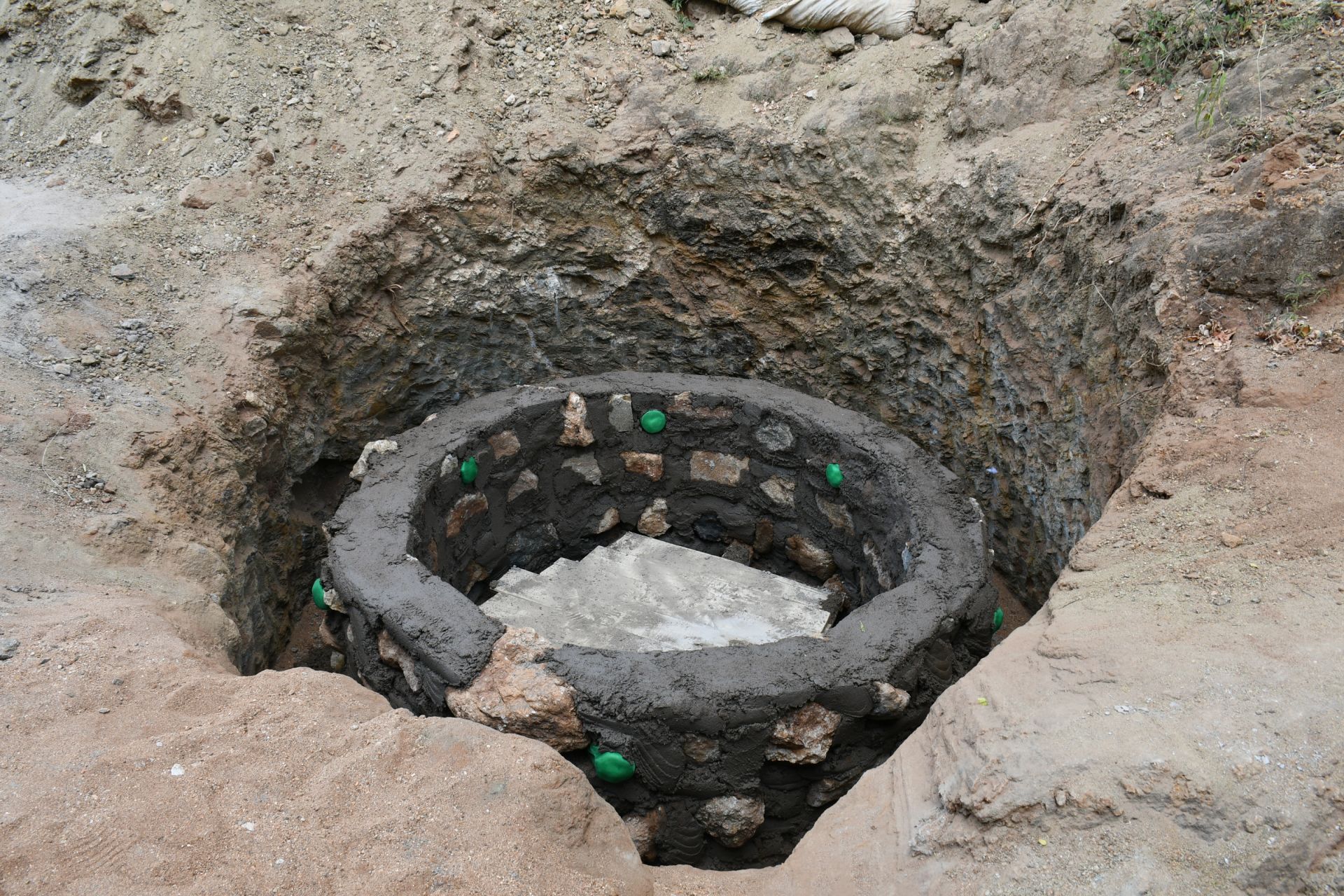
First, we excavated a hole seven feet in diameter down to the recommended depth of 25 feet. The well lining was constructed using brick and mortar with perforations to allow water to seep through. Now that the well is finished, sand builds up around its walls, which will filter the water stored behind the dam.

Once the well walls and lining were complete, we laid a precast concrete slab on top and joined it to the wall using mortar. The concrete dried for two weeks before installation.

Next, the mechanics arrived to install the well pump, as community members watched and learned how to manage simple maintenance tasks. We installed the pump level with the top of the sand dam. As the dam matures, sand will build up to the top of the wall. Until then, people will use concrete steps to get water. After installing the pump, we gave the well another few days to dry.

The well is complete and ready for the rainy seasons to fill it up!

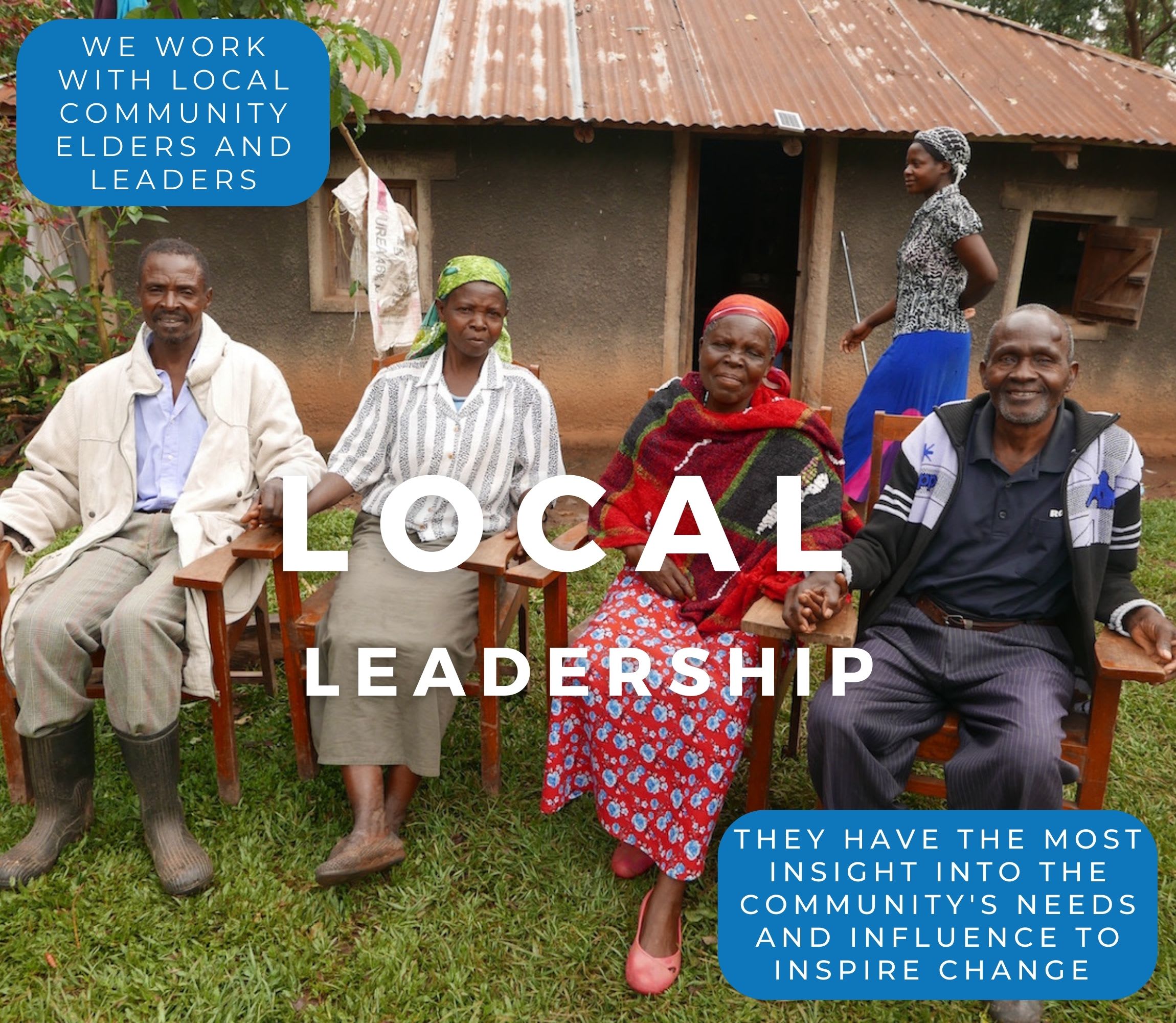
We worked with the Yuio Self-Help Group for this project. The members and their families contributed tremendous amounts of materials and physical labor.

Community Education

Our trainer collaborated with the field staff and community members to identify areas where the community could improve.

As we’ve worked with this Self-Help Group in the past, we asked them about the subjects on which they needed refresher training.

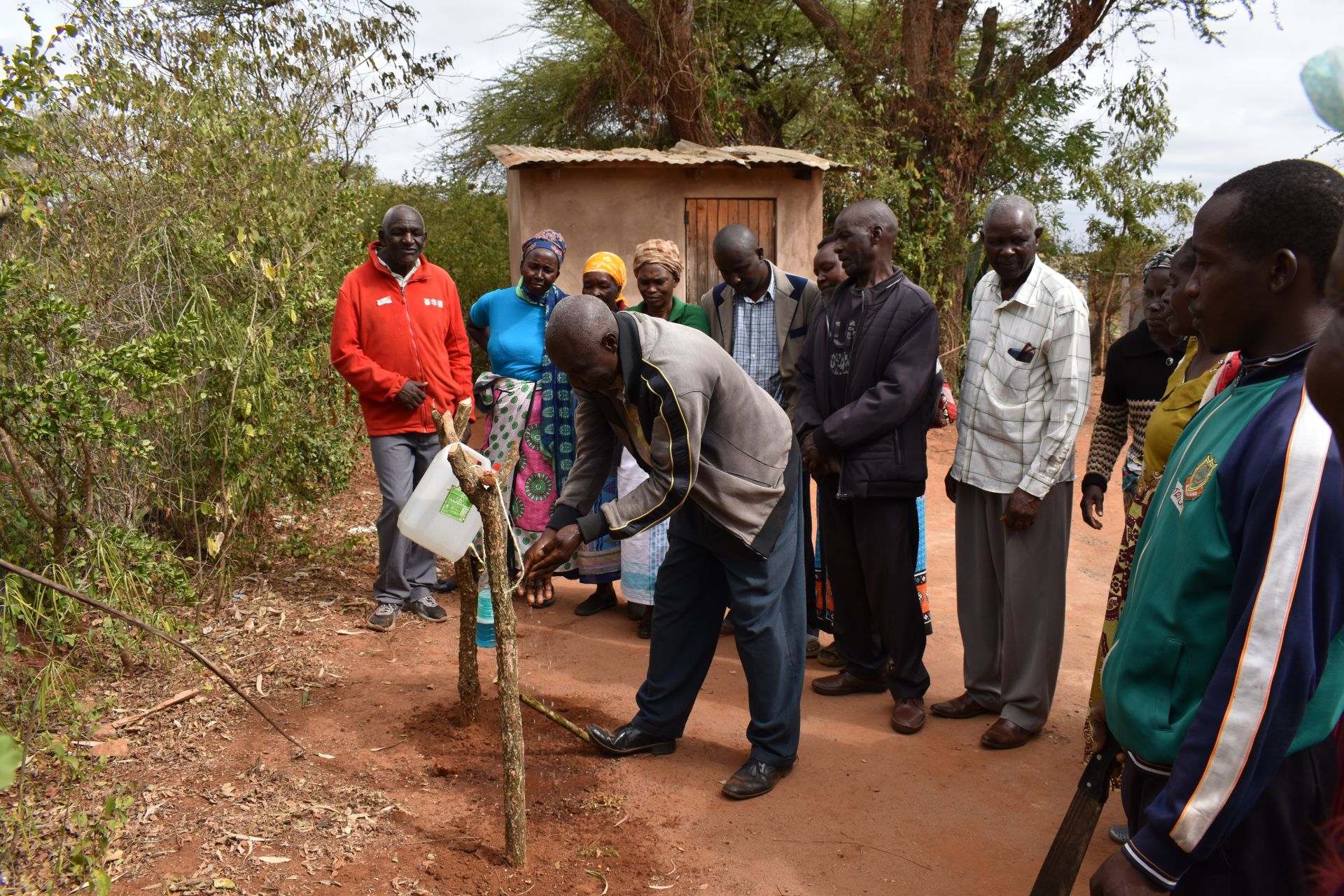
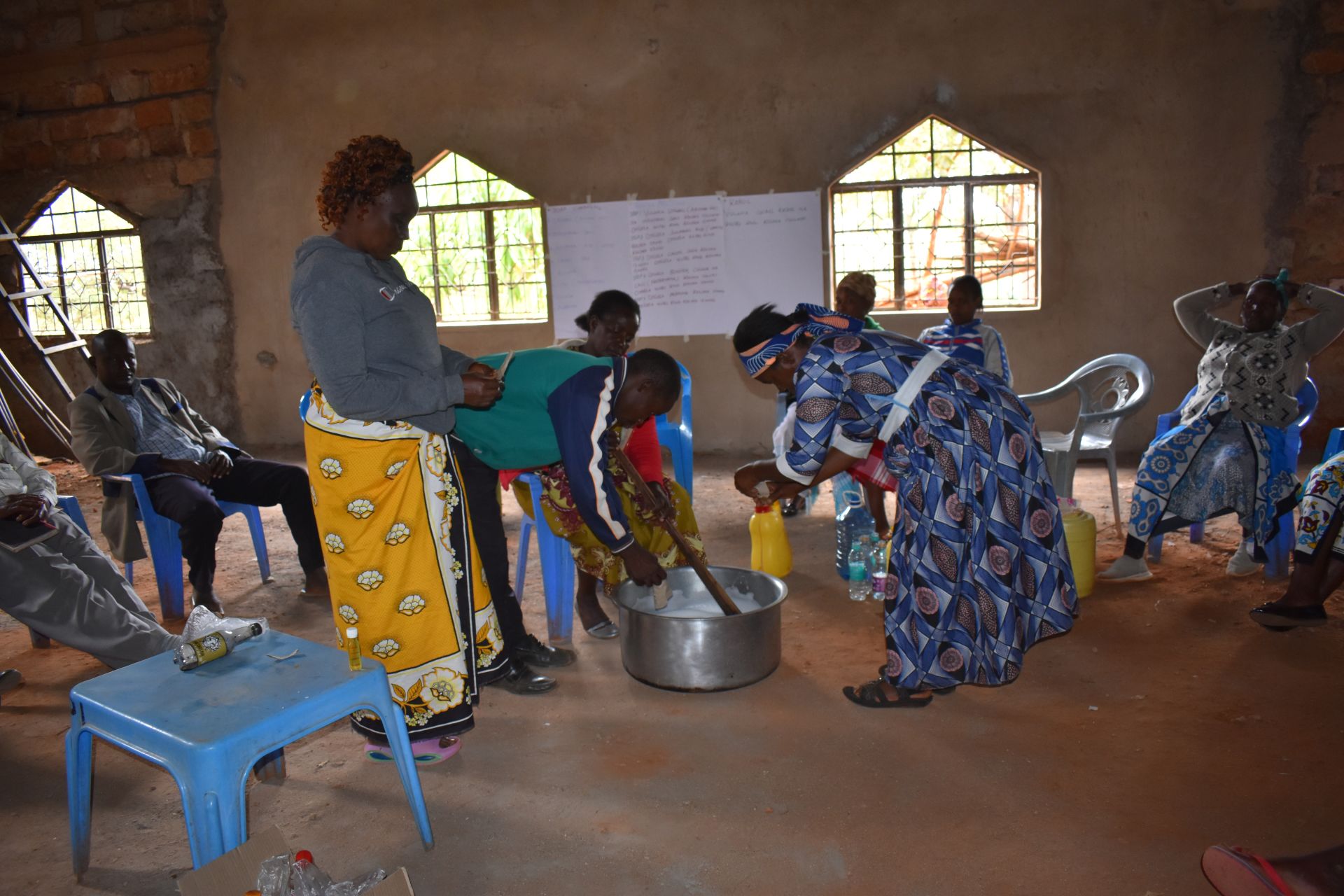
We trained the group on various skills, including bookkeeping, financial management, project management, group dynamics, and governance. We conducted hygiene and sanitation training to teach skills such as soap and detergent making and to improve habits, including handwashing.

We covered health problems in the community, including good and bad hygiene habits, as well as the prevention of disease. Finally, we covered both natural resource management and the operation and maintenance of the sand dam.

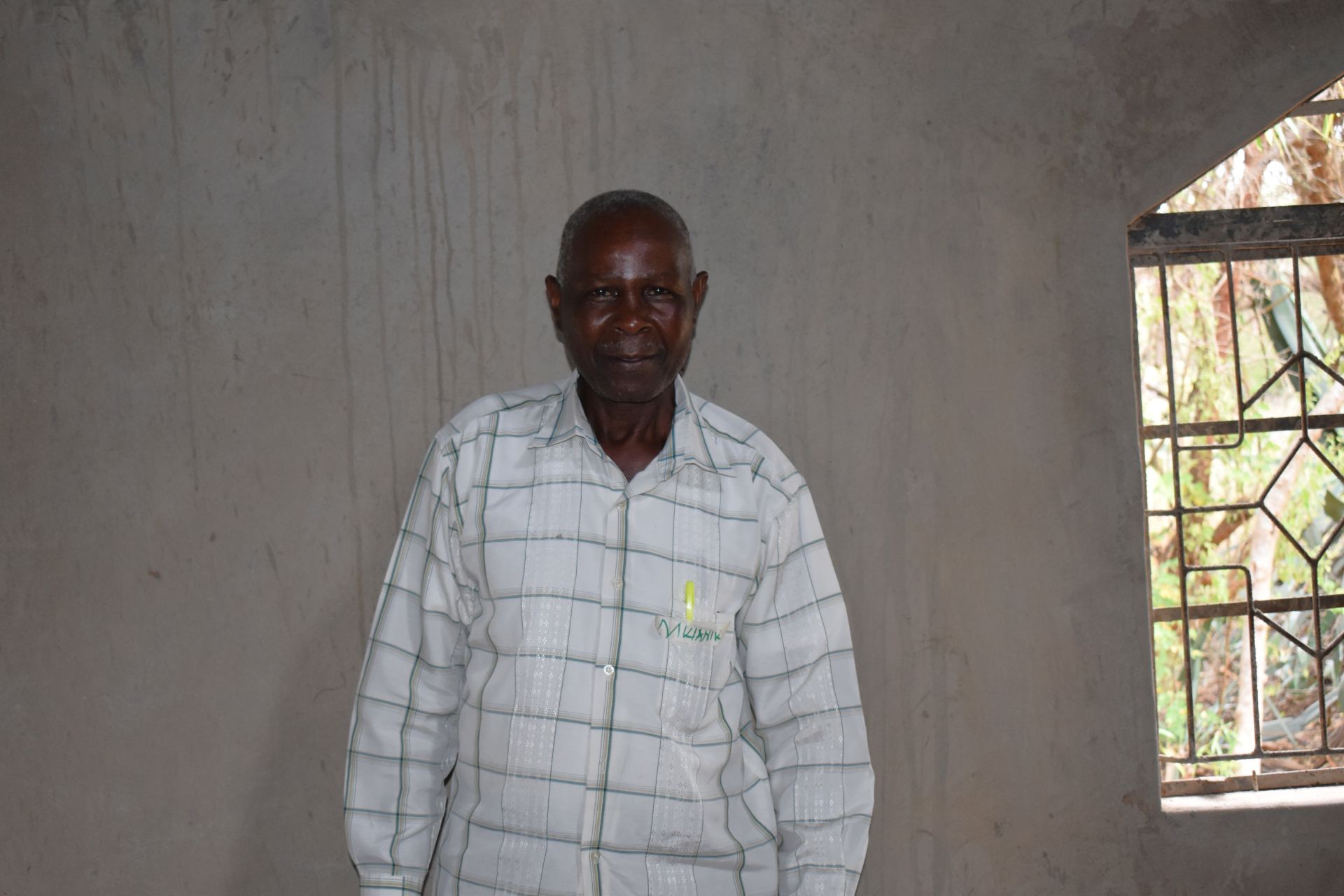
Mwaniki Wane, 65, the Chairperson of the Yuio Self-Help Group, participated in the training. He eagerly shared the impact of the training.

Mr. Wane.

"This training has touched on different hygiene domains that should be practiced because they’ll help in disease prevention. From the content, the training is more of prevention than curative. It has taught us hygienic practices, like food hygiene, water treatment, cleanliness of water sources, environmental hygiene, personal hygiene, domestic hygiene, and the supporting infrastructure that helps achieve these hygienic practices," said Mr. Wane.

He enjoyed the soapmaking session as well. They were already making their own soap, but it didn't last long. The new recipe they learned in training is a more sustainable option for them!

"The soap-making procedure was also helpful to us since we follow a different option, thus making the result different from what we’ve gotten today, which doesn’t have a long lifespan. We will be ambassadors of hygiene, and other community members will learn from us, and that way we will be a disease-free community," Mr. Wane continued.

Field Officer Alex Koech happily shared, "Their (the community's) enthusiasm during the construction of the sand dam—mobilizing local materials and offering unskilled labor—demonstrated their dedication to improving their community. With continued support and the knowledge they've gained, this group is well positioned to maintain hygiene standards, make good use of the new water point, and improve their livelihoods."

Thank you for making all of this possible!


Update photo


January, 2026: Exciting Progress in Kasithyu Community!

We’re thrilled to share that, thanks to your generous support, significant change is coming for Duncan and the entire Kasithyu Community. Construction has begun on the well project, bringing them one step closer to having clean, reliable water.

But that's not all—during construction, we’re also providing vital health training. These sessions equip the community with essential hygiene practices, ensuring that the benefits of clean water extend to lasting health improvements.

We’re so grateful for your role in making this possible. Stay tuned for more updates—soon, we’ll be celebrating the arrival of safe water in the Kasithyu Community!


Project Photos


Project Type

Protected Dug Well

Dug wells have been an important source of water throughout human history! Now, we have so many different types of water sources, but protected dug wells still have their place. Protected dug wells are not as deep as borehole wells, and work best in areas where there is a ready supply of water just under the surface of the ground, such as next to a mature sand dam. Our artisans dig down through the layers of the ground and then line the hole with bricks, stone, or concrete, which prevent contamination and collapse. Then, back up at surface level, we install a well platform and a hand pump so people can draw up the water easily.


Contributors

Data Abstract Solutions, Inc.
17 individual donor(s)