
Time and Energy to Learn and Grow

April, 2026

Last year, your gift unlocked the potential for a brighter future for Conslate. Since then, she and the 569 students and teachers at Joyland Special Secondary School have had clean, reliable water. Your contribution has made a significant impact. Thank you for making a difference!

"I enjoy collecting water here because it is very close to my dormitory, and the pump is easy to use. It doesn't waste too much of my time, and less energy is required," Conslate said.

"Nothing beats having good health. With clean water within reach, I'm able to maintain high hygiene standards, which ultimately plays a big part in ensuring I remain healthy."

Before the Well Installation

Like many in Western Kenya, 16-year-old Conslate is responsible for collecting water to meet daily water needs. Before last year’s water intervention, this task stole her time and negatively affected her.

Students waiting for water before the well was installed.

Many in the school had limited access to water, which meant students wasted time collecting enough water to meet their needs. The difficult journey to collect water sapped their physical and emotional energy, creating roadblocks. For Conslate, it lessened her opportunity to practice good hygiene.

"Last year, before the installation of this water point, I couldn't take a bath as regularly as I do today! Lack of sufficient water limited that freedom," Conslate recalled.

Since the Well Installation

Your generous gift last year was much more than a simple donation; it was a powerful statement about your commitment to this community and Conslate’s future. By supporting the water solution, you made clean water an everyday reality, fostering hope for a brighter future.

Reliable, clean water lays the groundwork for improved health, education, and economic opportunities, allowing people to thrive. We frequently hear from those we interview that "water is life!"

"My health has improved a great deal. I haven't been taken ill in the last year. This is largely due to the availability of clean and safe water at school. This project has been a Godsend!" Conslate declared.

The Future is Looking Bright!

A year ago, you made a difference for Conslate and her school. This is just the first chapter of their story as access to clean water continues to improve their lives!

At The Water Project, we value sustainability and want to ensure that people continue to thrive. We commit to monitoring this project to ensure the water is always flowing and safe to consume. We inspect system hardware, monitor water availability, conduct sanitary inspections, and collect water-quality samples to identify risks. We work with our on-the-ground team to resolve them.

You gave Conslate a crucial tool for achieving her dreams: access to clean water. Together, we can excitedly expect that with this precious resource, her enthusiasm and courage will help her fulfill her dreams.

"It is now easier for me to manage my time because it doesn't take long to fetch water. I have enough time to do my assignments and study, as well as to participate in group discussions. Since I spend less time collecting water, I've had enough time for my studies, and that has helped me to improve my performance. My grades in school-based assessments have been on an upward trajectory over the last year," said Conslate.

"I'd love to become a social worker in the future. There are so many people with mobility challenges, not just around me but in the entire country as well, and oftentimes they're ignored, leaving them exposed to all kinds of abuse. I'd really like to step in and assist them in whichever way I can."


Navigating through intense dry spells, performing preventative maintenance, conducting quality repairs when needed and continuing to assist community leaders to manage water points are all normal parts of keeping projects sustainable. The Water Promise community supports ongoing sustainability programs that help Joyland Special Secondary School 2 maintain access to safe, reliable water.

We’d love for you to join this world-changing group committed to sustainability.

The most impactful way to continue your support of Joyland Special Secondary School 2 – and hundreds of other places just like this – is by joining our community of monthly givers.

Your monthly giving will help provide clean water, every month... keeping The Water Promise.

Project Status


Project Type:  Borehole Well and Hand Pump

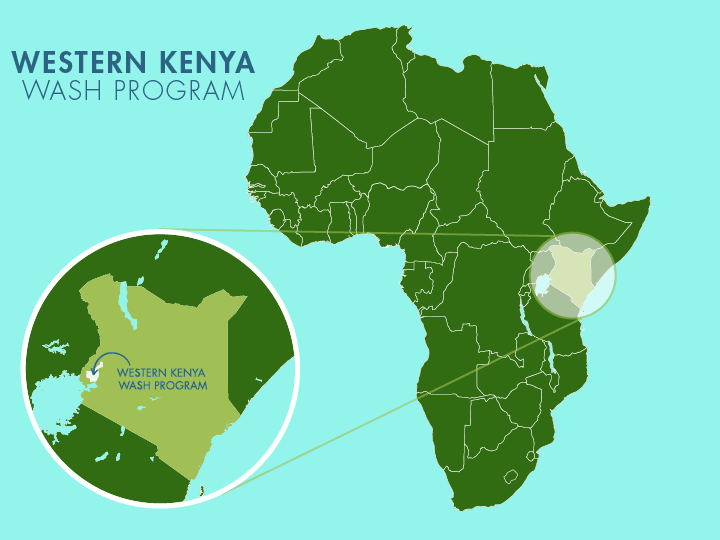
Regional Program: Western Kenya WaSH Program

Impact: 569 Served

Project Phase:  In Service - Apr 2025

Functionality Status:  Functional

Last Checkup: 02/10/2026

Project Features


Click icons to learn about each feature.


Community Profile

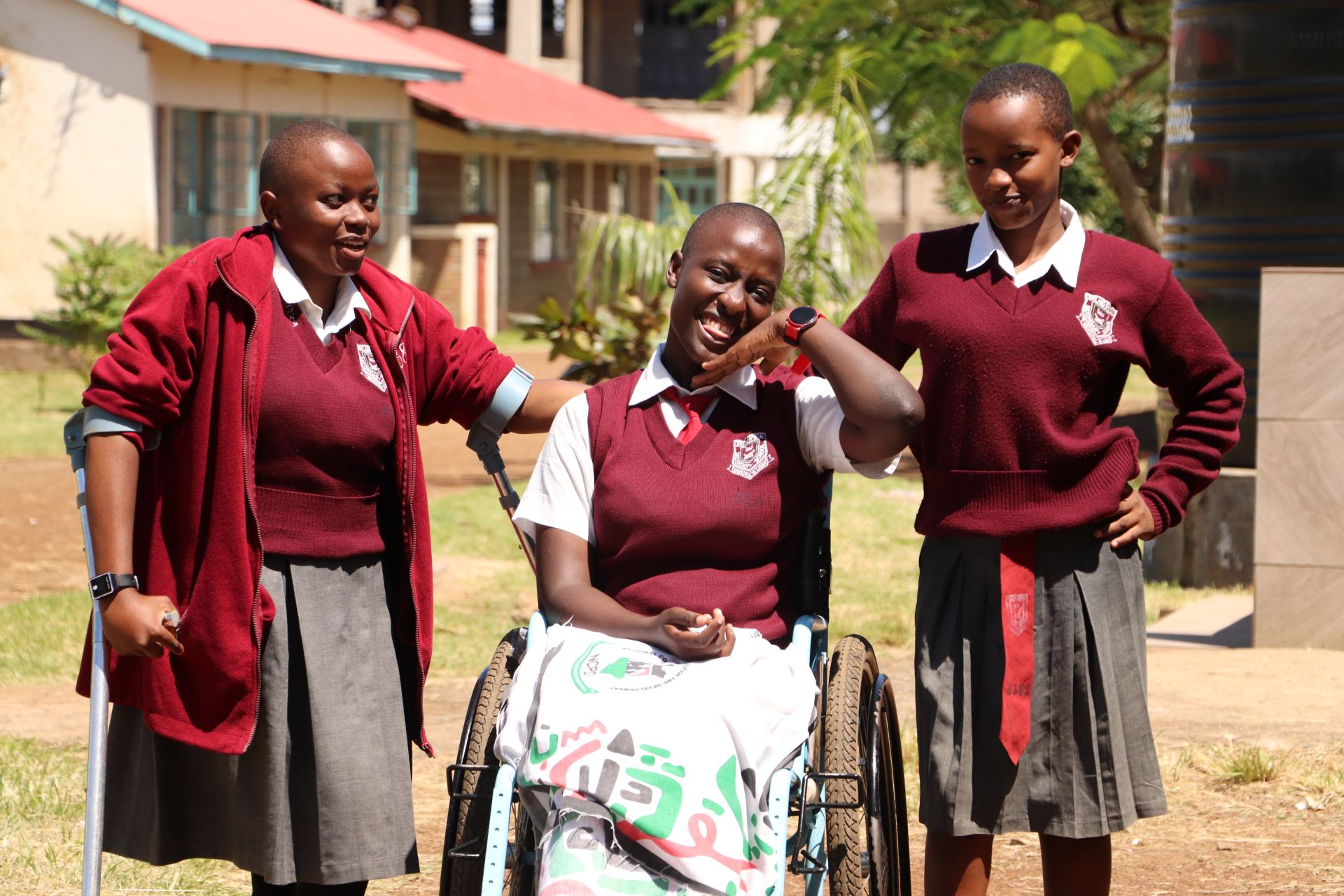
The Joyland Special Secondary School has 518 students and 51 staff members. It is a school for children with physical disabilities, so many of the students are in wheelchairs, use crutches, or have other mobility challenges. Safe, accessible water is crucial to the school's operation and the well-being of the students, but they struggle without sufficient water to even meet their daily needs.

Class in session.

Their rainwater harvesting tank we installed in 2018 just hasn't been sufficient. Part of our ethos is ensuring sustainable water. After further evaluation, we knew it was time to return to the Joyland Special Secondary School to solve their water crisis once and for all.

Their only other option currently is to pay for water to be brought in, which steals funds away from the school's other critical needs.

Field Officer Daniel Mwanzia said, "Since this is a full-time boarding school. A lot of water is required to meet its daily needs. A borehole will go a long way in solving the perennial water shortage and also save funds that can be channeled to other development activities."

16-year-old Evans is a student at the school who has mobility challenges. He said, "Pressure is too low because the water level in the rainwater tank has dropped. Our waterpoints are overused due to the school's population, which leads to wastage of time. It's an unpleasant situation, but for the time being, I just have to bear with it."

Evans.

"There are only two collection points, and this means we have to queue to get water. Most of the time, the pressure is too low, and that makes it even harder for everyone," he continued.

Evans faces his own challenges, without including his school's water crisis but because the school has such little water available, most of his time is spent trying to collect enough water to meet his needs.

Children waiting in line for water.

"A lot of time is wasted at the waterpoint. I would perform better in exams if I didn't spend too much time collecting water," he shared.

When water is scarce, tensions can run high and cause quarreling. However, at the Joyland Special Secondary School, they have found a different way to handle their frustrations.

"Due to my mobility challenges, other students with less physical challenges actually assist me to collect water. Luckily, due to the nature of our different special needs, students here have learned to respect and accommodate one another," Evans said.

The students need an accessible, abundant water solution to thrive! Installing a borehole well on campus will give Evans and the other students reliable water. This will limit the time he must spend collecting water, so Evans will have the time to pursue his goals.

Evans washing laundry.

"I would like to be an accountant when I complete my educational journey. For this dream to become a reality, I need more time for studies," Evans concluded.

Steps Toward a Solution

Our technical experts worked with the local community to identify the most effective solution to their water crisis. They decided to drill a borehole well, construct a platform for the well, and attach a hand pump.

Well
Abundant water often lies just beneath our feet. Aquifers—natural underground rivers—flow through layers of sediment and rock, offering a constant supply of safe water. A borehole well is drilled deep into the earth to access this naturally filtered and protected water. We penetrate meters, sometimes even hundreds of meters, of soil, silt, rock, and more to reach the water underground. Once found, we construct a platform for the well and attach a hand pump. The community gains a safe, enclosed water source capable of providing approximately five gallons of water per minute. Learn more here!

Handwashing Stations
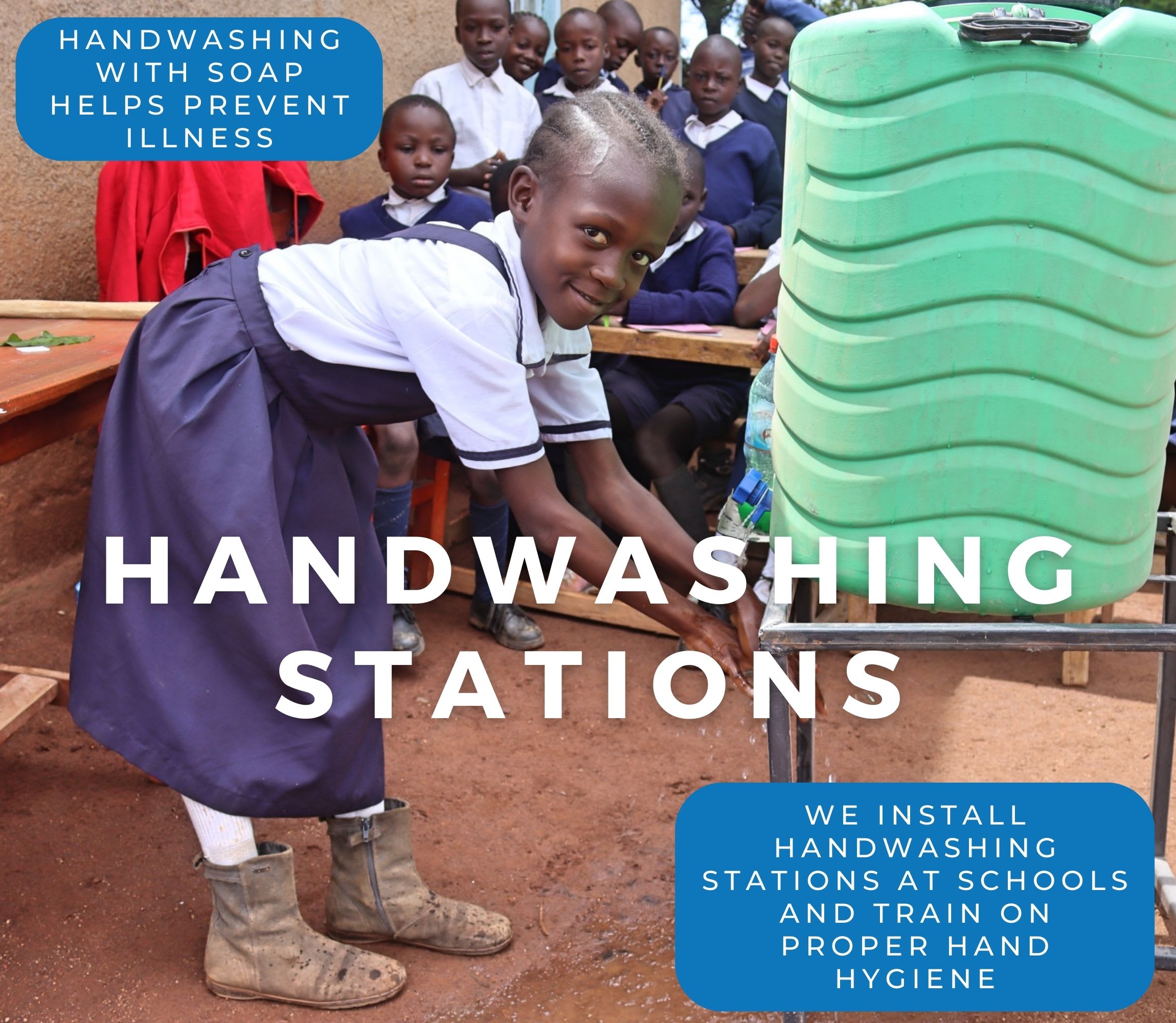
Alongside each water source, we install two gravity-fed handwashing stations, enabling everyone at the school to wash their hands. Handwashing is crucial for preventing water-related illnesses within the school and community. Student “health clubs” maintain the stations, fill them with water, and supply them with soap, which we often teach them how to make.

Latrines
We will construct two Ventilated Improved Pit (VIP) latrine blocks designed to prevent fecal disease transmission. Each latrine features a cement floor, making it easy to use and clean regularly. Three stalls will serve the girls, and three will serve the boys.

School Education & Ownership
Hygiene and sanitation training are integral to our water projects. Training is tailored to each school's specific needs and includes key topics such as proper water handling, improved hygiene practices, disease transmission prevention, and care of the new water point.

To ensure a lasting impact, we support forming a student health club composed of elected student representatives and a teacher. These clubs promote hygiene practices schoolwide and keep handwashing stations well-stocked. This student-led model encourages a sense of ownership and responsibility.

Safe water and improved hygiene habits foster a healthier future for everyone in the school and the surrounding community.
Project Updates


April, 2025: Joyland Special Secondary School Well Complete!

Your contribution has given access to clean water for the Joyland Special Secondary School in Kenya, thanks to the completion of their borehole well! Clean, flowing water is already making a difference in the lives of the students and staff. This will provide them with a reliable water source for their daily needs.

We installed new latrines and handwashing stations, then trained students and staff on improved sanitation and hygiene practices. Together, these components will unlock the opportunity for these students to thrive!

"Our previous water sources have been a huge challenge for everyone at the school. I hate losing [my] time waiting in queues for my turn to fetch water. Now, with this newly installed waterpoint, I can collect water faster, and it's even closer to the dormitory, making it very convenient for me. With time wastage now behind us, I'll be able to study more, finish my assignments on time, and revise for exams. Reliable water also means better health and a refreshed mind. This will ultimately help me to perform much better in exams," shared 15-year-old Deborah.

Teachers were just as excited as the students about the new well on campus!

Ms. Chitala at the new well.

"Things have just got better for the learners. They won't waste time anymore waiting in queues to collect water, and this will help them to allocate more time to studies, eventually improving their academic performance. Their health will be positively impacted, thereby ensuring chronic absenteeism is eradicated," said school principal Agnes Chitala, 58.

How We Got the Water Flowing

The first step was to conduct a hydrogeological survey to determine the the best site for the school's well. Once we found the perfect spot, the team obtained approval from the government to begin drilling.

Parents, staff, and students all contributed to this well’s success, right from the start. To prepare for the well, the school collected fine sand and water for cement-making. When everything was ready, our drill team and staff arrived at the school to begin work.

Drilling started with excitement in the air. We continued drilling to reach a final depth of 110 meters with a final static water level of 1 meter.

The drilling process can take up to three consecutive days to complete due to this region’s hard bedrock, so the team set up a camp where they could rest and refuel. The school’s kitchen staff and parents helped provide meals for the team, while the school provided a safe place for the artisans’ accommodations and materials.

Once we reached the optimum depth, the team inserted permanent casing, then bailed out the dirty water at the bottom of the well. The workers installed pipes, flushed them, tested the well’s yield, and chlorinated the water.

We constructed a cement well pad to seal it off from any ground-level contaminants. Tiles were installed beneath the spout to protect the cement from the erosive force of the water. We included a short drainage channel and a soak pit to prevent standing water.

When the well pad was cured, we installed a new stainless steel hand pump and sampled the water for a quality test. The results showed that this water was safe for drinking!

We officially gave ownership of the new borehole to the school’s students and teachers.

Students and staff celebrated the presence of clean water on campus. The event was an excellent chance to acknowledge the school administration and students and remind them of our continued support. Happiness, thanksgiving, and appreciation were the order of the day, flowing in all directions.

"The students were simply over the moon. The girls were elated because the waterpoint is just a few meters from their dormitories. They sang with happiness as they took turns to collect water. Some splashed it on their faces. The teachers joined in the celebration, and joy was palpable all over the place," shared Field Officer Daniel Mwanzia.

VIP Latrines

This project funded the installation of six new ventilated improved pit (VIP) latrines. These new latrines have cement floors designed to be easy to use and clean. They have locking doors for safety and privacy, as well as vents to keep air flowing out through the roof. With a well right on school property, there should be enough water to keep them clean.

Handwashing Stations

We also set up two handwashing stations outside the latrines. Student Health Club members will teach other students how to wash their hands at the stations properly, fill the stations with water, and ensure that there is always soap available.

School Education

We scheduled hygiene and sanitation training with the school’s staff. When the training day arrived, facilitators Daniel Mwanzia, Rachael Obura, and Christine Masinde deployed to the site to lead the event. 32 students and teachers attended the training.

We emphasized personal, menstrual, oral, and environmental hygiene. Proper water handling, soap-making, the ten steps of handwashing, and the importance of primary health care were discussed. We covered disease prevention, teen pregnancy, and child rights. Waterpoint, latrine, and handwashing station operation and maintenance, as well as leadership and governance were discussed. By the end of the training, each pupil understood their role in sustaining clean water and good health within their school community.

The students elected peers to lead their newly formed student health club. The student health club members will encourage good health and hygiene practices amongst their peers, teachers, and the larger community.

"Menstrual hygiene prompted the most discussion. One of the girls who volunteered to demonstrate during this topic was so full of confidence and humor that she left the boys in stitches. It was interesting to see the boys follow proceedings keenly and seek clarification where they had not understood," shared Field Officer Mwanzia, quoted earlier.

"I found the topic on solar disinfection of water particularly interesting. It is something I had never heard of before this training. At first, I wondered how that would work, but after [an] explanation from the trainer, I got to understand and will definitely try it out!" shared 15-year-old Consolate.

Consolate.

"This training made me realize just how simple hygiene practices can impact lives. A majority of people in my community don't even wash their hands before handling food. When schools close, I'll take it upon myself to educate them about proper hygiene practices."

Thank you for making all of this possible!


March, 2025: Exciting Progress at Joyland Special Secondary School, Thanks to You!

We’re thrilled to share that, thanks to your generous support, significant change is coming for Evans and the entire Joyland Special Secondary School. Construction has begun on the well project, bringing them one step closer to having clean, reliable water.

But that's not all—during construction, we’re also providing vital health training. These sessions equip the community with essential hygiene practices, ensuring that the benefits of clean water extend to lasting health improvements.

We’re so grateful for your role in making this possible. Stay tuned for more updates—soon, we’ll be celebrating the arrival of safe water at Joyland Special Secondary School!


Project Photos


Contributors

3 individual donor(s)