 Borehole Well and Hand Pump
 Rehabilitation Project







The 341 students and 19 teachers at Musudzu Primary School have had access to a rain tank that we installed in 2017, but it no longer meets the school's needs. The nature of a rain tank still means it is seasonal, so the students must collect water from the local spring.

Students collect water from the previously installed rain tank.
"The school has demonstrated excellent stewardship of this investment by maintaining the tank in very good condition, reflecting its commitment to preserving development projects entrusted to it," said Mildred Mboha, a field officer. "However, despite these achievements, Musudzu Primary School continues to face seasonal water shortages due to its reliance on rainwater, highlighting the need for a sustainable year-round water source to support uninterrupted learning and improve the welfare of its learners."
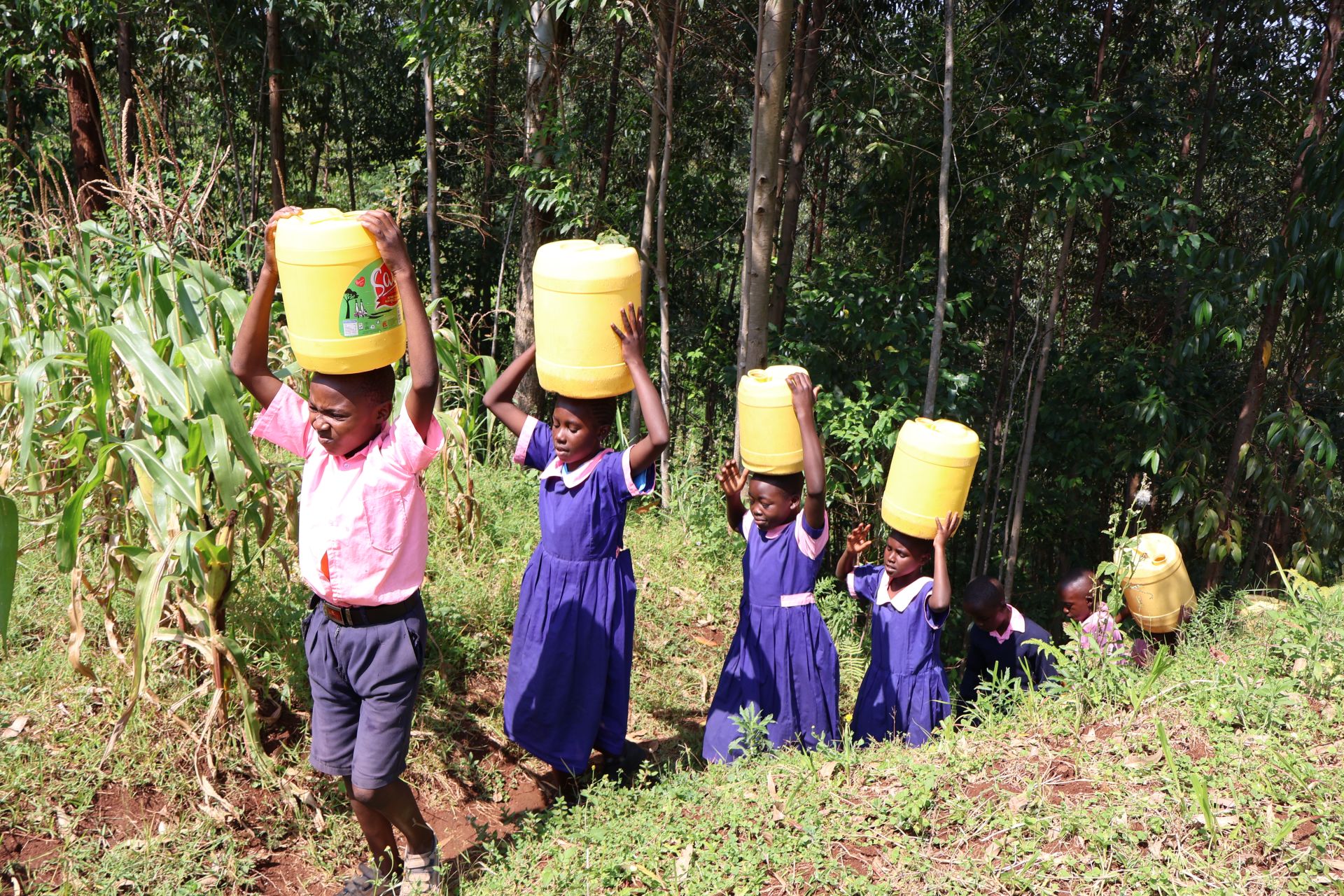
Students carrying water from the spring.
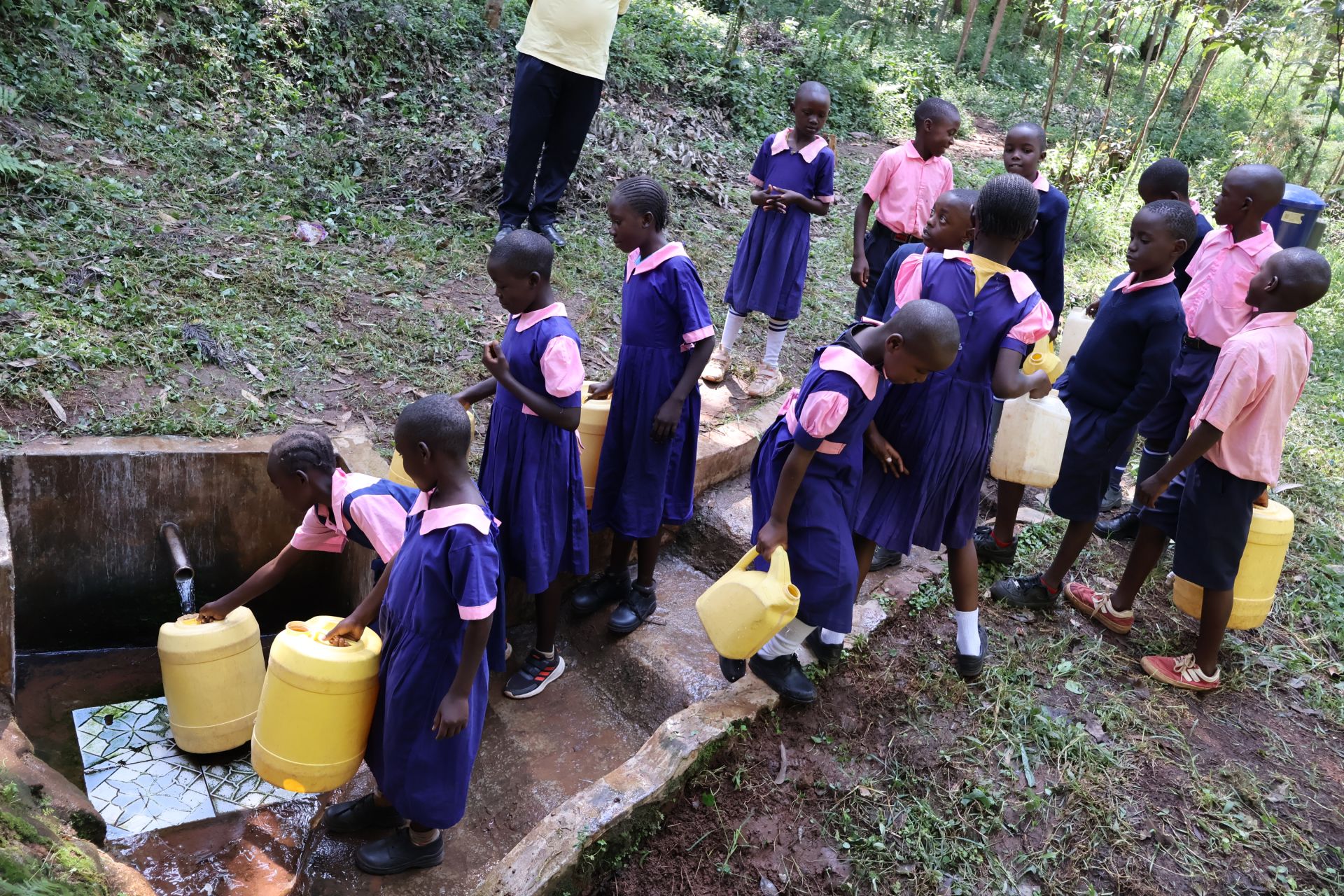
"The school's dependence on off-site water sources during the dry season has several negative consequences. Learners are required to leave the school compound to fetch water from Mwashi Spring, resulting in significant loss of instructional time and disruption to the learning schedule. The spring is located in a forested area, requiring pupils to walk through difficult terrain and pass through private homesteads, exposing them to safety and child protection concerns," Mildred continued, describing the challenges the students face on a daily basis.
"Learners also reported experiencing intimidation and frustration from older students and some community members while queuing for water. Carrying heavy jerrycans over steep terrain causes physical exhaustion, particularly among younger pupils, and reduces their concentration and participation in class upon returning to school," Mildred said.

Melan collects water from the spring.
12-year-old Melan is tired of making the daily trip to the spring and feeling worried about the responsibility.
"I worry about my safety because the spring is far from school and the path is steep and slippery, so I am afraid I might fall while carrying a jerrycan of water. I am also scared because there are sometimes strangers and drunk people near the water source. As a girl, I do not always feel safe walking to and from the spring. I would feel much safer if we had a water point within the school compound where teachers can supervise us," Melan said.
It is a constant worry she should not have to bear.
"If I did not have to spend so much time fetching water, I would spend more time studying, completing my homework, and attending all my lessons. I would also have more time to play with my friends and participate in school activities. Having water at school would help me focus on learning instead of worrying about missing class to collect water," said Melan.
"A new water point at our school will make me feel much safer because I will no longer have to leave the school compound to fetch water. I will not have to walk through the forest, climb the steep path, or carry heavy jerrycans over long distances. I will also be protected from strangers and other people who may harass learners at the community spring. Having water at school means I can stay with my teachers and classmates in a safe environment and spend more time learning," Melan celebrated.
"My dream is to become a teacher in the future. I believe teaching is a very impactful profession because teachers help children learn, develop their talents, and build a better future," said Melan. "I would like to inspire and support other children the same way my teachers encourage me today. I hope to work hard in school so that I can achieve this dream."
With Melan's plans to be a teacher, the more time she can get in the classroom, the better.
Steps Toward a Solution
Returning to a community where we previously implemented a water project is not just a matter of maintenance; it stays true to our commitment to sustainability. Our technical experts worked with the local community to identify their current needs and decided to drill a well.
Reinvestment
While the original project provided critical access to safe water, things like changing environmental conditions, population growth, and infrastructure wear have put that access at risk. Reinvesting now ensures that progress is not lost and that the school continues to thrive with reliable, clean water. We are committed to supporting lasting, reliable solutions that honor the trust placed in us by the people who depend on this essential resource every day.
Once this plan is implemented, the school will once again have access to safe drinking water in quality and quantity.
School Education & Ownership
Hygiene and sanitation training are integral to our water projects. Since this school has previously received hygiene training, we will conduct a refresher tailored to this school's specific needs and the new students in attendance.
We will check on the previously established student health club, composed of elected student representatives and a teacher. These clubs promote hygiene practices schoolwide and keep handwashing stations well-stocked. This student-led model encourages a sense of ownership and responsibility.
Safe water and improved hygiene habits foster a healthier future for everyone in the school and the surrounding community.