 Borehole Well and Hand Pump
 Rehabilitation Project








Thirty-five staff members, including four clinical staff, provide care for an average of 50 outpatients and 3 inpatients daily at the Tigoi Health Center. It is surprising considering the persistent water constraints they face.
Currently, the clinic has three water options, but none of them is a solution.
A rainwater tank that runs out quickly and sits dry much of the year.
Piped water from an unreliable local company, which causes staff to worry about water every day.
Paid for water delivery, which is too expensive and takes away from other daily necessities.
And worst of all, the quality of water from these sources is questionable, putting people's health at further risk.
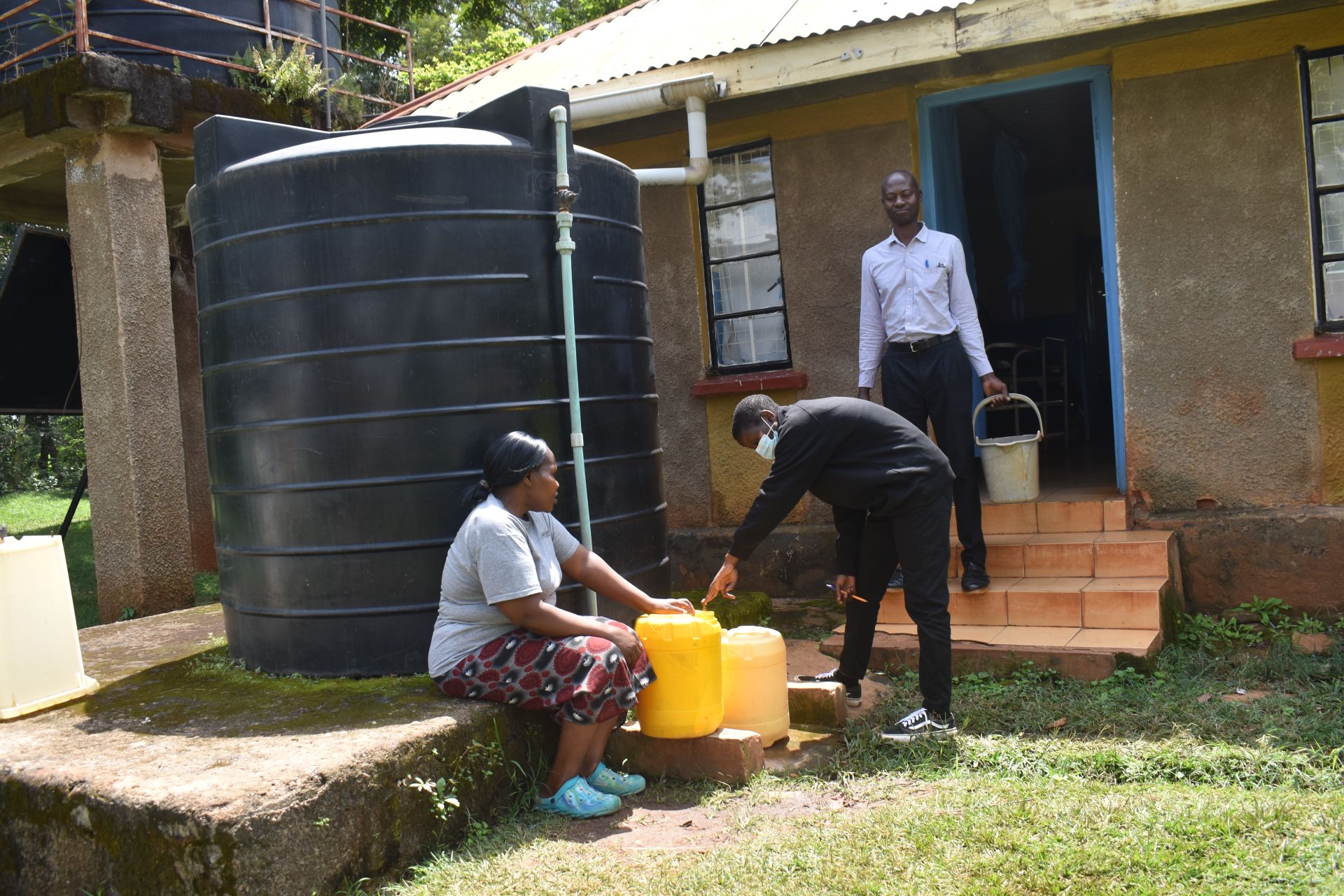
The insufficient rain tank.
"The institution has tried to solve its water crisis in the past by hiring motorcycle riders and water vendors to transport water from the protected spring whenever the piped water supply is unavailable and during the dry spell when [there is] reduced [water] or no rain for harvesting rainwater. This further strains its limited financial resources," Field Officer Jonathan Mutai shared.
Although the staff has done their best with limited resources, there is still never enough water to meet demand.
Clinical staff member Charles Muyesu Onaya, 50, shared his perspective.

Mr. Charles Muyesu Onaya.
"Patients are negatively affected by the inadequate and unsafe water supply. At times, they lack clean water to swallow their medicines, which can interfere with treatment and recovery. In addition, some patients become ill from consuming unsafe water provided at the hospital, increasing the risk of waterborne diseases and further compromising their health," Mr. Onaya said.
"Purchasing water and maintaining the water supply are very expensive for this institution. Every month, the institution spends 5,000 Ksh ($38 USD) on water, which places a significant financial burden on its limited resources. These high costs make it difficult to sustain a reliable water supply while meeting other essential operational needs," he continued.
"Sometimes, the institution is forced to divert funds that were intended for purchasing medicine to buy water. This poses a serious risk because when essential drugs are unavailable, patients may not receive the treatment they need" he lamented.

Not only does the lack of water pose a serious risk to patients, but it also jeopardizes the relationship with the community.
"Such challenges can lead to dissatisfaction, loss of trust, and conflict between the institution and the community we serve," Mr. Onaya concluded.
We plan to change things. We want to install a reliable, safe water source for the clinic to provide more consistent healthcare and, hopefully, rebuild trust within the community.
Steps Toward a Solution
For health care settings, immediate access to a large quantity of clean water is crucial for handwashing, sterilization of equipment, cleaning, and safe childbirth. Water that is off-site creates delays, impacts patient care, and increases the risk of hospital-acquired infections.
Our coverage goals aim for all health centers to have an on-premises water source that will sufficiently serve the patients, healthcare providers, and staff to ensure accessibility, reliability, and safety. With more water available, healthcare workers do not have to ration water, worry about purchasing water with their limited funds, or make tough decisions about when to wash their hands or equipment.
Reliable, clean water ensures that healthcare workers have sufficient water so they can provide excellent patient care!
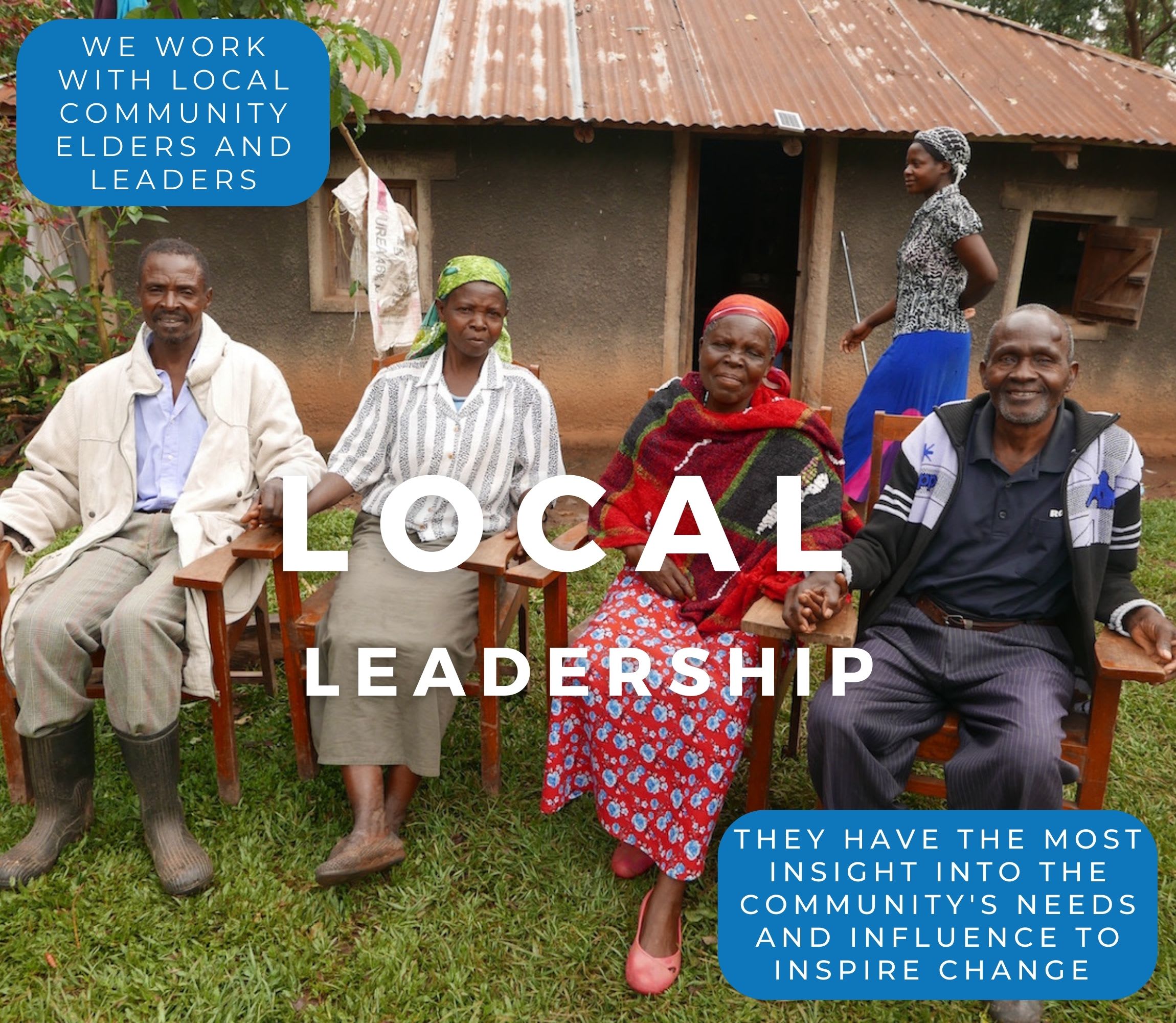
Our technical experts worked with the health center leadership and the local community to identify the most effective solution to their water crisis. They decided to drill a borehole well, construct a platform for the well, and attach a hand pump.
Well
Abundant water often lies just beneath our feet. Aquifers—natural underground rivers—flow through layers of sediment and rock, offering a constant supply of safe water. A borehole well is drilled deep into the earth to access this naturally filtered and protected water. We penetrate meters, sometimes even hundreds of meters, of soil, silt, rock, and more to reach the water underground. Once found, we construct a platform for the well and attach a hand pump. The community gains a safe, enclosed water source capable of providing approximately five gallons of water per minute. Learn more here!
Handwashing Stations
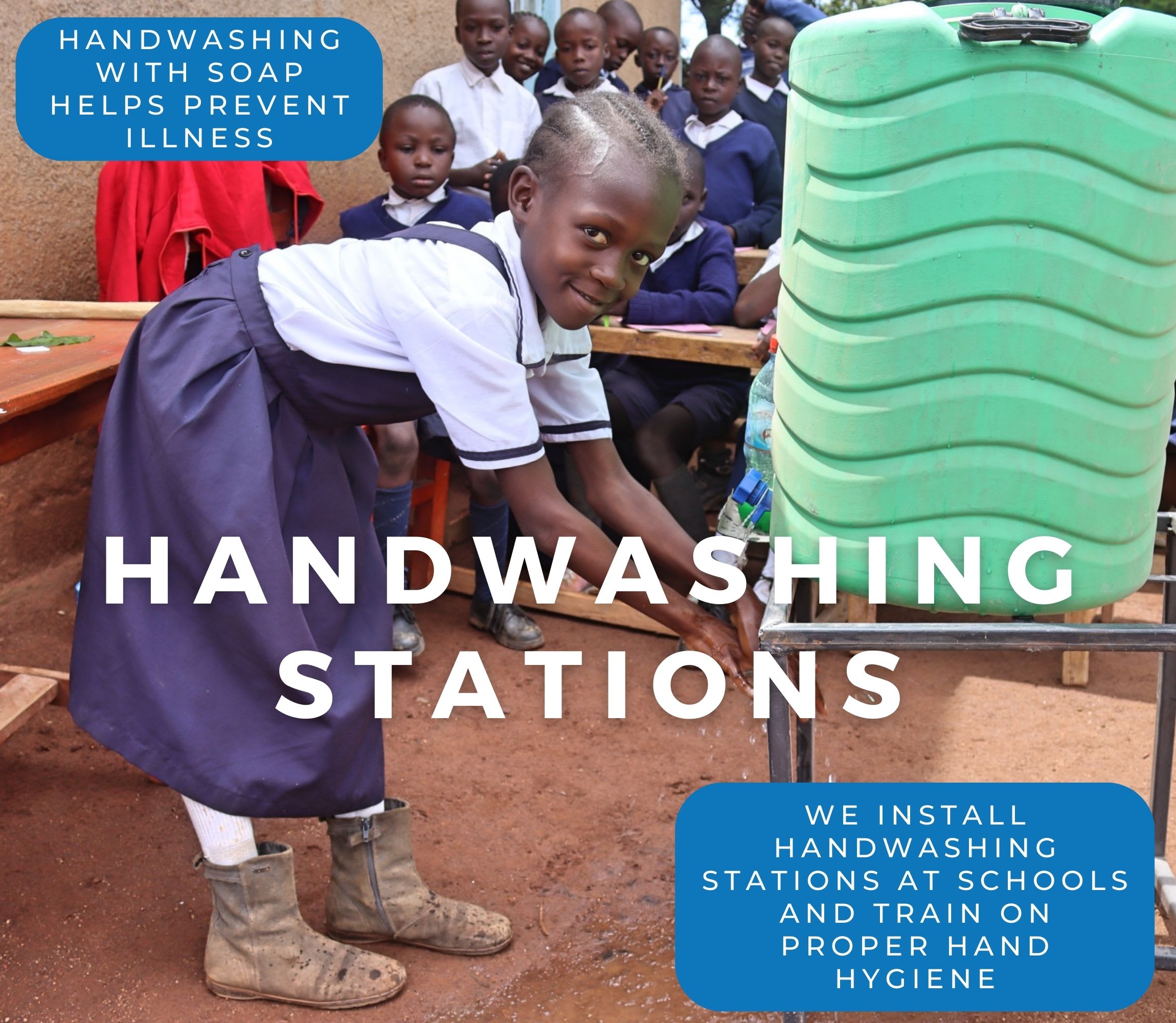
Alongside each water source, we install two gravity-fed handwashing stations, enabling everyone at the health center to wash their hands. Handwashing is crucial for preventing water-related illnesses within the health center and community. Health center staff will maintain the stations, fill them with water, and supply them with soap, which we often teach them how to make.
Latrines
We ensure there are Ventilated Improved Pit (VIP) latrine blocks that effectively prevent the transmission of fecal diseases. Each latrine will boast a durable cement floor for easy use and maintenance. We’ll ensure at least one stall is reserved for staff, along with gender-separated toilets that include menstrual hygiene facilities and accessible options for individuals with limited mobility.
Health Care Staff and Community Education & Ownership
Hygiene and sanitation training are integral to our water projects. Training is tailored to each community's specific needs and includes key topics such as proper water handling, improved hygiene practices, disease transmission prevention, and care of the new water point. Safe water and improved hygiene habits foster a healthier future for everyone in the community.
Encouraged and supported by the guidance of our team, a water user committee representative of the community's diverse members assumes responsibility for maintaining the water point, often gathering fees to ensure its upkeep.