 Borehole Well and Hand Pump
 Rehabilitation Project







The Muyere Primary School, with 708 students and staff, needs a water source that can reliably meet their needs year-round. We installed a rainwater tank in 2018, but due to its seasonal nature, students inevitably must leave the school to find water to meet their daily needs.
Most often, that means making a long, tiring trip to the community spring to collect water.
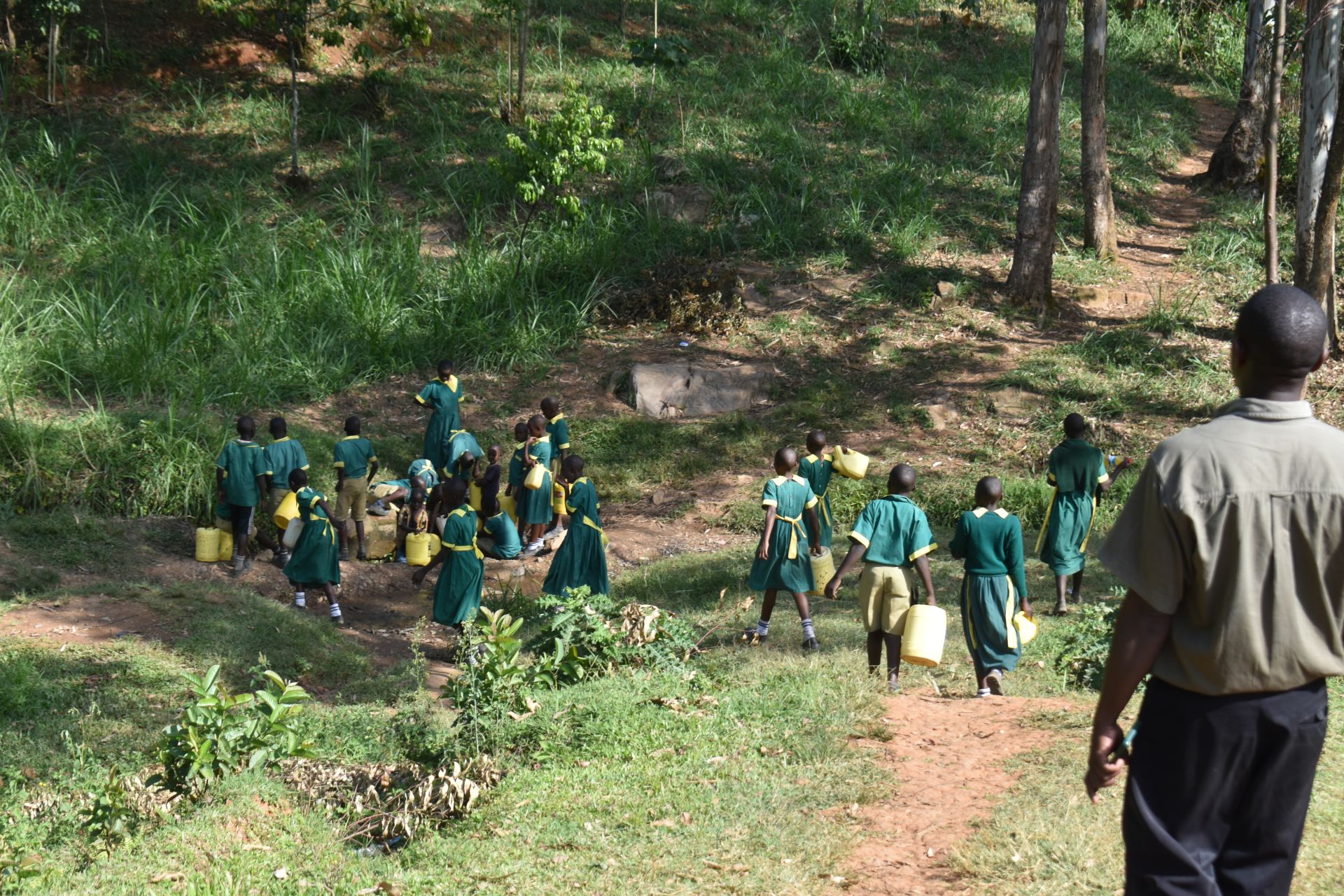
But the spring is not an ideal solution. It requires students to waste time and energy away from school to get water and forces them to collect questionable water, putting their health at risk. And during the dry season, students can wait up to three hours for a turn to collect water from the spring because it is so overcrowded. Those are hours they can not get back and should be in class instead.
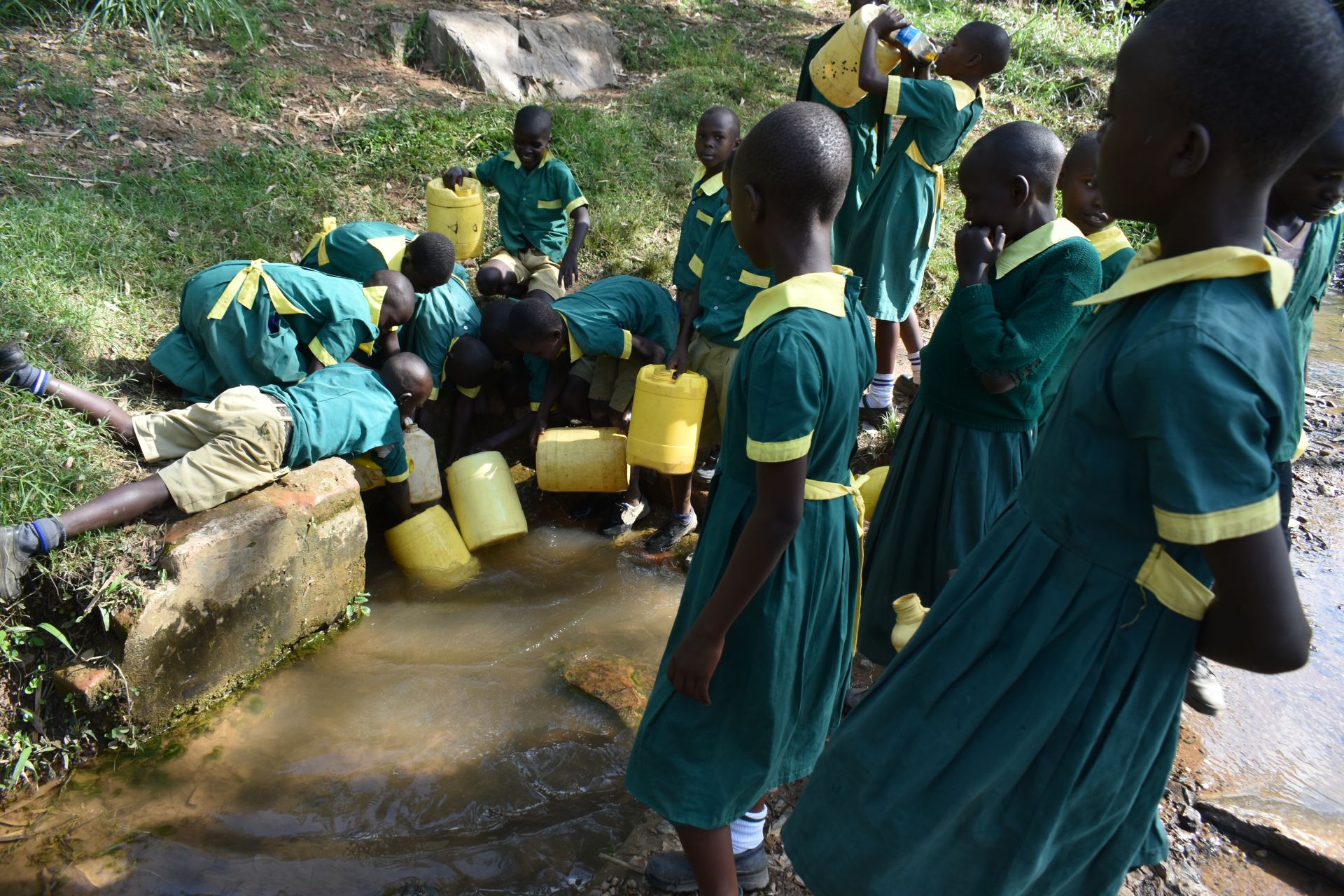
"When the dry season gets prolonged, most people come to the source where we draw water because most of the sources they rely on dry up completely. When that happens, they come in large numbers with many jerrycans at a time, resulting in long queues," Ms. Ayuma, a 49-year-old teacher, shared. "They encounter long queues resulting [in a] waste of time. In the process, students scramble for water, leading to injuries."
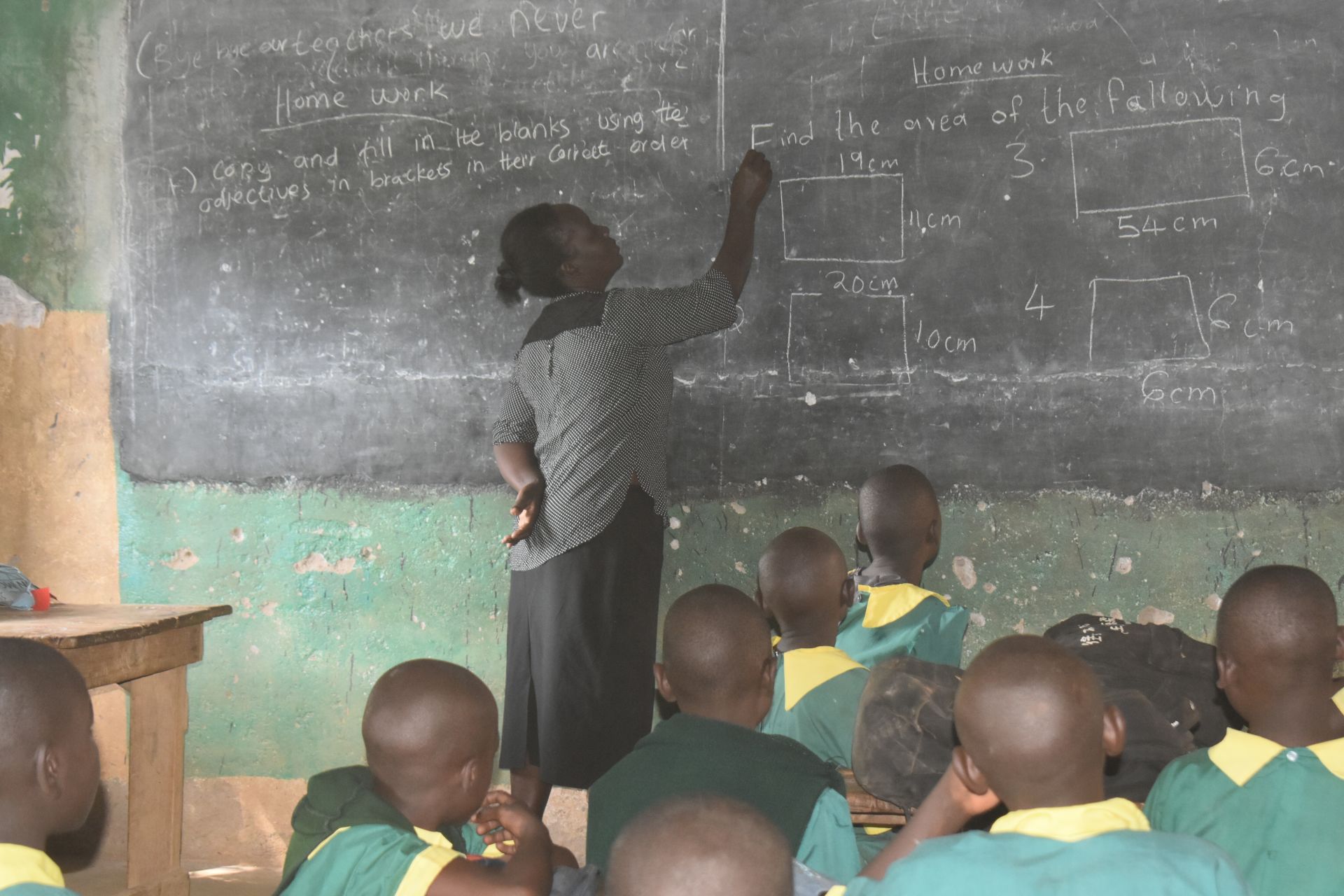
Ms. Ayuma teaching students.
"The students encounter missed lessons and time wastage as they search for water during school days. Therefore, they lag behind in completing [the] syllabus on time, and as a result, the school performance becomes poor," she continued.
Water-related illnesses also stem from consuming spring water, leading to high rates of absenteeism among students and teachers and adverse academic impacts.
Ms. Ayuma recalled a recent experience.
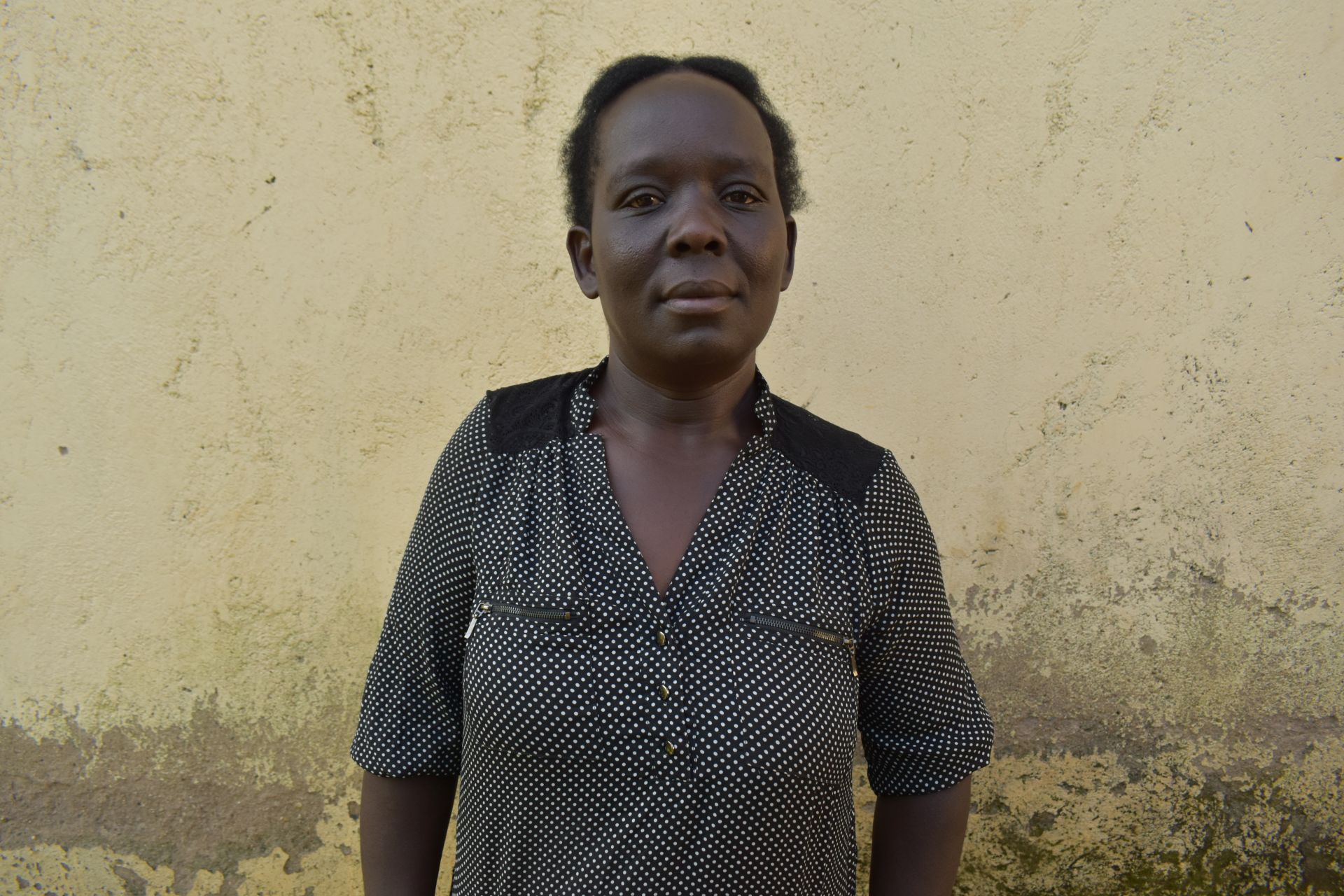
"One of my students was experiencing pain all over her body, and as a concerned teacher, I had to take her to the hospital and cater (pay) the hospital bill. Life at her home is challenging since she stays with her aged grandparents; therefore, getting proper medical attention would not have been possible," Ms. Ayuma said.
But Beatrice herself has suffered from water-related illnesses too, keeping her out of the classroom. When that happens, she and her students both lose out. She has to use her much-needed income for medical treatment and stay at home until she recovers.
"It uses a significant amount of my income. Having experienced severe diarrhea, my family members were advised by the doctor that I be admitted and attended to until my condition stabilized. The amount of money needed to offset the hospital bill was quite alot," she said.
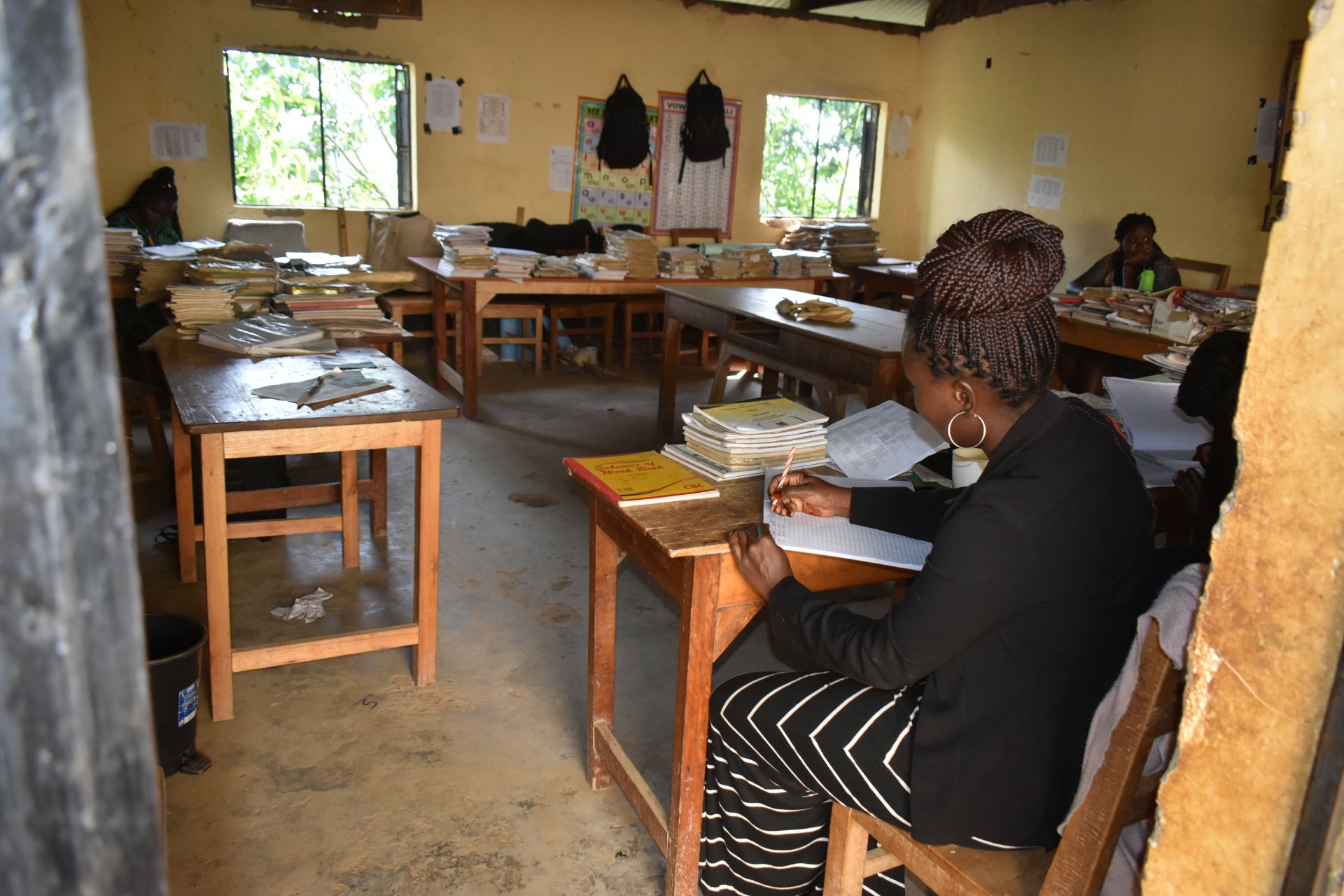
Ms. Ayuma and her students want to be in the classroom. Available, safe water will make that possible.
Steps Toward a Solution
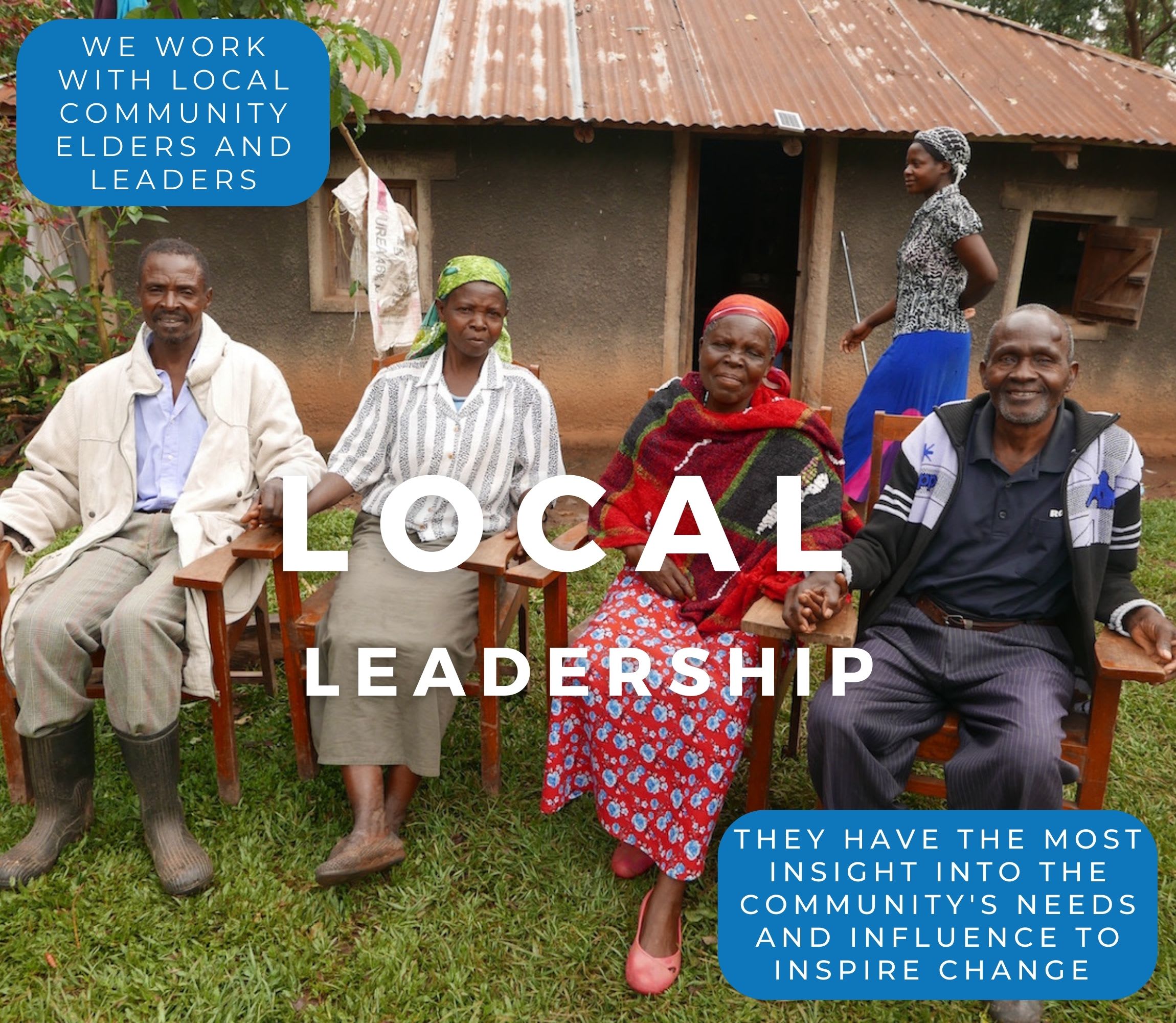
Returning to a community where we previously implemented a water project is not just a matter of maintenance; it stays true to our commitment to sustainability. Our technical experts worked with the local community to identify their current needs and decided to drill a well.
Reinvestment
While the original project provided critical access to safe water, things like changing environmental conditions, population growth, and infrastructure wear have put that access at risk. Reinvesting now ensures that progress is not lost and that the school continues to thrive with reliable, clean water. We are committed to supporting lasting, reliable solutions that honor the trust placed in us by the people who depend on this essential resource every day.
Once this plan is implemented, the school will once again have access to safe drinking water in quality and quantity.
School Education & Ownership
Hygiene and sanitation training are integral to our water projects. Since this school has previously received hygiene training, we will conduct a refresher tailored to this school's specific needs and the new students in attendance.
We will check on the previously established student health club, composed of elected student representatives and a teacher. These clubs promote hygiene practices schoolwide and keep handwashing stations well-stocked. This student-led model encourages a sense of ownership and responsibility.
Safe water and improved hygiene habits foster a healthier future for everyone in the school and the surrounding community.