 Borehole Well and Hand Pump
 Rehabilitation Project










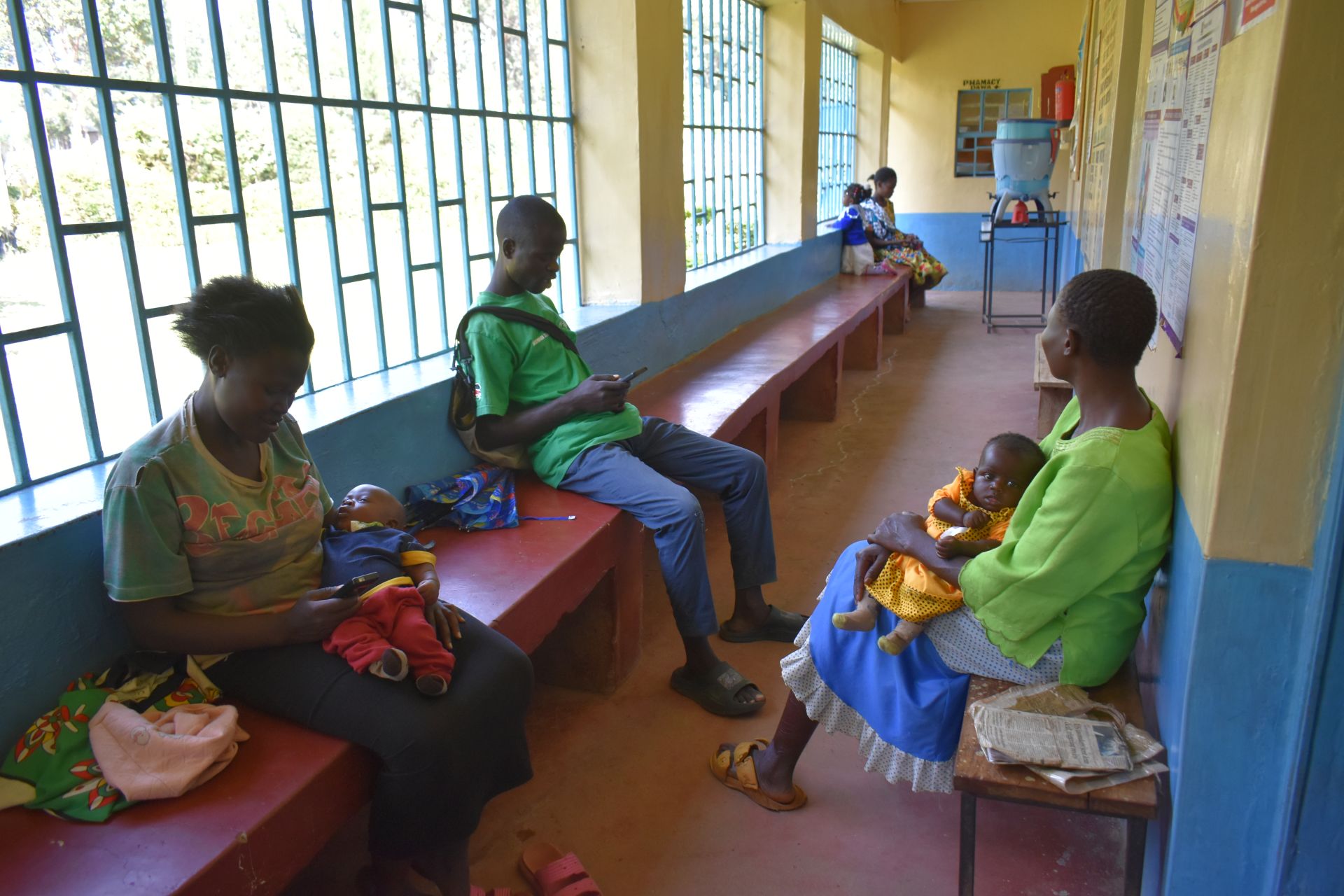
The Mayuge Dispensary's 7 dedicated staff members show up every day to serve an average of 35 patients, yet they're fighting an uphill battle without something as basic as a reliable water supply. Without water, the most fundamental standards of medical care for the surrounding community fall apart.
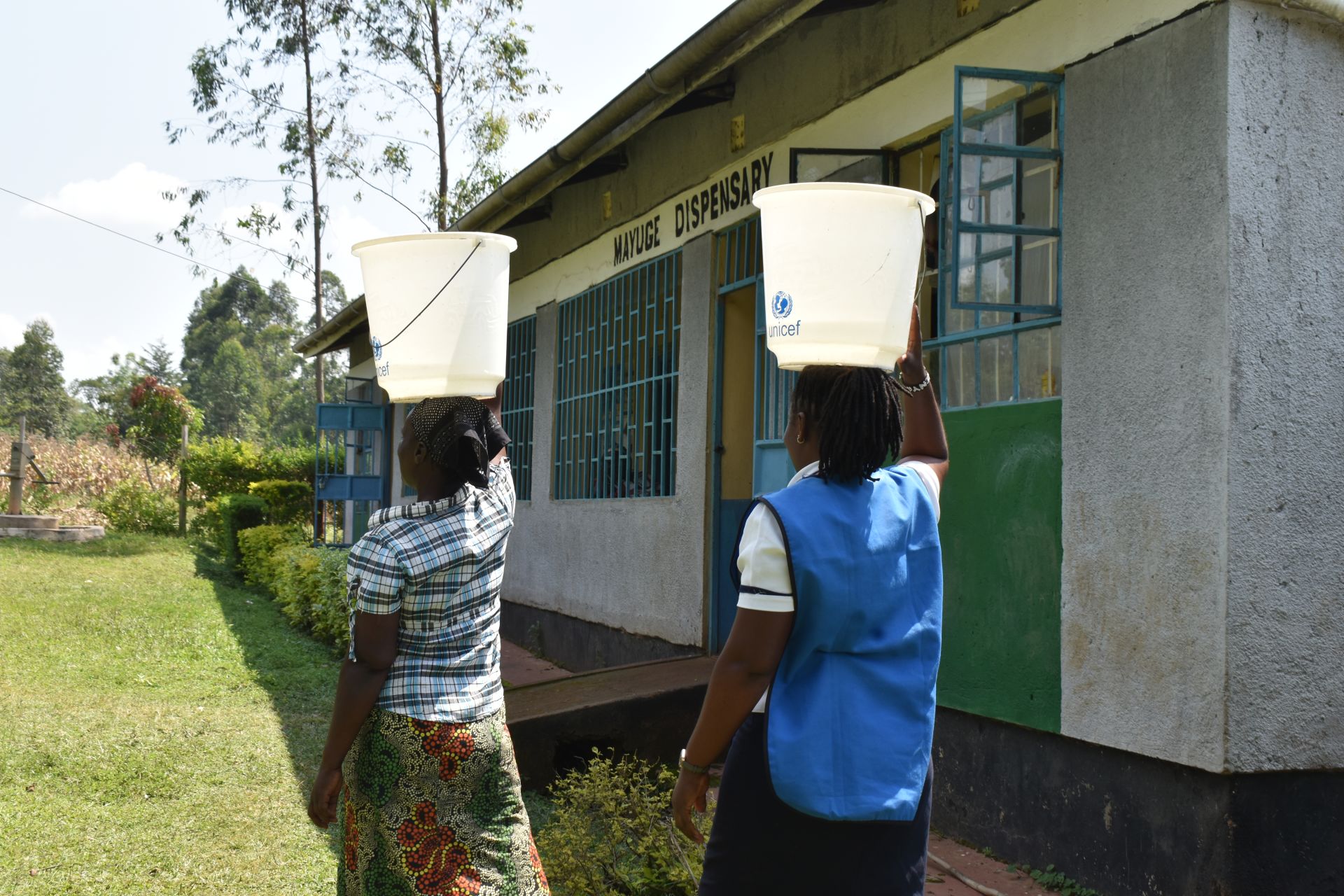
The clinic has two rainwater tanks that leak and do not hold the water they collect, and a dry dug well, none of which provide the water needed for the clinic's daily work. But water is critical to its functioning, so the staff must walk nearly 40 minutes to a community spring to collect water. It is time and energy they can't afford to spend, detracting from the care their patients need.
Clinical officer Martha Nthenya, 38, shared her perspective about the difficult water situation.
"We have made several attempts to repair the hand-dug well; however, these efforts have been unsuccessful, and the well remains non-functional. Regarding the rainwater harvesting tanks, the facility has identified the necessary repairs, including replacing the missing tap and repairing the leaking outlet, and plans are in place to address these issues to improve water storage and reduce water loss," said Ms. Nthenya.
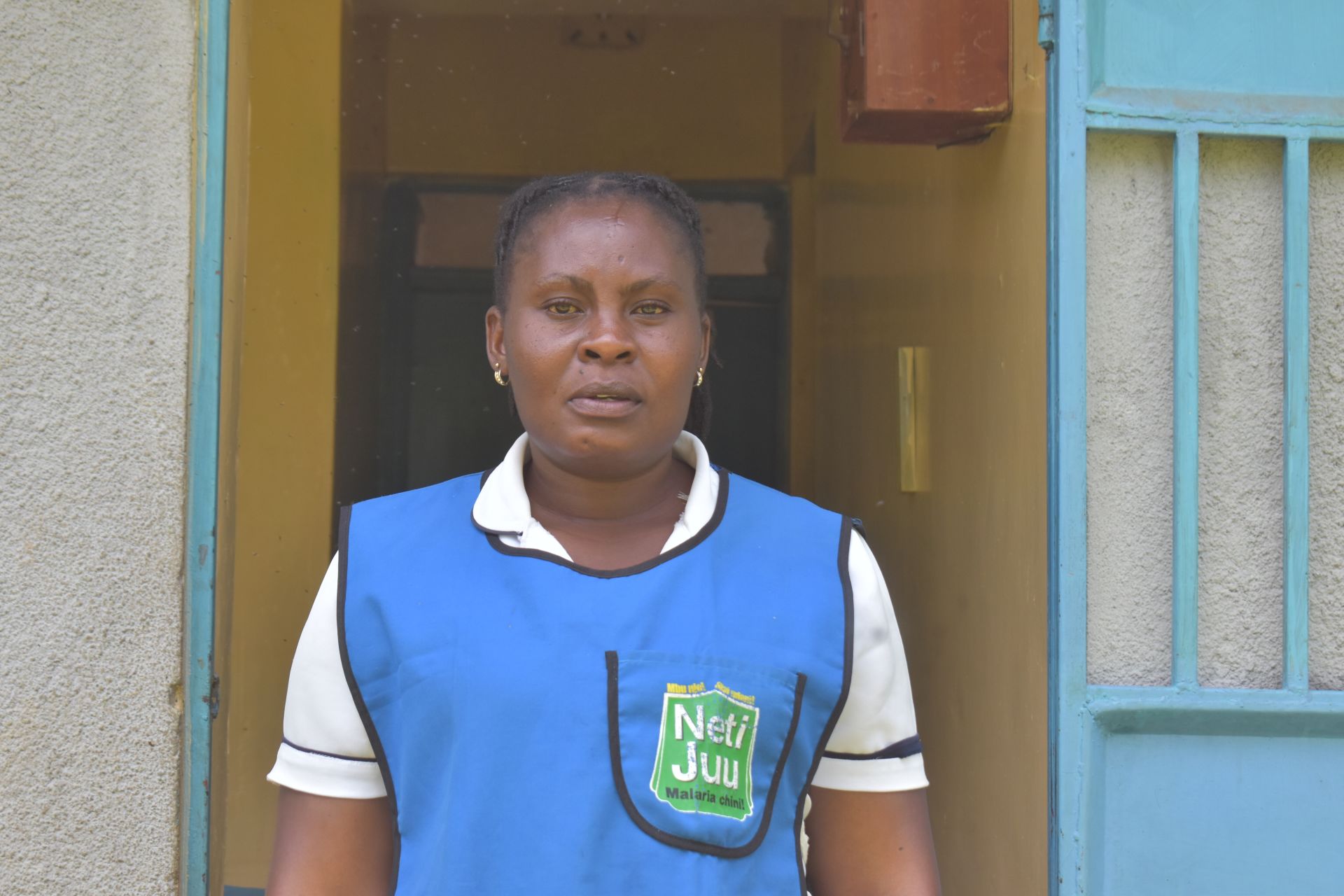
"Life has not been easy without a reliable water supply in the facility. The prolonged breakdown of the facility's water sources has made it difficult to provide essential health services, particularly in departments with high water demand, such as the maternity wing. In some cases, we are forced to refer patients to other health facilities because of inadequate water, disrupting service delivery and causing inconvenience to patients," she continued.
Not only does the lack of water reduce the care the health care center can provide, but it also jeopardizes the community's confidence in the available health services.

The faraway community spring.
"This issue has also affected the community's confidence in us, as our ability to provide quality and reliable health care services has been compromised," lamented Ms. Nthenya. "Water shortages have always affected the relationship between staff and patients. When we are forced to ration water, some patients become frustrated and criticize staff or question our competence, even though the challenges are beyond our control. These situations reduce staff morale, affect patient satisfaction, and undermine confidence in the facility's ability to provide quality health care service."
Ms. Nthenya believes that water can change things.
"With a reliable water supply, we would increase service efficiency, reduce interruptions, support essential procedures, and improve overall care quality. Ultimately, it would enhance patient outcomes, strengthen community trust, and contribute to better public health," concluded
We agree and hope to provide a solution that will enable staff to care for patients well and rebuild community trust.
Steps Toward a Solution
For health care settings, immediate access to a large quantity of clean water is crucial for handwashing, sterilization of equipment, cleaning, and safe childbirth. Water that is off-site creates delays, impacts patient care, and increases the risk of hospital-acquired infections.
Our coverage goals aim for all health centers to have an on-premises water source that will sufficiently serve the patients, healthcare providers, and staff to ensure accessibility, reliability, and safety. With more water available, healthcare workers do not have to ration water, worry about purchasing water with their limited funds, or make tough decisions about when to wash their hands or equipment.
Reliable, clean water ensures that healthcare workers have sufficient water so they can provide excellent patient care!
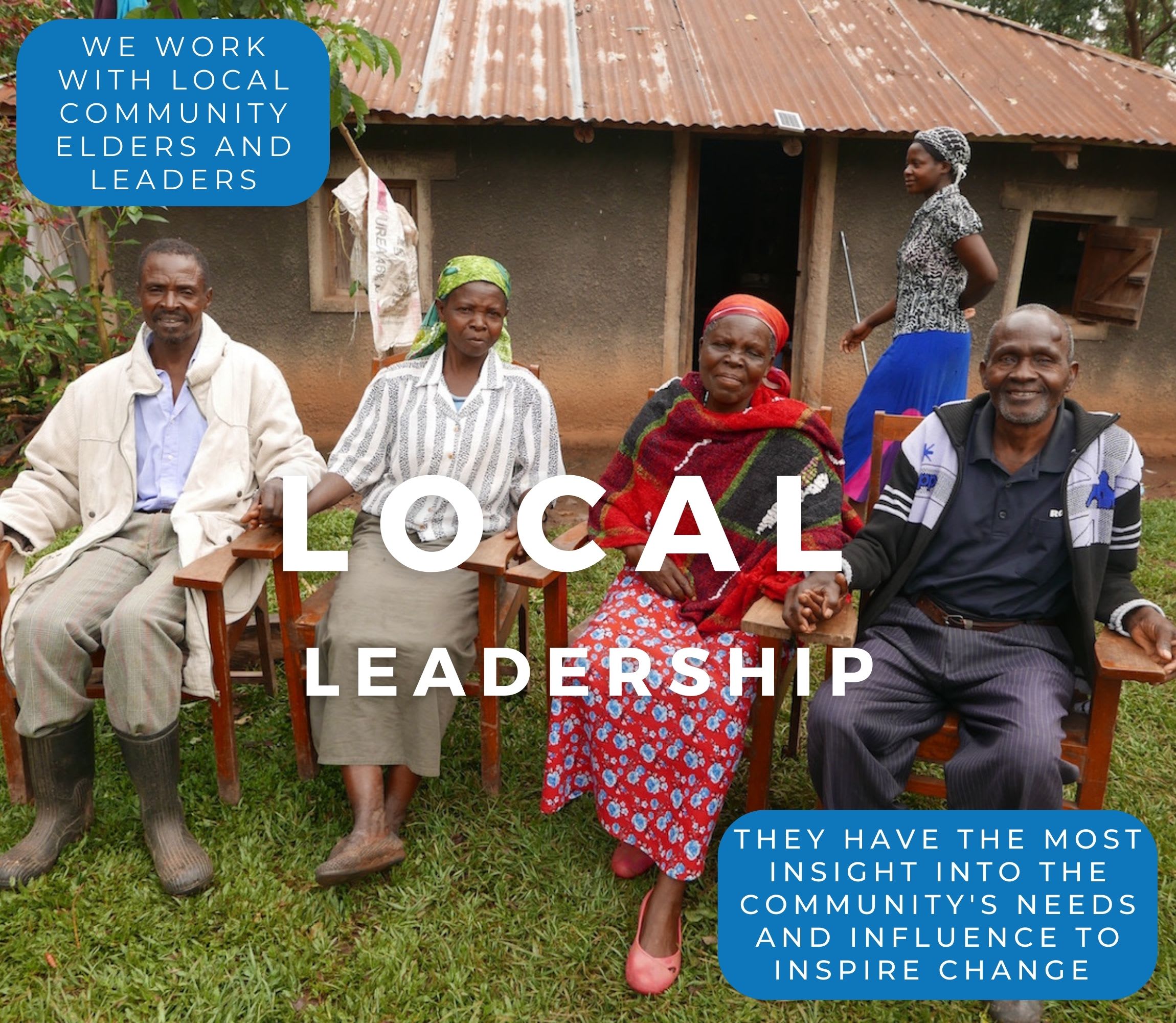
Our technical experts worked with the health center leadership and the local community to identify the most effective solution to their water crisis. They decided to drill a borehole well, construct a platform for the well, and attach a hand pump.
Well
Abundant water often lies just beneath our feet. Aquifers—natural underground rivers—flow through layers of sediment and rock, offering a constant supply of safe water. A borehole well is drilled deep into the earth to access this naturally filtered and protected water. We penetrate meters, sometimes even hundreds of meters, of soil, silt, rock, and more to reach the water underground. Once found, we construct a platform for the well and attach a hand pump. The community gains a safe, enclosed water source capable of providing approximately five gallons of water per minute. Learn more here!
Handwashing Stations
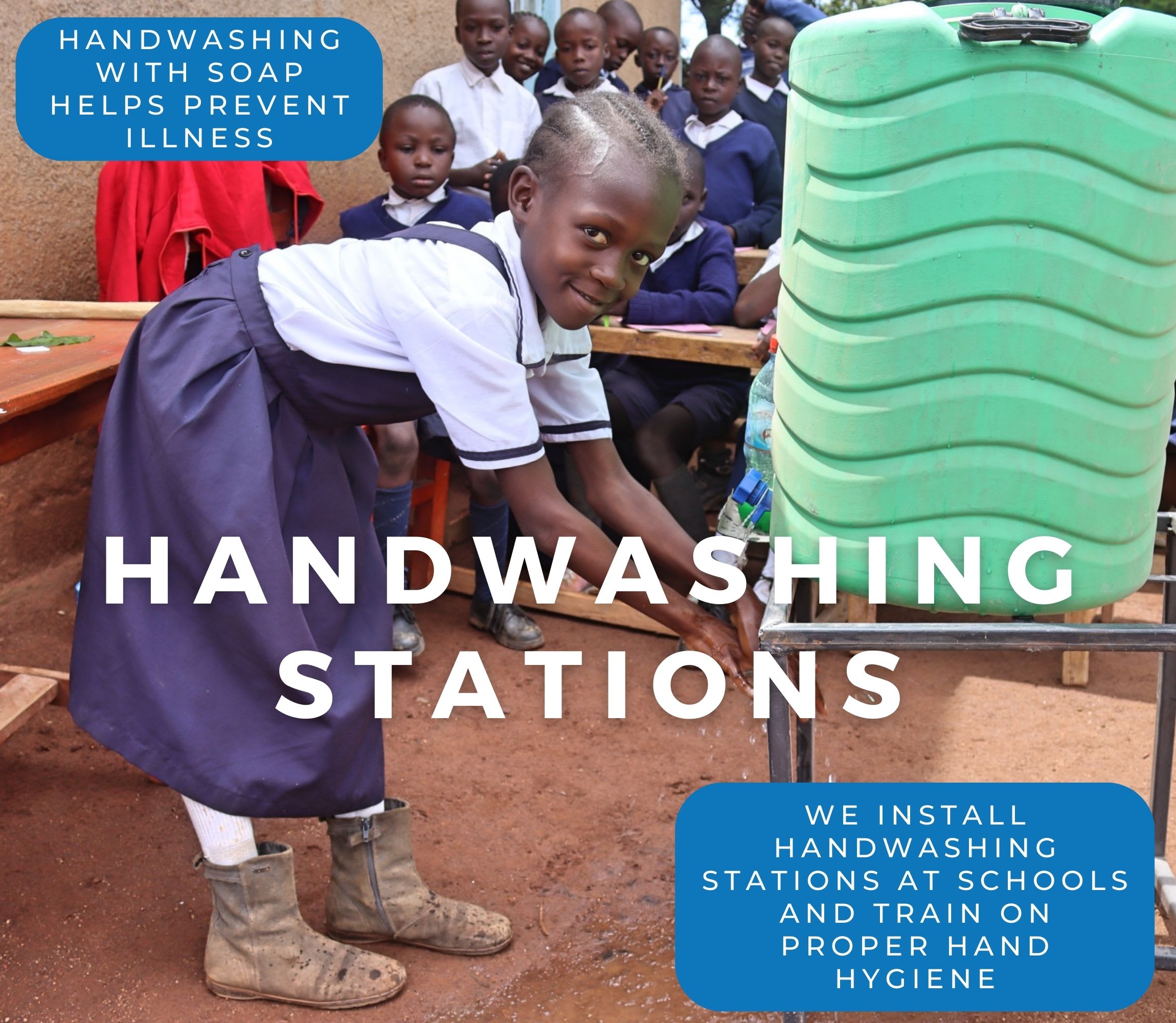
Alongside each water source, we install two gravity-fed handwashing stations, enabling everyone at the health center to wash their hands. Handwashing is crucial for preventing water-related illnesses within the health center and community. Health center staff will maintain the stations, fill them with water, and supply them with soap, which we often teach them how to make.
Latrines
We ensure there are Ventilated Improved Pit (VIP) latrine blocks that effectively prevent the transmission of fecal diseases. Each latrine will boast a durable cement floor for easy use and maintenance. We’ll ensure at least one stall is reserved for staff, along with gender-separated toilets that include menstrual hygiene facilities and accessible options for individuals with limited mobility.
Health Care Staff and Community Education & Ownership
Hygiene and sanitation training are integral to our water projects. Training is tailored to each community's specific needs and includes key topics such as proper water handling, improved hygiene practices, disease transmission prevention, and care of the new water point. Safe water and improved hygiene habits foster a healthier future for everyone in the community.
Encouraged and supported by the guidance of our team, a water user committee representative of the community's diverse members assumes responsibility for maintaining the water point, often gathering fees to ensure its upkeep.