 Borehole Well and Hand Pump
 Rehabilitation Project




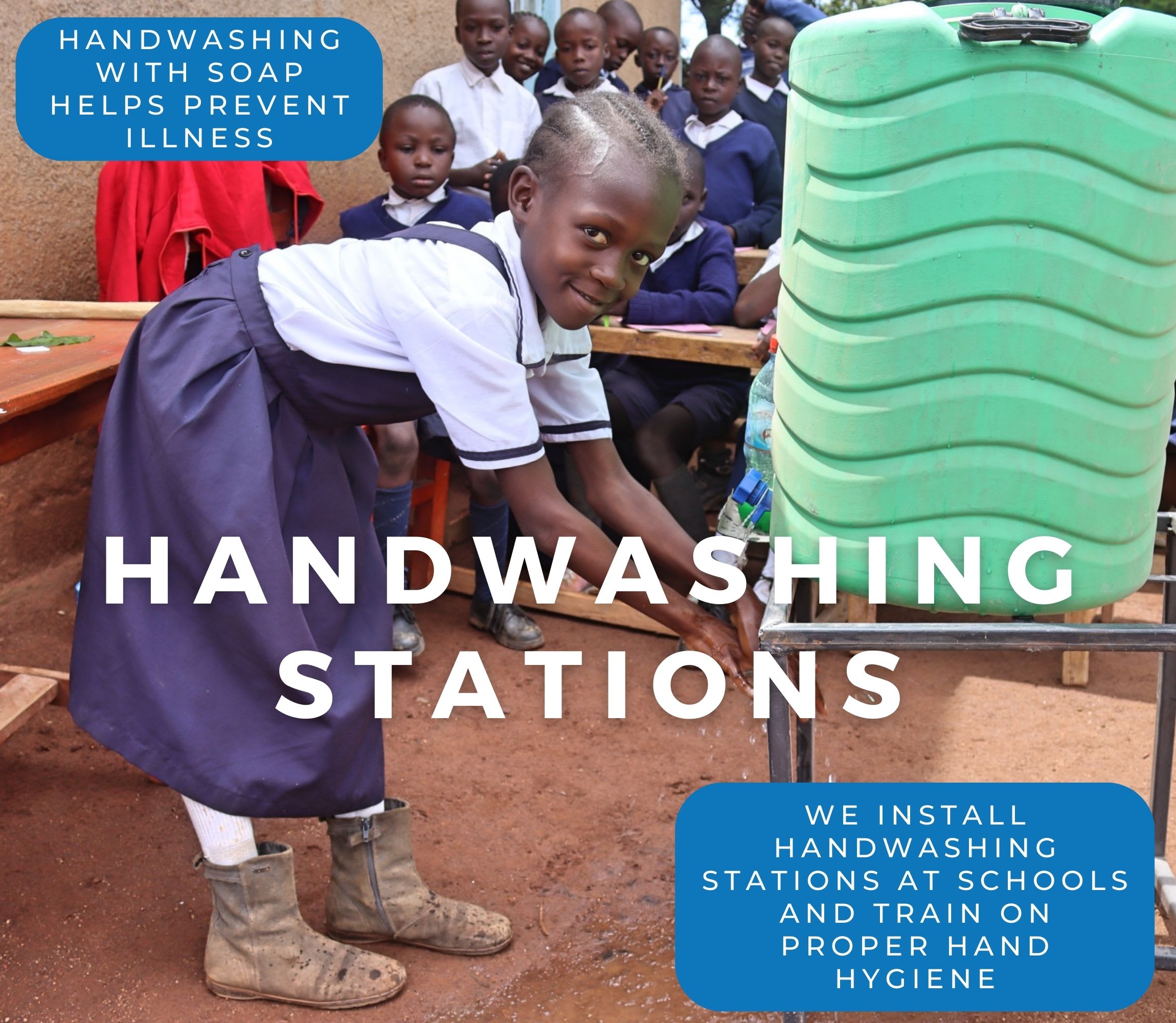






Muhudu Primary School lacks access to clean, reliable water on its grounds. We installed a rain tank in 2018, but with such a large school population, the water the school collects during the rainy season is quickly consumed, leaving the school without sufficient water to meet its daily needs.
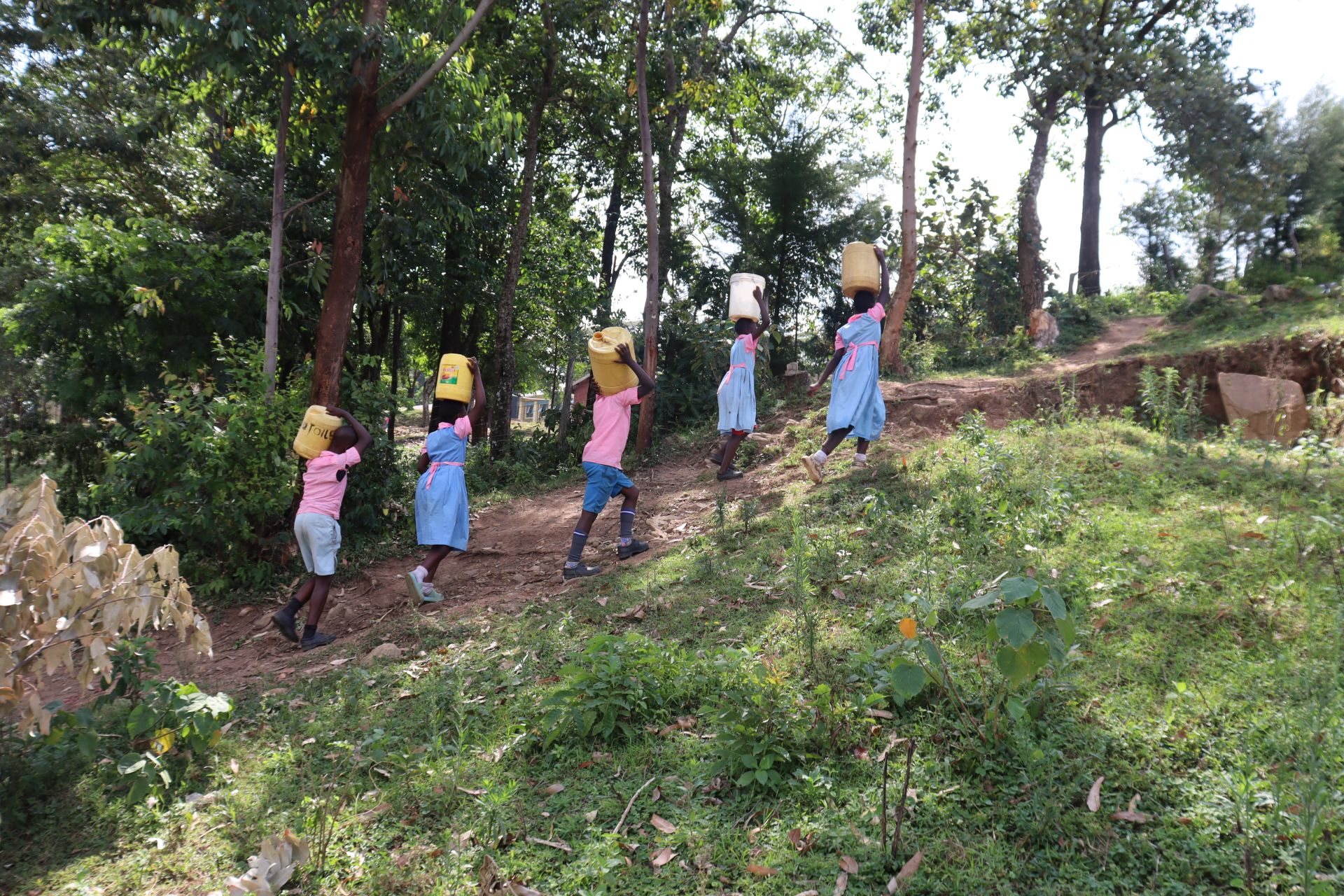
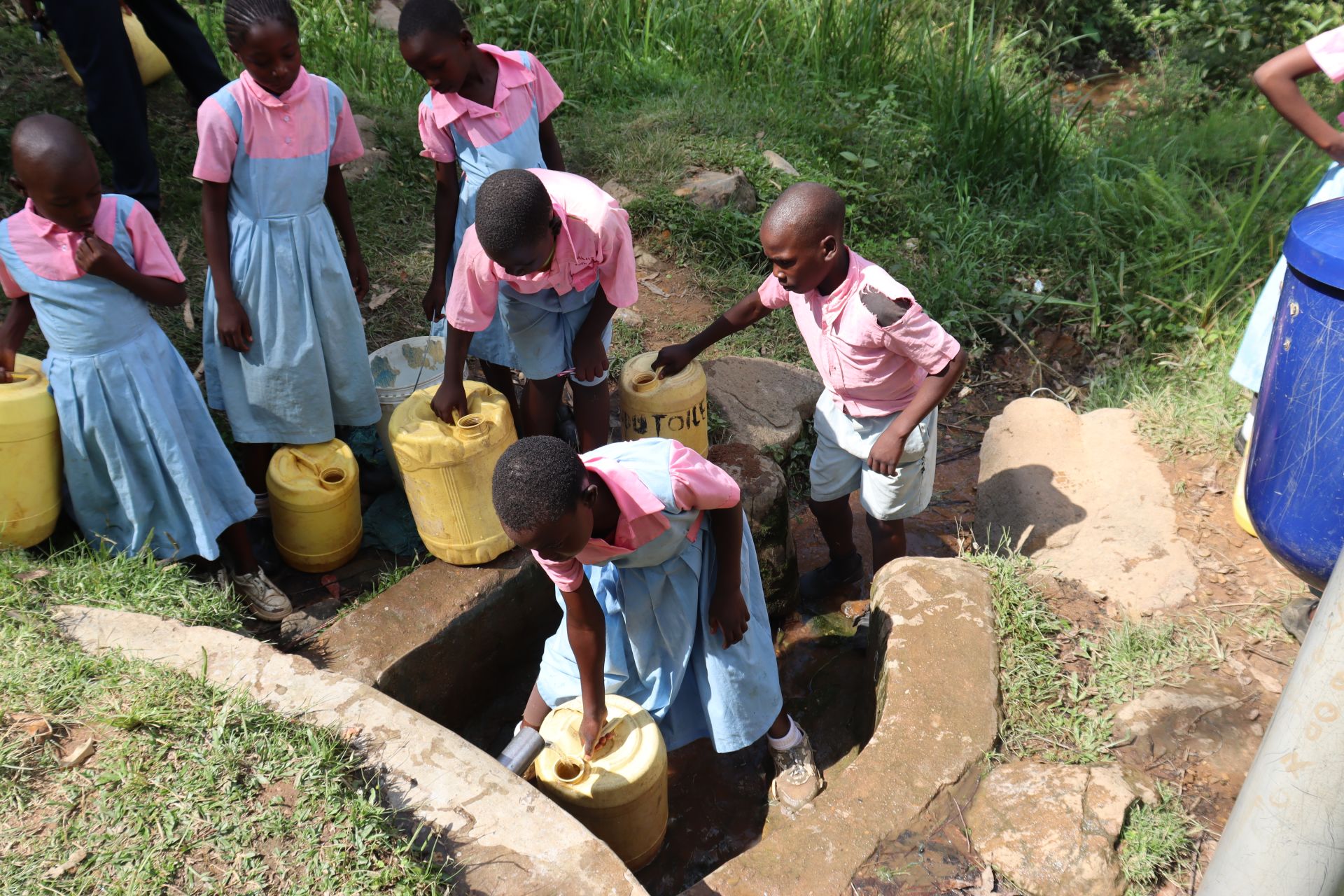
Its 629 students and staff are forced to travel to an outside water source, a community spring, multiple times a day, where they share its water with the surrounding community. This exposes everyone at the school to unsafe water, long wait times, and significant lost learning time.
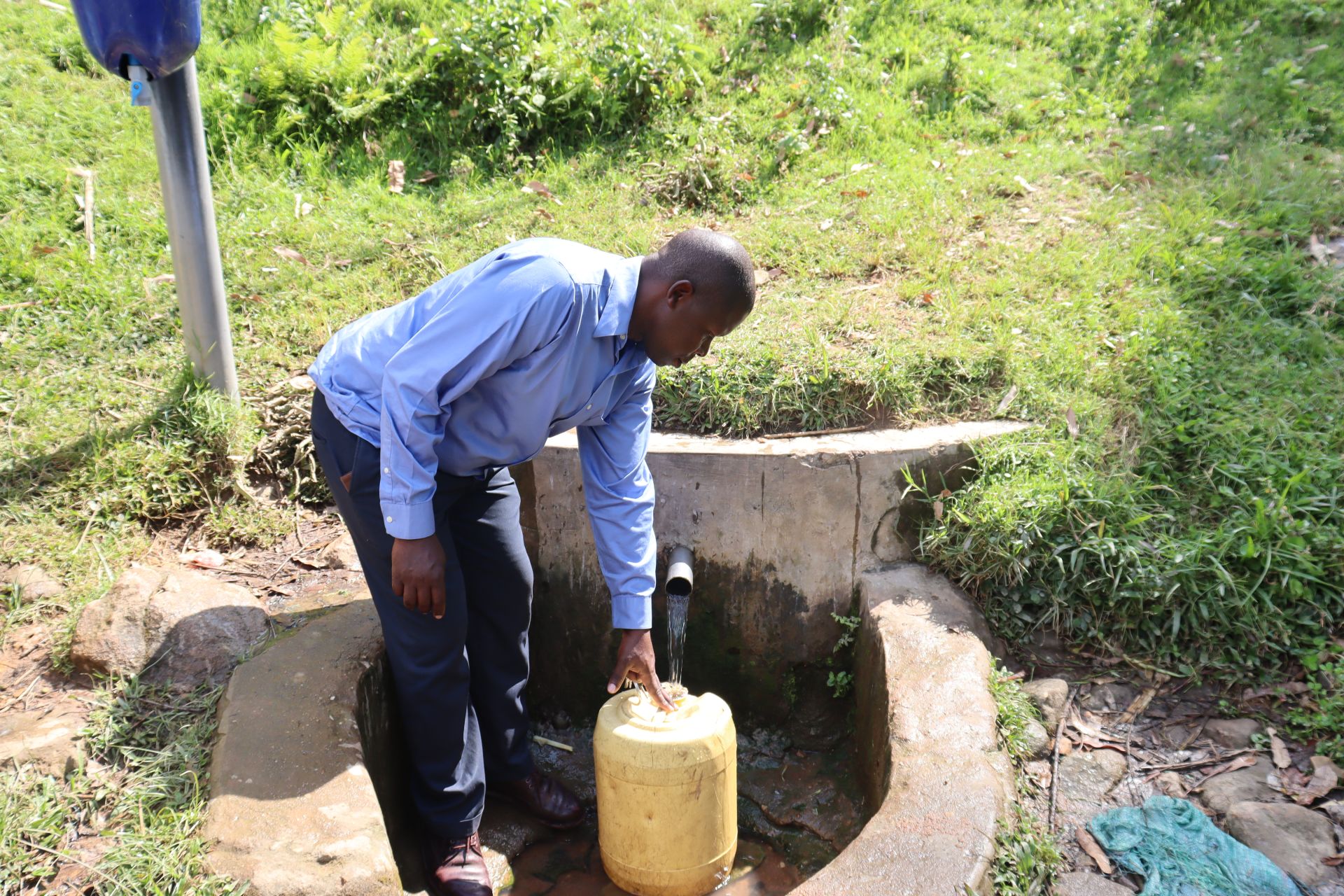
Teacher Wilberforce Odanga is clear about the impact: "Lack of water at school leads to poor performance, as students waste a lot of their study time in looking for water outside the school compound."
"Current water sources pose a danger of consumption of contaminated water, and time wastage meant for studies, as the saying goes, time wasted cannot be recovered," Mr. Odanga said.

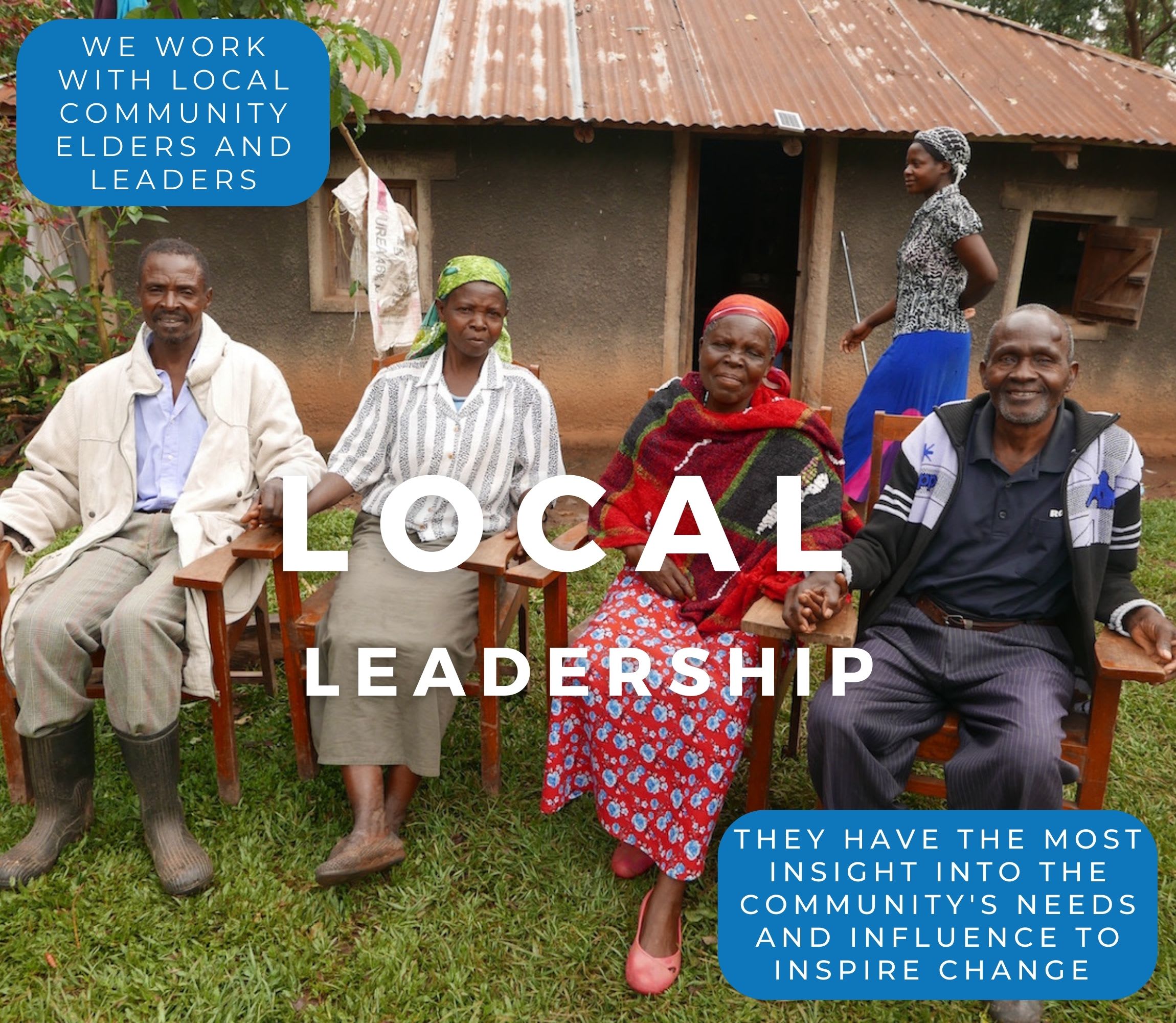
Teacher Wilberforce Odanga.
Consuming the unsafe water from the community spring has significant impacts throughout the school.
"For students, the obvious scenario is missing school attendance," said Mr. Odanga. "As for teachers, learning will be paralyzed due to [the] unavailability of someone to carry out teaching exercises. When I am affected by water-related illnesses, as a teacher, I miss going to school and performing my tasks as required."
"For support staff, the meals and security services are affected because there are no standbys to take over their roles unless teachers step in to save the situation," he continued. "It is dangerous because it can lead to loss of life, especially when there is an outbreak of diseases such as cholera and other related diseases, which cause havoc in the lives and health of the water users."
A clean, on-site water point would turn this around. Wilberforce believes that "academic performance will tremendously improve with access to safe water" because time spent fetching water would become study time instead. The new point would also be safer. Simply put, clean water at Muhudu Primary School means healthier kids, better attendance, and more time to learn.
Steps Toward a Solution
Returning to a community where we previously implemented a water project is not just a matter of maintenance; it stays true to our commitment to sustainability. Our technical experts worked with the local community to identify their current needs and decided to drill a well.
Reinvestment
While the original project provided critical access to safe water, things like changing environmental conditions, population growth, and infrastructure wear have put that access at risk. Reinvesting now ensures that progress is not lost and that the school continues to thrive with reliable, clean water. We are committed to supporting lasting, reliable solutions that honor the trust placed in us by the people who depend on this essential resource every day.
Once this plan is implemented, the school will once again have access to safe drinking water in quality and quantity.
School Education & Ownership
Hygiene and sanitation training are integral to our water projects. Since this school has previously received hygiene training, we will conduct a refresher tailored to this school's specific needs and the new students in attendance.
We will check on the previously established student health club, composed of elected student representatives and a teacher. These clubs promote hygiene practices schoolwide and keep handwashing stations well-stocked. This student-led model encourages a sense of ownership and responsibility.
Safe water and improved hygiene habits foster a healthier future for everyone in the school and the surrounding community.