 Borehole Well and Hand Pump
 Rehabilitation Project







381 students and staff at Chebunaywa Primary School face each day without sufficient water to meet their needs. It is an exhausting problem to handle, but they have no choice. We installed a rain tank in 2018, but it no longer meets the school's year-round needs, forcing students to leave campus to find water.

Teacher Hilda Arura, 38, described the situation: "The number of students has outgrown the available water sources within the school compound, which are all rain-fed tanks. The water sources are not sufficient enough to handle sanitation activities, cooking, and drinking. The unpredictable rain patterns have also made the tanks go dry. Sometimes the rains are unreliable, and the tank is quite small."
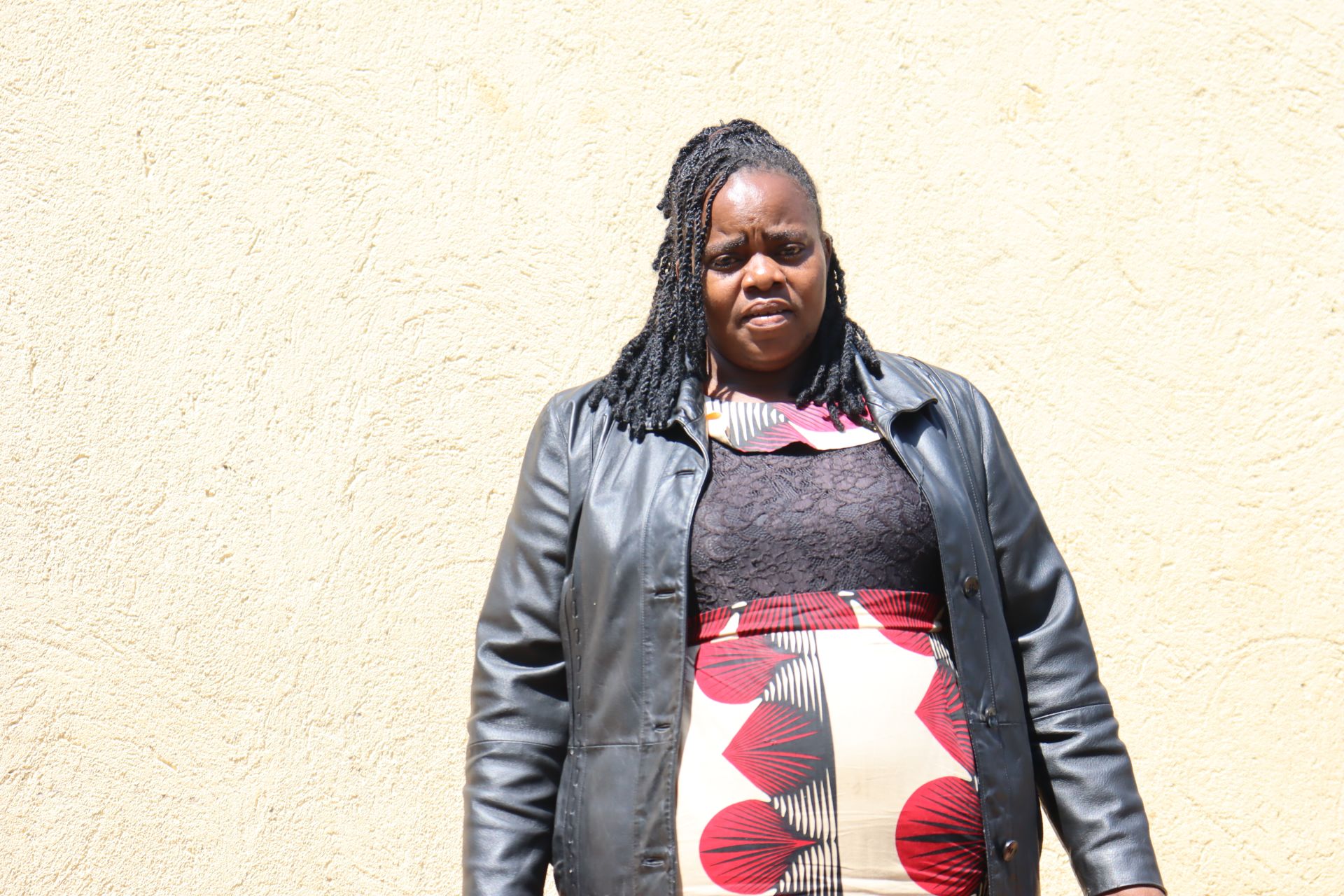
Ms. Arura.
Ms. Arura went on to describe the heartache of having to deny students water.
"It is very difficult to deny children water in the name of rationing. The little children, especially those in pre-primary, will always camp at the door shouting [for] water. We have no option but to let them use [it].
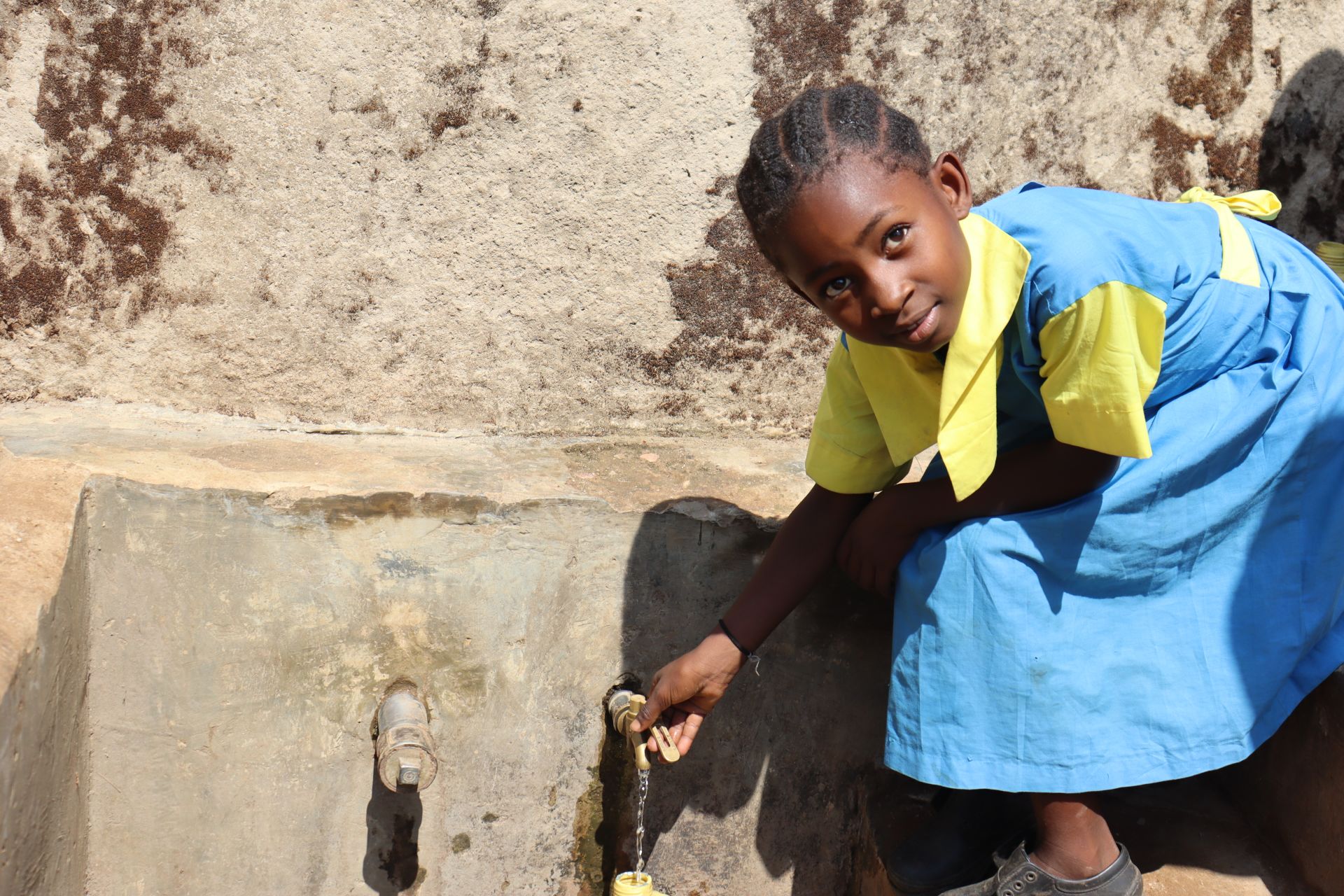
"When it diminishes, we have to find older students to get water from springs within the communities. When students go fetch water in large numbers, [it] requires many teachers to help in supervision, which is quite difficult. Teachers have to abandon other work, like marking assignments [and] preparing exams, to help in supervision.
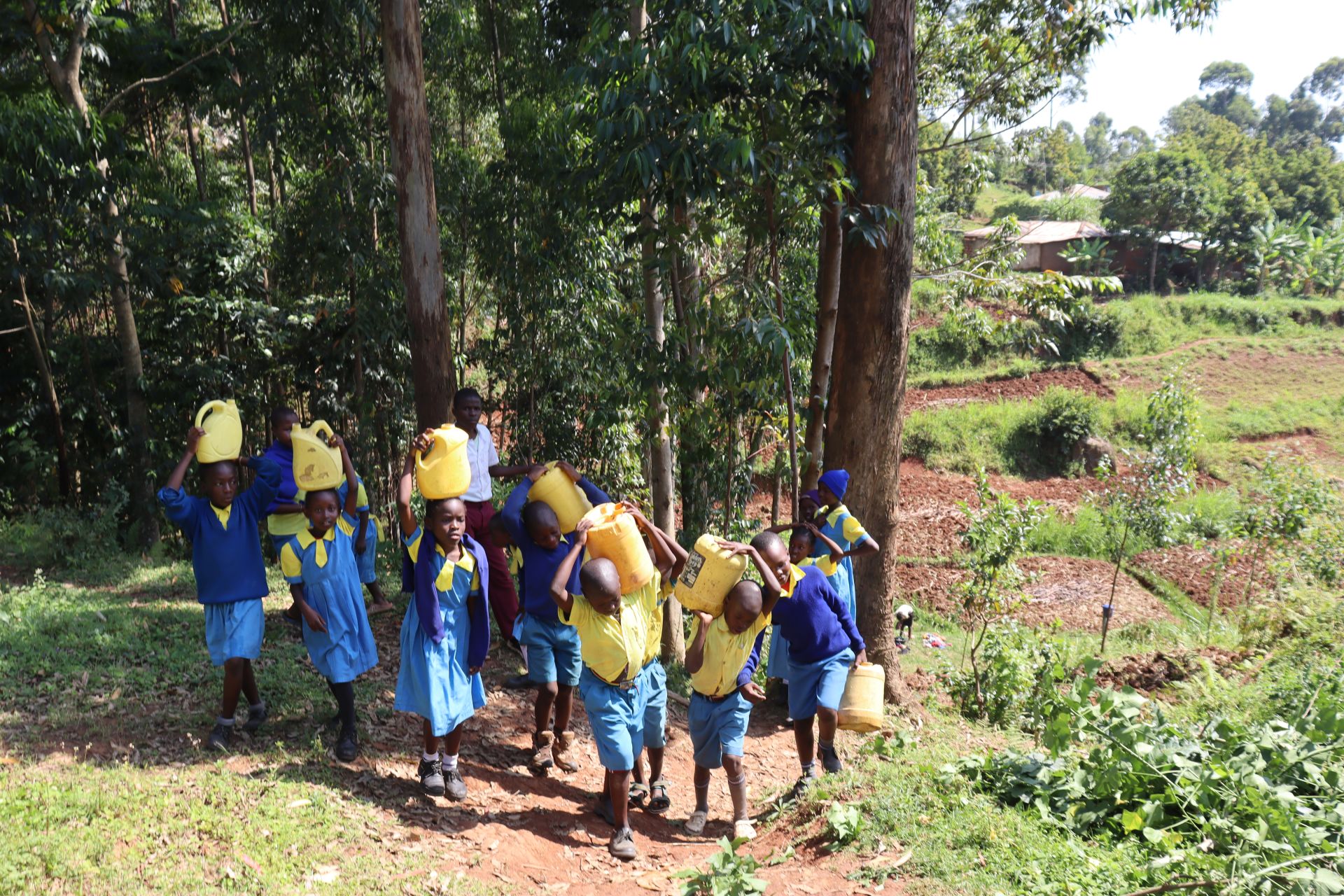
"When students go to find water outside the school compound, they spend a lot of time forgetting or evading the evening lessons. Students have also missed attending games and clubs on Fridays since it is the day of general cleaning. Water is needed to wash all the classrooms, latrines, and offices. The school's normal timetable is severely interrupted.
When the rain tank is dry, students must make a forty-minute trip to collect water from one of two community springs - one protected and one unprotected. It is a tiring trip that leaves them with little energy for learning once they return. Understandably, many choose to avoid the responsibility altogether.
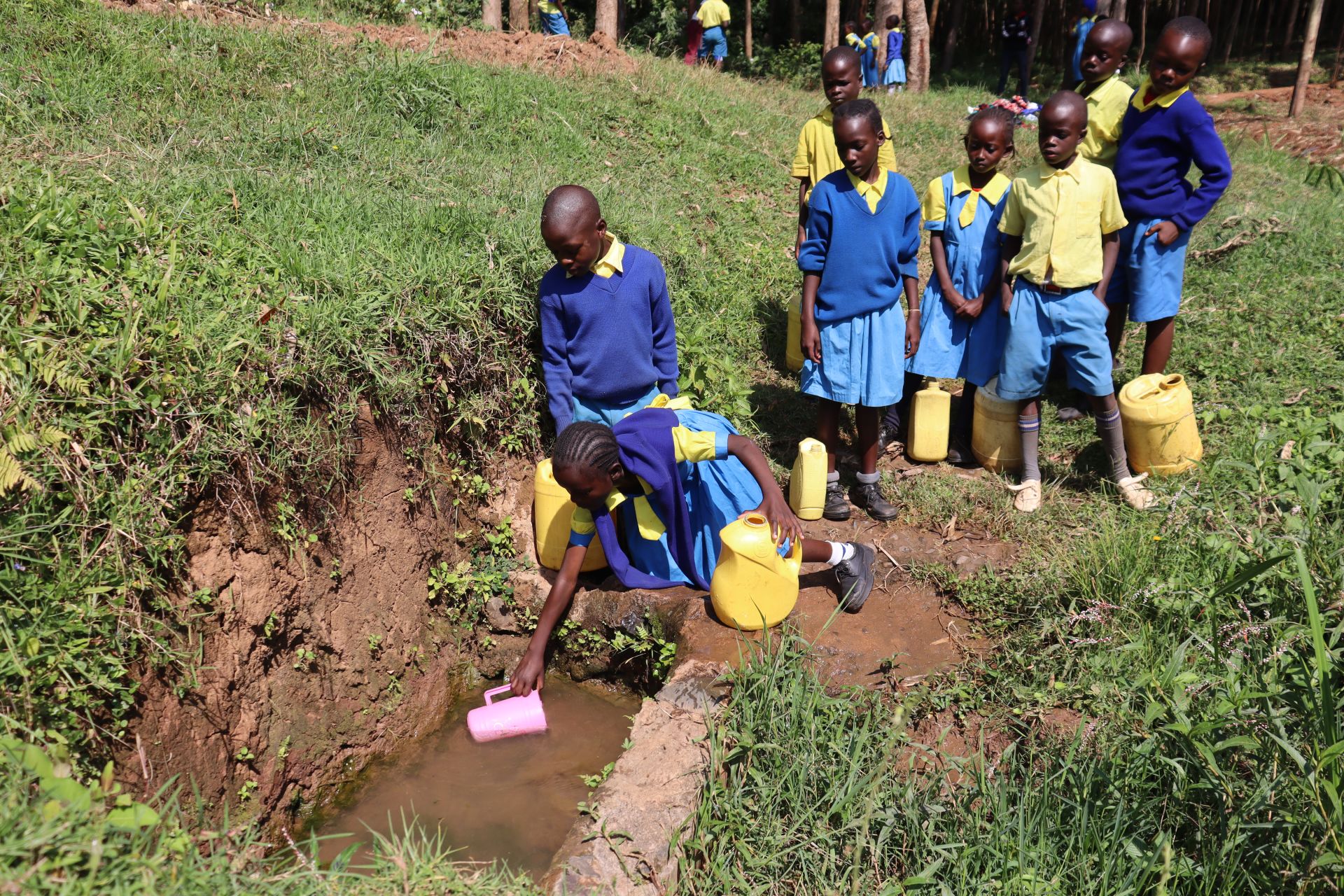
Students collect water from the unprotected spring.
The lack of accessible water is stealing everyone's time and attention away from learning, putting students' futures at risk. They need nearby, accessible water that is safe to collect quickly, so they have enough water to meet their needs while still focusing on learning and creating a brighter future.
Steps Toward a Solution
Returning to a community where we previously implemented a water project is not just a matter of maintenance; it stays true to our commitment to sustainability. Our technical experts worked with the local community to identify their current needs and decided to drill a well.
Reinvestment
While the original project provided critical access to safe water, things like changing environmental conditions, population growth, and infrastructure wear have put that access at risk. Reinvesting now ensures that progress is not lost and that the school continues to thrive with reliable, clean water. We are committed to supporting lasting, reliable solutions that honor the trust placed in us by the people who depend on this essential resource every day.
Once this plan is implemented, the school will once again have access to safe drinking water in quality and quantity.
School Education & Ownership
Hygiene and sanitation training are integral to our water projects. Since this school has previously received hygiene training, we will conduct a refresher tailored to this school's specific needs and the new students in attendance.
We will check on the previously established student health club, composed of elected student representatives and a teacher. These clubs promote hygiene practices schoolwide and keep handwashing stations well-stocked. This student-led model encourages a sense of ownership and responsibility.
Safe water and improved hygiene habits foster a healthier future for everyone in the school and the surrounding community.