 Borehole Well and Hand Pump
 Rehabilitation Project




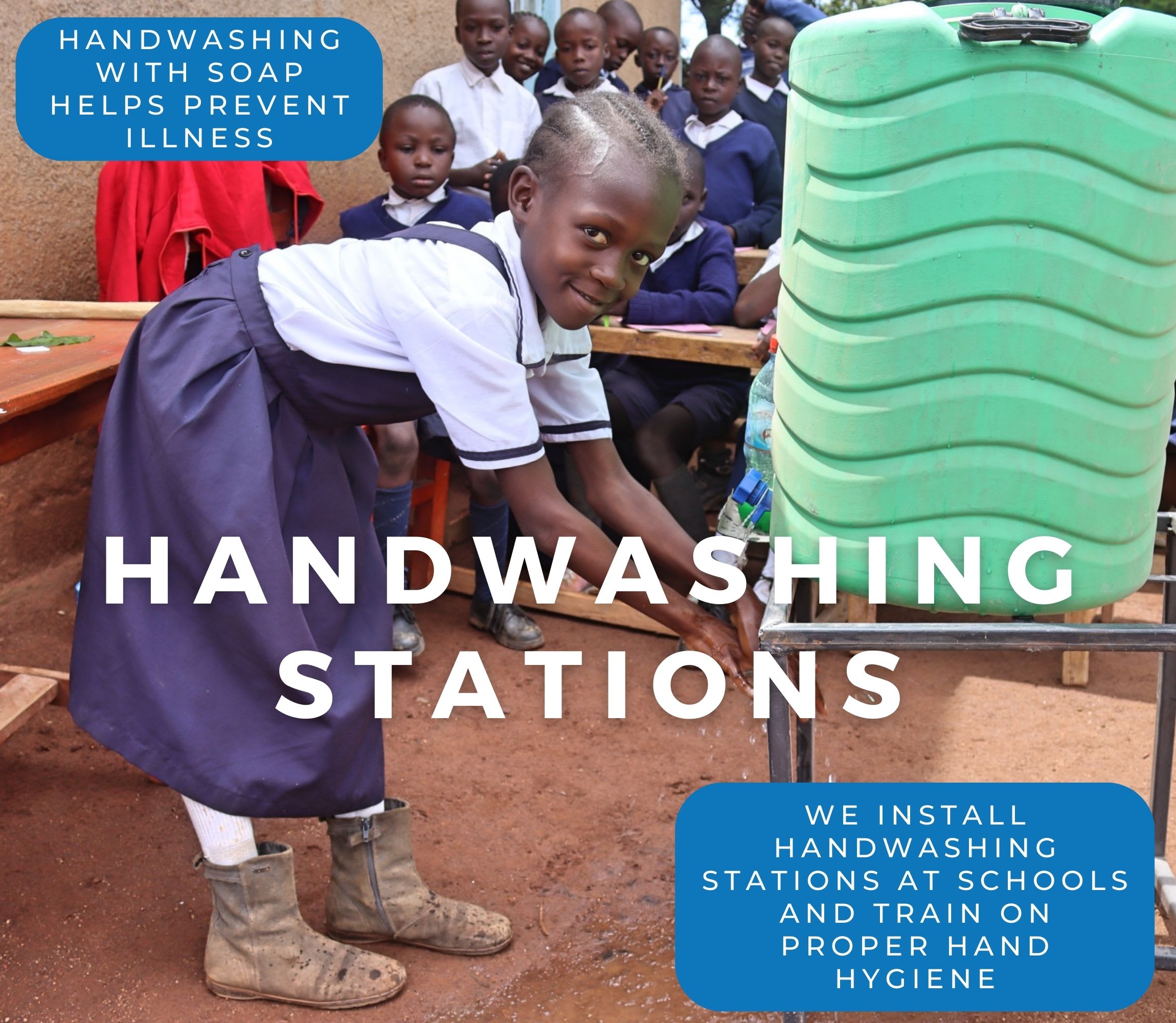







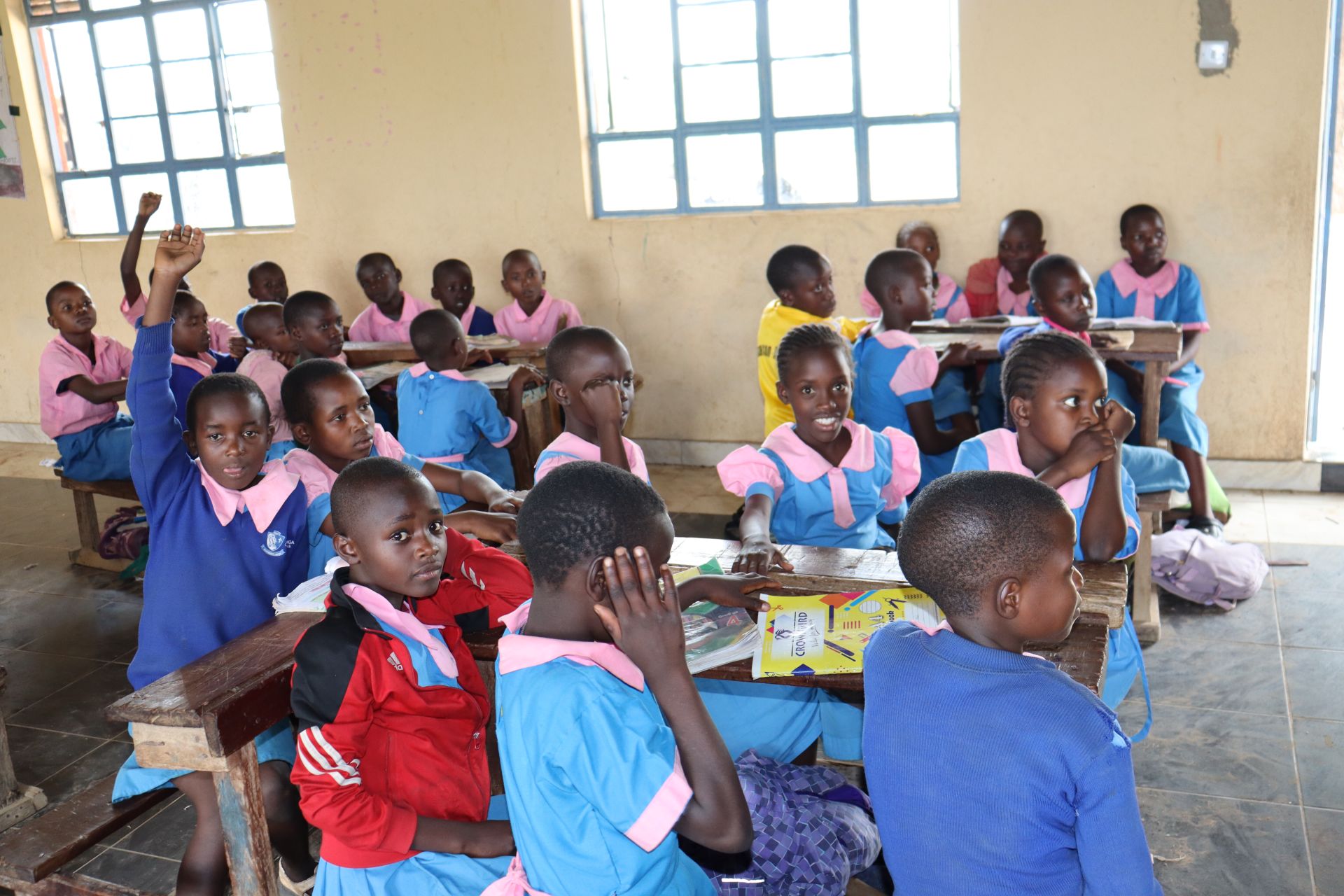
The Kapsotik Primary School had a rainwater tank installed in 2018, but it no longer meets the water needs of its 418 students and teachers.
"The tank provides safe water for drinking, handwashing, cleaning, and cooking during the rainy season. However, because it relies entirely on rainfall, the stored water is often depleted after several days without rain, particularly during prolonged dry periods when the school's water demand exceeds the available supply," shared Field Officer Christine Masinde.

When the rainwater is gone, students must leave the school campus to collect water from the community spring to meet their needs. The journey is not easy or quick, taking an average of 50 minutes before students can return to their classroom and resume learning. Sometimes it takes longer, depending on the crowd they find waiting to collect water upon arrival, since they share the water point with the local community.
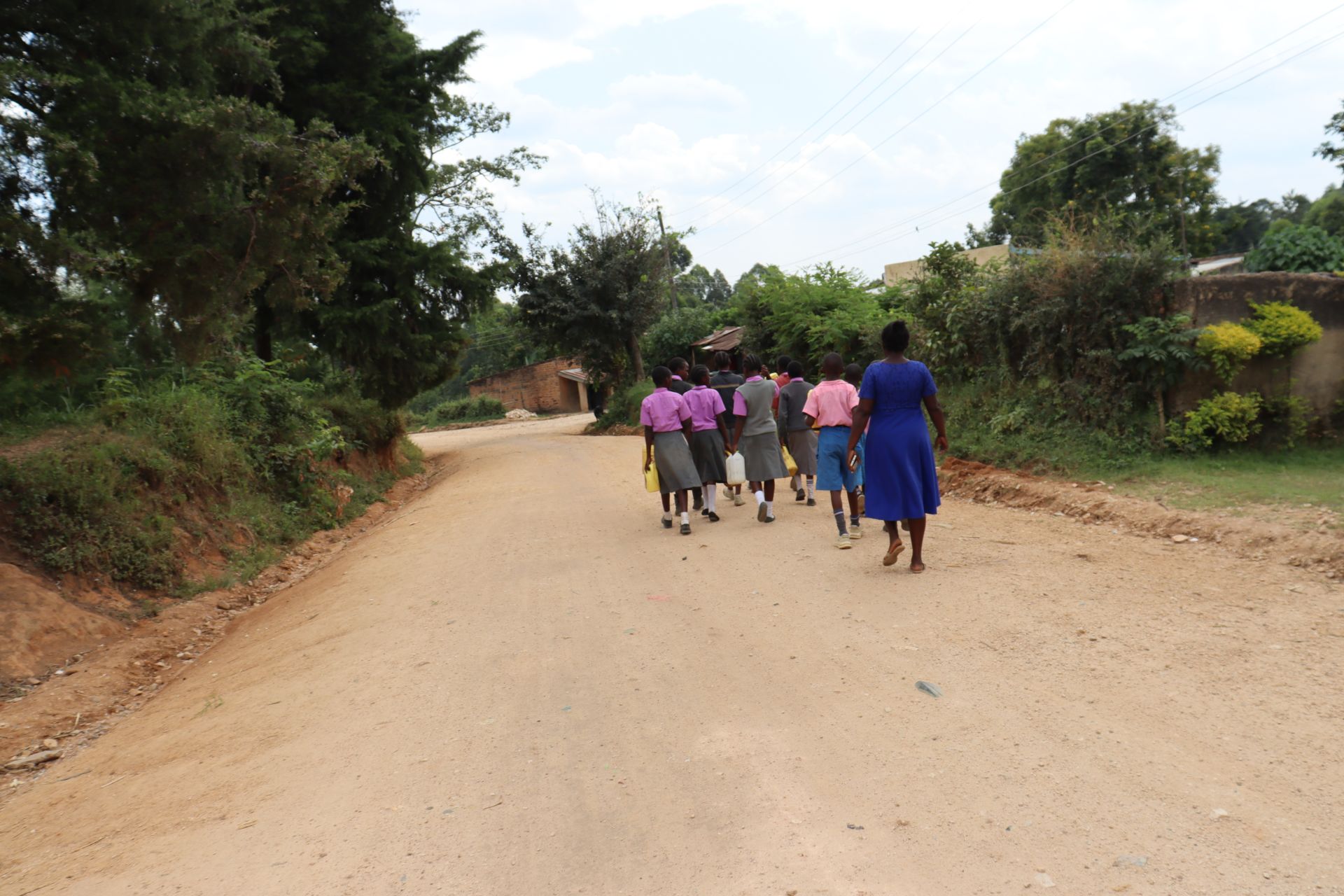
The spring is the students' only reliable water source, though it is not ideal.
"The protected spring is a bit dirty, and the spring box and outlet pipe are in fair working condition, with no major signs of structural damage or disrepair. However, the spring eye is not fenced, leaving the source vulnerable to contamination from human activity, livestock, and surface runoff," Christine reported.
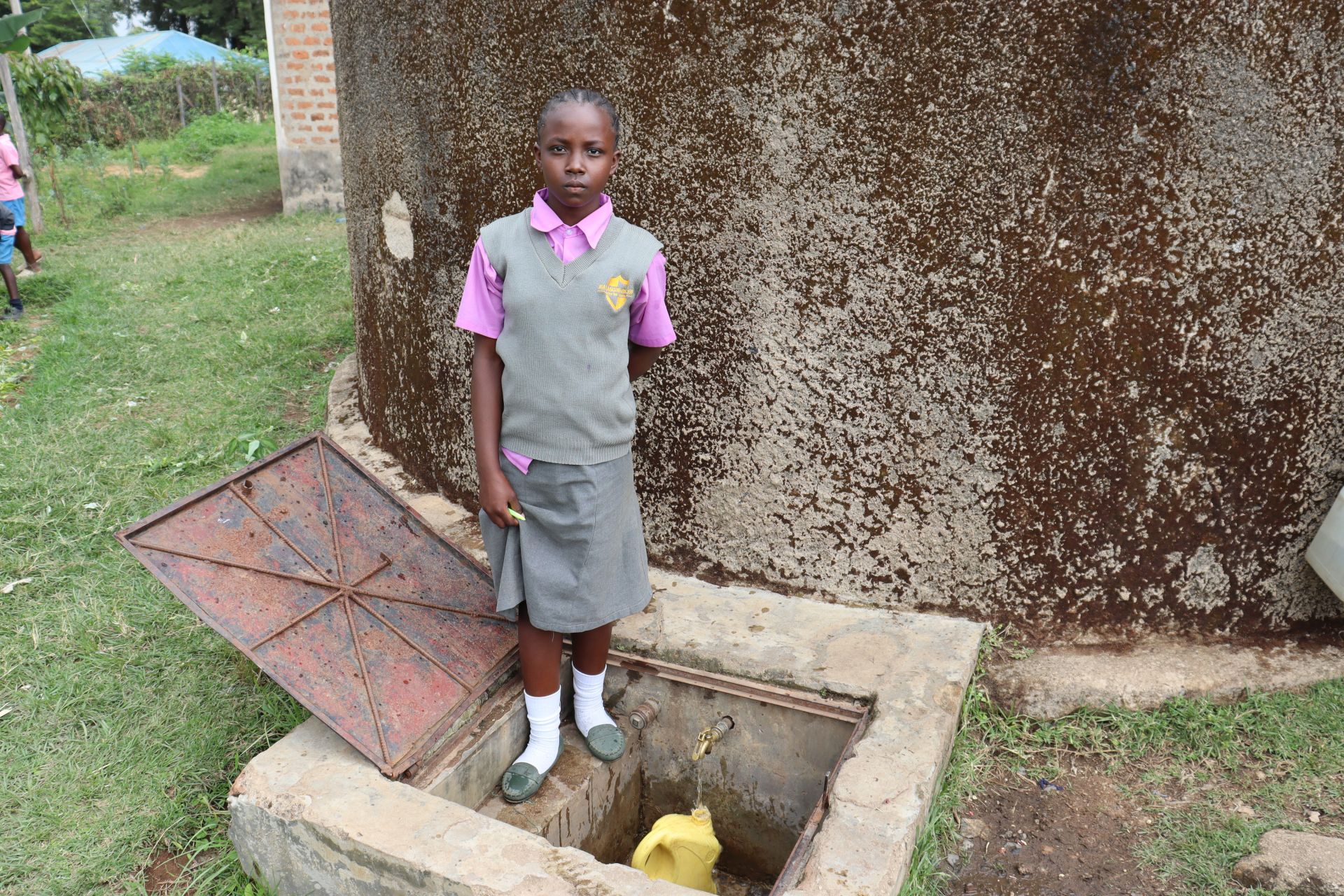
Beyonce at the raintank.
12-year-old Beyonce, a student at Kapsotik, is sadly familiar with the risks and consequences of drinking contaminated water from the spring, and with the enormous amount of physical and emotional energy it takes to collect water she knows is not safe for her.
"During the dry season, when our rainwater tank at school runs out, I get stomachaches almost every month. Because the spring where we get water is not fenced, people and animals step right on the spring eye, leaving dirt and germs in the water. We also do not have chlorine to treat it, so drinking it frequently makes our stomachs hurt," she shared.
"One afternoon after carrying water back from the partially protected springs, I felt very thirsty and drank straight from the jerrican. That night, my stomach started hurting badly, and I got terrible diarrhea and vomiting. I felt hot, dizzy, and so weak that I could not even sit up in bed. My body was aching all over, and I was so scared," Beyonce recalled.
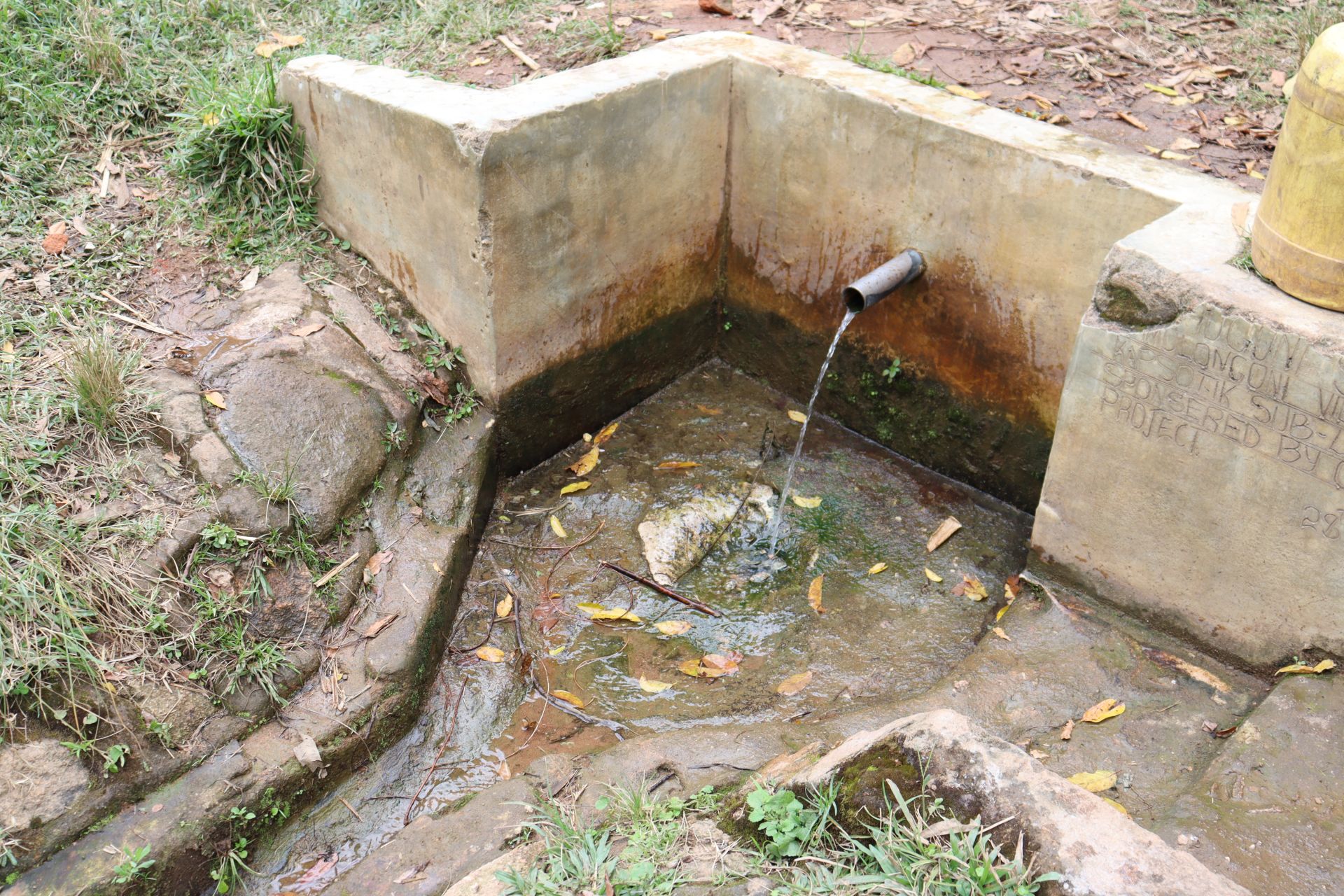
The risky spring.
"My mother boiled some water and mixed a little salt and sugar into it for me to drink so I would not be dehydrated. She put a wet cloth on my forehead to cool down my fever. When I didn't get better, she had to borrow money to buy medicine from the chemist in the market. It took three full days of rest before my stomach stopped hurting," she continued.
"I miss at least two or three days of school whenever I get sick from water-related illnesses. When my stomach is hurting, and I am too weak to walk, I cannot go to class. It makes me feel sad because while I am resting at home, my classmates are learning, and I fall behind in my studies," Beyonce lamented.
"I feel sad and disappointed because I know I am going to miss my favorite lessons. I worry about the long walk, the barking dogs, and being pushed back in line at the spring. Carrying that heavy jerrican all the way back leaves me completely worn out, making it hard to pay attention when I finally sit back down at my desk.
"I would like to work very hard in school so that I can become a nurse one day and help sick people. But to pass my exams, I need to spend my time reading books and learning in class, not carrying heavy water containers," she concluded.
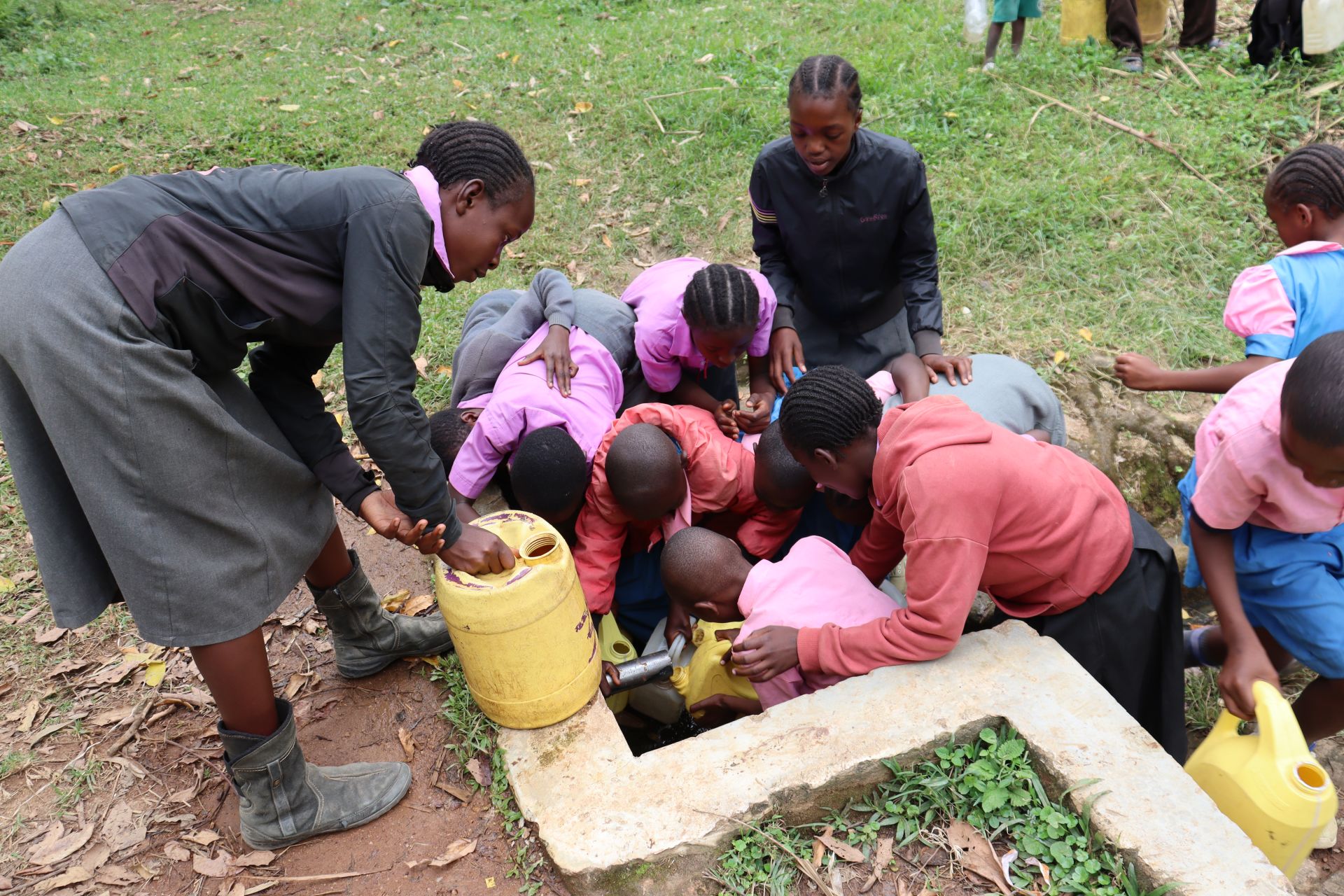
Students compete to collect water at the spring.
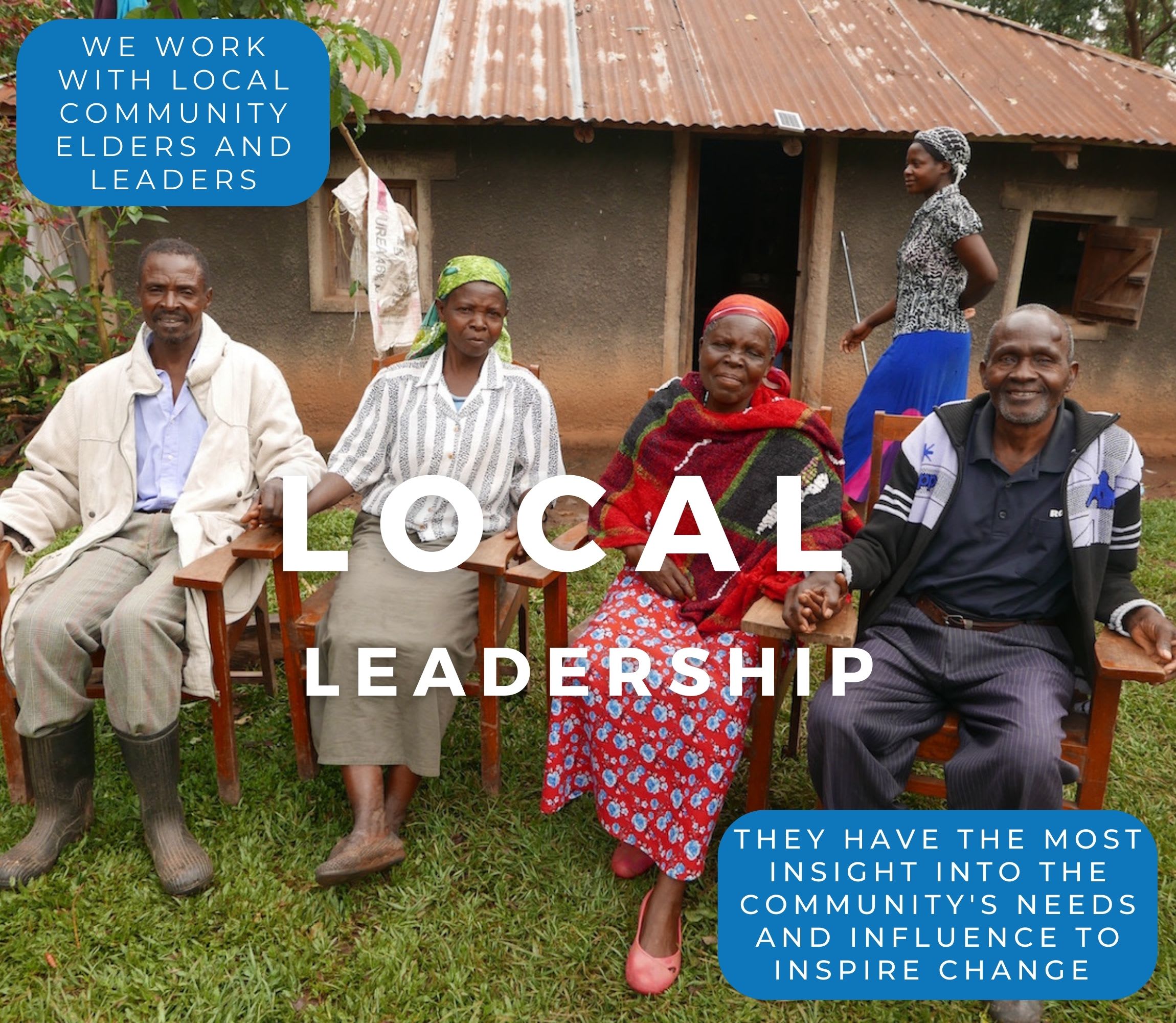
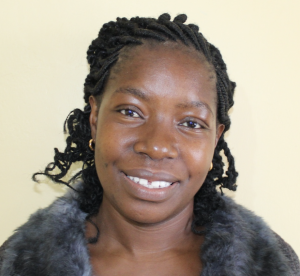
"What impacted me most was talking to Beyonce, a 12-year-old learner at Kapsotik Primary School. She shared how they walk through neighboring homesteads, are sometimes chased by dogs or denied passage, and often wait in long queues at the spring. She also said they miss lessons and return to school tired after carrying heavy jerricans. Although the school has taken good care of the rainwater harvesting tank provided by The Water Project, it cannot provide enough water during the dry season. Listening to Beyonce made it clear that a borehole would improve learner safety, save learning time, and give children a better chance to achieve their dreams," Field Officer Christine concluded.
Steps Toward a Solution
Returning to a community where we previously implemented a water project is not just a matter of maintenance; it stays true to our commitment to sustainability. Our technical experts worked with the local community to identify their current needs and decided to drill a well.
Reinvestment
While the original project provided critical access to safe water, things like changing environmental conditions, population growth, and infrastructure wear have put that access at risk. Reinvesting now ensures that progress is not lost and that the school continues to thrive with reliable, clean water. We are committed to supporting lasting, reliable solutions that honor the trust placed in us by the people who depend on this essential resource every day.
Once this plan is implemented, the school will once again have access to safe drinking water in quality and quantity.
School Education & Ownership
Hygiene and sanitation training are integral to our water projects. Since this school has previously received hygiene training, we will conduct a refresher tailored to this school's specific needs and the new students in attendance.
We will check on the previously established student health club, composed of elected student representatives and a teacher. These clubs promote hygiene practices schoolwide and keep handwashing stations well-stocked. This student-led model encourages a sense of ownership and responsibility.
Safe water and improved hygiene habits foster a healthier future for everyone in the school and the surrounding community.