 Borehole Well and Hand Pump
 Rehabilitation Project








Elukho Primary School has been a part of our network for over a decade. In 2015, we installed a rainwater harvesting tank at the school, providing some relief to its 569 learners and 27 staff members from the burden of collecting water.
But that relief hasn't lasted. With Western Kenya's rains becoming shorter and less predictable, the stored water is now exhausted within three to five days after rainfall ends. That leaves the school's students and staff to rely on a shared community well for the rest of the year.
That well was never meant to serve this many people. Community members and schoolchildren line up at the same hand pump, and during dry spells, the wait can exceed an hour.
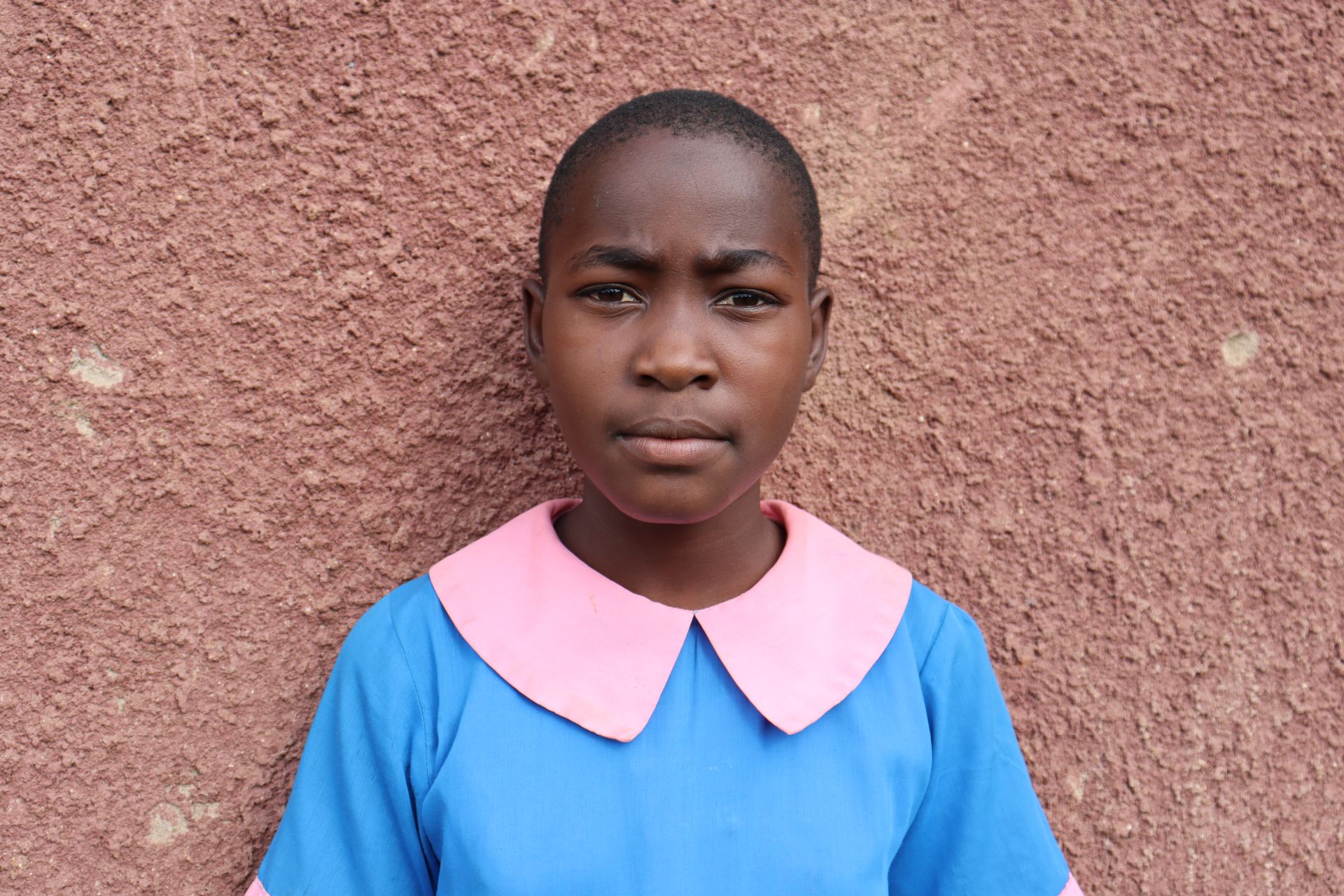
Diana.
Twelve-year-old Diana knows this routine well. "When our school tank runs out of water, we have to go to the community well to fetch water," she explained. "Many people from the village also use the same borehole, so we have to stand in a long queue and wait for our turn. Sometimes we wait for a long time before we can fill our containers and return to school." Her wait can run to 90 minutes a day, pulled straight from her classroom hours.
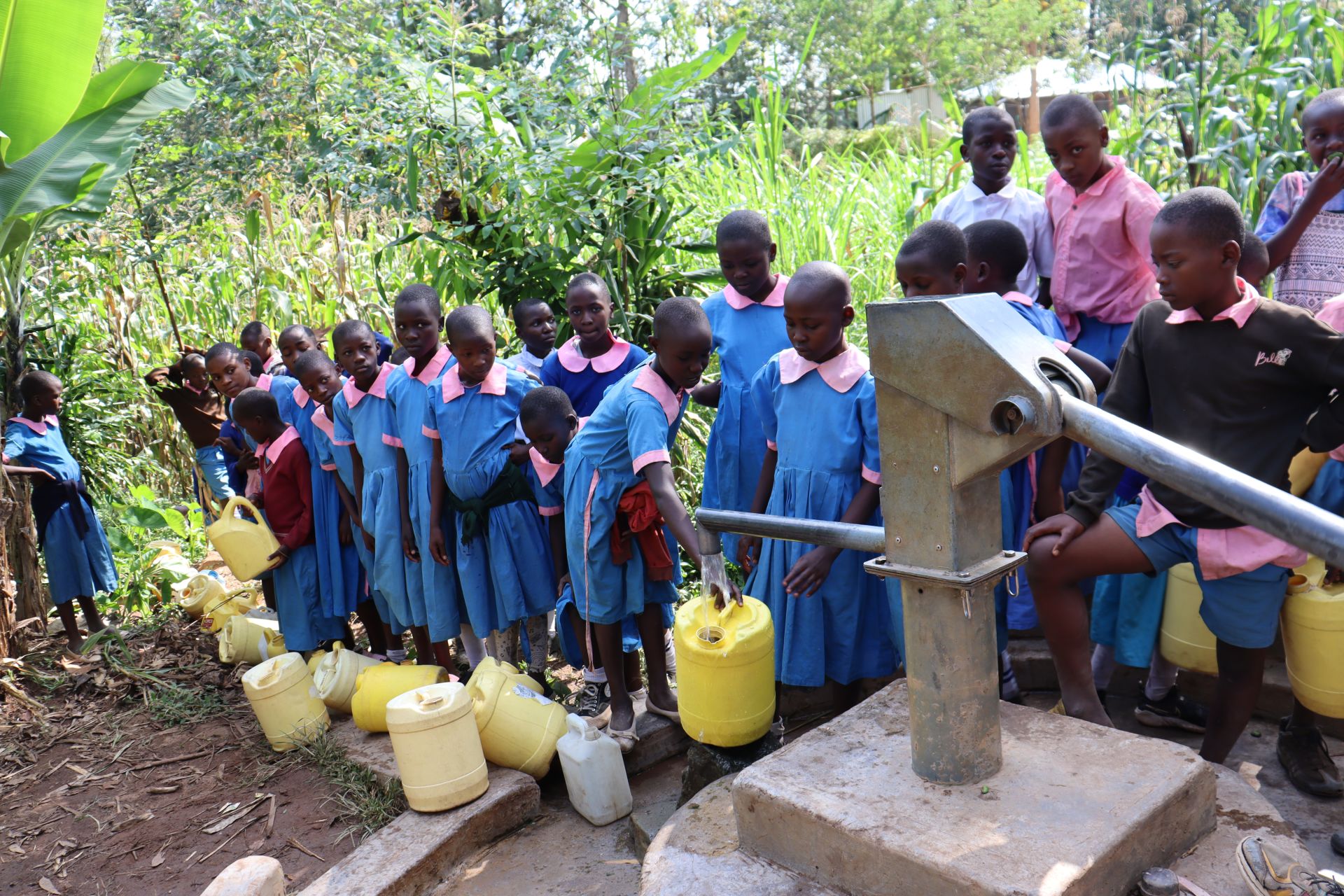
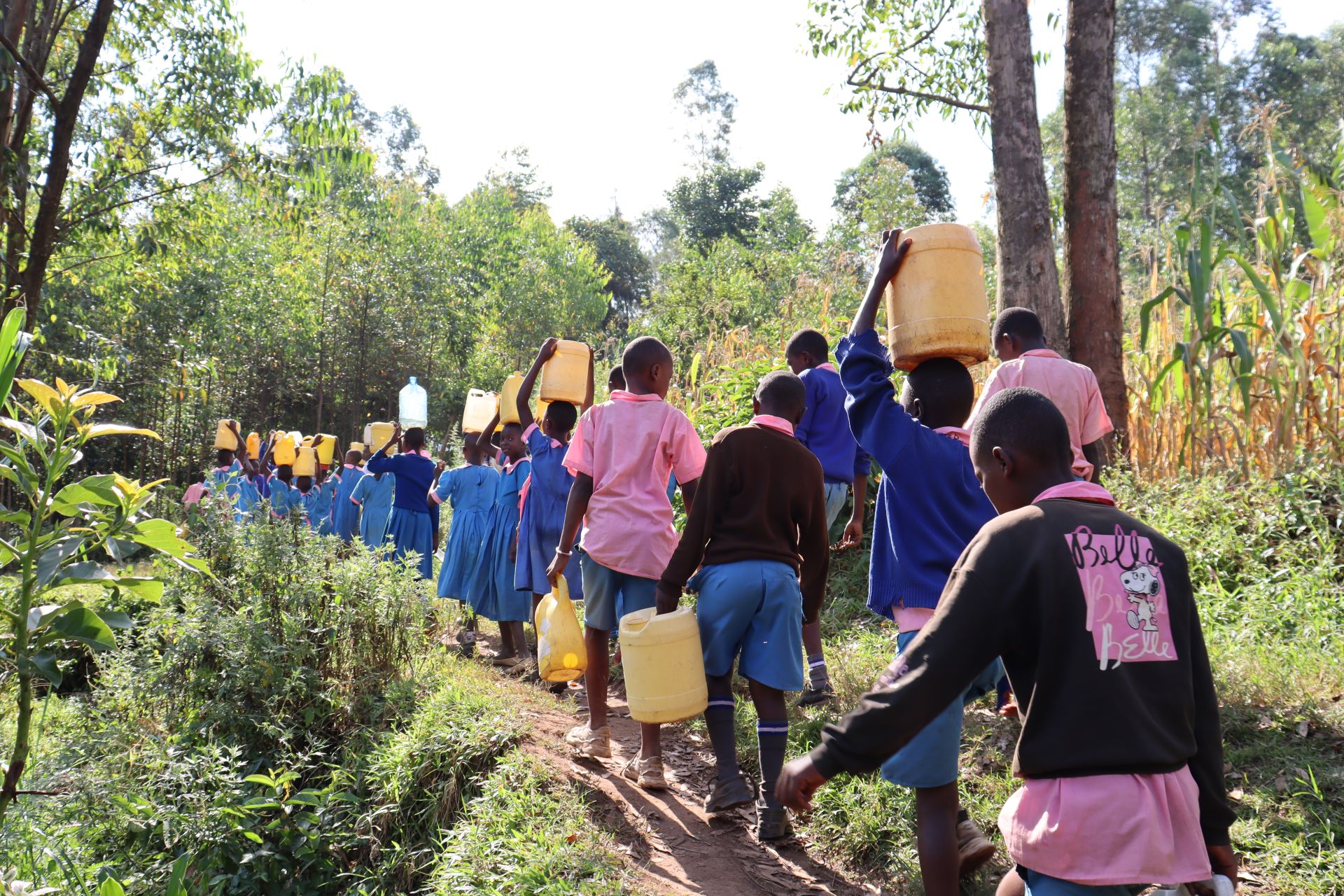
Students crowd the well for their chance to collect water before class ends.
The walk itself worries her as much as the wait, often stealing her sense of security.
"I worry because we have to leave the school compound and walk to the community well," she said. "We share the road with motorcycles and other vehicles, and sometimes they move very fast. There are also many people at the well, and when everyone is trying to get water, there are pushing, arguments, and sometimes fights, which makes me feel unsafe."

Students walk to get water.
She has felt pushed to the back of the line by adults more than once, and by the time she returns to school, her teacher has often already moved on without her. "I feel sad because I have to leave my class and miss lessons," she said. "Sometimes I worry that I will not understand what the teacher has taught while I was away. I wish our school had enough water every day so that I could stay in class, learn with my friends, and not spend so much time fetching water."
Diana can already picture what a well on the campus would mean. "If our school has its own borehole, we will no longer have to leave the school compound to fetch water," she said. "We will be safe because we will stay where our teachers can see us as they supervise us, and we will not have to walk along the road or wait in long, crowded queues at the community well."
"We will spend more time in class learning, playing with our friends during break, and completing our schoolwork instead of worrying about where to get water," she added. "I believe we will be happier, healthier, and do better in school because we will always have clean water close to us." She dreams of becoming a teacher one day, confident that "getting a good education will help me build a better future and support my family."
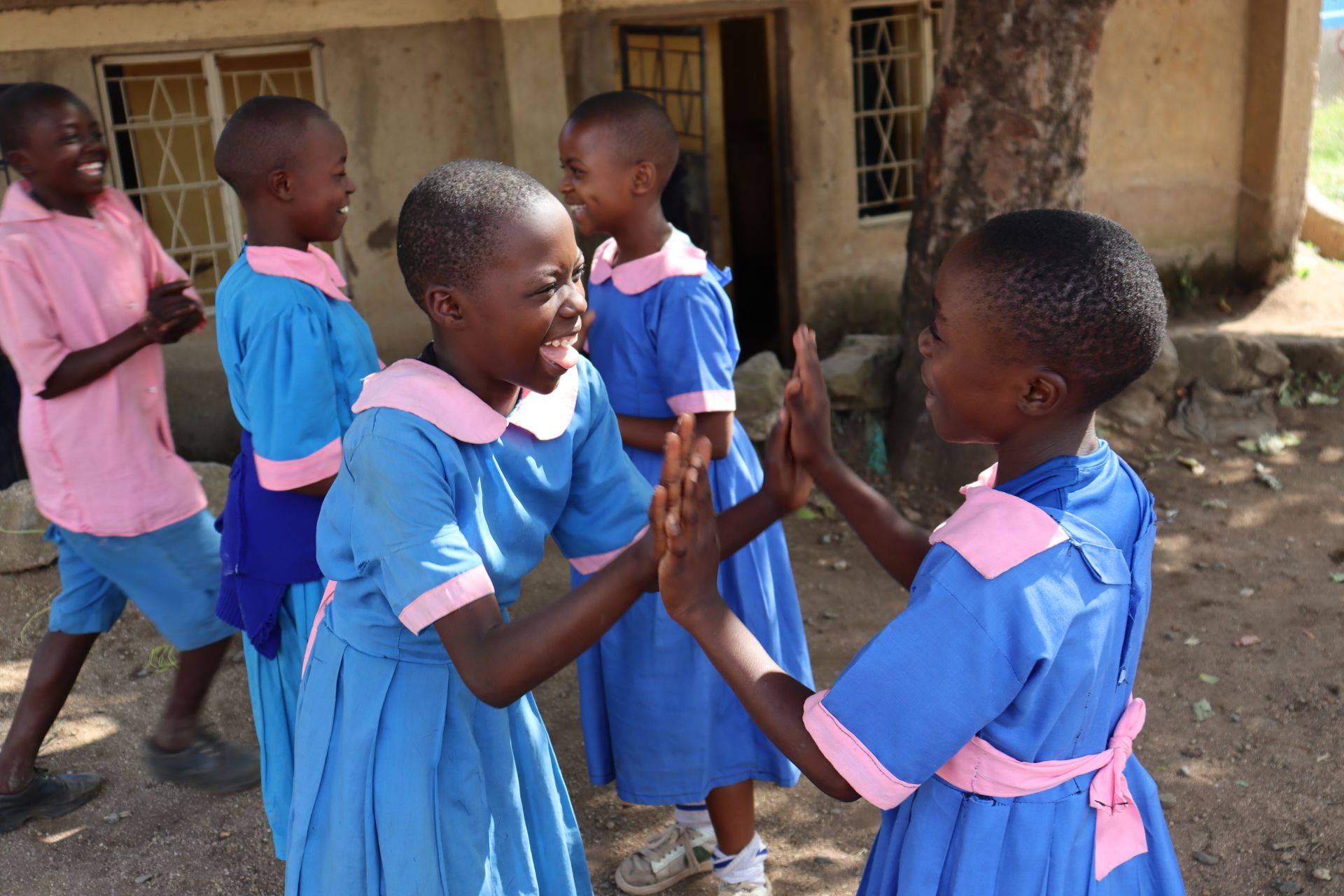
There would be more time for this with a new well!
When we built that rain tank in 2015, we made a commitment to Elukho Primary School: that we would help ensure their students had access to clean, reliable water. The short rains have made that promise harder to keep than we anticipated, but we haven't forgotten it.
Drilling a well on the school grounds will give Elukho a year-round water source that doesn't depend on the sky — one that works alongside the rain tank instead of leaving it to carry the load alone. We want to follow through on our word to Diana, her classmates, and the staff who show up every day, determined to give these students the education they deserve.
Steps Toward a Solution
Returning to a community where we previously implemented a water project is not just a matter of maintenance; it stays true to our commitment to sustainability. Our technical experts worked with the local community to identify their current needs and decided to drill a well.
Reinvestment
While the original project provided critical access to safe water, things like changing environmental conditions, population growth, and infrastructure wear have put that access at risk. Reinvesting now ensures that progress is not lost and that the school continues to thrive with reliable, clean water. We are committed to supporting lasting, reliable solutions that honor the trust placed in us by the people who depend on this essential resource every day.
Once this plan is implemented, the school will once again have access to safe drinking water in quality and quantity.
School Education & Ownership
Hygiene and sanitation training are integral to our water projects. Since this school has previously received hygiene training, we will conduct a refresher tailored to this school's specific needs and the new students in attendance.
We will check on the previously established student health club, composed of elected student representatives and a teacher. These clubs promote hygiene practices schoolwide and keep handwashing stations well-stocked. This student-led model encourages a sense of ownership and responsibility.
Safe water and improved hygiene habits foster a healthier future for everyone in the school and the surrounding community.