 Borehole Well and Hand Pump
 Rehabilitation Project










At Ikhanyi Dispensary, five staff members work to care for 40 patients a day, handling everything from routine checkups to urgent care. That's a heavy load on its own. But these workers are doing it without reliable access to the basic resource of water.
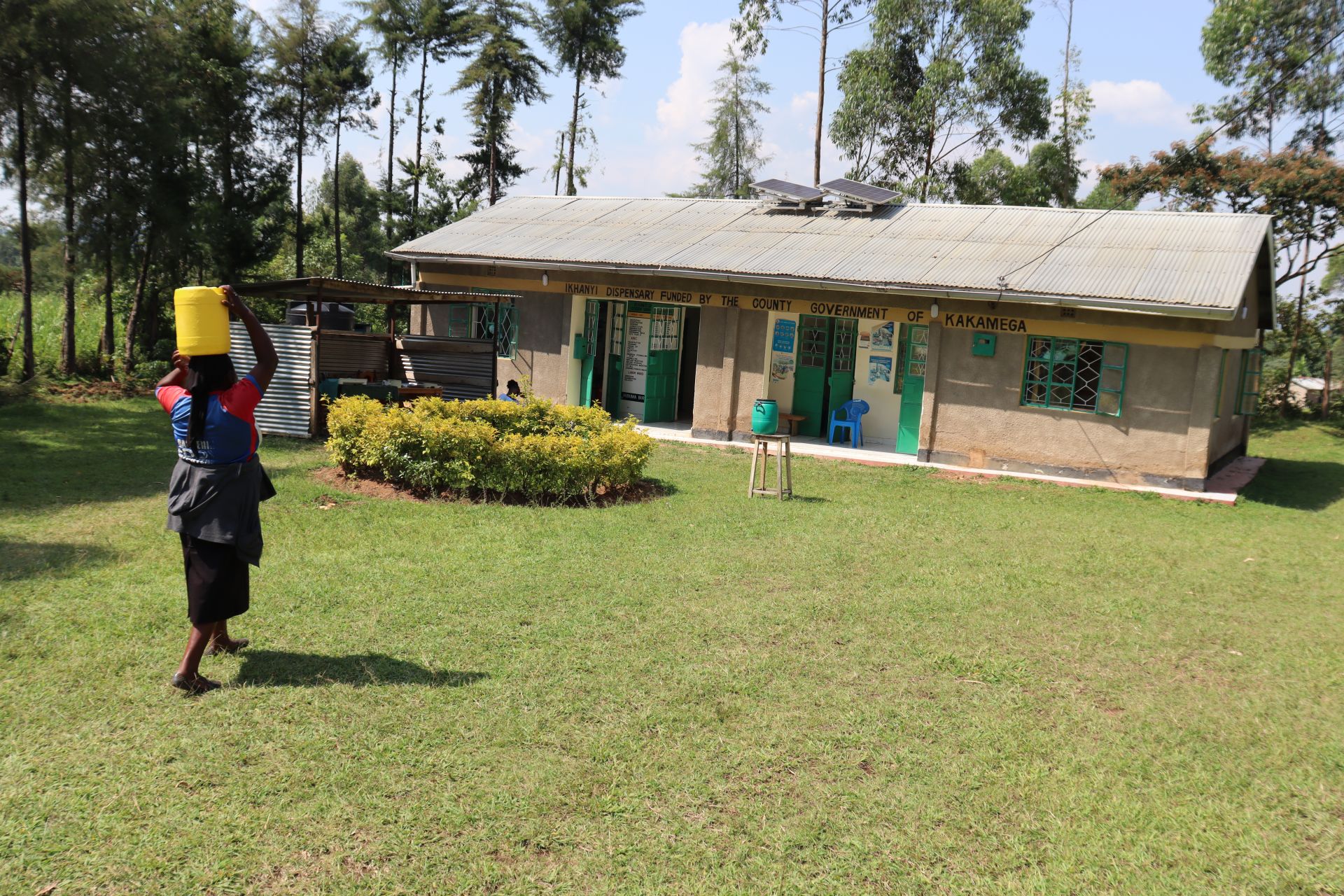
Right now, water comes from one of two places: a rain tank on-site that can't be counted on, or a spring, which takes a 30-minute round trip. Every time staff need water, someone has to stop what they're doing and make that trip - up to four times a day. That's time, energy, and focus pulled away from the people who need care.
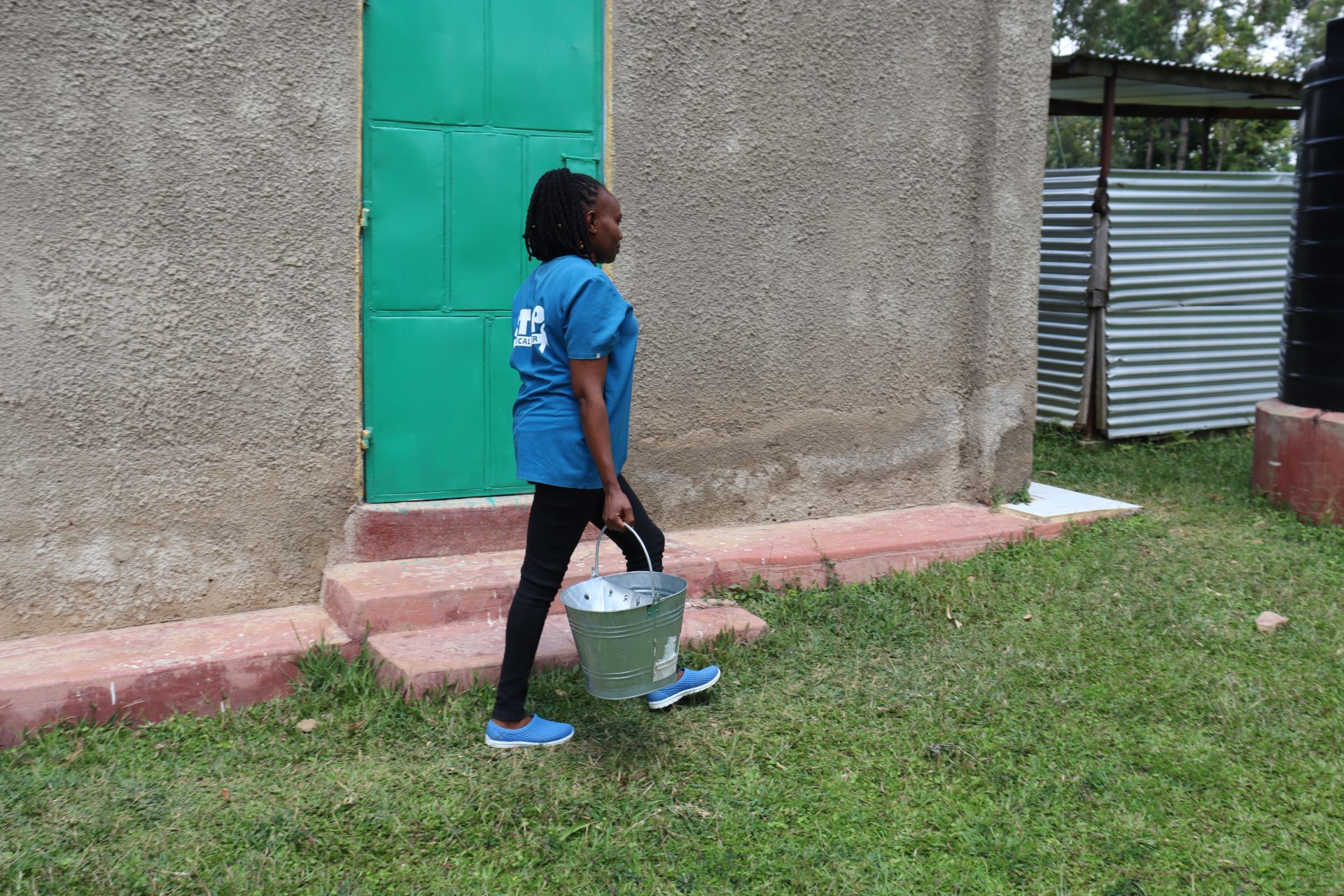
"Limited water availability often creates challenges when rationing and distributing water within the facility. Water shortages can lead to conflicts and disagreements among staff, patients, and caregivers, particularly during periods of high demand. The need to prioritize certain activities or departments can create tension and disrupt the smooth delivery of healthcare services," said 37-year-old nurse Mary Njeru. "High water demand against the limited on-premise water source causes [a] lack of water at the facility."

Water isn't a luxury in a medical setting. It is a necessity.
"Water is essential for life and the functioning of the health facility. Without water, life would effectively come to a standstill, as it is required for drinking, hygiene, sanitation, cleaning, infection prevention, and the delivery of healthcare services. Access to safe and reliable water is therefore critical for protecting the health and well-being of patients, staff, and the surrounding community," Nurse Njeru continued.
"Access to safe drinking water is essential in a healthcare setting, where the primary goal is to promote health and prevent illness," she declared.
Nurse Njeru envisions a future in which water is abundant and caring for patients is once again the main focus.
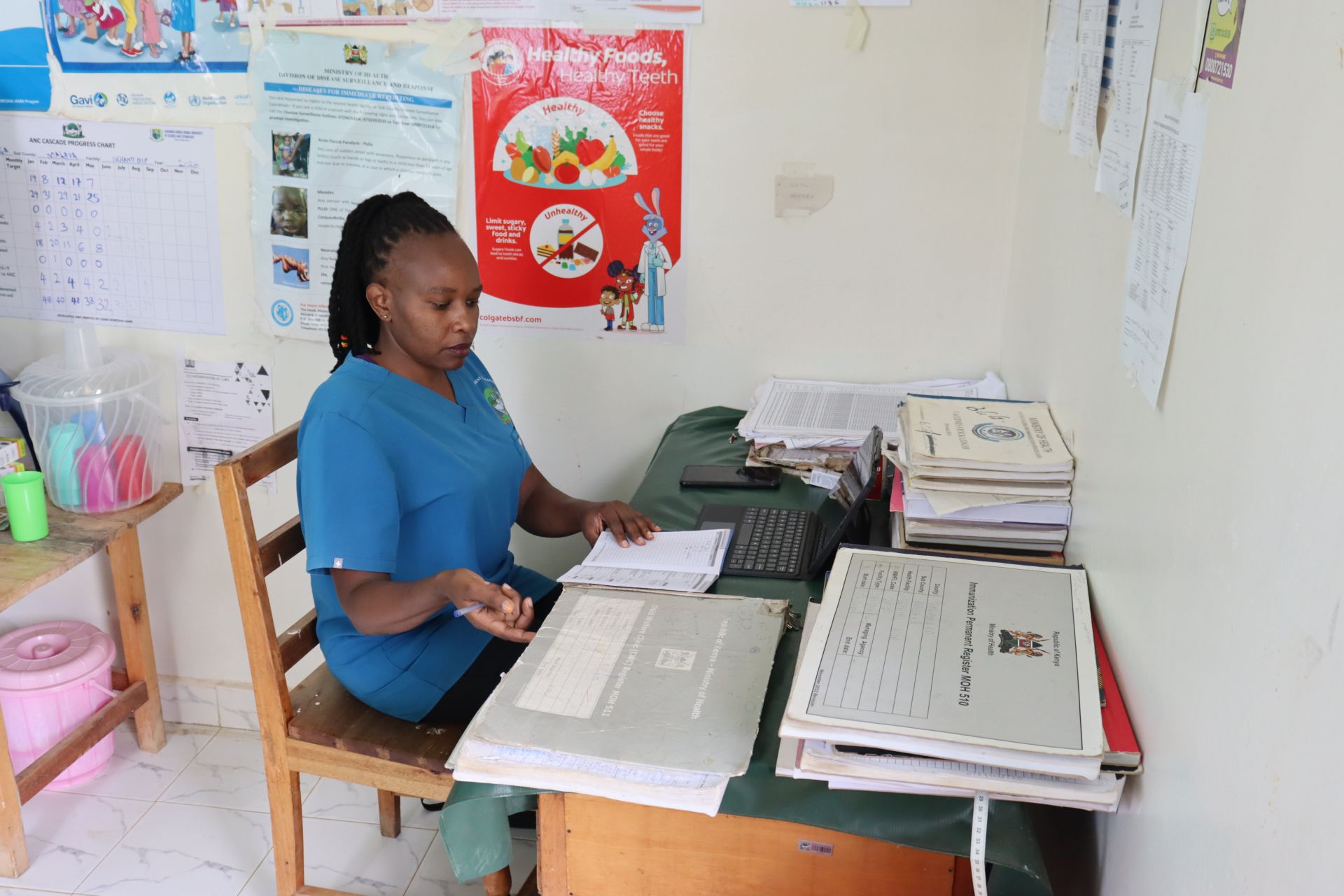
"Access to a reliable source of safe water would significantly improve patient care at the facility. Adequate water availability would support [the] timely delivery of healthcare services by reducing delays associated with water shortages and enabling proper hygiene and sanitation practices. Also, improved water access would enhance patients' confidence in the facility, potentially leading to [an] increased utilization of healthcare services. Overall, safe water would contribute to quicker service delivery, improved quality of care, better infection prevention, and increased patient attendance," said Nurse Njeru.
We're committed to making sure the staff at Ikhanyi Dispensary have what they need to do their jobs - starting with reliable, clean water every single day.
Steps Toward a Solution
For health care settings, immediate access to a large quantity of clean water is crucial for handwashing, sterilization of equipment, cleaning, and safe childbirth. Water that is off-site creates delays, impacts patient care, and increases the risk of hospital-acquired infections.
Our coverage goals aim for all health centers to have an on-premises water source that will sufficiently serve the patients, healthcare providers, and staff to ensure accessibility, reliability, and safety. With more water available, healthcare workers do not have to ration water, worry about purchasing water with their limited funds, or make tough decisions about when to wash their hands or equipment.
Reliable, clean water ensures that healthcare workers have sufficient water so they can provide excellent patient care!
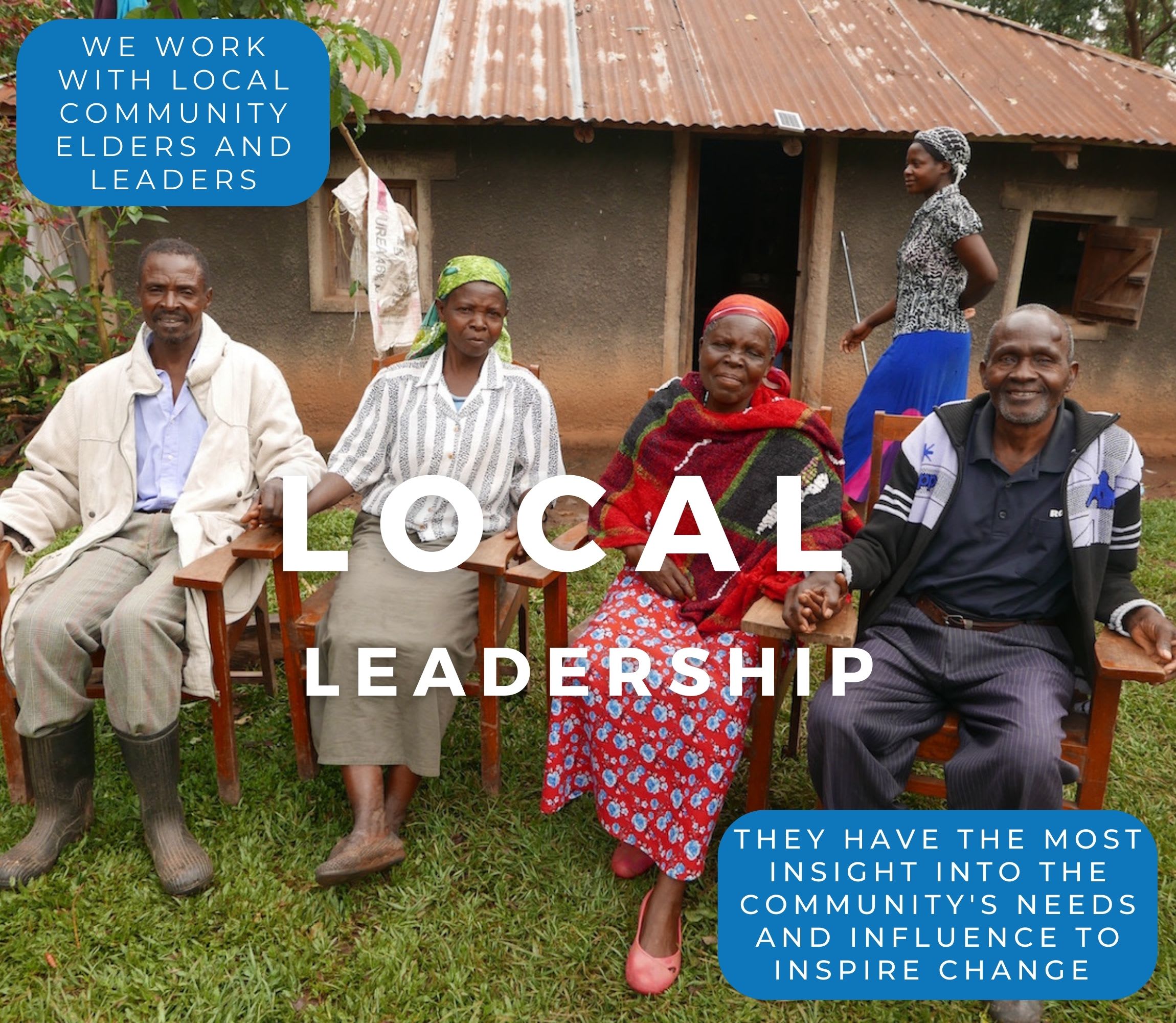
Our technical experts worked with the health center leadership and the local community to identify the most effective solution to their water crisis. They decided to drill a borehole well, construct a platform for the well, and attach a hand pump.
Well
Abundant water often lies just beneath our feet. Aquifers—natural underground rivers—flow through layers of sediment and rock, offering a constant supply of safe water. A borehole well is drilled deep into the earth to access this naturally filtered and protected water. We penetrate meters, sometimes even hundreds of meters, of soil, silt, rock, and more to reach the water underground. Once found, we construct a platform for the well and attach a hand pump. The community gains a safe, enclosed water source capable of providing approximately five gallons of water per minute. Learn more here!
Handwashing Stations
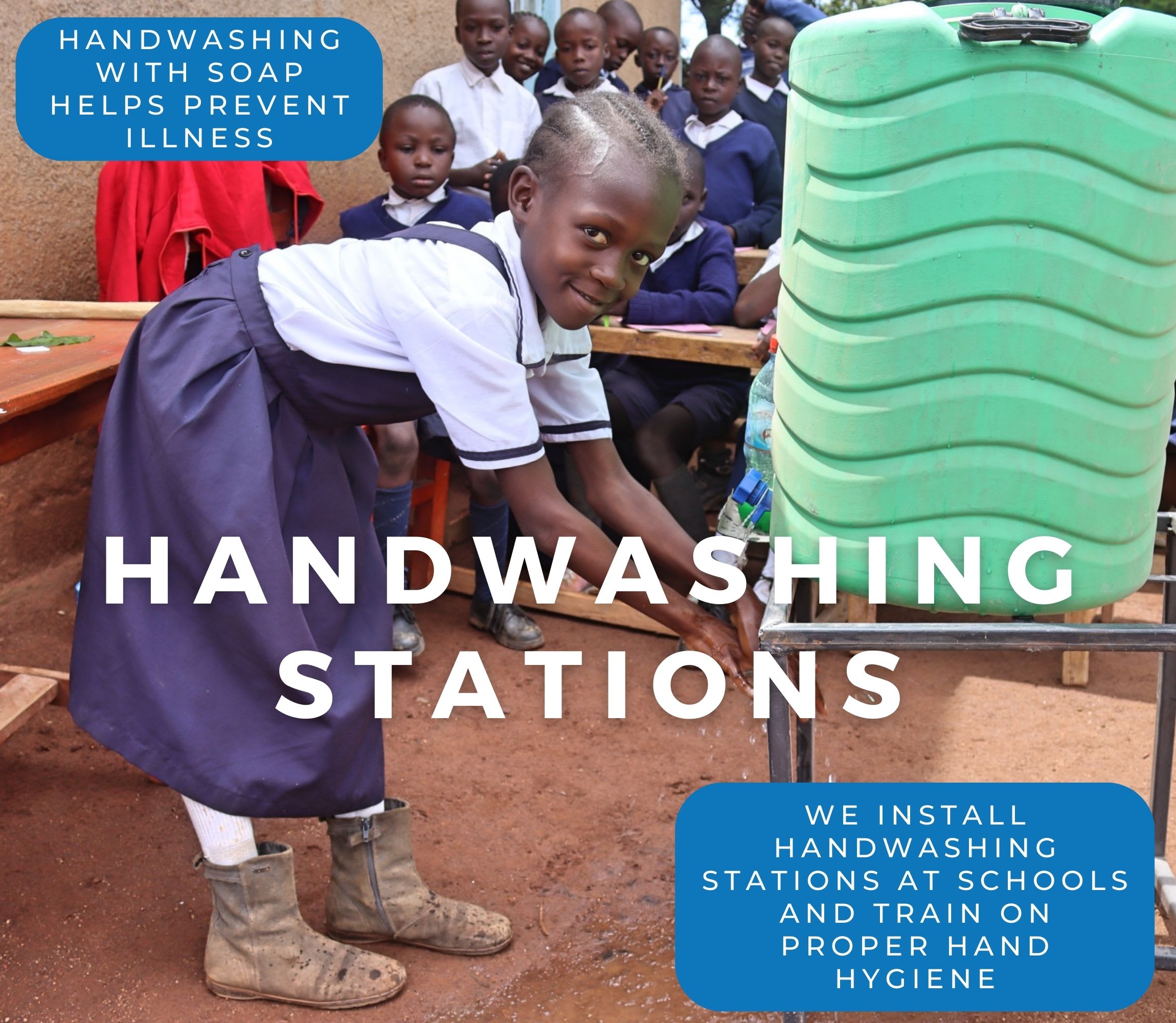
Alongside each water source, we install two gravity-fed handwashing stations, enabling everyone at the health center to wash their hands. Handwashing is crucial for preventing water-related illnesses within the health center and community. Health center staff will maintain the stations, fill them with water, and supply them with soap, which we often teach them how to make.
Latrines
We ensure there are Ventilated Improved Pit (VIP) latrine blocks that effectively prevent the transmission of fecal diseases. Each latrine will boast a durable cement floor for easy use and maintenance. We’ll ensure at least one stall is reserved for staff, along with gender-separated toilets that include menstrual hygiene facilities and accessible options for individuals with limited mobility.
Health Care Staff and Community Education & Ownership
Hygiene and sanitation training are integral to our water projects. Training is tailored to each community's specific needs and includes key topics such as proper water handling, improved hygiene practices, disease transmission prevention, and care of the new water point. Safe water and improved hygiene habits foster a healthier future for everyone in the community.
Encouraged and supported by the guidance of our team, a water user committee representative of the community's diverse members assumes responsibility for maintaining the water point, often gathering fees to ensure its upkeep.