 Borehole Well and Hand Pump
 Rehabilitation Project

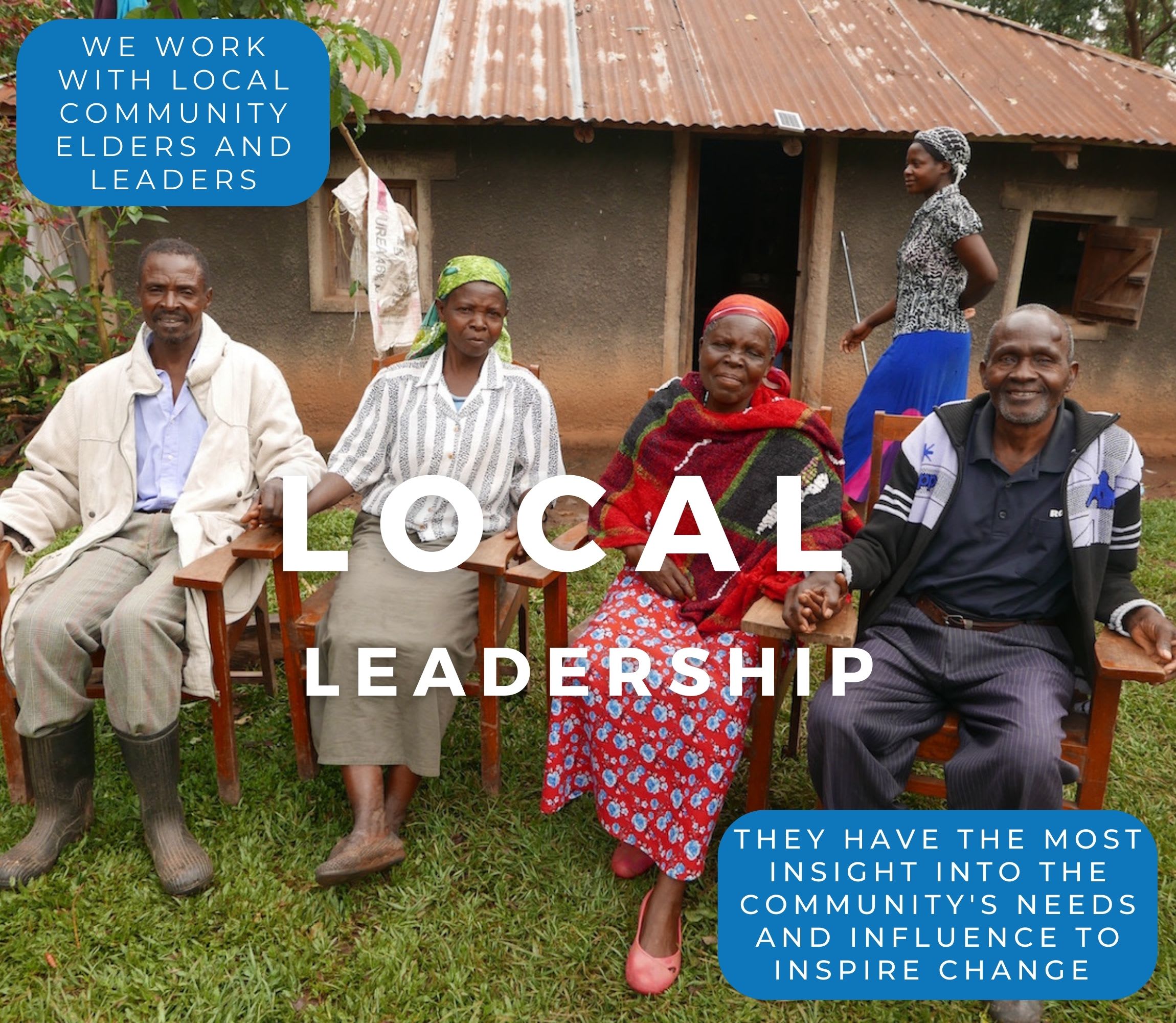







Water is a daily constraint for the 378 students and staff at Mabanga Primary School. They have access to rainwater from a cement tank that we installed in 2019 for parts of the year, but during extended dry periods, it regularly runs dry. When it does, they are left without the water they need for drinking, cooking, cleaning, and daily hygiene.
"The rain tank solves the school's needs during the rainy seasons, but the school sometimes lacks water, especially during the dry seasons," reported Field Officer Joy Ongeri.
Ms. Ongeri reported that the rainwater tank has been a positive solution over the last several years, as evidenced by improvements at the school.
"In 2019, we supported the school by constructing a rainwater harvesting tank. Since then, both academic performance and co-curricular activities, including football (soccer), athletics, and music festivals, have improved significantly. The school community is very grateful for this support. The school participates annually in academic, football, athletics, and music festival competitions and has consistently qualified to compete at the county level," she said.

Sadly, it is no longer a sufficient solution.
When the rain tank is dry, students must collect water from other sources and carry it to school with them each morning. At times, water runs out during the school day, forcing students to leave the classroom to get water. Not only is it an exhausting task, but it also steals from their primary goal of learning.
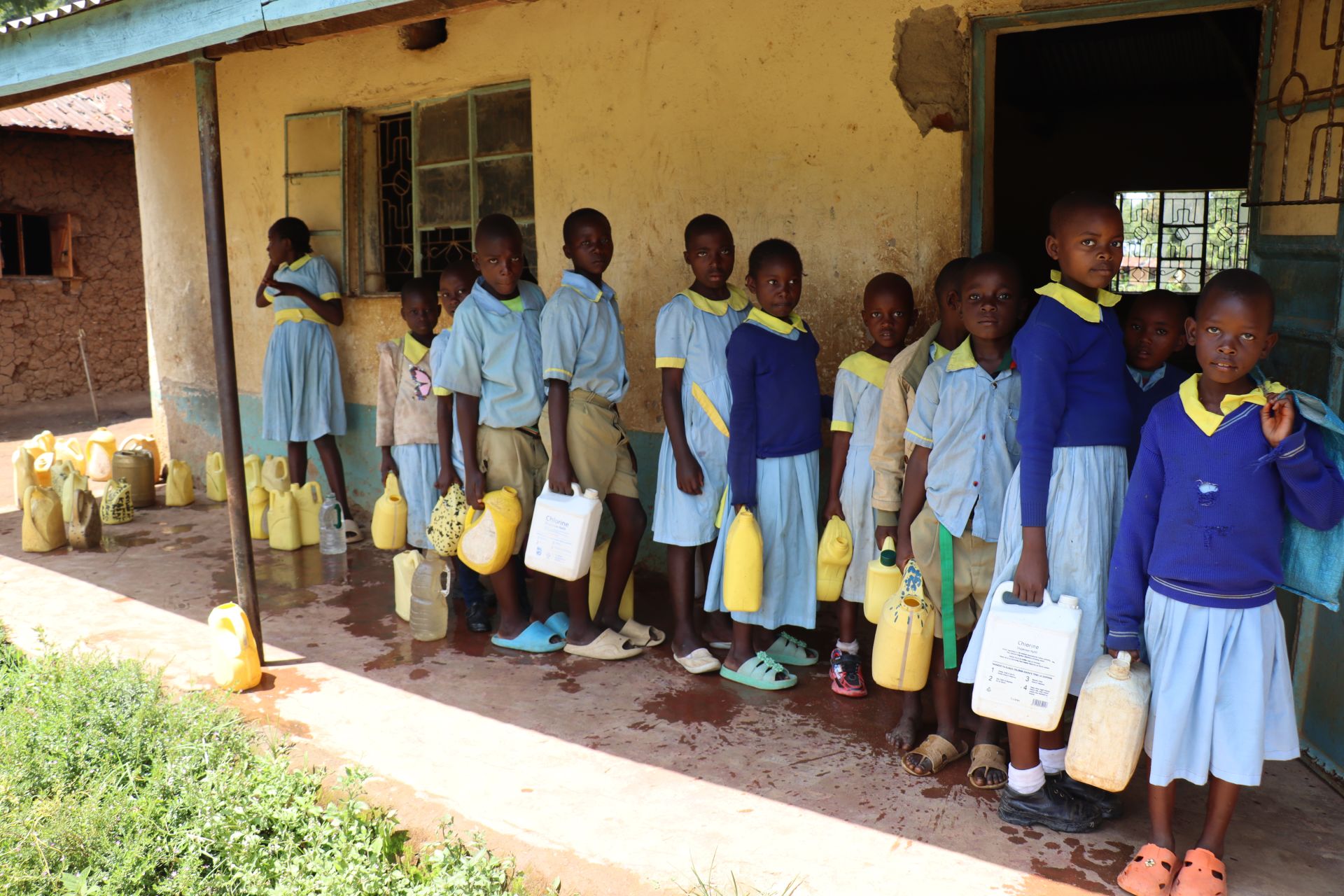
Students wait in line to make their daily water contribution.
Relying on students to find and collect water raises another critical issue: water safety. Students collect water wherever they can find it, which means everyone who consumes the water is at risk of water-related illnesses. It is a high cost to pay.
Teacher Risper Jacinta Chibai, 56, shared the impacts of the school's lack of water.
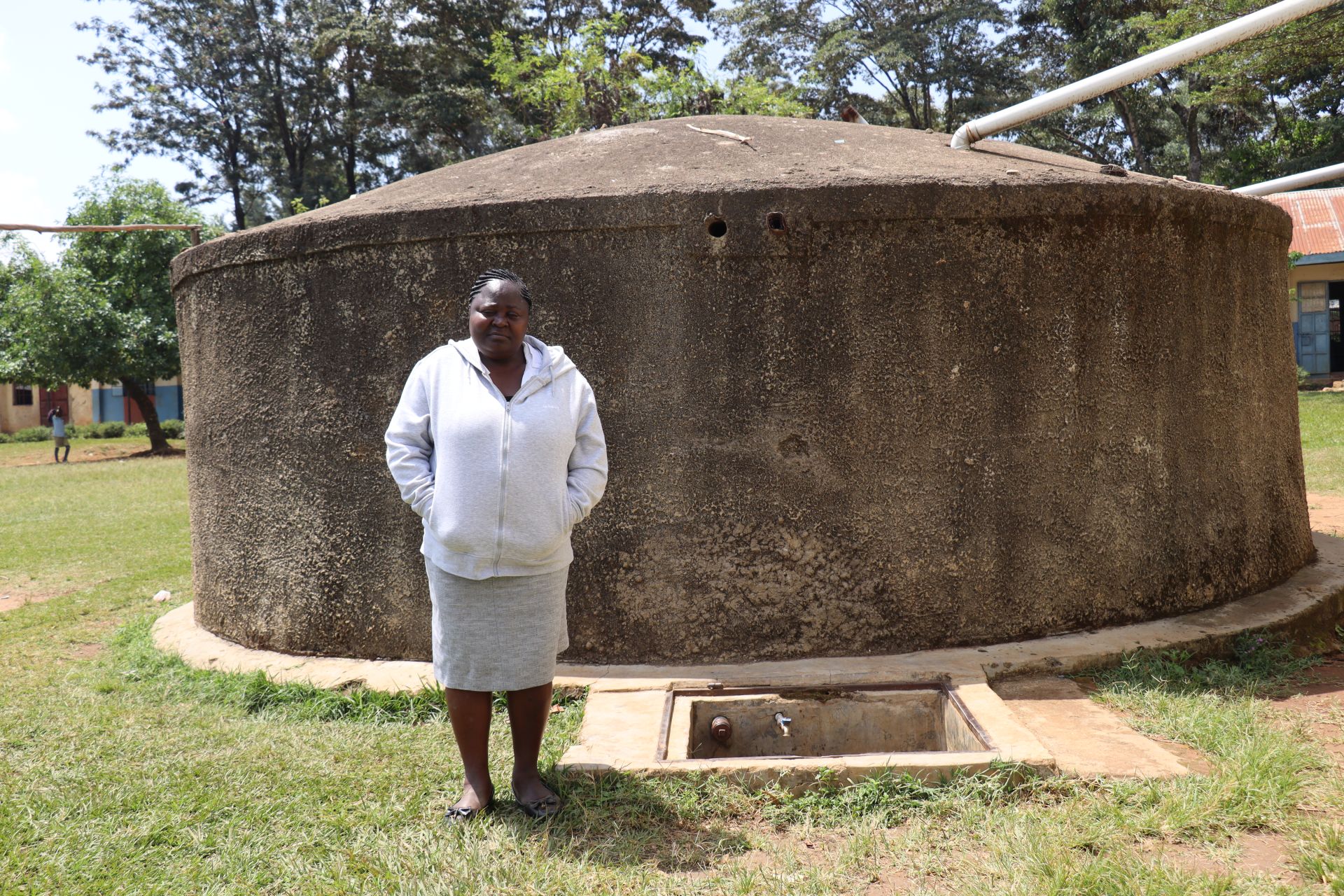
Teacher Risper Jacinta Chibai stands near the rain tank.
"Lack of water at school affects students’ learning and safety. Some students come late or miss learning time while looking for water. Others, especially girls and younger students, risk their safety when carrying water from home without teacher supervision. There was also a reported case of a student being attacked by bees while searching for water," said Ms. Chibai.
"School staff experience difficulties in managing and sharing the limited water available to students. The shortage makes it challenging to keep hydrated because there is not enough water, and also to maintain cleanliness and proper hygiene within the school. Some parents face difficulties providing appropriate containers for their children to carry water to school. This results in some students coming without water, while others bring water that is not clean or safe for use," she continued.
Ms. Chibai said, "Water is very important because it supports many activities in the school. We use water for drinking, cooking, cleaning, washing toilets, maintaining hygiene, and creating a healthy learning environment. Without water, the school struggles to remain clean. As teachers, it is hard to run the school curriculum smoothly, and it is difficult to provide a comfortable environment for students and staff."
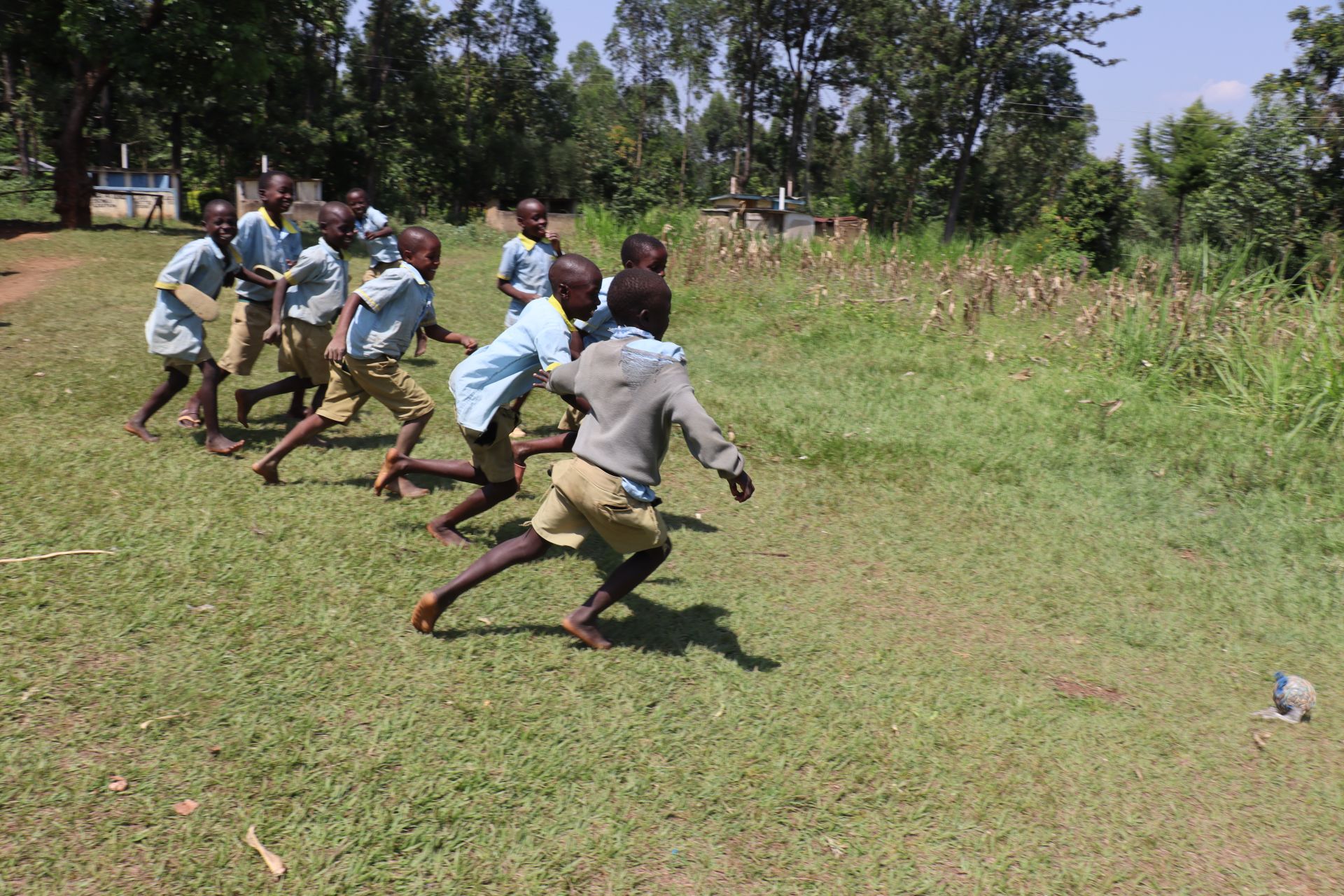
We agree with Ms. Chibai: we cannot leave students without water for parts of the year, or worse, leave them thirsty or sick. We want them to flourish, so we plan to intervene and provide a more long-term sustainable solution that will yield water year-round.
Steps Toward a Solution
Returning to a community where we previously implemented a water project is not just a matter of maintenance; it stays true to our commitment to sustainability. Our technical experts worked with the local community to identify their current needs and decided to drill a well.
Reinvestment
While the original project provided critical access to safe water, things like changing environmental conditions, population growth, and infrastructure wear have put that access at risk. Reinvesting now ensures that progress is not lost and that the school continues to thrive with reliable, clean water. We are committed to supporting lasting, reliable solutions that honor the trust placed in us by the people who depend on this essential resource every day.
Once this plan is implemented, the school will once again have access to safe drinking water in quality and quantity.
School Education & Ownership
Hygiene and sanitation training are integral to our water projects. Since this school has previously received hygiene training, we will conduct a refresher tailored to this school's specific needs and the new students in attendance.
We will check on the previously established student health club, composed of elected student representatives and a teacher. These clubs promote hygiene practices schoolwide and keep handwashing stations well-stocked. This student-led model encourages a sense of ownership and responsibility.
Safe water and improved hygiene habits foster a healthier future for everyone in the school and the surrounding community.