 Borehole Well and Hand Pump
 Rehabilitation Project











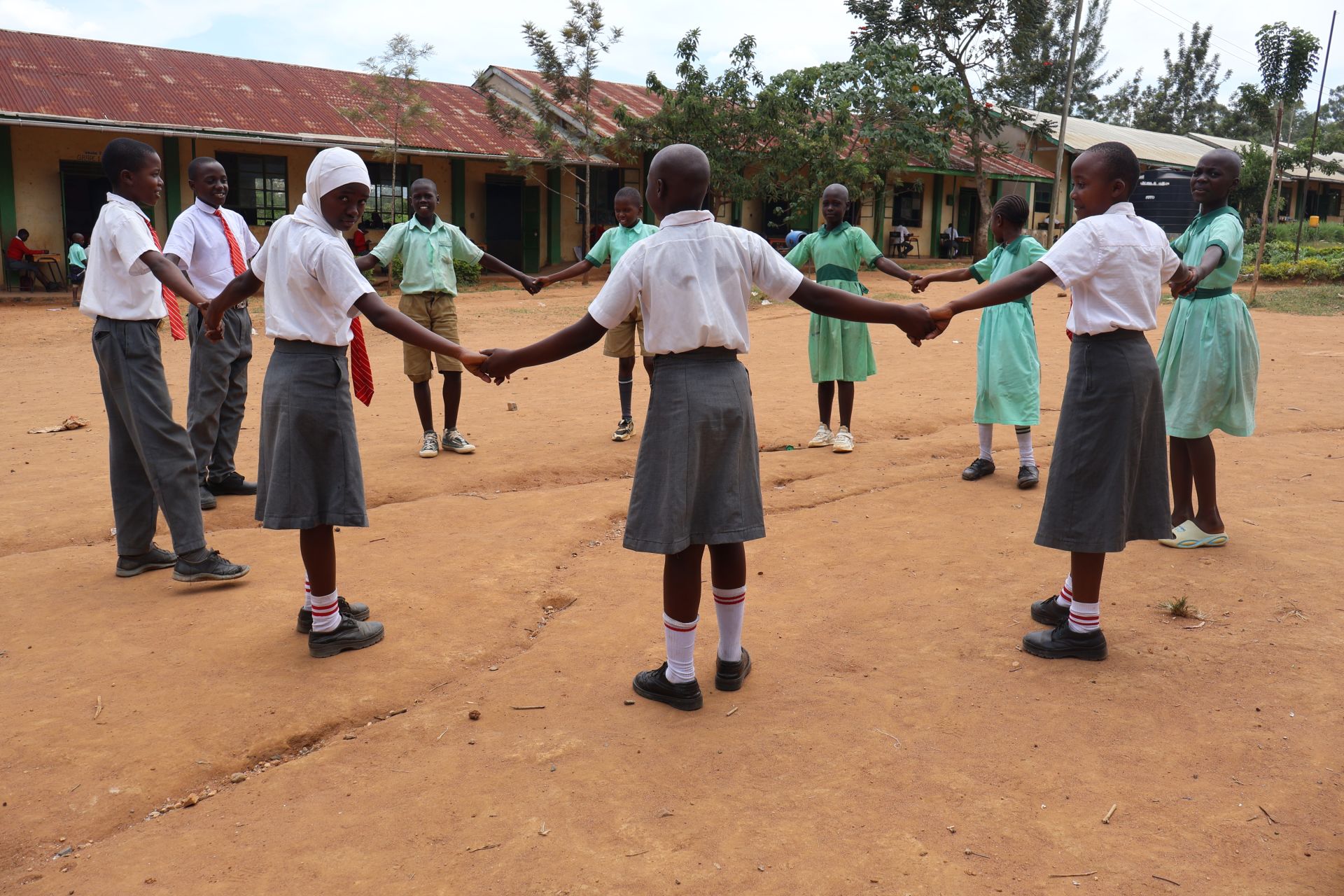
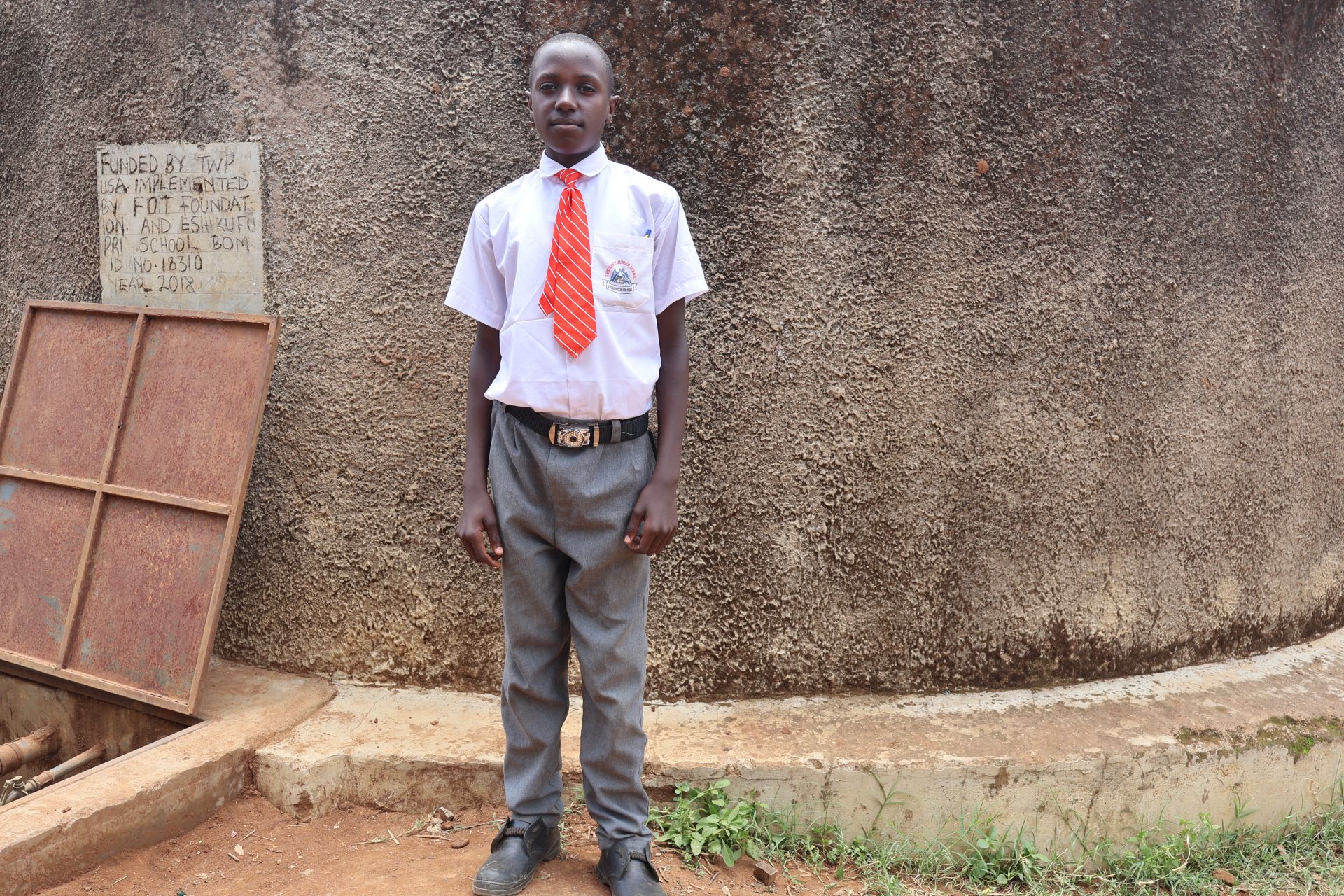
For 14-year-old Joseph, the school day at Eshifuku Primary School revolves around water, well before the first lesson. Like most of the school's 634 students, he spends time every day collecting it. That's about 45 minutes of walking to a distant source and waiting in long lines while the water trickles out slowly.
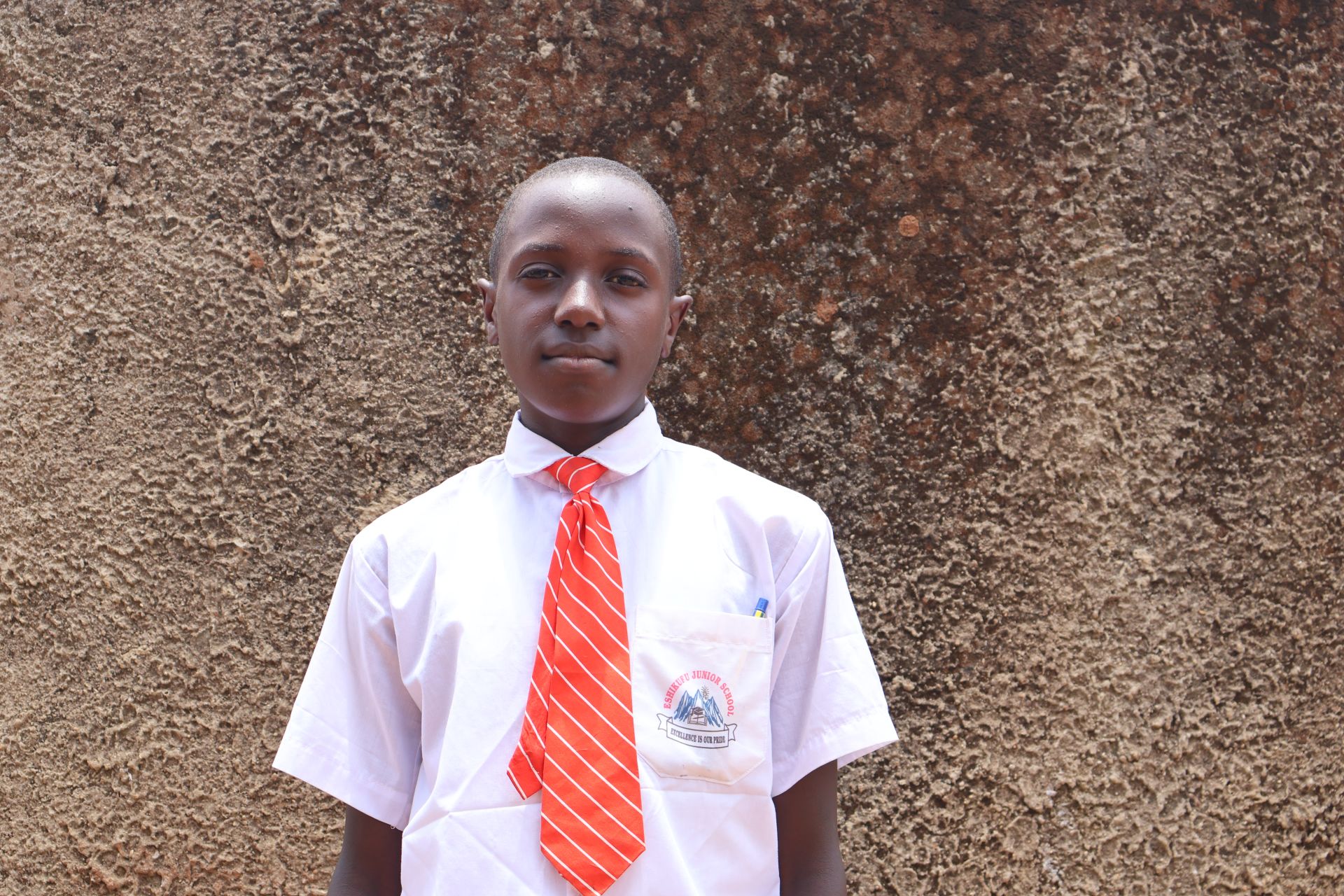
Joseph.
The school hasn't had a safe, reliable water source in seven years. Students and staff rely on rainwater and on water carried in from unknown sources, and most of it is crowded, contaminated, and likely to run dry. The ground around the collection points is muddy and littered. After rain, the water turns cloudy and tastes bad, leaving many people uneasy about drinking it.
Crowds make the wait even harder for a boy of Joseph's age. When the line grows long, arguments and pushing are common, and he's often the one who loses his place.

Students queue at the rain tank, which often runs dry.
"Sometimes older people or stronger people push me to the back of the queue, especially when the water point is very crowded. It makes me feel sad and frustrated because I have to wait longer"
By the time he gets back, he's paying for it in the classroom.
"Fetching water can affect my time at school because sometimes I arrive late, miss lessons, or feel tired after spending a long time collecting water. This can also affect my concentration and exam performance."
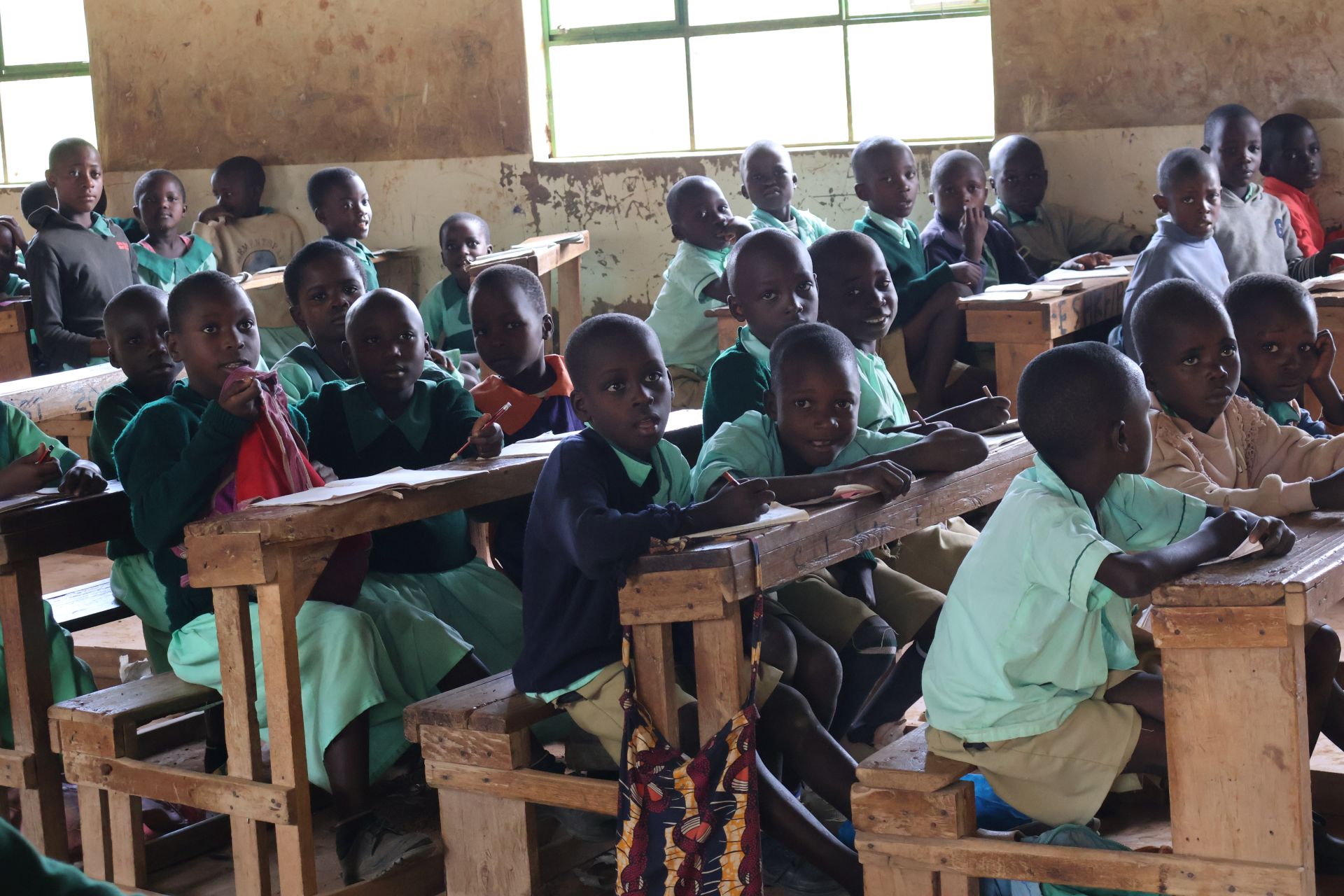
And the water he works so hard to collect isn't safe. Joseph sometimes gets sick from it, which keeps him home from school.
"One time, I drank water from the local water source and later became sick. I had stomach pain, diarrhea, and felt weak. I had to rest at home and missed school. It was uncomfortable and made me afraid of drinking water from the source again."
His parents cared for him with boiled water and rest. When that wasn't enough, they took him to the health center for medicine.
If he didn't have to spend so much of his day fetching water, Joseph says he would study, finish his homework, rest, play, and help his family more. His hopes reach well beyond that.
"I plan to continue with my education, perform well in school, and later get a good job so that I can support myself and help my family. I also want to become a responsible and successful person in my community."
A new borehole will bring safe water right to the school grounds. It will serve Joseph, his classmates, the school's 22 staff members, and about 856 people from the neighboring community, and handwashing stations will be installed alongside it. With water close by and safe to drink, Joseph can spend his mornings in class instead of in line and put his energy toward the future he's already planning.
Steps Toward a Solution
Schools without reliable, on-premises water access often rely on students to fetch and carry water, leading to rationing and uncertainty about water quality. The water is typically poured into a communal storage tank and used by the entire school. With children carrying water from all different sources, it is also impossible for teachers and staff to know exactly where the water comes from and how safe it is to drink.
A new water point will be located on-premises at the school to ensure accessibility, reliability, and safety for students, teachers, and staff while meeting our school coverage goals. Having water available at the school allows children to drink, wash hands, and use sanitation facilities without leaving school grounds, preventing disruptions to lessons and reducing safety risks. A dedicated source increases water availability, reduces reliance on stored water, minimizes rationing, and ensures confidence in the safety of the water. This means staff and students are healthier, and their lessons aren’t disrupted, contributing to a better education!
Our technical experts worked with the school leadership and local community to identify the most effective solution to their water crisis. They decided to drill a borehole well, construct a platform for the well, and attach a hand pump.
Well
Abundant water often lies just beneath our feet. Aquifers—natural underground rivers—flow through layers of sediment and rock, offering a constant supply of safe water. A borehole well is drilled deep into the earth to access this naturally filtered and protected water. We penetrate meters, sometimes even hundreds of meters, of soil, silt, rock, and more to reach the water underground. Once found, we construct a platform for the well and attach a hand pump. The community gains a safe, enclosed water source capable of providing approximately five gallons of water per minute. Learn more here!
Handwashing Stations
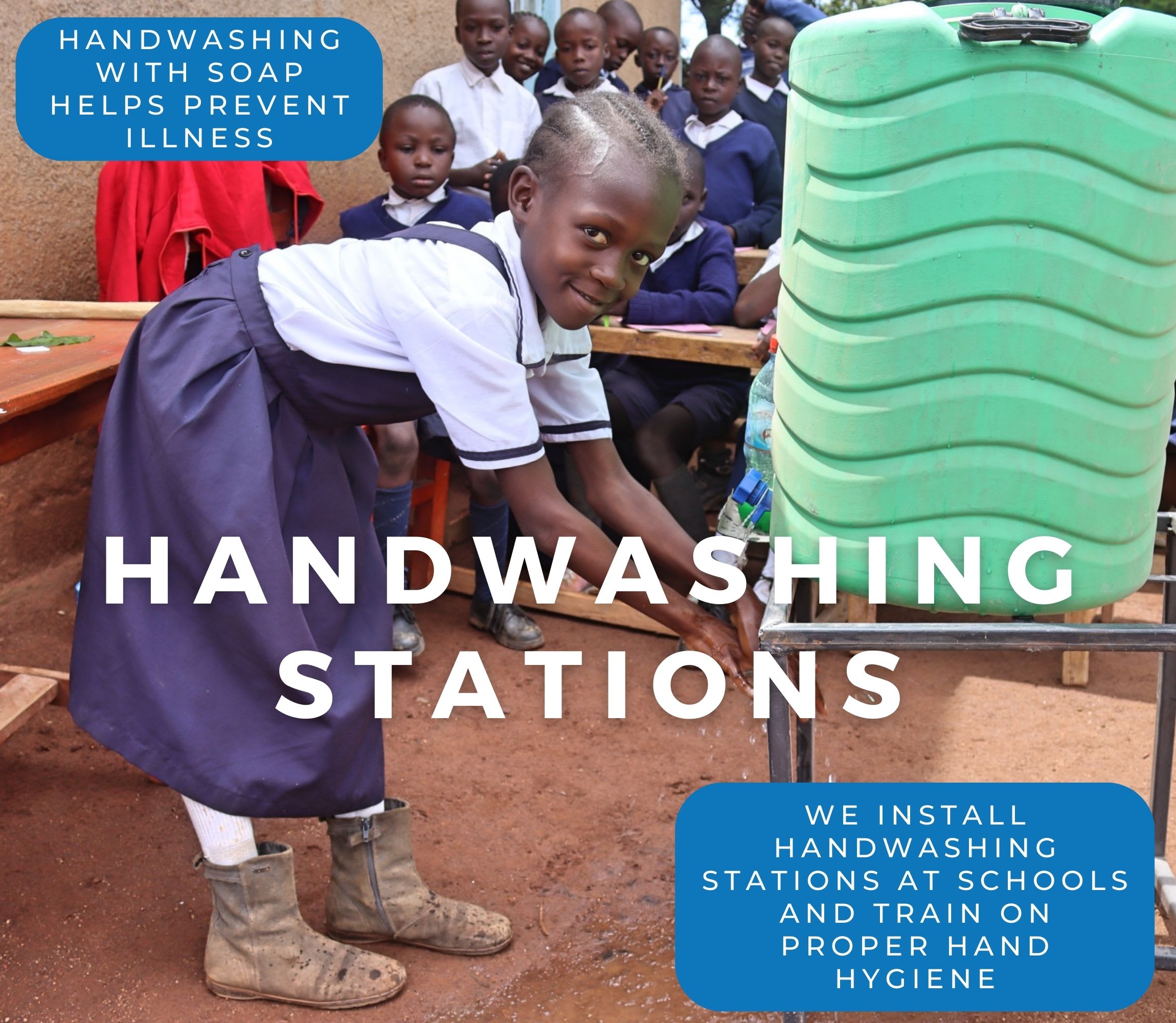
Alongside each water source, we install two gravity-fed handwashing stations, enabling everyone at the school to wash their hands. Handwashing is crucial for preventing water-related illnesses within the school and community. Student “health clubs” maintain the stations, fill them with water, and supply them with soap, which we often teach them how to make.
Latrines
We will construct two Ventilated Improved Pit (VIP) latrine blocks designed to prevent fecal disease transmission. Each latrine features a cement floor, making it easy to use and clean regularly. Three stalls will serve the girls, and three will serve the boys.
School Education & Ownership
Hygiene and sanitation training are integral to our water projects. Training is tailored to each school's specific needs and includes key topics such as proper water handling, improved hygiene practices, disease transmission prevention, and care of the new water point.
To ensure a lasting impact, we support forming a student health club composed of elected student representatives and a teacher. These clubs promote hygiene practices schoolwide and keep handwashing stations well-stocked. This student-led model encourages a sense of ownership and responsibility.
Safe water and improved hygiene habits foster a healthier future for everyone in the school and the surrounding community.