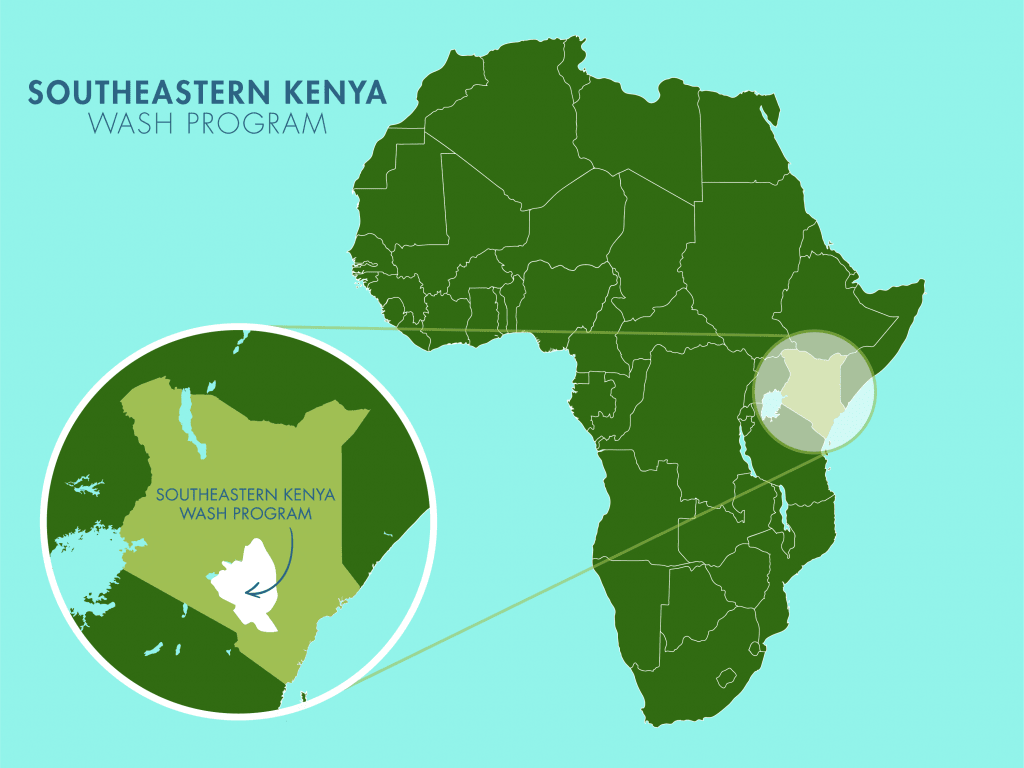
 Protected Dug Well
 Rehabilitation Project

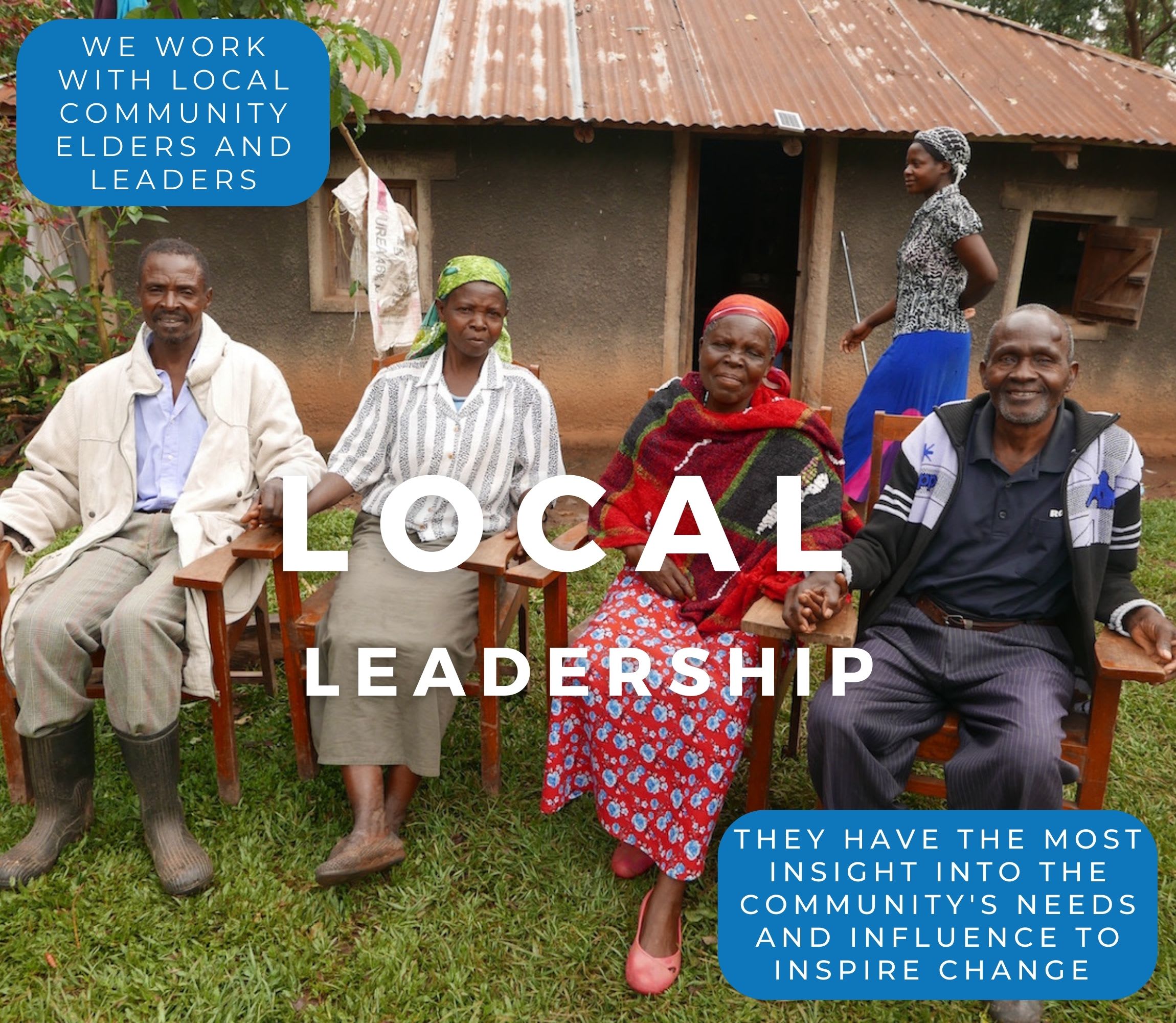








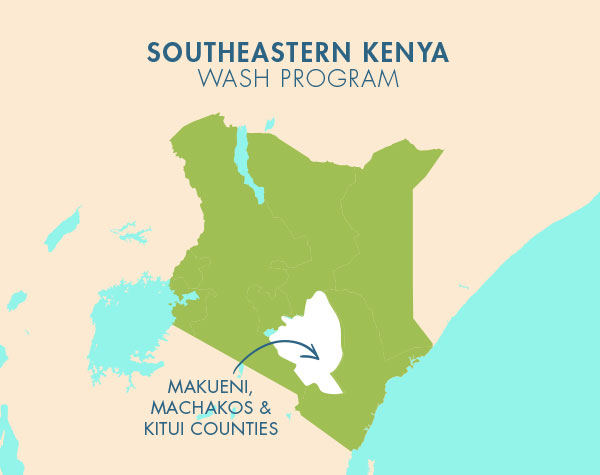
Water shapes childhood differently in the Kabembe Community. For its 300 people in a rocky, semi-arid landscape, fetching water often isn't a chore on the side of the day — it's much of the day itself, layered on top of school, and homework.
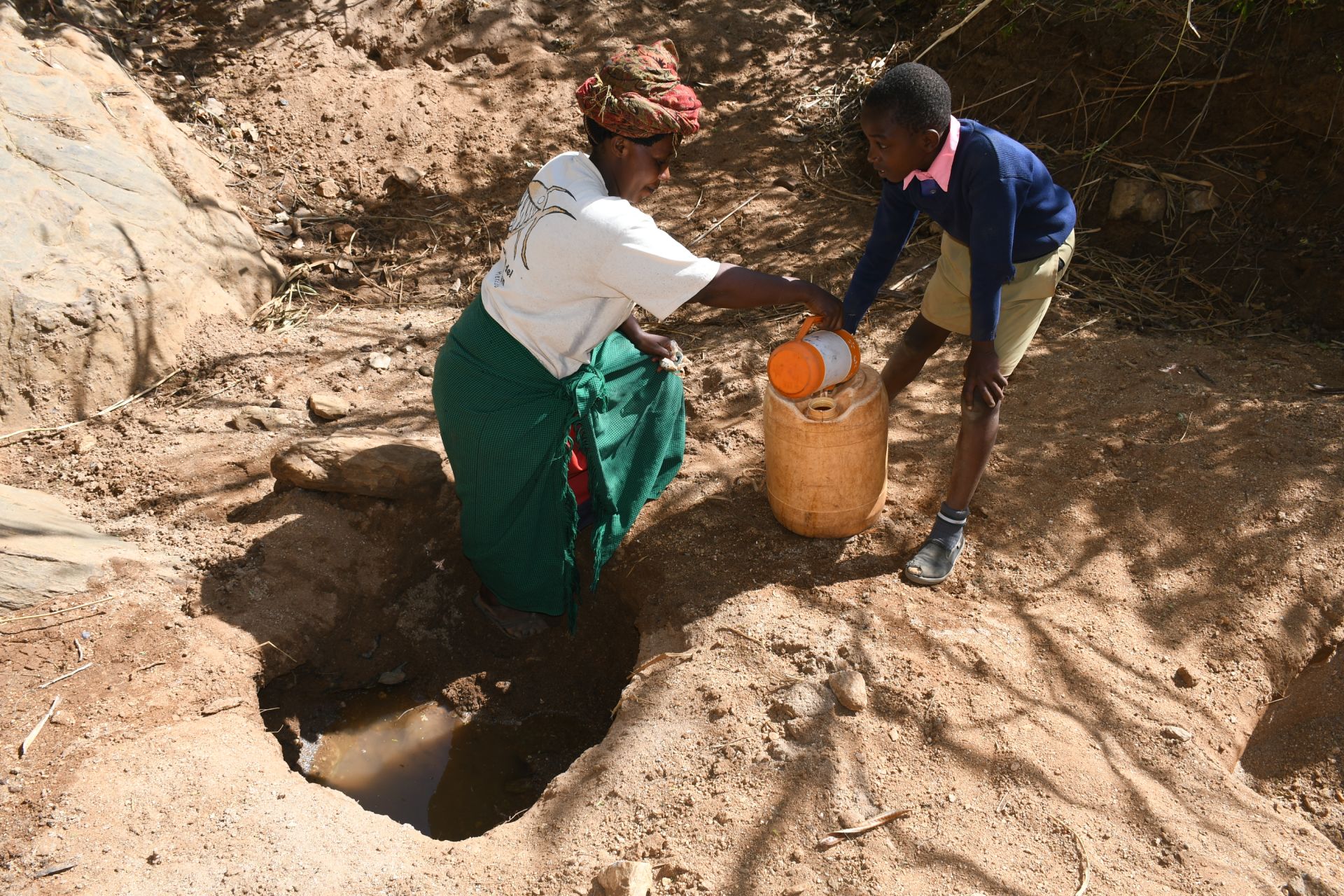
Maria and a community member collect water from the scoop hole.
The community's existing sources, an unprotected dug well and a distant scoop hole, are both contaminated and far away. The water runs brown, smells foul, and tastes unpleasant. No household can reach a safe source within a 30-minute round trip.
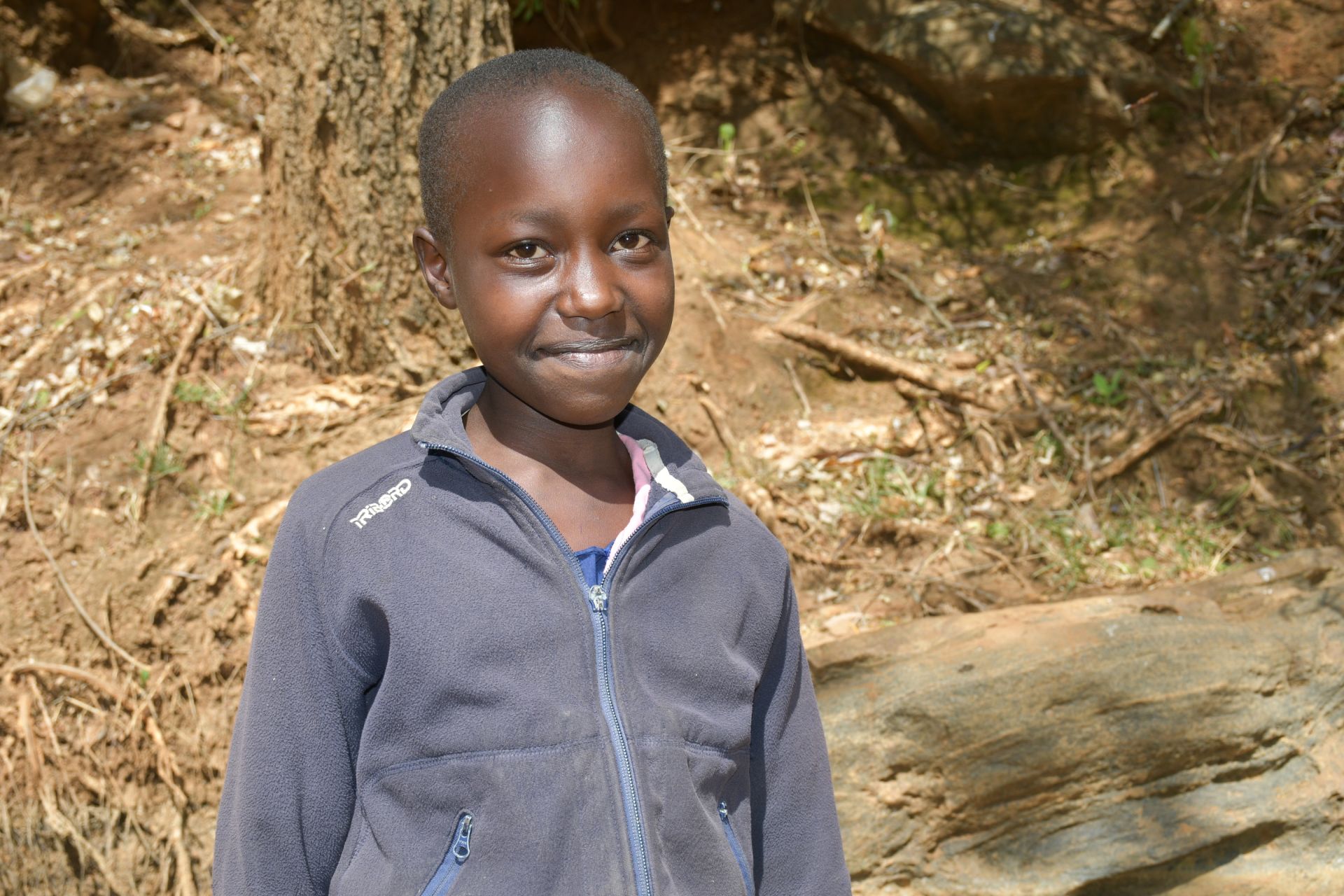
Maria.
Maria, 12, knows this firsthand. She spends about two hours each day fetching water, walking dusty, rocky paths that stretch even farther once the dry season sets in and the nearby scoop hole runs dry.
"Fetching water takes so long because the water sources are far from our home," she said. "I have to walk for a long distance along dusty and rocky paths, sometimes under the very hot sun. During the dry season, the scoop hole may dry up, so we have to walk even farther to the earth dam."
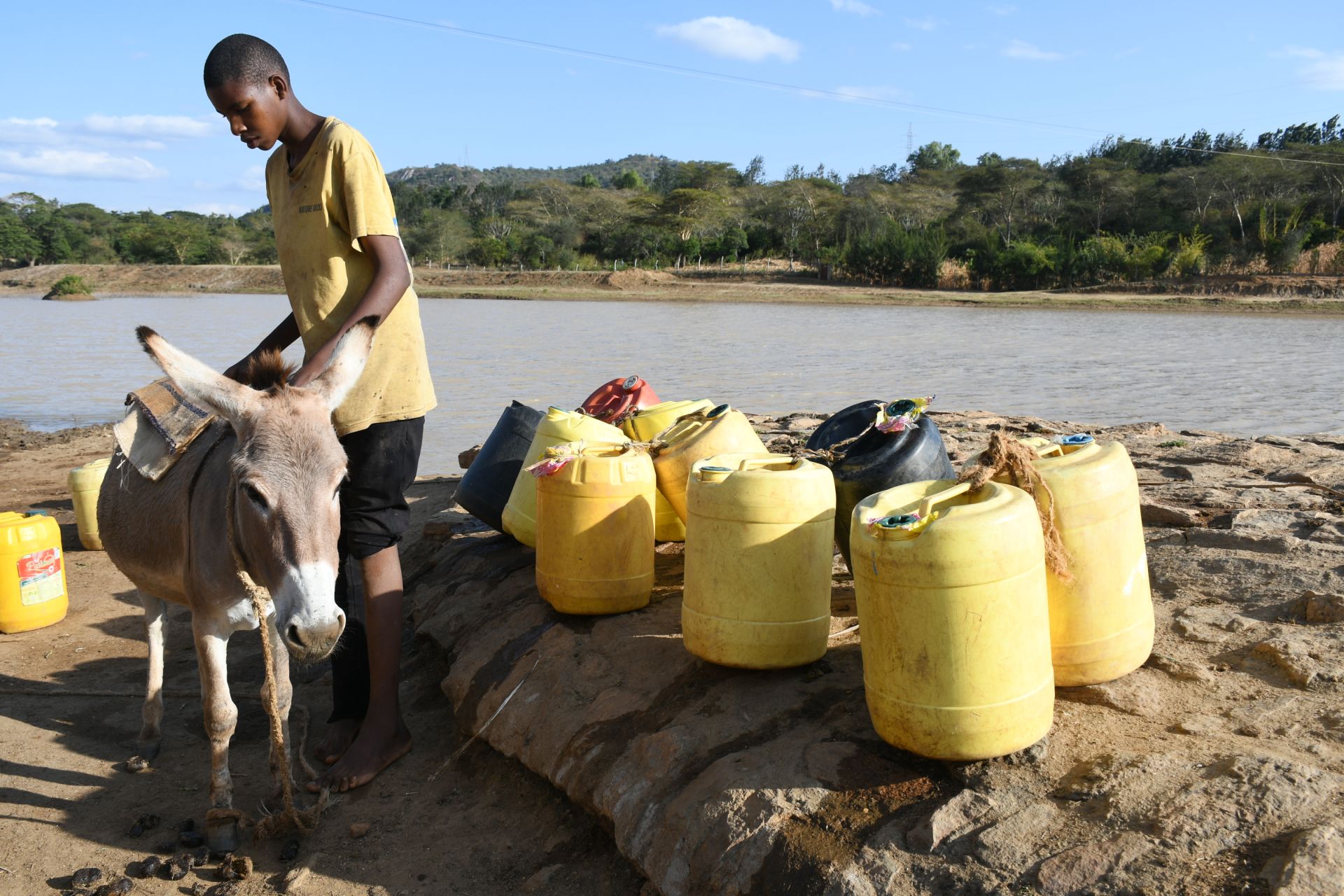
The distant Earth dam.
The water itself worries her. She has watched people close to her fall ill from it: "I worry because the water is not always clean, and sometimes it makes us sick. I have seen members of my family become sick after drinking water from these sources. I worry because the sources are open and can be exposed to dirt, animals, and other contaminants."
The exhaustion of the walk follows her home, often arriving right when she needs energy for school. "When I come home from school, I sometimes have to fetch water before I can do my homework or study. By the time I finish, I am very tired. Sometimes, I miss school when I become sick after drinking unsafe water or when I have to go for treatment. This can make me miss lessons and affect how well I perform in exams."
Even being sent for water carries a weight beyond the physical. "I feel tired and sometimes disappointed because I know the journey will take a long time and leave me exhausted, especially after a full day at school," Maria said. "I understand that my family needs water, so I help willingly, but I wish the water were closer. Having a nearby water point would make my life easier and give me more time to concentrate on my education."
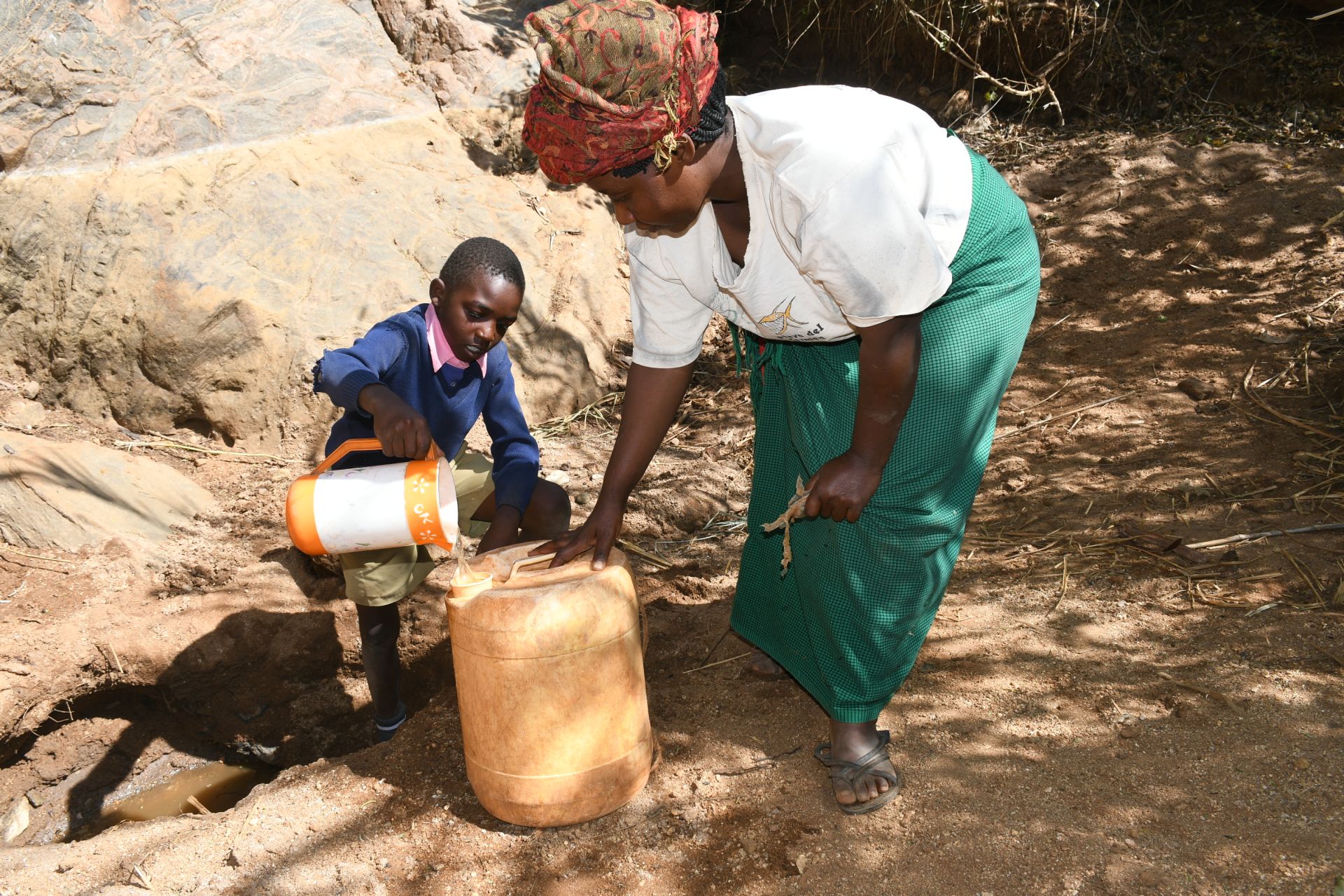
Maria collects water from the scoop hole.
A protected dug well closer to home would change this. Built with a concrete platform and covered to reduce contamination, it would replace the exposed sources the community relies on now.
"A new sand dam and well will provide a safer and more protected source of water closer to our homes," Maria said. "It will reduce our dependence on the distant and exposed water sources. Having cleaner water nearby will reduce the risk of water-related infections and also make fetching water safer because I will not have to walk long distances."
What she hopes to do with the time and safety this project could give her says everything about what's at stake. "I would spend more time studying and doing my homework. I would also have enough time to rest after school, play with my friends, and help with other activities at home without feeling so tired. I would especially like to use the extra time to read because I want to become a teacher."
For a girl who already knows what she wants her future to hold, a safe well nearby wouldn't just mean less walking — it would mean more room to become who she hopes to be.
Solving the water crisis in this community will require a multifaceted system that will work together to create a sustainable water source that will serve this community for years to come.
Steps Toward a Solution
Our technical experts worked with the local community to identify the most effective solution to their water crisis. Together, they decided to construct a protected dug well and sand dam.
Protected Dug Well Near A Sand Dam
Once a sand dam is installed and has time to mature by gathering sand and silt, groundwater increases significantly in the entire area surrounding the project. This provides a reliable source of groundwater that wasn’t possible before. As a result, wells can be constructed to take advantage of the water stored and filtered in the collected sand.
During the construction of the protected dug well, we will build a platform for the well and attach a hand pump. The community will gain a safe, enclosed water source capable of providing approximately five gallons of water per minute.
This protected dug well will be connected to a sand dam to obtain water.
Community Education & Ownership
Hygiene and sanitation training are integral to our water projects. Training is tailored to each community's specific needs and includes key topics such as proper water handling, improved hygiene practices, disease transmission prevention, and care of the new water point. Safe water and improved hygiene habits foster a healthier future for everyone in the community.
Encouraged and supported by our team's guidance, the community elects a water user committee representative of its diverse members. This committee assumes responsibility for maintaining the water point, organizing community efforts, and gathering fees to ensure its upkeep.