 Protected Dug Well
 Rehabilitation Project











The Kamakumbi Community sits on rocky, dusty terrain that turns bare and exposed during the region's frequent droughts.
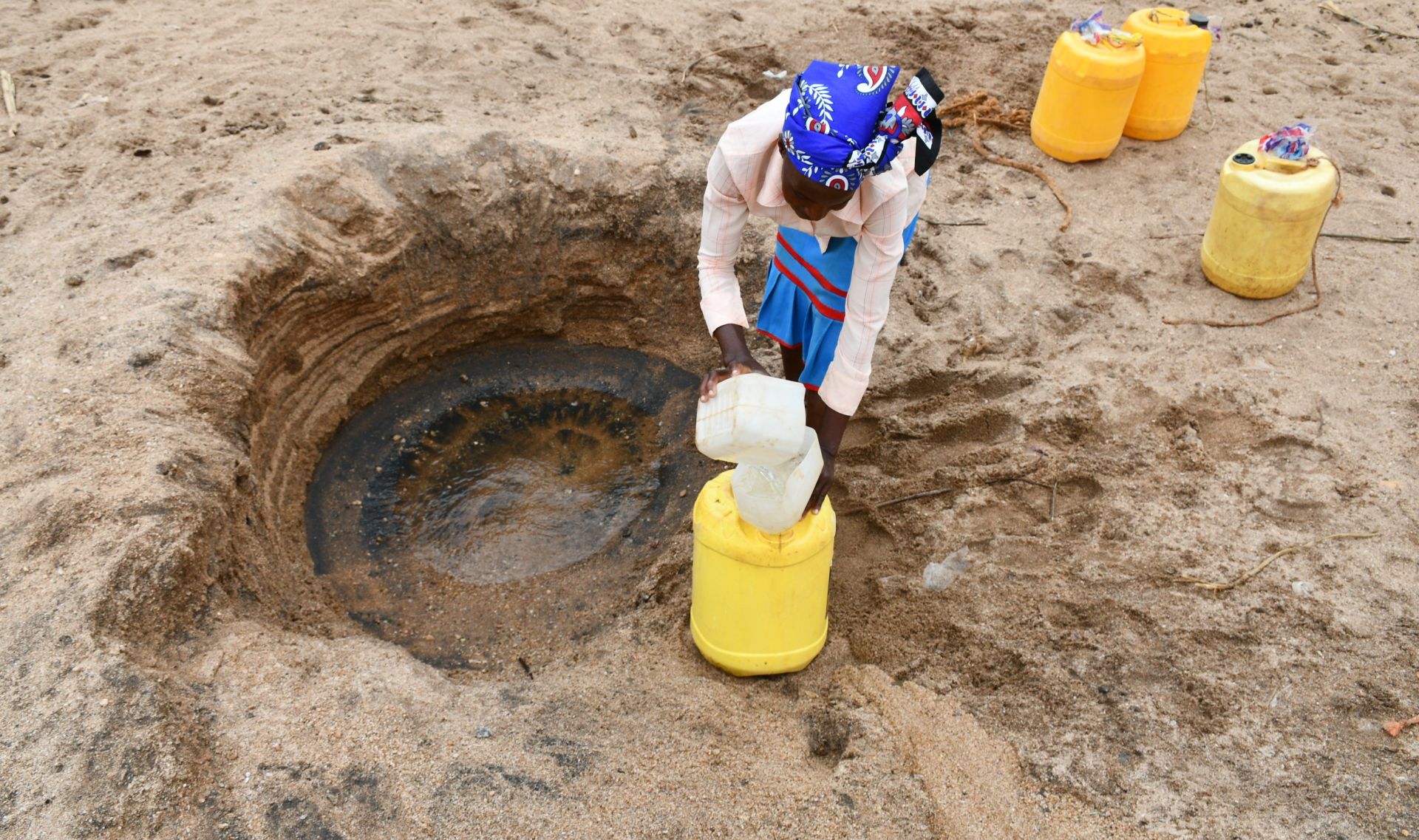
For seventeen-year-old Yvonne, the water crisis shapes nearly every day. Her family, like most in Kamakumbi, depends on a distant, unprotected scoop hole. "Fetching water takes a long time because the scoop hole we often depend on is several kilometers from our home," she said. "I have to walk a long distance over rocky and dusty paths, and when I finally get there, there are usually many people waiting for water. During the dry season, the scoop hole recharges very slowly, so we sometimes have to wait for the water level to rise before we can fill our containers."
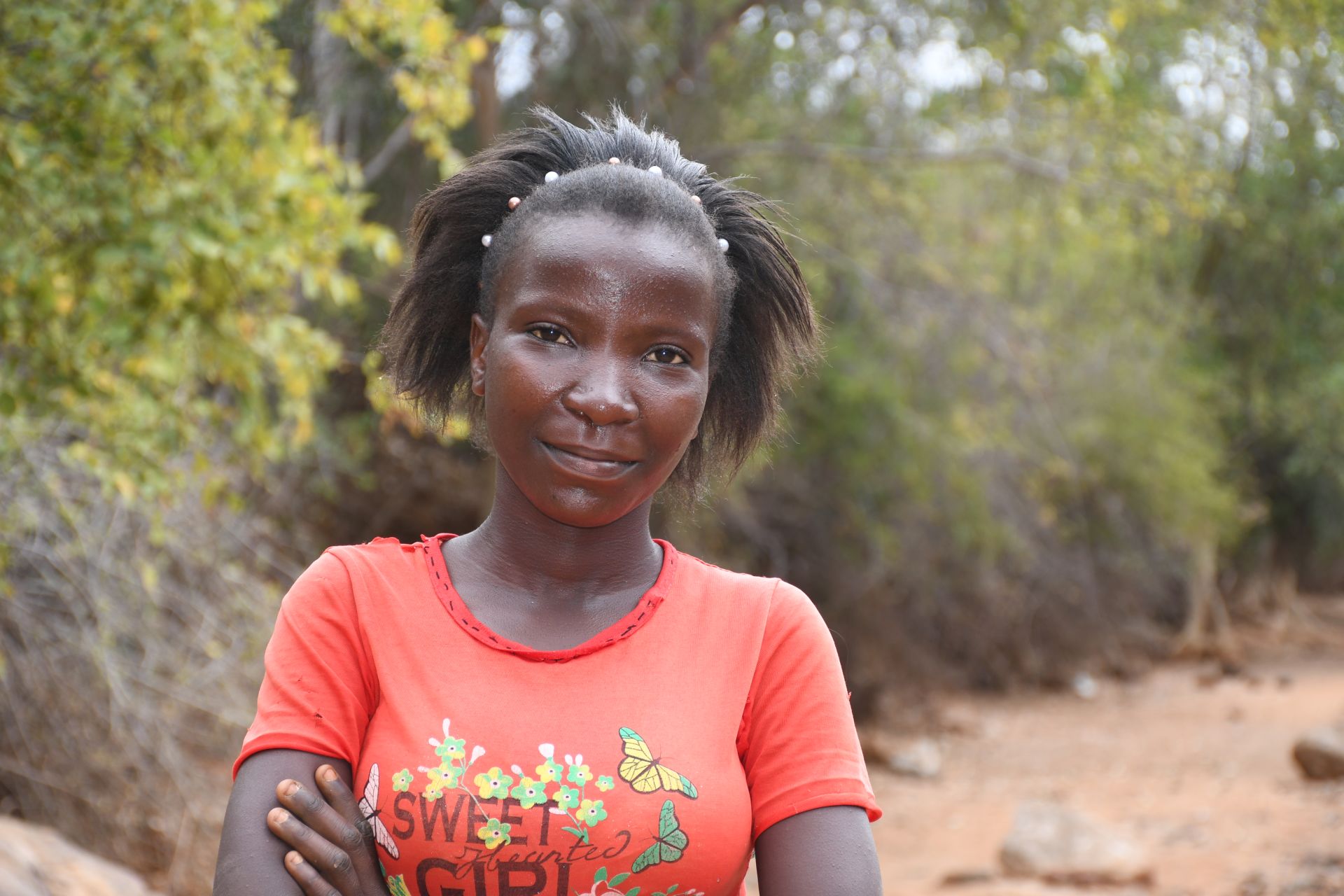
Fetching water eats up roughly three hours of her day, and it isn't just physically exhausting — it's a safety concern too. "I worry because the scoop hole is open and unprotected," she explained. "Dust, animal waste, and other debris can easily get into the water, making it unsafe to drink. Even though I do not get sick often, there are times when I develop stomach aches after drinking the water."
The queue itself brings its own frustrations. "Sometimes, when there are long queues and very little water, people become frustrated because everyone is trying to collect water for their families," Yvonne said.
"Although most people are understanding, there are occasions when disagreements arise, and some people become impatient because they fear the water will run out before their turn comes." She's often pushed further back in line, too: "That happens sometimes, especially during the dry season when many people are waiting to collect water. Older people or those who arrive with many containers may ask to fetch first, so I have to wait longer." She understands why the water runs short — "The water becomes scarce because the drought causes the scoop holes to dry up or recharge very slowly, while many families depend on the same sources. Even the existing shallow well has to serve a large population, so there are often long queues," — but that doesn't make it easier.
"It makes me feel worried because I know that, despite spending so much time fetching water, there is still no guarantee that we will collect enough for all our needs."
School is where the cost adds up most for Yvonne. "I often spend part of my evenings, weekends, or holidays fetching water instead of studying," she said. "After carrying heavy containers over long distances, I feel tired, and it becomes challenging to concentrate on my homework or revision. Although I work hard to perform well in school, the time and energy spent looking for water sometimes affect my preparation for exams."
We asked how the trips make her feel, and she was candid: "I feel tired because I know it will take several hours before I return home. Sometimes I also feel disappointed because I would rather be studying or helping with other meaningful activities at home. Even so, I understand that my family needs water, so I do my part."

Yvonne holds onto a clear goal for her future. "My dream is to become a lawyer," she said. "I want to study hard so that I can one day help people understand and defend their rights while making a positive contribution to my community. I believe that having reliable access to water will give me more time to focus on my education and bring me closer to achieving that dream."
If she had the time back that water collection currently takes, she said, "I would use that time to study, complete my homework, and prepare for my exams because education is very important to me. I would also help my family with household chores and support my parents on the farm."
A new protected dug well would change the daily equation for Yvonne and her neighbors — a safe, closer, and more reliable water point that finally reduces the hours lost to walking, waiting, and worrying about contamination. As Yvonne put it, "A new well would provide cleaner and more reliable water closer to our community. It would reduce our dependence on contaminated scoop holes and lower the risk of diseases caused by unsafe water. It would also reduce the long walks and the dangers associated with using deep scoop holes during the dry season."
She closed with a hope shared by many young people in Kamakumbi: "I hope that one day we will have a reliable water source nearby so that young people like me can spend more time learning, pursuing our dreams, and supporting our families in other productive ways."
Solving the water crisis in this community will require a multifaceted system that will work together to create a sustainable water source that will serve this community for years to come.
Steps Toward a Solution
Our technical experts worked with the local community to identify the most effective solution to their water crisis. Together, they decided to construct a protected dug well and sand dam.
Protected Dug Well Near A Sand Dam
Once a sand dam is installed and has time to mature by gathering sand and silt, groundwater increases significantly in the entire area surrounding the project. This provides a reliable source of groundwater that wasn’t possible before. As a result, wells can be constructed to take advantage of the water stored and filtered in the collected sand.
During the construction of the protected dug well, we will build a platform for the well and attach a hand pump. The community will gain a safe, enclosed water source capable of providing approximately five gallons of water per minute.
This protected dug well will be connected to a sand dam to obtain water.
Community Education & Ownership
Hygiene and sanitation training are integral to our water projects. Training is tailored to each community's specific needs and includes key topics such as proper water handling, improved hygiene practices, disease transmission prevention, and care of the new water point. Safe water and improved hygiene habits foster a healthier future for everyone in the community.
Encouraged and supported by our team's guidance, the community elects a water user committee representative of its diverse members. This committee assumes responsibility for maintaining the water point, organizing community efforts, and gathering fees to ensure its upkeep.