 Protected Dug Well
 Rehabilitation Project









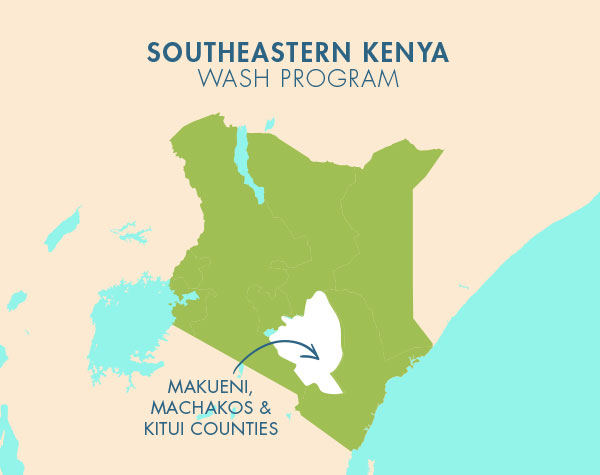
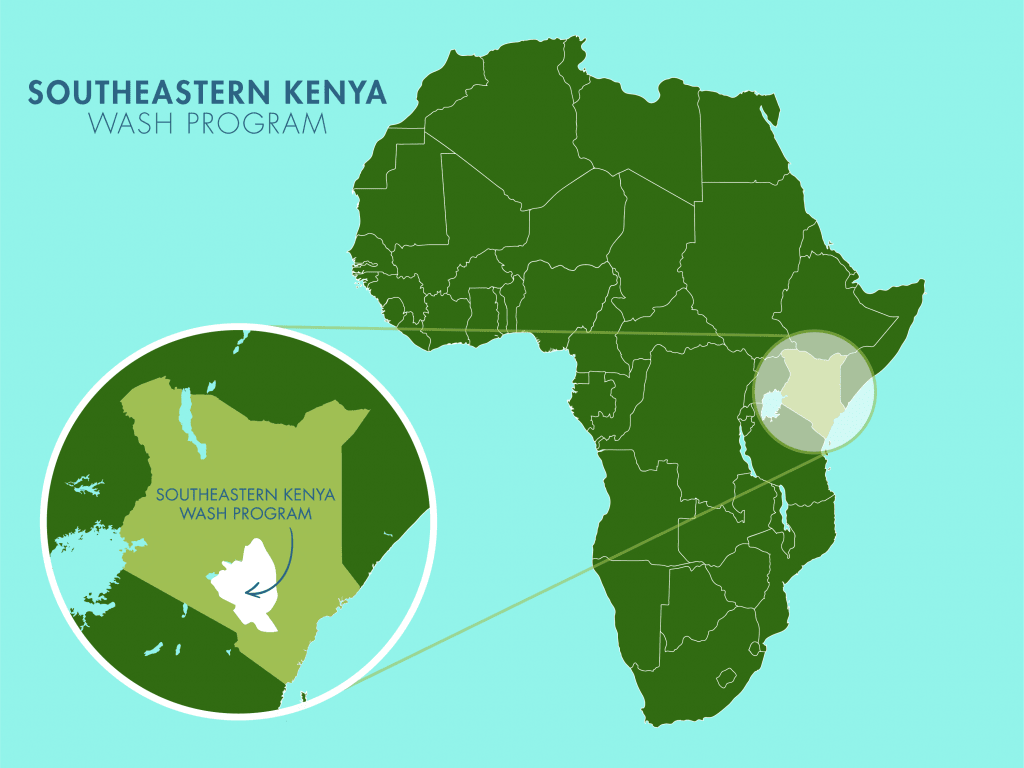
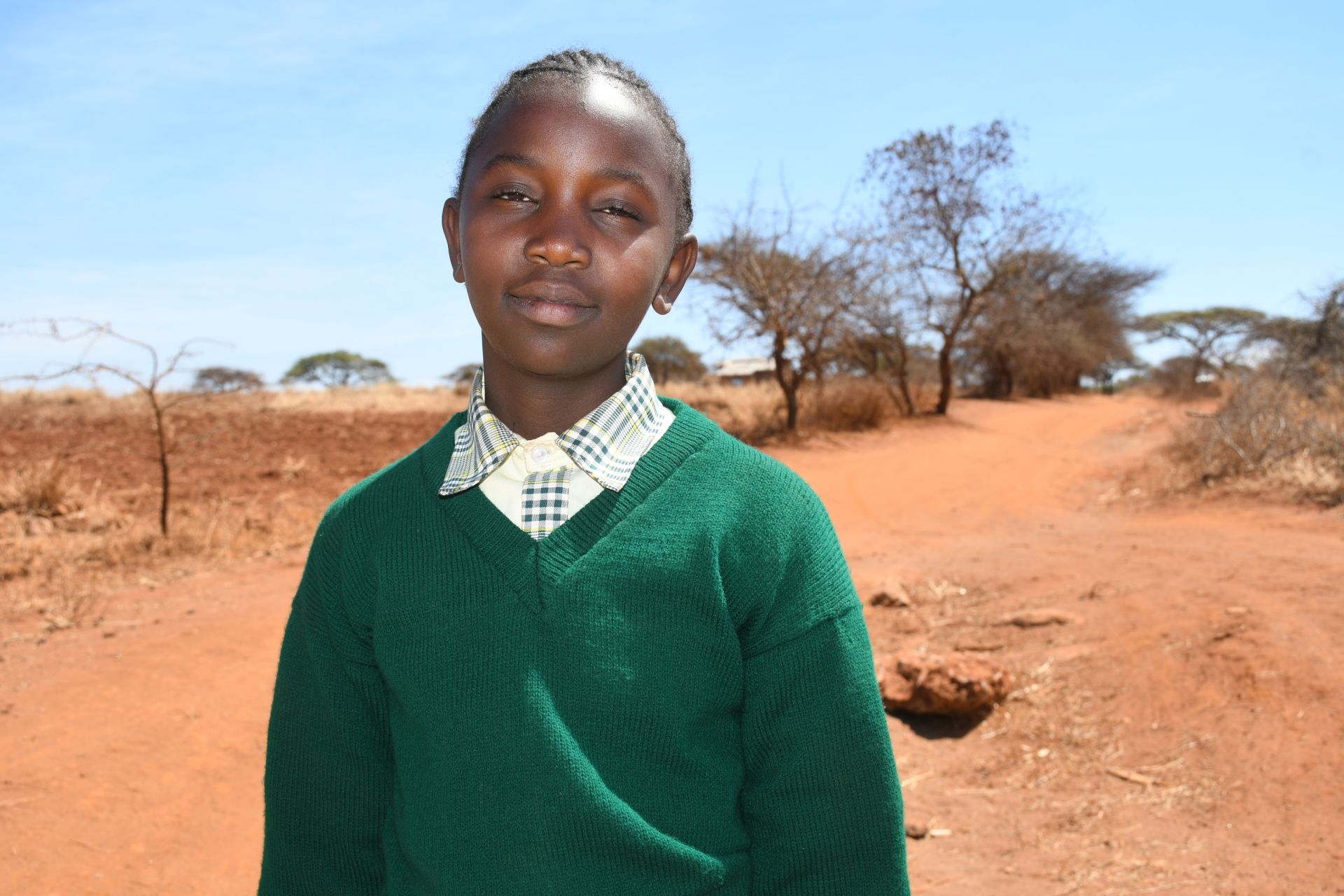
In the Kivuli Community, roughly 300 people share water sources that rarely meet the demand. The community's existing protected dug well, and a nearby borehole are the two closest options, but both involve long waits, long walks, and water that is not always safe to drink.

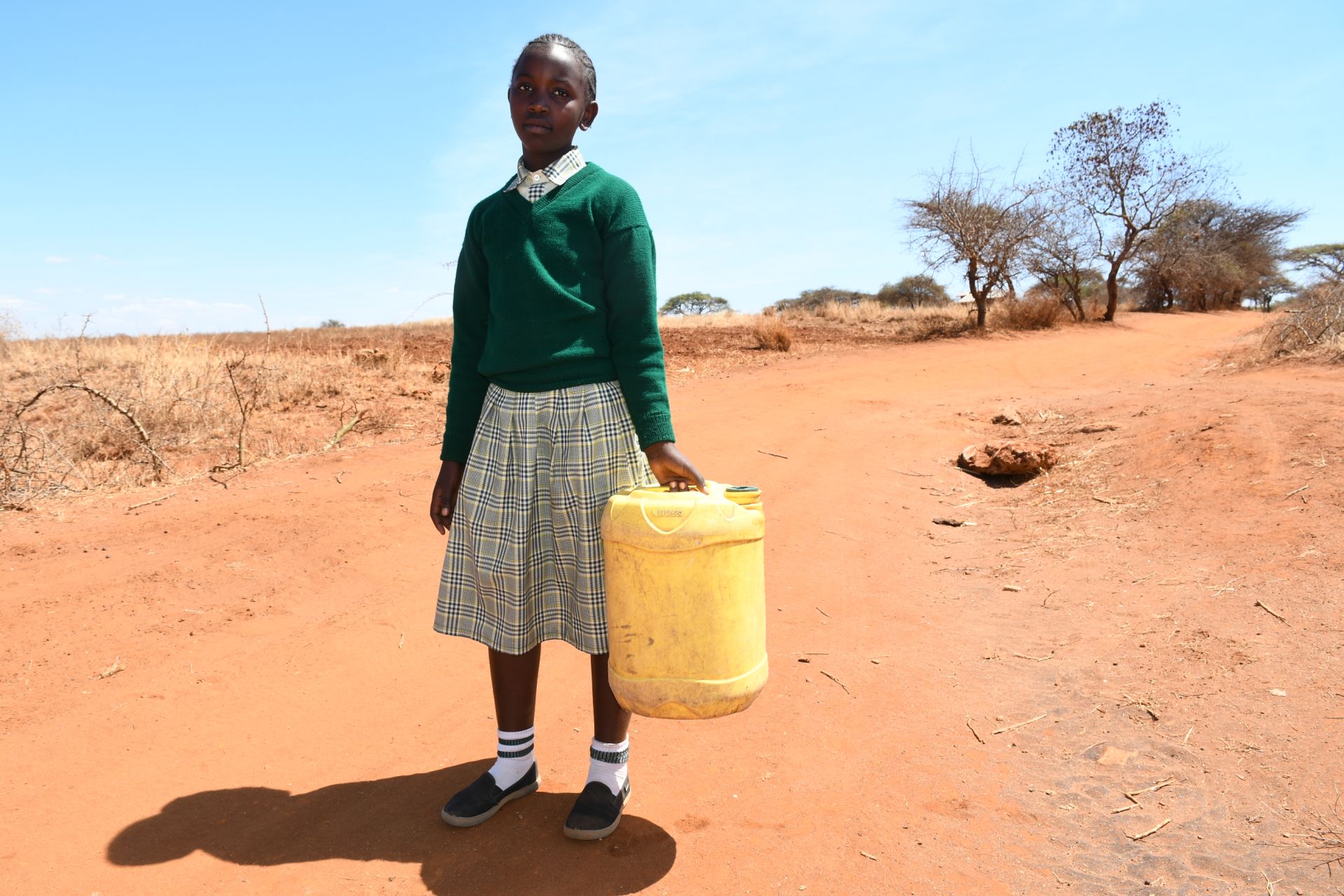
The distant well Mwende must rely on, despite the distance.
Twelve-year-old Mwende knows this routine well. Fetching water is a regular part of her day, and it is rarely quick. "Fetching water takes a long time because the well and the borehole kiosk are far from my home, and sometimes I find long queues at these water points," she said.
Those queues are not always orderly. "When queuing for water at the water points, some adults may want to fetch water ahead of others, causing quarrels and bitter exchanges of words," Mwende said. She has experienced this unfairness herself: "Some individuals with positions in society may feel entitled to fetch water first, which inconveniences the rest of us."
The scarcity behind those long waits weighs on her. "There is not enough water because many people depend on the same well, especially during the dry season," she said. "The water can run out quickly when many people come to collect it. Sometimes, we also have to use the borehole water, which is salty. This makes me feel worried because water is very important at home, and I know my family has to struggle to get enough."
That worry follows Mwende into her schoolwork. "Sometimes, fetching water takes away time that I could use to study, do my homework, or rest," she said. "When I have to help my family look for water, I may reach home late and feel tired. This can make it difficult to concentrate when I am studying. I try my best to keep up with my schoolwork because I want to perform well." Even so, her ambitions are clear. "I want to become a teacher when I grow up," she said. "I like learning, and I would like to help other children learn too. I want to work hard in school, perform well in my exams, and continue with my education so that I can achieve my dream."

A new protected dug well, built with a concrete apron and a level, well-drained platform around the pump, would bring safer water within closer reach of homes like Mwende's, easing crowding at the existing well and reducing the time children spend standing in line rather than in class. Mwende put simply what that change would mean to her: "Sometimes I feel tired and unhappy, especially when I know that I have to walk a long distance or wait for a long time before getting water," she said. "I also worry when the water source has little water because it means we may have to look for another source. But I understand that my family needs water, so I help whenever I am asked. I would be happier if we had a reliable water source closer to our home because I would have more time for school, studying, and playing with my friends."
Solving the water crisis in this community will require a multifaceted system that will work together to create a sustainable water source that will serve this community for years to come.
Steps Toward a Solution
Our technical experts worked with the local community to identify the most effective solution to their water crisis. Together, they decided to construct a protected dug well and sand dam.
Protected Dug Well Near A Sand Dam
Once a sand dam is installed and has time to mature by gathering sand and silt, groundwater increases significantly in the entire area surrounding the project. This provides a reliable source of groundwater that wasn’t possible before. As a result, wells can be constructed to take advantage of the water stored and filtered in the collected sand.
During the construction of the protected dug well, we will build a platform for the well and attach a hand pump. The community will gain a safe, enclosed water source capable of providing approximately five gallons of water per minute.
This protected dug well will be connected to a sand dam to obtain water.
Community Education & Ownership
Hygiene and sanitation training are integral to our water projects. Training is tailored to each community's specific needs and includes key topics such as proper water handling, improved hygiene practices, disease transmission prevention, and care of the new water point. Safe water and improved hygiene habits foster a healthier future for everyone in the community.
Encouraged and supported by our team's guidance, the community elects a water user committee representative of its diverse members. This committee assumes responsibility for maintaining the water point, organizing community efforts, and gathering fees to ensure its upkeep.