 Rainwater Catchment

 Rehabilitation Project









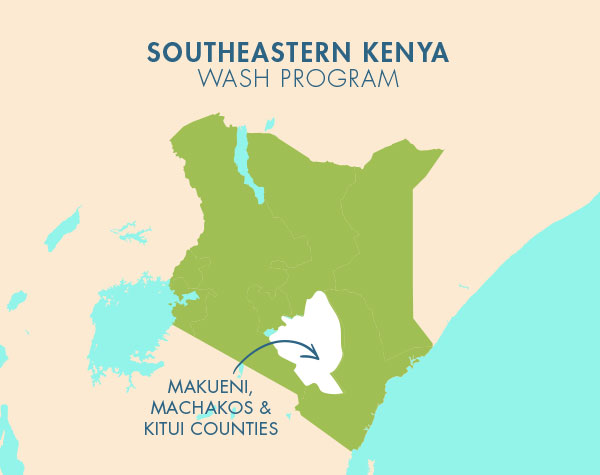
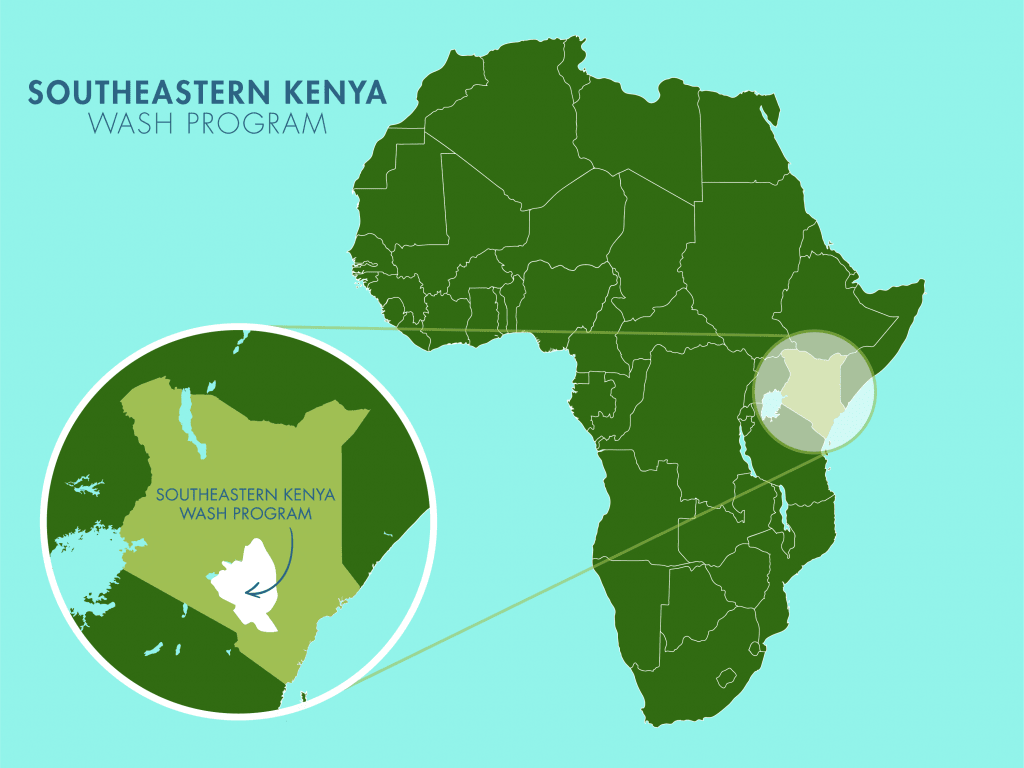
Elizabeth Kimilu teaches at Kyusyani Primary School in Kitui County, Kenya, where 356 students and 14 staff members share one rainwater tank. Every day, she sees how much it depends on that water.
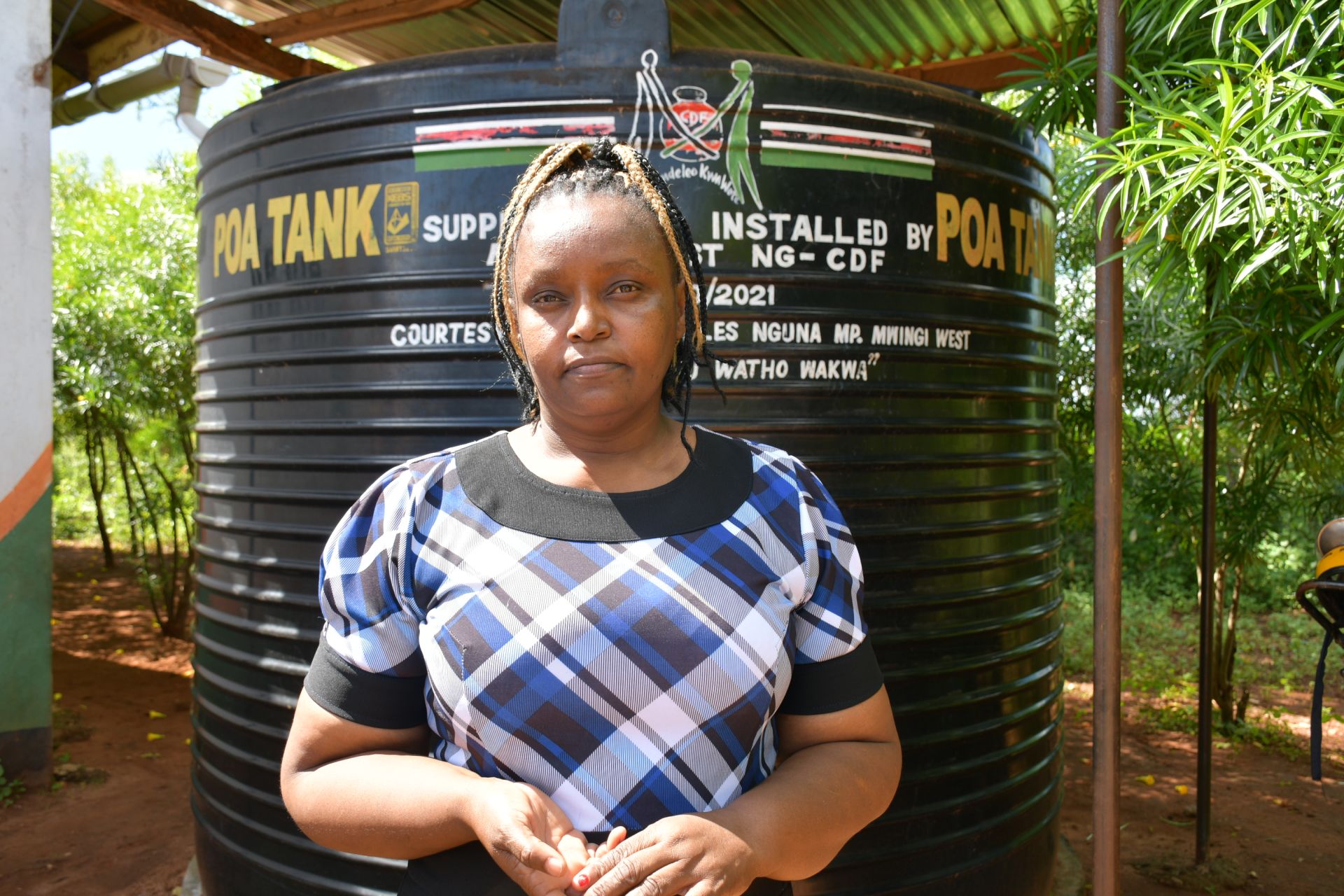
Ms. Kimilu stands in front of the small rain tank on the school's campus.
“As a teacher, I see every day how essential water is to our work and our pupils’ well-being. Water is life because it supports health, hygiene, learning, and dignity.”
Kyusyani is a public day school for boys and girls, started by parents and the government on land donated by a well-wisher. Over the years, its pupils have joined tree-planting efforts across the county. The school has also worked to solve its own water problems: it asked the county government for help and was given a 10,000-liter plastic tank, which is still its only source of water.
That tank isn’t enough for 356 pupils.

Students wait in long lines hoping to collect water.
“The plastic tanks at school are small and dry up quickly, especially on hot days. This means we often don’t have water to drink, wash our hands, or clean the toilets.”
When the tank runs low, Elizabeth and the other teachers ask pupils to carry water from home. Many walk to school on dusty roads covered in small stones, which are hard on bare feet in the sun.
“Sometimes we have to ask pupils to bring water from home, which is heavy and tiring. Without enough water, it’s hard to stay focused in class, and when the toilets are dirty, it’s uncomfortable and unhealthy. Some pupils even miss school because of this.”
Water carried from home also brings its own risks. Some pupils have ended up in the hospital with cholera after drinking it. At school, pupils lose time waiting at the tank, and without enough to drink, they become dehydrated, struggle to concentrate, and can’t fully take part in physical activities.
Elizabeth sees a clear connection between the water problem and her pupils’ attendance.
“If the pupils stop worrying about carrying water from home, it would be a huge boost to their concentration in school, as they’ll avoid a lot of absenteeism that we have witnessed over time. Many of the pupils fail to attend school when they are requested to carry water because they feel it’s a big burden and it’s tiresome.”
Rationing takes time away from teaching too.
“The biggest challenge has been around teachers having to get busy with making sure that every child gets an equitable share, and at this particular time, the teachers are supposed to be doing other activities.”

“For us teachers, a lack of water means spending extra time managing hygiene issues instead of focusing on teaching.”
Kyusyani is already planning a new classroom and new latrines for teachers. A safe, reliable water source would keep pupils hydrated and in class, especially girls, who are often most affected by poor hygiene. It would end the daily trips carrying water from home, and give pupils the chance to take part in activities that build their talents.
Elizabeth said it best: “Clean and reliable water makes the school a safer, more productive environment for everyone.”
Steps Toward a Solution
Schools without reliable, on-premises water access often rely on students to fetch and carry water, leading to rationing and uncertainty about water quality. The water is typically poured into a communal storage tank and used by the entire school. With children carrying water from all different sources, it is also impossible for teachers and staff to know exactly where the water comes from and how safe it is to drink.
A new water point will be located on-premises at the school to ensure accessibility, reliability, and safety for students, teachers, and staff while meeting our school coverage goals. Having water available at the school allows children to drink, wash hands, and use sanitation facilities without leaving school grounds, preventing disruptions to lessons and reducing safety risks. A dedicated source increases water availability, reduces reliance on stored water, minimizes rationing, and ensures confidence in the safety of the water. This means staff and students are healthier, and their lessons aren’t disrupted, contributing to a better education!
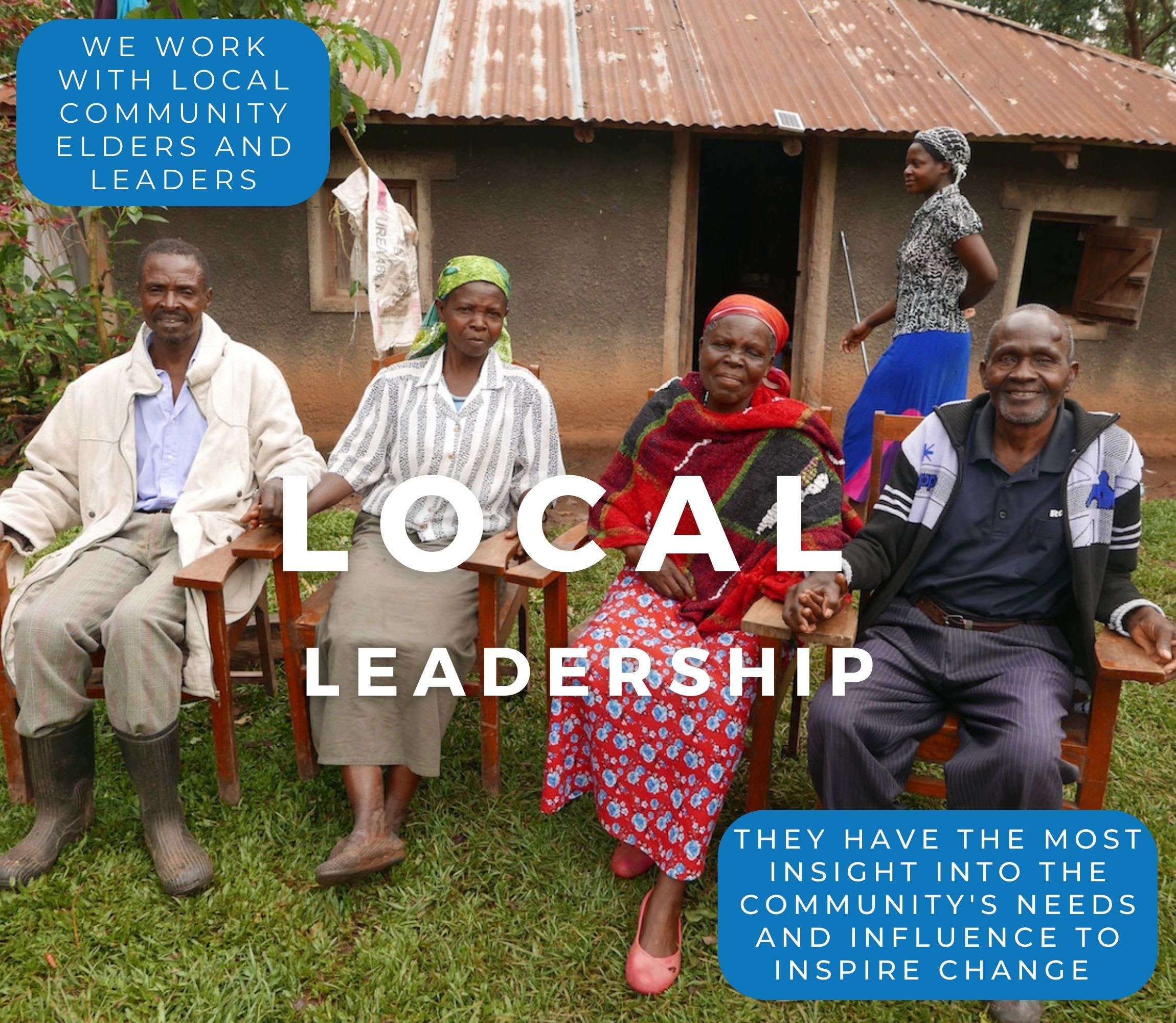
Our technical experts worked with the school leadership and the local community to identify the most effective solution to their water crisis. Together, they decided to construct a rainwater harvesting system.
Rainwater Harvesting System
A rainwater collection system consists of gutters that channel rainwater effectively into large holding tanks. Attached to buildings with clean, suitable roofing, these systems are sized according to the population and rainfall patterns. Water can be stored for months, allowing for easy treatment and access. Learn more
Handwashing Stations
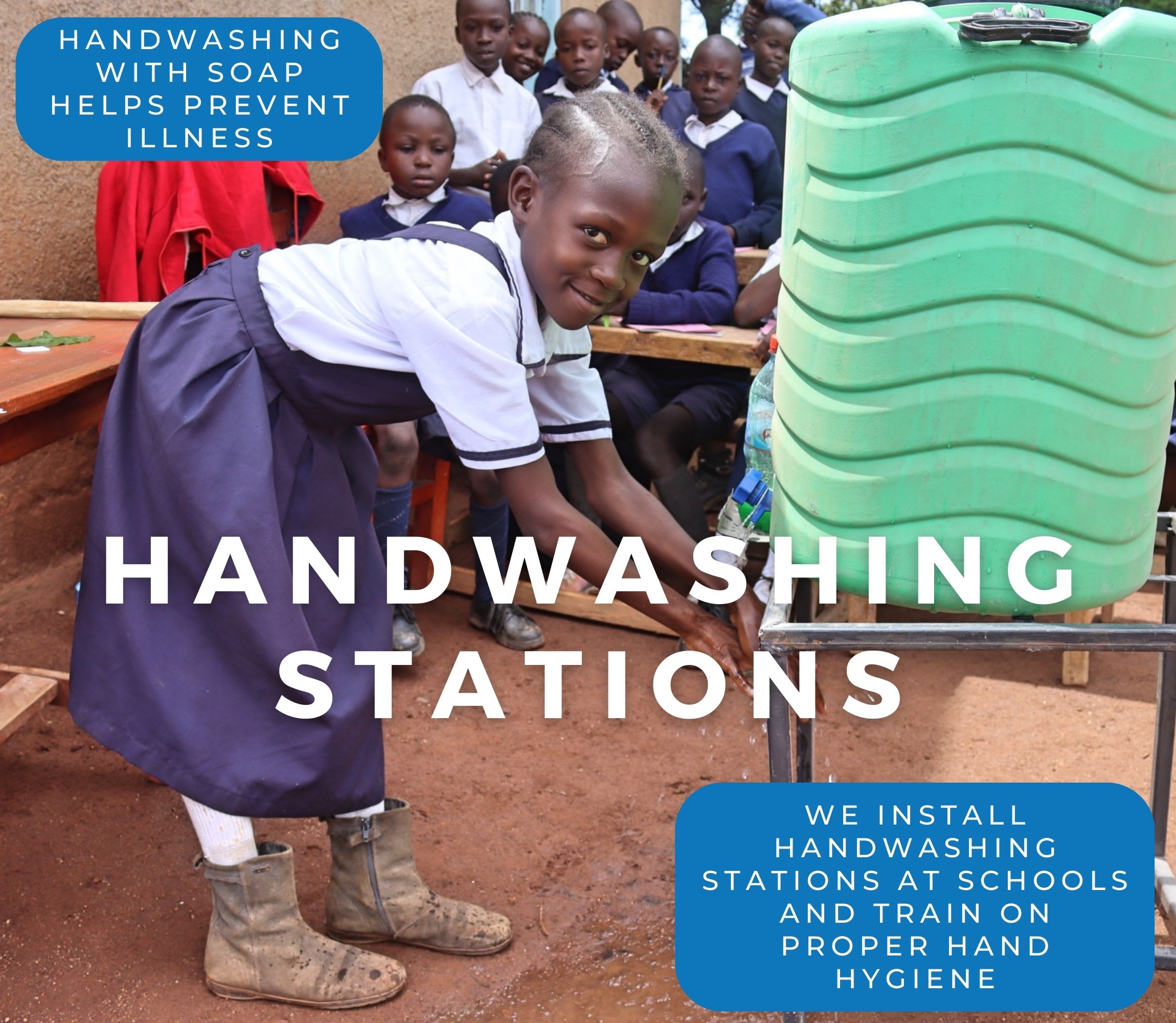
Alongside each water source, we install two gravity-fed handwashing stations, enabling everyone at the school to wash their hands. Handwashing is crucial for preventing water-related illnesses within the school and community. Student “health clubs” maintain the stations, fill them with water, and supply them with soap, which we often teach them how to make.
School Education & Ownership
Hygiene and sanitation training are integral to our water projects. Training is tailored to each school's specific needs and includes key topics such as proper water handling, improved hygiene practices, disease transmission prevention, and care of the new water point.
To ensure a lasting impact, we support forming a student health club composed of elected student representatives and a teacher. These clubs promote hygiene practices schoolwide and keep handwashing stations well-stocked. This student-led model encourages a sense of ownership and responsibility.
Safe water and improved hygiene habits foster a healthier future for the entire school.