 Rainwater Catchment
 Rehabilitation Project

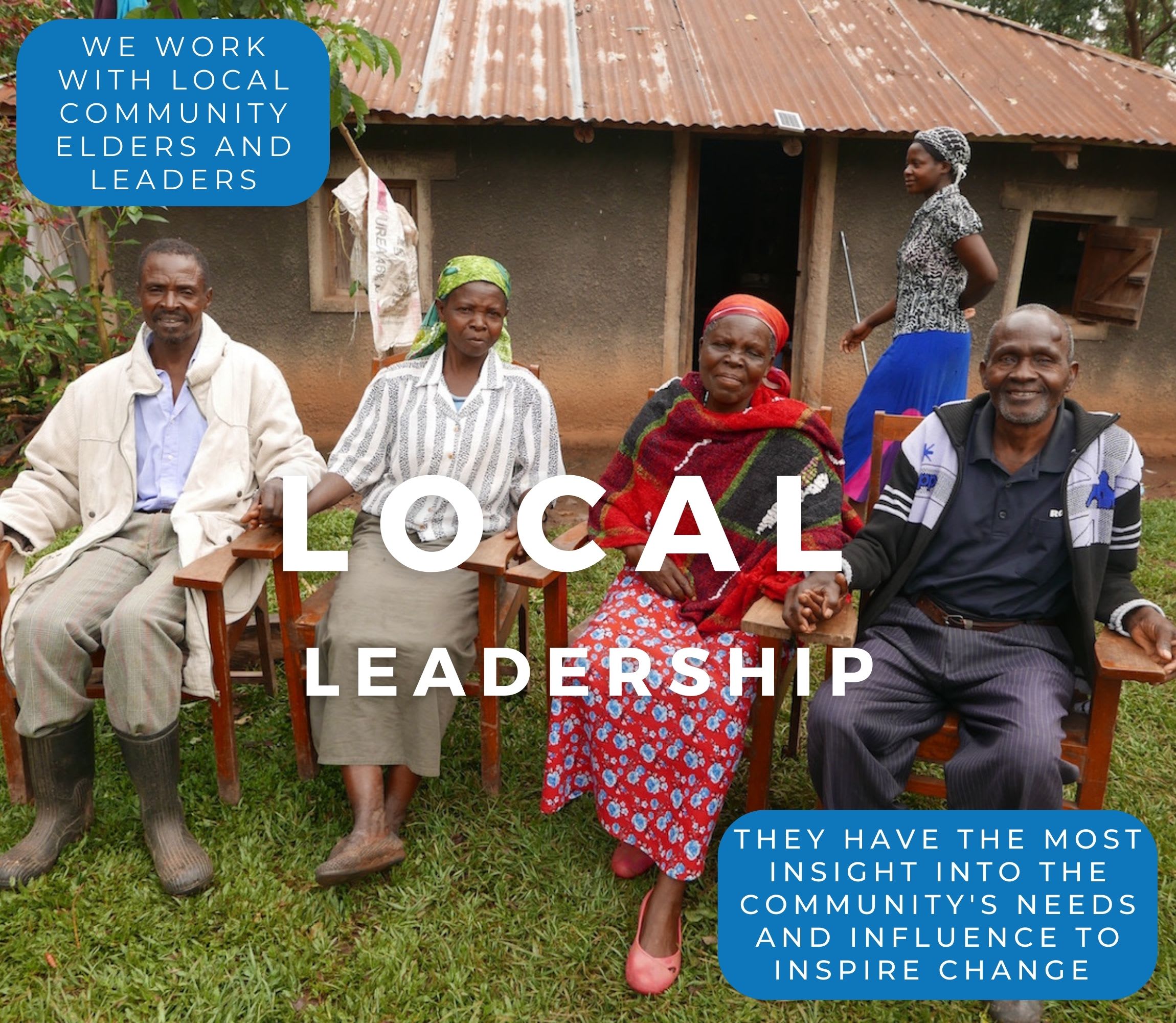








The 133 students at Kathita Nzau Primary School in the Kathita Community spend much of their day searching for water. It is an exhausting task that distracts them from learning and planning for the future.
The school has no reliable source of safe drinking water. Rainwater is collected, but the storage tank is too small to meet the needs of the whole school and runs dry quickly. When it does, students face a 90-minute round trip to fetch water from a community collection point, but that water is salty and makes pupils feel sick. The only remaining option is for students to bring water from home, collected from whatever source they can find. This puts everyone's health at serious risk.

"Community members reported that the borehole water [tastes like] saline and is not suitable for regular drinking. Learners frequently complain of stomach aches after consuming the water, while water brought from home is not always stored or transported safely, increasing the risk of contamination and waterborne illnesses such as diarrhea and other gastrointestinal infections," shared Field Officer Alex Koech.

"The school's dependence on a shared community borehole presents several challenges beyond health concerns. Because the borehole serves both the school and surrounding households, water is often insufficient to meet demand, especially during the dry season, leading to frequent shortages," he continued.
Thirteen-year-old Mercy knows the frustration well.
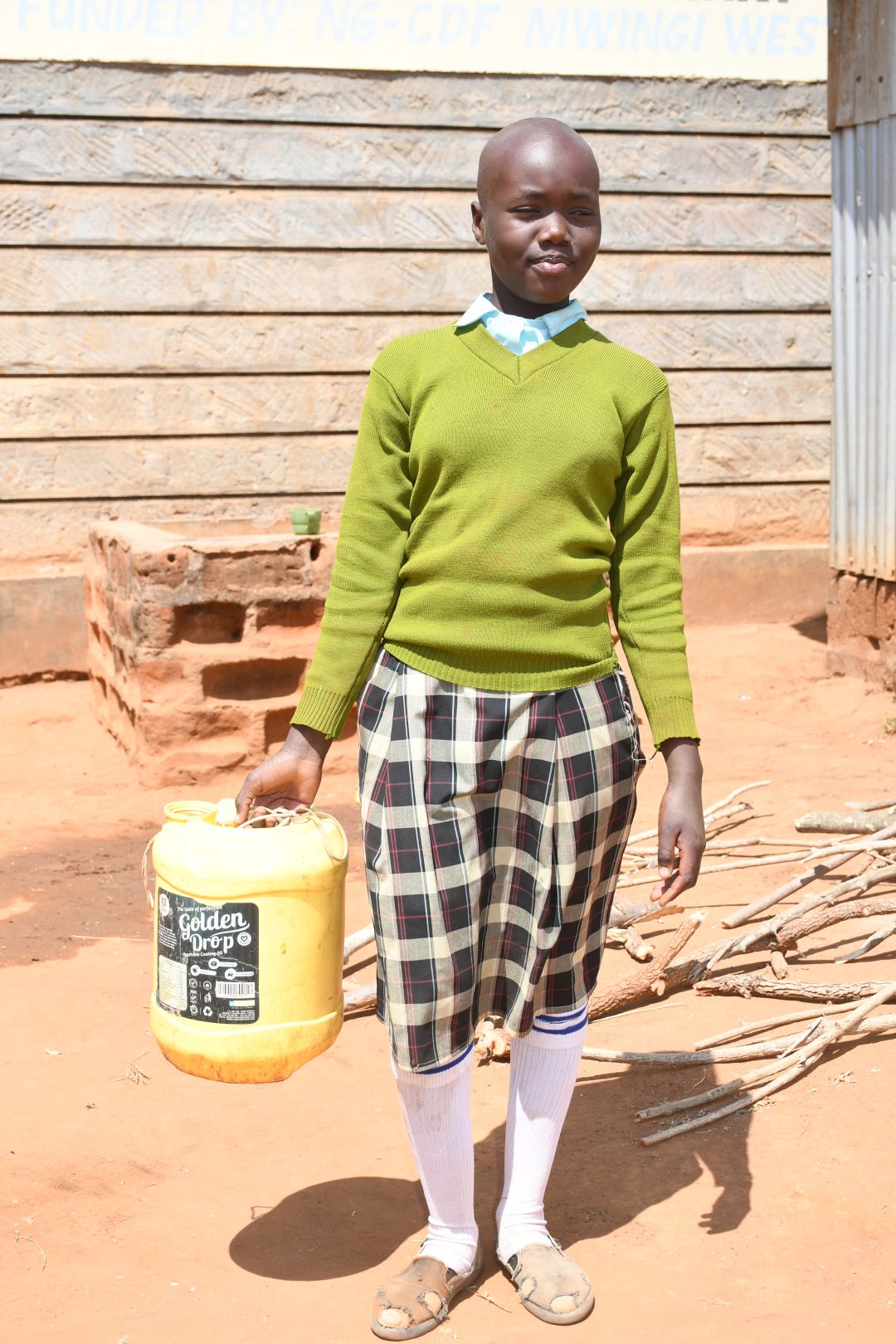
"Fetching water takes a long time because our school depends on a borehole that is shared with the whole community. Many people use it, especially during the dry season, so there are usually long queues," said Mercy.
"Because the borehole is shared by the whole community, there are times when adults become impatient and insist on fetching water before children. Sometimes they tell us to wait until everyone else has finished, even when we need to return to school quickly," she said.

The community water collection point.
"When there is no water at the kiosk, I am sometimes asked to carry water from home before coming to school, which also takes a lot of time and energy," Mercy said. "It makes me feel worried because I know we need water for drinking, washing our hands, and preparing meals at school. I wish we always had enough clean water."
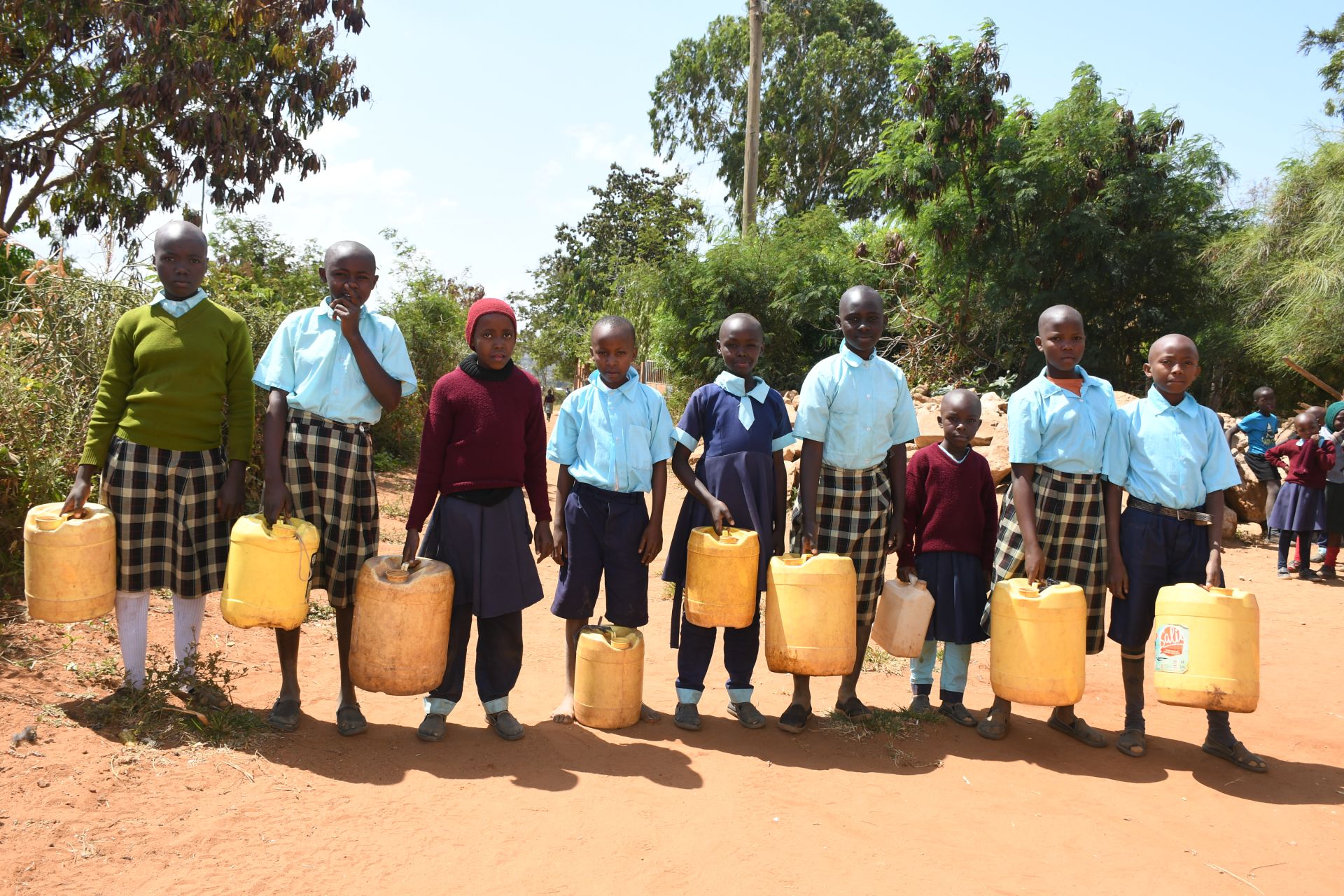
"Carrying water from home or waiting at the borehole can make me arrive at school tired or late. Sometimes I miss part of a lesson or have less time to study because I have spent so much time fetching water. When I am tired or thirsty, it is harder to concentrate in class and during exams," Mercy lamented.
Mercy has big plans for the future, but without access to clean, reliable water, those plans seem to be very far away.
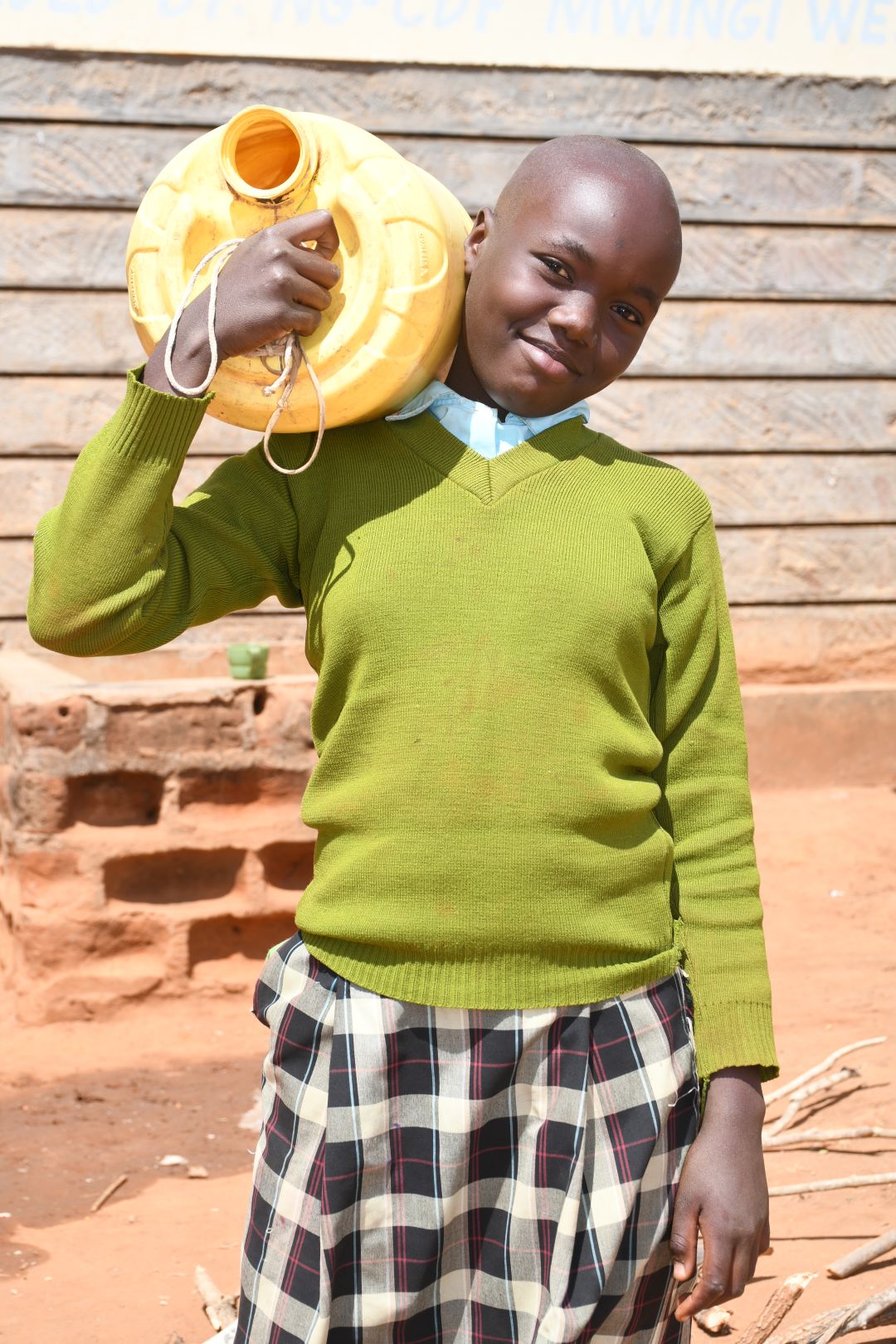
"I want to become a doctor when I grow up. I want to help sick people, especially children and families living in villages like ours, where healthcare can be difficult to access. I know I must study hard and perform well in school to achieve my dream, so I hope we will have enough safe water to help us stay healthy and concentrate on our education," she wisely concluded.
Steps Toward a Solution
Schools without reliable, on-premises water access often rely on students to fetch and carry water, leading to rationing and uncertainty about water quality. The water is typically poured into a communal storage tank and used by the entire school. With children carrying water from all different sources, it is also impossible for teachers and staff to know exactly where the water comes from and how safe it is to drink.
A new water point will be located on-premises at the school to ensure accessibility, reliability, and safety for students, teachers, and staff while meeting our school coverage goals. Having water available at the school allows children to drink, wash hands, and use sanitation facilities without leaving school grounds, preventing disruptions to lessons and reducing safety risks. A dedicated source increases water availability, reduces reliance on stored water, minimizes rationing, and ensures confidence in the safety of the water. This means staff and students are healthier, and their lessons aren’t disrupted, contributing to a better education!
Our technical experts worked with the school leadership and the local community to identify the most effective solution to their water crisis. Together, they decided to construct a rainwater harvesting system.
Rainwater Harvesting System
A rainwater collection system consists of gutters that channel rainwater effectively into large holding tanks. Attached to buildings with clean, suitable roofing, these systems are sized according to the population and rainfall patterns. Water can be stored for months, allowing for easy treatment and access. Learn more
Handwashing Stations
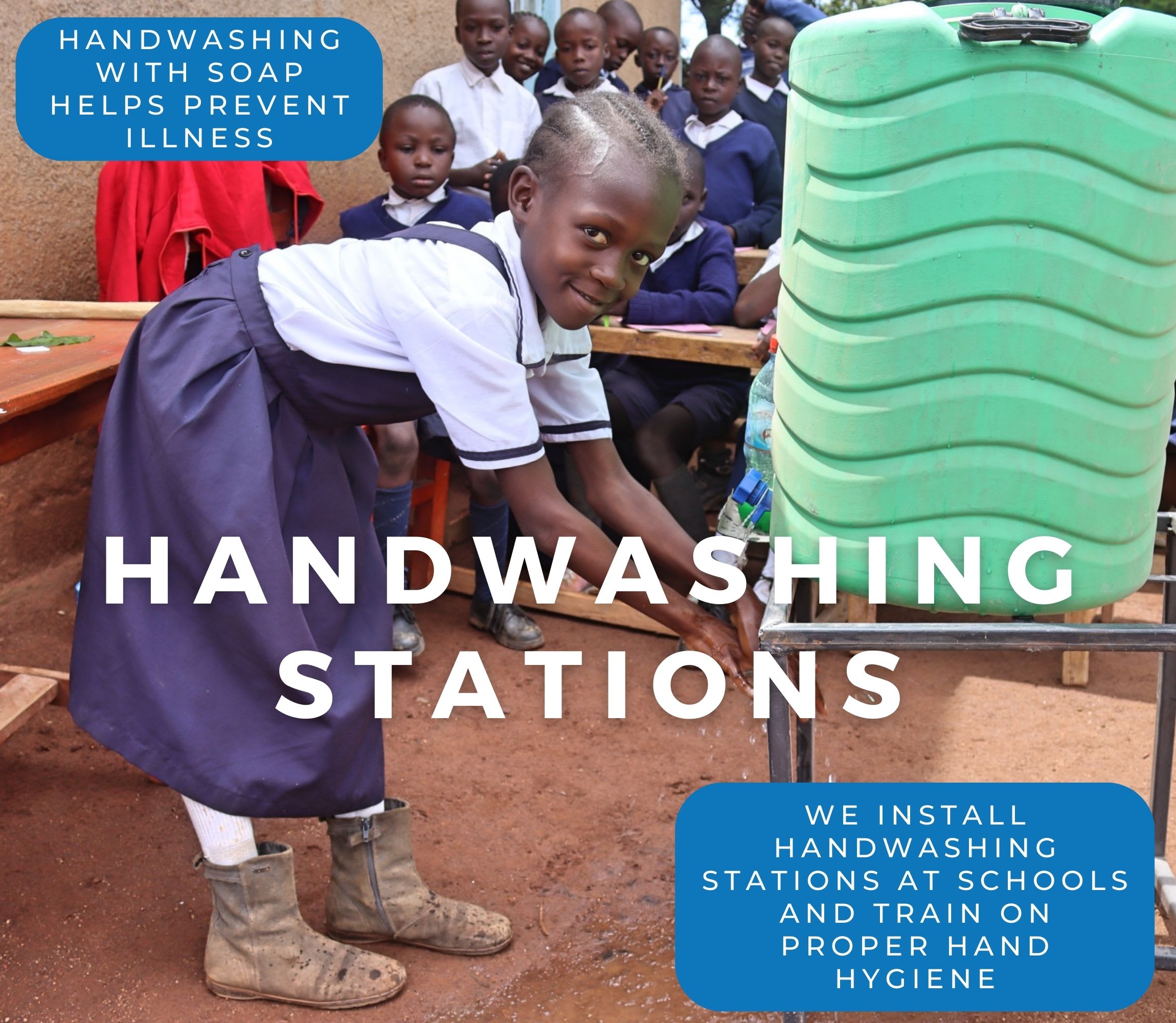
Alongside each water source, we install two gravity-fed handwashing stations, enabling everyone at the school to wash their hands. Handwashing is crucial for preventing water-related illnesses within the school and community. Student “health clubs” maintain the stations, fill them with water, and supply them with soap, which we often teach them how to make.
School Education & Ownership
Hygiene and sanitation training are integral to our water projects. Training is tailored to each school's specific needs and includes key topics such as proper water handling, improved hygiene practices, disease transmission prevention, and care of the new water point.
To ensure a lasting impact, we support forming a student health club composed of elected student representatives and a teacher. These clubs promote hygiene practices schoolwide and keep handwashing stations well-stocked. This student-led model encourages a sense of ownership and responsibility.
Safe water and improved hygiene habits foster a healthier future for the entire school.