 Rainwater Catchment
 Rehabilitation Project










The 228 students and teachers at Kathoka Primary School in the community of Mulongolo are used to not having enough water to go around. It is a hardship they have faced daily for the past two years.
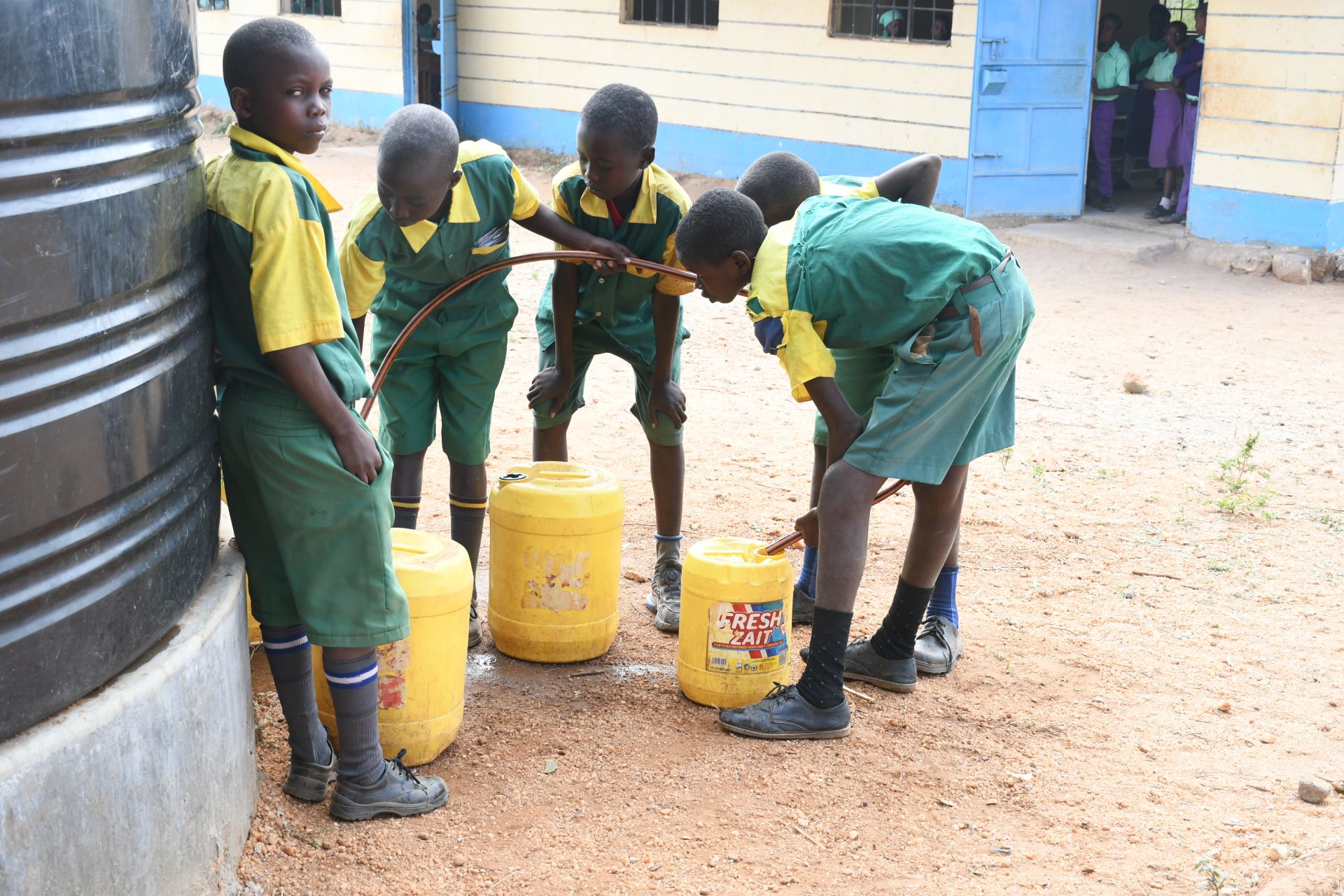
The school relies on small rainwater tanks to meet everyone's daily water needs, but even with strict rationing, they run dry, leaving students and staff without enough water.
Not having enough water to go around obviously affects them physically, but it also leaves them discouraged and distracted.
Some days, thirteen-year-old Mwende goes thirsty and quite naturally feels frustrated.
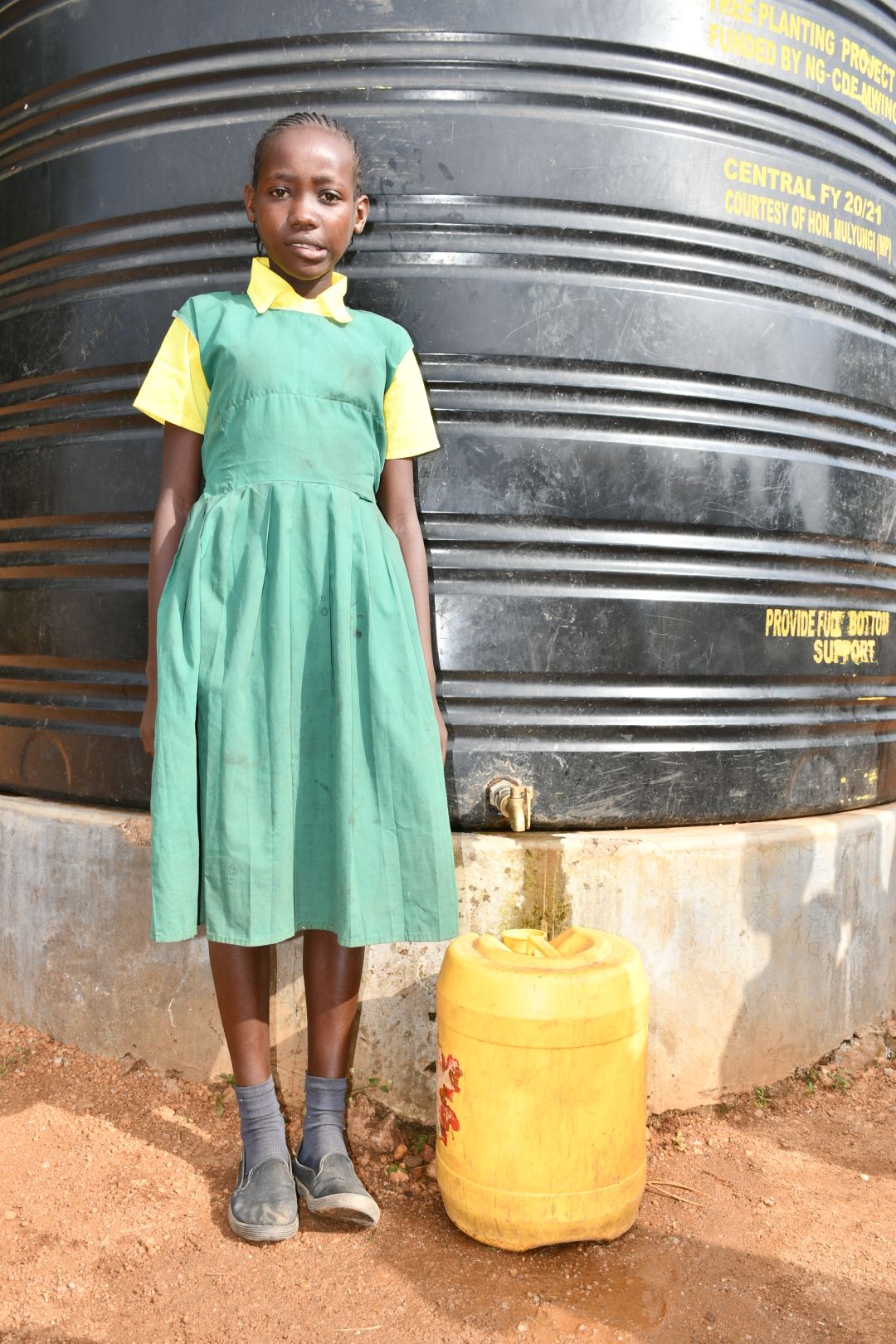
"There isn't enough water because our school depends on rainwater, and when it doesn't rain, the tanks become empty. When the water is low, we are supposed to share it equally with very small quantities, which can barely quench the thirst," Mwende said.
"Sometimes I feel tired and frustrated because learning without enough water is very difficult!"
The only alternative to the rain tanks is costly - paying to have water delivered by truck. It is an overwhelming expense for the school, stealing from its academic and extracurricular programs.
Worst of all, water delivered by truck is very unreliable, and the school can be left without the water it needs for a day or more. Expecting water that never arrives is disheartening for students and teachers alike.
"We don't fetch water, but when the school has to wait for water to be brought, it makes us disrupt our timetable because if the meals are delayed, other activities are affected, [and we] end up not attending some lessons in the timetable," said Mwende.
"We are not sent to fetch water, but when there is no water at school, I feel sad, thirsty, and uncomfortable. It is hard to concentrate on my lessons because I keep thinking about water. I also worry about using dirty toilets or not being able to wash my hands before eating," Mwende bravely shared.
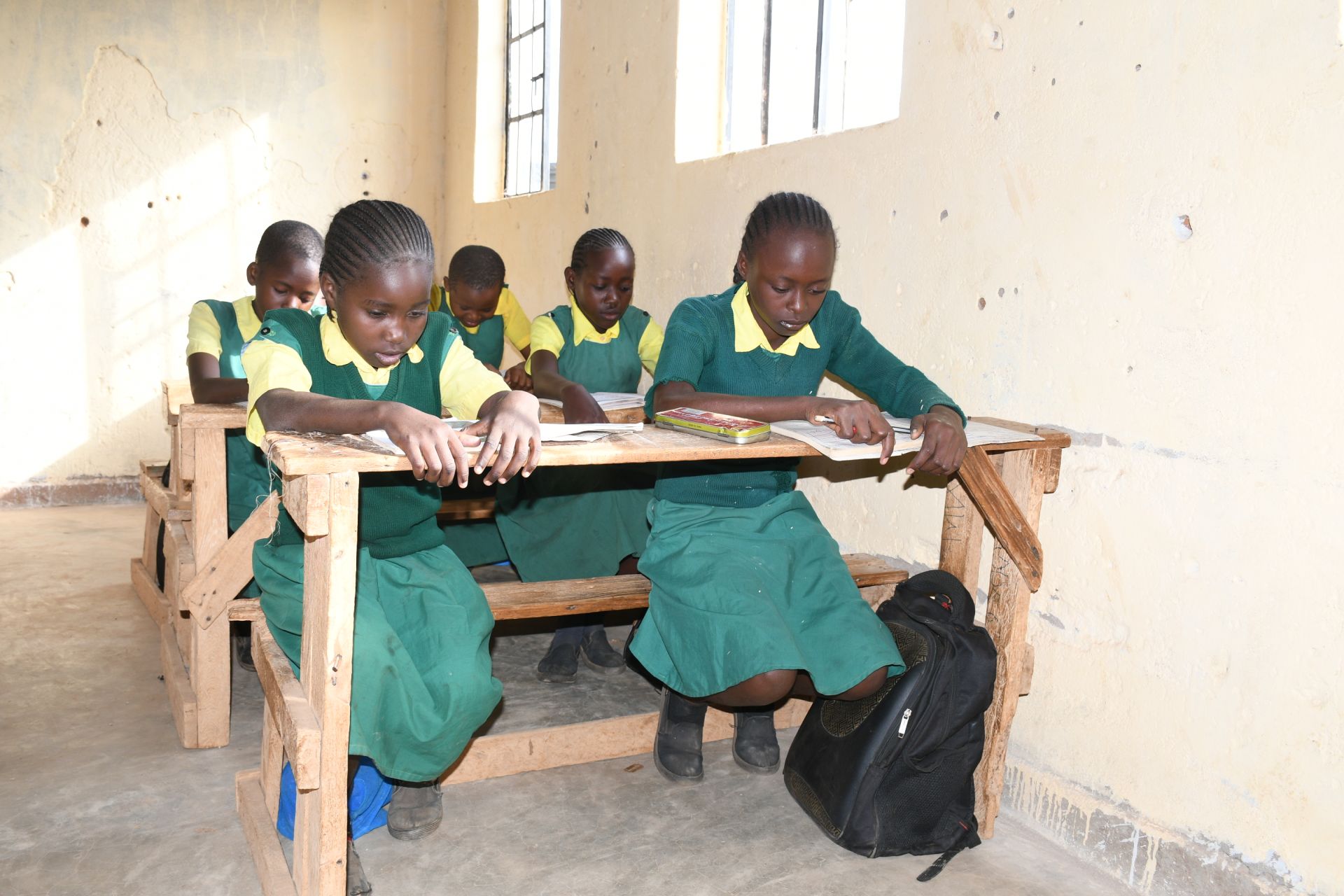
Mwende and her classmates should not have to worry about such things. It is time for an intervention.
Field Officer Jefferson Mutie shared how implementing a much larger rain tank will help bring stability to the school.
"The proposed water tank will enable the school community to have access to water throughout the school calendar year without experiencing water shortages. The school will also not continue to depend on water-selling vendors, [that] cause delays in the school's operations. Also, students will be able to participate in class fully paying attention, because they are not worried about water-related issues anymore. The entire school will be free from water stress, henceforth giving them enough time to concentrate on class work and also get involved in co-curricular activities, which have been abandoned for [too] long due to water stress," said Jefferson.
Steps Toward a Solution
Schools without reliable, on-premises water access often rely on students to fetch and carry water, leading to rationing and uncertainty about water quality. The water is typically poured into a communal storage tank and used by the entire school. With children carrying water from all different sources, it is also impossible for teachers and staff to know exactly where the water comes from and how safe it is to drink.
A new water point will be located on-premises at the school to ensure accessibility, reliability, and safety for students, teachers, and staff while meeting our school coverage goals. Having water available at the school allows children to drink, wash hands, and use sanitation facilities without leaving school grounds, preventing disruptions to lessons and reducing safety risks. A dedicated source increases water availability, reduces reliance on stored water, minimizes rationing, and ensures confidence in the safety of the water. This means staff and students are healthier, and their lessons aren’t disrupted, contributing to a better education!
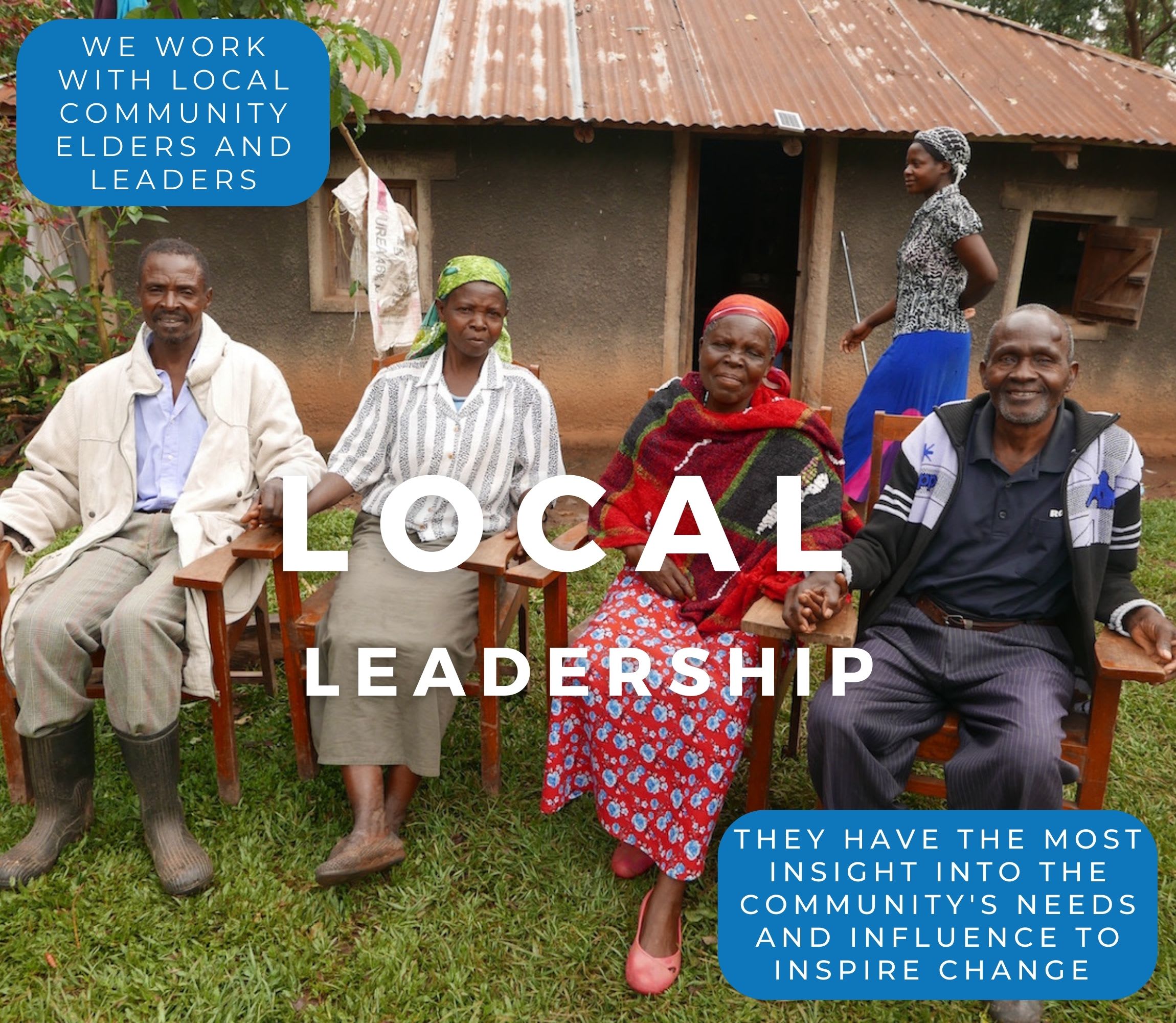
Our technical experts worked with the school leadership and the local community to identify the most effective solution to their water crisis. Together, they decided to construct a rainwater harvesting system.
Rainwater Harvesting System
A rainwater collection system consists of gutters that channel rainwater effectively into large holding tanks. Attached to buildings with clean, suitable roofing, these systems are sized according to the population and rainfall patterns. Water can be stored for months, allowing for easy treatment and access. Learn more
Handwashing Stations
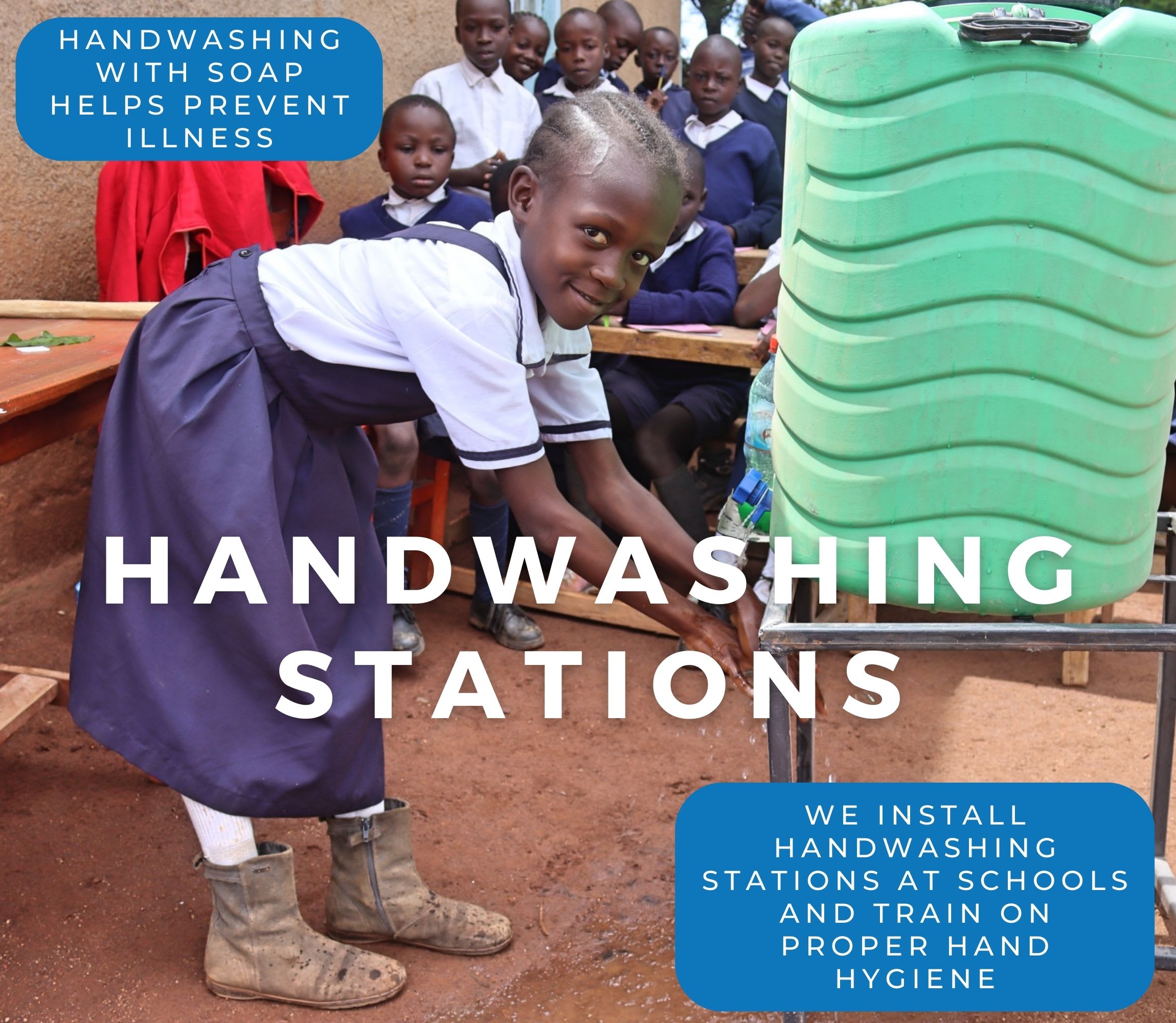
Alongside each water source, we install two gravity-fed handwashing stations, enabling everyone at the school to wash their hands. Handwashing is crucial for preventing water-related illnesses within the school and community. Student “health clubs” maintain the stations, fill them with water, and supply them with soap, which we often teach them how to make.
School Education & Ownership
Hygiene and sanitation training are integral to our water projects. Training is tailored to each school's specific needs and includes key topics such as proper water handling, improved hygiene practices, disease transmission prevention, and care of the new water point.
To ensure a lasting impact, we support forming a student health club composed of elected student representatives and a teacher. These clubs promote hygiene practices schoolwide and keep handwashing stations well-stocked. This student-led model encourages a sense of ownership and responsibility.
Safe water and improved hygiene habits foster a healthier future for the entire school.