 Rainwater Catchment
 Rehabilitation Project










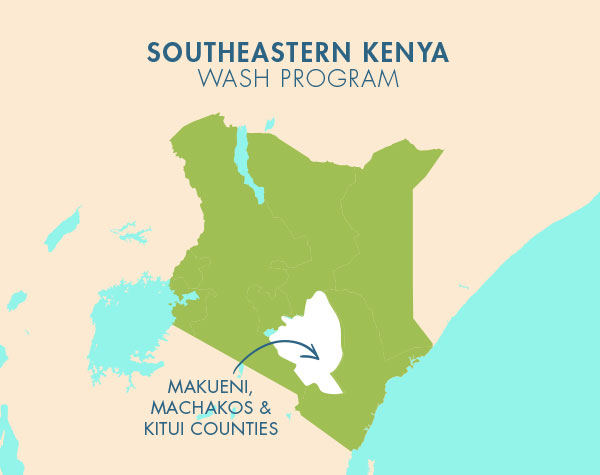
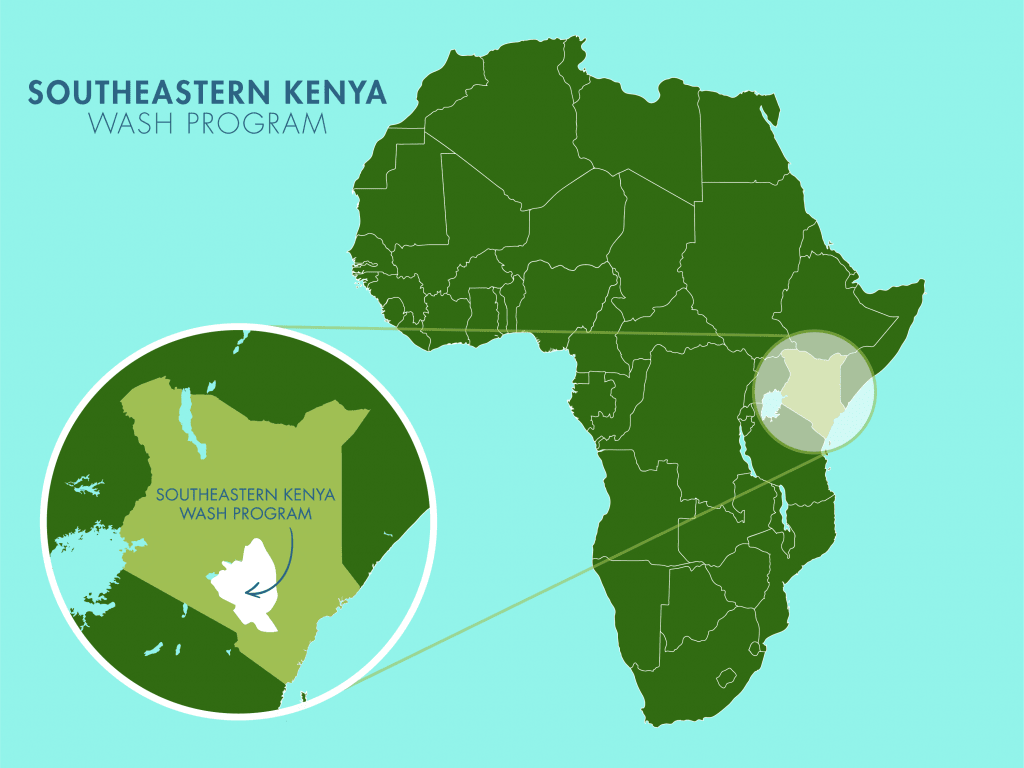
The 148 students and 12 teachers at the Katse Girls Secondary School in the Mumoni Community have three water options. A rain tank that is too small and runs dry quickly, an unprotected, seasonal well, and scoop holes in the local dry river bed. None of the options offers the safe, reliable water that the school desperately needs for stability.

The rain tank that is far too small.
Fifty-three-year-old teacher Rebecca Wambu shared her insight: "As the deputy head teacher of this school, I am deeply concerned about the safety of our current water source because we do not have a reliable supply of clean water at the school."
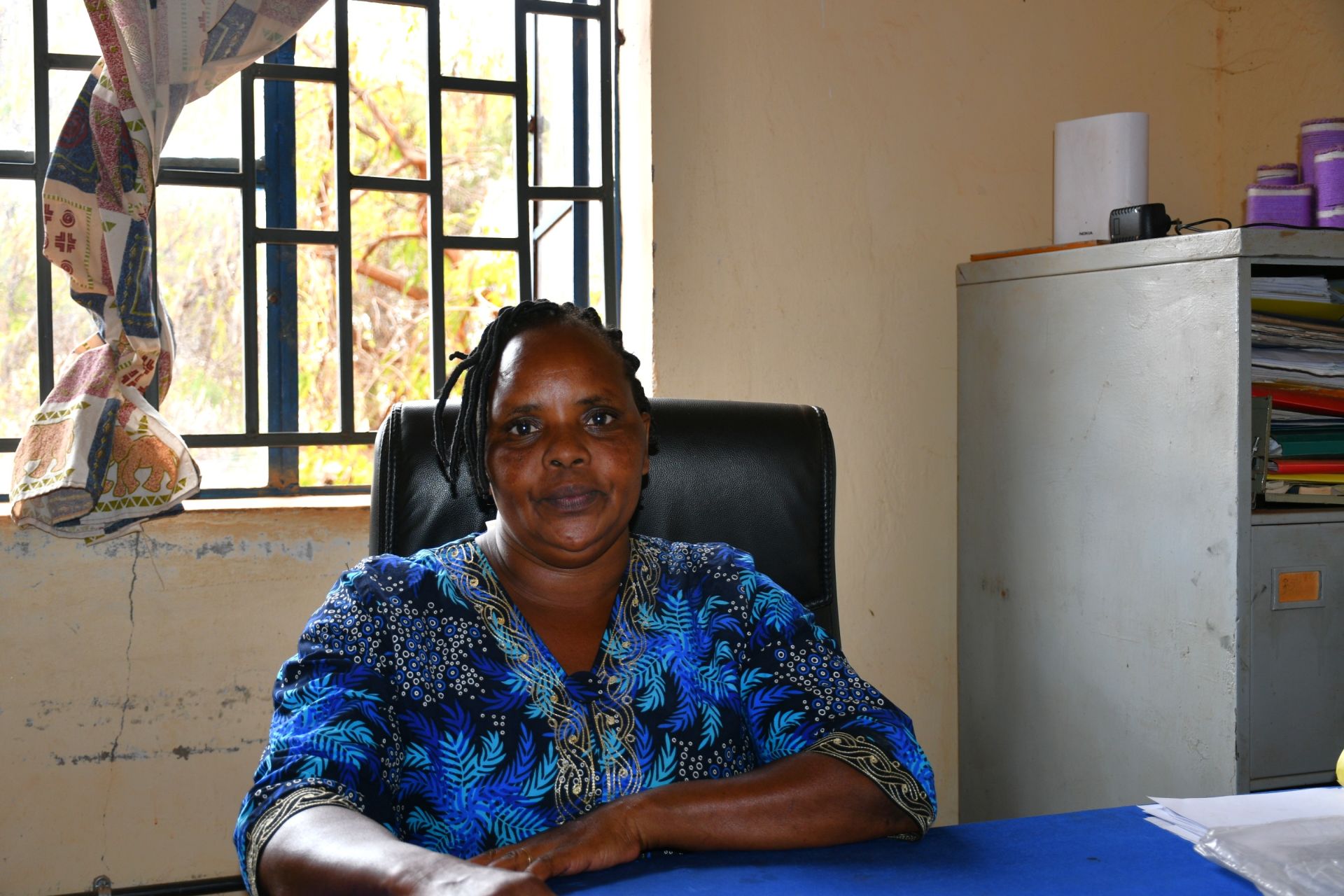
Ms. Wambu.
"The lack of water at school affects students in many ways. Without a reliable supply of clean water, learners do not always have enough safe drinking water, which can affect their health, concentration, and academic performance. Poor access to water also makes it difficult to maintain proper hygiene, as there is often not enough water for handwashing, cleaning toilets, and keeping the school environment sanitary," said Ms. Wambu.
But beyond the physical impacts of water scarcity, it also steals students' time and energy.
"Sending students to fetch water during their free time deprives them of the chance to play, interact, and relax, making them study while in exhaustion mode," Ms. Wambu continued.
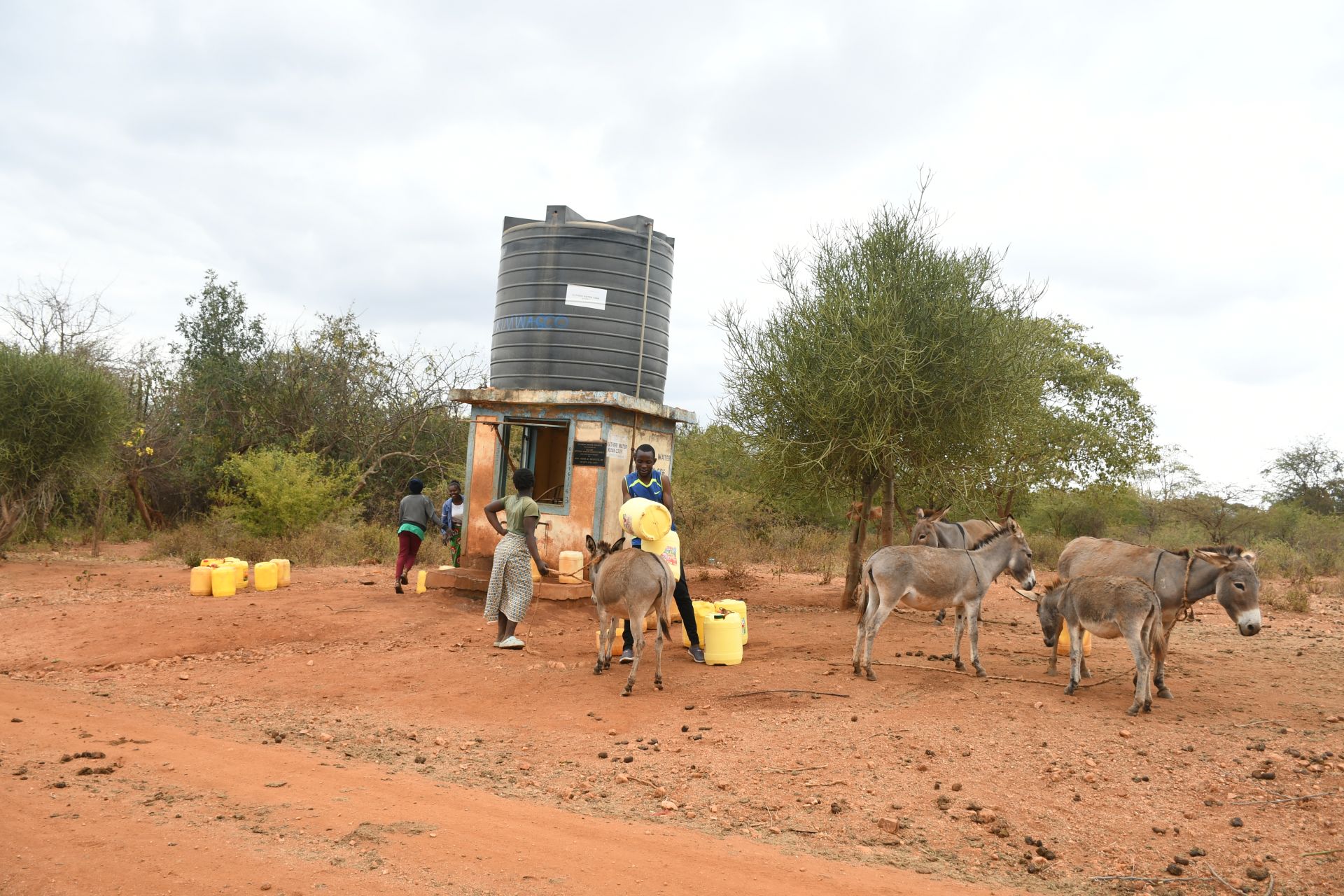
The community's water collection point for the seasonal well.
But Ms. Wambu explains that teachers also feel the pressure.
"Rationing and distributing water to students is a daily challenge for our staff. Teachers and support staff spend valuable time managing the limited water supply instead of focusing on teaching and other school responsibilities. It is often difficult to ensure that every student receives enough water for drinking while still reserving sufficient water for cooking, cleaning, and sanitation. During severe shortages, staff must make difficult decisions about how to prioritize water use, which can lead to frustration among students," she said.
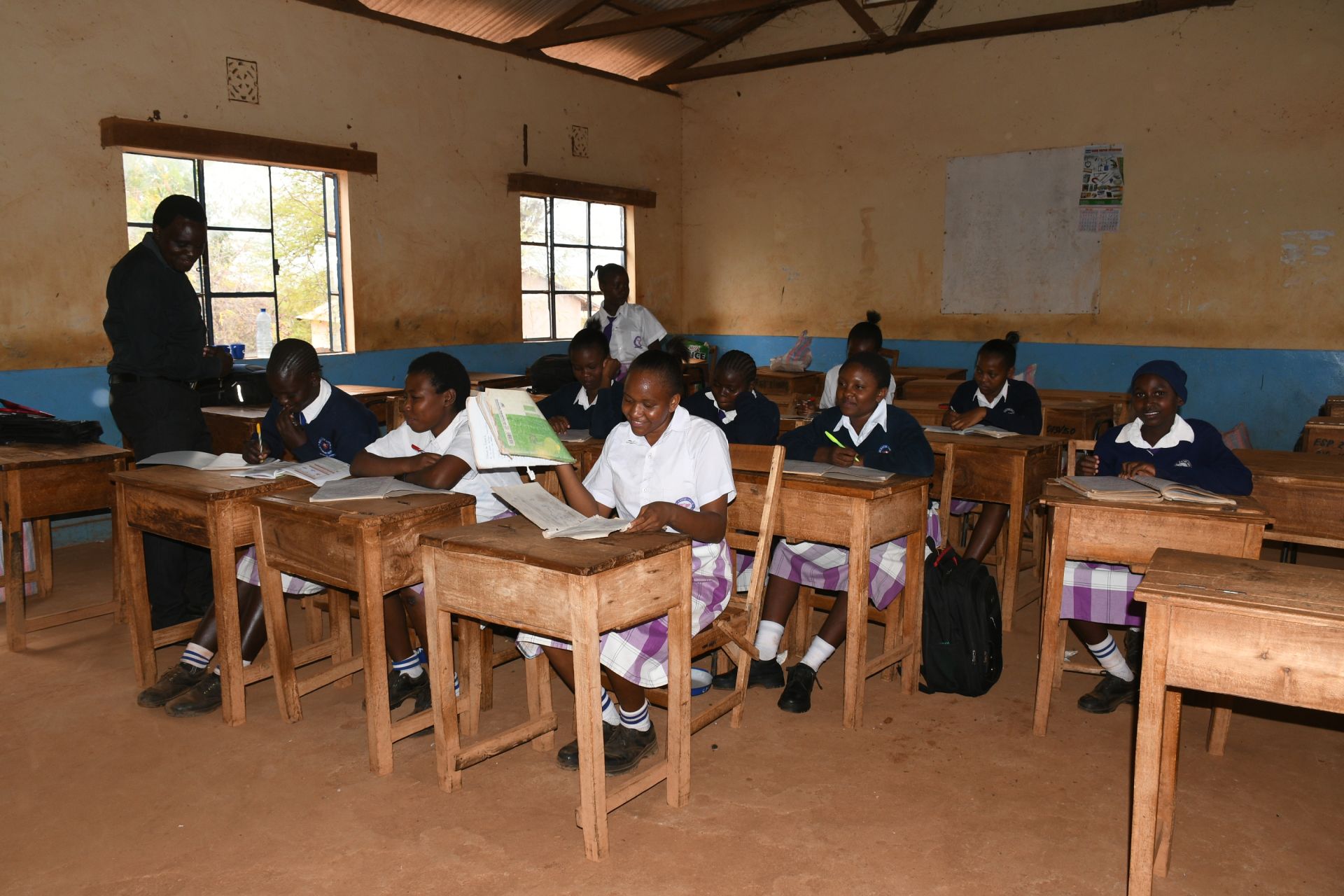
With reliable water, things could change for the entire school.
Steps Toward a Solution
Schools without reliable, on-premises water access often rely on students to fetch and carry water, leading to rationing and uncertainty about water quality. The water is typically poured into a communal storage tank and used by the entire school. With children carrying water from all different sources, it is also impossible for teachers and staff to know exactly where the water comes from and how safe it is to drink.
A new water point will be located on-premises at the school to ensure accessibility, reliability, and safety for students, teachers, and staff while meeting our school coverage goals. Having water available at the school allows children to drink, wash hands, and use sanitation facilities without leaving school grounds, preventing disruptions to lessons and reducing safety risks. A dedicated source increases water availability, reduces reliance on stored water, minimizes rationing, and ensures confidence in the safety of the water. This means staff and students are healthier, and their lessons aren’t disrupted, contributing to a better education!
Our technical experts worked with the school leadership and the local community to identify the most effective solution to their water crisis. Together, they decided to construct a rainwater harvesting system.
Rainwater Harvesting System
A rainwater collection system consists of gutters that channel rainwater effectively into large holding tanks. Attached to buildings with clean, suitable roofing, these systems are sized according to the population and rainfall patterns. Water can be stored for months, allowing for easy treatment and access. Learn more
Handwashing Stations
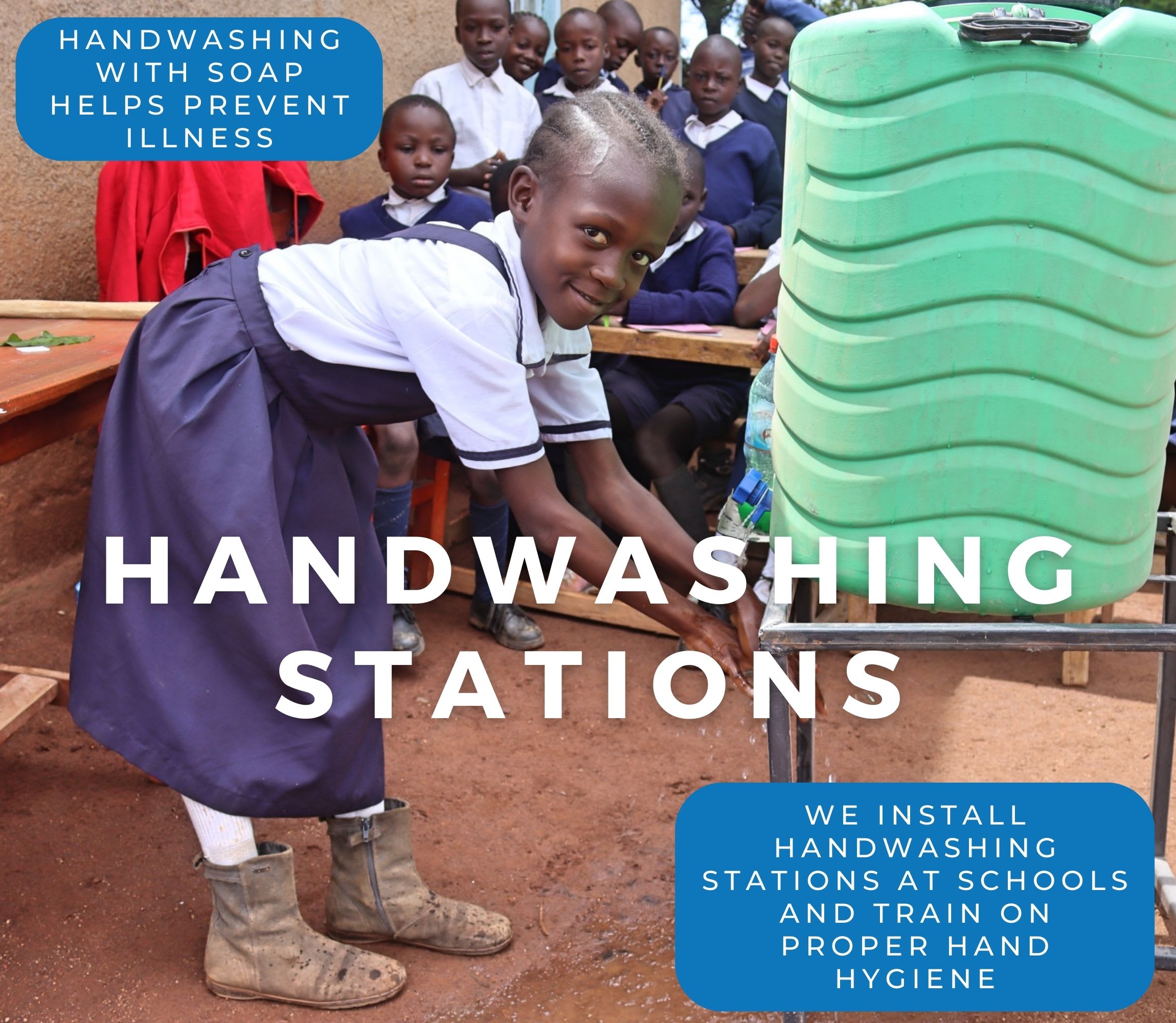
Alongside each water source, we install two gravity-fed handwashing stations, enabling everyone at the school to wash their hands. Handwashing is crucial for preventing water-related illnesses within the school and community. Student “health clubs” maintain the stations, fill them with water, and supply them with soap, which we often teach them how to make.
School Education & Ownership
Hygiene and sanitation training are integral to our water projects. Training is tailored to each school's specific needs and includes key topics such as proper water handling, improved hygiene practices, disease transmission prevention, and care of the new water point.
To ensure a lasting impact, we support forming a student health club composed of elected student representatives and a teacher. These clubs promote hygiene practices schoolwide and keep handwashing stations well-stocked. This student-led model encourages a sense of ownership and responsibility.
Safe water and improved hygiene habits foster a healthier future for the entire school.