 Rainwater Catchment
 Rehabilitation Project










Kamathitu Primary School has served the Kamathitu Community since 1981, giving local children access to education. In that time, the school has grown - but one problem has never gone away: a lack of water. The 179 students and teachers at the school currently still have the same issue: they do not have enough water to meet their daily needs.
For now, the school relies on rainwater that collects in a too-small rain tank. It inevitably runs dry quickly. When that happens, students are expected to bring water from home or to find water wherever they can. Understandably, the water they manage to collect poses a risk to everyone who consumes it.

Students wait a turn to collect water from the rain tank.
"After rain, the water from the one (10,000 L) water tank runs dry within a few weeks, forcing the school to ration water. This affects drinking, cooking, cleaning, and handwashing, leading to poor hygiene and disruption of learning activities," reported Field Officer Jefferson Mutie.
58-year-old teacher Patrick Mutua shares how the lack of water and dependence on water from unknown sources is affecting the school's students and staff.
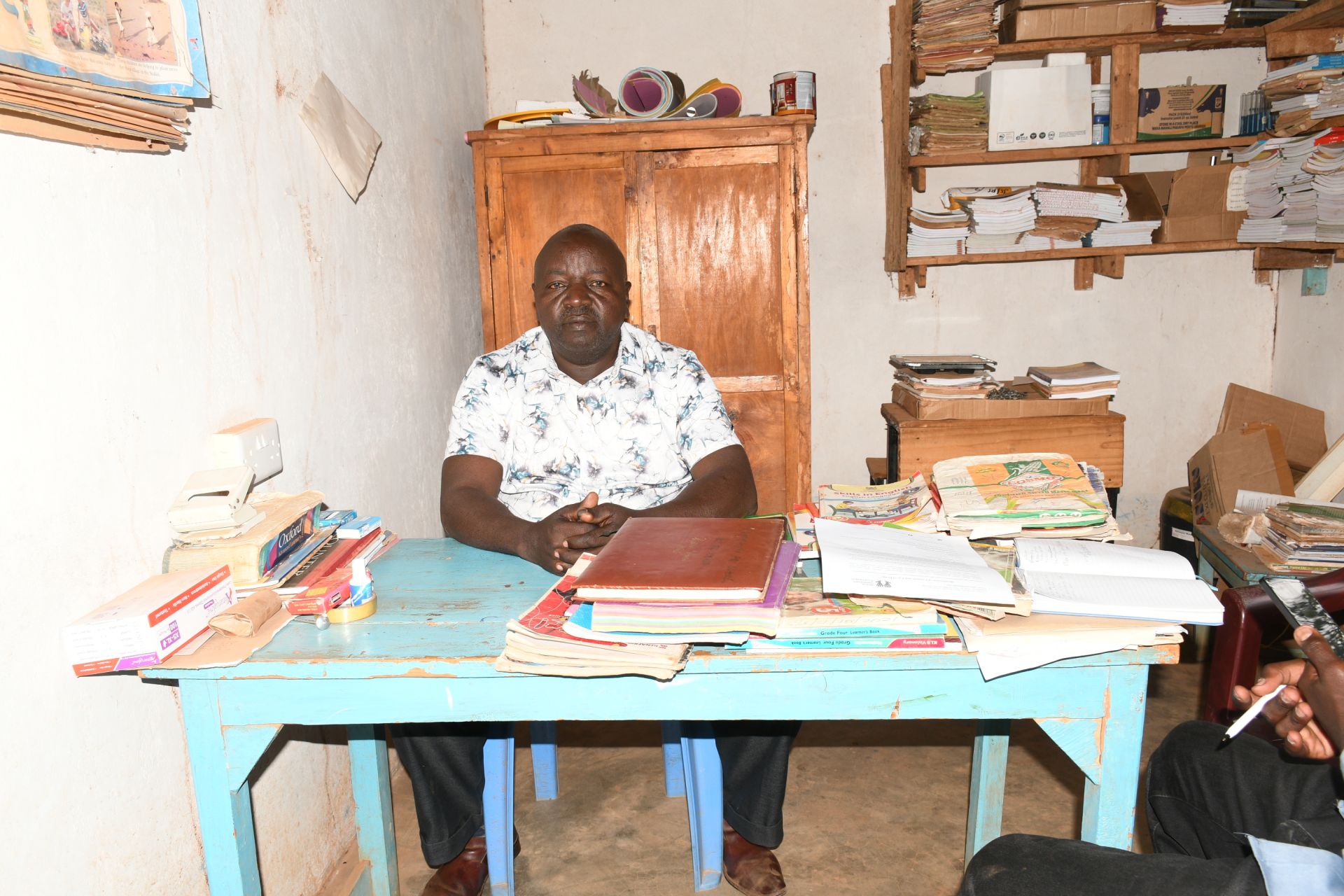
Mr. Mutua.
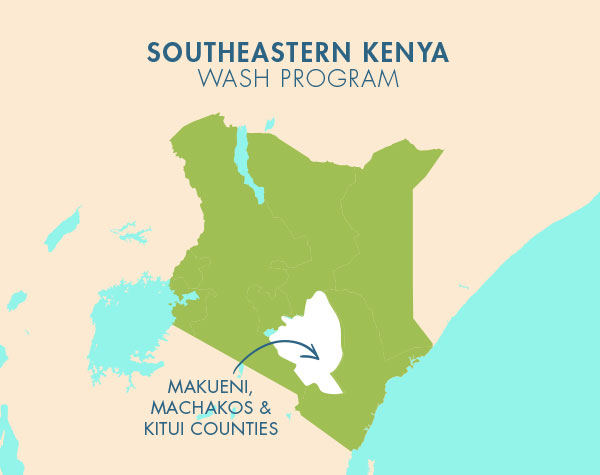
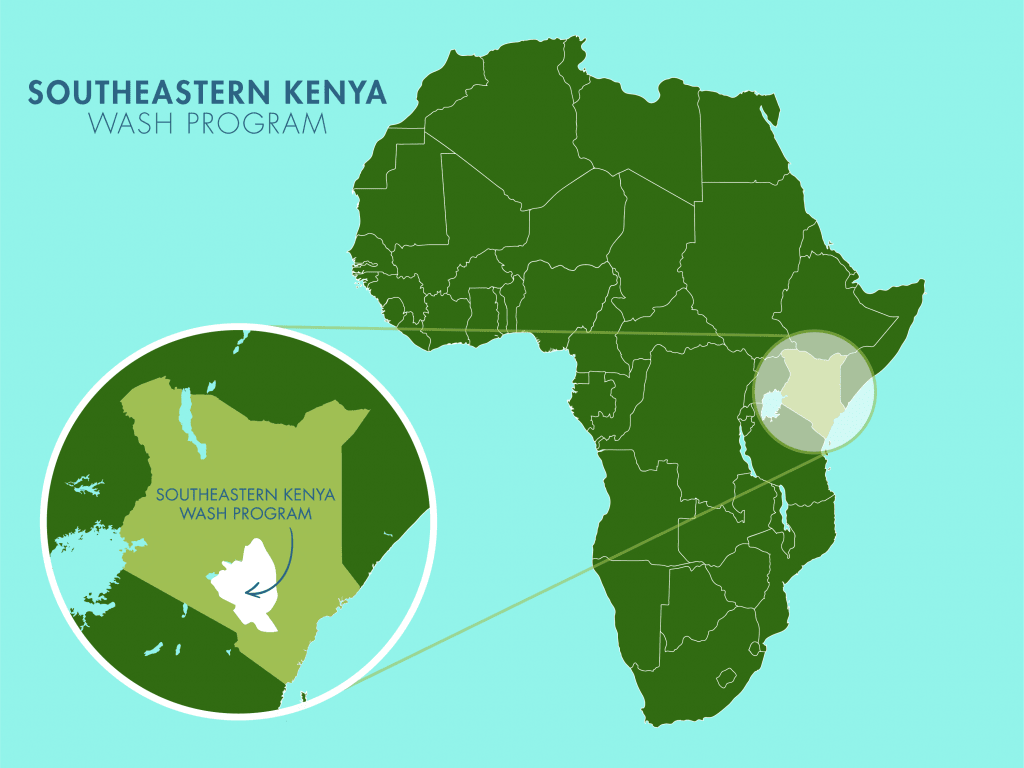
"The school is located in the arid and semi-arid lands of Kitui County, which receives little or no rainfall. The available storage tank has a very small capacity of only 10,000 liters, [which] compared to the water users; cannot sustain them," he said.
When the tank runs dry, students collect water from other sources, which brings a whole new set of problems.

"Students are expected to sacrifice their valuable play time to fetch water [from] the river, and their comfort of coming to school is fully deprived as they are requested to carry a jerrican full of water alongside a log of wood for the meals," Mr. Mutua continued.
The students are not the only ones wasting time. Teachers like Mr. Mutua must oversee the school's water rationing, which often entails leaving the classroom to manage the long lines of students waiting to collect water from the tank, settling disagreements between students who grow tired and impatient, and deciding which essential activities are most critical. It is exhausting and disheartening.
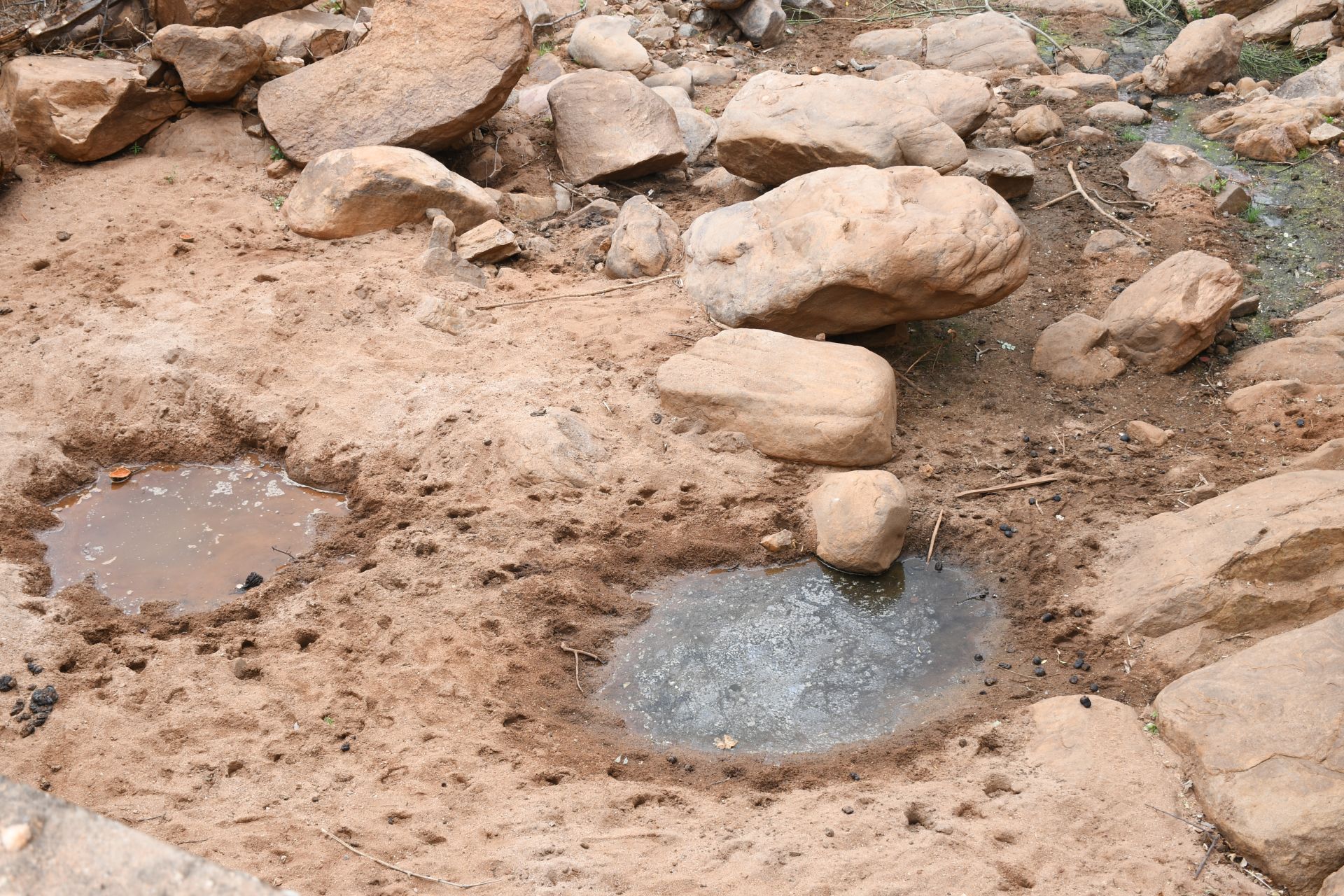
One of the water sources students collect water from: contaminated scoop holes in dry river beds.
"Just a few weeks ago, a pupil developed a severe stomachache and diarrhea after drinking unsafe water brought from home. The child missed several days of school while receiving treatment at a nearby health facility. The incident worried teachers and parents because many learners rely on unsafe water sources during dry periods, putting them at risk of waterborne diseases," said Mr. Mutua.
"It is very worrying and heartbreaking because clean water is essential for good health. When pupils drink unsafe water, they risk getting diseases that cause them to miss school and affect their learning, and given how remote our school is, getting fast treatment is also a challenge," he continued.
Gaining access to clean water is necessary for the school to move forward and for students to have the time and energy to focus on learning and building brighter futures.

"The proposed water solution will provide the school with a reliable source of clean and safe water for drinking, cooking, handwashing, and cleaning. It will reduce the time pupils spend looking for water, improve hygiene and sanitation, lower the risk of waterborne diseases, and create a better learning environment. Learners will be able to attend classes regularly and concentrate on their studies instead of worrying about water shortages in the school," shared Jefferson (quoted earlier).
Mr. Mutua definitely agrees.
He said, "[When] we get sufficient water, we will have new life, our energy will be renewed, and our lives will change forever."
Steps Toward a Solution
Schools without reliable, on-premises water access often rely on students to fetch and carry water, leading to rationing and uncertainty about water quality. The water is typically poured into a communal storage tank and used by the entire school. With children carrying water from all different sources, it is also impossible for teachers and staff to know exactly where the water comes from and how safe it is to drink.
A new water point will be located on-premises at the school to ensure accessibility, reliability, and safety for students, teachers, and staff while meeting our school coverage goals. Having water available at the school allows children to drink, wash hands, and use sanitation facilities without leaving school grounds, preventing disruptions to lessons and reducing safety risks. A dedicated source increases water availability, reduces reliance on stored water, minimizes rationing, and ensures confidence in the safety of the water. This means staff and students are healthier, and their lessons aren’t disrupted, contributing to a better education!
Our technical experts worked with the school leadership and the local community to identify the most effective solution to their water crisis. Together, they decided to construct a rainwater harvesting system.
Rainwater Harvesting System
A rainwater collection system consists of gutters that channel rainwater effectively into large holding tanks. Attached to buildings with clean, suitable roofing, these systems are sized according to the population and rainfall patterns. Water can be stored for months, allowing for easy treatment and access. Learn more
Handwashing Stations
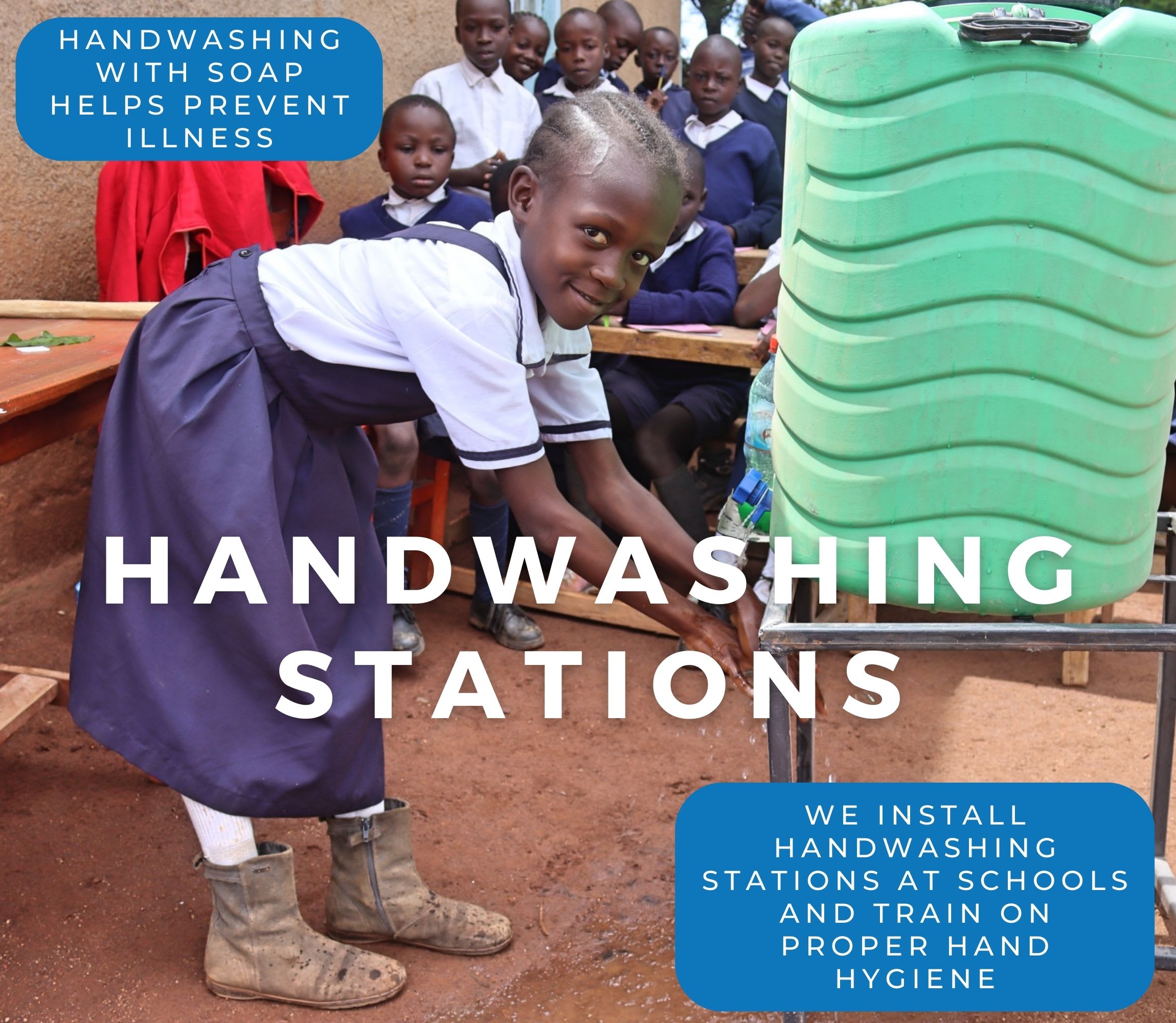
Alongside each water source, we install two gravity-fed handwashing stations, enabling everyone at the school to wash their hands. Handwashing is crucial for preventing water-related illnesses within the school and community. Student “health clubs” maintain the stations, fill them with water, and supply them with soap, which we often teach them how to make.
School Education & Ownership
Hygiene and sanitation training are integral to our water projects. Training is tailored to each school's specific needs and includes key topics such as proper water handling, improved hygiene practices, disease transmission prevention, and care of the new water point.
To ensure a lasting impact, we support forming a student health club composed of elected student representatives and a teacher. These clubs promote hygiene practices schoolwide and keep handwashing stations well-stocked. This student-led model encourages a sense of ownership and responsibility.
Safe water and improved hygiene habits foster a healthier future for the entire school.