 Rainwater Catchment

 Rehabilitation Project

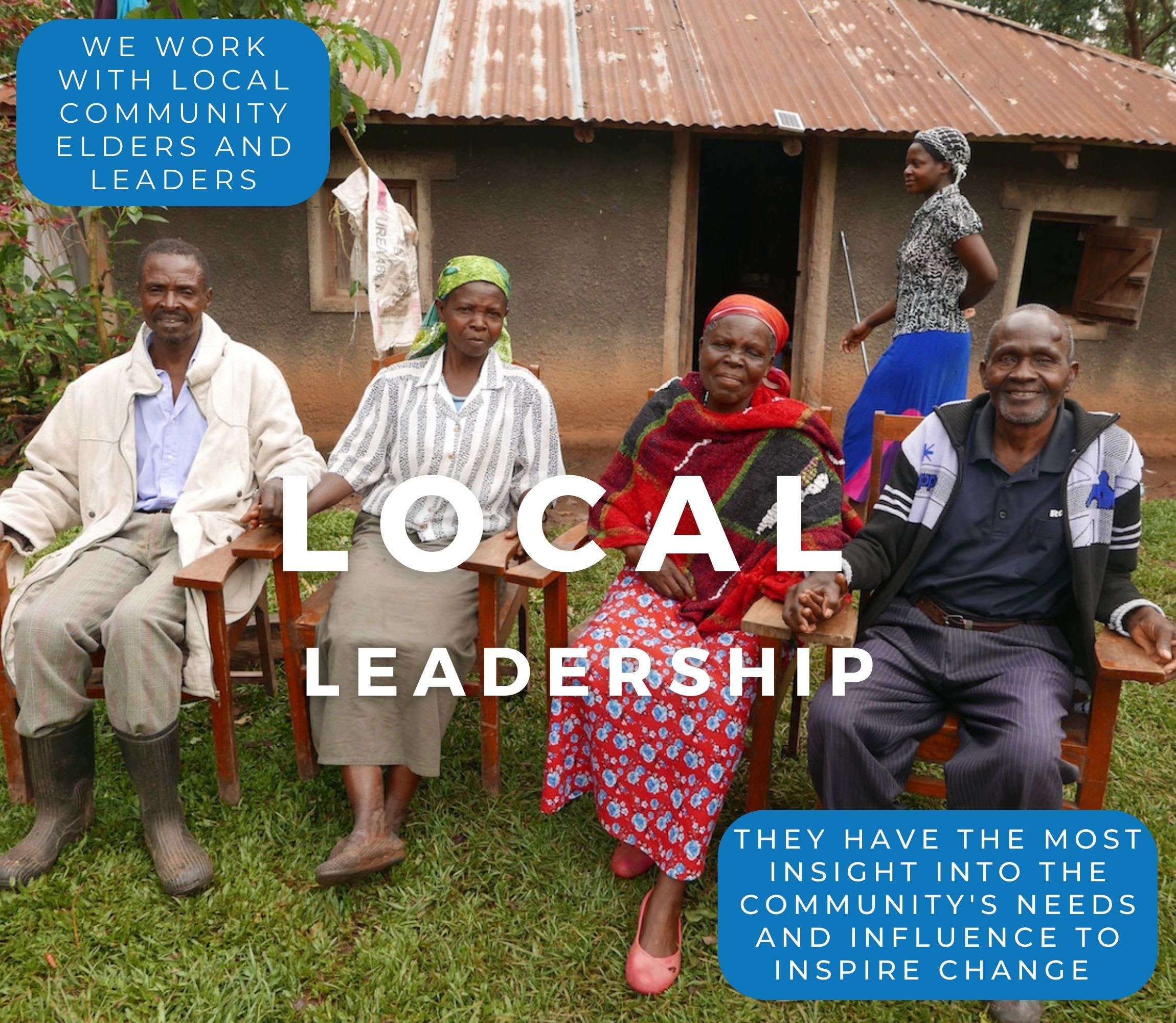




This project is part of IcFEM's WaSH program, which includes multiple water source schemes as well as substantial community level hygiene promotion, and training on project operation and maintenance.
What follows is a brief project outline direct from our partner:
Brief Background: The school is situated in Lusokho village, Karima sub-location, Mbakalo location in Bungoma County. The locals are mainly subsistence farmers growing crops like maize, beans, tomatoes, vegetables and keeping of livestock to sustain their families.
The area is endowed with sufficient amounts of rainfall (between 750mm and 1,500mm per annum). However, availability of water for domestic use is a major challenge to the residents who rely on wells and seasonal rivers to get water.
Lusokho Primary school is a new school with about 1,250 pupils; a large number considering that the school has no water within its compound. The pupils get water from a spring 3 kilometres away from the school. Sanitation and hygiene are therefore a long shot for the locals and the school community. (Editor's Note: While this many people may have access on any given day, realistically a single water source can only support a population of 350-500 people. To learn more, click here.)
The LTU benefited from the WASH training in the first Phase but the integration of the lessons learnt is dependent on availability of water. The residents have received the news of the possibility of doing a water harvesting project in the school with great joy and relief.