
Project Status


Project Type:  Sand Dam

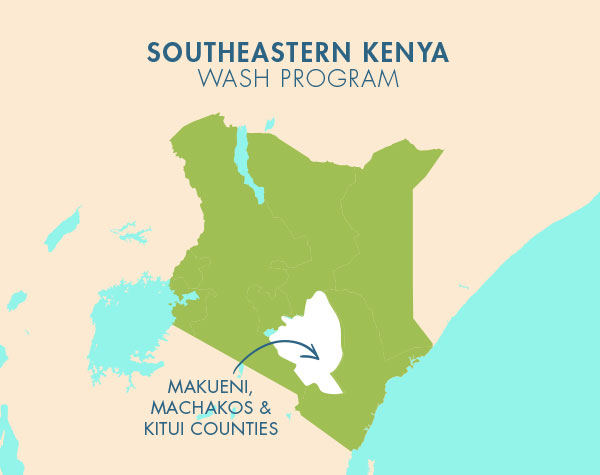
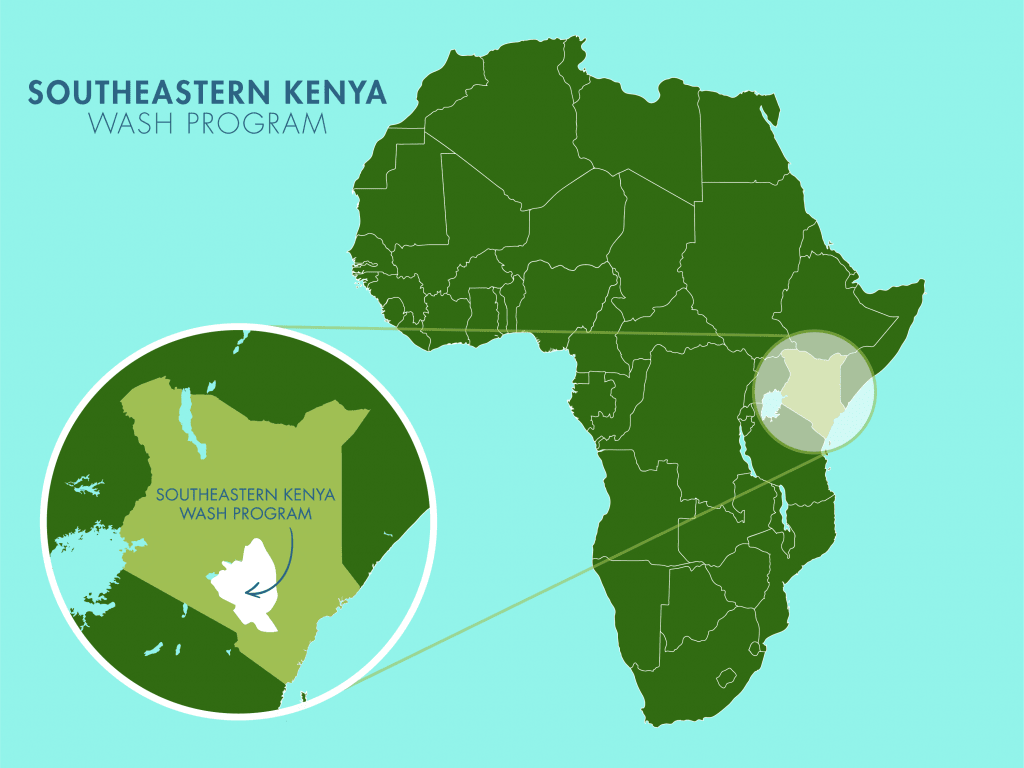
Regional Program: Southeastern Kenya WaSH Program

Impact: 300 Served

Project Phase:  In Service - May 2026

Functionality Status:  Functional

Project Features


Click icons to learn about each feature.


The community of Kamunyu has a large population of 8,600 people who primarily rely on agriculture to sustain themselves. Understandably, water is critical for agricultural ventures to succeed. However, the people living in Kamunyu face a daily water crisis that makes success in their endeavors difficult.

Community members have two available water sources: open, contaminated scoop holes dug into dry river beds or an unprotected dug well. They are not ideal solutions since both sources provide unsafe water and are hours away, but without an alternative, they have no other option.

Collecting water from a scoop hole.

"The community’s reliance on a distant water source means people, often women and children, must travel long distances on foot. These long walks, combined with difficult terrain and high temperatures, can lead to physical exhaustion or dehydration, increasing the risk of injuries or even heatstroke," shared Field Officer Alex Koech.

"The difficulty of accessing water from distant or challenging locations often means that individuals, particularly women and children, spend a disproportionate amount of time and energy fetching water. This labor could otherwise be directed towards education, economic activities, or rest, impacting overall community productivity and personal well-being. The strain of dealing with inadequate water supplies can lower the overall quality of life. Families might struggle with basic hygiene, affecting not just [their] health but also overall comfort and dignity. Poor water access can also contribute to a general sense of insecurity and stress within the community," continued Alex.

The unprotected dug well.

50-year-old farmer Patrick Nzuki is familiar with the daily struggle.

"Water is very crucial to me because I need water to drink, cook, and even for my cattle and goats. Being a farmer, I also need water for my crops, which helps me earn an income," said Mr. Nzuki.

"We live in a very dry area and experience very little rainfall; that is why our water sources quickly dry up. Walking to the scoop hole under the burning sun involves steep hills and rocky paths, which are risky because one can hurt himself," Mr. Nzuki continued.

Patrick Nzuki.

Field Officer Alex Koech described how installing a sand dam in this community would help resolve Mr. Nzuki's water crisis.

"A sand dam captures and stores rainwater, allowing it to percolate through sand and recharge groundwater. This provides a more reliable and sustainable water source, reducing the distance and effort required to fetch water. By storing water in sand, sand dams naturally filter out contaminants, improving the quality of the water compared to open, surface [water] sources."

Solving the water crisis in this community will require a multifaceted system that will work together to create a sustainable water source that will serve this community for years to come.

Steps Toward a Solution

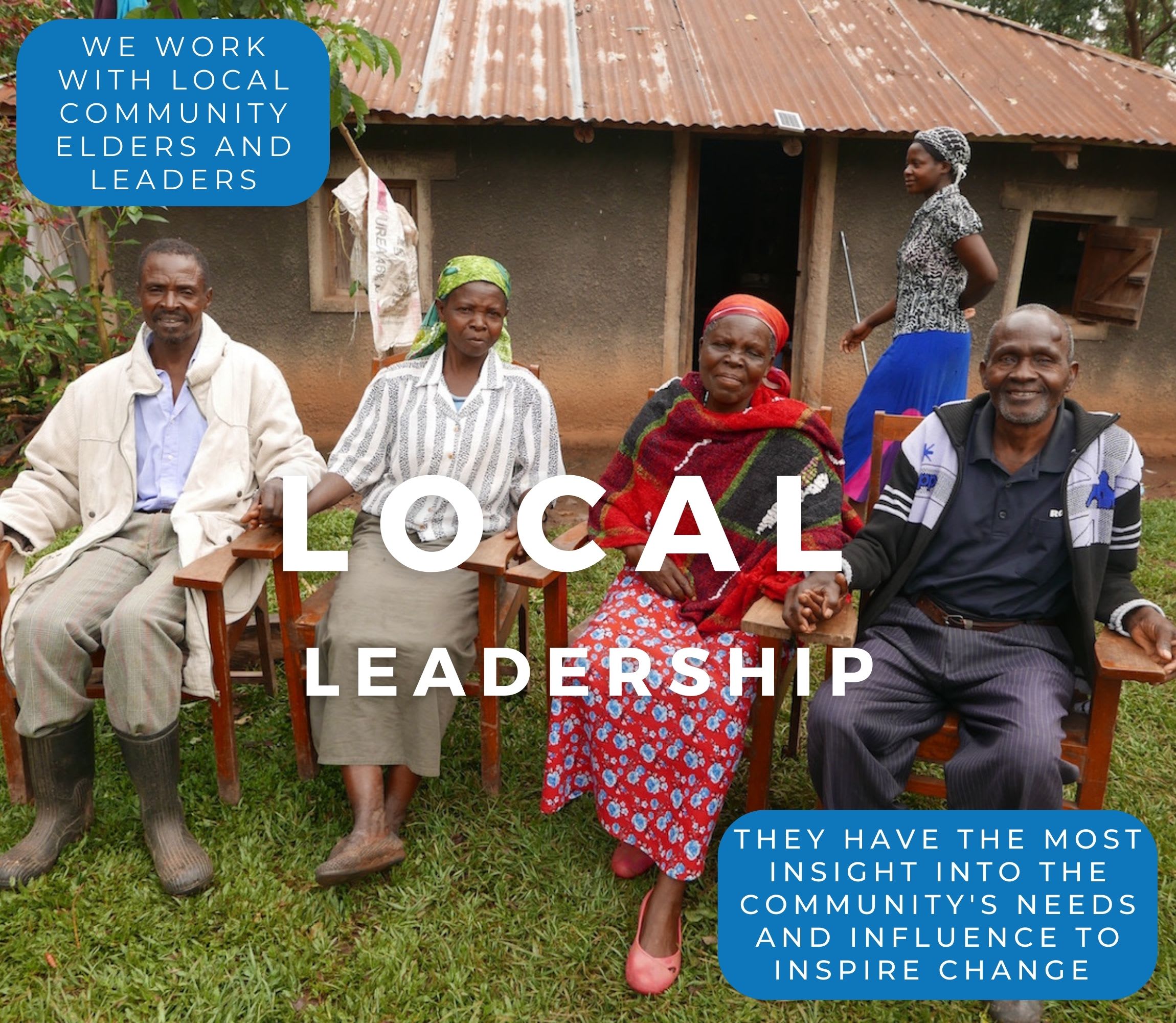
Our technical experts worked with the local community to identify the most effective solution to their water crisis. Together, they decided to construct a sand dam and dug well.

Sand Dam
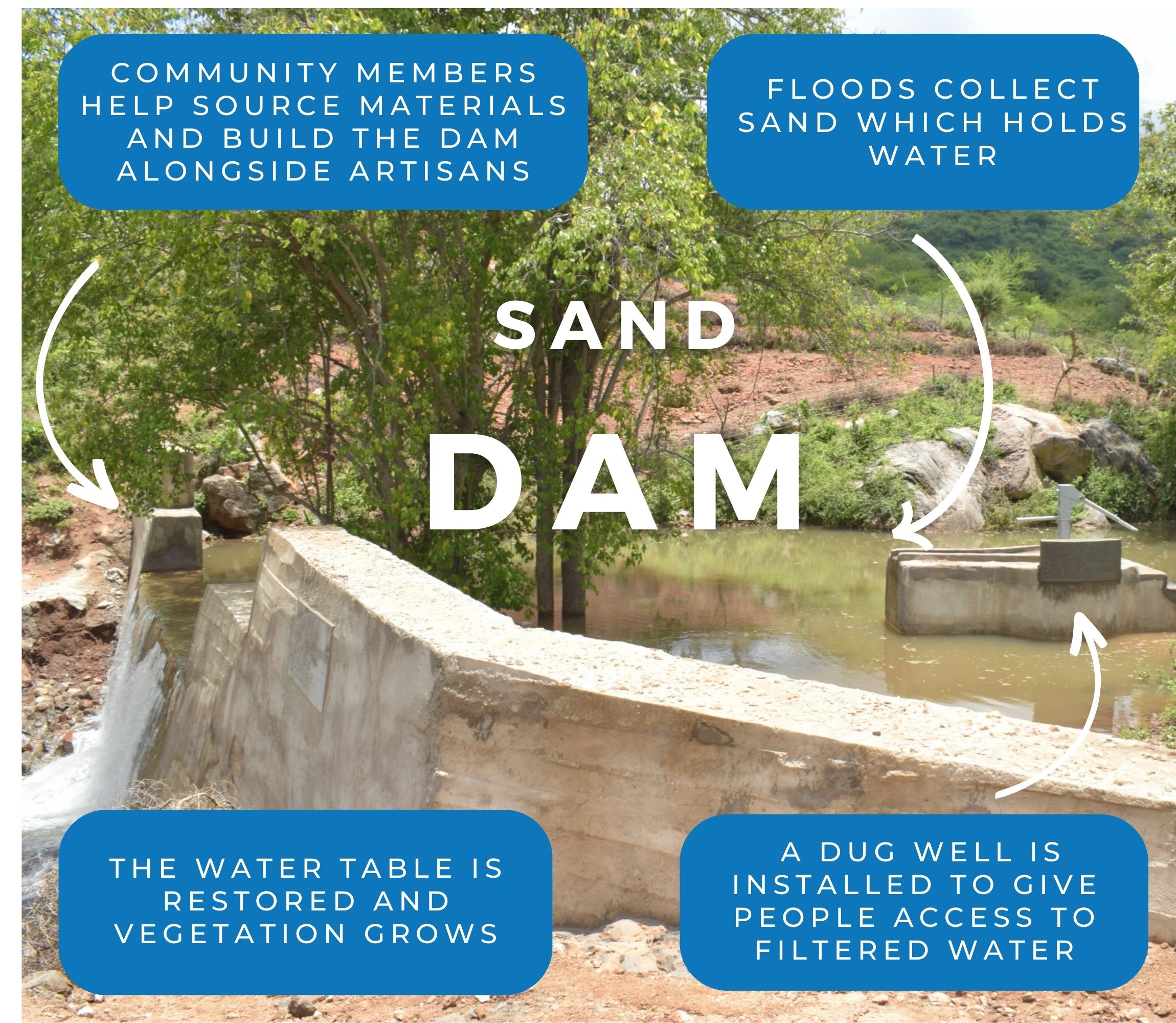
Sand dams are sought-after, climate-smart, and lasting water solutions providing hope and resilience to communities in arid Southeastern Kenya. Think of them like giant sandboxes constructed in seasonal rivers that would typically quickly dry up after the rainy season. Instead of holding water like traditional dams, they collect sand and silt.

When infrequent rains do come, these dams catch a percentage of the river's flow, letting most of the water continue downstream to other communities. But here's the magic: the sand they collect acts like a natural filter, holding onto water long after the river's gone dry. Then, wells are constructed nearby, creating a reliable water source even during the driest times.

And the benefits don't stop there! In communities impacted by climate change, sand dams replenish groundwater and prevent soil erosion. Even during severe droughts, the consistent water supply from these sand dams allows farmers to thrive, giving way for enough food not only for their families but also to sell in local markets.

The most remarkable aspect of sand dams is how they involve the local community every step of the way, giving them a sense of ownership and pride in solving their own water shortage and managing their own water resources.

This sand dam will be connected to a dug well to make the water more accessible.

Community Education & Ownership
Hygiene and sanitation training are integral to our water projects. Training is tailored to each community's specific needs and includes key topics such as proper water handling, improved hygiene practices, disease transmission prevention, and care of the new water point. Safe water and improved hygiene habits foster a healthier future for everyone in the community. Encouraged and supported by the guidance of our team, a water user committee representative of the community's diverse members assumes responsibility for maintaining the water point, often gathering fees to ensure its upkeep.
Project Updates


May, 2026: Kamunyu Community Sand Dam Complete!

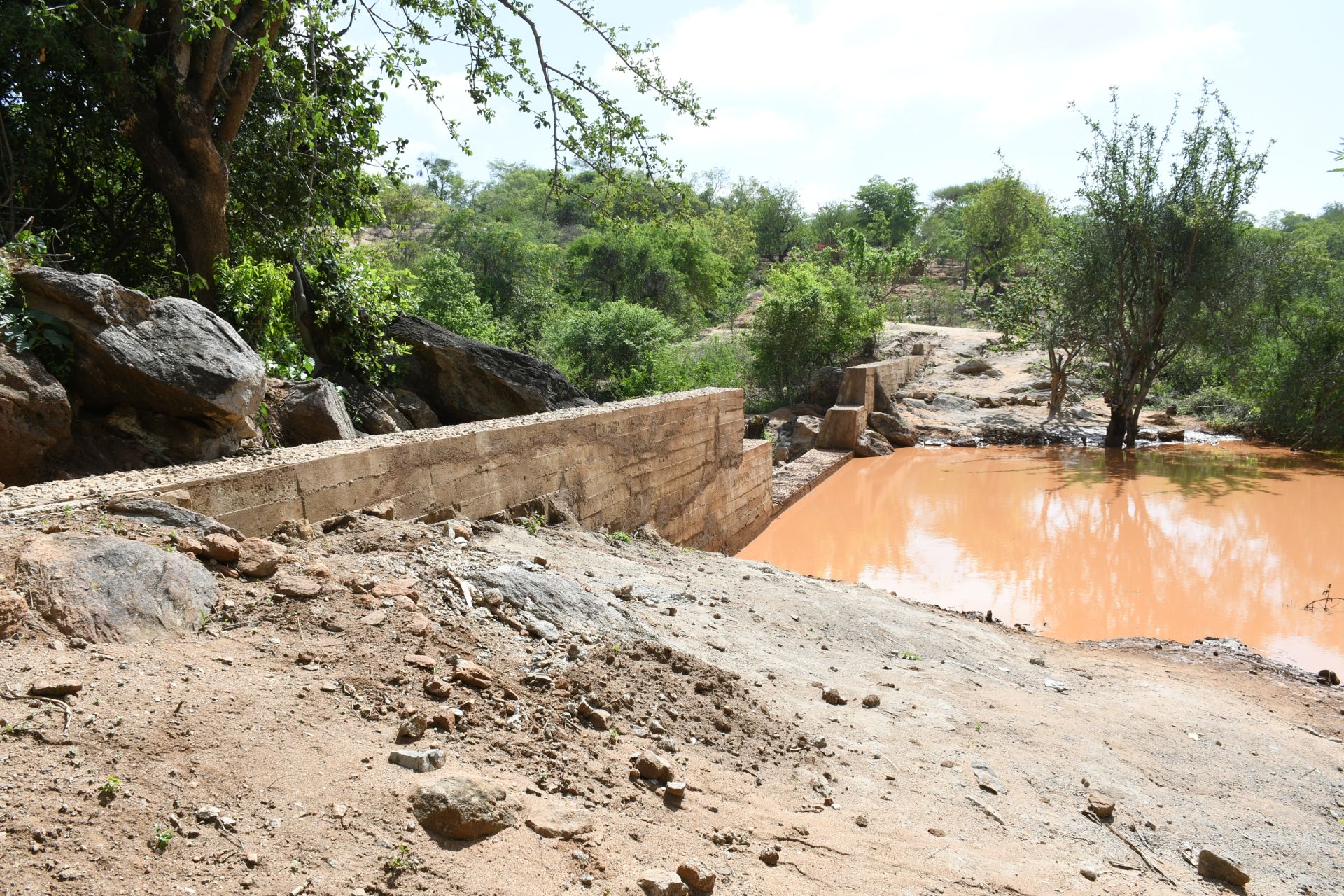
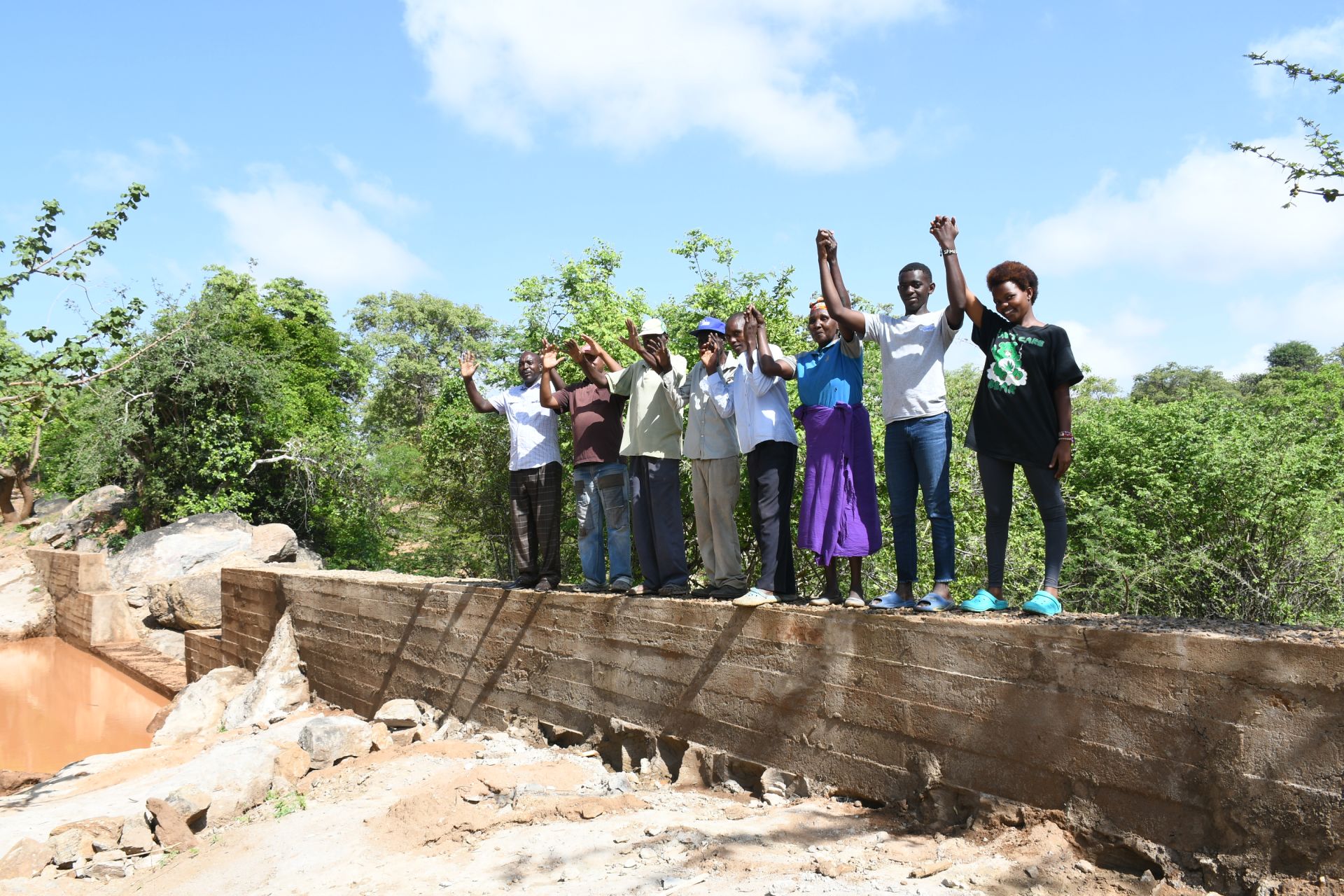
Kamunyu, Kenya now has access to a new water source thanks to your donation! We constructed a sand dam on the riverbed, which will raise the water table and allow the water to naturally filter over time. We also built a new protected dug well with a hand pump adjacent to the sand dam, providing the community with a safer method to draw the drinking water supplied by the dam.

"At my age, walking long distances to fetch water has been very difficult and exhausting. Before, we depended on an open and deep shallow well that was not safe, and sometimes the water was dirty and could cause diseases like typhoid and amoeba. It was also risky because someone could easily fall in. During the dry season, the water would [be] reduced, and we had to compete with many people. This new water point will help solve those problems by bringing clean and safe water closer to us. It will reduce the long hours we used to spend walking and give us more time to rest and do other productive activities," said Mutuo Nzoka, a 73-year-old farmer.

Mutuo Nzoka.

"With water now closer, our children and grandchildren will have more time to focus on their education instead of spending many hours fetching water. They can use that time for private studies and improving their performance in school. As for us, we can now plan to grow vegetables, bananas, and even sugarcane, and also start a tree nursery. These activities will help us improve our livelihoods and give us hope for a better future," Ms. Nzoka continued.

Sand Dam Construction

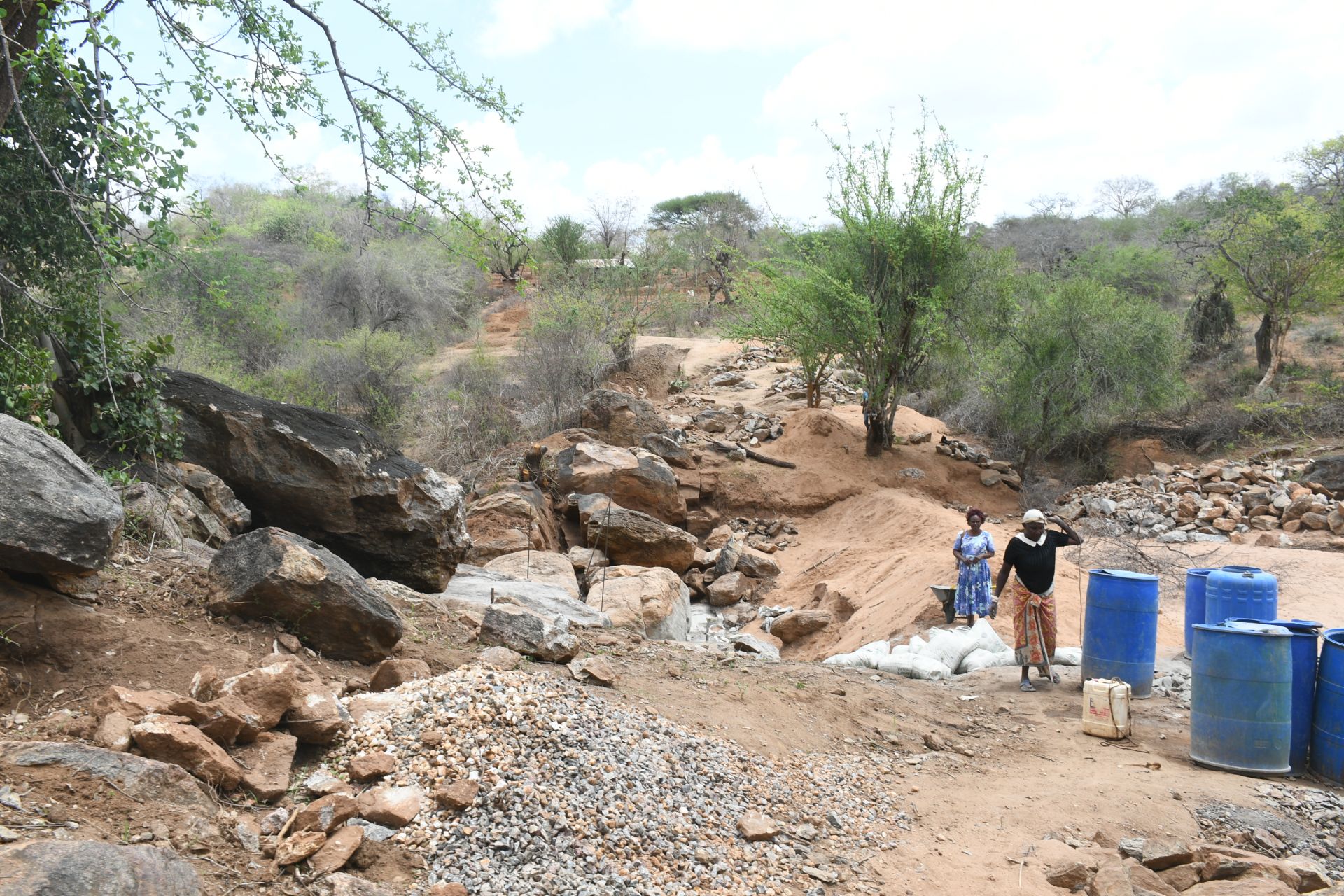
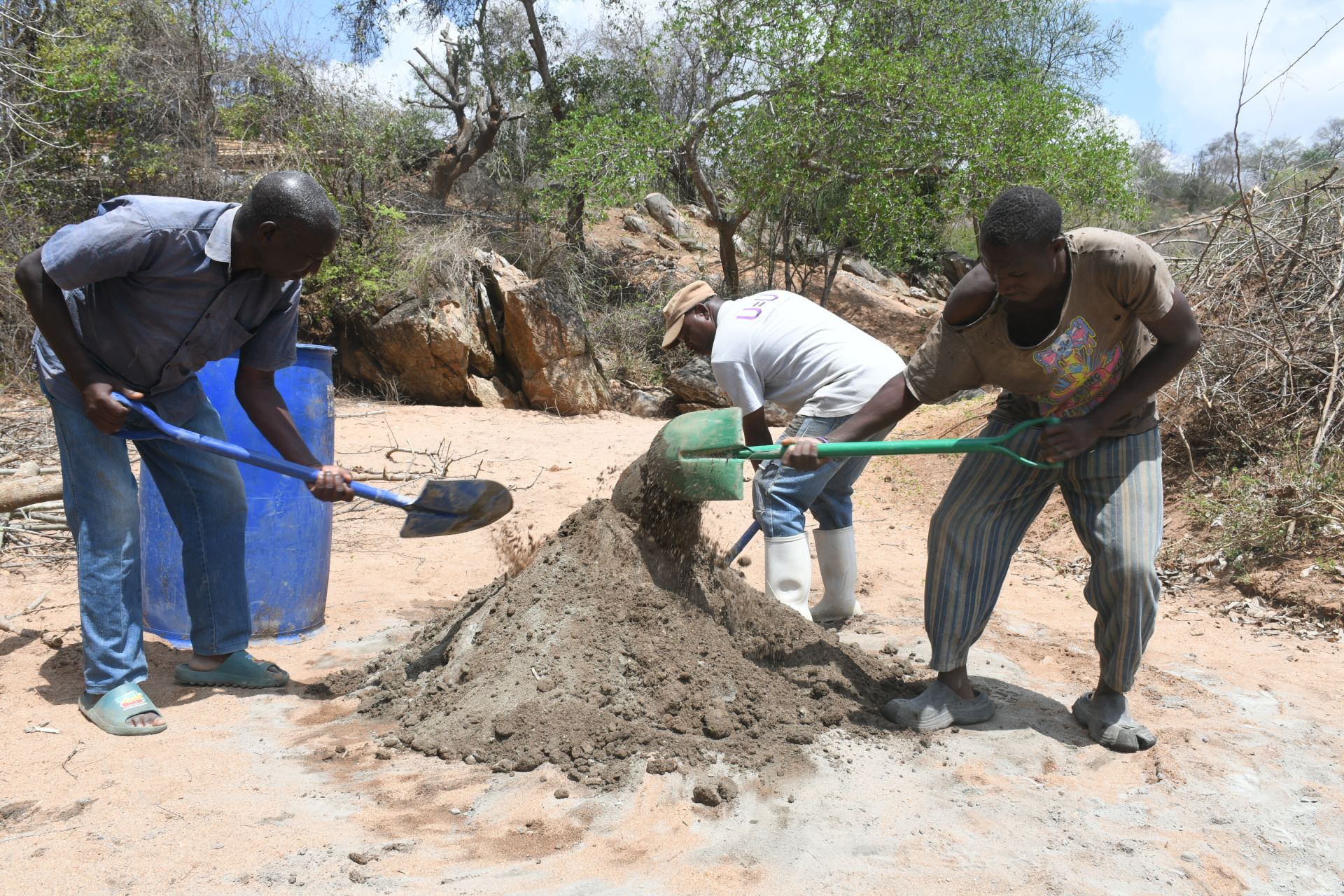
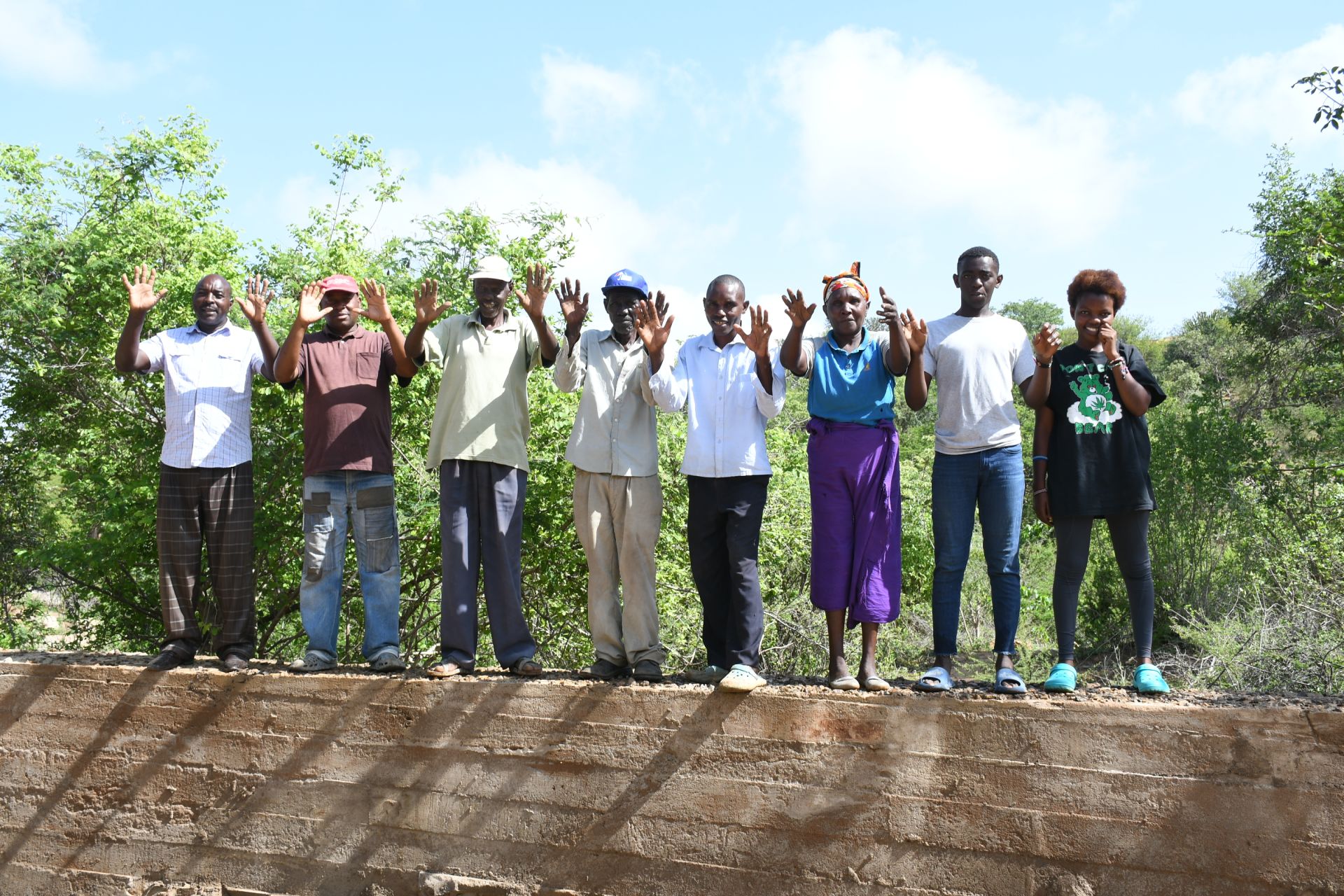
The members of the Kamunyu Mutwasya River Self-Help Group collected all the local materials, such as rocks and sand, required to complete the dam. The collection of raw materials takes longer than the actual construction, lasting up to four months for a large sand dam. The group also dedicated a tremendous amount of time to supporting our artisans through physical labor throughout the project.

First, our team developed the siting and technical designs, which were then presented to the Water Resources Management Authority. We then sent a survey to the National Environment Management Authority for approval before beginning construction.

Establishing the bedrock for the sand dam.

Once the plans were approved, we established a firm base for the sand dam wall. Usually, this requires the community to dig all the way down to the bedrock beneath the river channel. In the absence of good bedrock, we excavate to a depth at which the ground is compact enough to stop seepage.

Next, we heaped mortar (a mixture of sand, cement, and water) into the foundation, followed by the addition of rocks. We then used barbed wire and rebar to reinforce the mixture.

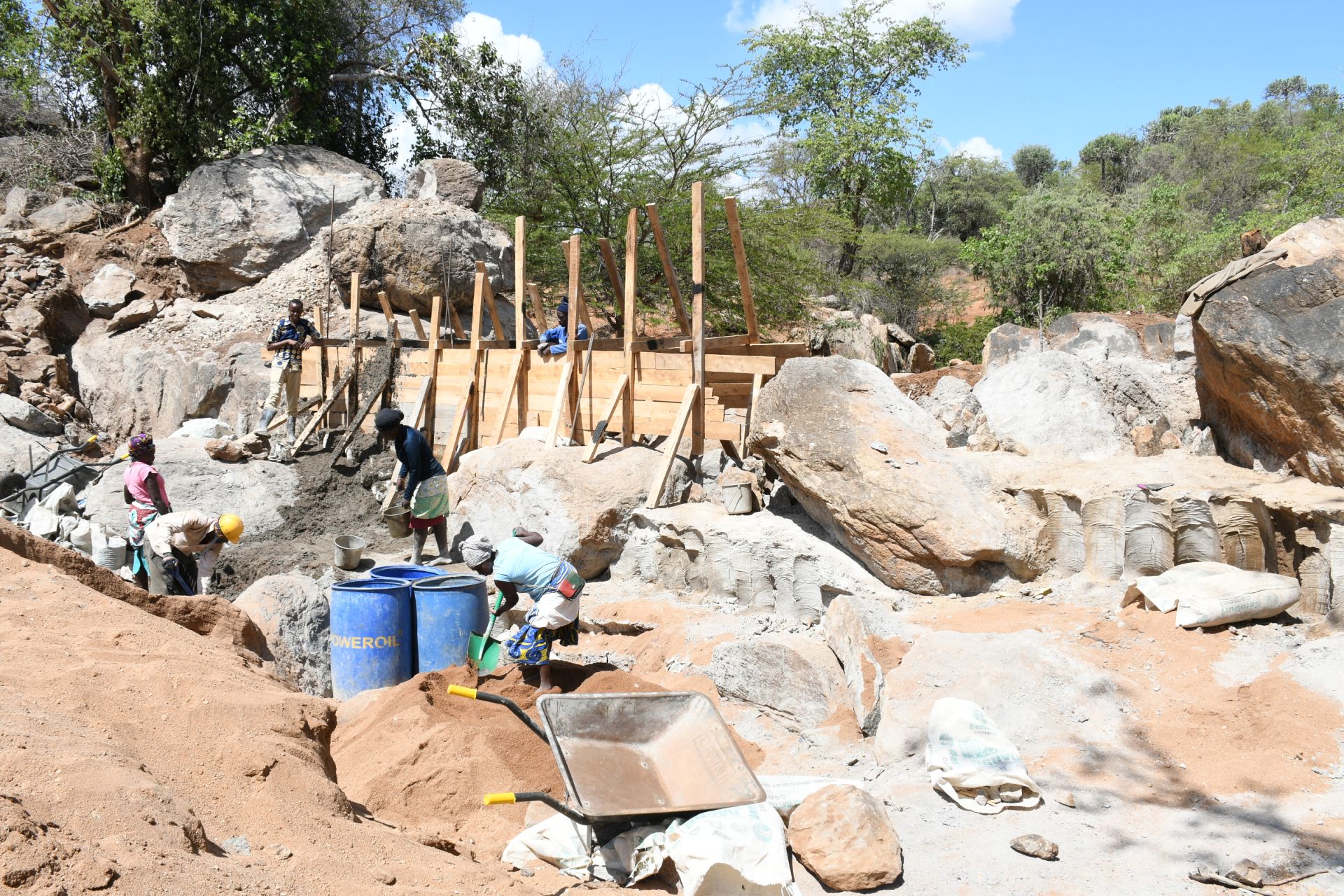
Once the foundation was complete, we built a timber skeleton to hold the structure above ground level. We repeated the process until reaching a sufficient height, width, and length.

Building the dam structure.

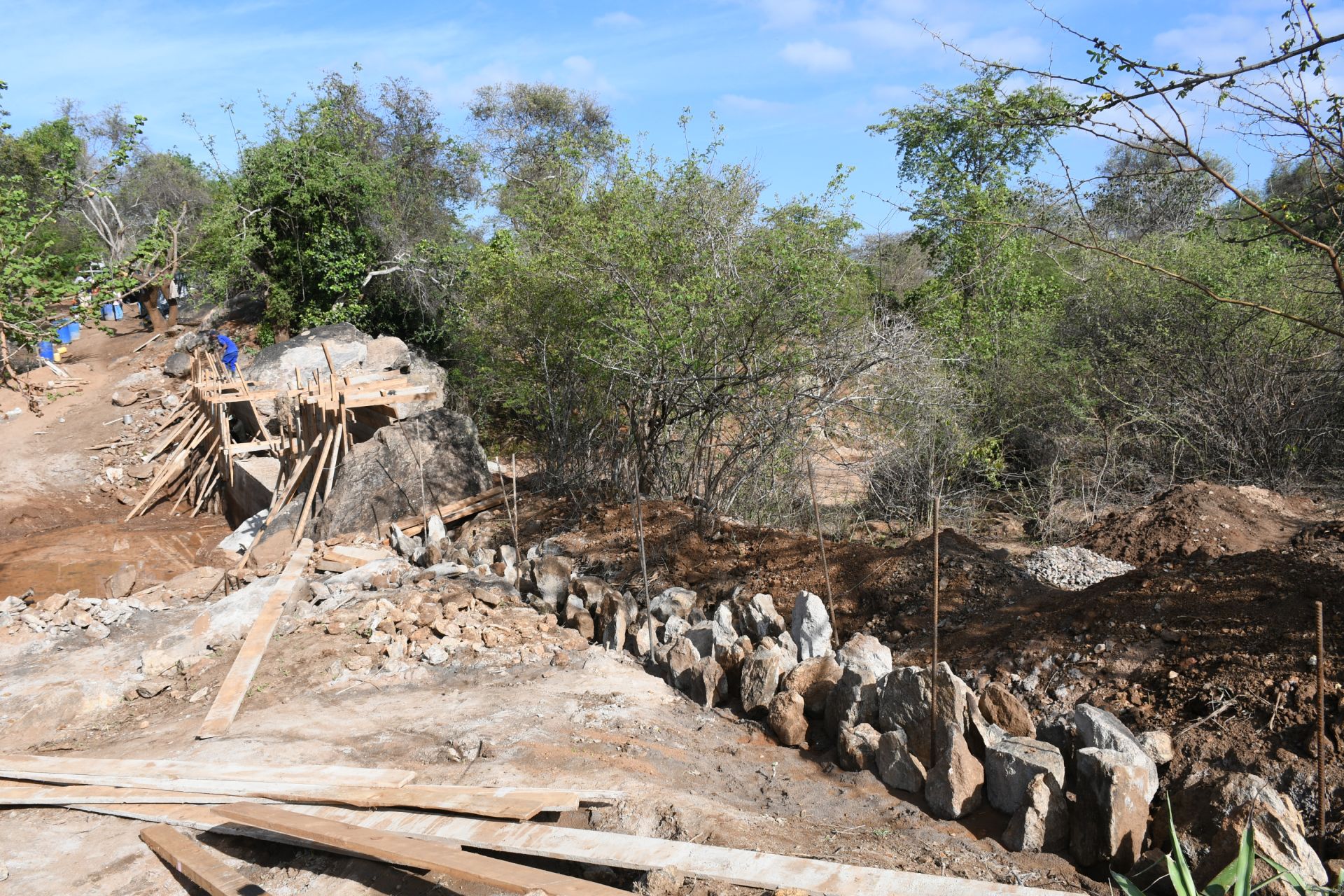
Finally, we dismantled the vertical timber beams and left the dam to cure. This dam measures 59 meters long and 3 meters high and took 580 bags of cement.

When the rains come, sand and silt will be carried down the dry riverbed and build up behind the dam wall. This reservoir of sand acts as a giant natural filter, allowing rainwater to seep into the ground and raise the water table. With this water, the surrounding landscape will become lush and fertile, and the well will provide the community with drinking water. It could take up to three years of rain for this sand dam to reach its maximum capacity, because in this region, it sometimes only rains once a year!

Community Education

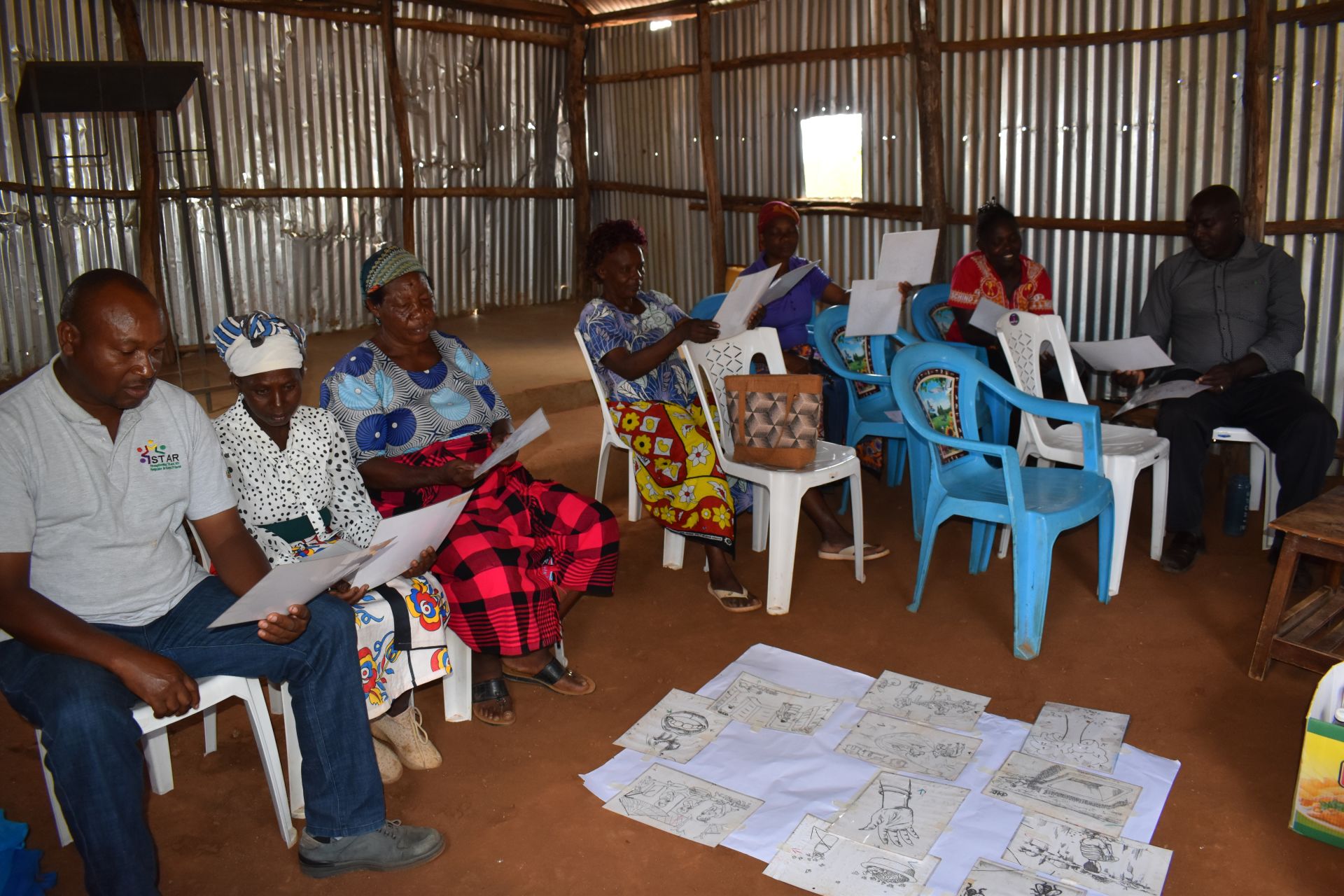
Our trainer collaborated with the field staff and community members to identify areas where the community could improve.

"The members who had attended the training showed great interest in the training and asked a lot of questions. They also did an action plan and promised to adhere to what they had written on it. A change is guaranteed in this group as far as hygiene and sanitation are concerned," reported Field Officer Veronica Matolo.

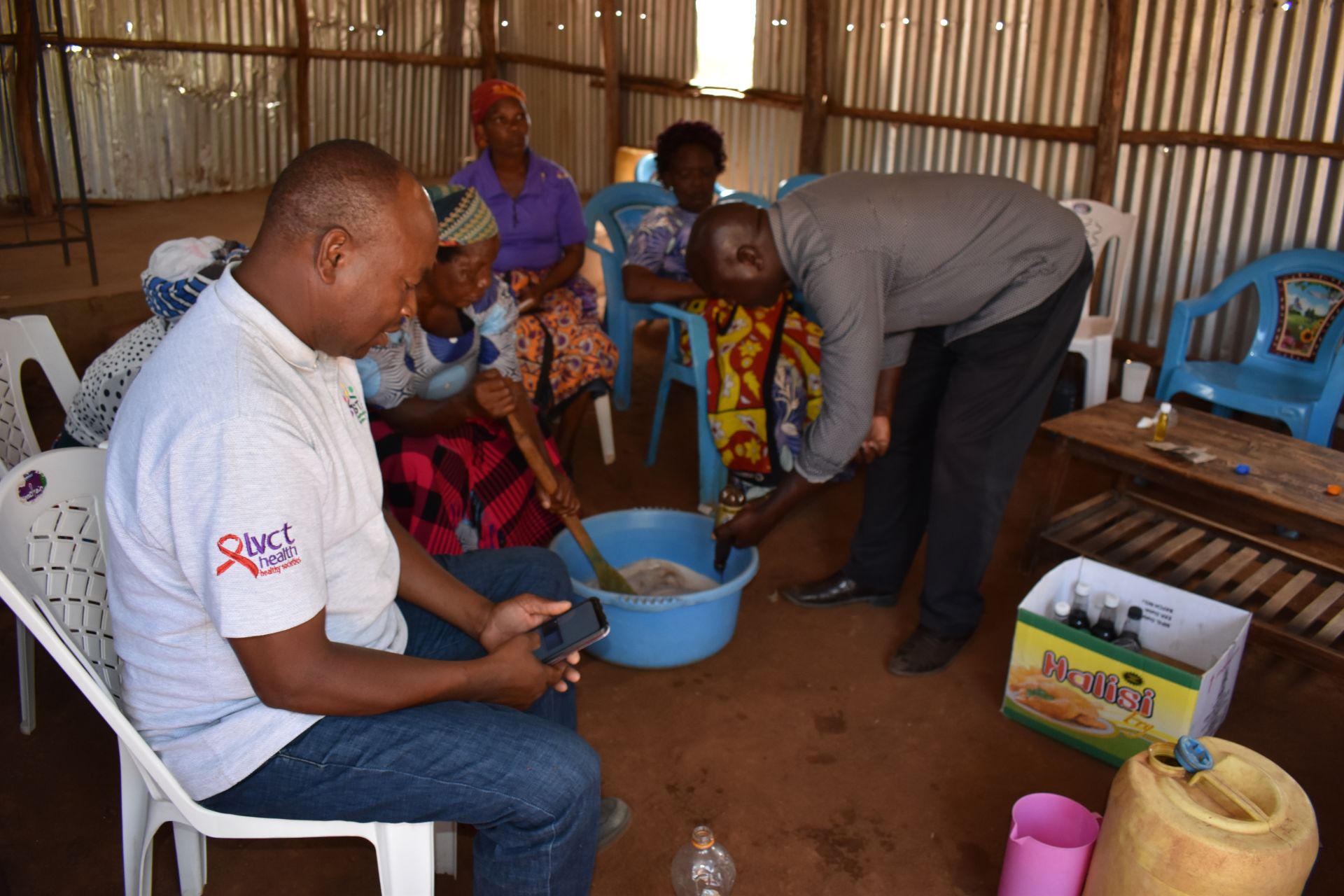
We trained the group on various skills, including bookkeeping, financial management, project management, group dynamics, and governance. We conducted hygiene and sanitation training to teach skills such as soap and detergent making and to improve habits, including handwashing.

Learning to make soap.

We covered health problems in the community, including good and bad hygiene habits, as well as the prevention of disease. Finally, we covered both natural resource management and the operation and maintenance of the sand dam.

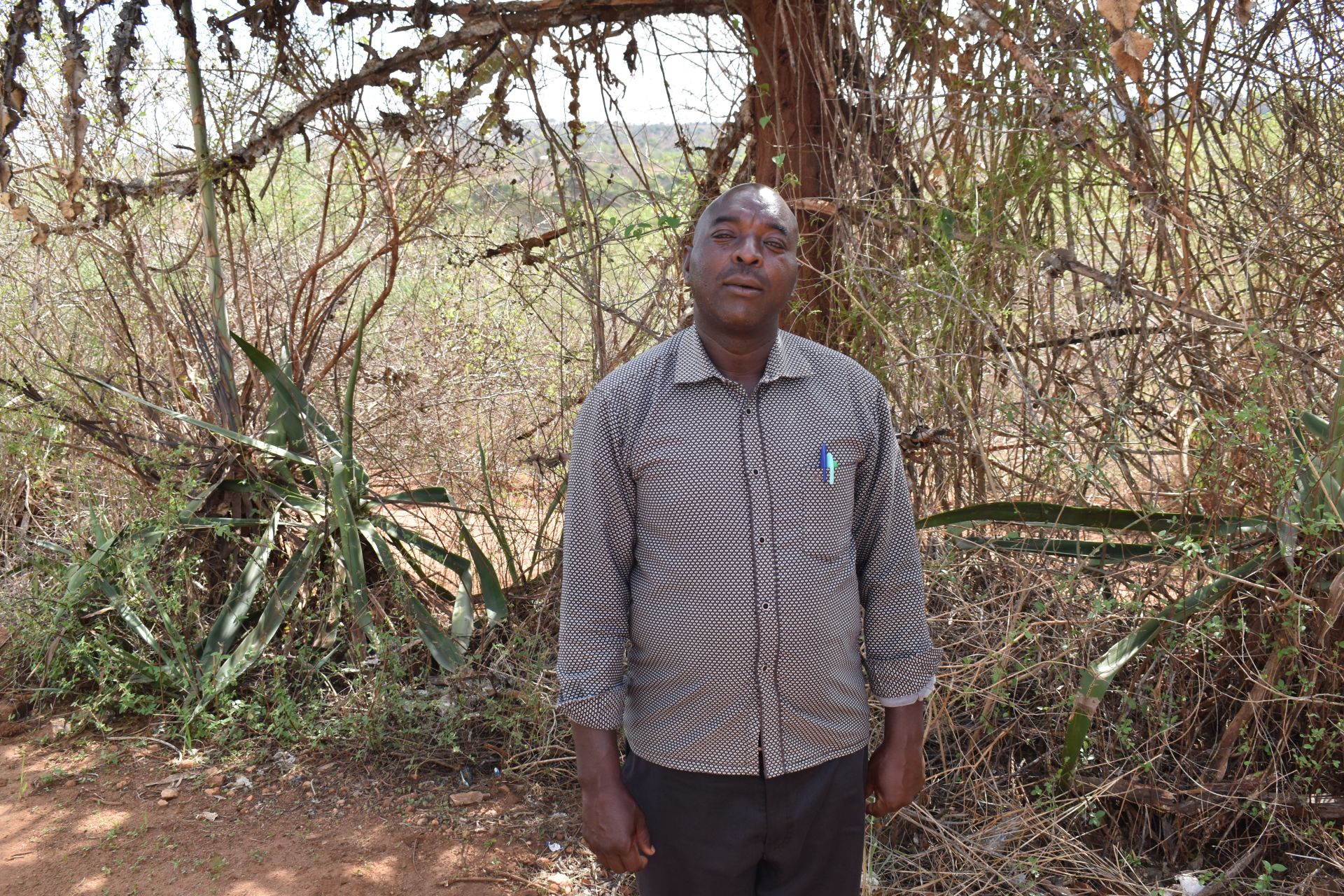
Mr. Ngandi.

"This training has strengthened my understanding that hygiene is not just an individual responsibility but a community effort. It reminded us that consistent practices, like proper waste disposal, handwashing, and keeping our surroundings clean, can greatly reduce disease. I have seen that when people take these lessons seriously, the whole community benefits. It has also encouraged us to involve new members so that everyone is aligned and practicing the same standards," said Patrick Ngandi.

Thank you for making all of this possible!


Update photo


February, 2026: Exciting Progress in Kamunyu Community!

We’re thrilled to share that, thanks to your generous support, significant change is coming for Patrick and the entire Kamunyu Community. Construction has begun on the sand dam project, bringing them one step closer to having clean, reliable water.

But that's not all—during construction, we’re also providing vital health training. These sessions equip the community with essential hygiene practices, ensuring that the benefits of clean water extend to lasting health improvements.

We’re so grateful for your role in making this possible. Stay tuned for more updates—soon, we’ll be celebrating the arrival of safe water in the Kamunyu Community!


Update photo


Project Photos


Project Type

Sand dams are huge, impressive structures built into the riverbeds of seasonal rivers (rivers that disappear every year during dry seasons). Instead of holding back a reservoir of water like a traditional dam would, sand dams accumulate a reservoir of silt and sand. Once the rain comes, the sand will capture 1-3% of the river’s flow, allowing most of the water to pass over. Then, we construct shallow wells on the riverbank to provide water even when the river has dried up, thanks to new groundwater reserves. Learn more here!


Contributors

7 individual donor(s)