 Solar Pump
 Rehabilitation Project








In 2020, we protected the Peter Majoni Spring for the 280 people living in Shihome. We are thrilled to report that, seven years later, community members still collect ample water from its three flowing taps.

Although the spring protection was a positive improvement for the community, they are currently facing two significant issues: the community population has grown to 365, increasing water demand, and collecting water still requires a physically demanding trip to the spring.
Those living on the outskirts of the community are especially affected because they are unable to access and collect water from the spring in a reasonable amount of time, as the distance is too great for them to quickly collect water and return home without it affecting their daily routines.
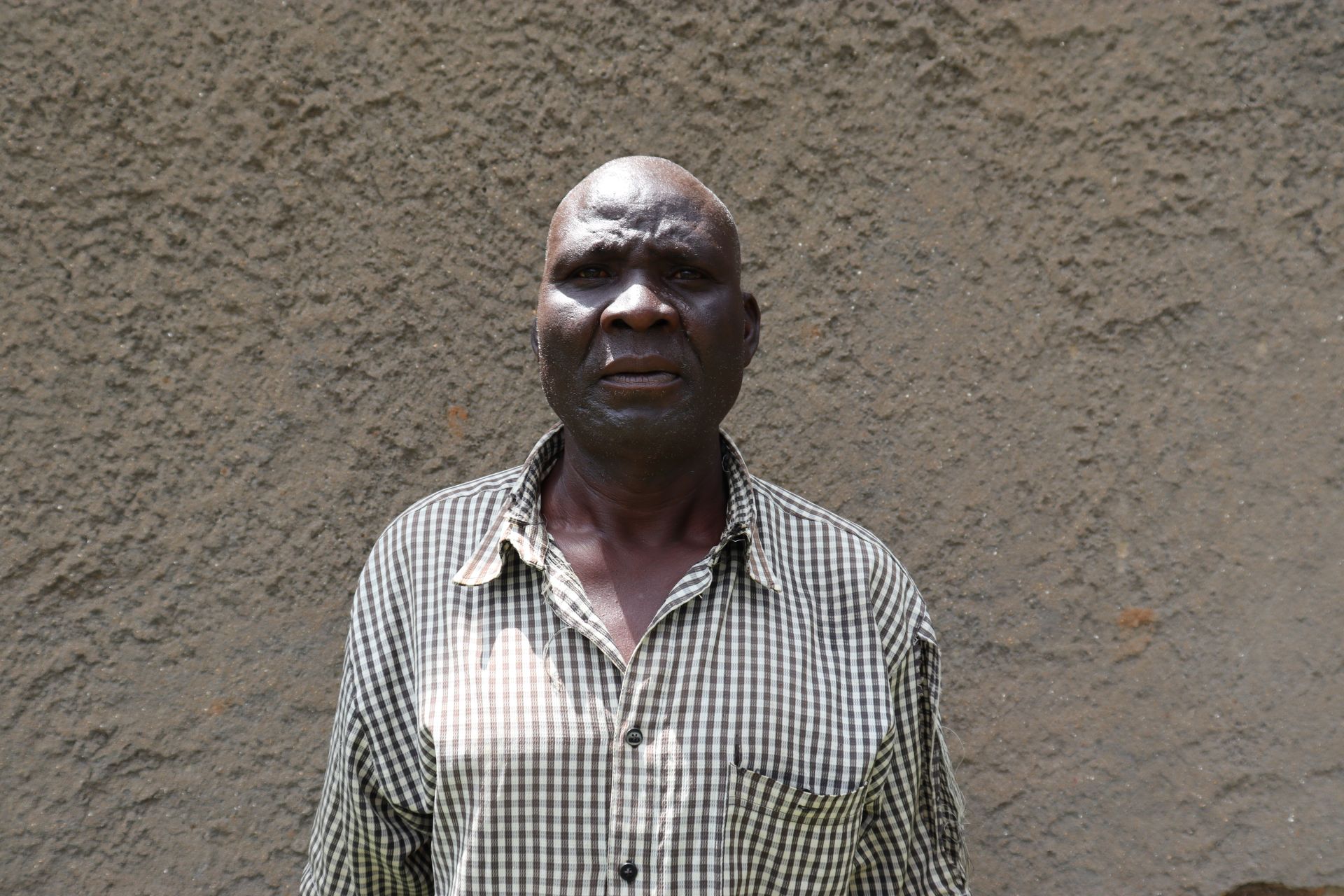
Mr. Lumbasi Makuto.
Lumbasi Makuto, as a 58-year-old farmer in the community, understands the importance of having water nearby. He shared, "Nothing is done without water, because water cannot be substituted with any other substance to achieve what water can do. The use of water in every sphere of life across daily activities is a clear indication of why water is important."
As a farmer, water is critical to his livelihood, and without it, he runs the risk of compromising his way of life.
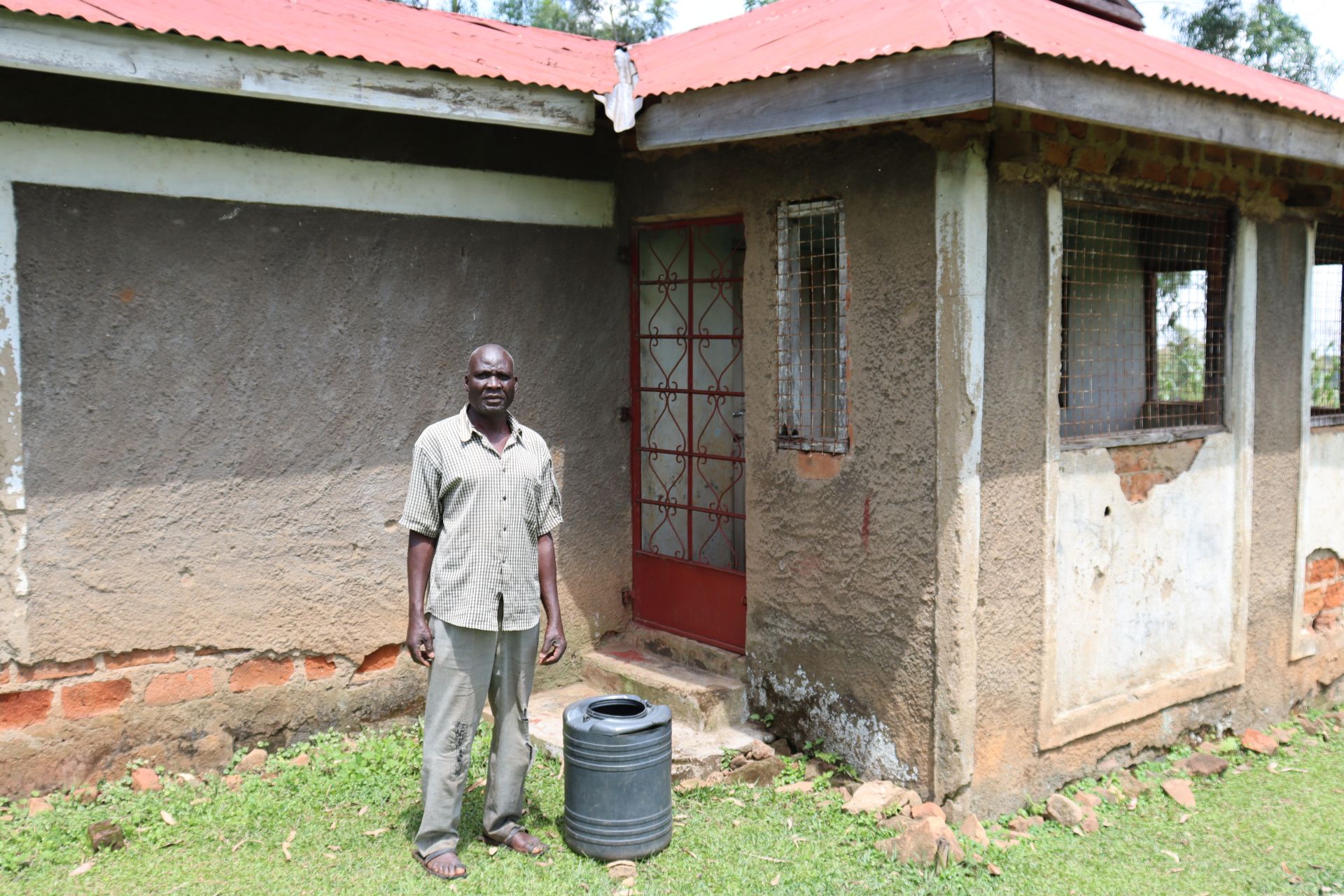
Mr. Makuto with his rain barrel.
For his daily water needs, Mr. Makuto relies on the little rainwater he can collect, but more often has to walk the long distances to the spring, which takes time away from his farming and other daily responsibilities.
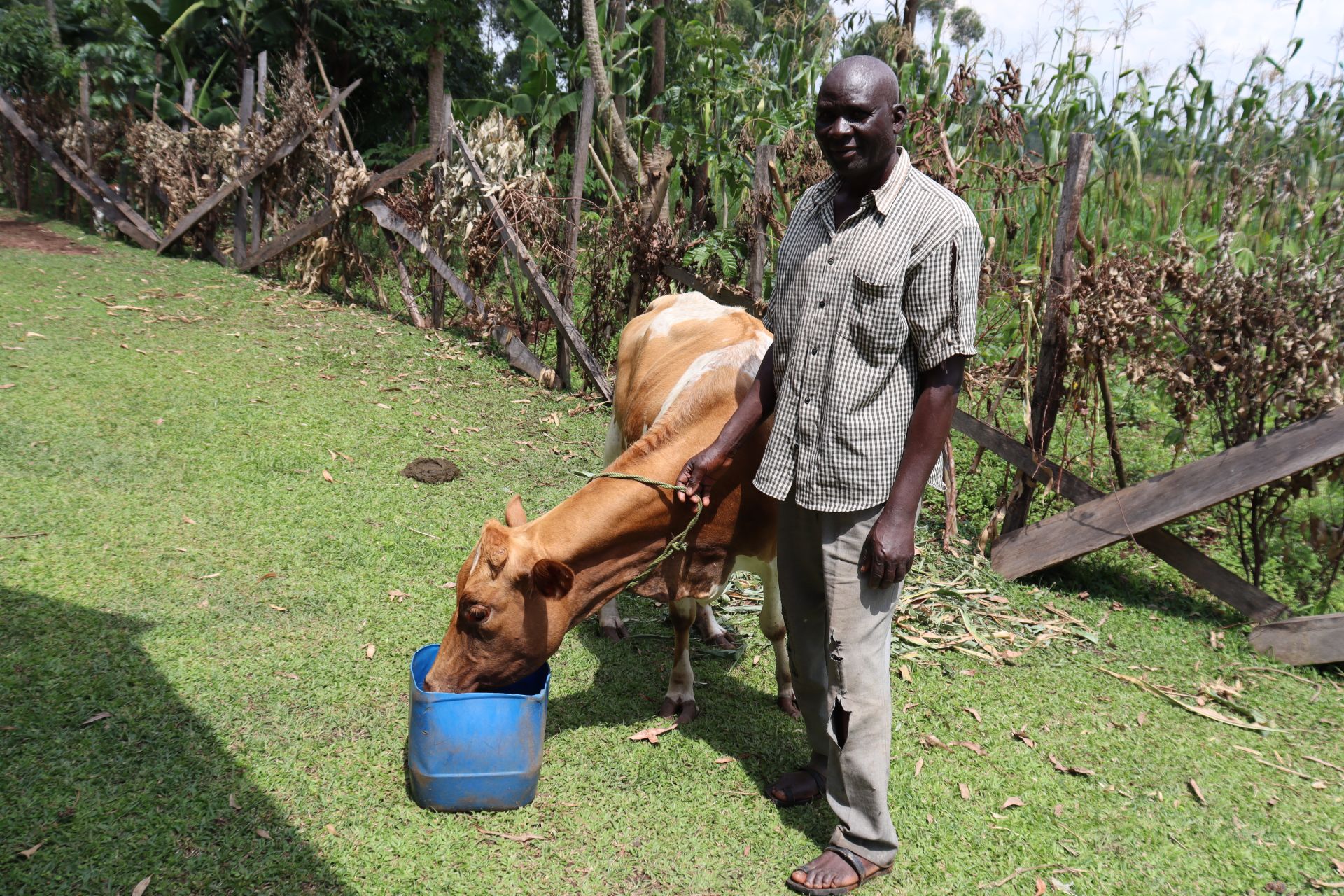
He can only imagine what it would be like to have that time back each day. "Any available time that I get without fetching water will be used in farming activities. I love being close to my animals as well as working on my farm," he said.
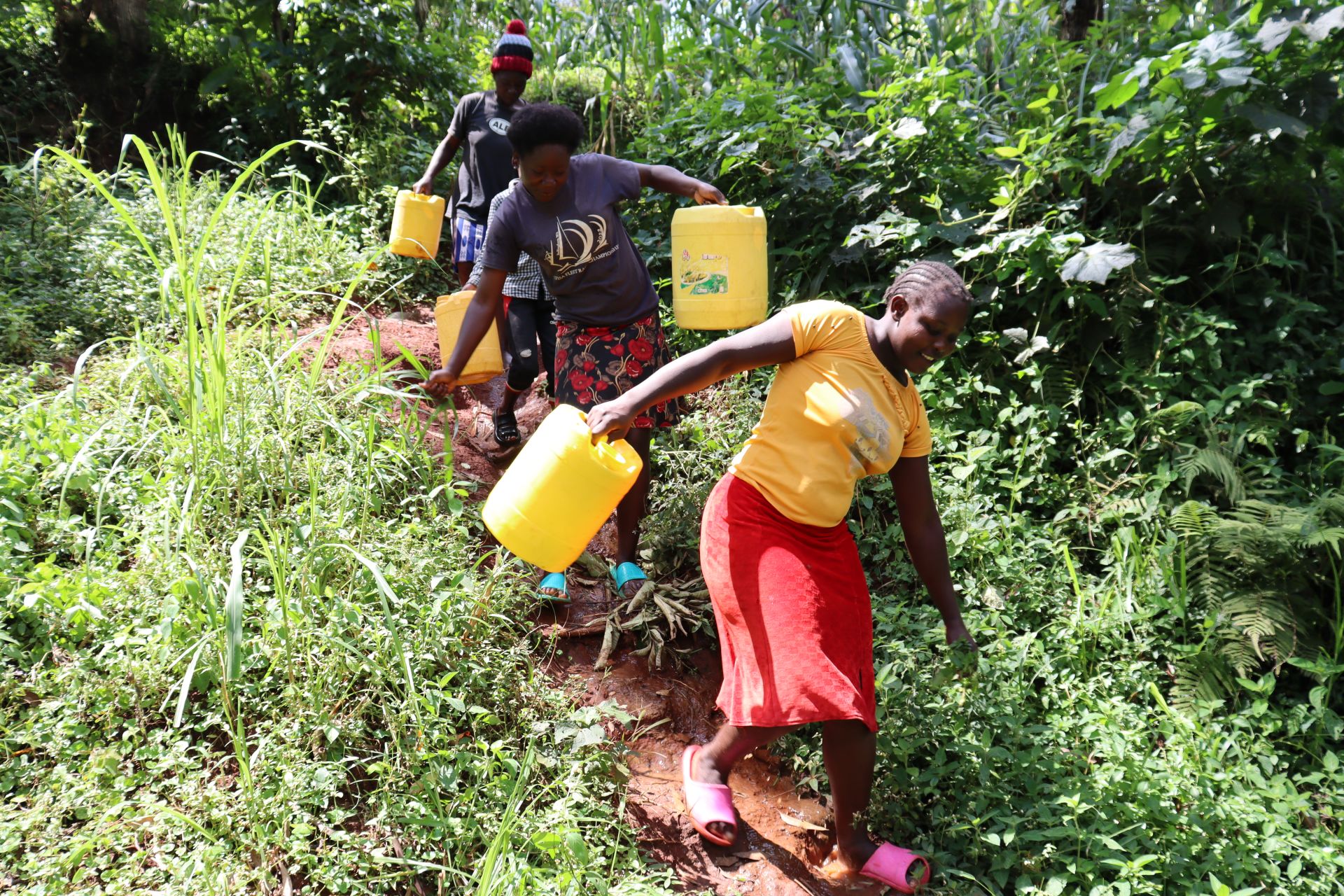
Heading downhill to the spring to collect water.
For other community members who live closer to the spring, especially people with mobility challenges, there is the large hurdle of how to safely collect water. The spring sits at the bottom of a steep valley, which requires physical stamina to traverse. The access path is dirt, and when it becomes wet, it becomes even more challenging - especially with full, heavy water containers.
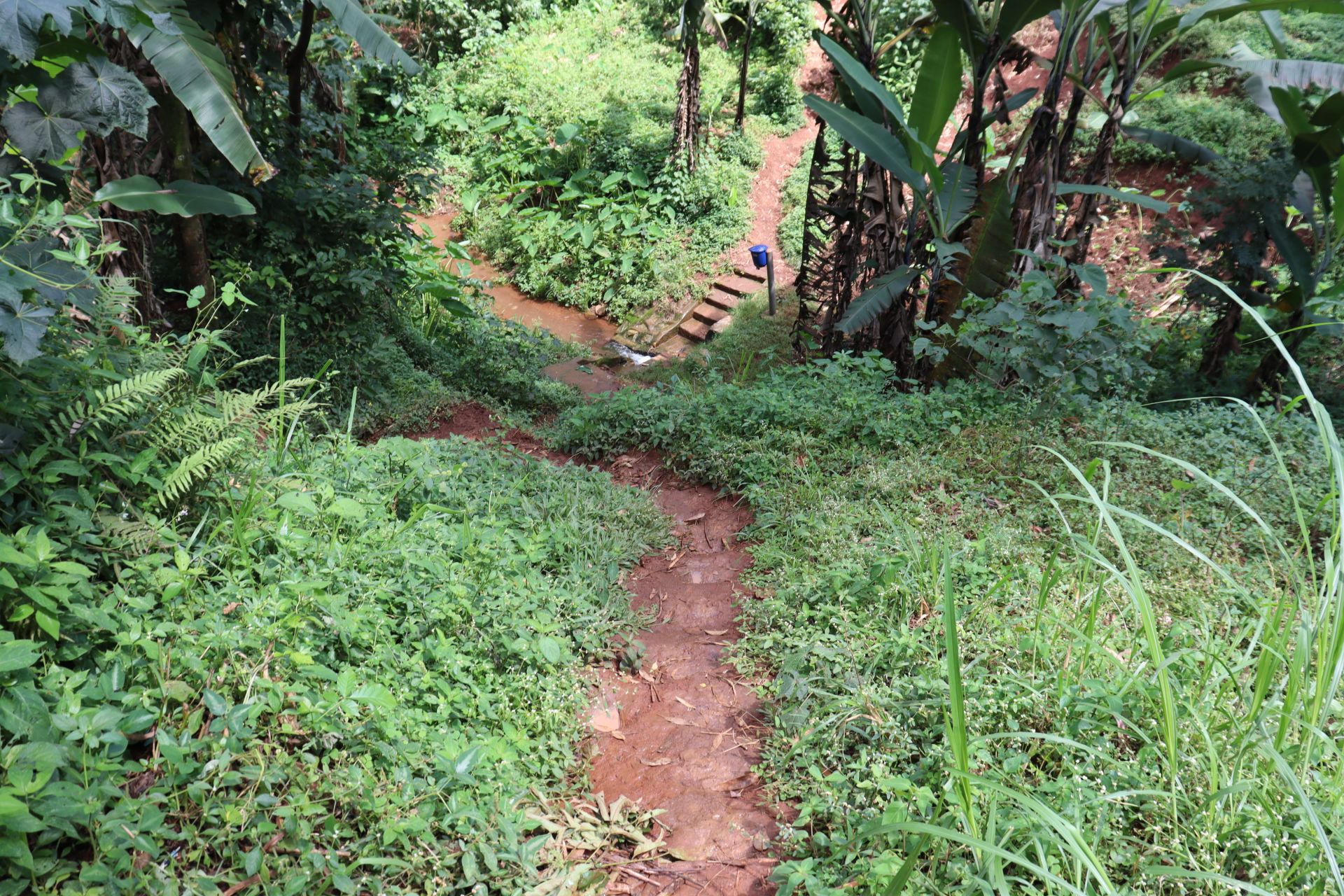
The spring at the bottom of the valley.
Field Officer Wilson Kipchoge noted,
"The access area is hilly to climb and slippery descending into the spring, and always slippery due to community members fetching water every day. With both challenges of climbing up with water and going down to fetch water, community members have suffered a great deal of injuries and fractures as a result of losing footing while using the spring."
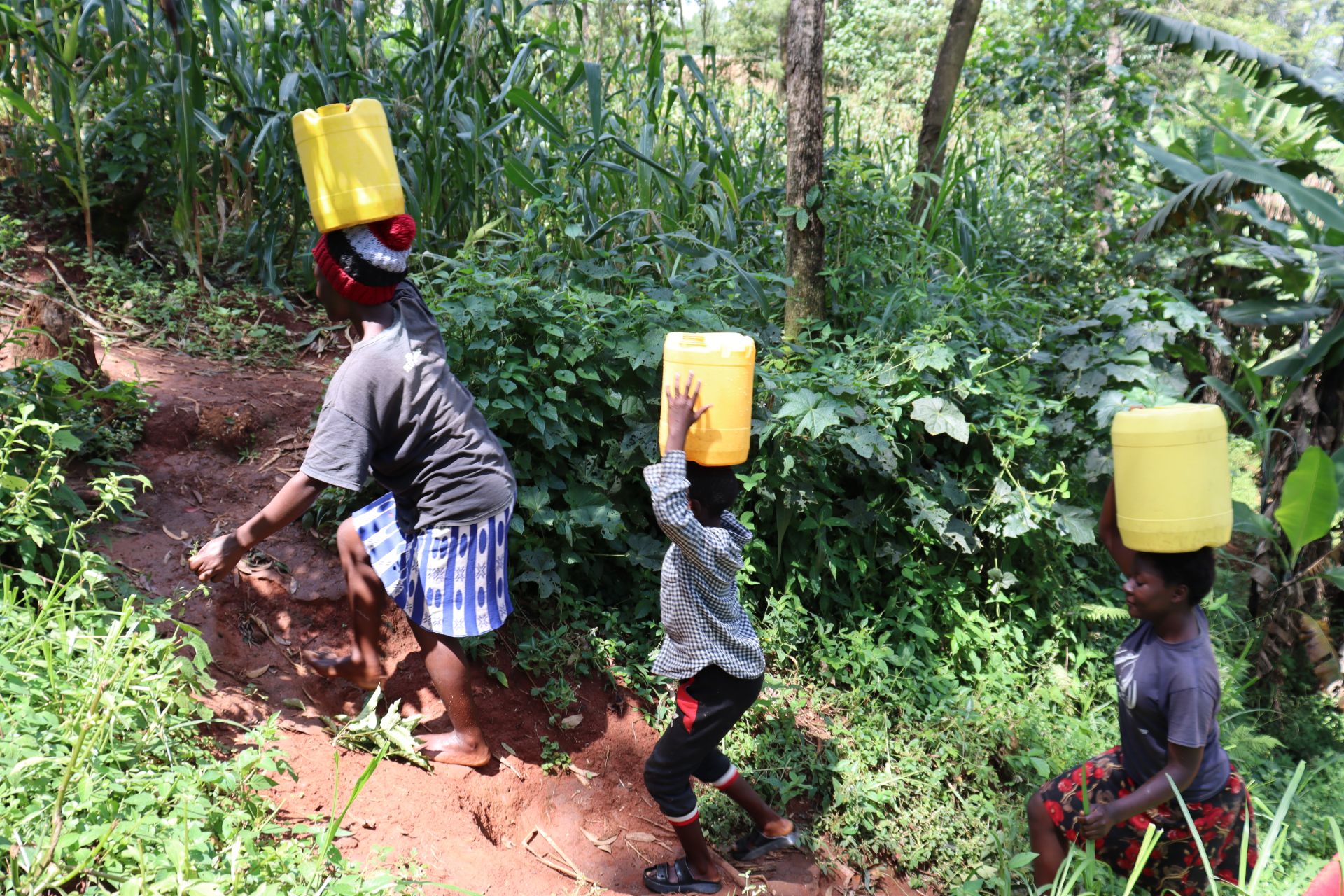
Climbing back up the hill with full water containers.
Thankfully, we have a solution. This project has been identified as an ideal candidate for a pilot project we are implementing this year. We want to capture water from two of the spring's discharge pipes and pipe it to a solar-powered kiosk in the community market. This allows water from this spring to be delivered to a more accessible location, serving more people while placing less physical strain on those collecting it.
Steps Toward a Solution
Our technical experts worked with the local community to identify the most effective solution to their water crisis. Together, they decided to construct a solar-powered water distribution system.
What Makes This Project Unique
This initiative blends a trusted water source—a protected spring—with cutting-edge solar technology to greatly expand access to safe water. The solar-powered water distribution system will serve as a pilot, allowing us to test and refine this groundbreaking approach. If successful, it could become a model for similar communities across the region.
Solar-Powered Water Distribution System
Community members will continue to collect clean water directly from the protected spring, as they have always done. In addition, we’re introducing an innovative solar-powered water distribution system: a submersible pump will move excess runoff water from the spring to a 10,000-liter storage tank at a central community kiosk.
Inline Chlorination
Every drop of water from this kiosk is treated through an inline chlorination system to ensure it’s safe to drink. This will safeguard our essential local water source and embrace sustainable, renewable energy to deliver safe water right where it’s needed most.
Community Education & Ownership
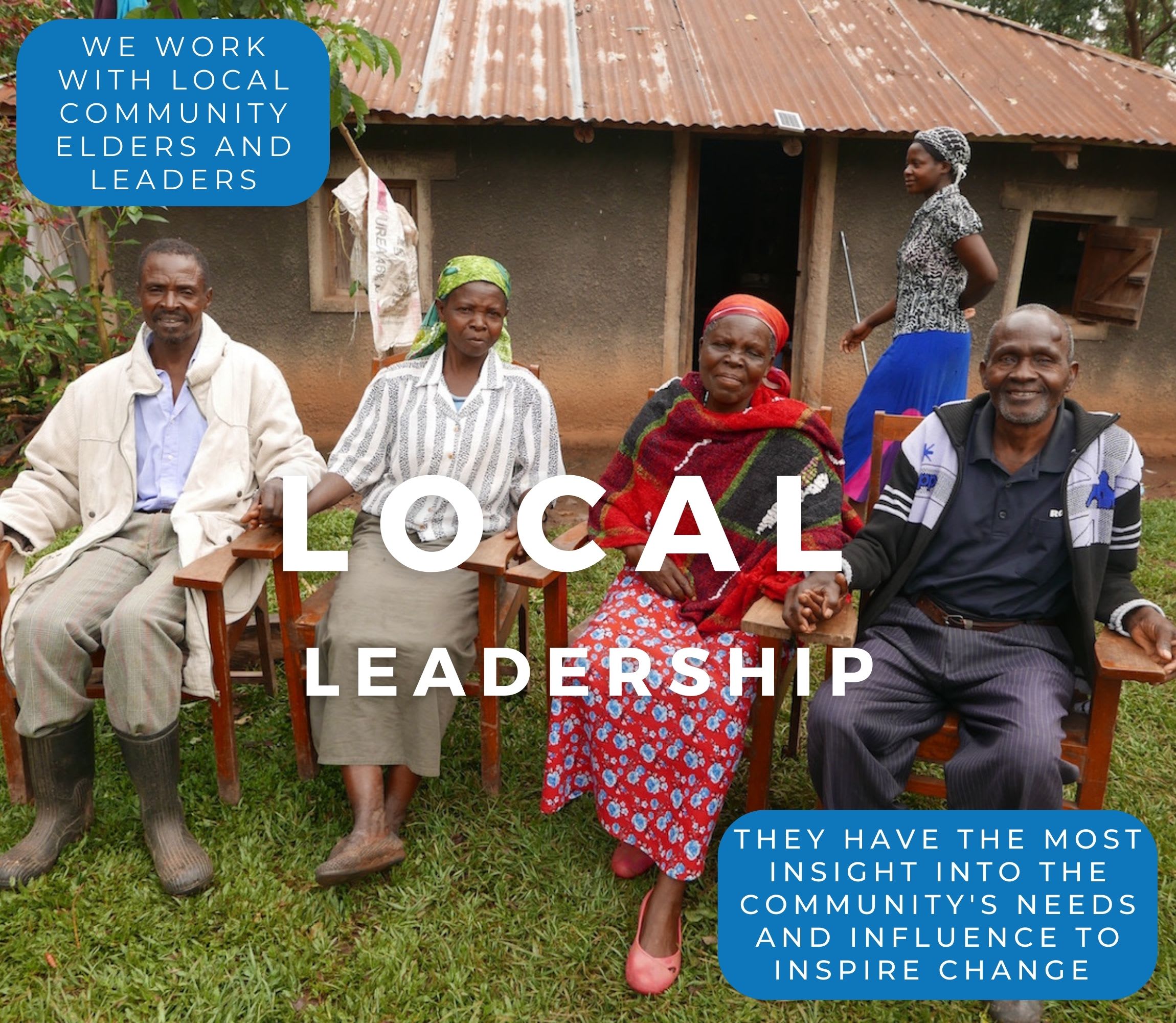
Hygiene and sanitation training are integral to our water projects. Training is tailored to each community's specific needs and includes key topics such as proper water handling, improved hygiene practices, disease transmission prevention, and care of the new water point. Safe water and improved hygiene habits foster a healthier future for everyone in the community. Encouraged and supported by the guidance of our team, a water user committee representative of the community's diverse members assumes responsibility for maintaining the water point, often gathering fees to ensure its upkeep.