 Solar Kiosk

 Rehabilitation Project












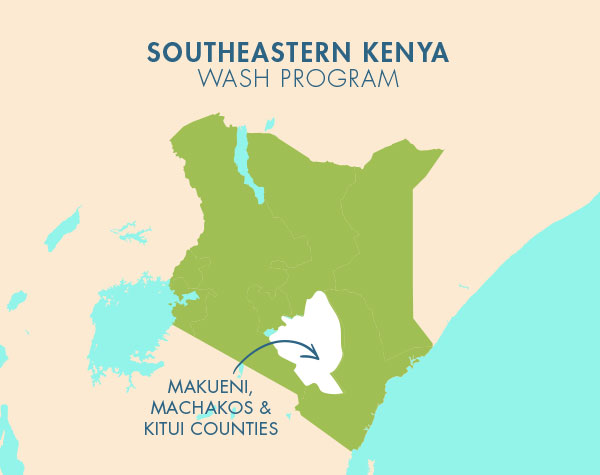
Rachael Kavinya is a 68-year-old farmer in Kilela Community. She is one of 300 people who will draw water from a new solar-powered kiosk. About 150 more people from a neighboring community are expected to use it too. For Rachael, the kiosk means water close to home for the first time.
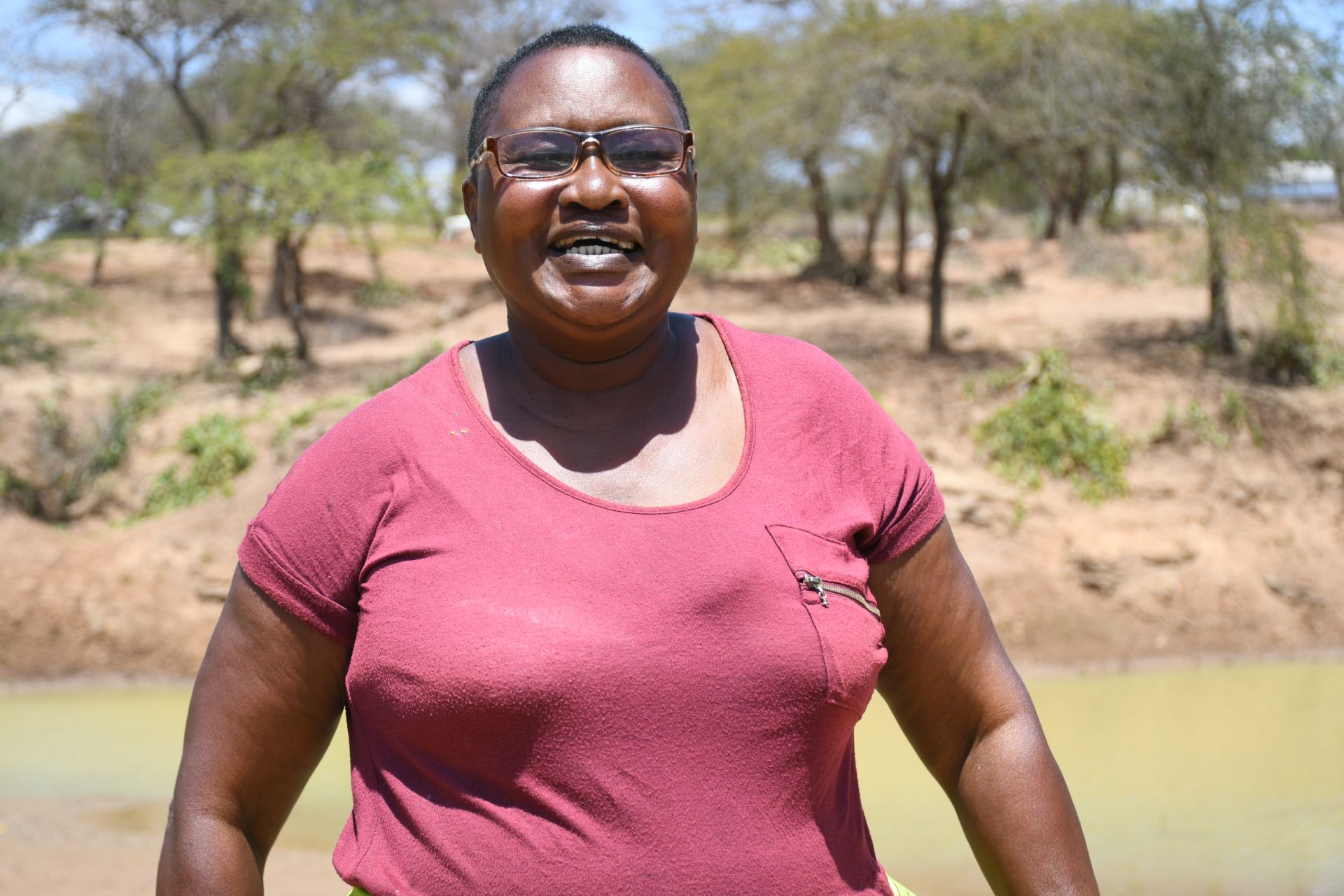
Ms. Kavinya.
“Water is essential to almost everything we do. I need it for drinking, cooking, washing, cleaning, and keeping my family healthy," she said.
Rachael’s community hasn’t waited for help to arrive. Through the Kilela self-help group, members have already built two sand dams with protected dug wells beside them. Bringing water closer by solar pipeline was part of the group’s own five-year plan.
Their wells provide clean water, but it is often still too far for her and other community members living on the outskirts to collect each day and fulfill their responsibilities.
Rachael resorts to collecting water from other open water sources, which are also quite a distance away. When she finds it, it does not solve her problems.
“It’s impossible to fetch water more than once or twice in a day due to overcrowding and [the] long distance involved," said Rachael.
The time spent walking for water could go to her livelihood.
“I would spend my time preparing my farm, taking care of my goats, tending to household duties, resting, or engaging in table banking activities," she said.
The water she finds at the end of that walk is often unsafe. The earth dam and scoop holes are open, and animals drink from them. Dust, debris, and animal waste wash in, and the water turns brown, with a bad taste and smell. Typhoid, diarrhea, stomach upsets, and amoebas are common in the community.

Rachael at one of the scoop holes they use as an alternative source.
“I am concerned because some of the water we collect comes from scoop holes and the earth dam, where animals drink, and human activities, dust, and debris can contaminate the water. We cannot always afford the resources needed to treat it properly before use. This puts my family at risk of illnesses such as diarrhea, typhoid, and stomach infections," Rachael continued.
The new system will pump water from the Kilela sand dam using solar power and store it in two raised 10,000-liter tanks. From there, it will feed a kiosk closer to people’s homes. The kiosk is designed for older people and people living with disabilities, with a level, non-slip approach, a tap at a convenient height, and room for mobility aids and water containers. The project also includes fencing, latrines, and water treatment.
The self-help group already has plans for the water. Members will sell it at an affordable price to cover maintenance, start a vegetable plot, make and sell soap, raise tree seedlings, and plant home gardens.
“Having water closer to home would ease this burden and give my family a better chance of staying healthy and improving our daily lives. To me, water is life because without it, our health, dignity, and ability to provide for our families are all affected," Rachael said.
“Having a water kiosk closer to our homes will make fetching water easier and reduce the time and energy we spend walking to distant sources. I hope it will also give us better access to safer water, reducing our reliance on contaminated scoop holes and the earth dam," she declared.
Steps Toward a Solution
Our technical experts worked with the local community to identify the most effective solution to their water crisis. Together, they decided to construct a solar water distribution system.
Solar Water Distribution
This solar water distribution project will draw from a completed sand dam and well that already supplies drinking water to the community. But for families living kilometers away, that water is still out of reach - and this project changes that.
Using solar energy, water will be pumped from the sand dam through kilometers of piping to two 10,000-liter storage tanks on an elevated platform. From there, a pump house with taps gives community members a simple, convenient place to collect clean water, bringing it closer to more people than ever before.
The water kiosk will be designed with accessibility in mind by providing a level, non-slip approach and sufficient space for people using wheelchairs, crutches, or other mobility aids to reach the water collection point. The tap will be positioned at a convenient height to allow users with limited mobility to fetch water with minimal assistance.
Latrines
We will construct a two-door Ventilated Improved Pit (VIP) latrine designed to prevent fecal disease transmission. The latrine features a cement floor, making it easy to use and clean regularly. It will be available for the kiosk operators to use as needed.
Community Education & Ownership
Hygiene and sanitation training are integral to our water projects. Training is tailored to each community's specific needs and includes key topics such as proper water handling, improved hygiene practices, disease transmission prevention, and care of the new water point. Safe water and improved hygiene habits foster a healthier future for everyone in the community.
Encouraged and supported by our team's guidance, the community elects a water user committee representative of its diverse members. This committee assumes responsibility for maintaining the water point, organizing community efforts, and gathering fees to ensure its upkeep.