 Protected Spring

 Rehabilitation Project











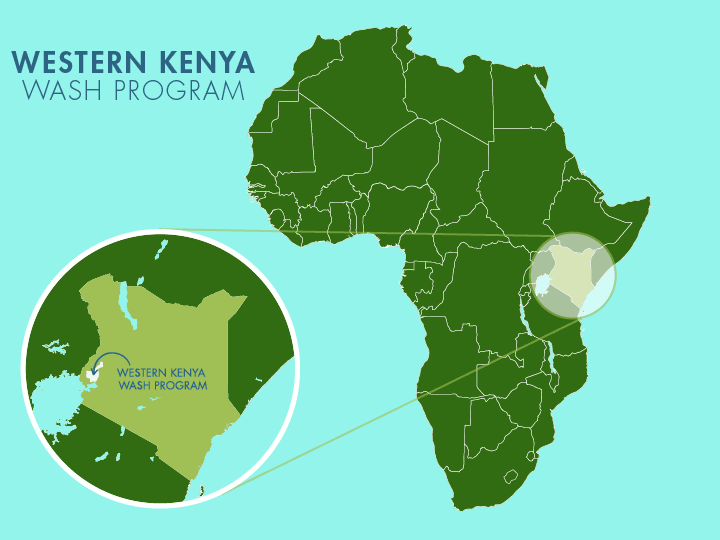
This Jeblebuk Community is struggling with a serious lack of clean, reliable water. The 105 community members' main source is the Kipkeroi Spring, but it's in bad shape: the spring box is broken down, overgrown with algae, and surrounded by vegetation, making contamination a real risk.
When the spring runs low or dries up seasonally, people fall back on rainwater, but the supply quickly runs out. Both sources — the spring and the rainwater — leave people drinking water that's far from safe.
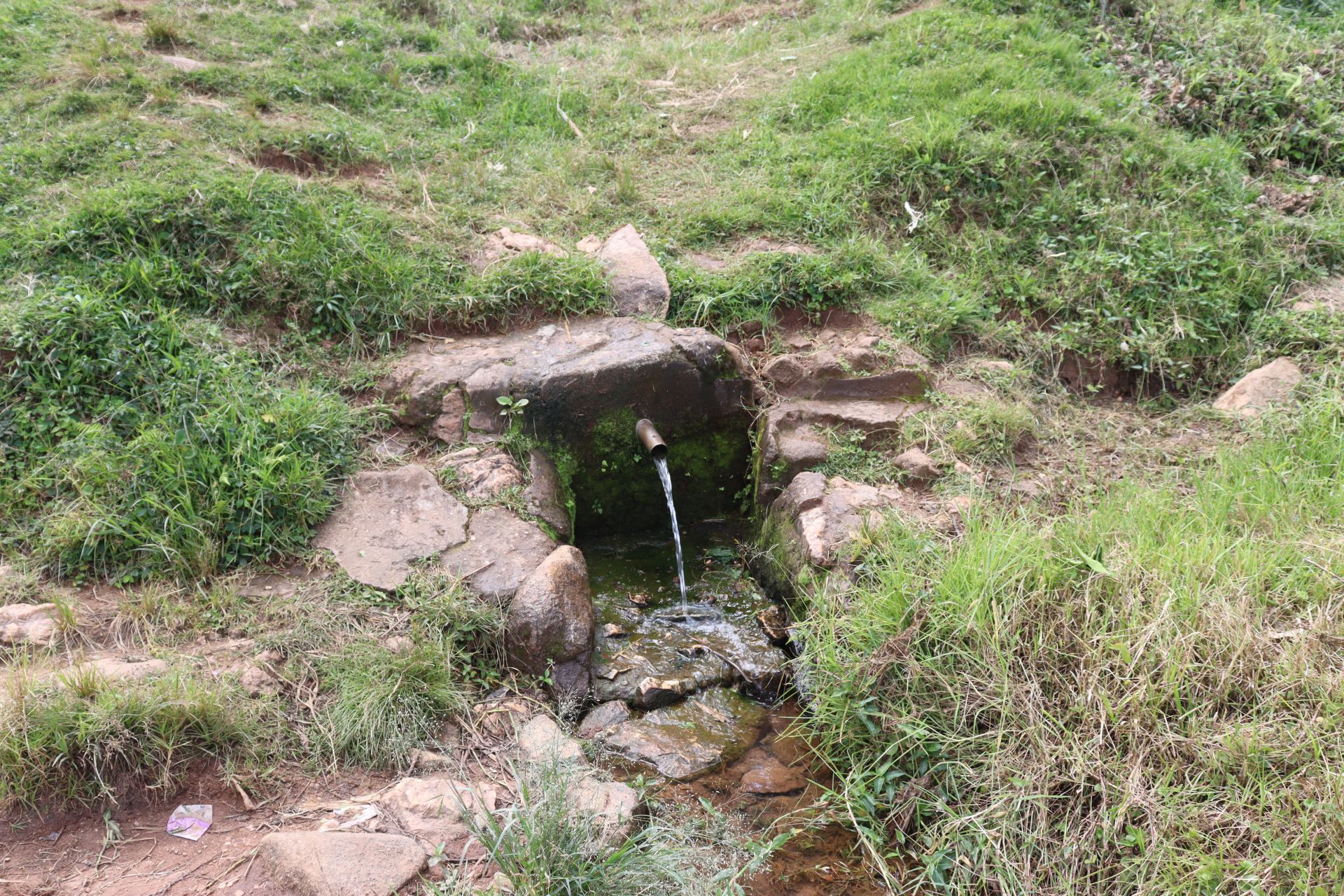
The spring that needs protection.
Community members report coughing and sore throats after drinking from these sources, and the risk of waterborne diseases like diarrhea and typhoid is a constant concern. Beyond health, the time and energy spent collecting water, particularly by women and children, cuts into productivity and daily life. Poor access to water has also made basic hygiene and sanitation difficult to maintain, creating a cycle that keeps the community vulnerable.
Without a safe water source for community members to rely on, they must use the spring as it is and accept all of the risks that come with it.
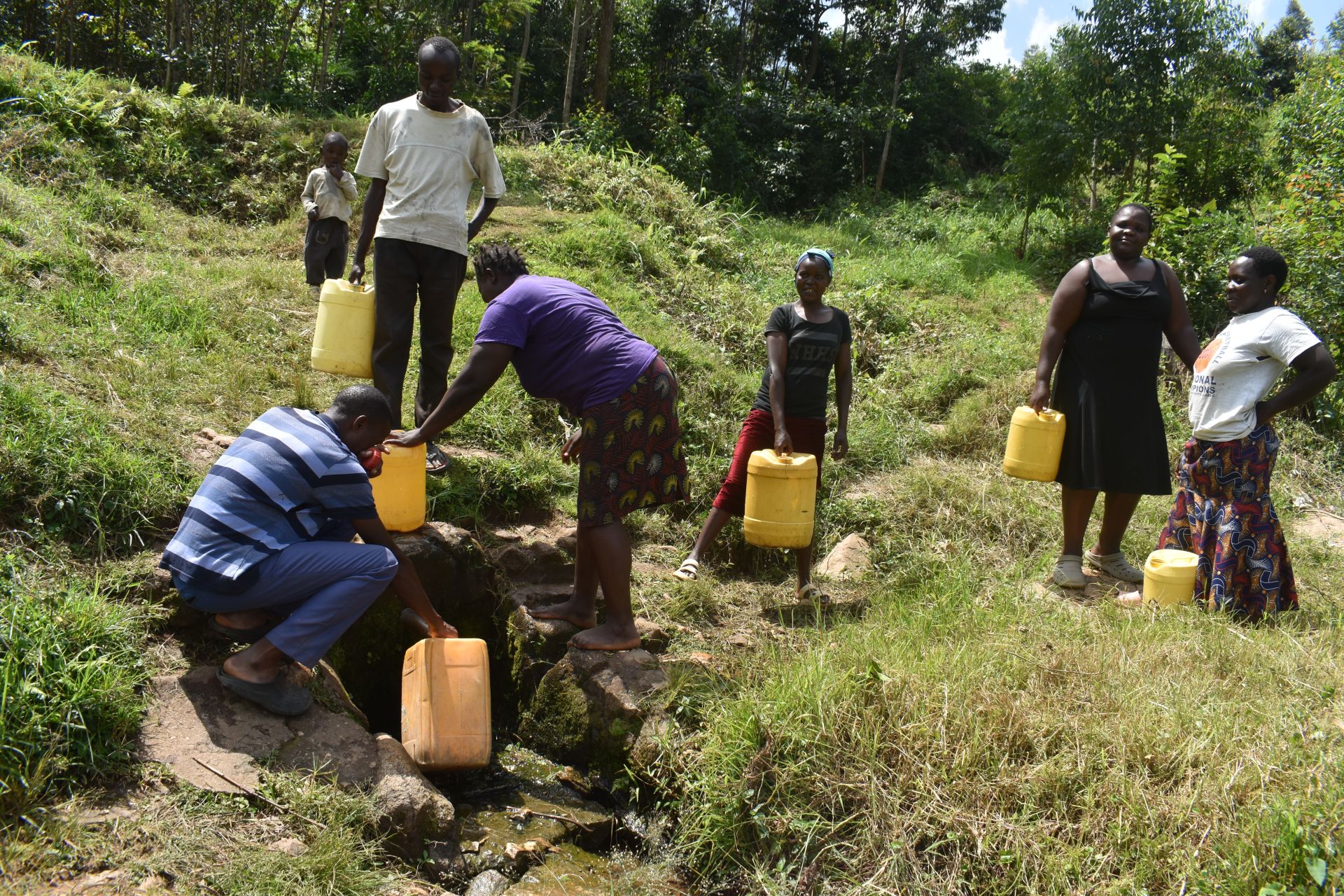
Community members wait to collect water from the spring.
"We are so prone to waterborne diseases that harm health, thus reducing time for school and other activities. Fetching water now takes a longer time because of long queues, especially during dry spells. All those current challenges have made daily life more exhausting and stressful," shared 11-year-old Shavil.
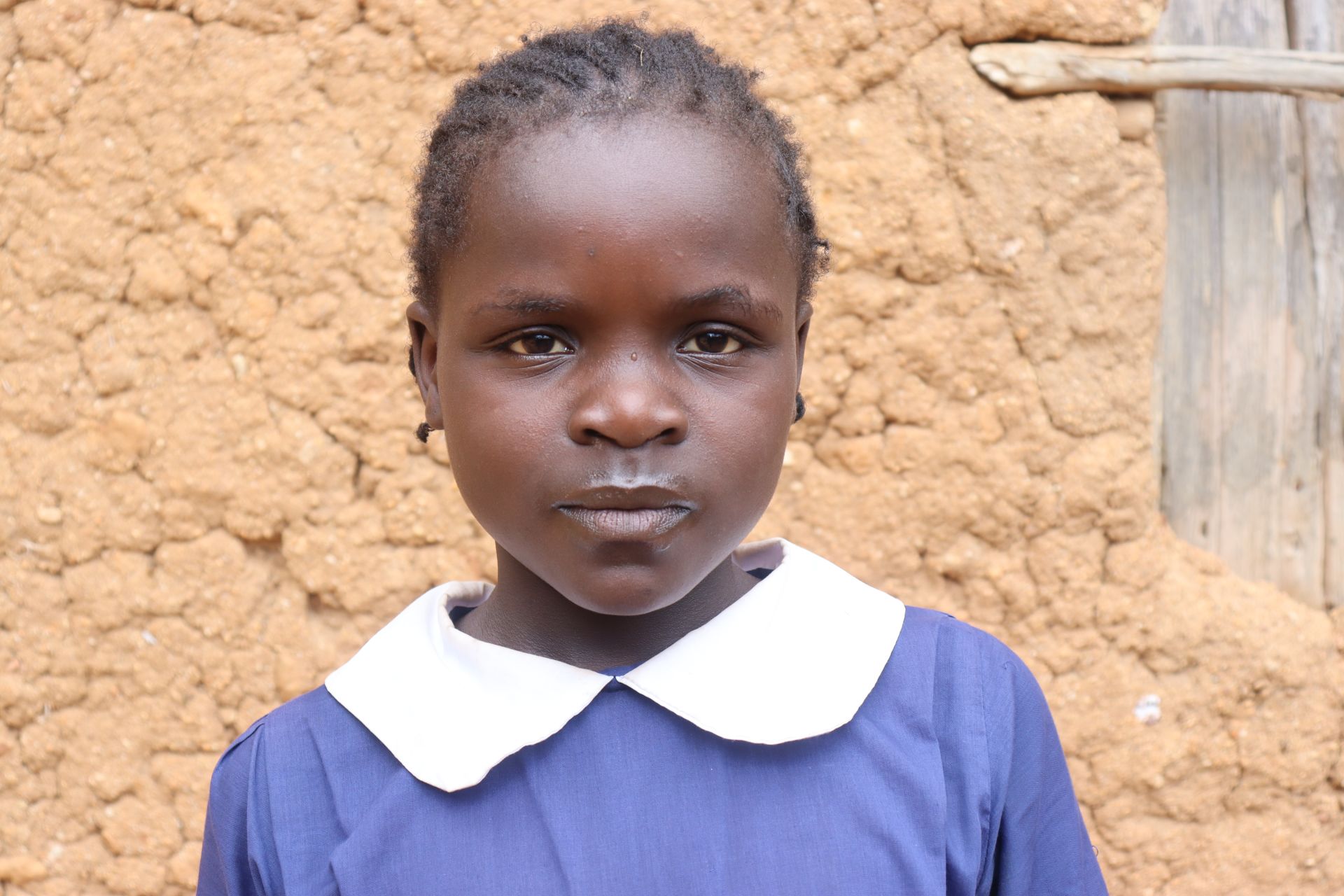
Shavil.
"It was this week on Tuesday when I had a severe stomachache after consuming water sourced from our spring. I became very weak [so] that I had to miss school. The experience was very disappointing because the pain kept recurring even after taking medication," Shavil recalled.
She lamented, "Sometimes I have to miss school when I am sick because I am too weak to attend classes or need time to recover after receiving treatment."
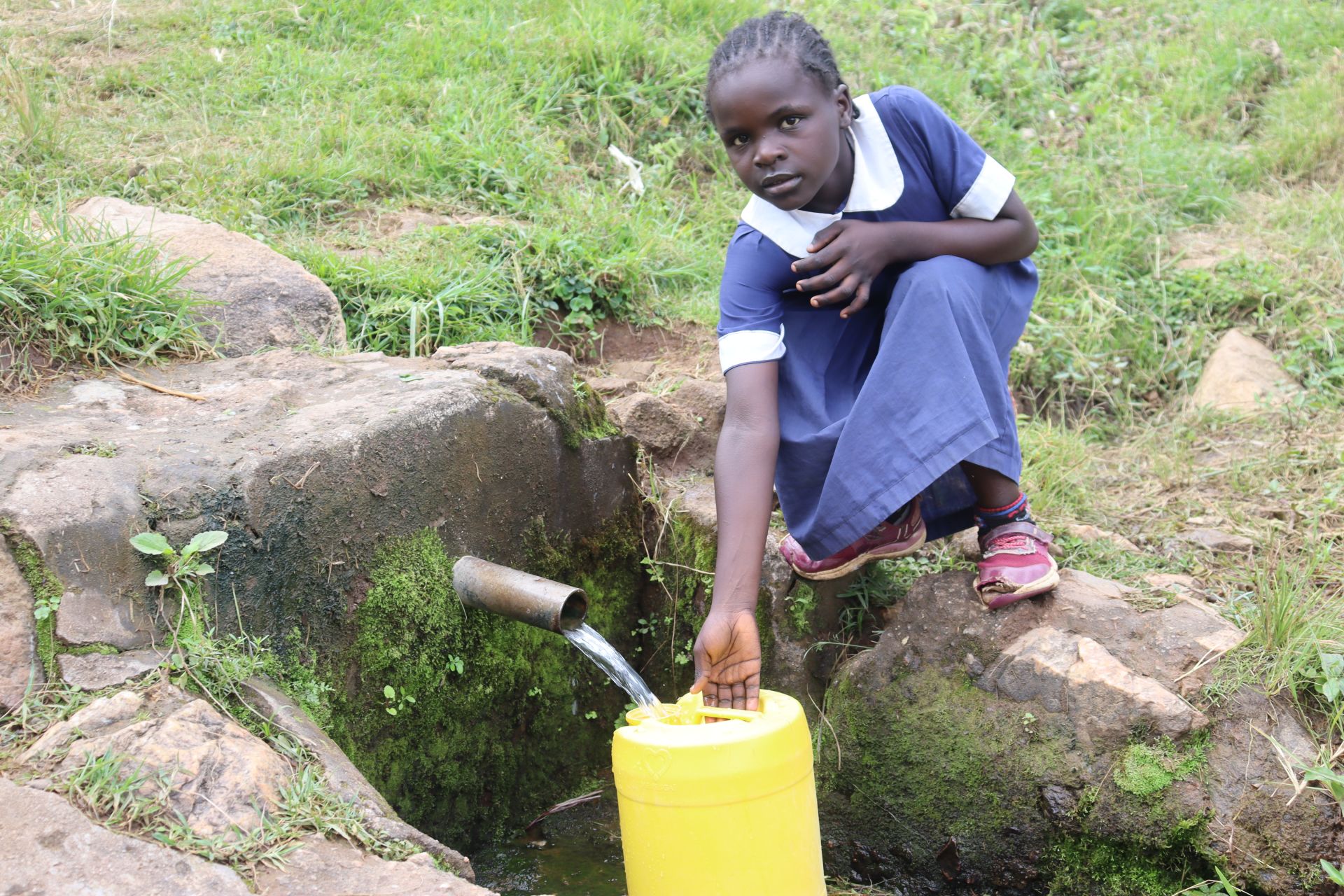
Shavil collects water from the spring.
But Shavil's missing class is not the only cost - it affects her entire family and keeps them in a cycle of poverty.
"My parents had to give me paracetamol (acetaminophen) to reduce pain, and the next day they took me to the nearby dispensary for treatment. Although my mother had no money for the medication she borrowed some from our neighbour," she explained.
Shavil is a young girl who dreams of a bright future but until she has access to clean water those things will remain out of reach.
"If I did not have to spend much time getting water, I would spend more time studying, doing assignments [at] home and helping my mother with other household chores," said Shavil. "I could spend the rest of the time playing with my friends."
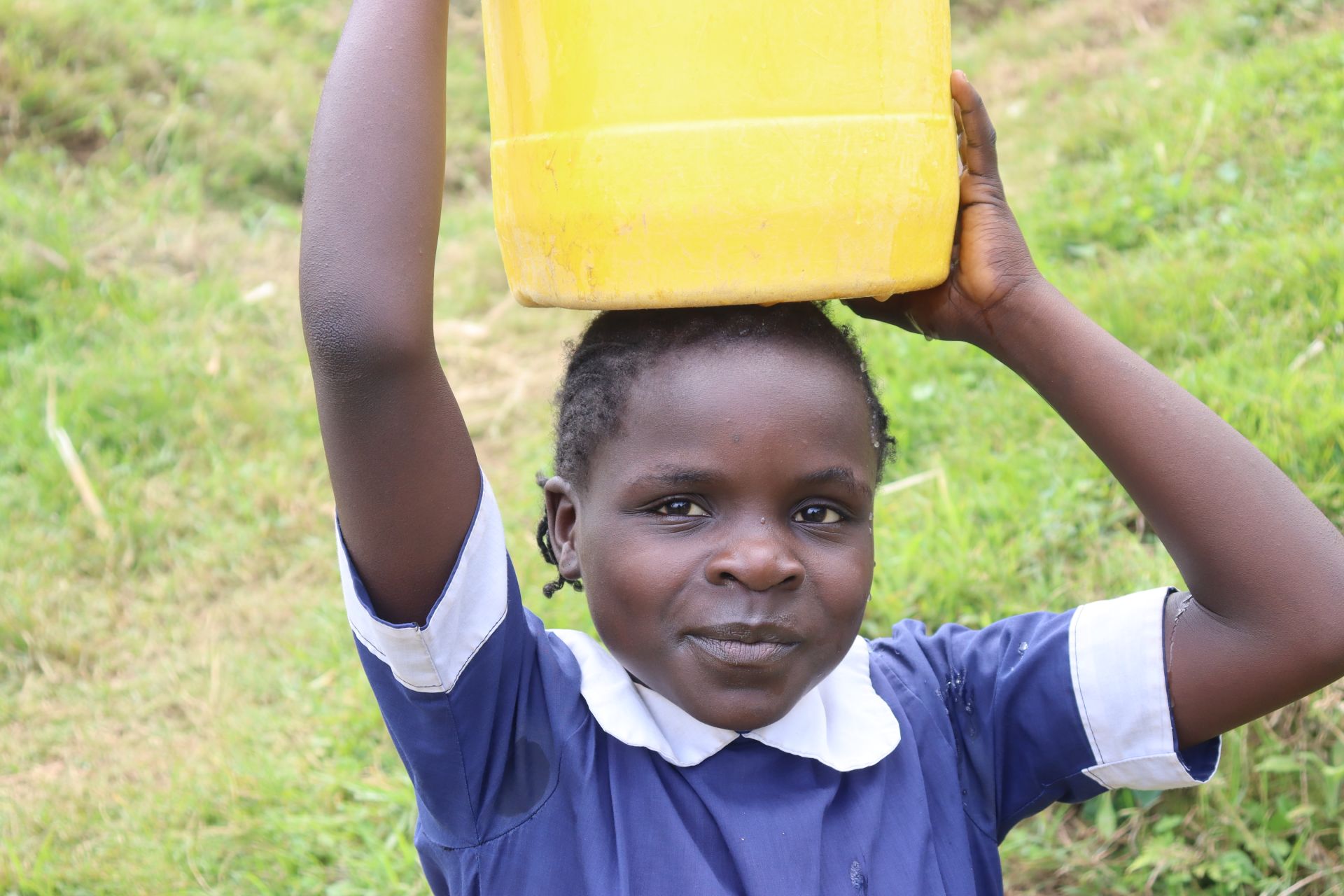
"When I grow up I would love to be a school teacher to help impart knowledge to young people in my community because education is what opens doors to opportunity."
Steps Toward a Solution
Our technical experts worked with the local community to identify the most effective solution to their water crisis. They decided to safeguard the existing flowing spring.
Spring Protection
Springs are natural water sources that originate from deep underground. As water travels through various layers of the earth, it undergoes a natural filtration process, making it cleaner and safer to drink. To protect these spring sources from contamination, we construct a waterproof cement structure around layers of clay, stone, and soil. This design channels the spring water through a discharge pipe, facilitating easier, faster, and cleaner water collection.
Chlorine Dispenser
As an extra measure towards water quality safety, uniquely engineered chlorine dispensers are installed at all of our spring protection projects so community members can treat their water with pre-measured doses of chlorine. The chlorine treats any possible contamination and stays active for two to three days, ensuring water stays safe to use even when stored at home. Chlorine delivery and maintenance of the dispensers are part of our ongoing community support.
Community Education & Ownership
Hygiene and sanitation training are integral to our water projects. Training is tailored to each community's specific needs and includes key topics such as proper water handling, improved hygiene practices, disease transmission prevention, and care of the new water point. Safe water and improved hygiene habits foster a healthier future for everyone in the community.
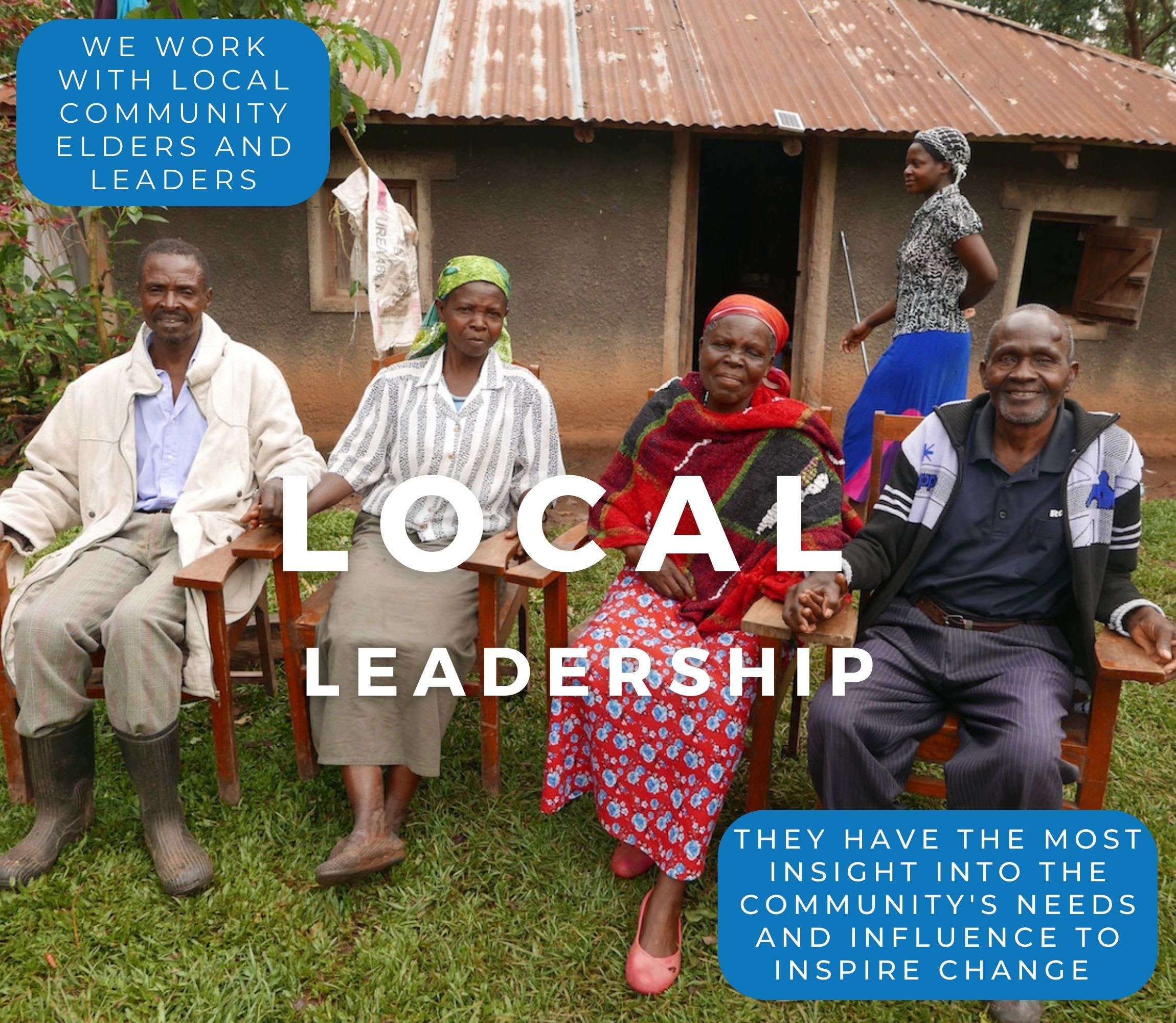
Encouraged and supported by our team's guidance, the community elects a water user committee representative of its diverse members. This committee assumes responsibility for maintaining the water point, organizing community efforts, and gathering fees to ensure its upkeep.